
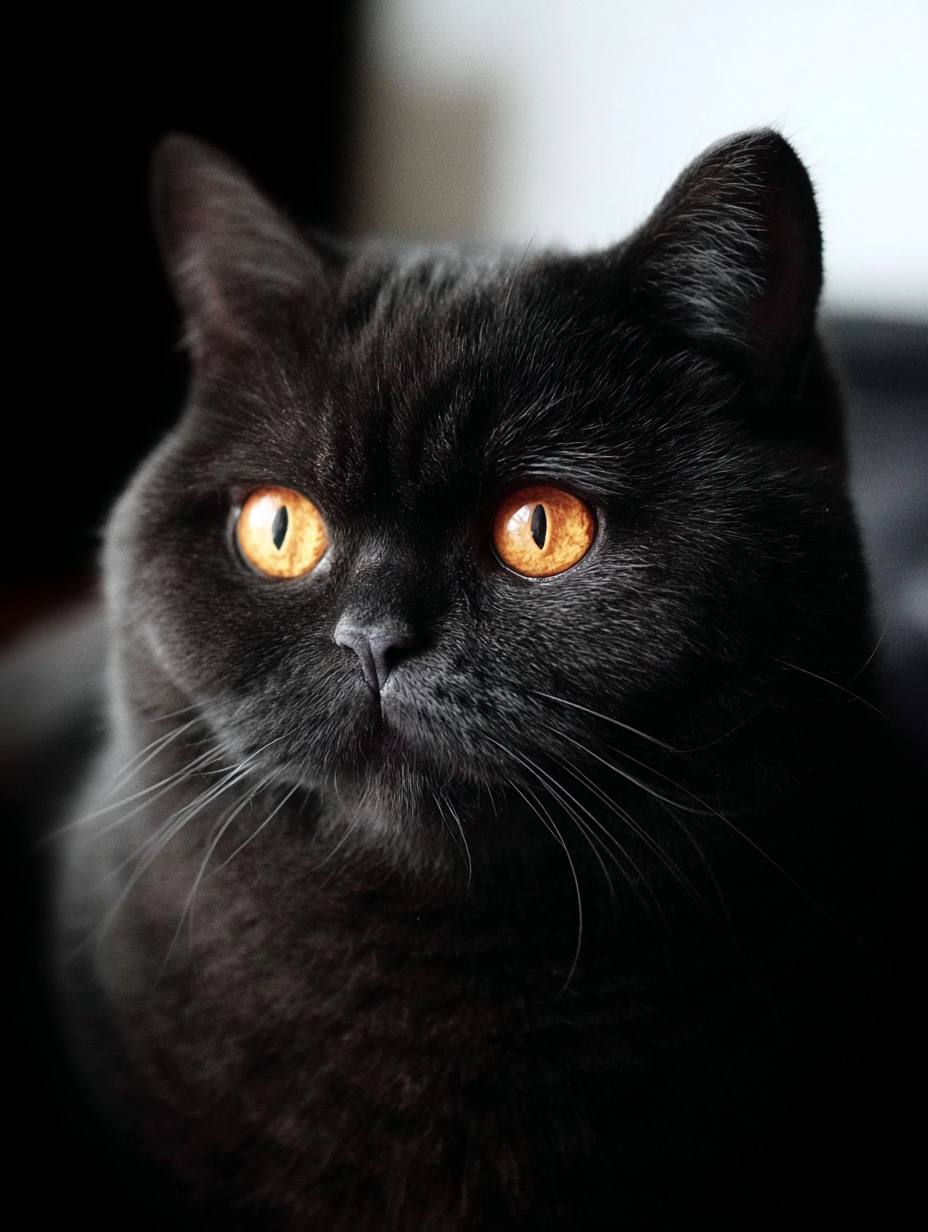
The Black British Shorthair: Featuring Solid Blacks and More
British Shorthair cats are famous for their round faces, copper eyes, gentle temperaments, and plush coats — but can British Shorthair cats be black? Is the black British Shorthair color legitimate?
The answer surprises many: yes, black British Shorthair cats exist, and unlike in some breeds, the black coloration is fully accepted, well established, and historically rooted in the breed’s development.
The black British Shorthair is striking, elegant, and loved by families who prefer a bold, luxurious look. Their thick, velvety coats make the black color appear rich and dense, and their golden eyes stand out beautifully against the dark fur. Here, we will explain everything you want to know about black British Shorthair cats, color genetics, solid-color coat development, and what to expect from black British Shorthair kittens, plus a detailed comparison of how black fits alongside other British Shorthair colors.
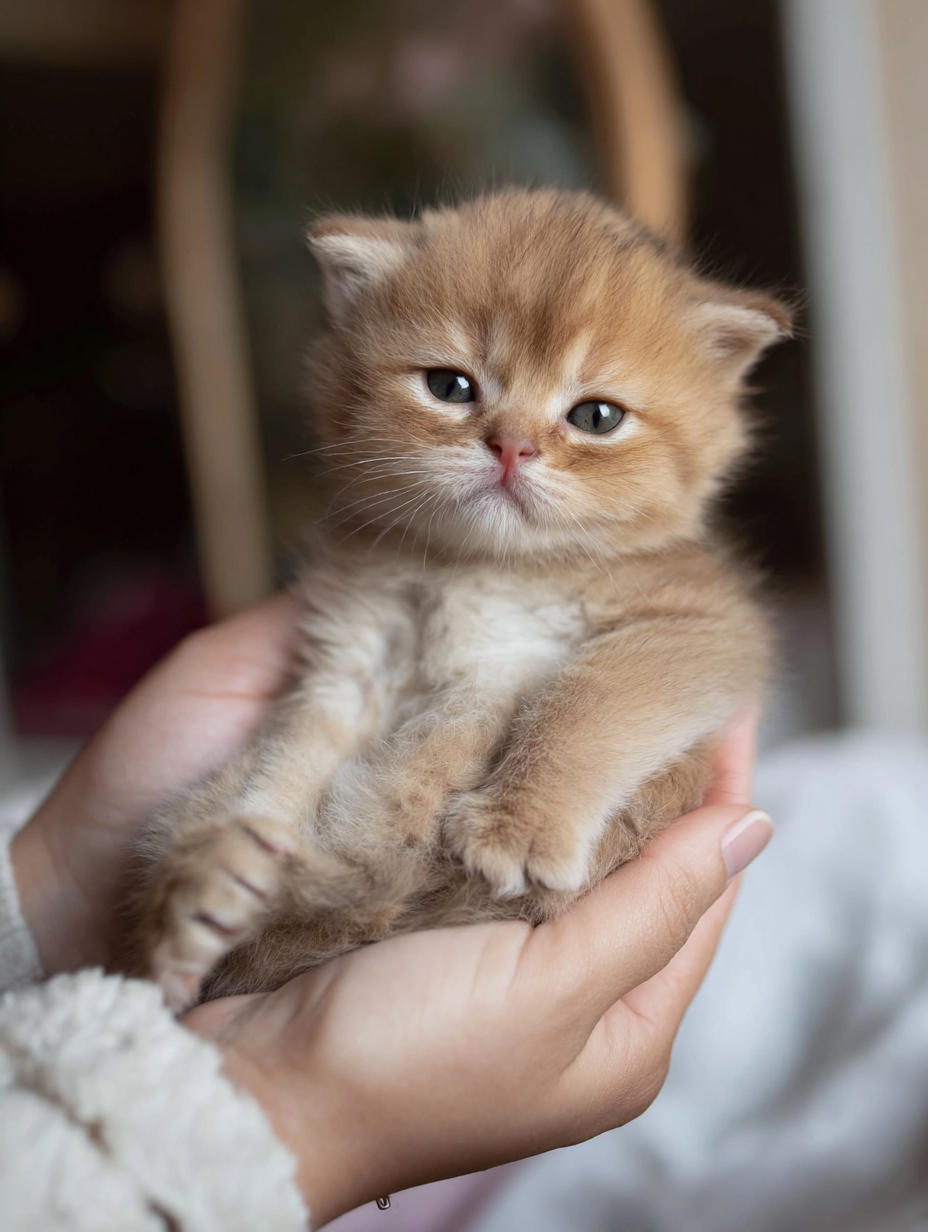
Searching for your own British Shorthair Kitten?
If you are here to find your very own British Shorthair baby, check out our Purebred British Shorthair Kittens for Sale.
At Almonte Cats, every kitten is:
- TICA / CFA registered from fully health-tested parents
- Raised in-home for confident, affectionate temperaments
- Vet-checked, vaccinated, and microchipped before going home
Reserve early — our litters are produced in limited numbers each year to preserve quality, true British Shorthair type, and excellent temperament. We currently specialize in golden british shorthairs in both short and long hair types.
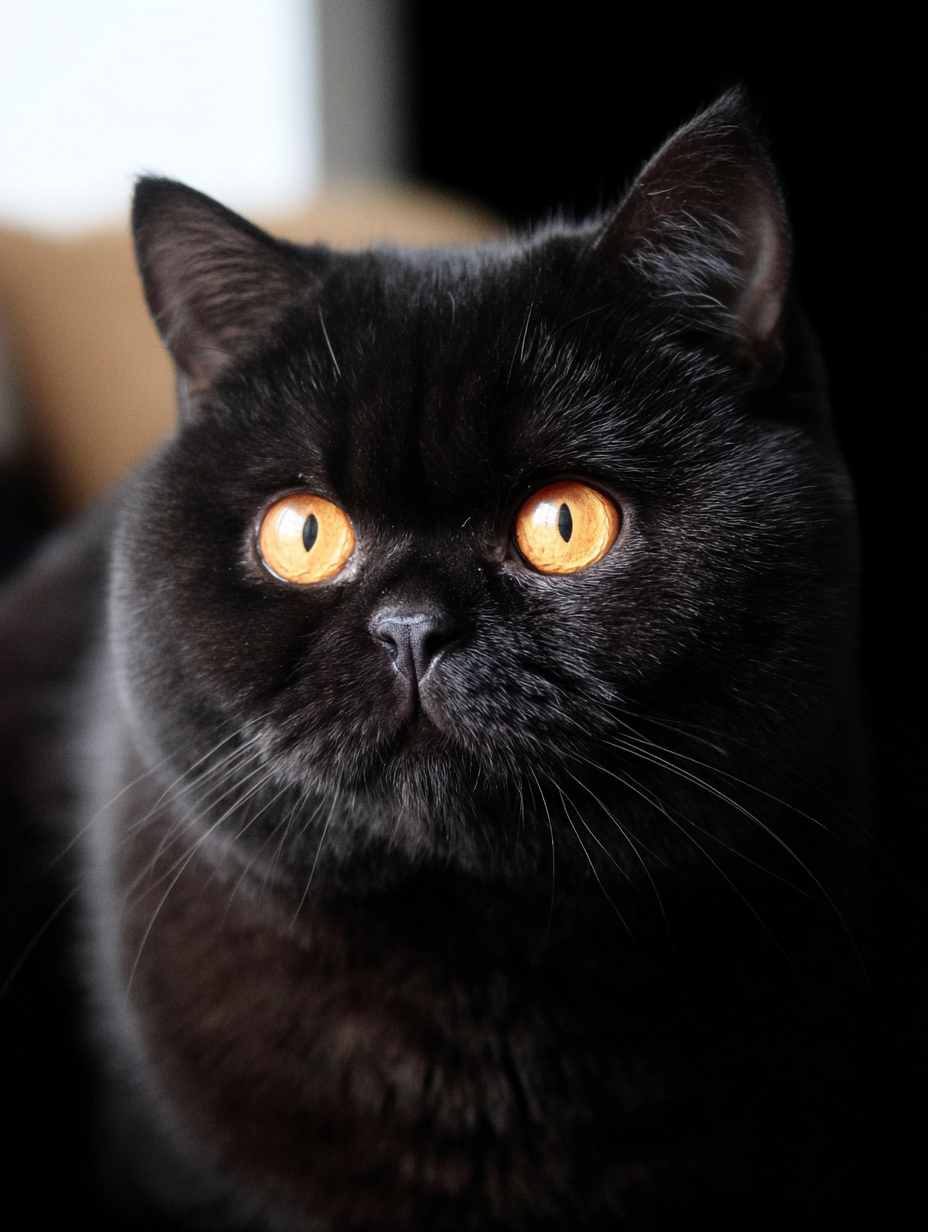
Can British Shorthair Cats Be Black?
Yes. British Shorthair cats can be black, and unlike some breeds with strict colorpoint-only standards, the black British Shorthair color is fully recognized and embraced within major registries such as TICA, CFA, and GCCF. The black coat appears as a solid, even, and deeply pigmented shade from kittenhood through adulthood.
Most British Shorthairs carry stable full-color genetics that express pigment evenly throughout the coat. Black British Shorthairs, in particular, express the non-dilute, full-pigment form of the gene, resulting in a rich, velvety black that does not fade at the torso like pointed breeds or develop contrasting shading.
This makes black British Shorthairs both “traditional” and fully purebred when bred from registered British Shorthair lines.
✅ Tip: Some breeders refer to them simply as solid black British Shorthairs. They share the same calm temperament, thick bone, round cheeks, and plush coat as any other British Shorthair — the only difference is the dramatic color.
Understanding British Shorthair Cat Colors
Traditional British Shorthairs come in an enormous color range — one of the largest of any breed. The most recognized colors include:
- Blue
- Black
- Lilac
- Chocolate
- Red
- Cream
These can appear in multiple patterns:
- Solid
- Bicolor
- Tortoiseshell
- Shaded
- Smoke
- Tabby
Each combination creates dozens of visually distinct British Shorthair looks, from the iconic “British Blue” to silver-shaded varieties.
Black British Shorthair cats fit cleanly within these recognized classifications and are considered classic, not experimental. The black coat is simply one of the oldest foundation colors of the breed.
Seen in breed standards across major registries, black is valued for its clarity, depth, and dramatic contrast with the British Shorthair’s signature copper or gold eyes.
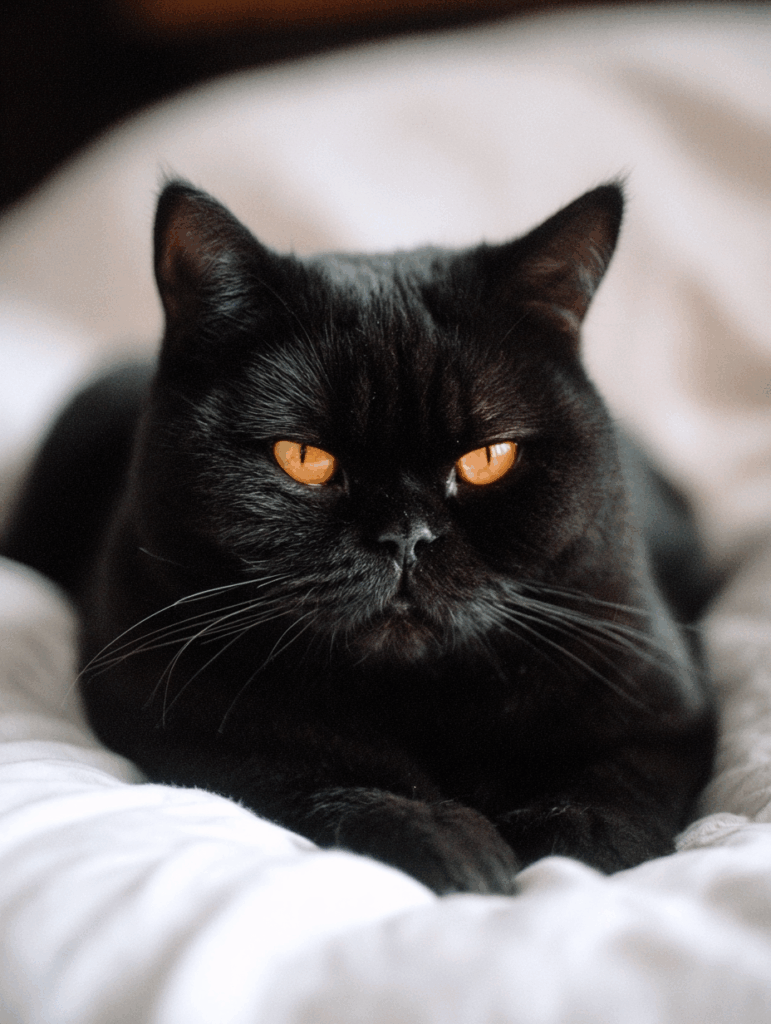
Black British Shorthair vs. Traditional Colors: Comparison Guide
| Feature | Black British Shorthair | Traditional British Shorthair Colors |
|---|---|---|
| Registry Classification (TICA / CFA / GCCF) | Fully recognized as a standard solid color | Fully recognized; includes blue, lilac, cream, red, etc. |
| Accepted Colors | Solid black only | Wide color spectrum from dilute to non-dilute |
| Pattern | Solid, full-body color with no shading | Solid, bicolor, tortie, shaded, smoke, tabby |
| Eye Color | Deep copper, gold, or occasionally orange | Copper, gold, blue (in bicolors), or green (in silvers) |
| Coat Texture | Plush, dense, and crisp — black coats often look glossier | Plush and dense across all colors |
| Temperament | Calm, affectionate, sturdy — identical to all BSH | Calm, affectionate, sturdy — breed hallmark |
| Genetic Makeup | Non-dilute full pigmentation (B-) | Dilute or non-dilute depending on color |
| Show Eligibility | Fully showable in all major registries | Fully showable depending on category |
| Registration | TICA, CFA, GCCF recognized | TICA, CFA, GCCF recognized |
| Rarity | Moderate — produced in smaller numbers than blue | Blue is the most common; black is moderately rare |
| Breed Authenticity | 100% British Shorthair lineage | 100% British Shorthair lineage |
| Best For | Families who love a striking, luxurious coat color | Families seeking classic or traditional colors |
Summary
Both black British Shorthairs and traditional British Shorthairs share the same loving, calm temperament that defines this iconic breed. The only difference lies in how their color genes express across the coat. The black British Shorthair brings full-bodied pigment, visual depth, and a bold, elegant appearance while maintaining all the classic traits that make British Shorthairs beloved worldwide.
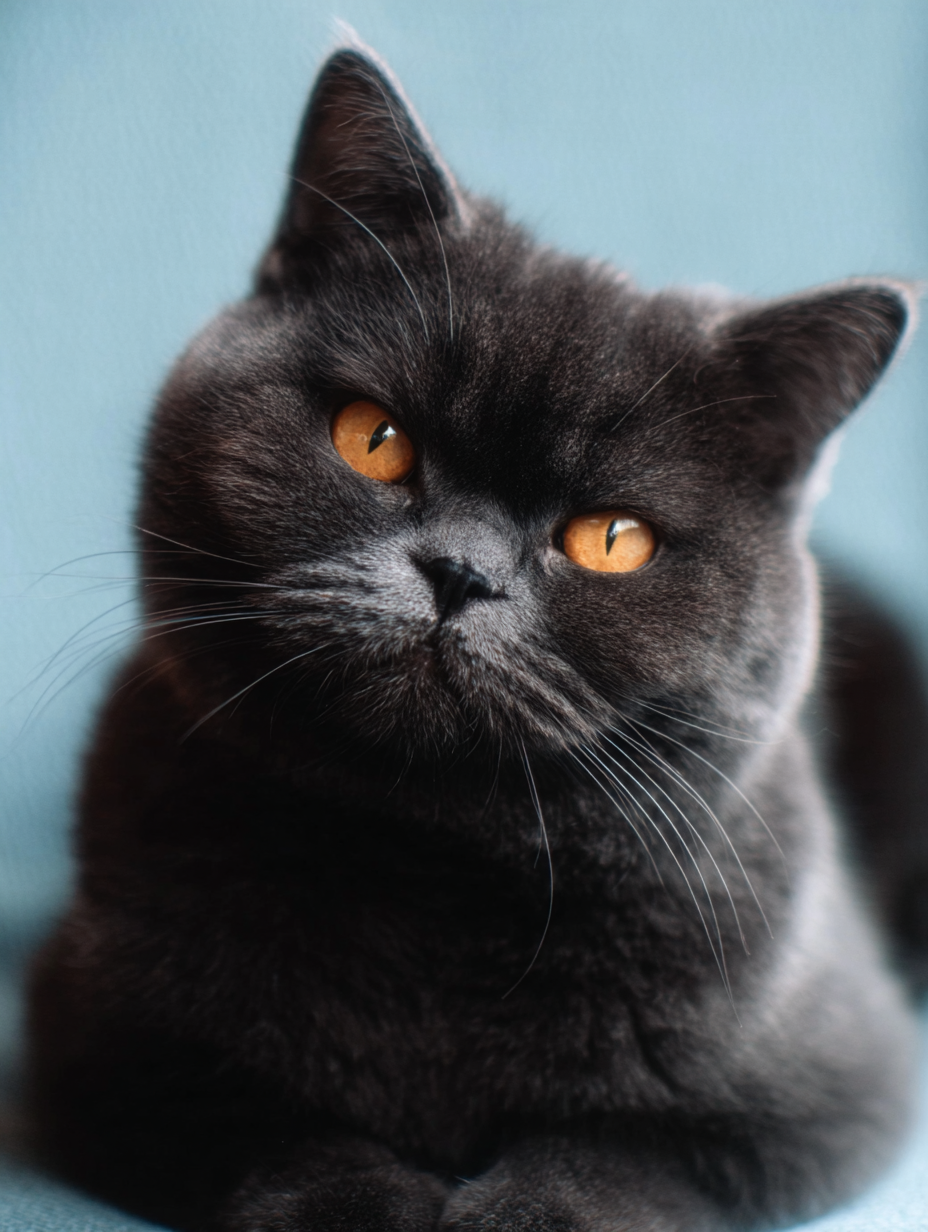
The Difference Between Shaded/Smoke and Solid British Shorthairs
What Is a British Shorthair Shaded or Smoke Coat?
A shaded or smoke British Shorthair has a lighter undercoat with darker tipping at the ends of the fur, creating a dramatic shimmering effect. In smoke cats, the contrast is even more pronounced — dark on top with a bright silver-white undercoat. This stunning contrast is created by the inhibitor gene, which restricts pigment along part of the hair shaft.
That’s why shaded and smoke kittens often lighten as their coats develop — the undercoat emerges more clearly as they grow.
What Is a Solid British Shorthair?
A solid British Shorthair has even, full-body pigmentation from nose to tail — no pale undercoat, no tipping, and no contrast.
Black British Shorthairs belong to this solid-color group, along with solid blue, chocolate, lilac, and cream varieties.
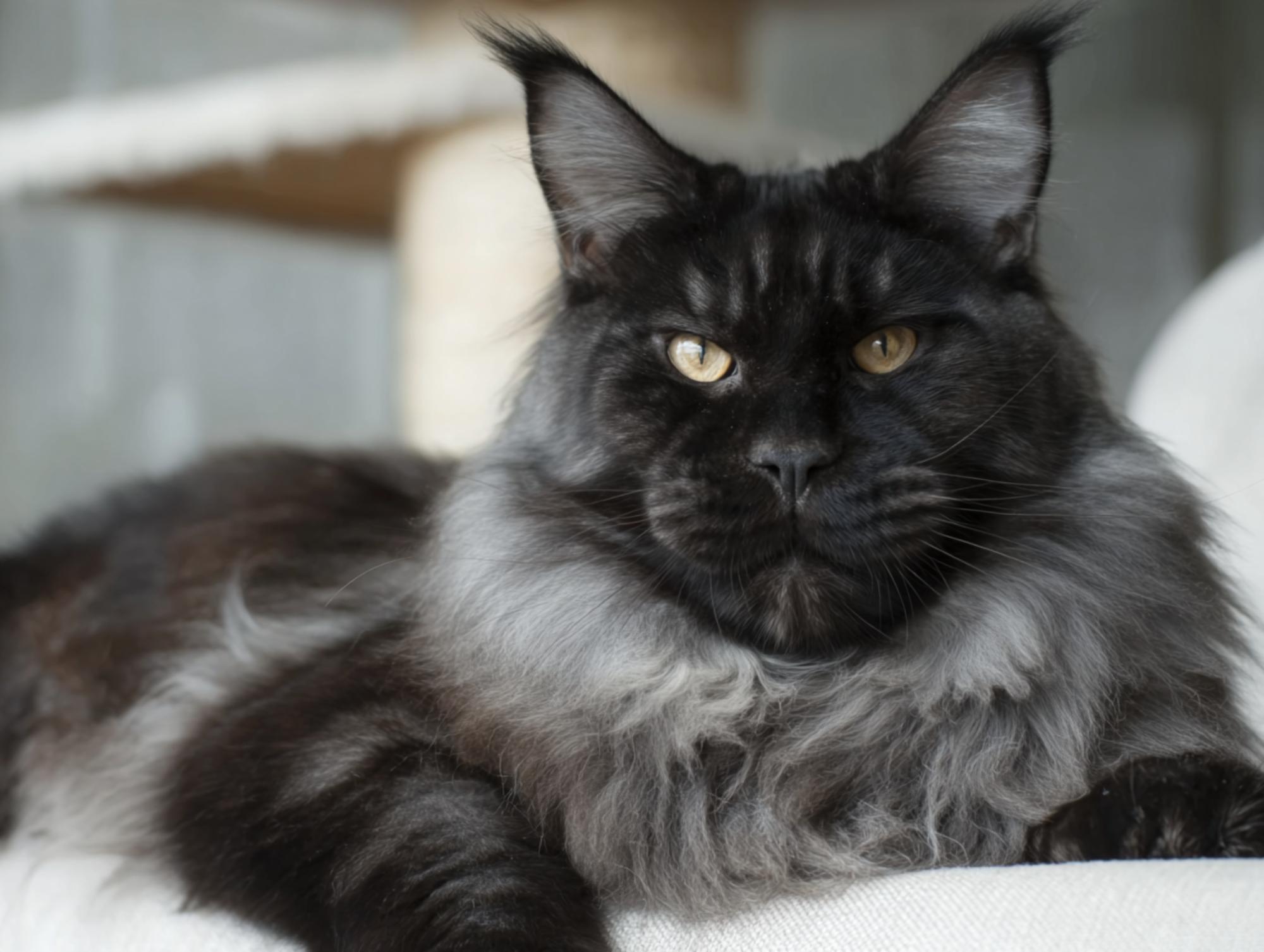
Solid British Shorthairs are purebred and highly valued in the show world for their clarity, depth of pigment, and uniform coloration. Many families love black British Shorthairs for their dramatic, panther-like appearance, shine, and expressive golden eyes.
Black British Shorthair Colors Explained
Black British Shorthairs come in several beautiful variations depending on genetics, coat texture, and pattern expression:
| Variation | Description |
|---|---|
| Solid Black British Shorthair | Jet black from ears to tail, with a deep, even tone and plush, crisp texture. Eye color is typically copper or gold. |
| Black Smoke British Shorthair | Appears black at first glance, but the undercoat is a bright silver-white, giving the coat a luxurious smoke effect. |
| Black Tortoiseshell British Shorthair (Females) | Black base coat with red or cream patches, creating a dramatic mosaic pattern. |
| Black Bicolor British Shorthair | Black and white patches in balanced distribution, often with a white chest or mask. |
| Black Silver British Shorthair | Black tipping on a silver base, producing a sparkling contrast. |
🌙 Each variation maintains the British Shorthair’s classic temperament: calm, confident, affectionate, and loyal — no matter the coat pattern or shade.
Black British Shorthair Recognition Across Registries
The British Shorthair breed includes one of the largest recognized color ranges in the cat world. Unlike some breeds that restrict color classes, black British Shorthairs are fully accepted.
Major cat associations—including TICA, CFA, and GCCF—recognize solid black, black smoke, black silver, black tortie, and black bicolor British Shorthairs as legitimate varieties within the breed standard.
This classification gives breeders and families the ability to:
- Preserve genetic diversity within British Shorthair lines
- Register every recognized color properly
- Track lineage and produce consistent, healthy kittens
A black British Shorthair is not a different type of cat — it is a fully purebred British Shorthair with classic structure, temperament, and conformation, simply expressing one of the breed’s strongest full-pigment colors.
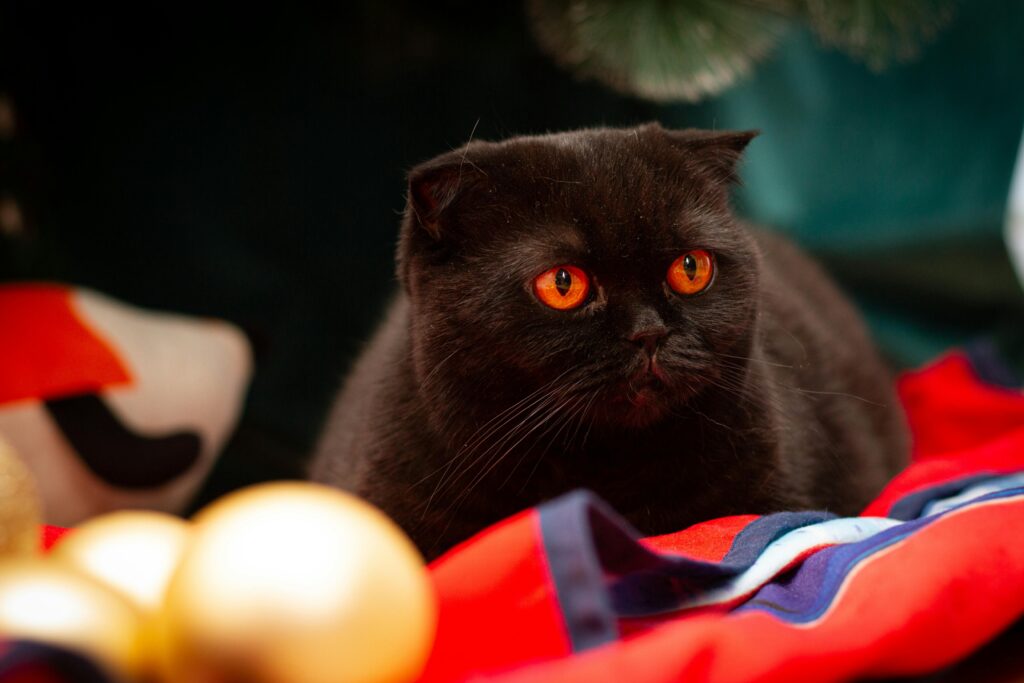
Black British Shorthair Eye Colors — Myth or Reality?
Traditional British Shorthairs are famous for their rich copper and gold eyes, especially in solid colors like black. Black British Shorthairs do not have blue eyes — blue is limited to pointed cats and some bicolors that express partial albinism, which the British Shorthair breed standard does not include.
Instead, black British Shorthair eyes typically appear in:
- Deep copper
- Gold
- Orange
Occasionally, black silver varieties may show greenish tones, but black solids retain the warm amber-to-copper spectrum.
If you see a “black British Shorthair” with blue eyes that is not a kitten:
❗ It is not a purebred British Shorthair — likely a mix with a pointed breed or a non-pedigree cat.
British Shorthair Color Chart (Including Black Variants)
| Color Type | Pattern | Eye Color | Notes |
|---|---|---|---|
| Black (Solid) | Solid | Copper, Gold, Orange | Classic British Shorthair color; deep pigment with plush texture |
| Black Smoke | Smoke | Gold to Copper | Pale undercoat gives dramatic smoke contrast |
| Black Silver | Shaded / Tipped | Green, Hazel | Crisp silver undercoat with black tipping |
| Blue (Dilute Black) | Solid | Copper | Soft gray-blue tone; most iconic British Shorthair color |
| Chocolate | Solid | Copper | Warm cocoa tone |
| Lilac | Solid | Copper | Pale lavender-gray |
| Cream | Solid | Copper | Dilute red tone |
| Black Tortie (Females) | Tortie | Copper | Black with red or cream patches |
📘 For a visual reference, see our full British Shorthair Color Chart with examples of every color and pattern, including black, silver, and shaded varieties.
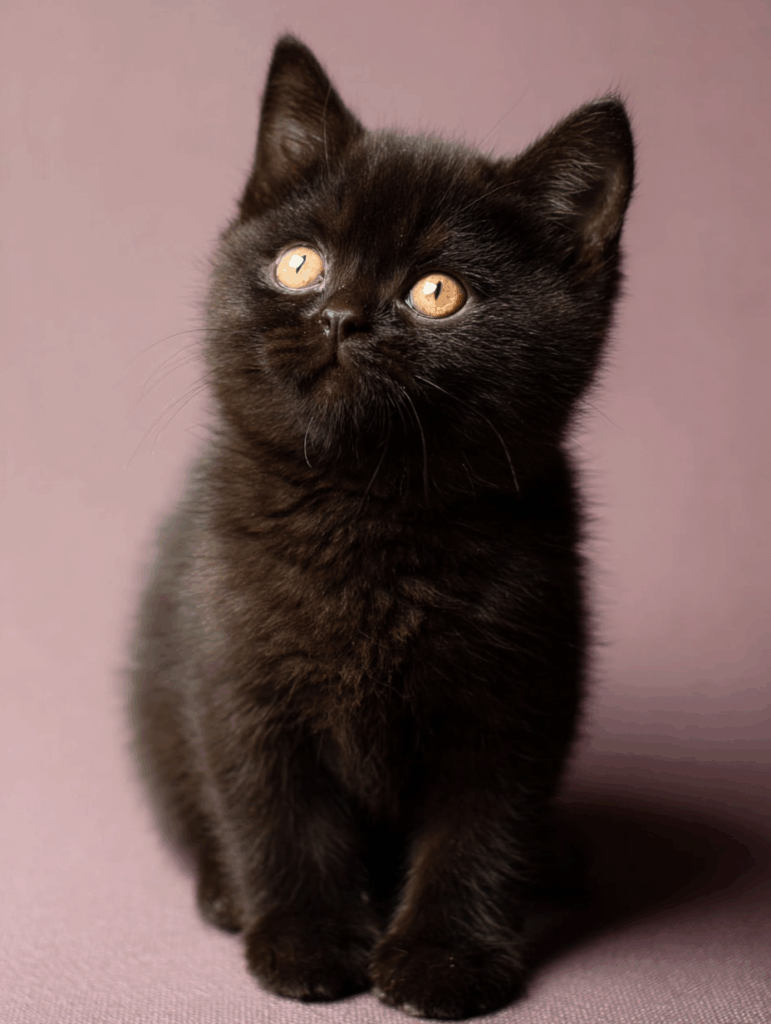
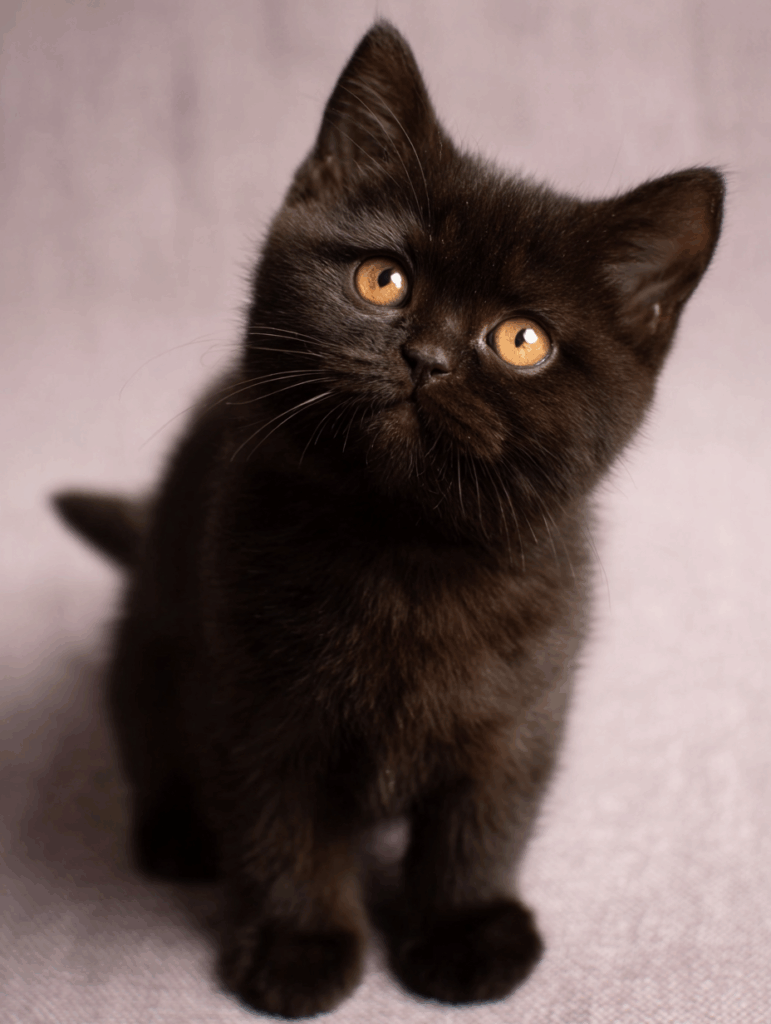
Black British Shorthair Kittens: What to Expect
Black British Shorthair kittens are born dark and remain consistently pigmented, unlike breeds with temperature-sensitive colorpoints. Their coats thicken and bloom as they mature, giving them the classic plush British Shorthair “teddy bear” appearance.
Personality
Just like any British Shorthair, black kittens are calm, affectionate, and observant. They love being near their people, enjoy quiet companionship, and adapt easily to homes with children or other pets. Their temperament is identical to any British Shorthair — steady, gentle, and deeply loyal.
Size
Expect males to reach 12–17 pounds and females around 8–14 pounds, with full maturity at 3–5 years old. The British Shorthair is a slow-maturing breed, and black British Shorthairs develop the same strong bone structure and round features that define the breed.
Coat Care
Their coat is thick, dense, and crisp — the black coloration often looks exceptionally glossy with proper grooming.
Brush two to three times weekly to support shedding cycles and maintain the coat’s plushness.
💡 Tip: Use a metal comb and quality grooming spray to enhance the rich shine of the black fur.
The Genetics Behind Black British Shorthairs
The black coat in British Shorthairs is created by the dominant B gene, which expresses full, non-diluted pigment throughout the coat. Unlike colorpoint breeds that rely on temperature-sensitive genes, the British Shorthair maintains consistent coloration regardless of body temperature.
In simple terms:
- Traditional Black British Shorthair: B/B or B/b (full pigment)
- Blue British Shorthair: Dilute version (dd) of black
- Black Smoke British Shorthair: Carries inhibitor gene (I-)
This means black British Shorthairs are genetically solid-colored, but still 100% purebred British Shorthairs with the same structure, temperament, and conformation.
Many breeders intentionally preserve black lines to maintain genetic diversity and support the full range of recognized British Shorthair colors.
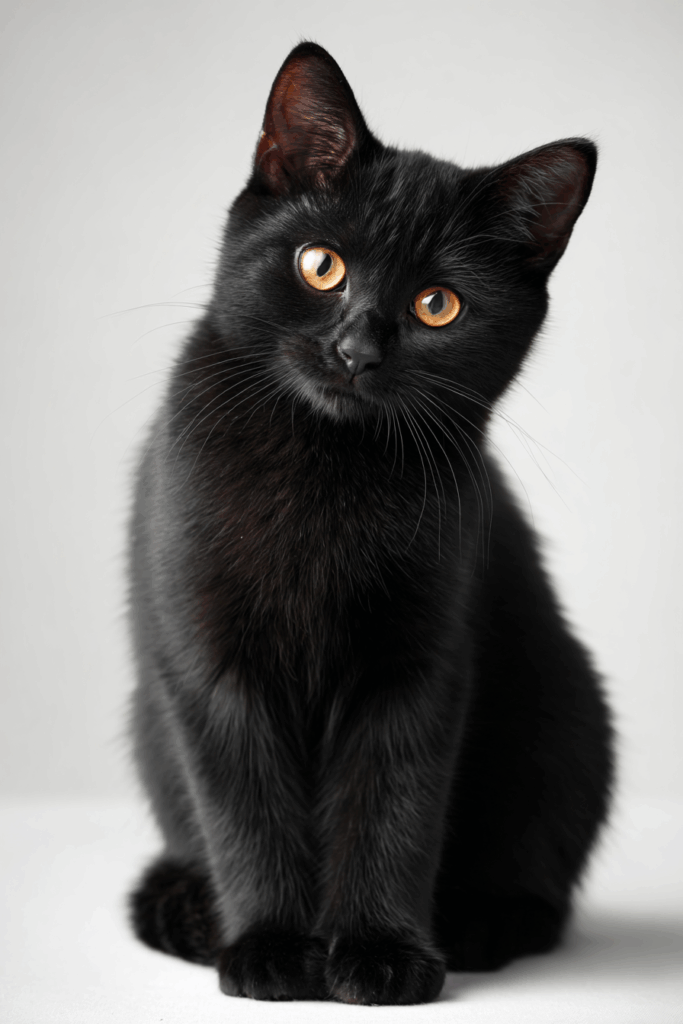
Black British Shorthair Mix Cats
If you’ve seen a “black British Shorthair mix” online — especially those with unusual eye colors or coat types — it is likely a cross between a British Shorthair and another breed such as American Shorthair, Domestic Shorthair, Persian, or Scottish Fold.
Mixed cats may resemble British Shorthairs, but typically differ in:
- Eye color: lighter yellow, green, or mixed tones
- Head shape: narrower, less round
- Bone structure: lighter or more angular
- Coat feel: may lack the signature “crisp” plush coat
Always request pedigree papers or DNA testing if you’re unsure whether your cat is a true British Shorthair or a mix. Purebred black British Shorthairs have distinctive traits — round cheeks, thick bone, cobby body, plush fur, and copper eyes.
Why Black British Shorthairs Are Rare
Black British Shorthairs are less common than iconic colors like blue because many breeders focus heavily on producing the traditional “British Blue,” which has become the global face of the breed. As a result, black British Shorthairs are produced in smaller numbers, not because the color is excluded, but because many catteries prioritize demand for blue, lilac, and silver lines.
However, among pet owners, solid black British Shorthairs are rapidly gaining popularity. Their rich, velvety coats and vivid copper eyes create a dramatic, luxurious look that stands out from every other color.
At Almonte Cats, we occasionally produce black British Shorthair kittens from health-tested, registered lines for families who want the classic British Shorthair personality in a rare and striking coat.
✨ Reserve early: black British Shorthairs tend to be requested far in advance due to limited production each year. Learn more about Black British Shorthair Cat Prices here.
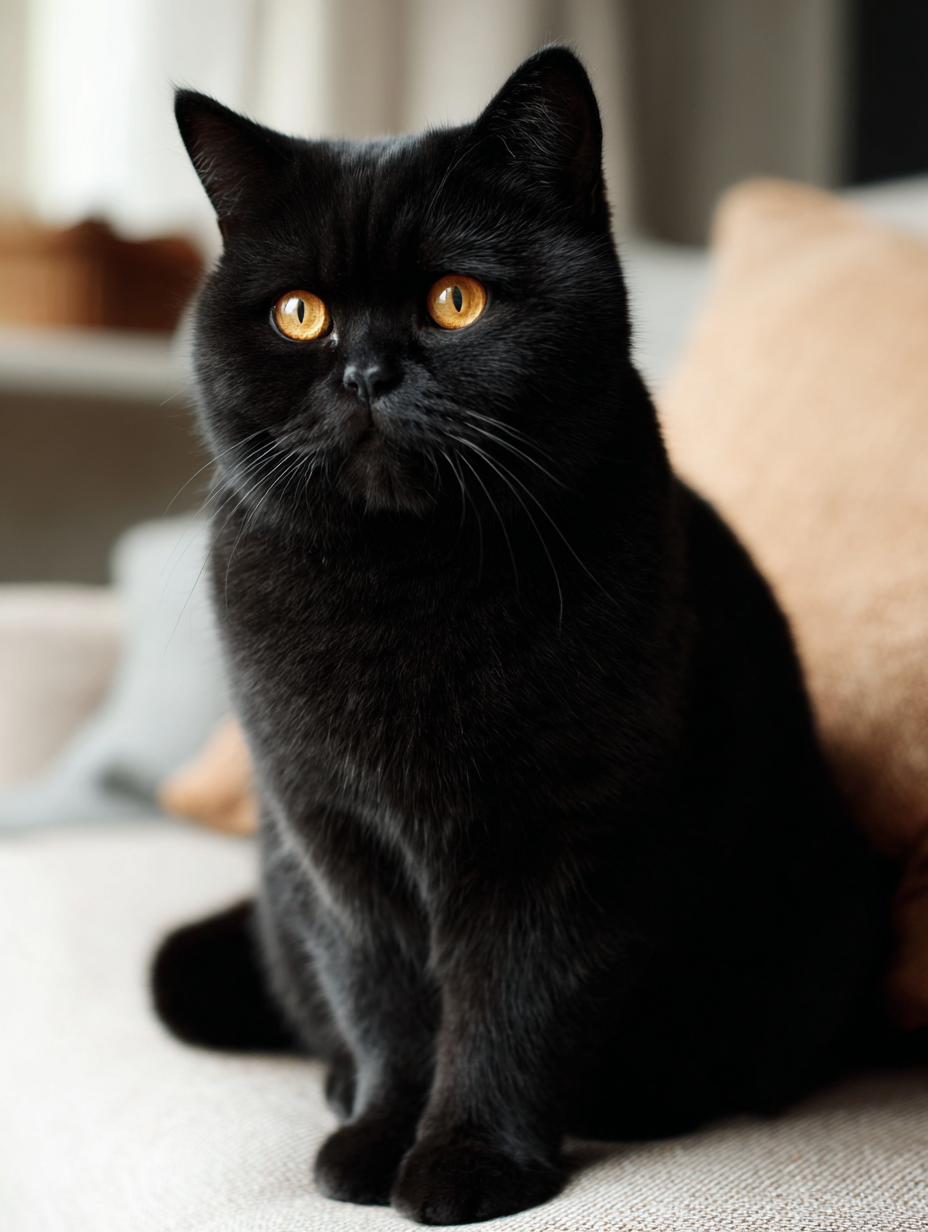
The Beauty of the Black British Shorthair
Despite being less common than blues and lilacs, black British Shorthairs capture the same classic charm and calm temperament that define the breed. Their coats shimmer with depth under natural light, creating an elegant velvet-like appearance. Their copper or gold eyes contrast beautifully with the dark coat, giving them a regal, expressive look.
Black British Shorthairs embody the breed’s defining qualities:
- Steady temperament
- Quiet confidence
- Strong, muscular build
- Plush, dense coat
- Deep loyalty to their families
They prove that the appeal of the British Shorthair is not limited to one famous color — it is rooted in character, structure, and peaceful companionship.
How to Identify a True Black British Shorthair Cat or Kitten
Look for:
- Pedigree papers from TICA, CFA, or GCCF
- Registered cattery name (avoid unverified listings)
- Breed-specific features: round cheeks, thick bone, cobby body, crisp coat
- Early kitten photographs showing consistent black coloration (not fading or point-development)
Avoid scammers claiming “rare blue-eyed black British Shorthairs” or kittens priced suspiciously low.
Purebred black British Shorthairs never have blue eyes as adults and always show classic British Shorthair structure.
Always verify breeder reputation, health testing, and registration before placing a deposit.
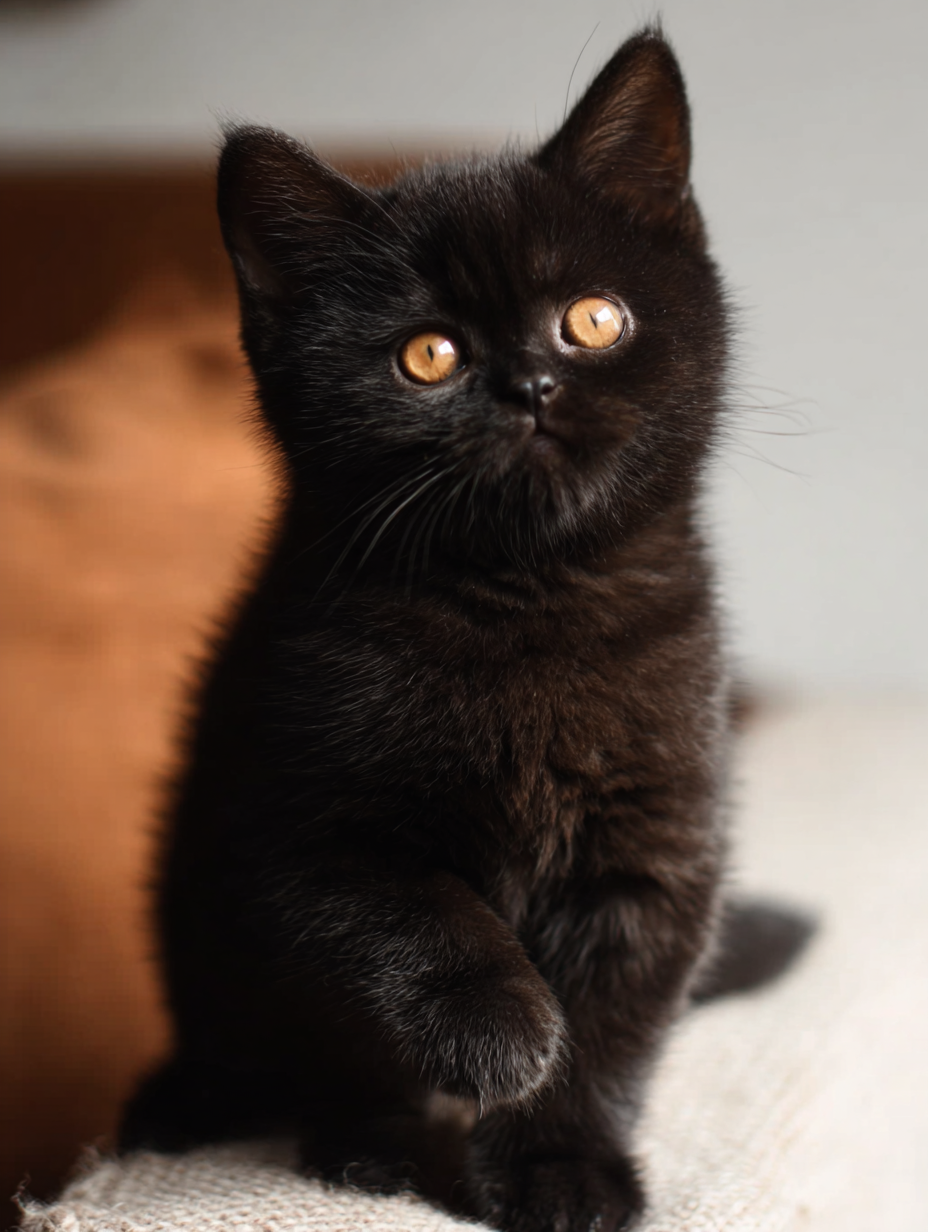
Choosing a Black British Shorthair Kitten
When adopting a black British Shorthair, prioritize health, temperament, and proper socialization:
- Ask for DNA color testing if you need confirmation of solid black genetics
- Request HCM and PKD health testing for the parents
- Ensure kittens are raised in-home, not in cages
- Look for proper early socialization and litter training
- Expect a written health guarantee
At Almonte Cats, every British Shorthair kitten — including black, blue, lilac, silver, and cream — is:
- Registered
- Microchipped
- Vaccinated
- Vet-checked
- Raised underfoot with structured socialization
Whether you choose a classic blue or a rare black British Shorthair, every kitten receives the same level of care, attention, and lifetime support.
Summary: Can British Shorthair Cats Be Black?
Yes — British Shorthair cats can be black, and in this breed the color is fully recognized, traditional, and historically important. Black British Shorthairs are solid-colored cats with deep, rich pigmentation, plush coats, and classic British Shorthair structure. They remain genuine British Shorthairs in body, temperament, and lineage, even if they are produced less frequently than blues or lilacs.
Black British Shorthairs are perfect for families who value uniqueness, low-maintenance grooming, and a bold, luxurious appearance that is still unmistakably British Shorthair in personality and temperament.
Related British Shorthair Colors and Patterns
- Russian Blue vs British Shorthair
- British Shorthair vs Ragdoll
- Orange British Shorthair
- British Shorthair Kitten Colors Near Me
- Intro to All British Shorthair Colors
- Golden British Shorthair Kittens
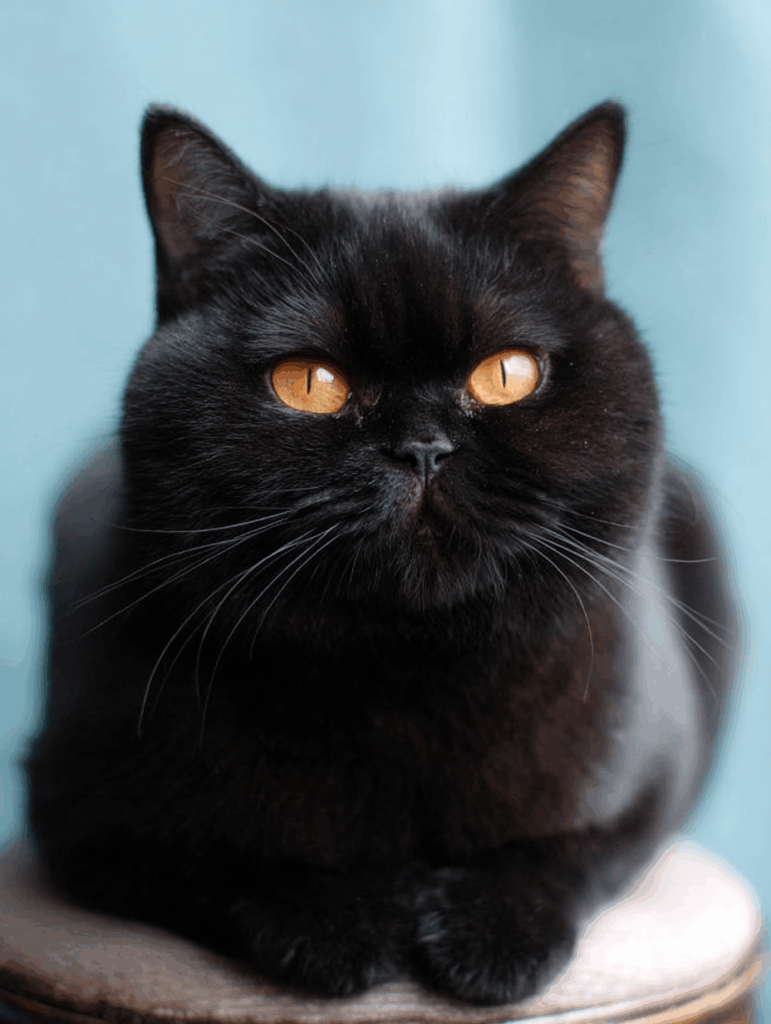
Frequently Asked Questions About Black British Shorthair Cats
Can British Shorthair cats be black?
Yes. British Shorthair cats can be black, and solid black is one of the officially recognized and historically foundational colors of the breed. Unlike colorpoint breeds, black British Shorthairs express full-body pigment, resulting in a deep, even, velvety coat. Black is fully accepted by TICA, CFA, and GCCF breed standards, making it a legitimate and purebred British Shorthair color.
What makes a British Shorthair purebred?
A purebred British Shorthair must come from registered British Shorthair parents with verifiable lineage through TICA, CFA, or GCCF. The solid black coat is simply a color expression, not a different breed or variation. Purebred black British Shorthairs have the same structure, temperament, bone density, and coat type as all other British Shorthairs.
Are black British Shorthairs recognized by cat registries?
Yes. Black British Shorthairs are recognized as an official color under every major registry, including CFA, TICA, GCCF, ACFA, and FIFe. They are eligible for full registration and competition in color classes appropriate for solid cats. The black coat is considered traditional rather than experimental, giving it full recognition within the breed standard.
Do black British Shorthairs have blue eyes?
No. Purebred black British Shorthairs do not have blue eyes once they mature. Adult black British Shorthairs develop deep copper, gold, or orange eyes, which contrast beautifully with their dark coats. If an adult “black British Shorthair” has blue eyes, it is not a purebred British Shorthair — likely a mix with a pointed or non-pedigree breed.
What is the difference between a traditional British Shorthair and a black British Shorthair?
Traditional British Shorthairs come in well-known colors like blue, lilac, cream, and silver. These cats may display dilute pigmentation, silver tipping, or tabby patterns depending on their genetics. A black British Shorthair, however, expresses full pigmentation throughout the coat, resulting in a deep, rich, solid black color with no fading or shading.
Temperament, structure, and personality remain identical: both are calm, affectionate, sturdy, and people-oriented. The only difference is the coat color and the eye color pairing — black British Shorthairs display copper or gold eyes rather than the occasional green seen in silver varieties.
Are black British Shorthairs rare?
Yes. While not genetically rare, black British Shorthairs are produced in smaller numbers because many breeders prioritize high-demand colors like blue or silver-shaded. As a result, solid black British Shorthair kittens appear less frequently, making them more sought-after by families who want a dramatic and luxurious-looking cat. Their rarity, combined with their elegant velvet-like coats, makes them especially desirable among British Shorthair enthusiasts.
Can a black British Shorthair be shown?
Yes. Black British Shorthairs can be fully shown in major registries such as CFA, TICA, GCCF, ACFA, and FIFe. They are entered in the solid color classes and are judged according to the same breed standards as any other British Shorthair. Their black coat must be even in color, free of rusting or tabby markings, and accompanied by copper or gold eyes to meet show-quality expectations.
What colors do black British Shorthairs come in?
Like all British Shorthairs, the black variety can appear in several related patterns and categories. This includes solid black, black smoke, black silver, black tortoiseshell (females), black bicolor, and shaded or tipped black silver. These variations are recognized within the breed and allow families to choose between deep solid blacks or more dramatic contrasting patterns like smoke or silver. Each of these remains fully British Shorthair in type and temperament.
Are black British Shorthairs different in personality?
No. Black British Shorthairs have the same calm, affectionate, and steady personality found across the entire breed. Coat color does not influence behavior or temperament in British Shorthairs. Whether blue, lilac, silver, cream, or black, all British Shorthairs are known for being gentle, independent, low-maintenance, and deeply loyal companions. What shapes personality is genetics, health, early socialization, and the environment in which the kitten is raised.
How can I tell if a black British Shorthair is authentic?
To confirm authenticity, ask for pedigree papers from TICA, CFA, or GCCF, which verify that the kitten is from registered British Shorthair parents. Reputable breeders provide documentation proving lineage, health testing, and registration status. You should also see the breed’s unmistakable traits: round cheeks, cobby body, dense plush coat, and classic copper-gold eye color.
Avoid listings claiming “rare blue-eyed black British Shorthairs,” as purebred black British Shorthairs do not retain blue eyes. If in doubt, DNA testing or verifying breeder credentials helps ensure the kitten is a true British Shorthair.
Do black British Shorthairs have long coats like other British Shorthairs?
Yes. Black British Shorthairs have the same plush, dense, short-to-medium coat typical of the breed. The coat is crisp, velvety, and thick, with a luxurious texture that looks especially glossy in black. Some longhair variants exist within the British Longhair breed, but a purebred British Shorthair — including black — maintains the signature short, plush double coat that the breed is known for.
Why do some breeders not list black British Shorthairs on their websites?
Some breeders focus heavily on high-demand colors such as blue, lilac, or silver-shaded British Shorthairs, which means black kittens may be produced less often and not appear on websites regularly. Others only breed colors that fit their specialized program goals, leading to fewer black kittens overall. Additionally, many catteries reserve black British Shorthairs for waitlist families, so they never make it to the public listing.
This does not reflect quality — black British Shorthairs are fully recognized but simply produced in smaller numbers.
What makes black British Shorthairs special?
Black British Shorthairs combine the classic British Shorthair temperament — calm, dignified, loyal, and affectionate — with the striking beauty of a deep, velvety black coat. Their round copper eyes glow vividly against the dark fur, creating one of the most dramatic and luxurious appearances in the breed. Because black is produced less often than blue, they also appeal to families seeking a British Shorthair that feels unique, refined, and visually stunning. Black British Shorthairs represent the strength and diversity of the breed’s color range while remaining true in structure, personality, and pedigree.
Do black British Shorthairs behave differently from other colors?
No. Coat color has no effect on temperament in British Shorthairs. Black British Shorthairs display the same gentle, balanced, and independent personality that defines the breed. They are calm, patient, affectionate without being clingy, and they bond closely with their families. Their behavior is shaped by genetics, upbringing, and socialization — not the color of their fur.
Why do photos of black British Shorthairs look different in lighting?
Black British Shorthair coats often reflect light more dramatically than lighter colors. Under bright lighting, the coat may reveal warm undertones, cool undertones, or a glossy shine depending on the angle. In low light, they appear deep, rich, and velvety. This variation is normal and one of the reasons black British Shorthairs photograph so beautifully. The plush double coat enhances the depth of the black pigment, creating luxurious texture in every photo.
Are black British Shorthairs good family pets?
Yes. Black British Shorthairs are excellent family companions. Their even temperament, quiet nature, and sturdy build make them suitable for homes with children, seniors, or other pets. They are patient, tolerant, and bond strongly with their people. Whether you want a relaxed lap companion or a calm presence in the home, the black British Shorthair delivers the dependable, affectionate nature the breed is known for — with the added elegance of a striking coat color. See British shorthair home setups here.
Searching for a Cute British Shorthair Kitten?
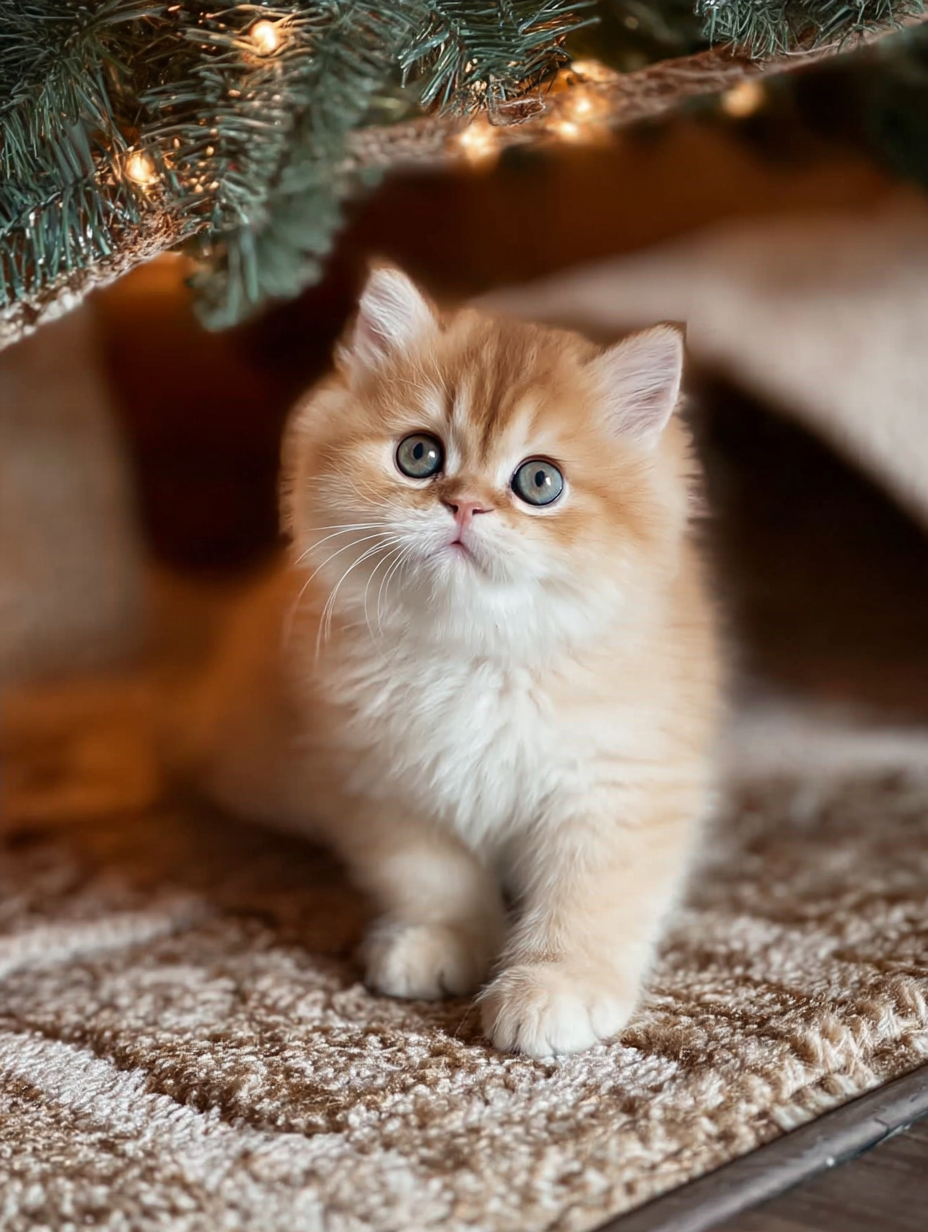
If you are here to find your very own British Shorthair baby, check out our Purebred British Shorthair Kittens for Sale.
At Almonte Cats, every kitten is:
- TICA and CFA registered from fully health tested parents
- Raised in home for confident, affectionate temperaments
- Vet checked, vaccinated, and microchipped before going home
Reserve early, our litters are produced in limited numbers each year to preserve quality and true British Shorthair type.
Resources and Related Posts
Learn More About British Shorthair Cats
- British Shorthair Lifespan
- British Shorthair Personality
- British Shorthair Kitten Growth Stages
- British Shorthair vs Ragdoll
External Resources
- CFA – Cat Fanciers’ Association (British Shorthair Breed Standard)
https://cfa.org/british-shorthair/
2. TICA – The International Cat Association (British Shorthair Breed Info)
https://tica.org/breeds/british-shorthair
3. GCCF – Governing Council of the Cat Fancy (UK Breed Standard)
https://www.gccfcats.org/breeds/british-shorthair/
4. FIFe – Fédération Internationale Féline (British Shorthair Profile)
https://www.fifeweb.org/wp/breeds/bsh/
5. ACFA – American Cat Fanciers Association (British Shorthair Overview)
https://www.acfacat.com/breeds/british-shorthair/
6. VCA Hospitals – Cat Coat Color Genetics Overview
https://vcahospitals.com/know-your-pet/genetics-basics-coat-color
7. Cornell University College of Veterinary Medicine – Cat Genetics & Health
https://www.vet.cornell.edu/departments-centers-and-institutes/cornell-feline-health-center
8. University of California Davis – Veterinary Genetics Laboratory (Color Testing Info)
https://vgl.ucdavis.edu/services/cat-coat-color
9. International Cat Care – British Shorthair Breed Profile & Care
https://icatcare.org/advice/breeds/british-shorthair/
10. ASPCA – General Cat Care Guidelines
https://www.aspca.org/pet-care/cat-care





Read the Comments +