
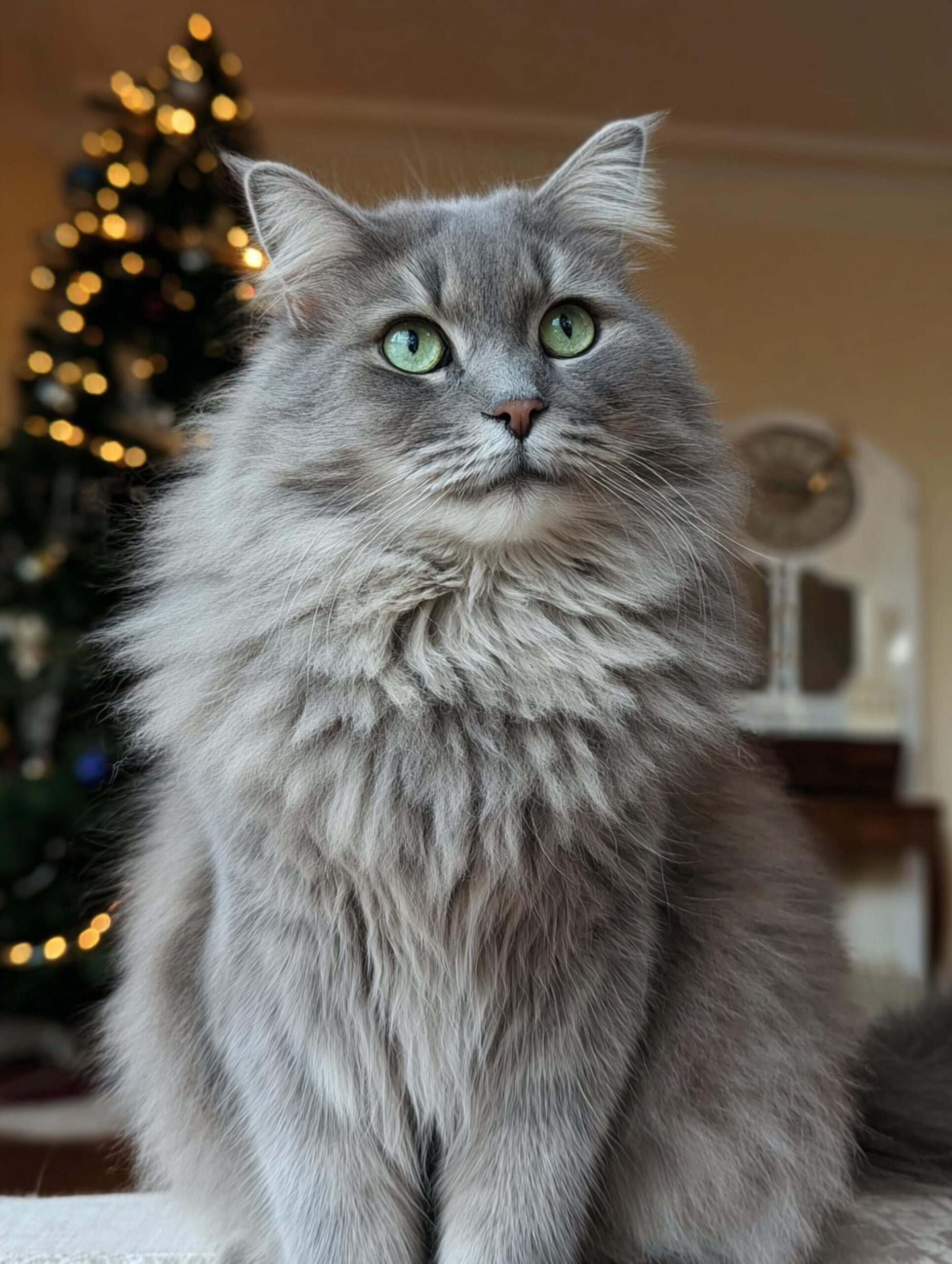
Blue Siberian Cat: Appearance, Personality, Price, and What to Expect as They Grow
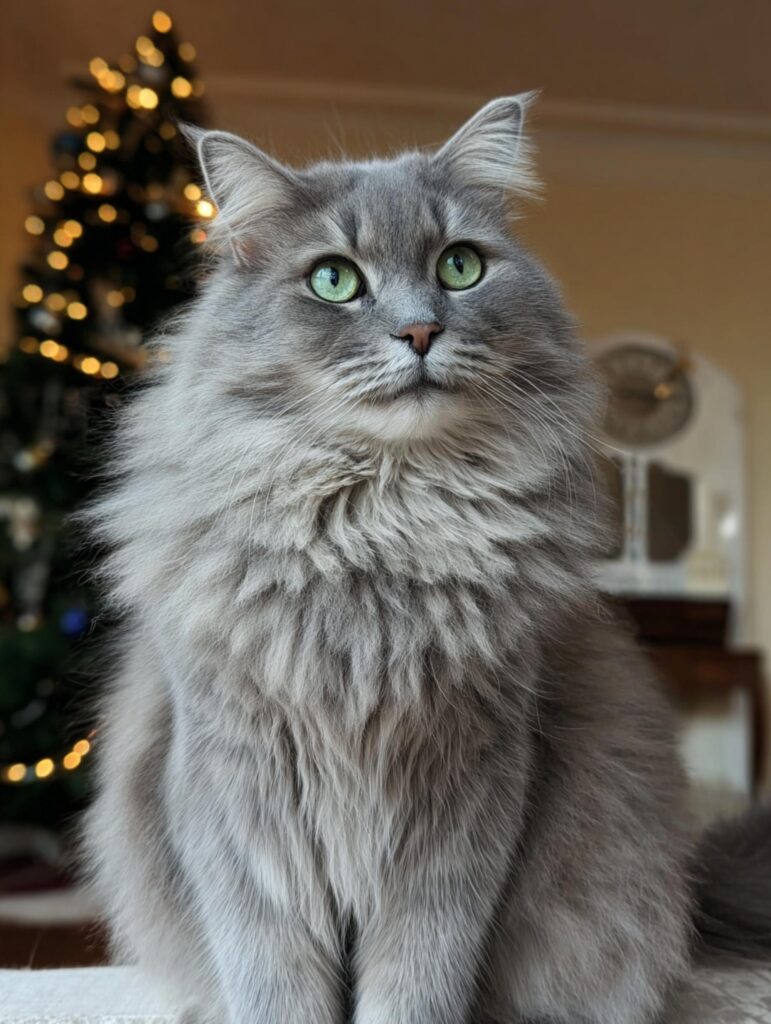
The blue Siberian cat is one of the most popular and recognizable color variations in the Siberian breed. Often described as “grey,” blue Siberians are known for their plush coats, soft slate coloring, and balanced temperament. While the color itself is straightforward genetically, buyers often have questions about how blue kittens mature, whether the color affects personality or allergies, and what a blue Siberian typically costs.
This guide explains exactly what a blue Siberian cat is, how the color develops over time, and what buyers should realistically expect when choosing one.
Blue Siberian Cat — Quick Facts & Buyer Overview
| Topic | What You Should Know |
|---|---|
| What Is a Blue Siberian? | A solid-colored Siberian whose coat is genetically blue (diluted black), often described visually as grey. |
| Is “Blue” an Official Color? | Yes. Blue is the correct genetic and registry term. “Grey” is a casual visual description. |
| Pattern | Solid color with no tabby striping or markings (ghost markings may appear briefly in kittens). |
| Coat Appearance | Even slate, steel, or charcoal-grey coat with dense, plush triple-layer fur. |
| Kitten vs Adult Color | Kittens look lighter; adult coats deepen and gain density over 2–4 years. |
| Seasonal Changes | Winter coats appear darker and fuller; summer coats look lighter and flatter. |
| Personality | Color does not affect temperament. Personality depends on genetics, socialization, and environment. |
| Shedding | Same shedding level as other Siberians. Blue fur may be more noticeable on some surfaces. |
| Hypoallergenic? | No color is more hypoallergenic. Allergies relate to Fel d 1, not coat color. |
| Rarity | Blue Siberians are not rare. Availability varies by breeder planning, not genetics. |
| Typical U.S. Price | $3,500 – $4,000 from reputable, health-tested breeders. |
| Does Blue Cost More? | No. Blue is priced similarly to other standard colors. |
| What Price Reflects | Health testing, breeder reputation, socialization, demand — not coat superiority. |
| Where to Find One | Established Siberian breeders with transparent health testing and in-home kitten raising. |
| Best Buyer Advice | Choose breeder quality and temperament first; color should be a preference, not the decision. |
What Is a Blue Siberian Cat?
A blue Siberian cat is a solid-colored Siberian whose coat is genetically blue, meaning it is a diluted form of black. In cat color genetics, black is a base pigment. When a cat inherits the dilution gene, that black pigment is softened, spreading the pigment granules farther apart within each hair shaft. This change causes the coat to appear slate, steel, or charcoal grey rather than jet black.
This is why many people casually describe blue Siberians as “grey,” even though blue is the correct genetic and registry term.
Blue Is a Standard, Established Siberian Color
Blue is a fully accepted color across major cat registries and has been part of the Siberian breed since its earliest recorded development. It is not a modern addition, experimental color, or specialty variation. Well-established Siberian lines worldwide consistently produce blue cats.
Blue Siberians are valued for:
- Their even, uniform coloration
- Their plush, dense coat texture
- Their classic, understated appearance
Blue vs Grey: Terminology Clarified
In everyday language, people use grey to describe what they see. In breeding and registration, precision matters.
- “Blue”: the correct genetic and registry term
- “Grey”: a visual description used by the general public
Breeders understand both terms and can translate a request for a grey kitten into the correct genetic color without confusion.
Solid Color — No Patterning
A true blue Siberian is solid, meaning the coat shows no tabby striping, spotting, or patterning. The color should be evenly distributed across the body, including:
- Face
- Body
- Legs
- Tail
In kittens, faint “ghost” markings can sometimes appear due to immature pigment, but these fade as the coat matures. An adult blue Siberian should not display visible tabby patterning.
Key Points to Remember
- “Blue” is the correct genetic term used by breeders and registries
- “Grey” is a common visual description, not a genetic color
- Blue Siberians are solid-colored and do not have tabby stripes
- The color is stable, predictable, and well established in the breed
Understanding what “blue” actually means helps buyers set realistic expectations and confidently identify the color they are looking for.
Blue Siberian Cat Genetics Explained
The blue Siberian cat is genetically one of the simplest and most predictable color expressions in the breed. There is nothing exotic, experimental, or unstable about blue. Understanding how the color works helps buyers set accurate expectations and explains why blue kittens often look different as they mature.
Blue Is a Diluted Black — Not a Separate Color Line
All blue Siberians start genetically as black-based cats.
In cat color genetics, black is a base pigment. When a cat inherits the dilution gene from both parents, that black pigment becomes diluted, changing its appearance from black to blue (grey).
- Black → Blue
- The underlying genetics remain black-based
- Only pigment density changes
This dilution does not alter:
- Coat length
- Coat texture
- Coat thickness
- Shedding level
- Temperament
- Health
It affects color only.
How the Dilution Gene Works
The dilution gene changes the spacing of pigment granules inside each hair shaft.
- In black cats, pigment granules are dense and tightly packed
- In blue cats, those same granules are spaced farther apart
Because light passes through the hair differently, the coat appears slate grey instead of black. This is why blue can look:
- Steel grey
- Dove grey
- Charcoal
- Soft slate
The variation is normal and expected.
Why Blue Looks Grey to the Human Eye
“Grey” is not a genetic color — it’s a human visual description.
Blue coats reflect light in a way that reads as grey to most people. The eye interprets diluted black pigment as grey because:
- The coat absorbs less light
- More light reflects off the hair shaft
- Pigment depth changes with coat thickness
This is why the same blue Siberian can look lighter or darker depending on lighting, season, and coat condition.
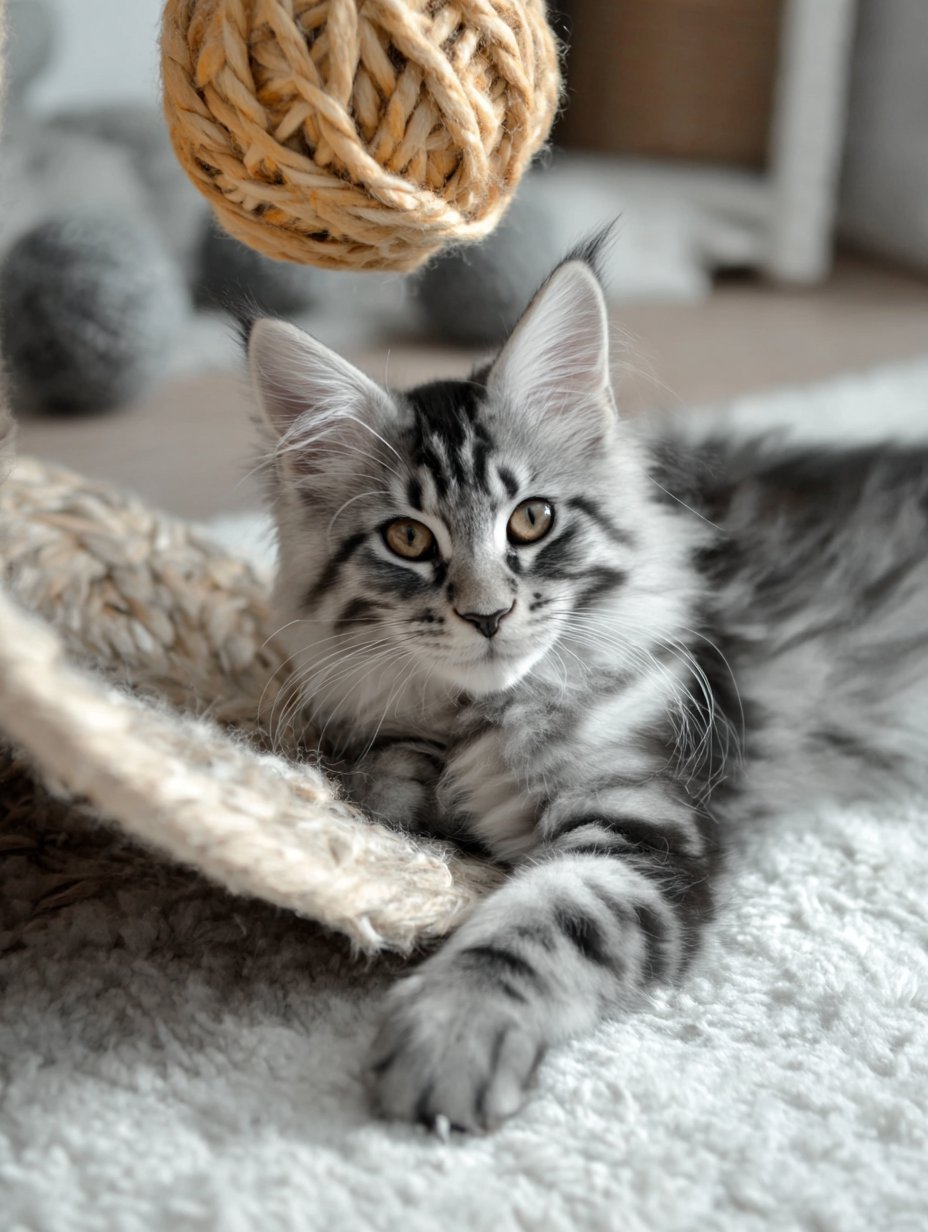
Why Blue Kittens Are Lighter Than Adults
Blue Siberian kittens almost always appear lighter than adults for three reasons:
- Lower pigment concentration
Kittens simply have less pigment in each hair. - Softer hair shafts
Kitten coats scatter light more than adult coats. - Underdeveloped guard hairs
Guard hairs darken the overall appearance once they fully grow in.
As the cat matures, pigment concentration increases and the coat gains density. The color does not change — the coat finishes developing.
Adult Coat Maturation Takes Years
Siberians mature slowly compared to many other breeds.
- First major coat change: 6–18 months
- Near-final color: 2–4 years
- Seasonal variation: lifelong
A blue Siberian at one year old is not finished. Expect continued deepening and stabilization of color over time.
Why Blue Never Turns Black
A blue Siberian cannot “turn black” with age.
The dilution gene is permanent. While the coat may deepen, darken, or look richer in winter, the cat remains genetically blue for life.
If a cat appears jet black as an adult, it was never genetically blue.
Blue vs Blue Tabby — Same Base, Different Pattern
Blue and blue tabby Siberians share the same base color genetics.
The difference is pattern expression:
- Blue: solid coat, no tabby markings
- Blue tabby: tabby pattern visible over the blue base
A solid blue kitten will not develop tabby striping later. Conversely, a blue tabby will always remain a tabby, even if contrast softens seasonally.
Blue vs Blue Silver — One Extra Gene Makes the Difference
Blue silver Siberians carry an additional modifier: the silver inhibitor gene.
This gene:
- Lightens the base of each hair to near white
- Leaves pigment only at the tip
- Creates high contrast and brightness
A blue silver cat is not a lighter blue — it is a genetically different expression.
This is why blue silver kittens often look dramatically lighter and brighter than solid blue kittens, even though both are black-based.
What Blue Genetics Do Not Affect
It’s important to be clear about what blue genetics do not influence:
- Personality
- Calmness or energy level
- Intelligence
- Hypoallergenic potential
- Shedding amount
- Coat softness
Any claims tying these traits to blue color are myths.
Why Breeders Can Predict Blue Reliably
Blue is one of the easiest colors for breeders to predict because:
- The genetics are well understood
- The expression is stable
- There are no colorpoint or temperature-based variables
When breeders plan for blue, they know exactly what they are producing.
Bottom Line on Blue Genetics
The blue Siberian cat is not mysterious, rare, or unstable. It is a diluted black Siberian with a slow-maturing coat, predictable genetics, and normal seasonal variation.
Blue Siberian Cat Appearance
The blue Siberian cat is valued for its uniform coloration, substantial coat, and balanced overall presentation. Unlike patterned coats that rely on contrast, a blue Siberian’s appeal comes from depth, texture, and coat quality. When well bred, the color looks intentional, rich, and evenly distributed across the body.
Coat Color and Depth
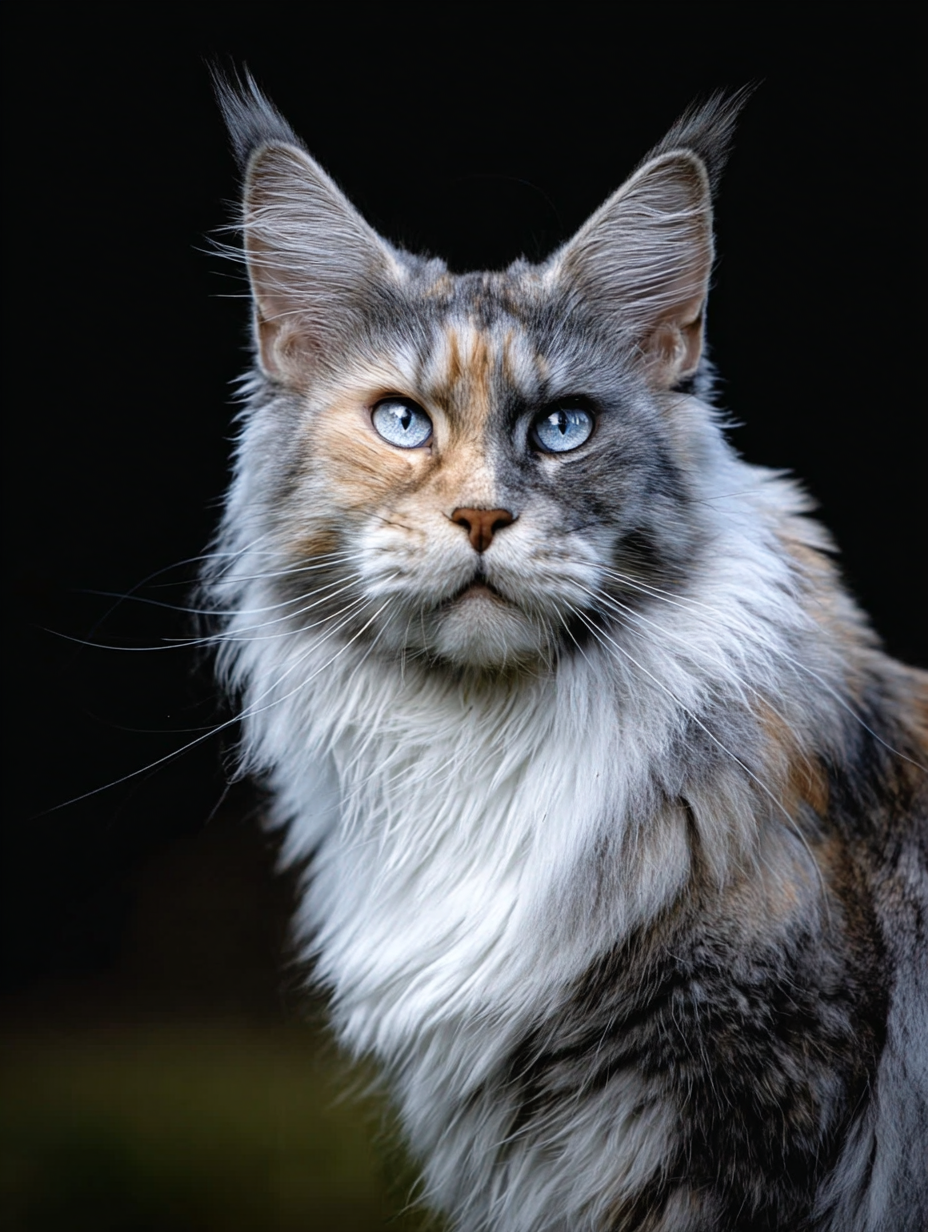
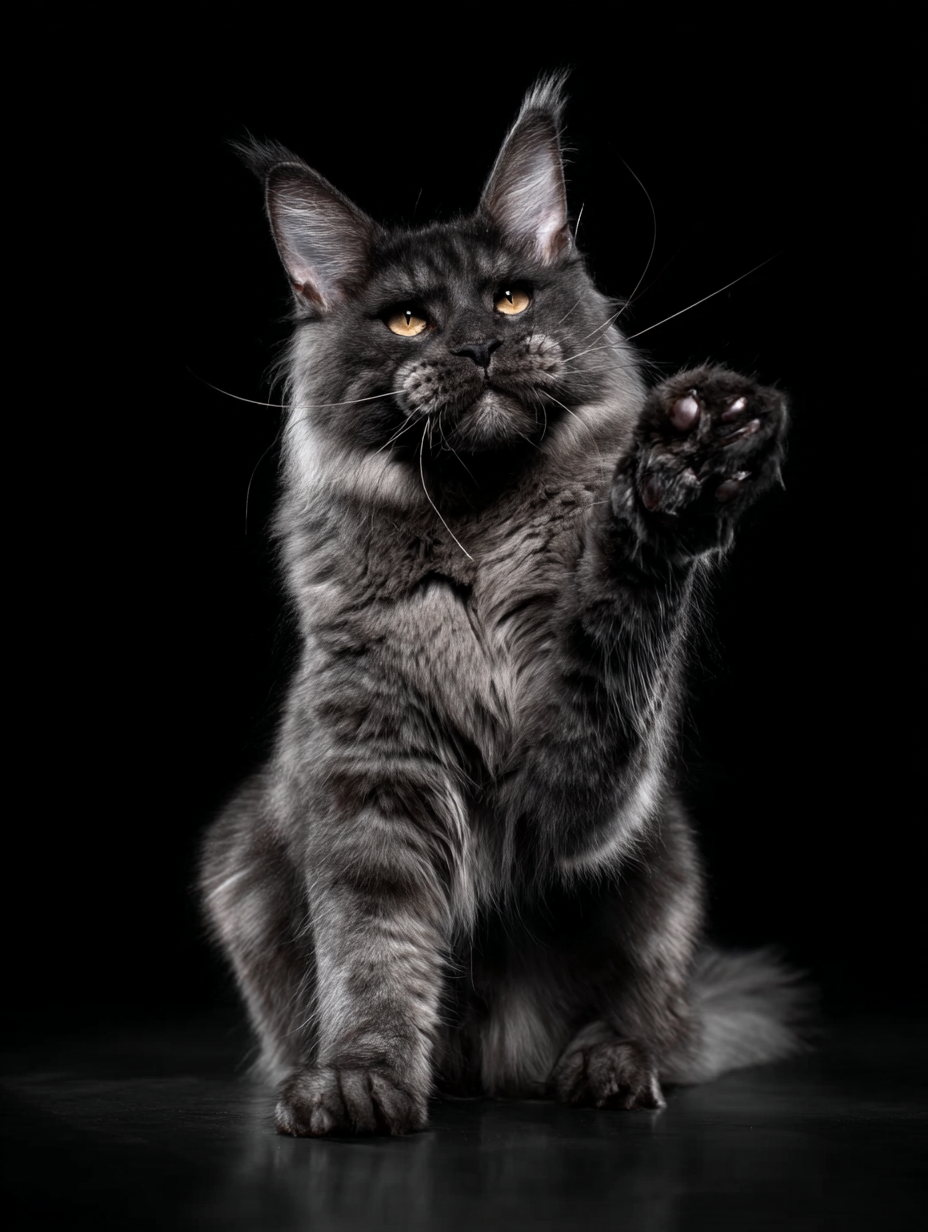
Blue Siberians are genetically solid, meaning the coat shows no tabby striping or patterning. The color itself is a diluted black that appears grey to the human eye.
Blue coats commonly fall into a range that includes:
- Pale dove-grey, often seen in young kittens or summer coats
- Medium steel grey, the most typical adult shade
- Deeper charcoal slate, common in mature adults with dense winter coats
Shade intensity varies naturally and is influenced by several factors:
- Genetics: Some lines consistently produce lighter or darker blues
- Coat maturity: Adult coats carry more pigment and appear richer
- Seasonal cycles: Winter coats are darker and fuller; summer coats are lighter and flatter
A blue Siberian should look evenly colored from head to tail. Patchiness, uneven shading, or ghost striping in adults is usually related to coat stage or seasonal transition rather than poor color quality.
Coat Texture and Structure
Color alone does not define quality in a blue Siberian. Texture matters just as much, if not more.
Like all Siberians, blue Siberians have a true triple-layer coat:
- Dense insulating undercoat that provides volume and warmth
- Medium to long guard hairs that give the coat structure and shape
- Water-resistant outer layer that protects the undercoat and helps prevent matting
A correct blue Siberian coat should feel:
- Plush and springy when pressed
- Slightly coarse on the outer layer
- Full without being cottony or limp
Soft, cotton-like coats may look appealing in kittens but often mat more easily and lack durability in adulthood. Coat texture is genetic and unrelated to color intensity.
Eye Color in Blue Siberians
Blue Siberians typically develop eye colors within the accepted Siberian range, including:
- Green
- Green-gold
- Gold
Eye color develops gradually and may continue changing into early adulthood.
Importantly, eye color has no relationship to coat color quality. A lighter or darker blue coat does not predict eye color, and eye color should never be used as a measure of how “good” a blue Siberian’s coat is.
Blue Siberian Kittens vs Adult Blue Siberians
One of the most important things buyers should understand is that blue Siberian kittens do not look like their adult selves.
Why Blue Kittens Look Lighter
Blue kittens are born with:
- Thinner hair shafts
- Less pigment concentration
- Softer, fluffier coats
This makes kittens appear much lighter than adults.
Adult Color Development
As blue Siberians mature:
- Pigment deepens
- Coat density increases
- The color looks richer and darker
Most blue Siberians reach near-final color between 2 and 4 years of age.
Seasonal Changes
- Winter coats look darker and fuller
- Summer coats look lighter and flatter
These shifts are normal and continue throughout adulthood.
Blue Siberian Cat Personality
The blue coat has no influence on temperament, but Siberians as a breed share consistent personality traits.
Typical Siberian traits include:
- Confident but not aggressive
- Social without being clingy
- Intelligent and observant
- Playful well into adulthood
Blue Siberians can be outgoing, calm, or highly interactive depending on:
- Individual temperament
- Early socialization
- Household environment
Two blue Siberians can have very different personalities. See Male vs Female Siberian Personalities here.
Grooming and Shedding in Blue Siberian Cats
Blue Siberian cats do not shed more than other Siberians, but their coat color can make shedding feel more noticeable in certain environments. Understanding how the Siberian coat functions—and how blue fur interacts with light and contrast—helps set realistic expectations.
Shedding Expectations
Siberians have a true seasonal coat cycle, and blue Siberians follow the exact same pattern as all other colors.
- Spring coat blow
This is the heaviest shedding period of the year. As temperatures rise, the dense winter undercoat releases in large amounts over several weeks. During this phase, shedding is obvious regardless of coat color. - Summer and fall
Shedding becomes moderate and manageable. The coat is lighter, flatter, and releases less fur day to day. - Winter
Shedding is minimal. The coat is at its fullest and most stable, with fewer loose hairs.
The amount of fur shed is determined by coat density and texture, not color. A dense, well-structured blue coat will shed more during seasonal transitions but remain easier to manage the rest of the year than a softer, cottony coat of any color.
Grooming Needs
Blue Siberians benefit from consistent but not excessive grooming.
- Weekly brushing during most of the year keeps loose hair under control and maintains coat health
- Increased brushing during spring shedding helps remove undercoat before it mats or collects indoors
- Occasional combing in high-friction areas (armpits, belly, behind the ears) prevents tangles
The goal is to remove loose undercoat without stripping the guard hairs that protect coat structure.
Coat Color and Perceived Shedding
Blue fur often shows high contrast on:
- Dark clothing
- Light furniture
- Smooth flooring
This contrast can make shedding feel heavier than it actually is. In reality, a blue Siberian sheds the same amount as a brown, red, or black Siberian with a similar coat type.
Why Coat Texture Matters More Than Color
A correct Siberian coat has resilient guard hairs that help shed undercoat cleanly. Softer, cotton-like coats—regardless of color—tend to:
- Trap loose fur
- Mat more easily
- Require more grooming
Texture is genetic and line-based, not color-based.
Practical Grooming Takeaway
A blue Siberian is not a low-shedding cat, but it is a predictable, manageable shedder when properly groomed. Regular maintenance, especially during seasonal coat changes, keeps shedding under control and prevents most grooming issues.
Owners who groom consistently tend to find Siberian shedding very manageable, regardless of coat color.
Are Blue Siberian Cats Hypoallergenic?
Blue Siberian cats are not more hypoallergenic than other Siberian colors. Coat color—whether blue, brown, silver, or red—has no effect on how allergens are produced or how a person with allergies reacts.
The idea that blue or grey cats are more allergy-friendly is a persistent myth, not a biological reality.
What Actually Matters for Cat Allergies
Most cat allergies are triggered by Fel d 1, a protein produced by cats and spread throughout their environment. Fel d 1 is found primarily in:
- Saliva (spread onto the coat during grooming)
- Skin oils
- Dander (microscopic skin flakes)
Fur acts only as a carrier. The color of the fur does not change how much Fel d 1 a cat produces.
A blue Siberian and a brown tabby Siberian from the same line can produce vastly different allergen levels, while two blue Siberians can trigger very different reactions in the same person.
Factors That Matter More Than Color
What actually influences allergen exposure includes:
- Individual cat variation
Some cats naturally produce less Fel d 1 than others, regardless of color or breed. - Sex
Intact males produce the highest levels of Fel d 1. - Neuter status
Neutering significantly reduces Fel d 1 production over time. - Grooming and environment
Regular grooming, air filtration, and cleaning routines can meaningfully reduce allergen load in the home.
These factors have a measurable impact. Coat color does not.
Why Siberians Are Sometimes Better Tolerated
Some people with cat allergies tolerate Siberians better than other breeds, but this is due to breed-wide tendencies and individual variation, not color. Even within Siberians, reactions vary widely.
This is why responsible breeders never guarantee that a specific color—or even a specific kitten—will be allergy-safe.
Blue Siberians and Allergy Testing
If someone tolerates Siberians in general, they may tolerate a blue one—but not because it is blue. The only reliable way to assess compatibility is through direct exposure to the individual cat or line.
For a deeper, evidence-based explanation of how Siberian allergies actually work, how to test realistically, and what breeders can and cannot promise, see our full Siberian Cats & Allergies guide.
Bottom Line on Blue Siberians and Allergies
- Blue Siberians are not more hypoallergenic
- Fel d 1 production is unrelated to coat color
- Sex, neuter status, and individual biology matter far more
- No Siberian color guarantees allergy safety
Understanding this upfront helps buyers make informed decisions and avoid disappointment based on color-based allergy myths.
Are Blue Siberian Cats Rare?
No. Blue Siberians are not rare.
Blue is one of the most established and commonly produced Siberian colors. Availability varies depending on breeder pairings and demand, not genetic rarity.
Marketing terms like “rare blue” usually reflect:
- Temporary availability
- Demand cycles
- Breeder focus
Rarity does not equal quality.
Blue Siberian Cat Price
Blue Siberian cats are priced within the standard Siberian range, but for most buyers working with reputable, health-focused breeders, realistic pricing today falls toward the upper end of that range.
Typical U.S. Pricing for Blue Siberians
In the current U.S. market, well-bred blue Siberian kittens are most commonly priced between:
$3,500 – $4,000
Lower prices do exist, but they are usually associated with:
- Limited or no health testing
- Minimal early socialization
- High-volume or commercial breeding models
Established breeders who invest heavily in health screening, in-home raising, and long-term support are rarely placing blue Siberians below this range anymore.
Why Pricing Has Shifted Higher
Several factors have pushed Siberian pricing upward in recent years:
- Rising veterinary and genetic testing costs
- Increased demand for Siberians due to allergy interest
- Smaller, more carefully managed breeding programs
- Higher standards for socialization and placement
As a result, $3,500–$4,000 has become a common, expected price point for blue Siberians from reputable programs. See more Siberian Cat price info here.
Does Blue Cost More Than Other Colors?
Generally, no. Solid blue Siberians are typically priced the same as other standard colors. Blue is well established and widely bred within the Siberian gene pool.
Any price difference is driven by:
- Current buyer demand
- Availability within a specific breeding program
Not by the color being superior, rarer, or better in quality.
What the Price Actually Reflects
When you see a blue Siberian priced at $3,500–$4,000, you are paying for:
- Breeder reputation and experience
- Comprehensive health testing of parent cats
- Careful kitten socialization in a home environment
- Long-term breeder support and ethical placement practices
You are not paying for coat color as a status feature.
What Color Does Not Affect
Price does not indicate:
- Better temperament
- Lower allergen levels
- Superior health
- Easier grooming
Those outcomes come from breeding decisions and kitten rearing—not coat color.
Choosing a Blue Siberian Cat Responsibly
Choosing a blue Siberian cat should be a thoughtful, long-term decision, not a color-driven impulse. While coat color is a valid preference, it should never outweigh breeder quality, health practices, or temperament consistency. Color is what you notice first—but everything else determines how well the cat fits into your life for the next 15–20 years.
Color Should Be a Preference, Not the Deciding Factor
Blue is a beautiful, classic Siberian color, but it does not predict:
- Personality
- Health outcomes
- Allergy tolerance
- Ease of care
When buyers prioritize color above all else, they often overlook critical factors that affect daily life with the cat. Responsible breeders work in the opposite direction: they prioritize health, temperament, and structure first, then match color where possible.
What to Prioritize When Choosing a Blue Siberian
A responsibly bred blue Siberian should come from a program that emphasizes the following:
Health Testing of Parent Cats
Reputable breeders perform appropriate health testing on breeding cats and are transparent about results. This helps reduce the risk of inherited conditions and supports long-term wellbeing. Color does not compensate for poor health practices.
Temperament Consistency
Siberians are known for their balanced, adaptable nature—but consistency matters. Good breeders track temperament across generations and can explain what you should realistically expect from kittens in a specific line.
Early Socialization
How a kitten is raised matters as much as genetics. In-home socialization, exposure to normal household activity, and positive human interaction shape confidence, adaptability, and resilience. A well-socialized kitten settles more easily into new environments, regardless of color.
Long-Term Breeder Support
Responsible breeders remain a resource after placement. They provide guidance on coat development, grooming, nutrition, and behavior as the cat matures. This ongoing support is especially important with slow-maturing breeds like Siberians.
Questions to Ask Breeders Before Committing
Instead of focusing only on “Do you have a blue kitten?”, buyers should ask questions that reveal how the breeder operates and what life with the cat will actually look like.
Important questions include:
- What do adult cats from this line look like?
This helps set realistic expectations for size, coat depth, and final color. - How does the blue color mature in your kittens?
Experienced breeders can explain how their blue kittens typically darken, how long maturation takes, and what seasonal changes to expect. - What health testing do you perform on breeding cats?
Clear, direct answers signal transparency and ethical standards. - How are kittens raised and socialized before placement?
Look for in-home raising, intentional handling, and age-appropriate exposure—not just clean facilities.
A breeder who cannot clearly answer these questions—or dismisses them as unimportant—is not a good match, regardless of how appealing the kitten’s color may be.
Why Responsible Breeders Set Expectations Early
Ethical Siberian breeders explain coat development honestly. They prepare buyers for:
- Lighter kitten coats
- Gradual color deepening
- Seasonal variation
- Slow overall maturation
This upfront education prevents disappointment and builds trust. Buyers who understand what to expect tend to be far more satisfied long term.
Learn How to Evaluate Breeders Properly
If you are comparing breeders or trying to understand what separates a reputable program from a color-focused seller, see our full Siberian Breeder Post, which breaks down health testing, socialization standards, red flags, and what ethical placement really looks like.
Is a Blue Siberian Right for You?
A blue Siberian cat can be an excellent choice—but only when expectations align with the reality of the breed and the color. Blue Siberians are not about instant payoff or novelty. They are about substance, maturity, and long-term companionship.
A Blue Siberian May Be Right for You If You…
Love solid, plush grey coats
Blue Siberians offer a clean, uniform look without striping or patterning. Their appeal is subtle and refined rather than flashy. If you appreciate depth of color, coat quality, and a classic appearance that grows more impressive with time, blue is a strong choice.
Appreciate slow-maturing breeds
Siberians do not rush their development. A blue Siberian kitten will change in color, size, and coat density over several years. Buyers who enjoy watching a cat evolve and mature tend to find this deeply rewarding. Those who want a finished look quickly may find the process frustrating.
Want a confident but adaptable companion
Well-bred Siberians are typically steady, intelligent, and socially flexible. They tend to adjust well to households with children, other pets, and normal activity—provided they are properly socialized. A blue Siberian can be interactive without being demanding and present without being intrusive.
A Blue Siberian May Not Be the Best Fit If You…
- Expect the kitten’s pale shade to stay exactly the same into adulthood
- Believe coat color influences personality or allergy safety
- Want a breed that matures quickly
- Are choosing primarily based on appearance rather than fit
Understanding these realities upfront prevents disappointment.
Long-Term Satisfaction Comes From the Right Match
When chosen responsibly—from a breeder who prioritizes health, temperament, and transparency—a blue Siberian grows into a balanced, striking adult cat. The coat deepens, the structure fills out, and the personality settles into a confident, steady presence.
For buyers who value quality over trends and patience over instant results, the blue Siberian’s appeal lasts far beyond the kitten stage—and often deepens with time.
Blue Siberian Cat FAQ
What is a blue Siberian cat?
A blue Siberian cat is a solid-colored Siberian whose coat is genetically blue, meaning it is a diluted form of black. The dilution gene softens black pigment into a slate or steel-grey appearance. Blue is a fully accepted, standard Siberian color.
Is a blue Siberian the same as a grey Siberian?
Yes. “Grey Siberian” is a visual, everyday term. Blue is the correct genetic and registry term. When people say grey Siberian, they are usually referring to a blue Siberian or a blue tabby Siberian.
Are blue Siberian cats rare?
No. Blue Siberians are not rare. Blue is one of the most established and widely bred colors in the Siberian breed. Availability depends on breeder pairings and demand, not genetic scarcity.
Do blue Siberian kittens change color as they grow?
Yes. Blue Siberian kittens almost always look lighter as kittens and deepen in color as they mature. Adult coats gain pigment density, longer guard hairs, and fuller undercoats, which makes the color appear darker and richer over time.
At what age does a blue Siberian reach final color?
Most blue Siberians reach near-final coat color between 2 and 4 years of age. Siberians mature slowly, and seasonal coat cycles continue to influence appearance throughout adulthood.
Why does my blue Siberian look darker in winter?
Winter coats are denser, longer, and more heavily pigmented. This makes blue Siberians appear darker and richer in colder months. Summer coats are lighter and flatter, which can make the color look paler.
Do blue Siberian cats have stripes?
No. A true blue Siberian is solid with no tabby striping. If striping is visible, the cat is a blue tabby, not a solid blue.
Are blue Siberian cats calmer than other colors?
No. Coat color does not affect temperament. A blue Siberian can be calm, playful, outgoing, or reserved depending on individual personality, early socialization, and environment.
Do blue Siberian cats shed less?
No. Blue Siberians shed the same amount as other Siberian colors. Shedding depends on coat density, texture, and seasonal cycles—not color. Blue fur may be more noticeable on certain surfaces, which can create the illusion of heavier shedding.
Are blue Siberian cats more hypoallergenic?
No. Blue Siberians are not more hypoallergenic than other Siberians. Allergies are caused primarily by the Fel d 1 protein, not fur color.
Why do some people tolerate Siberians better for allergies?
Some Siberians naturally produce lower Fel d 1 levels, but this varies by individual cat, not by color. Sex and neuter status influence allergen levels more than coat color.
Do blue Siberian cats cost more?
Generally, no. Blue Siberians are usually priced within standard Siberian ranges.
Typical U.S. pricing:
- $1,500 – $4,000+
- Most reputable breeders price blue Siberians between $2,000 and $3,500
Price reflects breeder quality, health testing, and demand—not color superiority.
Is a blue Siberian more expensive than a blue tabby?
Usually not. Solid blue and blue tabby Siberians are typically priced similarly. Any price difference is driven by demand or breeder focus, not inherent value.
Why do some breeders advertise blue Siberians as “rare”?
“Rare” is often a marketing term. While availability can fluctuate, blue Siberians are not genetically rare. Rarity does not indicate better health, temperament, or quality.
What eye color do blue Siberian cats have?
Blue Siberians commonly have:
- Green
- Green-gold
- Gold
Eye color is independent of coat color quality.
Are blue Siberian cats good family pets?
Yes, when well bred and properly socialized. Siberians are known for adaptability, intelligence, and strong bonds with their people. Color does not affect family compatibility.
Is a blue Siberian easier to groom than other colors?
No. Grooming needs are the same across all Siberian colors. Coat texture and density matter more than color when it comes to grooming ease.
Can a blue Siberian turn black as it ages?
No. A blue Siberian will not turn black. The coat may deepen in shade, but the dilution gene remains present for life.
Should I choose a blue Siberian based only on color?
No. Color should be a preference, not the deciding factor. Health testing, temperament, breeder practices, and lifestyle compatibility matter far more for long-term satisfaction.
What should I ask a breeder if I want a blue Siberian?
Ask about:
- Parent coat colors and adult appearance
- How kittens from the line mature
- Health testing performed
- Socialization practices
- Realistic expectations for adult color
These answers give far more clarity than color labels alone.
Is a blue Siberian a good choice for first-time cat owners?
Yes, when sourced from a responsible breeder. Siberians are generally adaptable and people-oriented, making them suitable for many first-time owners.
Final Thoughts on the Blue Siberian Cat
A blue Siberian cat is a solid, genetically blue Siberian whose appeal lies in coat quality, structure, and long-term development—not novelty or rarity. Blue kittens naturally mature slowly, deepen in color over time, and experience seasonal coat changes that are normal for the breed. Coat color does not influence temperament, shedding amount, or hypoallergenic potential. Buyers who focus on breeder quality, health testing, and realistic expectations—rather than color alone—are far more likely to be satisfied long term. When chosen responsibly, a blue Siberian grows into a confident, well-balanced adult cat whose value extends well beyond the kitten stage.
Looking to Adopt a Siberian Kitten?
Our kittens are placed with families who understand that color affects appearance—not temperament, health, or allergies. Learn how our program approaches color genetics honestly, raises kittens for long-term success, and helps buyers choose based on fit rather than trends.
See Siberian Kittens Available
See More About Siberian Cats
Read related posts about Siberian cat care, development, and ownership considerations:
- Are Siberian Cats Hypoallergenic?
- Siberian Cat Grooming
- Siberian Cat Lifespan
- Siberian Cat Size, Growth, and Maturity Timeline
- Living With a Siberian Cat When You Have Allergies
- Siberian Cat Diet and Nutrition
- Siberian Cat Fel d 1 Explained
- Do Siberian Kittens Trigger Allergies More then Adults?
- Siberian Cat Complete Overview
- Siberian Cats vs Other Hypoallergenic Breeds
- Siberian Cats Indoor vs Outdoor
Article Sources
- The International Cat Association (TICA)
Siberian Breed Standard & accepted colors
https://tica.org/breeds/browse-all-breeds?view=article&id=830:siberian-breed&catid=48 - Fédération Internationale Féline (FIFe)
Siberian Cat Breed Standard and color definitions
https://www1.fifeweb.org/dnld/std/SIB.pdf - UC Davis Veterinary Genetics Laboratory
Cat coat color genetics, including the dilution gene
https://vgl.ucdavis.edu/resources/cat-coat-color - National Institute of Environmental Health Sciences (NIEHS)
Overview of cat allergens and Fel d 1
https://www.niehs.nih.gov/health/topics/agents/allergens/cats - Journal of Allergy and Clinical Immunology
Research on Fel d 1 production and individual variation in cats
https://www.jacionline.org/article/S0091-6749(98)70245-9/fulltext - Veterinary Partner (VIN)
Feline coat cycles, shedding, and grooming needs
https://veterinarypartner.vin.com/default.aspx?pid=19239&id=4951966





Read the Comments +