
British Longhair Cat Lifespan: How Long Do British Longhair Cats Live?
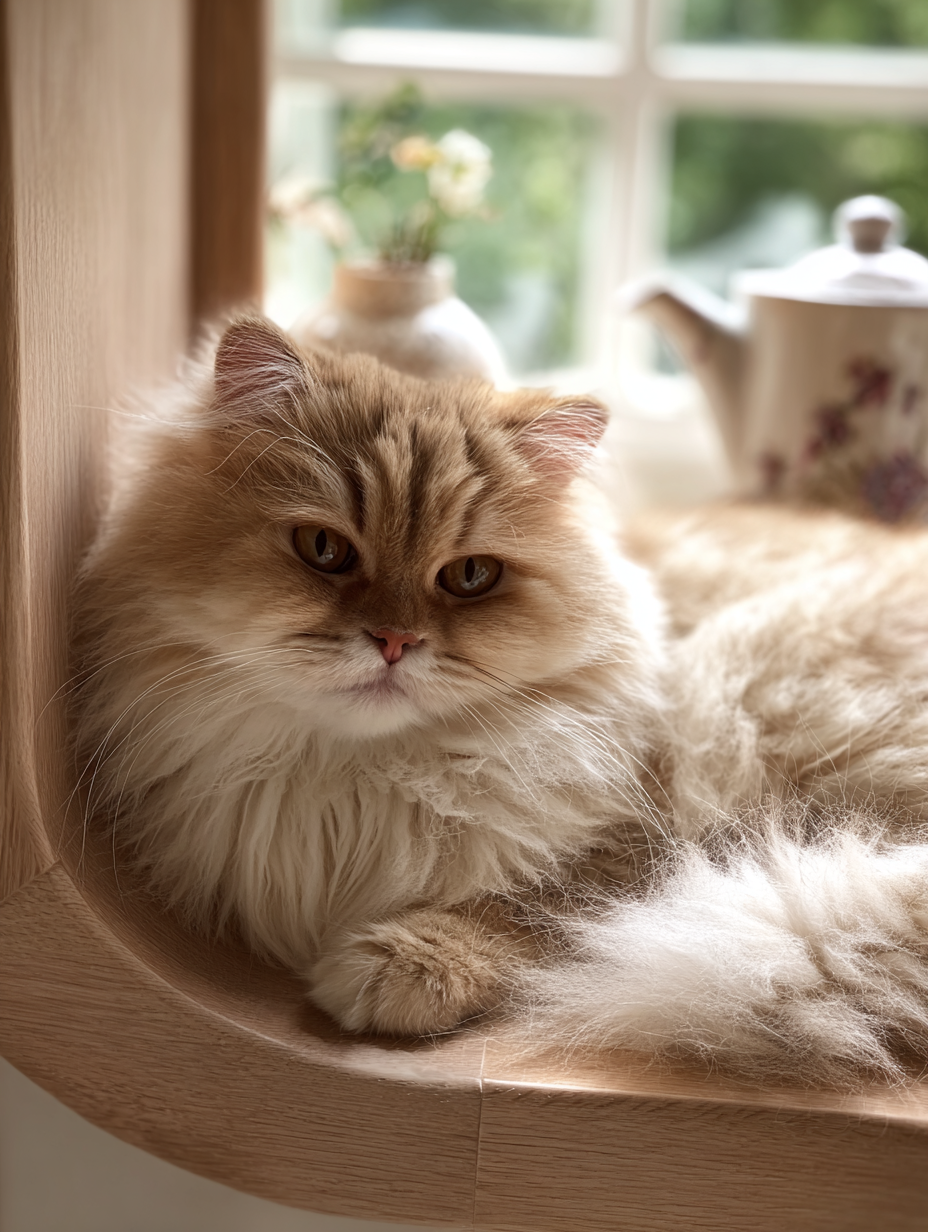
British Longhair cats typically live 12–16 years, with many well-bred, indoor British Longhairs reaching their mid- to late-teens. Some individuals from carefully health-screened lines live 17–18+ years. Their steady temperament, strong physical structure, and generally robust health contribute to good longevity, but genetics, weight management, and preventive veterinary care remain the most important factors.
While British Longhairs are considered a hardy breed, they share certain inherited risks with their British Shorthair foundation lines—particularly hypertrophic cardiomyopathy (HCM) and polycystic kidney disease (PKD) in some bloodlines. Understanding these risks and choosing responsible breeding, combined with proactive lifelong care, plays a major role in extending lifespan.
Below is a full British Longhair lifespan breakdown, including indoor vs outdoor life expectancy, longevity factors, aging milestones, and senior care considerations.
British Longhair Lifespan Summary Table
| Category | Lifespan Range | Notes |
|---|---|---|
| Typical British Longhair Lifespan | 12–16 years | Most healthy indoor cats reach mid-teens |
| Indoor British Longhair Lifespan | 14–17+ years | Indoor living significantly improves longevity |
| Outdoor British Longhair Lifespan | 8–12 years | Higher risk exposure shortens lifespan |
| Long-Lived British Longhairs | 17–19+ years | Seen with excellent genetics and preventive care |
| British Longhair Mix Lifespan | 13–18 years | Influenced by genetic diversity |
| Senior British Longhair Age | 9–11 years | They age steadily and predictably |
| Average Domestic Cat | 12–15 years | British Longhairs meet or slightly exceed this |
British Longhair Lifespan Overview
The average British Longhair lifespan is 12–16 years, with many indoor cats from health-tested lines reaching 15–17 years or more. Their longevity is supported by a solid, balanced body structure, moderate energy level, and emotionally stable temperament.
British Longhairs mature slowly and maintain consistency in behavior and activity well into adulthood. They are not prone to extreme stress responses, which supports immune health and reduces the cumulative impact of chronic stress on organs such as the heart and kidneys.
That said, longevity depends heavily on responsible breeding practices, especially screening for inherited conditions like HCM and PKD. When these risks are managed and paired with indoor living, proper nutrition, and routine veterinary care, British Longhairs often enjoy long, comfortable lives.
Indoor vs Outdoor British Longhair Lifespan
British Longhair Lifespan Indoor (14–17+ years)
Indoor British Longhairs benefit from:
- stable, climate-controlled environments
- predictable routines
- reduced exposure to stress
- controlled diet and hydration
- protection from predators and traffic
- consistent veterinary monitoring
British Longhairs are not street-savvy cats. Their calm, trusting nature makes indoor-only living the safest and most effective way to maximize lifespan.
Outdoor British Longhair Lifespan (8–12 years)
Outdoor life introduces significant risks:
- vehicle accidents
- predators and aggressive animals
- toxins (plants, chemicals, rodenticides)
- parasites and infectious disease
- territorial fights
- extreme temperatures
Even limited outdoor access can shorten lifespan for a breed that lacks strong defensive instincts. Indoor living is strongly recommended for long-term health and safety.
Why British Longhairs Live as Long as They Do
British Longhairs possess several traits that support longevity:
1. Calm, emotionally stable temperament
They are steady and predictable, which helps reduce stress-related illness and supports immune function.
2. Moderate activity level
They are active enough to maintain muscle and joint health without excessive strain.
3. Balanced physical structure
British Longhairs are not brachycephalic, supporting healthy breathing, dental alignment, and overall resilience.
4. Slow, even maturation
Their growth pattern places less stress on joints and connective tissue over time.
5. Strong human bonding
They form stable attachments without high dependency, which supports emotional well-being throughout life.
When these traits are supported by genetic screening, weight control, routine vet care, and indoor living, British Longhairs often age gracefully well into their senior years.
British Longhair Genetic Health Issues That Affect Lifespan
British Longhairs generally have good longevity, but—like all pedigreed cats—their lifespan is influenced by a small number of inherited and management-related health concerns. Most risks are predictable, screenable, and manageable when breeders and owners take a proactive approach.
1. Hypertrophic Cardiomyopathy (HCM)
HCM is the most significant inherited heart condition seen in British Longhair lines.
- Causes thickening of the heart muscle, reducing cardiac efficiency
- Can appear at any age, including early adulthood
- Seen in some British Shorthair and British Longhair bloodlines
- Responsible breeders perform echocardiograms and/or DNA testing where applicable
- Cats from screened parents have a substantially lower risk of HCM-related early death
HCM does not affect every British Longhair, but unmanaged lines increase the risk. Breeder screening is one of the strongest predictors of lifespan.
2. Polycystic Kidney Disease (PKD)
PKD is inherited and historically linked to Persian ancestry, which appears in some British Longhair pedigrees.
- Causes progressive kidney cyst development
- Often asymptomatic until middle or later adulthood
- Preventable through DNA testing and exclusion of carriers from breeding programs
Cats from PKD-negative parents are extremely unlikely to develop the disease, making breeder transparency essential.
3. Age-Related Kidney Changes (Senior Years)
Not breed-specific, but common in long-lived cats.
- Gradual decline in kidney efficiency typically appears in the mid- to late-teens
- Proper hydration and diet significantly slow progression
- Early monitoring allows for supportive intervention rather than crisis management
4. Obesity
British Longhairs are sturdy and dense, which can lead owners to underestimate excess weight.
Obesity shortens lifespan by increasing risk of:
- diabetes
- arthritis and joint degeneration
- liver disease
- cardiovascular strain
Maintaining a lean, muscular body condition is one of the most effective ways to extend a British Longhair’s lifespan by several years.
5. Dental Disease
Untreated dental disease creates chronic inflammation that affects multiple organ systems.
- Oral infections can contribute to kidney and heart stress
- Routine dental exams and home care significantly reduce long-term complications
- Dental health directly correlates with senior comfort and longevity
British Longhair Senior Age: When Do They Slow Down?
British Longhairs typically enter their senior years around 9–11 years old, though many remain steady and composed well into their teens.
Common senior traits include:
- calm, predictable behavior
- continued social engagement
- stable emotional temperament
Early signs of aging to watch for:
- reduced jumping height
- slower movement after rest
- increased sleep
- subtle weight changes
- mild stiffness
- decreased appetite or grooming
Identifying these changes early allows for small adjustments that meaningfully extend lifespan and comfort.
How to Care for a Senior British Longhair Cat
Senior British Longhairs benefit most from environmental support, hydration management, joint care, and routine monitoring rather than aggressive medical intervention. Their temperament favors stability, consistency, and low-stress routines.
Senior care is about reducing physical strain and supporting organ function, not restricting quality of life. With the right adjustments, British Longhairs often remain content, interactive companions well into their late teens.
Below are the most impactful senior-care strategies.
1. Joint Support & Accessible Home Modifications
British Longhairs are solid, heavy-boned cats, so joint support becomes increasingly important with age.
Effective modifications include:
- low-entry litter boxes
- orthopedic beds with supportive foam
- gentle heat sources for stiff joints
- stools or ramps to reach preferred resting areas
- non-slip rugs on smooth flooring
Weight control is especially important in seniors, as even small gains significantly increase joint strain. Minor home adjustments can dramatically improve daily comfort.
2. Hydration Support for Kidney & Bladder Health
Hydration is one of the strongest lifespan predictors for British Longhairs.
Adequate hydration helps:
- protect kidney function
- reduce urinary crystal formation
- maintain electrolyte balance
- prevent dehydration-related organ stress
Ways to improve hydration:
- daily wet food meals
- multiple fresh water stations
- pet water fountains
- moisture-rich toppers or broths
- hydration-friendly treats
Consistent hydration support can add years, not months, to a British Longhair’s life.
3. Senior-Friendly Nutrition for British Longhair Longevity
A well-formulated senior diet plays a central role in maintaining weight, muscle mass, and organ function as British Longhairs age. Their nutritional needs shift gradually rather than abruptly, and longevity-focused feeding emphasizes balance and consistency.
A supportive senior diet prioritizes:
- high-quality animal protein to preserve lean muscle
- moderate fat levels to prevent unnecessary weight gain
- low carbohydrate content to support metabolic and inflammatory health
- moisture-rich foods to protect kidney and urinary function
- omega-3 fatty acids for joint, heart, and skin support
Avoid calorie-dense, low-moisture diets, especially dry-only feeding. Excess weight is one of the most common and preventable causes of shortened lifespan in British Longhairs.
Target body condition:
Lean frame with a visible waist from above; ribs should be easily felt with light padding.
4. Twice-Yearly Veterinary Checkups for Senior British Longhairs
British Longhairs benefit from biannual senior wellness exams, typically beginning around 9–10 years of age. These visits allow early detection of age-related changes before they progress into advanced disease.
Senior exams commonly include:
- comprehensive bloodwork (kidney, liver, thyroid)
- urinalysis
- dental assessment
- heart auscultation
- mobility and joint evaluation
- body condition and weight tracking
- blood pressure monitoring
Because British Longhairs may carry inherited heart risk from British foundation lines, periodic cardiac evaluation may be recommended, especially if health history is incomplete.
Preventive veterinary care is one of the strongest lifespan-extending tools available, second only to genetics and indoor living.
5. Mental Enrichment & Low-Impact Exercise
British Longhairs remain mentally engaged and observant well into their senior years. Gentle enrichment supports cognitive function, maintains mobility, and helps prevent anxiety and weight gain.
Senior-appropriate enrichment includes:
- soft interactive toys
- puzzle feeders that encourage slow eating
- window seating for observation
- regular, gentle brushing
- short play sessions or supervised exploration
- calm daily interaction
Even brief periods of light movement each day help preserve muscle tone and joint flexibility—both of which directly influence lifespan and comfort.
6. Stress Reduction & Emotional Stability
British Longhairs thrive on predictability and stability, especially as they age. While they are emotionally steady cats, prolonged stress can negatively affect appetite, sleep, immune health, and inflammation.
Senior British Longhairs may be sensitive to:
- abrupt household changes
- new pets or rearranged territory
- irregular feeding routines
- excessive noise
- frequent unfamiliar visitors
A calm, structured environment supports:
- balanced stress hormone levels
- consistent eating habits
- healthy sleep cycles
- reduced inflammatory burden
- stronger immune response
Emotional stability is a meaningful contributor to longevity in British Longhairs, allowing them to age comfortably and maintain quality of life well into their later years.
British Longhair Lifespan Compared to Other Cat Breeds
British Longhairs fall into the upper range of longevity among pedigree cats. Their steady temperament, balanced body structure, and generally strong constitution support long lifespans when paired with responsible breeding and indoor living. While no breed is immune to inherited disease, British Longhairs—particularly those from health-tested lines—often live as long as or longer than many comparable purebred cats.
Here’s how British Longhair lifespan compares to similar breeds:
| Breed | Average Lifespan | Notes |
|---|---|---|
| British Longhair | 12–16 (17–19+) years | Long-lived with proper weight control and indoor care |
| British Shorthair | 14–20 years | Among the longest-lived purebreds |
| Ragamuffin | 14–18 years | Genetic diversity supports longevity |
| Maine Coon | 13–15 years | Large size shortens average lifespan |
| Siberian | 12–16 years | Moderate-to-long lifespan |
| Persian | 12–15 years | Facial structure and grooming demands impact health |
| Domestic Longhair | 12–16 years | Comparable average with fewer inherited risks |
Summary
A well-bred British Longhair sits near the top tier of feline longevity, especially when kept lean, indoors, and supported by preventive care.
Male vs Female British Longhair Lifespan Differences
There is no meaningful lifespan difference between male and female British Longhairs when health, lifestyle, and care are equal. Both genders commonly reach 12–16+ years.
Key longevity factors that benefit both sexes include:
- spaying or neutering
- indoor-only living
- moisture-rich, high-quality diets
- consistent routines
- low-stress environments
The most significant lifespan difference is between fixed vs intact cats.
Spayed or neutered British Longhairs live noticeably longer because sterilization:
- reduces hormonal stress
- prevents reproductive cancers
- eliminates roaming behaviors
- stabilizes metabolism
- lowers injury and escape risk
Gender alone does not predict lifespan—but sterilization does.
How Long Do British Longhair Mixes Live?
British Longhair mixes often live 13–18 years, and some exceed that range due to increased genetic diversity. Hybrid vigor can reduce the impact of breed-specific risks and improve overall resilience.
Factors influencing mix longevity include:
- genetics from the non-British parent
- indoor versus outdoor lifestyle
- weight management
- hydration and diet quality
- routine veterinary monitoring
- dental care
Common British Longhair mixes include:
- British Longhair × Domestic Longhair
- British Longhair × Persian-type lines
- British Longhair × Siberian
- British Longhair × Maine Coon
Many mixes retain the calm temperament and steady aging pattern associated with British Longhairs, contributing to long, predictable lifespans.
Common Causes of Early Death in British Longhairs
Although British Longhairs are capable of long lives, early mortality can occur—most often due to preventable lifestyle factors or inherited conditions.
1. Hypertrophic Cardiomyopathy (HCM)
One of the most serious inherited risks.
- Can appear in unscreened British lines
- May cause sudden cardiac events
- Echocardiogram screening significantly lowers risk
- Responsible breeding reduces incidence dramatically
2. Obesity-Related Disease
Excess body weight increases risk of:
- diabetes
- arthritis
- liver disease
- cardiovascular strain
- reduced mobility
Maintaining a lean body condition can add several healthy years to a British Longhair’s life.
3. Trauma from Outdoor Access
Outdoor exposure remains the most common cause of early death.
Risks include:
- vehicles
- predators
- falls
- poisoning
- territorial fights
Indoor-only British Longhairs live substantially longer.
4. Anesthesia Complications (Uncommon)
- Larger body mass can affect dosing
- Risk is minimized with experienced veterinarians and pre-op screening
5. Kidney or Urinary Disease
- Often linked to chronic dehydration
- Dry-only diets increase risk
- Moisture-rich feeding and monitoring are highly protective
6. Dental Disease
- Untreated oral infections contribute to systemic inflammation
- Can negatively impact heart and kidney health
- Regular dental care directly supports longevity
Behavioral Signs That a British Longhair Is Aging
British Longhairs tend to age steadily and quietly, with changes appearing gradually rather than suddenly. Because they are naturally composed and low-drama cats, early senior signs are often subtle. Recognizing these behavioral shifts early allows for timely adjustments that can meaningfully extend both comfort and lifespan.
Common Early Senior Signs
- reduced jumping height due to mild joint stiffness
- longer and more frequent sleep periods
- slower or less meticulous grooming
- gradual weight gain or mild weight loss
- preference for quieter spaces or increased attachment to routine
- hesitation using stairs or climbing furniture
- changes in litter box habits
- decreased appetite or slower eating
Late Senior Signs (Typically 14+ Years)
- softer muscle tone and reduced strength
- noticeably lower play interest
- mild cognitive changes (disorientation, altered sleep cycles)
- dehydration or increased thirst
- occasional confusion or hesitation in familiar spaces
- avoidance of high perches
British Longhairs are stoic by nature and often mask discomfort. Even small behavioral changes should be viewed as meaningful indicators rather than normal aging to ignore.
Indoor vs Outdoor Risk Analysis for British Longhair Lifespan
British Longhairs are not well suited for outdoor life. Their calm temperament, limited territorial drive, and trusting nature place them at increased risk when exposed to uncontrolled environments.
Indoor British Longhairs: 14–17+ Years
Indoor living supports longevity by providing:
- stable temperatures
- controlled, safe surroundings
- low daily stress
- cleaner air quality
- predictable feeding schedules
- consistent hydration
- protection from predators and infectious disease
Indoor-only British Longhairs commonly live 5–7 years longer than those with outdoor access.
Outdoor British Longhairs: 8–12 Years
Outdoor exposure introduces significant hazards:
- vehicle accidents
- predators (dogs, coyotes, birds of prey)
- parasites and vector-borne illness
- exposure to toxins and chemicals
- infectious disease transmission
- territorial conflicts
- falls or entrapment injuries
Even limited or “yard-only” access substantially increases risk. British Longhairs lack the defensive behaviors needed to safely navigate outdoor environments.
Safe Outdoor Enrichment Options
For families who want enrichment without risk:
- enclosed catios
- screened porches or sunrooms
- harness training (slowly introduced)
- enclosed pet strollers
- supervised, contained deck or patio time
These options satisfy curiosity while preserving longevity.
How to Increase a British Longhair Cat’s Lifespan
British Longhairs are naturally long-lived when raised indoors with stable routines, attentive care, and low-stress environments. While their average lifespan ranges from 12–16 years, many reach 17–19+ years with consistent support.
Extending lifespan is not about aggressive intervention—it is about prevention, predictability, and thoughtful daily management as the cat ages.
Below are the most effective, evidence-based ways to increase a British Longhair’s lifespan.
1. Keep Your British Longhair Indoors
Indoor living is the single most powerful longevity factor.
Indoor British Longhairs avoid:
- vehicle trauma
- predators and roaming animals
- parasites and infectious disease
- territorial conflicts
- toxic plants and chemicals
- extreme temperatures
Because British Longhairs are calm, trusting, and not street-savvy, they are poorly equipped for outdoor survival. Indoor-only homes consistently add 5–7 years to expected lifespan.
For families who want outdoor experiences, structured and enclosed options—such as catios or harness walks—provide stimulation without compromising safety.
2. Maintain a Lean, Healthy Body Weight
Excess weight is one of the most common and preventable causes of shortened lifespan in British Longhair cats. Because British Longhairs are dense, broad-bodied, and plush-coated, owners often mistake extra fat for a normal “solid” build.
Carrying excess weight increases the risk of:
- diabetes
- arthritis and joint degeneration
- reduced mobility
- liver stress
- cardiovascular strain
- overall shortened lifespan
A lean British Longhair typically lives 2–4 years longer than an overweight one.
How to maintain ideal weight:
- prioritize high-quality, moisture-rich wet food
- avoid free-feeding dry kibble
- monitor body condition monthly (hands-on, not visual only)
- use puzzle feeders to slow eating
- provide 5–15 minutes of gentle daily play
Ideal body condition for a British Longhair:
- a visible waist when viewed from above
- ribs easily felt under light padding
- no excessive abdominal fat beyond the normal primordial pouch
Weight control is one of the most powerful longevity tools available to owners.
3. Protect Heart Health Through Breeder Screening & Early Detection
British Longhairs may carry inherited cardiac risk through British foundation lines, particularly hypertrophic cardiomyopathy (HCM). While not every line is affected, unmanaged breeding significantly increases risk.
HCM can develop at any age and may progress silently until advanced, making preventive screening essential.
To support a longer lifespan:
- ensure breeding parents are appropriately screened
- confirm regular cardiac evaluations in breeding cats
- have your veterinarian perform routine heart auscultation
- investigate murmurs or rhythm changes promptly
British Longhairs from health-screened breeding stock have a substantially lower risk of cardiac complications and typically enjoy longer, more stable lives.
4. Provide Daily Hydration Support
Hydration is one of the strongest predictors of long-term health and longevity.
Adequate hydration supports:
- kidney and bladder health
- digestion and nutrient absorption
- toxin filtration
- urinary crystal prevention
- overall organ function
Ways to improve hydration:
- feed wet food as the primary diet
- add water or broth to meals
- use pet water fountains to encourage drinking
- place multiple water stations throughout the home
- avoid dry-only feeding
Cats evolved to meet most of their fluid needs through food. Moisture-rich diets directly support longevity, especially in breeds prone to gradual kidney aging.
5. Support Dental Health to Prevent Secondary Disease
Dental disease is widespread, often silent, and strongly linked to reduced lifespan.
Untreated oral infections can spread through the bloodstream and affect:
- kidneys
- liver
- heart valves
Essential dental care includes:
- annual oral examinations
- professional cleanings when indicated
- home dental care (brushing, gels, or wipes)
- enzymatic dental treats or chews
British Longhairs with well-maintained dental health are far more likely to reach their mid- to late-teens in good condition.
6. Prioritize Emotional Stability & Low-Stress Living
British Longhairs are emotionally steady cats that rely on predictability and calm environments, particularly as they age. Chronic stress negatively affects immune function, inflammation, appetite, and sleep quality.
To reduce stress:
- maintain consistent daily routines
- provide quiet resting areas
- avoid prolonged noise or chaos
- handle gently and predictably
- limit major household disruptions
- introduce new pets slowly
Emotionally stable British Longhairs tend to remain healthier, maintain appetite, and age more comfortably.
Senior British Longhair Care: A Complete Longevity Checklist
Senior British Longhairs thrive when their environment, diet, and routines are adjusted to support aging joints, organs, and energy levels. Because they are calm and stoic, proactive care is especially important.
Senior British Longhair Longevity Checklist
- twice-yearly veterinary exams
- annual comprehensive bloodwork and urinalysis
- dental cleanings every 1–2 years (as recommended)
- daily hydration through wet food or added moisture
- low-entry litter boxes
- raised food and water bowls
- soft, supportive orthopedic bedding
- stable routines to minimize stress
- gentle daily play and movement
- warm resting areas (heated pads or blankets)
- regular weight monitoring
- joint supplements (with veterinary guidance)
Small, consistent adjustments can add years of comfort and quality life, particularly after age 9–11.
Senior British Longhair Nutrition: Feeding for Longevity
Senior British Longhairs benefit from diets designed to preserve muscle mass, support kidney health, and maintain steady energy levels as metabolism slows with age. Because British Longhairs are dense, slow-maturing cats with moderate activity levels, both food composition and feeding schedule play a significant role in lifespan.
Nutritional Priorities for Senior British Longhairs
- high-quality animal protein to prevent age-related muscle loss
- moderate fat levels to support weight stability without promoting obesity
- low-to-moderate carbohydrates to reduce metabolic and inflammatory strain
- moisture-rich meals to protect kidney and urinary health
- omega-3 fatty acids for joint, heart, and cognitive support
- digestible fiber to maintain gut health and stool quality
Wet food becomes increasingly important with age, as thirst drive naturally declines in senior cats. Moisture-rich feeding helps prevent dehydration—one of the most common contributors to kidney and urinary disease in older British Longhairs.
Feeding smaller, more frequent meals can also help stabilize blood sugar, improve digestion, and reduce gastrointestinal stress in senior years.
British Longhair Lifespan: Genetics vs. Lifestyle Impact Breakdown
Longevity in British Longhairs is shaped by both genetic foundation and daily management. Understanding what is inherited—and what is within an owner’s control—allows for better decision-making throughout the cat’s life.
Genetic Factors Influencing Lifespan
- cardiac health history (including HCM risk in some lines)
- kidney resilience
- immune system strength
- metabolic efficiency
- overall lineage health consistency
Lifestyle Factors Influencing Lifespan
- indoor versus outdoor living
- diet quality and hydration
- weight management
- dental care
- stress exposure
- accessibility and mobility support
- preventive veterinary care
- stable routines
Once a cat is in the home, lifestyle factors typically outweigh genetics. Even a British Longhair with average genetic background can reach 17–19+ years with consistent, attentive care, while poor management can significantly shorten lifespan—even in cats from excellent lines.
British Longhair Lifespan: Early Warning Signs Owners Should Never Ignore
British Longhairs are calm, reserved, and often stoic. Because they rarely vocalize discomfort, early signs of health decline can be easy to miss. Recognizing subtle changes early can prevent progression and meaningfully extend lifespan.
Potential Early Indicators of Health Decline
- sudden or gradual appetite changes
- new lethargy or reduced engagement
- decreased jumping height
- sleeping in unusual or isolated locations
- unexplained weight gain or loss
- reduced grooming or coat quality changes
- withdrawal or increased quietness
- unusual vocalization
- stiffness or slower movement
- changes in litter box habits
- heavier breathing after mild activity
- increased thirst or urination
Any behavioral shift—especially after age 9–11—should be treated as clinically relevant rather than dismissed as “normal aging.”
British Longhair Lifespan: Environmental Factors That Add or Remove Years
British Longhairs are deeply affected by their environment. A calm, structured household supports longevity, while chronic stress or physical risk factors can shorten life expectancy.
Environmental Factors That Extend Lifespan
- quiet, predictable daily routines
- indoor-only living
- consistent feeding schedules
- mental enrichment and observation spaces
- stable sleep–wake cycles
- climbing structures with safe, gradual access
- calm, respectful interactions with children and other pets
Environmental Factors That Reduce Lifespan
- chronic noise or household stress
- overcrowded multi-cat environments
- unresolved conflict with other animals
- unsupervised outdoor access
- free-feeding high-carbohydrate diets
- prolonged boredom or isolation
- unsafe furniture heights leading to falls or injury
British Longhairs are emotionally steady but not resilient to chaos. Emotional stability supports physical health, making environmental management as important as diet or veterinary care in determining lifespan.
British Longhair Lifespan: The Role of Enrichment & Daily Routine
Enrichment is a frequently underestimated factor in feline longevity. British Longhairs that receive consistent mental stimulation, gentle physical activity, and predictable routines tend to maintain better cognitive function, joint health, and emotional stability as they age—all of which directly support a longer lifespan.
Because British Longhairs are calm, observant, and routine-oriented, enrichment does not need to be intense. Instead, steady, low-impact engagement is what helps them age comfortably.
Essential Types of Enrichment That Support Longevity
- interactive play using soft wand or feather toys
- puzzle feeders to encourage problem-solving and slow eating
- window perches for observation and birdwatching
- sturdy, low-rise climbing furniture appropriate for heavier cats
- predictable daily social interaction
- gentle grooming sessions to maintain coat and reinforce bonding
British Longhairs thrive on routine. Cats with consistent feeding, play, rest, and grooming schedules typically show fewer stress-related issues and age more gracefully.
British Longhair Lifespan Myths
Myth 1: British Longhairs only live 10–12 years
Incorrect. Many British Longhairs live 14–16 years, and well-managed indoor cats frequently reach 17–19+ years. Earlier lifespan estimates often came from older data before modern health screening became widespread.
Myth 2: British Longhairs are unhealthy because they are longhaired
False. Coat length does not determine health. British Longhairs are generally robust cats when bred responsibly, with health risks that are predictable and manageable through screening and proper care.
Myth 3: Outdoor access is necessary for enrichment
Untrue. Outdoor exposure significantly shortens lifespan due to injury, disease, and trauma risk. Safe alternatives—such as catios, harness training, or enclosed patios—provide enrichment without compromising longevity.
Myth 4: Heavier cats naturally get overweight with age
British Longhairs are dense and broad, but obesity is not inevitable. Maintaining a lean body condition dramatically improves mobility, organ health, and lifespan.
Myth 5: Cardiac screening is optional in British Longhair lines
Incorrect. Because some lines carry inherited cardiac risk, responsible breeder screening and early detection are essential components of lifespan management.
Myth 6: Hydration support isn’t needed if a cat “looks healthy”
Hydration issues develop silently. Moisture-rich diets and accessible water sources are core components of long-term kidney and urinary health.
Myth 7: Senior British Longhairs should stop playing
False. Gentle, age-appropriate play is critical for preserving muscle tone, joint flexibility, and mental clarity in senior cats.
British Longhair Lifespan: Owner Mistakes That Accidentally Shorten Life
Even attentive owners can unintentionally reduce lifespan through common management errors.
1. Free-feeding dry kibble
Promotes obesity, dehydration, metabolic strain, and kidney stress.
2. Allowing unsupervised outdoor access
The leading preventable cause of early death in British Longhairs.
3. Neglecting dental care
Oral infections contribute to systemic inflammation and organ damage.
4. Skipping senior veterinary exams
Annual-only exams often miss early kidney, heart, or thyroid changes. Seniors benefit from twice-yearly monitoring.
5. Providing only high or unstable enrichment structures
Senior cats risk falls, joint strain, or injury when access is not age-appropriate.
6. Failing to adjust diet with age
Senior British Longhairs require different moisture levels, calorie density, and protein balance than younger adults.
7. Mistaking obesity for “solid British build”
This is extremely common—and harmful. A true British Longhair is dense, not overweight.
British Longhair Lifespan FAQ
How long do British Longhair cats live?
British Longhair cats typically live 12–16 years, with many well-bred, indoor cats reaching 17–19+ years. Longevity depends heavily on genetics, indoor living, weight management, hydration, and preventive veterinary care.
Is the British Longhair a long-lived cat breed?
Yes. British Longhairs are considered a long-lived pedigree breed, especially compared to other longhaired cats. Their balanced body structure, calm temperament, and slow aging pattern contribute to above-average longevity when properly cared for.
Do British Longhair cats live longer indoors?
Yes. Indoor British Longhairs live 5–7 years longer on average than cats with outdoor access. Indoor living protects them from trauma, predators, disease, toxins, and chronic stress.
What is the oldest age a British Longhair can reach?
Some British Longhairs live into their late teens (18–19+), particularly cats from health-tested lines with excellent weight control, hydration, dental care, and low-stress environments.
When is a British Longhair considered a senior?
Most British Longhairs enter their senior years around 9–11 years old. They often remain emotionally stable and socially engaged well into their teens, but subtle physical changes usually begin during this stage.
Do male or female British Longhairs live longer?
There is no meaningful lifespan difference between male and female British Longhairs. The biggest longevity difference is between spayed/neutered vs intact cats, not gender.
Does spaying or neutering affect British Longhair lifespan?
Yes. Spayed and neutered British Longhairs typically live several years longer due to reduced hormonal stress, lower cancer risk, stabilized metabolism, and elimination of roaming or fighting behaviors.
Are British Longhair cats prone to health problems that shorten lifespan?
British Longhairs are generally healthy, but lifespan can be affected by:
- hypertrophic cardiomyopathy (HCM) in some lines
- kidney disease in advanced age
- obesity
- dental disease
These risks are manageable and often preventable with screening and proper care.
Is HCM common in British Longhair cats?
HCM is not universal, but it does occur in some British foundation lines. Cats from health-screened parents have a significantly lower risk of HCM-related complications.
Can British Longhair cats live past 15 years?
Yes. Many British Longhairs live well beyond 15 years, especially those kept indoors, maintained at a lean weight, and supported with preventive veterinary care.
Do British Longhair mixes live longer than purebred cats?
British Longhair mixes often live 13–18 years and may benefit from increased genetic diversity. However, lifestyle factors still matter more than breed mix alone.
What causes early death in British Longhair cats?
The most common causes include:
- outdoor trauma
- obesity-related disease
- untreated dental infections
- undiagnosed heart or kidney disease
- chronic dehydration
Most early deaths are preventable with proper management.
Does diet affect British Longhair lifespan?
Yes. Diet has a direct impact on longevity. Moisture-rich, high-protein diets support kidney health, weight control, and metabolic stability, all of which extend lifespan.
Should British Longhair cats eat wet food for longevity?
Yes. Wet food supports hydration, kidney health, urinary function, and weight management. Dry-only diets are associated with higher risk of dehydration and kidney strain over time.
How much should a British Longhair weigh?
Weight varies by individual, but British Longhairs should have:
- a visible waist from above
- ribs easily felt with light padding
- no excessive abdominal fat
A lean British Longhair typically lives 2–4 years longer than an overweight one.
Do British Longhair cats slow down with age?
Yes, but gradually. They usually remain calm and stable, with slowing seen as:
- reduced jumping
- longer sleep cycles
- less intense play
These changes are normal but should still be monitored.
What are early signs of aging in British Longhair cats?
Early signs include:
- decreased jumping height
- slower grooming
- subtle weight changes
- increased sleep
- mild stiffness
- changes in litter box habits
Early recognition allows for adjustments that extend lifespan.
Should senior British Longhair cats still play?
Yes. Gentle, low-impact play helps maintain:
- muscle tone
- joint mobility
- mental clarity
- emotional well-being
Play remains important throughout life.
How often should senior British Longhairs see the vet?
Senior British Longhairs benefit from twice-yearly veterinary exams, starting around age 9–10, to detect kidney, heart, dental, or metabolic changes early.
Does dental care really affect lifespan?
Yes. Dental disease causes chronic inflammation that can damage the heart, kidneys, and liver. Cats with maintained dental health live significantly longer and age more comfortably.
Do British Longhair cats need enrichment to live longer?
Yes. Mental and physical enrichment reduces stress, supports mobility, and helps prevent cognitive decline. Cats with consistent enrichment and routines age more gracefully.
Is stress bad for British Longhair cats?
Yes. Chronic stress negatively affects immune function, appetite, sleep, and inflammation. Calm, predictable homes directly support longer lifespan.
Are British Longhair cats good for apartment living?
Yes. Their calm, observant nature makes them well-suited to apartments, provided they receive enrichment, routine, and proper environmental setup.
Can British Longhair cats go outside safely?
Unsupervised outdoor access is not recommended. Safe alternatives include:
- catios
- enclosed patios
- harness walks
- supervised outdoor time
These options provide enrichment without shortening lifespan.
What is the biggest mistake owners make that shortens lifespan?
The most common mistakes are:
- allowing outdoor access
- overfeeding and obesity
- dry-only diets
- skipping dental care
- delaying senior veterinary exams
All are preventable.
Can lifestyle outweigh genetics in British Longhair lifespan?
Yes. Once a cat is in the home, lifestyle has more influence than genetics. Excellent care can add years even to average genetic backgrounds.
Are British Longhair cats a good choice for long-term companionship?
Yes. British Longhairs are known for stable temperaments, predictable aging, and long lifespans, making them excellent companions for families seeking a long-term relationship.
Looking for a British Longhair kitten?
At Almonte Cats, our kittens are raised in-home, fully health tested, and intentionally paired to represent the very best of the British breed.
If you’d like to be considered for an upcoming litter, you’re welcome to explore our available kittens or submit an application below.
View Available British Kittens
More British Longhair Resources
See more posts about the British Longhair breed:
- British Longhair Kittens: Growth Week by Week
A guide to kitten growth stages, coat transitions, socialization, and early care. - British Longhair Breed Overview
A complete introduction to the breed’s temperament, structure, care needs, and suitability for different homes. - How to Choose a British Longhair Breeder
How to choose a reputable British Longhair breeder and what to expect throughout the process. - British Longhair Shedding and Grooming
Step-by-step coat care, tools, and maintenance routines for the semi-long double coat. - British Longhair Diet and Nutrition
Important diet recommendations, feeding charts and more. - British Longhair Size: How Big do British Longhairs Get?
See estimated size and growth charts. - British Longhair Cat Health
An overview of British Longhair health. - Best British Longhair Breeders in the USA See a list of the best breeders in the USA and what makes them awesome.
More British Cat Breed Articles from Almonte Cats
- British Longhair vs Persian
- British Shorthair Health
- British Shorthair Lifespan
- British Shorthair vs Ragdoll
Sources
- Cornell University College of Veterinary Medicine
Feline hypertrophic cardiomyopathy, senior cat health, hydration, kidney disease
https://www.vet.cornell.edu/departments-centers-and-institutes/cornell-feline-health-center - International Cat Care (iCatCare)
Cat lifespan, senior cat care, indoor vs outdoor risks, enrichment, stress
https://icatcare.org - American Association of Feline Practitioners (AAFP)
Senior cat guidelines, preventive care, dental health, nutrition
https://catvets.com - UC Davis Veterinary Genetics Laboratory
Inherited disease screening, cardiac disease, PKD background
https://vgl.ucdavis.edu - WSAVA Global Nutrition Guidelines
Feline nutrition, senior feeding, protein, hydration
https://wsava.org/global-guidelines/global-nutrition-guidelines - Merck Veterinary Manual
Feline kidney disease, dental disease, obesity, heart disease
https://www.merckvetmanual.com - Royal Veterinary College (UK)
Breed longevity data, indoor vs outdoor mortality risk, aging cats
https://www.rvc.ac.uk - Journal of Feline Medicine and Surgery (JFMS)
Peer-reviewed research on feline lifespan, obesity, hydration, senior health
https://journals.sagepub.com/home/jfm





Read the Comments +