
British Longhair Grooming Guide: Coat Care, Tools, and Best Practices
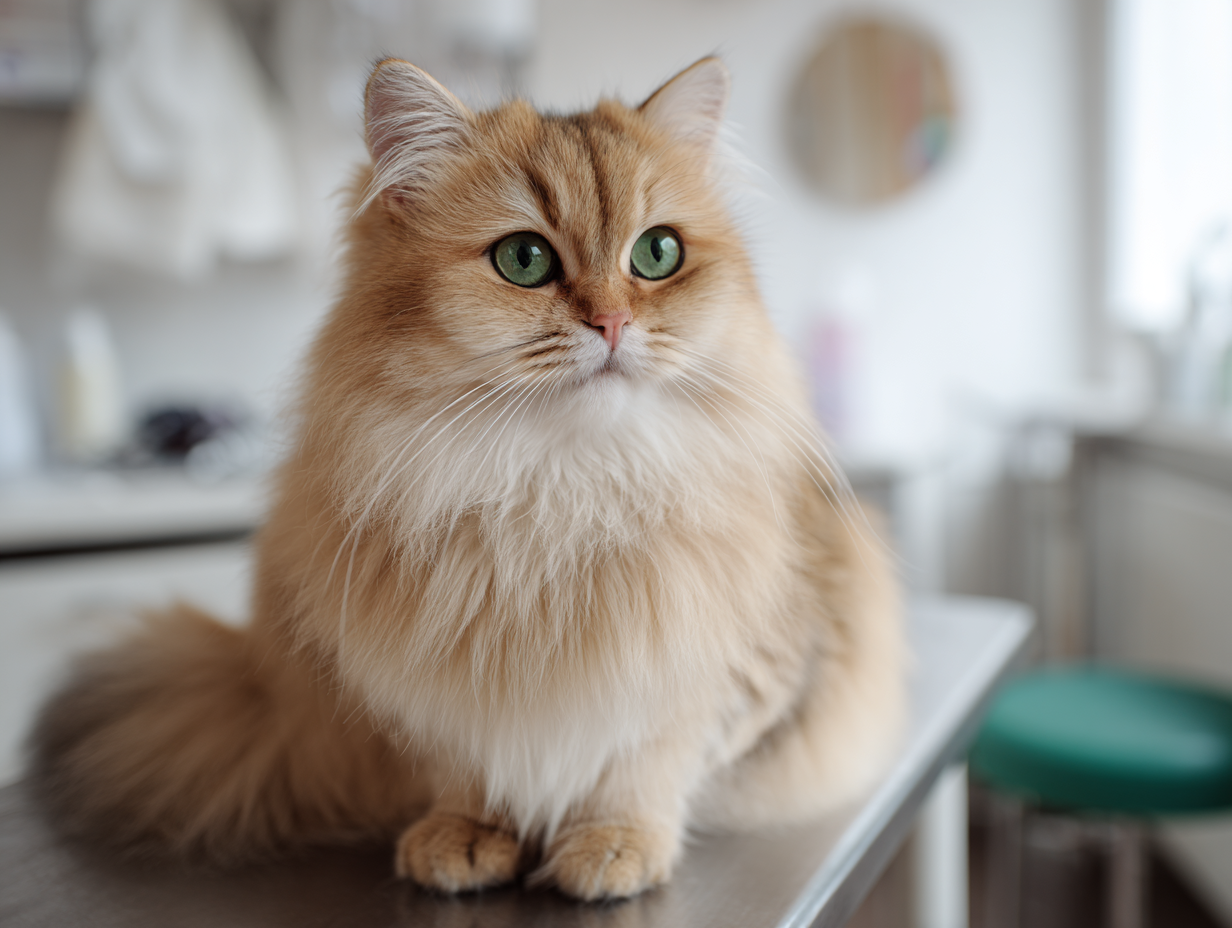
British Longhair grooming is about preventing tangling, maintaining skin health, supporting natural coat turnover, and ensuring the cat can move and groom comfortably as the coat grows and matures.
Because British Longhairs have a thick undercoat beneath longer guard hairs, routine grooming helps prevent compacted fur, reduces hairball risk, and allows owners to spot early changes—such as skin irritation, weight fluctuations, or areas the cat may no longer groom effectively on their own.
Whether you are preparing for your first British Longhair kitten or caring for an adult or senior, a proper grooming routine protects the coat’s beauty and the cat’s long-term comfort year-round.
Looking for a British Longhair Raised With Care?
Proper grooming starts with thoughtful breeding and early handling. Our British Longhair kittens are raised with early coat care, gentle grooming exposure, and clear guidance so families feel confident from the start.
→ View Our British Longhair Kittens
British Longhair Grooming Summary Table
| Feature | What Owners Should Know | Grooming Frequency |
|---|---|---|
| Coat Type | Semi-long coat with dense undercoat and longer guard hairs | Brush 2–3x weekly; increase as coat matures |
| Coat Density | Undercoat traps loose hair beneath longer topcoat | Use layered brushing technique each session |
| Tangling Risk | Low to moderate; higher in friction areas | Check problem zones every session |
| Common Trouble Areas | Chest, armpits, behind ears, belly, breeches | Gentle detangling as needed |
| Best Tools | Steel comb, wide-tooth comb, soft slicker, grooming glove | Comb first, brush second |
| Bathing Needs | Optional; useful for coat reset or oily texture | Every few months or as needed |
| Hairball Prevention | Linked to grooming consistency, not coat length alone | Regular brushing + hydration |
| Nail & Paw Care | Paw fur can trap debris | Trim nails every 2–3 weeks; check paws weekly |
| Senior Support | Older cats groom less effectively | Increase hands-on grooming, especially underside |
| Professional Grooming | Helpful for compacted undercoat or sanitation trims | Every 8–12 weeks if needed |
Understanding the British Longhair Coat
The British Longhair coat differs from many other longhaired breeds in both texture and structure. Rather than silky or fine, the coat is plush, weighty, and supported by a dense underlayer.
1. The undercoat
The undercoat is thick and insulating, designed to hold warmth and body heat. It tends to retain loose hair, which can compact over time if grooming is inconsistent.
2. The guard hairs (topcoat)
Longer, slightly firmer guard hairs sit above the undercoat. They give the coat its flowing appearance and protect the skin underneath. These hairs are more prone to tangling in high-friction areas.
3. How the layers interact
Together, the dense undercoat and longer topcoat create the British Longhair’s elegant look—but they also mean the coat can:
- trap loose hair beneath the surface
- form compacted areas instead of visible mats
- become uncomfortable if friction zones are ignored
British Longhairs are not as mat-prone as breeds like Persians, but compacted undercoat and hidden tangles can still cause skin irritation and discomfort if grooming is overlooked.
Routine grooming keeps the coat breathable, mobile, and comfortable—supporting both appearance and overall well-being.
Why Grooming Matters Even When the Coat Looks “Fine”
A British Longhair coat can appear beautiful on the surface while still holding trapped hair beneath. Regular, breed-appropriate grooming ensures the coat stays functional—not just attractive—and helps owners stay in tune with their cat’s physical condition over time.
Why Grooming Matters Beyond Appearance
For the British Longhair, grooming is not cosmetic. It directly supports comfort, skin health, and the long-term condition of the coat. Because this breed carries a dense undercoat beneath longer guard hairs, issues can develop under the surface long before they are visible.
Prevents compacted undercoat and hidden tangles
British Longhairs do not usually form dramatic mats like some longhaired breeds, but they are prone to compacted undercoat, especially in friction areas. When loose hair is not removed, it compresses near the skin, restricting airflow and causing discomfort.
Reduces hairballs
The combination of a thick undercoat and longer coat length means British Longhairs ingest more loose hair during self-grooming. Regular brushing removes shed fur before it is swallowed, helping reduce hairballs and digestive irritation.
Keeps the sanitary area clean
The longer coat around the hindquarters can trap small amounts of litter or stool, particularly in overweight cats or seniors with reduced flexibility. Routine grooming keeps this area clean and prevents secondary skin irritation.
Prevents skin irritation and buildup
Oils, saliva, and environmental debris collect more easily in a longer coat. Brushing keeps the coat breathable, distributes natural oils, and prevents buildup that can lead to itching or dullness.
Supports early detection
Hands-on grooming allows owners to notice subtle changes early, including:
- weight loss or gain
- small lumps or swelling
- dandruff or flaky skin
- flea dirt or debris
- sensitive or warm areas
These details are often missed when a long coat is not regularly handled.
Strengthens the owner–cat relationship
British Longhairs tend to respond well to calm, predictable routines. Gentle grooming sessions become part of regular caretaking and help reinforce trust, especially when introduced correctly.
1. Start Early and Keep It Consistent
British Longhair kittens adapt best to grooming when it is introduced early and treated as a normal part of daily life. Early handling prevents resistance later, when the coat becomes fuller and more time is required.
Begin with short, low-pressure sessions:
- allow the kitten to sniff the comb or brush
- touch the coat with the tool before brushing
- keep sessions to 2–3 minutes
- use calm praise and relaxed handling
As the kitten becomes comfortable, gradually increase session length. For most British Longhairs, 10–15 minutes, two to three times per week is sufficient to maintain coat health.
For adult British Longhairs new to grooming, slow pacing is essential. Work in sections, pause if the cat becomes tense, and associate grooming with positive reinforcement. Short, frequent sessions are far more effective than infrequent, lengthy ones.
Consistent grooming prevents compacted undercoat and avoids the need for stressful corrective grooming later.
2. Use the Right Tools for the British Longhair Coat
The British Longhair coat requires tools that can separate layers without pulling or damaging the coat. Aggressive de-shedding tools are unnecessary and often counterproductive.
Essential Grooming Tools
Steel Comb
The most important tool for this breed. A steel comb reaches through the longer coat to the dense undercoat. Use wider teeth for general grooming and finer teeth for detail work around friction areas.
Wide-Tooth Comb
Ideal for gently separating longer guard hairs before working closer to the skin. Helps prevent tugging and breakage.
Soft Slicker Brush
Useful after combing to smooth the coat and lift remaining loose hair from the surface. Especially helpful as the coat length increases with age.
Grooming Glove or Rubber Brush
Well suited for kittens, sensitive adults, or finishing passes. Encourages circulation and removes surface debris.
Blunt-Tipped Scissors
Helpful for trimming small sanitary areas or removing debris that cannot be safely combed out. Use conservatively and only when necessary.
Optional Tools
- coat-safe conditioning spray to reduce friction
- low-heat pet dryer after baths
- occasional professional grooming for coat resets or compacted undercoat
Key Takeaway for British Longhair Grooming
British Longhair grooming is about layer management, comfort, and consistency, not appearance alone. When handled regularly with the right tools, the coat remains breathable, mobile, and easy to maintain—supporting both the cat’s health and quality of life.
3. Focus on High-Friction Problem Areas First
British Longhairs are not extreme matting breeds like Persians, but their dense undercoat combined with longer guard hairs makes them prone to hidden tangles and compacted fur, especially in areas that experience friction or limited self-grooming.
These zones should be checked during every grooming session:
- behind the ears
- under the arms (armpits)
- chest and flanks
- belly (especially in overweight or less flexible cats)
- inside the hind legs
- breeches and tail base
- under a collar, if one is worn
To safely remove small tangles or compacted undercoat:
- hold the fur close to the skin to reduce pulling
- work from the outer edge inward, never from the root outward
- use short, controlled comb strokes
- stop if resistance increases
If an area feels tight against the skin or the cat shows discomfort, do not force it. Small problem areas can be trimmed carefully with blunt-tipped scissors, or addressed by a professional groomer before they worsen.
Pulling compacted fur at the skin level is painful and can cause skin irritation or breakage of the coat.
4. Brushing Technique Matters for British Longhairs
British Longhair grooming is not about brushing the surface. The goal is to separate layers, keep airflow moving, and prevent undercoat compression beneath the longer coat.
A complete grooming session includes:
Brushing with the coat
Start by brushing in the natural direction of hair growth. This loosens surface fur and helps the cat relax before deeper work.
Sectioning the coat
Use your hands to gently part the coat into small sections so the undercoat is visible. This is especially important on the chest, flanks, and breeches.
Combing from root to tip
Run a steel or wide-tooth comb gently from the skin outward. This allows the comb to move through both layers and release trapped undercoat without pulling.
Light reverse passes (optional)
Very gentle upward strokes can help lift loose undercoat in dense areas, but should be minimal and never scratch the skin.
Final smoothing
Finish by brushing with the coat to restore a smooth, natural appearance.
Slow, steady movements are far more effective than fast brushing. British Longhairs respond best to a calm rhythm that avoids snagging and tension.
5. Bathing British Longhairs the Right Way
British Longhairs do not need frequent bathing, but an occasional bath can be helpful when the coat feels heavy, oily, dusty, or compacted, or when a full coat reset is needed.
Because of the dense undercoat, bathing should be done carefully and thoroughly.
Bathing Guidelines
- use lukewarm water
- choose a mild, cat-safe shampoo suitable for long or dense coats
- avoid heavy conditioners that weigh the coat down
- rinse thoroughly to ensure no product remains in the undercoat
- towel dry completely
- use a low-heat pet dryer only if the cat is calm and comfortable
A proper bath helps release trapped undercoat, improves coat movement, and keeps the skin clean during seasonal coat changes. It may also help reduce dryness or dandruff in colder months.
Predictability reduces stress. Using the same space, towel, and steps each time helps British Longhairs learn the routine and feel secure.
6. Supporting the Coat Through Seasonal Changes
British Longhairs experience natural seasonal coat shifts, especially as the undercoat thickens or releases. During these periods, grooming frequency should increase to prevent undercoat compression rather than visible shedding buildup.
Helpful seasonal practices include:
- paying extra attention behind the ears and under the arms
- carefully combing the chest, flanks, and breeches
- lifting and checking the belly for trapped undercoat
- removing loose hair before it is swallowed during self-grooming
Nutrition also plays a role in coat condition. Adequate hydration and appropriate omega-3 support can help maintain skin balance and coat flexibility.
Seasonal coat changes are normal, but skipped grooming during these times often leads to compacted undercoat that becomes uncomfortable and harder to remove later.
7. Nail and Paw Care for British Longhairs
British Longhairs tend to have steady nail growth and may not wear their nails down naturally, especially if they are primarily indoor cats. Trim nails every 2–3 weeks using cat-safe clippers and calm handling.
The longer coat also means paw fur deserves attention. Hair between the toes can trap litter or debris over time.
Trim paw fur only when:
- litter begins to cling
- debris gets caught repeatedly
- the fur interferes with traction
Keep the area neat rather than removing fur entirely.
During grooming sessions, check paws for:
- stuck litter or debris
- dry or irritated skin
- cracked or overgrown nails
Because British Longhairs are solid, well-boned cats, maintaining clean paws and appropriately trimmed nails supports comfortable movement and reduces unnecessary strain.
8. Grooming the Tail and Neck Ruff (Collar Area)
The tail and neck ruff are two of the densest areas on a British Longhair. These sections hold more coat volume, experience frequent movement, and are prone to hidden tangles and compacted undercoat if overlooked.
Tail Grooming
British Longhair tails are full and plush, with dense hair at the base that can trap loose undercoat.
- comb the tail gently from base to tip
- work in small sections rather than long strokes
- focus on the tail base, where compacted undercoat forms first
- avoid brushing aggressively, which can thin or break guard hairs
Because the tail is sensitive, slow handling is essential. Quick or forceful brushing often misses compacted fur close to the skin.
Neck Ruff (Collar Area)
The longer coat around the neck and chest collects:
- friction from movement
- natural skin oils
- loose hair from shedding cycles
Lift the coat slightly and comb through the layers rather than brushing flat across the surface. This area benefits from frequent light grooming to prevent buildup.
Avoid shaving or heavily trimming the tail or ruff unless recommended by a veterinarian. The British Longhair coat plays an important role in temperature regulation, skin protection, and overall comfort.
9. Check Ears, Eyes, and Teeth During Grooming
Every grooming session is an opportunity to monitor your British Longhair’s overall health. Their calm, tolerant temperament usually makes these checks easy to include.
Ears
Ears should appear clean and free of strong odor. Check for:
- redness
- debris
- excessive wax
If needed, wipe only the outer ear with a damp cotton pad. Never insert tools or cotton swabs into the ear canal.
Eyes
British Longhair eyes should be clear and bright. Mild tearing can occur due to facial structure.
- wipe the corners gently with a soft, damp cloth
- avoid harsh cleaners or dry wiping
Persistent discharge or irritation should be evaluated by a veterinarian.
Teeth
Dental health is often overlooked but is especially important in sturdy, slow-maturing breeds.
- look for tartar buildup, gum redness, or odor
- support dental health with routine brushing, dental treats, and veterinary cleanings
Consistent dental care supports long-term kidney and heart health.
Regular checks allow you to catch small issues early, before they become painful or expensive to address.
10. When to See a Professional Groomer
Most British Longhairs can be maintained with at-home grooming, but professional support is helpful in certain situations—especially when coat volume increases with age.
A groomer experienced with dense, long coats can help when:
- the cat is overweight and cannot reach certain areas
- the cat is a senior with reduced flexibility
- compacted undercoat develops along the flanks, belly, or breeches
- the coat feels heavy, oily, or difficult to manage
A professional groomer can:
- safely remove compacted undercoat
- perform a thorough bath and controlled blow-dry
- tidy the sanitary area if needed
- assess the skin for irritation, dandruff, or parasites
- handle sensitive or hard-to-reach zones
Professional grooming supports your routine and prevents coat issues from becoming overwhelming or uncomfortable for the cat.
11. Nutrition and Coat Health
A British Longhair’s coat quality begins with nutrition. Grooming alone cannot compensate for an unbalanced diet.
A coat-supportive diet includes:
- high-quality animal protein
- taurine
- omega-3 fatty acids for skin hydration and coat flexibility
- consistent ingredient quality
Diets heavy in fillers, artificial additives, or poor-quality fats often lead to:
- greasy or dull coats
- dandruff
- unpredictable coat changes
- excessive hair ingestion
If you notice sudden changes in coat texture, excessive flaking, or uneven coat loss, schedule a veterinary visit. Skin and coat changes are often the first sign of internal imbalance.
12. Common Grooming Mistakes to Avoid
Even attentive owners can unintentionally create coat problems. Avoid the following:
- using aggressive de-shedding tools on a long coat
- shaving or heavily trimming without medical necessity
- pulling at tangles instead of working them out gently
- brushing only the surface while ignoring the undercoat
- bathing too frequently, which dries the skin and destabilizes the coat
- allowing too much time between grooming sessions
For British Longhairs, short, consistent grooming sessions are far more effective than infrequent, intensive ones. Calm handling preserves coat integrity, protects the skin, and keeps grooming a low-stress routine.
13. Building Trust Through Grooming
For British Longhairs, grooming is not just coat care — it is part of building a calm, predictable relationship with their owner. This breed is typically observant, steady, and sensitive to handling. When grooming is introduced with patience and consistency, British Longhairs learn to accept it comfortably, even when the coat requires more hands-on care.
Use a quiet voice and slow, deliberate movements. Avoid rushing through tangles or problem areas. If your cat stiffens, shifts away, or shows uncertainty, pause and return later. Respecting these signals builds trust and prevents grooming from becoming stressful.
Over time, many British Longhairs begin to anticipate grooming sessions. Some will settle nearby, turn their body toward familiar grooming spots, or relax into brushing once they recognize the routine. These behaviors indicate comfort, trust, and a positive association with grooming as part of everyday life.
Grooming British Longhairs in Everyday Life
Hearing from other British Longhair owners often helps new families understand what grooming looks like in a real home. While the breed shares common coat traits, coat density, tolerance for brushing, and grooming needs vary by individual.
Owners often adjust routines based on:
- coat thickness and texture
- age and flexibility
- tolerance for handling
- seasonal coat changes
These real-world experiences show that British Longhair grooming does not require perfection — it requires consistency and awareness. Short, regular sessions are far more effective than infrequent, intensive grooming, and routines evolve naturally as the cat matures.
How Often Should You Bathe a British Longhair?
Most British Longhair owners find that frequent bathing is unnecessary. While the coat is longer than that of a British Shorthair, it is still structured and plush rather than silky, meaning it responds well to brushing without constant bathing.
Baths are typically reserved for situations such as:
- the coat feeling heavy, oily, or dusty
- compacted undercoat that brushing alone cannot release
- accidental messes involving dirt or debris
- veterinary or medical needs
“My British Longhair doesn’t need regular baths. As long as I keep up with brushing, the coat stays clean and comfortable. I only bathe him when the coat feels heavy or during a major coat change.” — British Longhair Owner Comment
Some owners introduce brief water exposure during kittenhood so the cat remains calm if bathing is ever required later. Even then, bathing is treated as an occasional tool, not a routine task.
“I let my kitten experience gentle rinsing early on so water isn’t scary. But actual baths are rare — brushing does the real work.”
For British Longhairs, brushing is always the foundation of coat care. Bathing supports grooming when needed, but it should never replace consistent, hands-on maintenance.
Key Takeaway
British Longhair grooming works best when it is predictable, gentle, and integrated into daily life. Trust grows through calm handling, respect for the cat’s signals, and routines that prioritize comfort over appearance. When grooming is approached this way, it becomes a shared habit — not a struggle.
Coat Texture Differences in British Longhairs: Plush vs. Dense Coats
British Longhairs share a recognizable coat type, but texture and density vary significantly from cat to cat. Some have a softer, plush coat that stays light and easy to manage, while others carry a heavier, denser undercoat beneath longer guard hairs that requires more consistent attention.
Owners often notice these differences early:
“One of my British Longhairs has a very plush, airy coat that stays clean with regular brushing. The other has a much denser undercoat and heavier tail, and if I skip grooming, the coat feels thicker and less mobile.”
“My female’s coat is light and easy, but my male’s coat is much fuller through the ruff and breeches. His needs a bit more combing to keep it comfortable.”
These variations mean grooming schedules should be adjusted to the individual cat, not applied as a one-size-fits-all rule. Coat density, friction zones, and skin condition all influence how often grooming is needed.
Handling Baths and Coat Maintenance Gently
British Longhairs vary widely in their tolerance for bathing. Some accept occasional baths calmly, while others prefer dry grooming only. Because the coat is dense and layered, gentle handling is essential whenever bathing or deep coat care is needed.
Owners often share similar experiences:
“My British Longhair isn’t a fan of water, so I rely on brushing most of the time. When the coat felt heavy, I used a groomer for a proper wash and dry instead of forcing it.”
“I introduced shallow rinses when mine was a kitten, so now baths aren’t scary. I still only bathe him a few times a year — brushing does most of the work.”
British Longhairs should never be shaved unless there is a medical reason. Their coat provides insulation, skin protection, and natural temperature regulation.
When coat issues go beyond what home grooming can manage, a professional groomer can assist with:
- releasing compacted undercoat safely
- performing a controlled bath and blow-dry
- tidying the sanitary area if needed
- addressing heavy coat buildup in difficult areas
These services support home care without altering the natural structure of the coat.
The Importance of Regular Combing for British Longhairs
The most consistent recommendation from British Longhair owners, breeders, and groomers is regular combing. While brushing smooths the surface, a comb is what keeps the coat functional beneath the top layer.
A stainless-steel comb is the most effective tool for this breed. It separates the longer coat, reaches the dense undercoat, and removes trapped hair evenly without scraping the skin.
Owners frequently note:
“I comb him two or three times a week. It keeps the coat light and prevents that packed feeling near the skin.”
“Once I switched to a steel comb with wide and narrow teeth, grooming became much easier. It gets through the coat without pulling.”
“De-shedding tools didn’t work well for my British Longhair. The comb does a better job without damaging the coat.”
Most owners find:
a quality steel comb + slow, gentle technique = the foundation of British Longhair coat care.
Regular combing:
- prevents compacted undercoat
- keeps the coat breathable and mobile
- reduces hair ingestion
- maintains the plush, flowing appearance the breed is known for
Especially during seasonal coat changes, consistent combing prevents small issues from turning into uncomfortable coat problems.
Key Takeaway
British Longhair grooming works best when it is individualized, gentle, and consistent. Understanding coat texture differences and using the right tools allows owners to maintain comfort and coat health without over-grooming or harsh techniques.
Hygiene Care for British Longhair Cats
British Longhairs typically require more hygiene-focused grooming than their shorthaired counterparts due to the length and density of the coat around the hindquarters and inner legs. While they do not need dramatic trimming, light, thoughtful maintenance can make daily life more comfortable and cleaner.
Situations where hygiene care is especially helpful include:
- overweight cats who struggle to reach the rear area
- cats who occasionally step in litter or have softer stool
- senior cats with reduced flexibility
- cats with especially full breeches or tail furnishings
Owner experiences often reflect this balanced approach:
“My British Longhair doesn’t need shaving, but I keep a very small tidy trim around the back legs. It makes cleaning easier and keeps the coat from holding onto litter.”
“Our groomer lightly tidies the area under the tail when needed, but never shaves. It’s just enough to keep things clean without changing the coat.”
For British Longhairs, spot-cleaning, wiping, and minimal trimming are usually sufficient. Full shaving or aggressive sanitary trims are rarely appropriate and should only be done for medical reasons.
Age and Coat Maintenance in British Longhairs
British Longhairs go through noticeable coat changes as they mature, and grooming needs evolve at each life stage. Understanding these shifts helps owners adjust care before problems develop.
“When my kitten was young, grooming was more about teaching him to accept brushing. Once his adult coat came in, the undercoat thickened and grooming became more important.”
“As my British Longhair aged, he couldn’t groom his belly as well. I focused more on those areas and kept the coat comfortable without changing anything else.”
Grooming Needs by Life Stage
Kittens
- soft, developing coat
- minimal tangling
- focus on building tolerance and routine
- short, calm grooming sessions
Adolescents
- coat length and density increase
- friction areas become more noticeable
- begin consistent combing habits
Adults
- full semi-long coat and dense undercoat
- regular grooming needed to prevent compacted fur
- hygiene areas may need light attention
Seniors
- decreased flexibility
- uneven coat maintenance
- higher risk of compacted undercoat on belly, hips, and breeches
- increased owner assistance becomes essential
Age-appropriate grooming keeps British Longhairs comfortable, clean, and mobile throughout their lives. Adjusting care as the coat and body change prevents discomfort and maintains the coat’s natural beauty without unnecessary intervention.
Grooming Tools and Techniques for British Longhairs
Experienced British Longhair owners and groomers consistently emphasize using the right tools with a slow, gentle approach, rather than relying on aggressive de-shedding equipment. Because the British Longhair coat is layered—longer guard hairs over a dense undercoat—tool choice has a direct impact on comfort and coat quality.
“A steel comb is essential for British Longhairs. It reaches the undercoat without ripping through the longer topcoat. I always hold the coat near the skin so it doesn’t pull. Heavy de-shedding tools tend to damage the coat rather than help.”
“If you hit a compacted area, take your time. Start at the edges and work inward. Forcing a comb through long fur is uncomfortable and unnecessary.”
The Two-Comb Method That Works Best
Most British Longhair owners find that two combs provide the best control while preserving coat integrity:
Wide-Tooth Comb
Used first to gently separate the longer coat and loosen compacted undercoat in dense areas such as:
- flanks
- chest
- breeches
- tail base
Fine-Tooth Comb
Used second for routine maintenance, detail work, and catching loose undercoat that remains closer to the skin.
This layered approach keeps the coat breathable, mobile, and comfortable without thinning or damaging the guard hairs.
Seasonal Grooming and Warm-Weather Coat Care
British Longhairs experience noticeable seasonal coat changes as the undercoat thickens or releases. In warmer months, the coat can feel heavier if grooming frequency does not adjust.
“When the weather warms up, I comb my British Longhair more often. The coat stays lighter and more comfortable, and I avoid compacted undercoat forming underneath.”
Rather than focusing on shedding volume, seasonal grooming should prioritize undercoat management and airflow.
Helpful seasonal practices include:
- increasing combing frequency during coat transitions
- paying extra attention to friction zones (ruff, flanks, behind ears)
- checking the belly and breeches for compacted fur
- scheduling professional help if the coat feels heavy or immobile
Some owners choose an occasional professional session:
“I book a professional groom once or twice a year for a bath and blow-dry. They don’t shave—just remove the undercoat my cat can’t release on his own.”
Strategic seasonal care keeps the British Longhair coat comfortable and functional while preserving its natural fullness.
Why Brushing Your British Longhair’s Teeth Matters
Oral Care and Long-Term Health
Dental care is one of the most overlooked aspects of British Longhair grooming, yet it has a significant impact on overall health. Oral health is closely linked to kidney and systemic health, and routine brushing is one of the most effective preventive steps owners can take.
British Longhairs are often calm, deliberate eaters and may consume more wet or soft food. This can allow plaque to accumulate quietly. Plaque hardens into tartar, which irritates the gums and leads to inflammation. Once gum inflammation is present, bacteria can enter the bloodstream—a condition known as periodontal disease.
Chronic oral inflammation places ongoing stress on internal organs, including the kidneys. Many cats develop kidney disease gradually, and poor dental health is frequently a contributing factor.
Regular tooth brushing interrupts this process:
- plaque is removed before it hardens
- gums remain healthier
- bacterial spread is reduced
- systemic stress is minimized
How Often Should You Brush?
Daily brushing is ideal, but even short sessions several times per week make a meaningful difference. Consistent dental care helps reduce the risk of:
- chronic kidney disease
- painful dental infections
- tooth loss
- gum inflammation or bleeding
- persistent bad breath
Introduce dental care early, especially while your British Longhair is young and receptive to handling.
Use:
- a cat-safe toothbrush or fingertip brush
- toothpaste formulated specifically for cats
- calm, brief sessions at first
Touch the teeth and gums gently, build tolerance gradually, and keep the routine predictable.
If daily brushing is not realistic, aim for three to five times per week. You can supplement brushing with:
- dental treats
- dental wipes
- water additives
These can support oral hygiene, but they do not replace brushing. Periodic professional dental cleanings should still follow your veterinarian’s recommendations.
FAQ: British Longhair Grooming
How often should a British Longhair be groomed?
Most British Longhairs benefit from grooming 2–3 times per week. This frequency helps prevent compacted undercoat, keeps the coat breathable, and reduces discomfort in friction areas like the chest, flanks, and breeches. Some cats with lighter coats may need less, while denser-coated individuals may need more frequent attention.
Do British Longhairs need daily brushing?
Daily brushing is not required for most British Longhairs. However, short daily sessions can be helpful during coat transitions, for seniors, or for cats prone to compacted undercoat. For most adults, consistent grooming a few times per week is sufficient when done correctly.
Is British Longhair grooming harder than British Shorthair grooming?
Yes. British Longhairs require more hands-on grooming than British Shorthairs due to their longer coat and denser underlayer. While the coat is not as mat-prone as some longhaired breeds, it does require regular combing to prevent hidden tangles and compacted fur.
Do British Longhairs get mats?
British Longhairs do not typically form tight surface mats like Persians, but they can develop compacted undercoat and hidden tangles, especially in friction zones. These areas may feel dense or tight rather than visibly matted, which is why combing to the skin is important.
What grooming tools are best for British Longhairs?
The most effective tools include:
- a stainless steel wide-tooth comb
- a fine-tooth steel comb for detail work
- a soft slicker brush for finishing
- blunt-tipped scissors for minor hygiene trims
Aggressive de-shedding tools are not recommended, as they can damage the guard hairs and irritate the skin.
Should British Longhairs be shaved in summer?
No. British Longhairs should not be shaved unless there is a medical reason. Their coat provides insulation and temperature regulation. Shaving can disrupt coat regrowth, increase sun exposure risk, and make the coat more difficult to manage long term.
How do I groom a British Longhair’s belly safely?
The belly is one of the most sensitive and neglected areas. Groom it:
- when the cat is relaxed
- using a wide-tooth comb first
- in short sessions
- without forcing the cat to stay in position
If the belly coat becomes compacted and the cat resists grooming, a professional groomer may be needed.
Do British Longhairs need sanitary trims?
Light hygiene trimming may be helpful, especially for:
- overweight cats
- seniors
- cats with very full breeches
Sanitary trims should be minimal, never shaved, and focused on cleanliness rather than appearance.
How often should a British Longhair be bathed?
Most British Longhairs only need bathing a few times per year, if at all. Baths may be useful when:
- the coat feels heavy or oily
- compacted undercoat will not release with brushing
- the cat gets into something dirty
Brushing should always be the primary grooming method.
Are British Longhairs okay with baths?
Tolerance varies by individual. Some British Longhairs accept occasional baths calmly, while others find them stressful. Gentle handling, shallow water, and predictable routines help reduce stress. If bathing is consistently difficult, professional grooming is often a better option.
Do British Longhairs need professional grooming?
Not always, but professional grooming can be helpful:
- once or twice per year
- for seniors or overweight cats
- when undercoat becomes compacted
- when owners cannot safely groom certain areas
Professional grooming should support — not replace — home care.
Does grooming reduce hairballs in British Longhairs?
Yes. Regular grooming removes loose hair before it is swallowed during self-grooming, which can significantly reduce hairball formation, especially in long-coated cats.
How does grooming change as British Longhairs age?
As British Longhairs age:
- flexibility decreases
- self-grooming becomes less effective
- undercoat may compact unevenly
Senior cats benefit from more frequent, gentle assistance, particularly on the belly, hips, and flanks.
Should British Longhair kittens be groomed?
Yes. Grooming kittens early builds tolerance and trust. Sessions should be:
- very short
- calm and positive
- focused on handling rather than coat correction
Early exposure makes adult grooming significantly easier.
Why is dental care included in grooming?
Dental health is closely linked to overall health. Regular brushing helps prevent plaque buildup, gum disease, and systemic inflammation that can affect organs such as the kidneys. Dental care is a key part of long-term grooming and wellness.
How often should I brush my British Longhair’s teeth?
Daily brushing is ideal, but 3–5 times per week still provides meaningful protection. Short, calm sessions are more effective than infrequent deep cleaning attempts.
Can poor grooming cause skin problems?
Yes. Lack of grooming can lead to:
- reduced airflow to the skin
- oil buildup
- irritation
- discomfort
- hidden tangles that pull on the skin
Regular grooming keeps the skin healthy and allows early detection of issues.
How do I know if I’m grooming too much?
Signs of over-grooming include:
- irritated or reddened skin
- thinning coat
- increased resistance from the cat
British Longhair grooming should feel supportive, not invasive. Consistency matters more than intensity.
What’s the biggest grooming mistake British Longhair owners make?
The most common mistakes are:
- brushing only the surface
- using harsh de-shedding tools
- waiting too long between grooming sessions
- shaving the coat without medical reason
British Longhairs need layer-aware grooming, not aggressive coat removal.
Final takeaway: what’s the best grooming approach for British Longhairs?
The best grooming routine is:
- consistent
- gentle
- layered (comb first, brush second)
- adjusted to the individual cat
British Longhair grooming is about comfort, mobility, and coat health, not perfection.
Choosing a British Longhair Kitten Starts With the Right Foundation
A British Longhair’s coat doesn’t become manageable by accident. It reflects genetics, early handling, nutrition, and breeder standards long before a kitten ever goes home.
Our British Longhair kittens are raised with:
- early grooming exposure and handling
- attention to coat structure and density
- health-first breeding practices
- honest guidance on grooming, care, and long-term coat management
If you’re looking for a British Longhair kitten raised with grooming socialization from the very start, you can learn more about our current and upcoming kittens below.
Related British Longhair Posts
If you’re still learning about the breed, these in-depth guides explore different aspects of British Longhair ownership:
- Is a British Longhair Right for Me? -lifestyle fit, emotional expectations, time commitment etc
- British Longhair Personality & Temperament – what living with the breed is actually like day to day
- British Longhair Health & Lifespan – genetic considerations, screenings, and long-term wellbeing
- British Longhair Cost & Ownership Expenses – realistic pricing, lifetime costs, and what influences kitten price
- British Longhair Breed Overview – Everything to know about the breed.
- British Longhair vs British Shorthair – choosing between the longhaired and shorthaired British types
- British Longhair vs Ragdoll – temperament, care needs, and lifestyle fit compared side by side
- Preparing Your Home for a British Longhair Kitten – environment setup, routines, and transition tips
These resources are designed to help you make a thoughtful, informed decision before choosing a breed or applying for a kitten.
Article Sources
- The International Cat Association (TICA). British Longhair Breed Information.
https://tica.org/breed/british-longhair/ - Fédération Internationale Féline (FIFe). British Longhair Breed Standard.
https://fifeweb.org/breeds/breed-standard/british-longhair/ - International Cat Care (iCatCare). Longhaired Cat Grooming and Coat Care.
https://icatcare.org/advice/grooming-long-haired-cats/ - International Cat Care (iCatCare). Cat Grooming: Keeping Skin and Coat Healthy.
https://icatcare.org/advice/cat-grooming/ - PetMD. How to Groom a Long-Haired Cat.
https://www.petmd.com/cat/grooming/how-groom-long-haired-cat - PetMD. Hairballs in Cats: Causes, Prevention, and Treatment.
https://www.petmd.com/cat/general-health/hairballs-cats - American Veterinary Medical Association (AVMA). Dental Care for Cats.
https://www.avma.org/resources-tools/pet-owners/petcare/dental-care-cats - Cornell University College of Veterinary Medicine. Feline Dental Disease.
https://www.vet.cornell.edu/departments-centers-and-institutes/cornell-feline-health-center/health-information/feline-health-topics/dental-disease





Read the Comments +