
British Longhair Kitten Growth Week by Week (Newborn to 1 Year)
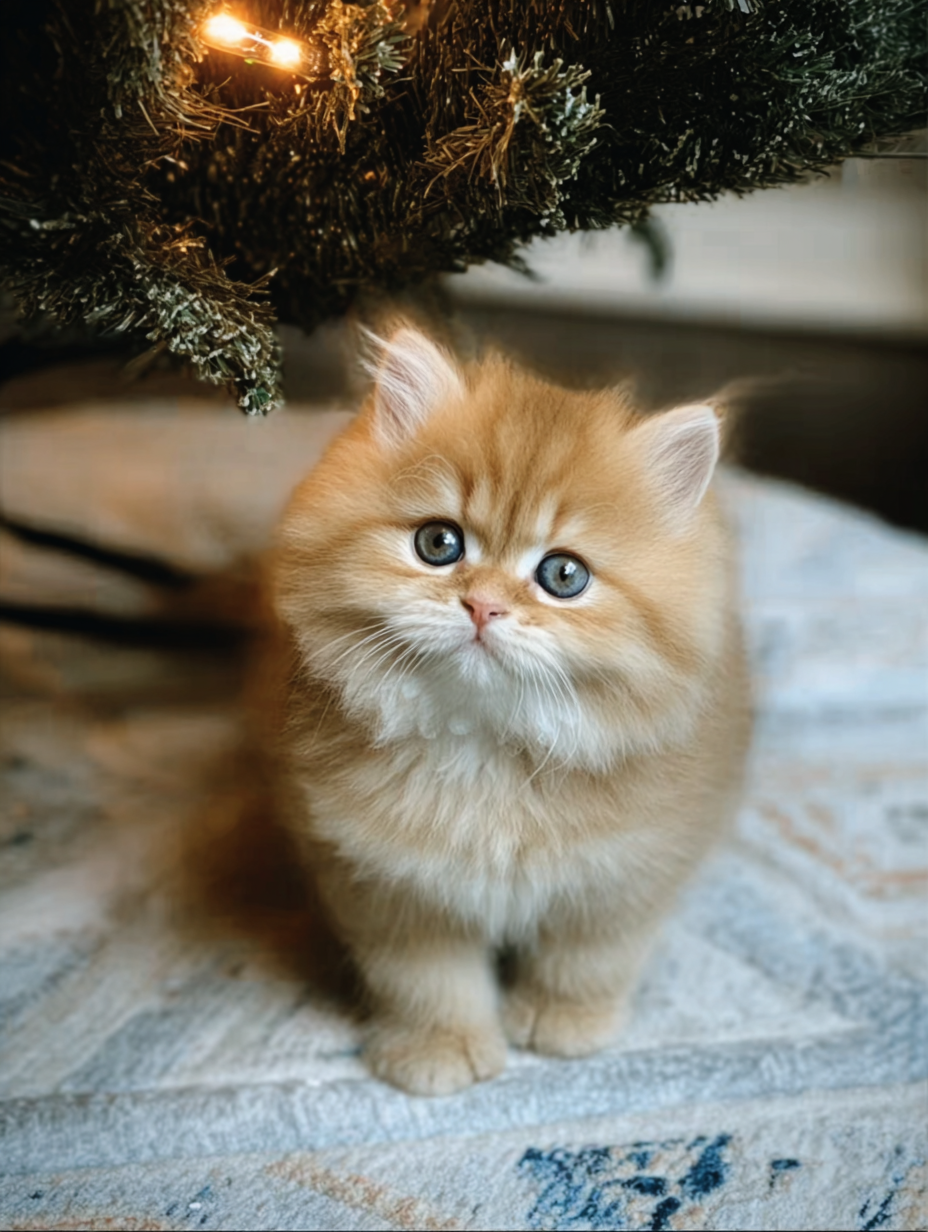
British Longhair kittens develop slowly and steadily, just like their British Shorthair relatives. They mature later than most domestic cats, with their body shape, coat length, and bone structure continuing to fill out well into their second and even third year.
This guide covers each milestone of their first year — what they look like, typical weight ranges, and what owners and breeders expect during every stage.
British Longhair kittens grow slowly, reaching full height at 12–14 months and full maturity by 2–3 years. Average weights range from 850 g at 8 weeks to 3.5–5 kg at 12 months. Their coat thickens gradually, behavior stabilizes by one year, and key health milestones include vaccinations at 8–16 weeks, adolescent vet checks at 6 months, and annual exams after age one.
British Longhair Kitten Growth Chart (Approximate)
Weights vary by line and individual. British Longhairs grow steadily, not rapidly, and should never be pushed to gain weight too fast.
| Age | Male Weight | Female Weight | Notes |
|---|---|---|---|
| Newborn | 85–115 g | 85–115 g | Eyes closed, downy coat |
| 2 Weeks | ~180–220 g | ~180–220 g | Eyes opening, early coat development |
| 4 Weeks | 350–450 g | 320–420 g | Litter training begins |
| 8 Weeks | 900 g–1.1 kg | 800–950 g | Fully weaned, fluff increasing |
| 3 Months | 1.3–1.8 kg | 1.1–1.5 kg | Playful stage, early grooming habits |
| 6 Months | 2.5–3.5 kg | 2–3 kg | Coat thickens, slow steady growth |
| 9 Months | 3–4.2 kg | 2.5–3.5 kg | Body widens, fur lengthens |
| 12 Months | 3.5–5 kg | 3–4.5 kg | Adolescent coat; not yet fully mature |
Searching for a Purebred British Longhair Kitten?
If you’re here to understand British Longhair development because you’re considering adding one to your home, check out our British Longhair Kittens for Sale.
At Almonte Cats, every British Longhair kitten is:
- raised in-home for confident, people-focused temperaments
- bred from carefully selected and health-tested parents
- vet-checked, vaccinated, and microchipped before going home
- matched intentionally to homes based on temperament and lifestyle
Litters are limited to maintain quality, health, and true British type.
Newborn British Longhair Kitten (0–2 Weeks)
At birth, British Longhair kittens weigh between 85–115 grams. Their ears are folded, their eyes are closed, and they rely fully on the queen for warmth, feeding, and stimulation.
What they do at this stage:
- nurse every 2 hours
- sleep most of the day
- gain 10–15 grams per day
- begin bonding through scent recognition
Coat Development
British Longhair newborns have ultra-soft downy fuzz. Colors appear muted, and longer coat traits are not yet visible.
Common Search Terms
newborn British Longhair kitten, 1 week old British Longhair kitten
Two-Week British Longhair Kitten
Around days 10–14, their eyes begin to open. Ear canals start to unfold, and kittens become more aware of their surroundings.
Key changes:
- weight typically doubles from birth
- crawling becomes more coordinated
- coat color becomes clearer
- tail length and fluff start to show early signs of British Longhair coat type
Breeders can often predict coat pattern and general color tone by the end of Week 2.
Three-Week British Longhair Kitten
At three weeks, British Longhair kittens begin their transition from helpless newborns to interactive babies.
New developments:
- they begin walking with more coordination
- teeth start emerging
- early play begins with siblings
- weight reaches 270–350 grams
- coat becomes fluffier, especially on the chest and belly
Socialization
This is the start of the critical early handling window. Soft, gentle interaction helps build confident adult temperaments.
Four-Week British Longhair Kitten
Week 4 is when British Longhair kittens begin exploring their environment beyond the nest.
Milestones:
- start using a shallow litter tray
- begin playing more actively with siblings and toys
- personalities start showing
- weight generally 350–450 grams
Some kittens stay close to the queen; others explore boldly. Both are normal for this stage.
Why Week 4 Matters
This period shapes:
- early neurological pathways
- basic confidence
- responsiveness to human interaction
How they experience this stage has long-term effects on adaptability and household readiness.
Six-Week British Longhair Kitten
By six weeks, British Longhair kittens look noticeably fluffier, with fuller cheeks and soft feathering beginning around the neck and tail. Their eyes are fully open, coordination improves, and they move with more confidence.
They begin eating soft kitten food but may continue nursing for comfort.
Average weight: 500–650 grams.
At this age, you can usually identify gender, basic build, and early coat traits. Some kittens already show thicker tail fluff or longer wisps on the ears, which indicate their future coat texture. Their personalities also start to emerge—some are bold explorers, while others stay close to familiar spaces.
Eight-Week British Longhair Kitten
At eight weeks, British Longhair kittens are active, playful, and highly curious. They typically weigh around 850 g–1 kg and begin receiving their first vaccinations.
Their longhair genetics become more visible as the coat starts to develop density, especially on the tail, belly, and sides.
Their personalities are clear at this stage—affectionate, observant, and people-focused. Many British Longhairs enjoy being near their humans even at this young age. This is also the age when most kittens begin preparing for their future homes.
Keyword focus: 8 week British Longhair kitten, British Longhair kitten 2 months.
10–12 Week British Longhair Kitten
Between 10 and 12 weeks, British Longhair kittens enter their first “mini-longhair” phase.
They weigh approximately 1.1–1.6 kg, and their bodies begin to take on the classic British structure: rounder face, sturdy frame, and a plush, lengthening coat.
The fur becomes more layered, and the tail fluff thickens noticeably.
Social confidence grows rapidly—kittens learn boundaries, litter habits solidify, and they become more coordinated in play.
This is also the ideal period to introduce crate training, grooming sessions, brushing routines, and gentle nail trimming. Early exposure makes long-term coat management much easier.
2-Month-Old British Longhair Kitten
At two months old, British Longhair kittens are playful, energetic, and nearly fully weaned. Their average weight ranges from 850 grams to 1.1 kilograms.
Coat traits are more visible now:
- a fluffy tail with a soft plume
- longer cheek fur
- thicker belly coat
- soft feathers on legs
Kittens explore confidently, climb low furniture, chase toys, and start responding to familiar voices. They should receive several small meals per day and always have access to fresh water. By this age, they are fully litter trained and show early signs of British Longhair social behavior—bonding with humans, watching activities, and choosing cozy resting spots.
Keywords: 2 month British Longhair kitten, British Longhair kitten development, 8-week British Longhair kitten.
3-Month-Old British Longhair Kitten
By three months, British Longhair kittens hit their first noticeable growth surge.
Males often weigh 1.6–2 kg, with females slightly behind. Their bodies begin to widen, their paws appear rounder, and their tail plume becomes more pronounced.
The coat thickens across the torso and chest, and some kittens begin developing the early outline of a ruff. Behavioral changes include longer play sessions, better focus, and increased social interaction—many kittens start following their people around the home.
Diet at this age should include high-quality kitten food with balanced proteins and fats to support coat development and slow, steady growth.
4-Month-Old British Longhair Kitten
At four months, British Longhairs start showing clear differences in size and structure between males and females.
Males may weigh up to 2.5 kg, with females around 2–2.3 kg.
Their once-round kitten shape becomes slightly more elongated, though they remain compact compared to long-bodied breeds. The chest begins to broaden, leg muscles strengthen, and coordination improves significantly. Many kittens begin jumping higher and exploring more vertical spaces.
Coat texture continues to evolve—belly fur thickens, britches fluff out, and the tail plume grows fuller.
Behaviorally, this age is known for boundary testing: climbing, play biting, and exploring anything within reach.
5-Month-Old British Longhair Kitten
By five months, British Longhair kittens begin shifting from baby to adolescent.
Their growth is steady, not rapid, with average weights around:
- Males: 2.3–2.8 kg
- Females: 2.0–2.5 kg
From a distance, their coat and round features may make them appear older than they are. The tail plume fills out more, and the cheek fur begins to thicken, giving them the classic British look.
This is also the teething stage, so providing appropriate chew toys helps reduce nibbling and protects household items.
Coat changes become noticeable now:
- early ruff development
- increasing fluff along the belly
- soft feathering on the legs
A light brushing routine two to three times per week keeps the coat smooth and prevents early matting.
Behaviorally, kittens become more confident, curious, and independent. Many begin testing boundaries and exploring higher perches.
6-Month-Old British Longhair Kitten
At six months, British Longhairs enter a clear adolescent growth phase. Bodies lengthen slightly, and muscles begin to define, especially around the shoulders and hips.
Typical weight ranges:
- Males: 2.6–3.2 kg
- Females: 2.3–2.8 kg
They are roughly the size of a small adult domestic cat but remain softer, rounder, and less filled out.
Energy levels peak at this age. Play sessions become longer and more coordinated, and kittens may show brief bursts of zooming or climbing. Because British Longhairs can be prone to weight gain later, this is the ideal time to establish controlled meal routines.
Coat density increases noticeably, especially on the tail and along the sides. Early grooming habits taught now will make adult coat maintenance easier.
Training becomes more reliable at this age — kittens understand household boundaries, schedules, and basic commands like “come” or “no.”
7-Month-Old British Longhair Kitten
By seven months, British Longhair kittens look sleeker but still clearly juvenile.
Weight ranges typically fall around:
- Males: 2.8–3.4 kg
- Females: 2.4–3.0 kg
Their facial structure begins to settle:
- round cheeks
- wider muzzle
- expressive eyes
- a more defined chin
Although their body appears more balanced, they’re still firmly in the “teen” stage—curious, playful, and occasionally mischievous. Coordination improves dramatically, and their jumping becomes more confident.
Enrichment such as scratching posts, climbing trees, and puzzle toys help channel their energy constructively.
8-Month-Old British Longhair Kitten
At eight months, British Longhairs shift from upward growth to slowly developing width and body mass. They begin taking on the sturdy silhouette the breed is known for.
Average weights:
- Males: 3–3.8 kg
- Females: 2.6–3.2 kg
The coat is longer now, with noticeable fullness:
- tail plume becomes more dramatic
- britches fluff out
- belly coat thickens
- chest fur begins showing early ruff structure
Behaviorally, many kittens become more people-focused and start forming predictable routines. They may greet family members, follow them through the home, or settle near them for naps.
Feeding at this age should support steady growth, not rapid weight gain. High-quality protein remains essential.
9-Month-Old British Longhair Kitten
At nine months, British Longhairs look nearly full-grown in frame, though they will continue filling out for another 1–2 years.
Typical weight:
- Males: 3.2–4.2 kg
- Females: 2.8–3.4 kg
Their coat becomes notably fuller. The ruff grows thicker, the tail plume becomes fluffy and well-shaped, and facial features settle into adult proportions.
Hormonal changes may begin around this time. Unneutered males might show territorial behavior, and females may enter their first heat cycle. Spaying or neutering before this phase helps maintain even temperaments and protects health.
Growth during this stage focuses on:
- chest width
- muscle tone
- overall structure
Kittens still have playful faces, but their bodies begin to show adult roundness and density.
10-Month-Old British Longhair Kitten
At ten months, the British Longhair’s general frame is established, but they will continue to grow slowly for many more months.
Weight typically falls around:
- Males: 3.5–4.5 kg
- Females: 3.0–3.6 kg
They move with more controlled, confident motion and display mature social behaviors—following household routines, choosing favorite resting spots, and showing consistent temperament.
Their coat is highly photogenic at this age. The ruff becomes more defined, the tail plume is full, and the coat develops the plush, soft quality the breed is known for. Facial proportions now closely resemble their final adult look, even though complete maturity may still be a year away.
Their vocal communication becomes clearer—soft chirps, gentle meows, and quiet requests for attention.
Photos taken at ten months often show the first true glimpse of their adult beauty.
11-Month-Old British Longhair Kitten
Eleven months marks the consolidation stage of British Longhair development. Their skeleton is nearly fully mature, but their muscles and signature semi-long coat continue to refine.
Typical weight ranges:
- Males: 3.8–4.8 kg
- Females: 3.2–3.8 kg
At this age, British Longhairs begin to display a calm, composed demeanor. They spend more time observing their surroundings and settling into predictable daily routines. Play remains important, but their behavior becomes more intentional and less chaotic than in earlier kittenhood.
This is an ideal time for:
- final kitten booster vaccines
- weight and body-condition evaluation
- grooming habit reinforcement
- baseline adult health records with your veterinarian
Their coat is noticeably fuller now — the ruff becomes more defined, britches thicken, and the tail plume has significant volume. The plush, layered texture associated with the British Longhair breed becomes fully visible during this stage.
12-Month-Old British Longhair Kitten (1 Year Old)
At one year old, British Longhair kittens reach young-adult status. Their height and frame are established, but they will continue filling out for another 12–24 months, especially males.
Average weight at this age:
- Males: 4–5.2 kg
- Females: 3.5–4.2 kg
Their facial structure stabilizes — rounded cheeks, strong chin, and soft expression. The coat looks closer to its adult form but will keep building density as they mature. Many owners notice deeper eye color, clearer face shape, and richer coat texture at this stage.
Behaviorally, they show:
- calm adult routines
- steady confidence
- affectionate but not needy interactions
- kitten-like curiosity that comes in short bursts
This stage marks the completion of their first major growth cycle. Their final adult look, including full coat volume and complete body mass, will continue developing into year two and sometimes year three.
Understanding Gender Differences in British Longhair Growth
Males and females share the same temperament and adaptability, but there are predictable size differences.
Male British Longhairs:
- grow slightly faster
- reach larger adult weights
- often develop broader cheeks and chest
- may maintain playful energy longer
Female British Longhairs:
- typically have a more compact frame
- mature emotionally a bit earlier
- maintain a balanced, observant temperament
Both genders are affectionate, people-oriented, and calm. The differences tend to be physical rather than behavioral.
Growth Plate Development and Bone Health in British Longhairs
British Longhairs mature slowly, and their growth plates generally close around 12–16 months — later than the average domestic cat. Because of this longer development window, careful management during adolescence is important.
Support healthy growth by:
- avoiding repetitive high jumps from tall furniture
- maintaining lean body condition to protect joints
- delaying intense exercise (such as long walks on a harness) until at least one year old
- providing balanced kitten nutrition with appropriate calcium/phosphorus ratios
This ensures bones, joints, and muscles develop evenly and safely.
Signs of Healthy British Longhair Growth
A thriving British Longhair kitten generally shows:
- predictable, steady weight gain each month
- strong appetite and regular eating habits
- bright, attentive eyes
- clean, thickening coat with no bald areas
- smooth, even gait without stiffness
- consistent, calm curiosity
Because British Longhairs grow slowly, small monthly changes are normal. If weight plateaus too early or appetite drops, consult your veterinarian for a nutritional review or parasite screening.
Growth Variations Between British & European Lines of British Longhairs
While British Longhairs are not divided into “giant” vs. “standard” lines like some breeds, there are noticeable differences between European and American British-type breeding programs.
European British Longhairs
- tend to develop heavier bone, rounder heads, and more substantial cheeks
- often mature more slowly, reaching full adult bulk closer to 2–3 years
- may show stronger coat development (denser britches, fuller ruff) earlier
American British Longhairs
- typically have a slightly lighter frame
- may mature a bit earlier in height but fill out more gradually
- often retain softer, rounder kitten-type facial lines longer
When tracking your kitten’s growth, compare progress within their line, since European British Longhair weights and coat density often exceed American averages by 10–15%, especially in males.
What to Expect After One Year
From 1 to 3 years, British Longhairs continue gradual maturation. Their growth is subtle but steady:
- they gain muscle and roundness, not height
- males may add 0.5–1.2 kg, and females 0.3–0.7 kg over this period
- the coat reaches full thickness by age 2, with the ruff and britches maturing last
- the chest broadens and the classic British “solid” silhouette becomes more pronounced
Temperament also matures: kittens mellow into calm, affectionate adults while still retaining moments of playful curiosity. Many owners describe their adult British Longhairs as observant, even-tempered, and people-oriented.
This slow, steady maturing process is a hallmark of the British breeds and contributes to their long-term structural stability and easy-going nature.
British Longhair Kitten Growth Chart (Approximate)
Note: British Longhairs are slow, steady growers — they do not experience rapid giant-breed growth spurts.
| Age | Weight (Male) | Weight (Female) | Notes |
|---|---|---|---|
| Newborn | 85–115 g | 85–115 g | Eyes closed |
| 2 Weeks | 170–220 g | 170–220 g | Eyes opening |
| 4 Weeks | 320–450 g | 300–420 g | Litter training |
| 8 Weeks | 900 g–1.1 kg | 800–950 g | Weaning complete |
| 3 Months | 1.3–1.8 kg | 1.1–1.5 kg | Playful stage |
| 6 Months | 2.5–3.2 kg | 2–2.8 kg | Steady growth |
| 9 Months | 3–4.2 kg | 2.5–3.4 kg | Coat thickening |
| 12 Months | 3.5–5 kg | 3–4.2 kg | Adolescent coat forming |
Caring for British Longhair Kittens During Growth
British Longhair kittens need balanced nutrition and appropriate enrichment during their slow-maturing first year.
Nutrition needs:
- high-quality animal-based protein for muscle and coat development
- controlled calories to prevent early weight gain
- wet food daily for hydration (helps reduce hairball issues)
- kitten formulas until at least 12 months
Grooming:
Their semi-long coat transitions from soft fuzz to layered fluff during the first year. Weekly brushing prevents early tangles and helps kittens accept grooming long-term.
Veterinary care:
Checkups every 1–3 months in kittenhood help track weight, heart development, dental growth, and coat health. Early monitoring prevents obesity and identifies genetic issues such as HCM or PKD.
Social & behavioral development:
British Longhairs are intelligent, observant, and emotionally steady. They benefit from:
- interactive play sessions
- climbing posts
- quiet enrichment toys
- gentle handling for grooming confidence
Feeding Chart by Month for British Longhair Kittens
British Longhairs require steady, moderated nutrition — not high-intensity giant-breed diets. Their calorie needs are lower than large breeds but must still support coat growth and bone development.
| Age | Weight Range | Daily Calories | Meals/Day | Feeding Notes |
|---|---|---|---|---|
| 0–2 Weeks | 85–200 g | N/A (milk only) | On demand | Nurse every 2 hrs; gain 10–15 g/day |
| 3–4 Weeks | 180–400 g | ~50–70 kcal | 5–6 | Begin slurry (KMR + wet kitten food) |
| 5–8 Weeks | 350–950 g | ~100–130 kcal | 4 | Gradual weaning; add soft kibble |
| 2–3 Months | 1–1.8 kg | 130–180 kcal | 3–4 | Aim for 40–60% wet food for hydration |
| 4–6 Months | 1.8–3 kg | 160–220 kcal | 3 | Balanced protein; avoid high-carb kibble |
| 6–9 Months | 2.5–4 kg | 170–240 kcal | 2–3 | Transition slowly; maintain lean growth |
| 9–12 Months | 3–5 kg | 180–260 kcal | 2 | Continue kitten food until age 1 |
Key nutrients for British Longhair development:
- Protein: 32–38% from quality animal sources
- Fat: 15–20% for steady energy and coat support
- Calcium/Phosphorus ratio: ~1.1–1.2:1 for bone development
- Taurine & DHA: for heart, eye, and brain health
Feeding approach:
Use scheduled meals, not free-feeding. Free-feeding creates early weight gain, which strains joints and hides problems under their thick coat.
Behavioral Development by Age (British Longhair Kittens)
British Longhair kittens are calm, observant, people-oriented, and steadily intelligent. Their behavior develops gradually across the first year, with noticeable shifts in confidence, coordination, and social attachment.
0–8 Weeks
- Learning basic motor coordination, grooming behaviors, and communication with littermates.
- Early, gentle human handling builds trust, stability, and resilience.
- Kittens experience short, enthusiastic play intervals followed by long sleep cycles.
- Begin developing early social preferences and comfort with routine.
2–3 Months
- Curiosity increases; kittens begin exploring new rooms and observing human habits.
- Early problem-solving appears, such as finding small toys or navigating obstacles.
- They start following familiar people and mimicking adult cats’ behaviors.
- Ideal time to introduce soft toys, small tunnels, wand toys, and early grooming.
4–6 Months
- Adolescence begins; kittens start testing boundaries and exploring independently.
- Energy rises, but vocalization remains moderate compared to more expressive breeds.
- British Longhairs respond well to structured play routines and gentle training methods.
- Clicker training, boundary-setting, and grooming routines become easier to reinforce.
6–9 Months
- Physical energy remains high, but emotional maturity increases.
- Bonding becomes more defined—many kittens choose specific people as primary companions.
- They understand household routines and respond predictably to familiar cues.
- Harness introduction (indoors first) is possible for confident kittens.
9–12 Months
- Energy stabilizes into consistent, playful confidence.
- Kittens show early adult traits: steady temperament, quiet observation, and social predictability.
- They develop stronger situational awareness and show care-based behaviors (following, resting nearby).
- Harness training or structured enrichment becomes easier due to improved focus.
By one year, most British Longhair kittens display near-adult intelligence, problem-solving ability, and consistent communication patterns—even though their physical maturity is still developing.
Grooming and Coat Management by Month (British Longhair)
British Longhairs have a semi-long, plush coat that thickens through the first year. Early grooming habits create lifelong tolerance.
| Age | Grooming Focus | Frequency | Tools |
|---|---|---|---|
| 8 Weeks | Introduce brushing + handling | 1–2x weekly | Soft kitten brush |
| 3 Months | Begin light detangling on belly and sides | 2x weekly | Fine-tooth comb |
| 6 Months | Full coat routine; prevent early matting | 2–3x weekly | Metal comb + soft slicker |
| 9 Months | Ruff + britches filling out | 3x weekly | Wide-tooth comb + gentle slicker |
| 12 Months | Adolescent coat; beginning of adult density | 3x weekly + occasional bath | Comb set, detangler spray, ear wipes |
Early brushing prevents tangles and builds trust, reducing grooming stress in adulthood.
Owner Milestones and Breeder Timeline (British Longhair Kittens)
| Age | Milestone | Notes |
|---|---|---|
| Birth–2 Weeks | Record weights daily | Ensures stable, steady growth |
| 3 Weeks | Begin gentle handling | Supports temperament confidence |
| 5 Weeks | Start litter training | Kittens mimic the queen’s habits |
| 6 Weeks | Introduce solid food | Begin gradual weaning |
| 8 Weeks | Vet exam + vaccines | Good point for reservation acceptance |
| 10–12 Weeks | Go-home readiness | Socialization complete; second vaccine given |
| 4–6 Months | Spay/neuter window | Timing varies by veterinarian recommendation |
| 6–12 Months | Continued socialization | Enrichment, grooming training, and growth review |
Exercise and Enrichment for British Longhair Kittens
British Longhair kittens are playful, curious, and steady in their movements. While not as athletic or high-energy as some breeds, they still benefit from structured enrichment and gentle physical activity.
- Provide multi-level cat trees with stable platforms to support their developing muscles.
- Rotate enrichment toys to keep interest high — wand toys, small tunnels, rolling balls, and treat puzzles all work well.
- Aim for 10–20 minutes of interactive play daily, broken into short sessions appropriate for a calm, moderate-energy breed.
- Encourage safe climbing and vertical exploration to support joint strength and coordination.
- Balanced exercise helps maintain ideal weight, reduces adolescent restlessness, and supports healthy digestion.
Because British Longhairs are thoughtful, observant kittens, enrichment that engages both body and mind (puzzles, scent games, slow feeders) works especially well.
Early Socialization and Handling
From weeks 3–12, British Longhair kittens form the social foundation that shapes their lifelong confidence.
- Handle them gently several times a day, including paws, tail, and ears.
- Introduce soft grooming tools early — a kitten brush, a comb, gentle nail trimming.
- Expose them slowly to household sounds, new rooms, and different textures.
- Once vaccinated, allow calm visitors or familiar family members to interact with them.
Well-socialized British Longhairs become confident, people-focused adults who adjust well to travel, grooming, veterinary care, and household changes.
Transitioning to Adulthood (9–12 Months)
Between nine and twelve months, a British Longhair kitten begins shifting from juvenile energy into young-adult steadiness.
- Maintain a healthy body condition — firm muscle, no excess fat.
- Continue routine play sessions, but respect their emerging independent streak.
- Reinforce grooming habits as the coat becomes thicker and more layered.
- Support emotional maturity with predictable routines and gentle daily interaction.
British Longhairs begin establishing deeper bonds with their people at this stage, often choosing preferred resting spots, daily rhythms, and quiet companionship patterns. Physical maturity continues into the second year.
Common Owner Questions During British Longhair Growth
Why is my British Longhair kitten growing unevenly?
Growth often occurs in cycles — a month of height or leg development followed by a period of filling out. This is normal as long as appetite, energy, and behavior remain consistent.
When does the British Longhair coat develop fully?
The coat begins thickening at 4–6 months, fills in noticeably by 9–12 months, and reaches full adult density around 18–24 months. The ruff and britches are usually the last areas to mature.
Should I weigh my kitten regularly?
Weekly weight checks until six months help monitor steady development and catch early signs of slowed growth or rapid gain. British Longhairs should grow gradually, not suddenly.
Why is my kitten’s coat color changing?
Color softening or deepening is common as the undercoat develops. Some kittens lighten with maturity, while others gain warmth or shading due to genetics and seasonal changes.
Preparing for the Adult British Longhair
By one year old, your British Longhair will be a confident, affectionate young adult with a developing semi-long coat and a stable personality.
To support this final transition:
- Continue feeding a high-quality diet that supports slow, steady growth.
- Maintain annual veterinary checkups for weight, dental care, and heart/kidney monitoring.
- Keep grooming habits consistent to prevent tangles and maintain coat health.
- Encourage mental enrichment and play to maintain healthy behavior patterns.
British Longhairs typically continue maturing for two or more years, refining their plush coat, rounded features, and solid structure. This slow development contributes to their longevity and emotional steadiness.
When Do British Longhairs Stop Growing?
British Longhairs reach full height and basic frame around 12–14 months but continue filling out well into their second and even third year.
They appear “adult” at one year, but their:
- chest
- cheeks
- coat density
- muscle mass
- overall roundness
continue developing gradually.
This slow, steady maturation helps protect joints, supports balanced bone growth, and produces the classic solid, plush British type. Compared with average domestic cats, British Longhairs grow more deliberately, gaining mass rather than length during their second year.
Health and Veterinary Care for British Longhair Kittens
British Longhair kittens are naturally sturdy but slow-growing, which means preventive care is especially important during their first year. Their semi-long coat, moderate build, and genetic lineage require:
- balanced nutrition
- hydration support (wet food daily)
- early grooming habits
- routine parasite prevention
- regular veterinary monitoring
Below is a month-by-month guide for breeders and new owners to support healthy, confident development.
0–2 Weeks: Neonatal Care
During the neonatal stage, the queen provides all warmth, antibodies, and nutrition. Breeders monitor birth and early development closely.
Health notes:
- Daily weight gain should be 10–15 grams per day.
- Umbilical cords typically fall off in the first week.
- Eyes begin opening near the end of week two.
- Environment should be warm and draft-free; hypothermia and dehydration are the main risks.
- Watch for signs of fading kitten syndrome: low temperature, low energy, weak suckling.
The breeder handles all early safety and stability needs during this period.
3–4 Weeks: Early Parasite Prevention
By week three, kittens begin crawling, interacting, and exploring. This is also when early parasite management begins.
Veterinary milestone:
- First deworming at 3–4 weeks using a kitten-safe product (pyrantel pamoate or similar).
- Continue daily weight checks.
Health notes:
- Begin very gentle handling for social confidence.
- Healthy kittens show strong reflexes, vocal response, and steady daily gain.
5–6 Weeks: Building Immunity
Maternal antibodies begin to decline, and kittens start forming their own immune responses.
Veterinary milestone:
- Second deworming.
- Schedule first wellness exam for 6–8 weeks.
- Discuss upcoming vaccination timeline.
Health notes:
- Teeth erupt; begin introducing dental hygiene tools such as finger wipes.
- Start grooming lessons (soft brush, gentle combing).
- Early grooming tolerance is essential in longhair breeds.
8 Weeks: First Vaccination Visit
At eight weeks, British Longhair kittens receive their first set of core vaccines.
Vaccines:
- FVRCP (Feline Viral Rhinotracheitis, Calicivirus, Panleukopenia).
- FeLV optional based on lifestyle and veterinary guidance.
Health notes:
- Microchip number, vaccine lot, and next booster date should be recorded.
- Confirm in-home parasite control plan for all pets in the household.
- Average weight at this age is 850 g–1.1 kg, depending on line.
10–12 Weeks: Booster and Pre-Adoption Screening
Most British Longhair kittens go home around 10–12 weeks, depending on breeder policy. This period focuses on final health checks before placement.
Veterinary milestone:
- FVRCP booster at 10–12 weeks.
- Optional FeLV first dose (if continuing that series).
- Fecal test to rule out parasites.
- Veterinary health certificate for travel or adoption.
Health notes:
- Begin structured grooming: brushing, nail trimming, ear cleaning.
- Vet evaluates heart, lungs, abdomen, and overall development.
- Coat begins thickening, showing signs of future texture.
3–4 Months: Continued Immunity Building
By 14–16 weeks, British Longhair kittens are entering a period of steady—though not rapid—development. Their immune system is transitioning fully from maternal antibodies to independent protection.
Vet milestone:
- Third FVRCP booster (final core kitten vaccine).
- Rabies vaccination (required around 12–16 weeks depending on state law).
- FeLV second booster if your veterinarian recommended this series.
Health notes:
- Appetite increases; monitor body condition to avoid early weight gain (common in British breeds).
- Continue brushing several times per week as the coat thickens.
- Schedule nail trims every 2 weeks to reinforce handling comfort.
5–6 Months: Adolescent Checkup
At this stage, British Longhair kittens look fuller and more coordinated but remain juvenile in structure. Their coat begins showing early adult texture, and they enter the height of their energetic “teen phase.”
Vet milestone:
- Growth evaluation: spine alignment, gait, posture, and joint flexibility.
- Discuss spay/neuter timing — typically 5–6 months, unless your veterinarian prefers slightly later for line-specific reasons.
- Weight range:
- Males: ~2.5–3.2 kg
- Females: ~2.2–2.8 kg
Health notes:
- Mild hormonal behavior may appear (calling, scent-marking, restlessness).
- Continue routine flea/tick and internal parasite prevention.
- Ensure dietary consistency to avoid digestive upset.
7–9 Months: Orthopedic and Dental Monitoring
British Longhairs are not prone to intense joint strain like giant breeds, but this window is still critical for monitoring coordination, weight, and oral development.
Vet milestone:
- Physical exam for hip stability, muscle symmetry, and joint comfort.
- Dental check: teething should be complete; verify no retained baby teeth.
- Continue monthly parasite prevention depending on lifestyle.
Health notes:
- Watch for subtle limping or reluctance to jump — signs of soft-tissue strain or rapid growth.
- Encourage controlled, gentle climbing rather than high-impact leaps.
- Maintain consistent grooming — mats may form behind legs and under the chest as the coat lengthens.
10–12 Months: Pre-Adulthood Assessment
The one-year mark signals the start of adolescence turning into adulthood. British Longhairs reach their adult frame, but their coat and body mass will continue developing through years two and three.
Vet milestone:
- Annual physical exam.
- Booster vaccines for FVRCP and Rabies, depending on schedule.
- Record adult baseline values for:
- weight
- heart and lung sounds
- dental health
- coat condition
- mobility
Health notes:
- Breeding or line-monitoring homes may consider early HCM screening (auscultation or echocardiogram).
- Coat evaluation helps detect early dryness or matting that may indicate nutritional imbalance.
- Review diet to ensure slow, steady weight gain rather than fat accumulation.
Common Health Considerations in British Longhair Kittens
1. Hypertrophic Cardiomyopathy (HCM)
HCM is the most significant hereditary concern in the British breeds. Ethical breeders screen breeding cats via echocardiogram and maintain detailed family health histories.
Owners should keep records and consider periodic screening in adulthood if there is any line risk.
2. Polycystic Kidney Disease (PKD)
PKD is a DNA-testable condition inherited from Persian ancestry.
Responsible breeders only use PKD-negative parents.
Routine kidney monitoring (bloodwork and urine testing) is recommended as kittens grow older.
3. Dental Alignment and Retained Baby Teeth
British Longhairs sometimes retain baby teeth longer than average due to jaw structure.
Between 4–6 months, monitor for:
- double rows of teeth
- baby teeth not falling out
- redness around gums
Your vet may recommend extraction if needed.
4. Obesity Risk
British breeds are prone to gaining weight quickly due to calm temperament and dense structure.
Avoid free feeding. Use measured meals and monitor body condition monthly.
5. Parasite Control
Routine deworming at 3, 5, 8, and 12 weeks, then monthly or as directed, prevents gastrointestinal upset.
Indoor-only cats may shift to a less frequent schedule after six months under veterinary guidance.
Ideal Veterinary Partnership for British Longhair Kittens
Choose a veterinarian familiar with slower-maturing breeds and coat-rich cats.
Your vet should understand:
- the breed’s slow developmental curve
- appropriate nutrition for controlled growth
- coat-related health considerations (hairballs, matting)
- genetic risks like HCM and PKD
Helpful records to keep:
- weekly weights (first 12 weeks)
- vaccine and deworming logs
- photos tracking growth and body condition
- notes on coat changes, appetite, and behavior
This information can help your veterinarian assess proper skeletal and coat development unique to British Longhairs.
Red Flags in British Longhair Kitten Health
Contact your veterinarian immediately if you notice any of the following signs. British Longhairs are calm and subtle in how they show illness, so even small changes are meaningful:
- Sudden weight loss or failure to gain steadily during the first months.
- Lethargy or reduced appetite lasting more than 24 hours.
- Persistent diarrhea, constipation, or vomiting (beyond occasional hairballs).
- Coughing, noisy breathing, labored breathing, or open-mouth breathing.
- Limping, stiffness, or reluctance to jump, even short distances.
- Rapid or irregular heart rate at rest or visible chest effort when breathing.
- Increased hiding, confusion, or sudden behavior change.
Prompt evaluation prevents complications and ensures early detection of conditions such as parasites, GI disease, respiratory infections, HCM, or PKD.
Long-Term Preventive Care After One Year
When your British Longhair reaches one year old, preventive care shifts from kitten development to adult maintenance. Because the breed matures slowly, these habits support lifelong health.
- Annual wellness exams
- Booster vaccinations based on your vet’s recommended schedule
- Weight monitoring to prevent obesity (a common British-breed risk)
- Regular dental care, including brushing and periodic professional cleanings
- Year-round parasite prevention based on lifestyle and location
For kittens from lines with known cardiac history, discuss baseline HCM screening (auscultation or echocardiogram) around 18–24 months, especially if used for breeding or if symptoms appear.
British Longhairs reach emotional maturity around one year but continue developing bone mass, muscle tone, and coat density until 2–3 years old. Supporting slow, steady development protects joints, coat quality, and internal health.
The average lifespan of a British Longhair is 12–18+ years, with many living into their late teens when raised with consistent veterinary care, balanced nutrition, weight control, and regular grooming.
British Longhair Kitten Growth FAQ
How big do British Longhair kittens get?
British Longhair kittens grow slowly and steadily. Most weigh 850 g–1.1 kg at 8 weeks, 2–3 kg by 6 months, and 3.5–5 kg by one year, depending on sex and lineage. They reach full size between 2–3 years, filling out gradually rather than quickly.
When do British Longhair kittens stop growing?
They stop gaining height around 12–14 months, but continue adding muscle, chest width, and coat density until 24–36 months. This slow maturation is normal for British-type breeds.
Is slow growth normal for British Longhair kittens?
Yes. British Longhairs grow more gradually than many breeds. They should gain weight consistently but not rapidly. Growth spurts may come in cycles — length first, then bulk.
What should a British Longhair kitten weigh at 8 weeks?
On average, British Longhair kittens weigh 850–1100 grams at 8 weeks. Lineage, litter size, and nursing quality affect weight, but the key is steady, predictable gain, not a specific number.
How much should my British Longhair kitten eat?
Most kittens need 3–4 small meals per day from weaning to 6 months.
Daily calories typically range from:
- 130–180 kcal/day at 2–3 months
- 160–220 kcal/day at 4–6 months
- 180–260 kcal/day at 9–12 months
British Longhairs should not free-feed. Portion control prevents early obesity.
Do British Longhair kittens need wet food?
Yes. Wet food supports hydration, kidney health, and reduces risk of hairball-related issues. Most breeders recommend at least one wet meal daily, ideally more during kittenhood.
Why is my British Longhair kitten’s weight not increasing?
If weight plateaus for more than a few days, possible causes include:
- parasites
- insufficient calories
- weaning stress
- dental discomfort
- underlying illness
Contact a veterinarian if the kitten stops gaining or loses weight.
Is it normal for a British Longhair kitten’s coat to change?
Yes. Coat shifts are expected as:
- undercoat thickens
- ruff and britches develop
- tail plume fills out
- colors soften or deepen
Most British Longhairs do not show their full coat until 18–24 months.
When should British Longhair kittens start grooming training?
Begin grooming at 3–5 weeks with short, gentle sessions.
By 8–12 weeks, kittens should be comfortable with:
- brushing
- light combing
- nail trims
- ear checks
Early grooming prevents mats later and establishes lifelong tolerance.
How often should I brush my British Longhair kitten?
Brush:
- 2–3 times weekly from 8 weeks to 6 months
- 3+ times weekly from 6–12 months as the coat thickens
Regular brushing prevents tangles behind the legs, chest, and belly.
Why is my British Longhair kitten shedding so much?
Kittens often shed their baby coat between 4–7 months. Increased shedding is also normal during:
- seasonal coat transitions
- diet changes
- stress
Excessive shedding with bald areas could indicate fleas, mites, allergies, or poor diet.
Do British Longhair kittens get hairballs?
They can, especially during coat transitions. Prevent hairballs with:
- frequent brushing
- wet food daily
- hydration boosters (broth, fountains)
- vet-approved hairball gels when needed
Repeated vomiting is not normal and should be evaluated.
What are common health problems in British Longhair kittens?
The main concerns to be aware of are:
- HCM (heart disease in certain lines)
- PKD (genetic kidney condition)
- parasites
- dental inflammation
- early weight gain
- hairball-related digestive issues
Ethical breeders test for diseases and monitor family history.
When should I take my British Longhair kitten to the vet?
Typical schedule:
- 8 weeks – 1st vaccines
- 10–12 weeks – booster
- 14–16 weeks – final kitten vaccines + rabies
- 6 months – adolescent health check
- 12 months – first adult exam
- Annually thereafter
Seek urgent care for breathing changes, vomiting, collapse, or refusal to eat for >24 hours.
When should British Longhair kittens be spayed or neutered?
Most veterinarians recommend 5–6 months, though exact timing may vary depending on weight, development, and breeder preference.
How active are British Longhair kittens?
They are playful but not hyperactive. Expect short play bursts followed by calm observational behavior. Enrichment toys, cat trees, and gentle interaction keep them engaged without overwhelming them.
Do British Longhairs get along with children and other pets?
Yes — when properly socialized. They thrive in calm, predictable homes and often bond closely with respectful children, other cats, and friendly dogs.
How long do British Longhairs live?
With proper care, British Longhairs typically live 12–18+ years.
Longevity depends on:
- weight control
- routine vet care
- cardiac and kidney monitoring
- consistent grooming
- balanced diet
What are early signs of illness in a British Longhair kitten?
Contact a vet immediately for:
- rapid breathing or open-mouth breathing
- diarrhea or vomiting lasting more than a day
- refusal to eat
- sudden hiding or lethargy
- limping or stiffness
- weight loss
- distended abdomen
- abnormal vocalization
- difficulty using the litter box
British Longhairs hide discomfort well, so subtle changes matter.
When will my British Longhair kitten reach full coat?
Most kittens show a near-adult coat by 12–18 months, but full maturity — including ruff, britches, and complete plume — appears between 18–30 months.
Why does my British Longhair kitten seem calmer than other breeds?
British Longhairs are naturally:
- steady
- observant
- thoughtful
- low-drama
Their temperament matures early, giving them a calm presence even as kittens.
Looking for a British Longhair kitten?
At Almonte Cats, our kittens are raised in-home, fully health tested, and intentionally paired to represent the very best of the British breed.
If you’d like to be considered for an upcoming litter, you’re welcome to explore our available kittens or submit an application below.
More British Longhair Resources
See more posts about the British Longhair breed:
- British Longhair Kittens: What to Expect
A guide to kitten growth stages, coat transitions, socialization, and early care. - British Longhair Breed Overview
A complete introduction to the breed’s temperament, structure, care needs, and suitability for different homes. - British Longhair Breeder Guide
How to choose a reputable British Longhair breeder and what to expect throughout the process. - British Longhair Shedding and Grooming
Step-by-step coat care, tools, and maintenance routines for the semi-long double coat. - British Longhair Diet and Nutrition
Important diet recommendations, feeding charts and more. - British Longhair Size: How Big do British Longhairs Get?
See estimated size and growth charts. - British Longhair Cat Health
An overview of British Longhair health.
More British Cat Breed Articles from Almonte Cats
- British Shorthair Health
- British Shorthair Lifespan
- British Shorthair Shedding
- British Shorthair Size
- British Shorthair Cat Care
- British Shorthair Personality
- British Shorthair Diet
- British Shorthair Kitten Growth Stages
- British Shorthair vs Ragdoll
Article Sources
- Cornell University College of Veterinary Medicine – Kitten Growth & Development
https://www.vet.cornell.edu/departments-centers-and-institutes/cornell-feline-health-center/health-information/kittens - AAFP Feline Life Stage Guidelines (Vaccines, Health Milestones, Growth)
https://catvets.com/guidelines/practice-guidelines/feline-life-stage-guidelines - Merck Veterinary Manual – Feline Vaccination & Preventive Care
https://www.merckvetmanual.com/cat-owners/disorders-and-vaccinations-of-cats/vaccination-of-cats - UC Davis Veterinary Genetics Laboratory – PKD Testing
https://vgl.ucdavis.edu/test/pkd - ACVIM Consensus on Hypertrophic Cardiomyopathy in Cats (HCM)
https://onlinelibrary.wiley.com/doi/full/10.1111/j.1939-1676.2009.0394.x - International Cat Care – Kitten Socialization & Early Development
https://icatcare.org/advice/kitten-socialisation/ - WSAVA Global Nutrition Guidelines (Kitten Feeding Requirements)
https://wsava.org/global-guidelines/global-nutrition-guidelines/ - TICA – British Longhair Breed Overview (Structure, Coat, Growth Tendencies)
https://tica.org/breeds/british-longhair-introduction





Read the Comments +