
How Much Do British Longhair Cats Shed?
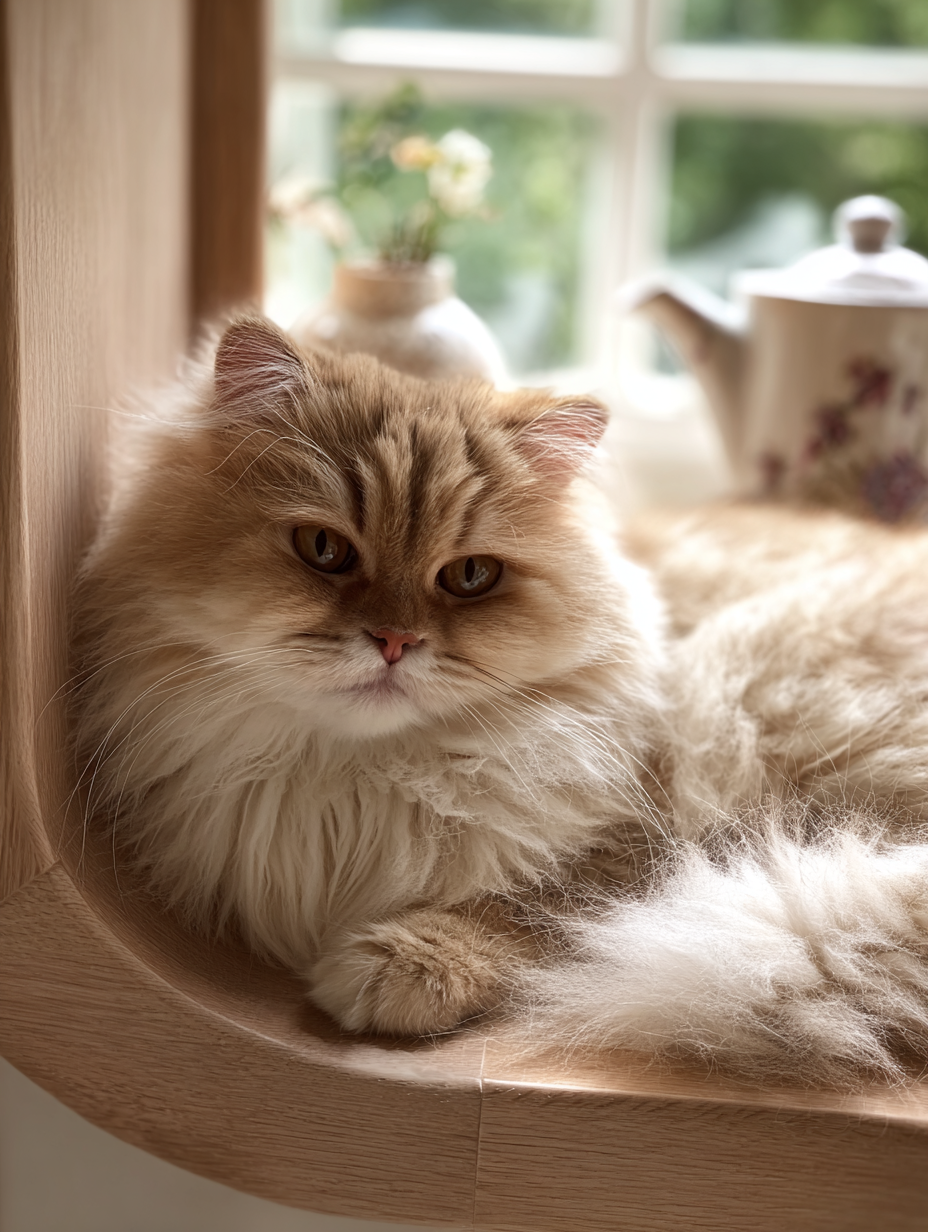
British Longhair cats shed a moderate, predictable amount due to their semi-long double coat. This guide explains normal shedding patterns, how to reduce loose fur, when shedding signals a problem, and the best grooming, diet, and home strategies to keep their coat healthy year-round.
British Longhair cats do shed, but not as much as British shorthair cats. Their fur has a thick undercoat with longer guard hairs on top, which means they release hair more gradually than true longhaired breeds and more visibly than shorthaired breeds. Shedding is completely normal for this breed, and with the right grooming routine, diet, and home setup, it stays manageable.
British Longhairs shed lightly to moderately year-round, with heavier cycles in spring and fall as the undercoat adjusts. Because the coat is plush and layered, loose fur can remain trapped until brushed—making it seem like they shed “less” on the furniture but “more” during grooming sessions.
Understanding how British Longhairs shed helps owners keep the coat healthy, reduce tangles, and minimize visible shedding in the home.
Summary Table for British Longhair Shedding
| Topic | Quick Summary |
|---|---|
| Shedding Level | Moderate year-round with heavier spring/fall cycles |
| Coat Type | Semi-long dense double coat that holds loose undercoat |
| Peak Seasons | Spring (coat drop) and fall (coat thickening) |
| Indoor vs Outdoor | Indoor cats shed more evenly due to artificial light/HVAC |
| Grooming Needs | Brush 2–3× weekly; 4× weekly during shedding peaks |
| Best Tools | Steel comb, soft slicker, pin brush, rubber curry brush |
| Bathing | Optional; helpful every 2–3 months during seasonal changes |
| Diet Impact | High-protein, omega-rich diets reduce excess shedding and matting |
| Environmental Support | Humidifiers, air purifiers, routine vacuuming |
| Vet Warning Signs | Bald spots, skin irritation, sudden coat thinning |
How Much Do British Longhair Cats Shed?
British Longhairs shed at a moderate level year-round. Their coat is longer than a British Shorthair’s but still structured with a thick undercoat that renews slowly. This undercoat is what produces most of the shedding.
The plush texture naturally traps loose fur close to the skin, so many owners notice less shedding around the home but see large amounts released during brushing. This is normal for breeds with semi-long double coats.
Key points:
- They shed year-round because the undercoat is constantly renewing.
- Shedding increases during seasonal coat changes, especially spring.
- The semi-long double coat means they shed more than shorthaired British Shorthairs.
- Indoor British Longhairs shed more consistently due to artificial lighting and temperature control.
As long as the shedding is steady and the coat remains full and healthy, this level of shedding is expected for the breed.
When Do British Longhairs Shed the Most?
Seasonal Shedding Cycles
British Longhairs follow seasonal coat changes similar to other double-coated breeds.
Spring Coat Drop
This is their heaviest shedding cycle of the year. As the winter undercoat loosens, British Longhairs release a significant amount of dense fur. Owners often notice:
- thicker undercoat coming out in handfuls during grooming
- increased fluff on floors and bedding
- small tufts around the home
A consistent brushing routine prevents matting during this period.
Fall Coat Transition
In the fall, British Longhairs grow a fuller undercoat to prepare for cooler weather. Shedding is lighter than in spring, but still noticeable as the coat shifts. The new undercoat pushes older hairs out, creating a gradual but steady release of fur.
Indoor Lifestyle Effects
Indoor British Longhairs may shed more evenly all year, because household lighting and steady temperatures blur the natural seasonal cues. Instead of dramatic coat drops, these cats often have smaller shedding waves every few months.
This is normal and not a health concern—just an adjustment of their coat to the indoor environment.
Age & Hormonal Factors
Kitten to Adult Transition
British Longhair kittens go through a noticeable shedding phase when they lose their soft baby coat between 4–6 months of age. This transitional period brings in the adult semi-long double coat, which is thicker, fuller, and more textured. Owners often see tufts or fine fluff during this stage, but it stabilizes once the adult coat is fully established.
Impact of Spay/Neuter
After spay or neuter, many British Longhairs develop a softer, fuller coat because hormone levels shift and the hair cycle lengthens. This can slightly increase routine shedding or make the coat feel heavier, but it does not cause abnormal or excessive fur loss. It simply means grooming needs become more consistent as the coat matures.
Senior Coat Changes
As British Longhairs age, the coat can become drier, thinner, or uneven due to slower skin turnover and reduced natural oils. Older cats may shed more because their grooming flexibility decreases and loose fur tends to collect in the undercoat. Increasing brushing frequency helps prevent tangles and keeps the coat from becoming dull.
What Causes Excessive Shedding in British Longhairs?
Normal vs Abnormal Shedding
British Longhairs naturally shed a steady amount daily, releasing small amounts of undercoat as part of normal coat renewal. Seasonal shifts—especially spring—produce predictable increases in shedding.
Shedding becomes abnormal when you notice:
- visible bald spots
- irritated or red skin
- sudden, sharp increases in shedding
- overgrooming or licking areas repetitively
- a dull, brittle coat
- flakes or heavy dandruff
These symptoms indicate something other than normal coat turnover, and they always require evaluation.
Common Triggers
Stress or Routine Disruption
British Longhairs are sensitive to household changes. Moving homes, adjusting schedules, adding new pets, or unfamiliar environments can temporarily increase shedding. Stress hormones accelerate coat turnover, so shedding often rises before behavior changes show.
Diet Quality
A poor-quality diet is one of the biggest contributors to excessive shedding. Low protein, fillers, or diets lacking omega fatty acids weaken the undercoat. British Longhairs require high-quality animal protein and balanced fats to maintain coat density, shine, and hydration.
Parasites or Skin Conditions
Fleas, mites, fungal infections, or bacterial irritation can create patchy shedding, itching, and overgrooming. These issues always require veterinary care, even if symptoms appear mild at first.
Allergies
British Longhairs may shed more if they have food sensitivities or environmental allergies. Allergic cats often show redness, paw licking, chin irritation, or increased grooming in specific areas.
Seasonal Dryness or Humidity Shifts
Indoor winter heat, low humidity, or dry rooms can dehydrate the skin and increase shedding. High humidity in summer can also affect coat turnover. Balanced air quality helps stabilize the coat.
Grooming Routine to Reduce Shedding in British Longhair Cats
Brushing Frequency
British Longhairs benefit greatly from a consistent grooming schedule because their semi-long double coat traps loose undercoat close to the body. Brushing 2–3 times per week keeps shedding manageable. During peak shedding seasons, increasing to 4 times per week prevents the coat from compacting or forming small tangles.
Best tools for British Longhairs include:
- steel comb for navigating the dense undercoat
- soft slicker brush for surface and mid-coat layers
- pin brush for fluffing and releasing loose guard hairs
- rubber curry brush to lift loose fur without pulling
Deshedding rakes can be used lightly, but only with care. Some tools are too aggressive for semi-long coats and may thin or break the fur if used incorrectly.
Brushing Technique
Technique matters more than pressure with a British Longhair. Start by brushing in the direction of coat growth using short, calm strokes. Once the surface layers are free of loose hairs, use the steel comb to gently work through the undercoat in small sections, supporting the fur with your fingers to avoid tugging.
British Longhairs seldom mat as severely as Persians, but undercoat buildup can form compact clumps near the armpits, thighs, and belly during seasonal changes. Slow combing prevents discomfort and protects the coat’s structure.
Bathing & Coat Maintenance
British Longhairs do not need frequent baths, but bathing can help manage shedding during heavy coat transitions. A bath every 2–3 months, or only during spring and fall shedding peaks, supports coat health without stripping natural oils.
Use cat-safe shampoos that hydrate the skin or support coat retention. Conditioners are helpful during seasonal shedding because they reduce static, help loosen trapped undercoat, and keep the coat smooth.
Nutrition & Supplements That Support Coat Health
Diet Quality
A British Longhair’s coat is directly influenced by the quality of its diet. High-protein, species-appropriate food supports healthy skin and helps maintain the dense undercoat that defines this breed. Diets containing balanced omega-3 and omega-6 fatty acids help strengthen the hair shaft, support natural shine, and reduce excessive shedding during normal turnover.
Cats lacking these nutrients may develop a coat that feels dry or uneven, with increased shedding during seasonal transitions.
Hydration
Consistent hydration helps keep the skin stable and prevents dryness-related shedding. British Longhairs benefit from multiple sources of accessible, appealing water.
Helpful hydration options include:
- adding wet food to the daily diet
- using water fountains to encourage natural drinking behavior
- offering broth toppers without onions, garlic, or additives
Proper hydration supports stronger hair follicles and reduces premature shedding.
Supplements
Fish oil supplements provide omega-3 fatty acids that support coat density and skin moisture in British Longhairs. Some cats benefit from additional skin and coat formulas containing biotin or supportive fatty acids. Introduce supplements gradually, and consult a veterinarian if the cat has digestive sensitivities or underlying medical conditions.
Home Environment Tips to Reduce Visible Shedding
Managing Fur in the Home
Routine home maintenance helps keep loose fur under control, especially during seasonal shedding. Vacuuming once or twice a week with a pet-specific attachment pulls undercoat from carpets, rugs, and upholstery. Lint rollers and washable throw blankets make it easier to manage shedding in high-traffic areas.
Regular grooming paired with predictable cleaning prevents buildup before it becomes noticeable.
Air Quality
Indoor air quality has a direct impact on a British Longhair’s shedding. Winter heating can dry the air, which may cause skin dryness and increase shedding. A humidifier helps maintain balanced moisture in the home.
Air purifiers reduce airborne dander and loose fur particles, making shedding less visible on surfaces and improving comfort for households with allergies.
Stress Reduction
Stress influences shedding in British Longhairs just as it does in other breeds. Maintaining a predictable routine helps reduce shedding caused by environmental changes. Providing vertical spaces, quiet resting zones, and safe areas supports emotional stability, especially in multi-pet or active households.
Calm, predictable environments support coat health and help prevent stress-related shedding increases.
When to See a Vet About Shedding in British Longhair Cats
Shedding becomes a medical concern in British Longhairs when it includes:
- bald patches or thinning areas
- red, flaky, or irritated skin
- sudden increases in shedding that do not follow seasonal changes
- behavioral changes such as excessive grooming, hiding, or irritability
- appetite changes, weight loss, or lethargy paired with shedding changes
These symptoms may signal allergies, parasites, infections, hormonal issues, or other conditions that require veterinary evaluation.
Common Myths About Shedding in British Longhair Cats
Myth 1: British Longhairs shed more than any other longhaired breed.
British Longhairs shed moderately, not excessively. Their semi-long coat has a dense undercoat, but it sheds in a controlled, predictable pattern—similar to other double-coated breeds. The coat often traps loose fur until brushing, making shedding appear heavier all at once rather than throughout the home.
Myth 2: Seasonal shedding only affects outdoor or shorthaired cats.
British Longhairs have strong spring and fall shedding cycles because of their double coat. Coat length doesn’t change the biological triggers that cause seasonal undercoat turnover.
Myth 3: Indoor British Longhairs shed less.
Indoor cats shed more evenly, not less, because artificial lighting and stable indoor temperatures blur natural seasonal cues. Instead of two heavy shed periods, they may shed in small waves throughout the year.
Myth 4: Because the coat is easy to maintain, shedding is minimal.
British Longhairs are considered “easier” than high-maintenance longhairs like Persians, but that does not mean they shed less. Their semi-long coat traps loose fur in the undercoat and requires regular brushing to prevent buildup.
Myth 5: Deshedding tools remove the problem completely.
Deshedding tools can help, but they do not stop shedding. Overuse can thin or damage the British Longhair coat. Gentle combing and regular brushing work better long-term than aggressive deshedding.
Myth 6: Excessive shedding means the breed is unhealthy.
Shedding is normal. Only shedding combined with bald spots, redness, itching, or behavior changes indicates a problem. Predictable seasonal shedding is part of having a double-coated breed.
Myth 7: British Longhairs do not need baths because they are semi-longhaired, not longhaired.
Baths are optional but can be helpful during shedding peaks. A bath every few months can loosen large amounts of undercoat. While British Longhairs are lower-maintenance than some longhaired breeds, bathing can support coat turnover when used correctly.
Myth 8: British Longhairs are hypoallergenic because they do not shed as dramatically as Persians.
British Longhairs are not hypoallergenic. Shedding level does not determine allergen production. Like all cats, they produce Fel d 1, and their dense undercoat can hold dander close to the skin. Grooming helps reduce exposure but cannot eliminate allergens.
Myth 9: Grain-free diets stop shedding.
No diet can eliminate shedding. Balanced, high-protein diets improve coat strength and reduce unnecessary shedding, but they do not stop the natural growth cycle that causes regular fur release.
Myth 10: Older British Longhairs shed less because they move less.
Senior cats often shed more, not less. Aging skin becomes drier, and older cats groom less effectively. Increased grooming support is essential as the British Longhair enters senior years.
FAQ: British Longhair Shedding
Do British Longhair cats shed a lot?
British Longhairs shed a moderate amount year-round. Their semi-long double coat releases small amounts of undercoat daily and increases shedding during spring and fall. Their coat often traps loose fur until brushing, so shedding may appear lighter in the home but heavier during grooming.
Are British Longhair cats high-maintenance?
They are moderate-maintenance. They do not mat as easily as Persians, but their semi-long double coat requires 2–3 brushing sessions per week to prevent buildup. During seasonal shedding, more frequent brushing keeps the coat comfortable and reduces loose fur.
When do British Longhairs shed the most?
The heaviest shedding occurs in spring, when the winter undercoat is released. A second, lighter shedding period happens in fall, when the coat thickens for cooler weather. Indoor cats may shed more evenly throughout the year.
Why is my British Longhair shedding more than usual?
Common causes include:
- seasonal undercoat changes
- stress or routine disruption
- dry indoor air
- diet lacking protein or essential fatty acids
- allergies
- parasites or skin irritation
If shedding is sudden or accompanied by skin changes or behavior changes, a veterinarian should evaluate the cat.
Is it normal for British Longhair kittens to shed?
Yes. British Longhair kittens shed noticeably when they lose their baby coat between 4–6 months. Shedding stabilizes once the adult coat fully grows in.
Does spaying or neutering affect shedding?
Spayed or neutered British Longhairs often develop fuller, softer coats, which may shed slightly more. This is a normal hormonal change and does not indicate a problem.
How often should I brush my British Longhair to reduce shedding?
Brush:
- 2–3 times weekly during normal periods
- 4 times weekly during spring and fall shedding
Regular brushing removes trapped undercoat, prevents tangles, and reduces loose fur around the home.
What is the best brush for British Longhair cats?
Useful tools include:
- steel comb for undercoat
- soft slicker brush for mid and surface layers
- pin brush for fluffing guard hairs
- rubber curry brush for gentle loose-hair removal
Avoid aggressive deshedding tools that may thin the coat.
Do British Longhairs get mats?
They mat less often than many long-haired breeds, but mats can form:
- under the arms
- behind the legs
- along the belly
- during heavy shedding
Regular brushing prevents tangles from forming in these areas.
Do British Longhair cats need baths to control shedding?
Baths are optional but helpful during seasonal shedding. A bath every 2–3 months can loosen compacted undercoat. Over-bathing is not recommended.
What should I feed my British Longhair to reduce shedding?
A coat-supportive diet includes:
- high-quality animal protein
- balanced omega-3 and omega-6 fatty acids
- low fillers
- consistent hydration
Poor nutrition leads to brittle fur and heavier shedding.
Do supplements help with shedding for British Longhairs?
Yes, some cats benefit from:
- fish oil (omega-3)
- coat-support biotin
- veterinary-formulated skin and coat supplements
Introduce supplements gradually and consult a vet for cats with sensitivities.
Are British Longhairs hypoallergenic because they don’t shed as dramatically as Persians?
No. British Longhairs are not hypoallergenic. All cats produce Fel d 1, the primary cat allergen. Grooming reduces dander spread but cannot eliminate allergens.
How can I reduce shedding in my home?
Effective methods include:
- regular brushing
- vacuuming with pet attachments
- using lint rollers and washable throws
- running humidifiers in winter
- using air purifiers to reduce dander
A structured environment and a consistent routine support coat health.
When is shedding a sign of a medical problem?
Seek veterinary care if shedding comes with:
- bald spots
- skin redness or sores
- rapid coat thinning
- excessive dandruff
- behavioral changes (hiding, irritability, overgrooming)
- appetite changes or weight loss
These symptoms indicate an underlying issue, not normal shedding.
Do British Longhairs shed more as they age?
Senior British Longhairs often shed more because:
- skin becomes drier
- the coat grows more slowly
- older cats groom less effectively
More frequent brushing keeps the coat stable and prevents tangles.
Do indoor British Longhairs shed less than outdoor cats?
Indoor British Longhairs often shed more consistently throughout the year because artificial lighting and heating reduce strong seasonal shedding cues.
Does humidity affect shedding in British Longhairs?
Yes. Dry winter air increases shedding, while high humidity can affect how the undercoat transitions. Balanced air moisture supports healthy coat turnover.
Can stress make a British Longhair shed more?
Yes. Stress triggers hormonal changes that increase shedding. A stable routine and designated quiet spaces help reduce stress-related shedding.
Looking for a British Longhair or British Shorthair kitten?
At Almonte Cats, our kittens are raised in-home, fully health tested, and intentionally paired to represent the very best of the British breed.
If you’d like to be considered for an upcoming litter, you’re welcome to explore our available kittens or submit an application below.
More British Longhair Resources
Explore more posts about the British Longhair breed:
- British Longhair Kittens: What to Expect
A guide to kitten growth stages, coat transitions, socialization, and early care. - British Longhair Breed Overview
A complete introduction to the breed’s temperament, structure, care needs, and suitability for different homes. - British Longhair Breeder Guide
How to choose a reputable British Longhair breeder and what to expect throughout the process. - British Longhair Grooming Guide
Step-by-step coat care, tools, and maintenance routines for the semi-long double coat. - British Longhair Health & Early Warning Signs
Important indicators to monitor and when to seek veterinary support. - British Longhair Diet & Nutrition Guide
How diet quality, hydration, and supplements support coat health and overall wellbeing. - British Longhair Colors & Coat Variations
An overview of British Longhair colors and how the coat develops with age.
More British Cat Breed Articles from Almonte Cats
- British Shorthair Health
- British Shorthair Lifespan
- British Shorthair Shedding
- British Shorthair Size
- British Shorthair Cat Care
- British Shorthair Personality
- British Shorthair Diet
- British Shorthair Kitten Growth Stages
- British Shorthair vs Ragdoll
British Longhair Cat Shedding Article Sources
- Cornell University College of Veterinary Medicine – Feline Skin & Coat Health
https://www.vet.cornell.edu/departments-centers-and-institutes/cornell-feline-health-center/health-information/feline-health-topics/skin-and-coat-health - American Association of Feline Practitioners (AAFP) – Feline Life Stage Guidelines
https://catvets.com/guidelines/life-stage-guidelines - International Cat Care – Feline Grooming & Coat Care
https://icatcare.org/advice/grooming-your-cat/ - Royal Canin Veterinary Nutrition – Skin & Coat Support
https://vet.royalcanin.com/ - Journal of Feline Medicine and Surgery – Dermatology & Coat Health Research
https://journals.sagepub.com/home/jfm - VCA Animal Hospitals – Feline Shedding & Skin Conditions
https://vcahospitals.com/know-your-pet/hair-loss-or-alopecia-in-cats
https://vcahospitals.com/know-your-pet/feline-allergies - PetMD – Shedding, Coat Health, and Dermatitis in Cats
https://www.petmd.com/cat/conditions/skin/c_ct_alopecia
https://www.petmd.com/cat/care/how-control-cat-shedding - The Governing Council of the Cat Fancy (GCCF) – British Longhair Breed Information
https://www.gccfcats.org/breeds/british-longhair/ - The International Cat Association (TICA) – British Longhair Breed Standard
https://tica.org/breeds/browse-all-breeds?view=article&id=217:bri-british-longhair&catid=79





Read the Comments +