
British Longhair vs Maine Coon: Temperament, Grooming, Size & Lifestyle Compared
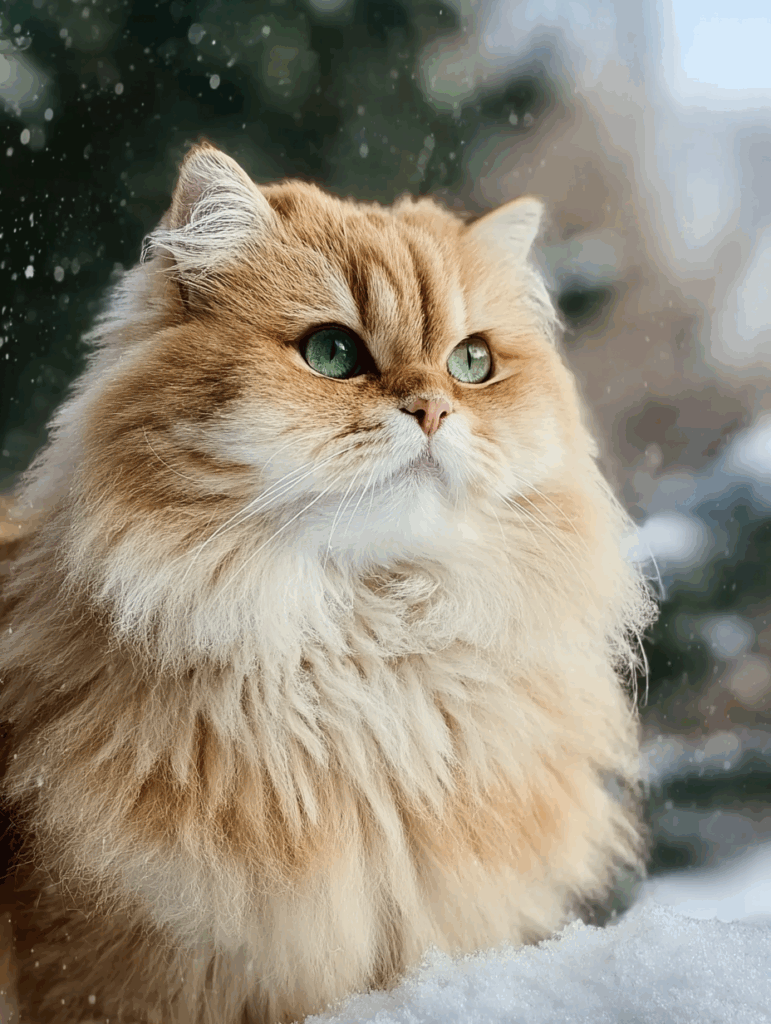
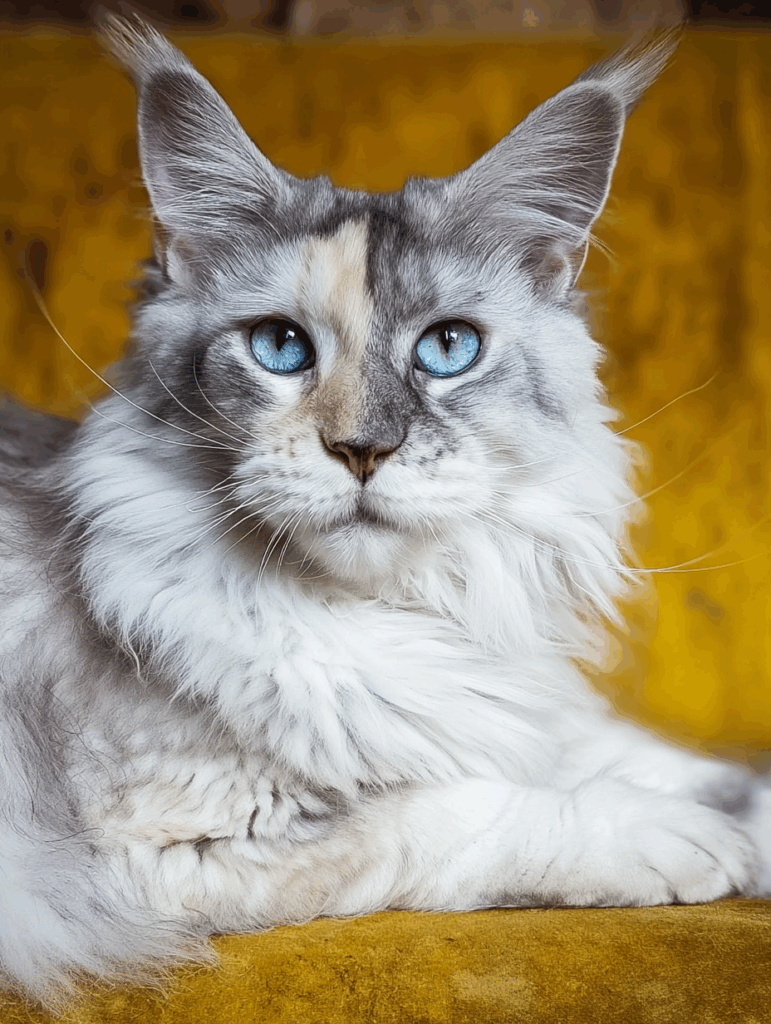
The British Longhair and the Maine Coon are two of the most recognizable longhaired cat breeds in the world. Both are affectionate, intelligent, and well suited to family life, but they differ significantly in size, structure, energy level, grooming needs, and the type of home where they thrive.
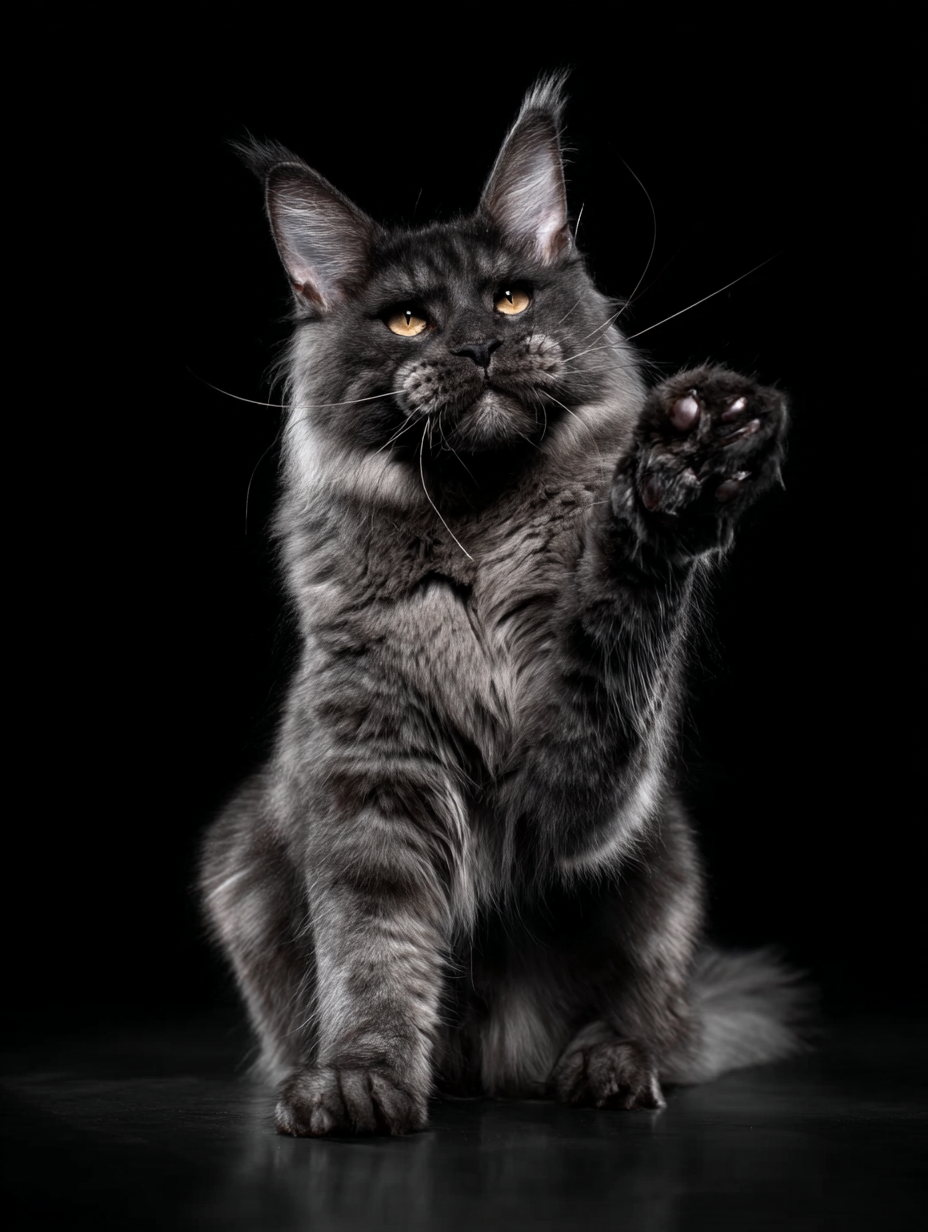
The Maine Coon is a large, athletic American forest breed known for its dramatic size and playful, dog-like personality. The British Longhair is a plush, moderate British companion cat, developed for balance, calm temperament, and long-term ease of ownership.
If you are choosing between these two longhaired breeds, this guide breaks down the real-world differences that matter most: size, temperament, coat type, shedding, activity level, adaptability, health considerations, and long-term maintenance.
British Longhair vs Maine Coon: Quick Overview
| Trait | British Longhair | Maine Coon |
|---|---|---|
| Origin | Great Britain | Maine, USA |
| Coat | Semi-long, dense, plush, even | Long, shaggy, uneven, water-resistant |
| Eye Color | Copper, gold, amber, blue (in whites) | Gold, green, copper |
| Body Type | Medium to large, cobby, balanced | Very large, rectangular, muscular |
| Average Male Weight | 12–17 lbs | 15–25 lbs |
| Average Female Weight | 8–14 lbs | 10–18 lbs |
| Head Shape | Round head, full cheeks | Longer head, square muzzle |
| Personality | Calm, people-focused, emotionally steady | Playful, outgoing, highly social |
| Energy Level | Low to moderate | Moderate to high |
| Allergy Friendly | Standard | Standard |
| Average Lifespan | 14–18+ years | 12–15+ years |
Origins and History
British Longhair History
The British Longhair developed as a natural extension of the British Shorthair, retaining the same sturdy bone structure, moderate facial features, and calm temperament. Long coats were introduced through controlled outcrossing decades ago, with careful selection to preserve balance, function, and health.
Unlike many longhaired breeds, the British Longhair was never bred for extremes. The goal remained a structurally sound, slow-maturing companion cat with a plush coat and long lifespan. Today, the breed is recognized by major registries including TICA, GCCF, and FIFe, and is valued for its stability, adaptability, and ease of long-term ownership.
Maine Coon History
The Maine Coon is one of North America’s oldest natural cat breeds, originating in the northeastern United States. Developed through natural selection rather than intensive human design, Maine Coons evolved as hardy farm and working cats capable of surviving cold climates.
Their large size, tufted ears, shaggy water-resistant coat, and strong hunting instincts reflect their functional origins. Over time, selective breeding refined these traits while preserving their playful, sociable temperament. Today, Maine Coons are known for their impressive size, intelligence, and interactive personalities.
Which Breed Is Older?
The British Longhair’s foundation breed—the British Shorthair—predates the Maine Coon by well over a thousand years.
While the Maine Coon is a historic and naturally developed breed, the British cat lineage traces back to Roman-era Britain, making it one of the oldest documented domestic cat types in the world.
Coat and Texture Differences
Although both breeds are longhaired, their coats differ dramatically in texture, structure, and purpose.
Maine Coon Coat
The Maine Coon coat developed for survival in cold, wet climates.
It is:
- Long and shaggy
- Uneven in length, with longer fur on the ruff, belly, and britches
- Slightly coarse on top with a softer undercoat
- Naturally water-resistant
- Designed to shed snow and moisture
The overall look is rugged and wild. The prominent ruff and long, flowing tail give the Maine Coon its iconic forest-cat appearance.
British Longhair Coat
The British Longhair coat focuses on plushness and uniformity, not weather resistance.
It is:
- Semi-long and dense
- Even in length across the body
- Thick and cushioned rather than silky
- Soft, plush, and resilient to the touch
- Designed for comfort and insulation rather than outdoor function
The coat stands slightly away from the body, creating a rounded, teddy-bear silhouette that emphasizes the breed’s balanced structure.
Side-by-Side Coat Comparison
- Maine Coon = long, shaggy, uneven, rugged, functional
- British Longhair = plush, even, dense, soft, sculpted
Both are longhaired, but they feel and behave very differently in daily life.
Which Breed Has the Denser Coat?
Despite having less length, the British Longhair has the denser coat.
British Longhairs have:
- A thick, compact undercoat
- Strong guard hairs
- Even density from root to tip
This creates a plush, cushioned feel that holds its shape and resists collapsing against the body.
Maine Coons have more visible length, but British Longhairs pack more coat density per square inch.
Eye Color Differences
Maine Coon Eyes
Maine Coons may have:
- Gold
- Green
- Copper
- Hazel
- Blue (in white or high-white cats)
Their eyes range from almond to slightly rounded and contribute to their alert, expressive look.
British Longhair Eyes
British Longhairs commonly have:
- Copper
- Gold
- Amber
- Blue (in whites and some bicolors)
- Green (especially in golden and silver lines)
Their large, round eyes enhance the breed’s soft, calm, teddy-bear expression.
Easy Visual Clues
- Round head + full cheeks + large round eyes → British Longhair
- Square muzzle + tall ears + longer head shape → Maine Coon
These features remain reliable identifiers even when coat length overlaps.
Body Type and Structure
Maine Coon Build
The Maine Coon is built for size, reach, and athletic movement.
Key structural traits include:
- Very large, rectangular body
- Broad chest with powerful musculature
- Heavy bone structure
- Distinct square muzzle
- Tall ears, often with lynx-like tufts
- Very long, plumed tail used for balance and warmth
Maine Coons carry a dramatic, wild forest-cat silhouette. Their length and height often make them appear even larger than the scale suggests, especially when standing or moving.
British Longhair Build
The British Longhair emphasizes balance, density, and rounded proportions.
Key structural traits include:
- Medium to large, compact (cobby) body
- Broad chest with strong but moderate bone
- Shorter, sturdy legs
- Thick neck and shoulders
- Round head with full cheeks
- Plush, rounded overall outline
British Longhairs appear solid and substantial rather than tall or elongated. Their structure creates a soft, teddy-bear presence that feels dense and grounded.
Structure Summary
- Maine Coon = long, tall, rectangular, athletic
- British Longhair = compact, thick, rounded, balanced
Both are large cats, but they occupy space very differently.
Which Breed Makes the Best Pet?
Both British Longhairs and Maine Coons make excellent companions, but they suit very different lifestyles.
The Maine Coon thrives in active, engaged households. They enjoy interaction, play, and movement throughout the day. Many follow their owners from room to room, enjoy games and puzzle toys, learn routines quickly, and actively participate in family life. Their friendly, extroverted nature makes them well suited to children, dogs, and busy homes where stimulation is constant.
The British Longhair suits calmer, more predictable households. They enjoy companionship without constant engagement and prefer shared space over nonstop interaction. British Longhairs are affectionate, gentle, and emotionally steady, making them ideal for owners who want closeness without high activity demands.
In simple terms:
- Want an interactive, playful, high-engagement cat → Choose a Maine Coon
- Want a calm, plush companion with a peaceful presence → Choose a British Longhair
Lifestyle Comparison: British Longhair vs Maine Coon
| Category | British Longhair | Maine Coon |
|---|---|---|
| Best for Families | Excellent — calm, patient, emotionally steady | Excellent — outgoing, playful, highly social |
| Coat Type | Semi-long, dense, plush, even | Long, shaggy, uneven, weather-adapted |
| Shedding Level | Moderate, seasonal, manageable | Heavy, year-round |
| Grooming Needs | Routine brushing; coat resists matting | Frequent brushing; prone to tangles |
| Energy Level | Low to moderate; prefers calm routines | Moderate to high; enjoys active play |
| Affection Style | Quietly loving, enjoys proximity | Affectionate, interactive, people-oriented |
| Adaptability | Highly adaptable indoors | Very adaptable to busy, changing homes |
| Social Behavior | Reserved but deeply bonded | Extroverted, curious, socially confident |
| Noise Level | Quiet, soft vocalizations | Chirps, trills, frequent communication |
| Ideal Environment | Apartments, calm homes, professionals | Families, multi-pet, active households |
| Allergy Friendliness | Standard | Standard |
| Dominant Traits | Calmness, stability, emotional balance | Curiosity, intelligence, playfulness |
British Longhairs integrate quietly into daily life, while Maine Coons actively participate in it.
Size and Weight Comparison
| Breed | Average Male Weight | Average Female Weight | Overall Build |
|---|---|---|---|
| Maine Coon | 15–25 lbs | 10–18 lbs | Large, long, rectangular |
| British Longhair | 12–17 lbs | 8–14 lbs | Compact, thick, rounded |
Maine Coons typically appear taller, longer, and more muscular, especially when standing or in motion.
British Longhairs appear shorter and denser, with a solid, plush presence that feels heavier than it looks.
Coat Color Comparison
| Feature | Maine Coon | British Longhair |
|---|---|---|
| Color Range | 70+ recognized colors and patterns | One of the widest palettes among longhaired breeds, including solids, tabbies, silvers, goldens, shaded, smoke, and tortie |
| Texture | Long, shaggy, uneven, water-resistant | Semi-long, plush, dense, even |
| Undercoat | Medium density | Very dense double coat |
| Specialty Colors | Silvers, smokes, shaded, high-contrast tabbies | Blue, lilac, black, white, silver, golden, cream, chocolate, cinnamon |
| Overall Shine | Matte to lightly glossy | Matte in blues, glossy in silvers and goldens |
British Longhairs are known for depth and refinement of color, especially in solid blues, goldens, and shaded silvers.
Maine Coons offer strong contrast and pattern clarity, particularly in silver and classic tabby lines.
British Longhair vs Maine Coon: Are They the Same?
No. British Longhairs and Maine Coons are completely unrelated breeds with different histories, body structures, and behavioral styles.
- Maine Coons are American forest cats with a long, rugged coat and a large, rectangular, athletic build
- British Longhairs descend from ancient British cats and emphasize balance, density, and moderation
While both breeds are gentle and family-friendly, they evolved for very different purposes. A quick look at body length, head shape, and coat texture makes the distinction immediately clear.
Personality Summary: British Longhair vs Maine Coon
| Trait | British Longhair | Maine Coon |
|---|---|---|
| Energy Level | Low to moderate; prefers calm routines | Moderate to high; playful and active |
| Sociability | People-focused but reserved | Highly social and outgoing |
| Play Style | Gentle, short play sessions | Interactive, sustained play |
| Noise Level | Quiet, soft vocalizations | Frequent chirps, trills, and communication |
| Affection Style | Shows love through proximity and presence | Shows love through engagement and interaction |
| Behavior With Dogs | Generally excellent | Excellent and often enthusiastic |
| Adaptability | Very high indoors | High, especially in busy homes |
In simple terms:
- British Longhairs are calm, steady, emotionally grounded companions
- Maine Coons are extroverted, curious, and highly interactive
Both breeds bond deeply with their families—but they express that bond in very different ways.
Grooming & Coat Maintenance: Structured Routine vs Ongoing Management
Both British Longhairs and Maine Coons are longhaired breeds, but their coats behave very differently in daily life. Grooming requirements reflect coat texture, undercoat density, and how the fur grows, not just length.
British Longhair Grooming Needs
British Longhairs have a semi-long, dense, plush coat that grows evenly across the body. The texture is resilient rather than silky, which helps the coat resist severe matting when brushed consistently.
Typical grooming includes:
- Brushing 2–4 times per week
- Increased brushing during seasonal shedding
- Occasional sanitary trims if needed
- Routine nail trimming and basic dental care
The coat does not require daily combing or frequent bathing. Because the fur stands slightly away from the body and maintains its structure, loose hair is easier to remove with regular brushing. For most owners, grooming becomes a predictable routine rather than a daily obligation.
British Longhairs suit owners who want a longhaired cat with manageable, structured grooming rather than constant coat management.
Maine Coon Grooming Needs
Maine Coons have a long, shaggy, uneven coat with longer fur on the ruff, belly, and britches. While the coat is functional and water-resistant, it tangles more easily due to length variation and a looser undercoat.
Typical grooming includes:
- Brushing several times per week, often daily in high-coat areas
- Regular detangling of the belly, armpits, and tail
- Increased grooming during year-round shedding
- Occasional baths or professional grooming for heavy coats
Without consistent grooming, Maine Coons are more prone to matting, especially in friction areas. Their size and coat volume also increase grooming time compared to most other breeds.
Maine Coons suit owners who enjoy hands-on coat care and don’t mind investing more time into grooming as part of daily life.
Grooming Comparison Summary
- British Longhair: Moderate grooming, predictable routine, coat resists matting
- Maine Coon: Higher grooming demands, frequent brushing, coat requires ongoing management
Both breeds benefit from regular grooming, but the time commitment and effort level differ significantly.
In practical terms:
- Choose a British Longhair if you want a plush long coat without daily maintenance
- Choose a Maine Coon if you enjoy grooming and don’t mind managing a large, high-volume coat
Both coats are beautiful, but they reward different ownership styles.
Health & Lifespan: British Longhair vs Maine Coon
Both British Longhairs and Maine Coons are generally healthy, well-established pedigree breeds, but their genetic considerations and aging patterns differ due to size, structure, and lifestyle.
Maine Coon Health Overview
Maine Coons are large, athletic cats, and their size plays a major role in their health profile. Responsible breeders screen for conditions associated with large-bodied breeds.
Common considerations include:
- Hypertrophic cardiomyopathy (HCM) — more prevalent in Maine Coons than many other breeds
- Hip dysplasia — linked to size and joint load
- Spinal muscular atrophy (SMA) — rare, DNA testable
- Joint strain and arthritis in senior years due to weight and frame size
With ethical breeding, early screening, and careful weight management, many Maine Coons enjoy strong health and good quality of life. However, their large size often requires closer long-term monitoring of joints and heart health.
British Longhair Health Overview
British Longhairs share the same strong genetic foundation as the British Shorthair and are widely regarded as a structurally stable, moderate breed.
Common considerations include:
- Hypertrophic cardiomyopathy (HCM) — present but generally less common than in Maine Coons
- Weight management — calm temperament can lead to obesity if portions are not controlled
- Dental tartar in some lines as cats age
- Polycystic kidney disease (PKD) — uncommon in tested programs
Their balanced body type, moderate size, and low-stress lifestyle contribute to excellent long-term health and reduced strain on joints as they age.
Average Lifespan Comparison
- British Longhair: 14–18+ years
- Maine Coon: 12–15+ years
British Longhairs often live longer on average due to their smaller size, lower joint stress, and calmer daily energy levels. Maine Coons can also reach older ages, but longevity depends heavily on heart screening and lifelong weight control.
Price Comparison: British Longhair vs Maine Coon
Both breeds are premium, high-demand cats, but pricing reflects very different cost drivers.
| Breed | Typical Kitten Price (USA) | Primary Price Factors |
|---|---|---|
| Maine Coon | $2,500 – $6,000+ | European imports, size, polydactyl lines, silvers/smokes, health testing |
| British Longhair | $3,000 – $6,500+ | Golden and silver colors, coat density, eye color depth, imported lines |
Why Maine Coons Can Be Expensive
- Larger cats cost more to feed and raise
- Longer time to reach physical and breeding maturity
- High demand for European and “wild type” lines
- Polydactyl and high-contrast silver lines command premiums
Why British Longhairs Can Be Expensive
- Goldens and silvers are highly sought after worldwide
- Dense, plush coats require generations of careful selection
- Importing high-quality British lines is costly
- British type consistency is difficult to refine and maintain
Value Perspective
Both breeds retain strong value and limited availability in the U.S. market. Pricing reflects breeder investment, health screening, and rarity, not just popularity.
In practical terms:
- Maine Coons cost more to raise due to size and grooming demands
- British Longhairs cost more to refine due to coat density, color quality, and imported bloodlines
Both reward buyers with exceptional companionship—but suit very different lifestyles and long-term ownership expectations.
How to Choose Between a British Longhair and a Maine Coon
Your daily rhythm, energy level, and expectations for interaction matter more than appearance alone. These two longhaired breeds suit very different lifestyles.
Choose a Maine Coon if you want:
- A highly interactive, playful, dog-like companion
- A cat that follows you from room to room
- A breed that thrives with children, dogs, and busy households
- Frequent engagement, games, and problem-solving
- A dramatic, large, forest-cat appearance with strong presence
Maine Coons are energetic extroverts. They enjoy being involved in everything and prefer homes where activity, stimulation, and interaction are part of daily life.
Choose a British Longhair if you want:
- A calm, steady, emotionally grounded companion
- A cat that is affectionate without being demanding
- A breed well suited to apartments and quieter homes
- A plush, teddy-bear look with a soft, rounded presence
- A gentle, polite temperament that values shared space
British Longhairs bring serenity, balance, and quiet loyalty. They integrate smoothly into routines and offer closeness without constant engagement.
If Both Sound Ideal
Many multi-cat households successfully keep one of each.
- The Maine Coon provides energy, play, and social momentum
- The British Longhair provides calm, structure, and emotional grounding
Their temperaments often complement each other beautifully when space and introductions are managed thoughtfully.
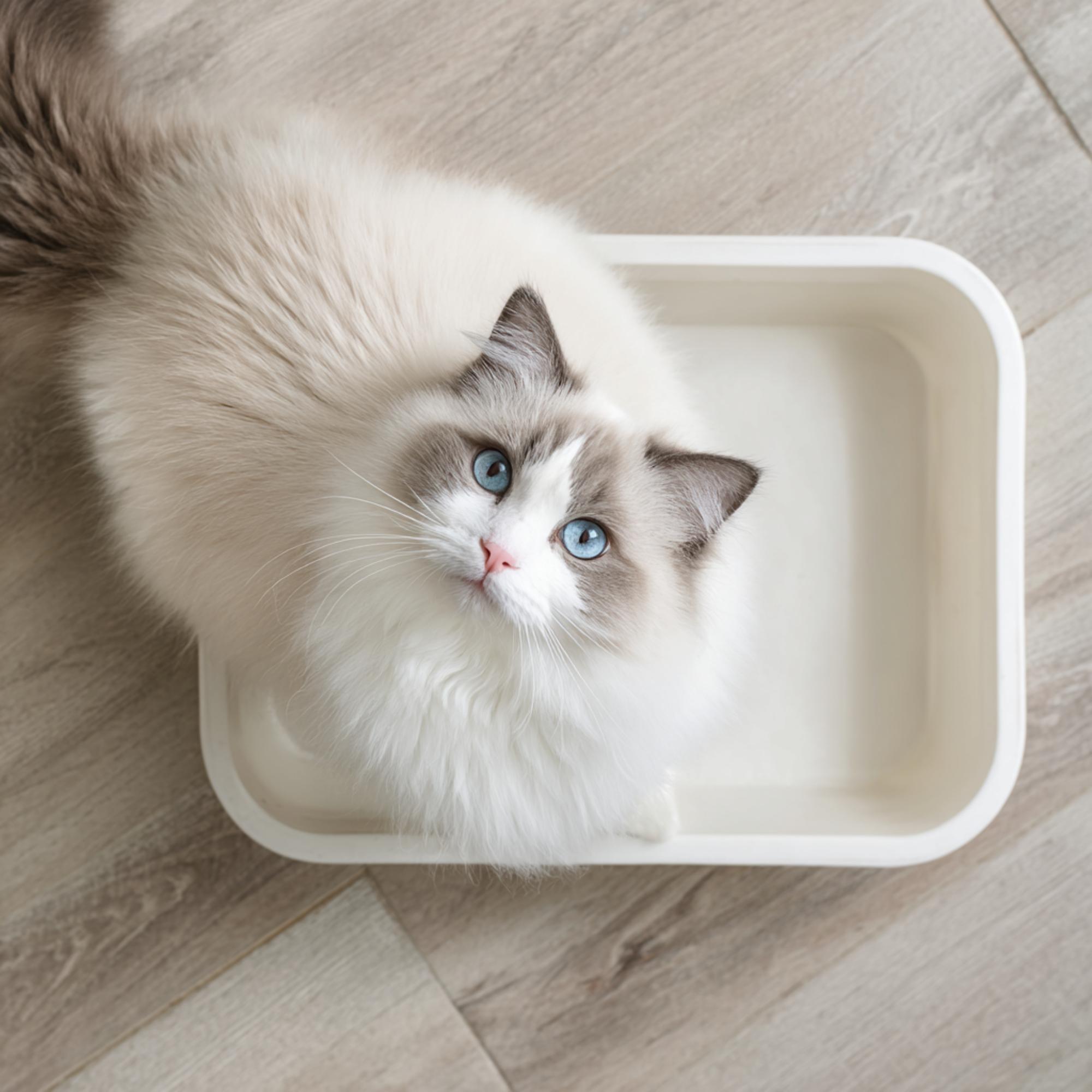
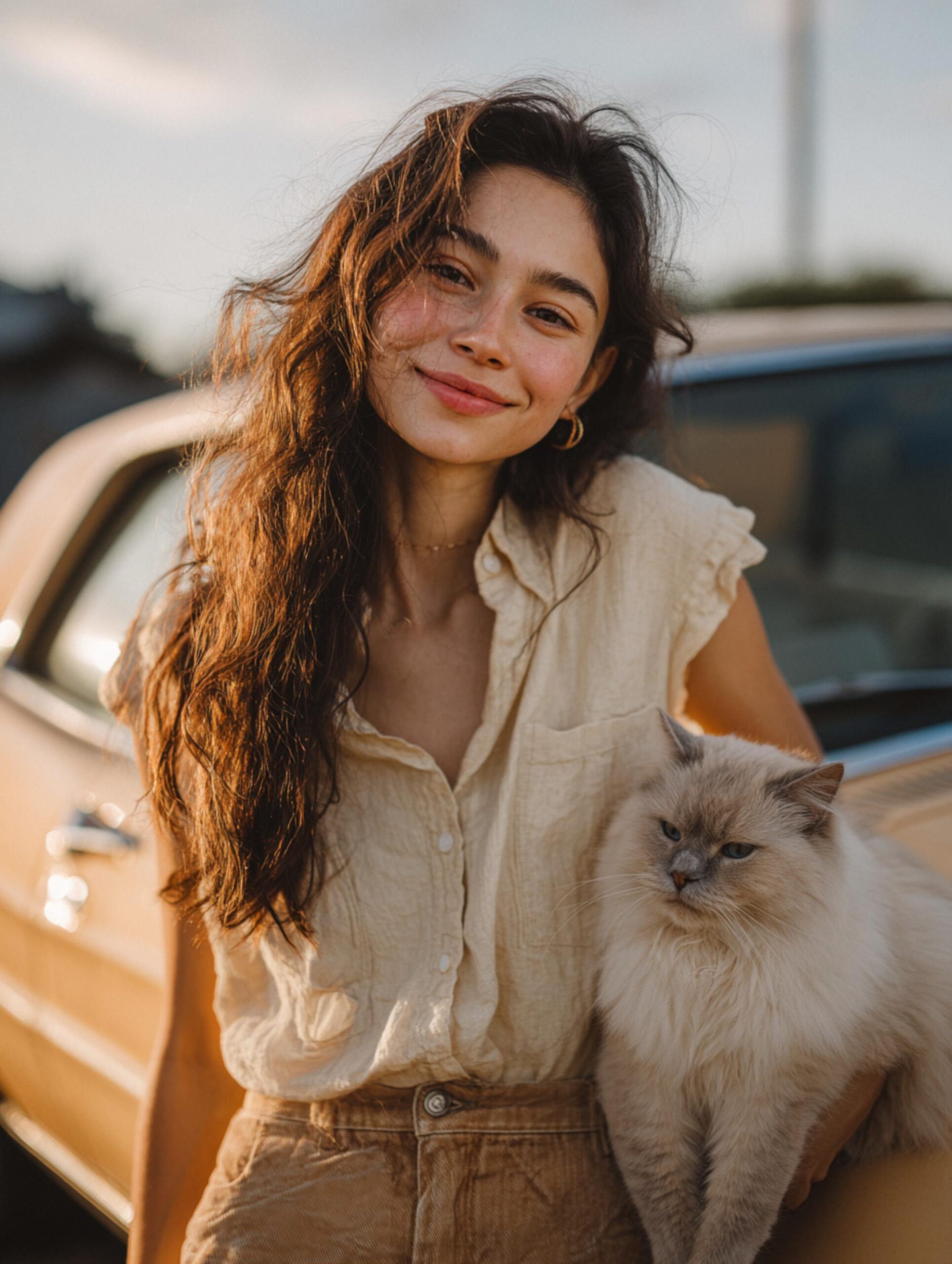
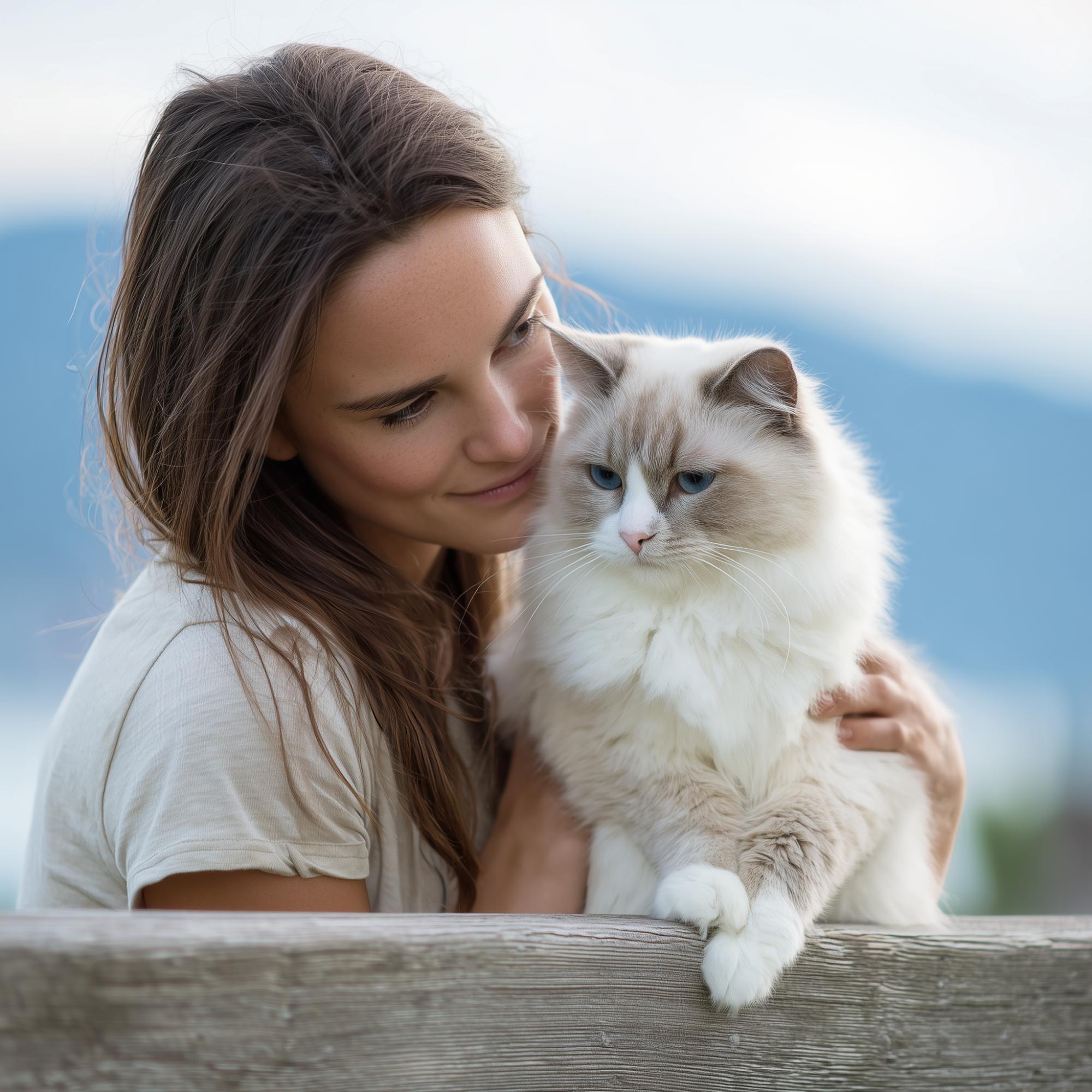
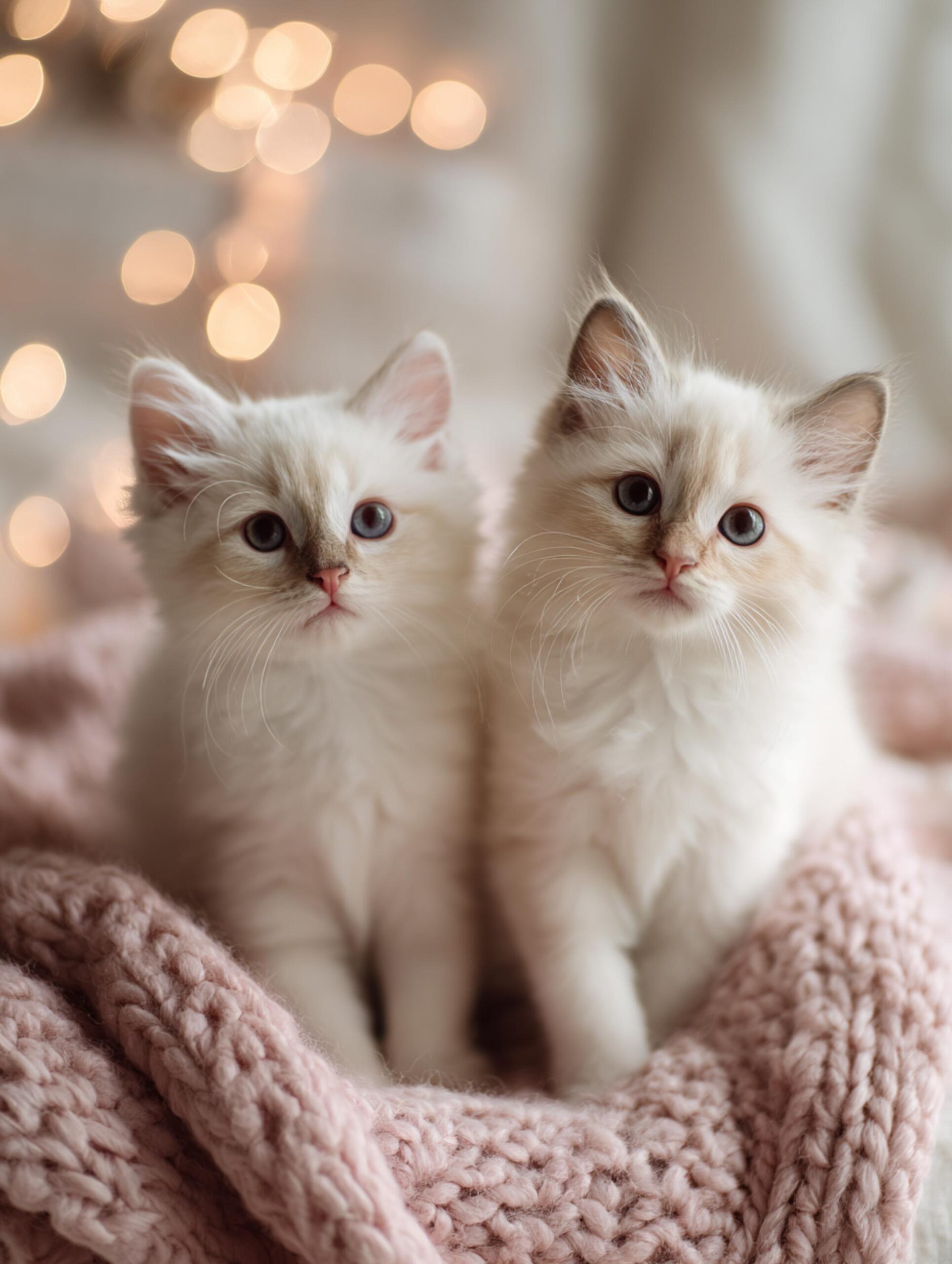
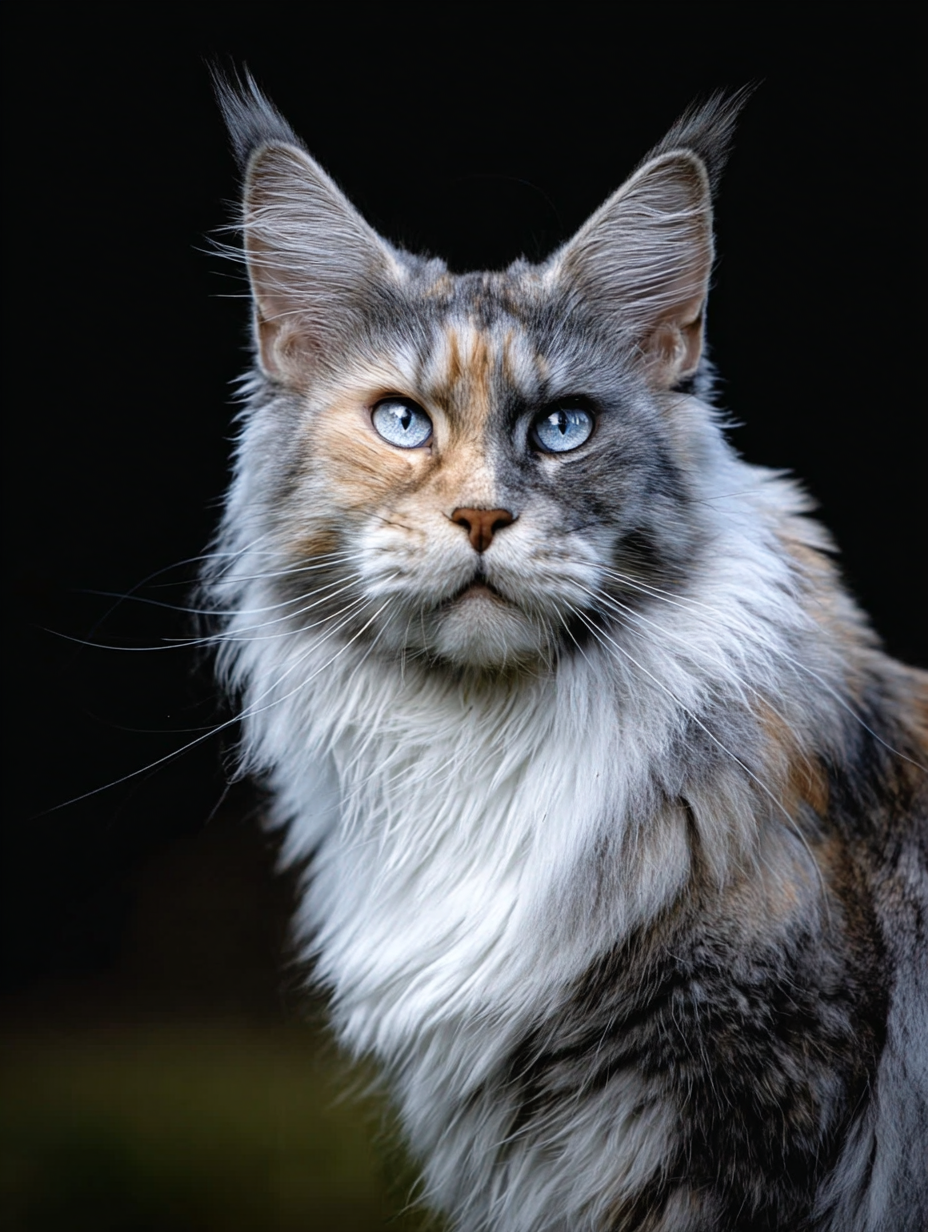
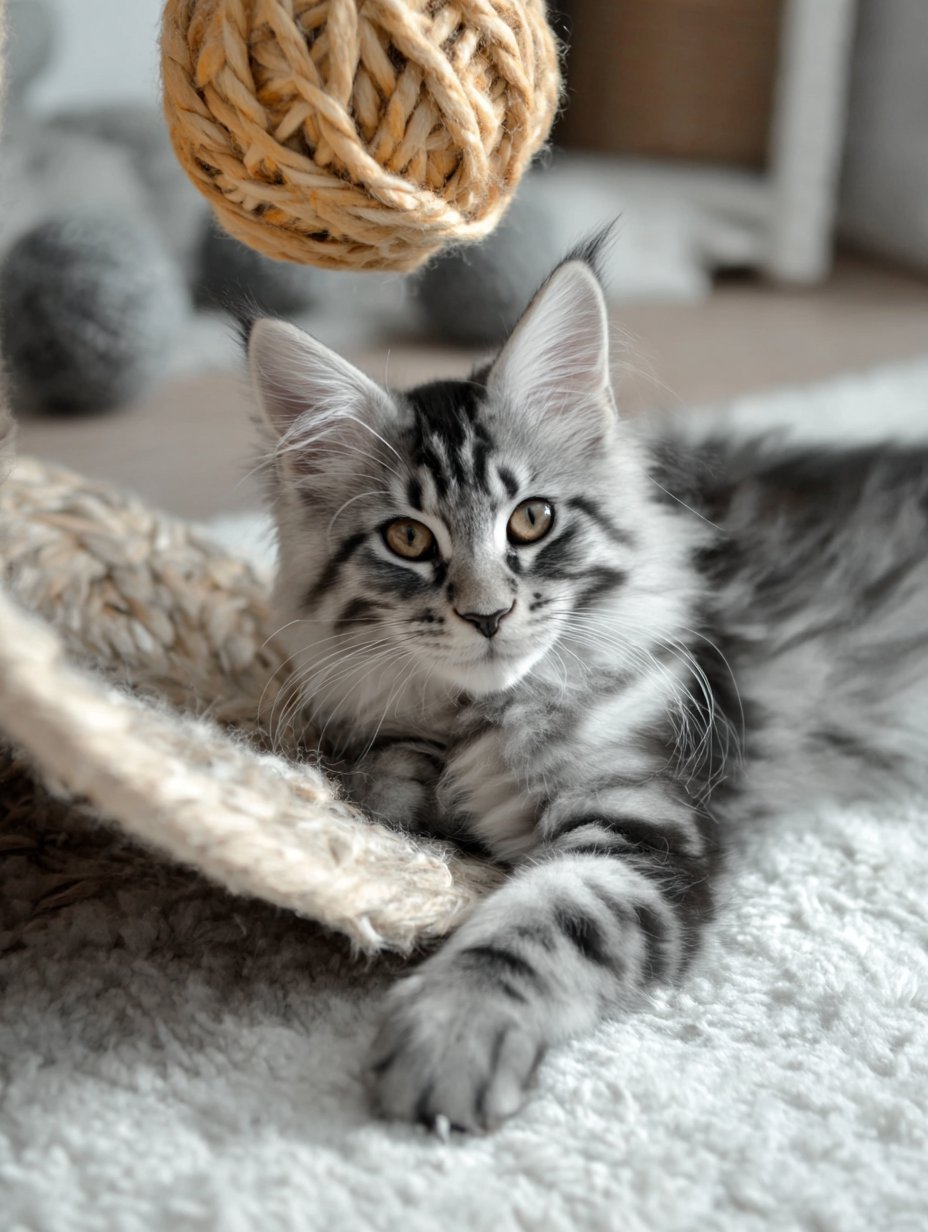
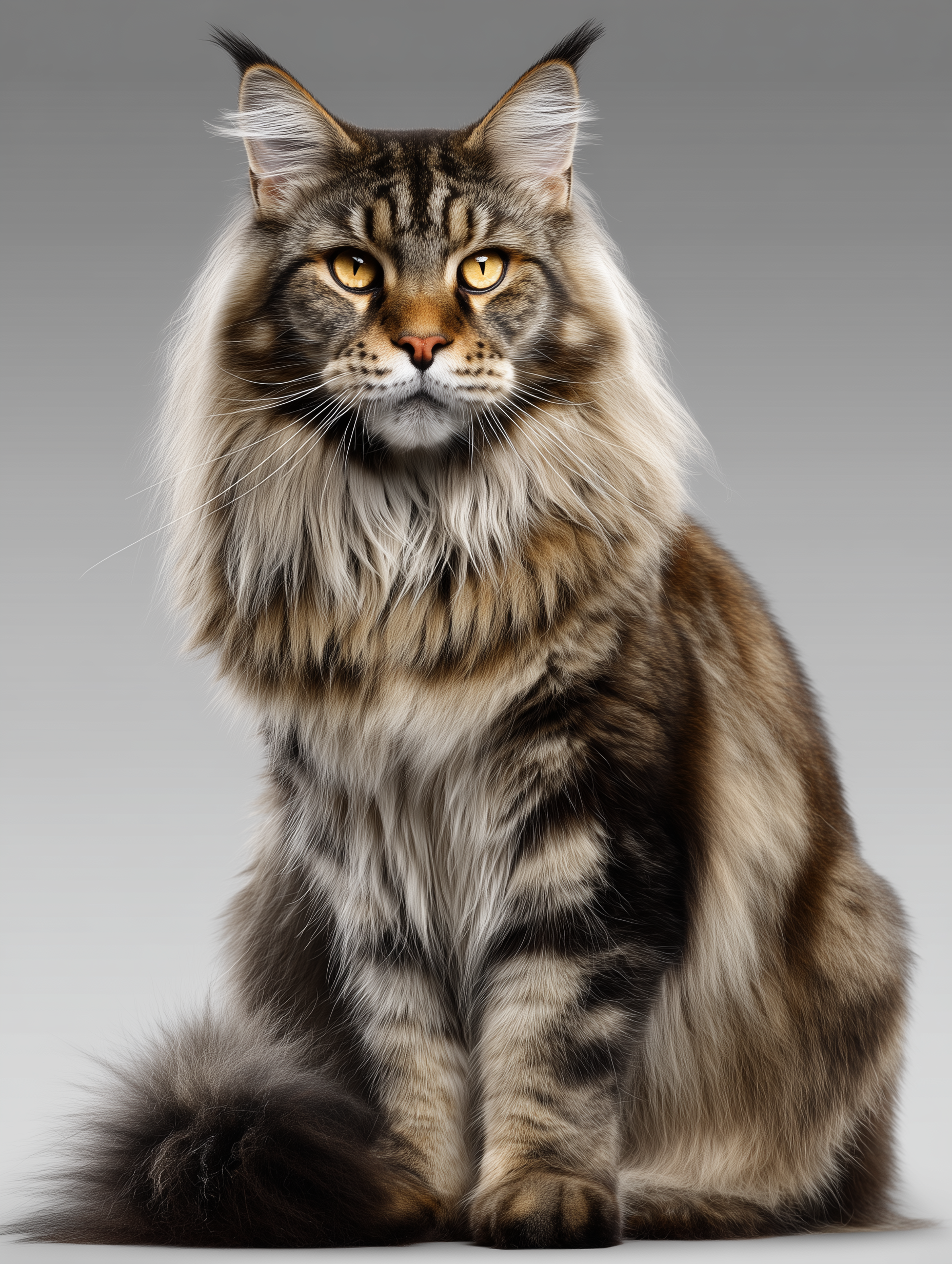
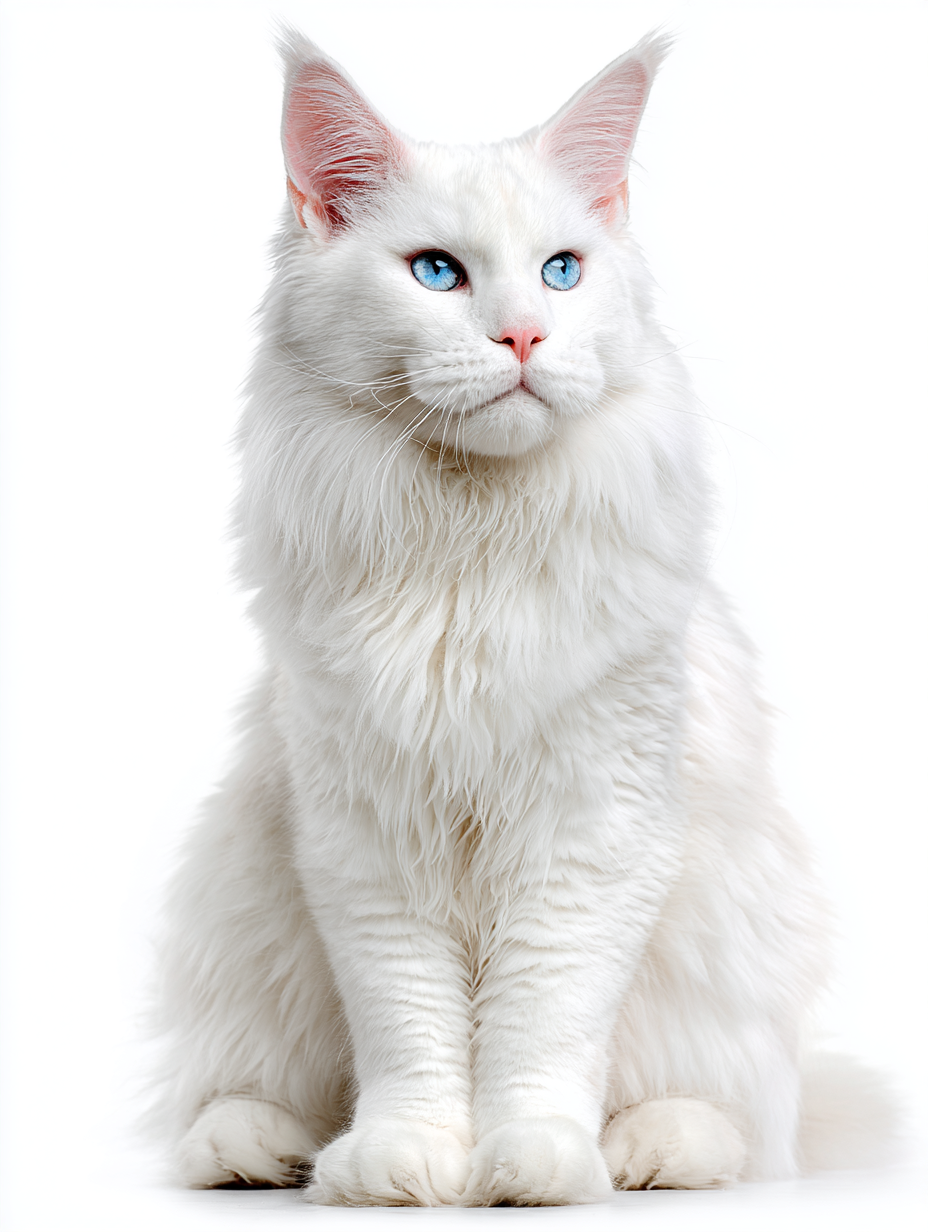
Photos and Visual Comparisons for Your Gallery
High-quality, side-by-side images help buyers immediately understand the differences between these breeds. Clear visuals reduce confusion around size, coat texture, head shape, and overall presence.
Buyer Guidance: Avoiding Mix-Ups & Mislabeled Cats
These breeds look very different in person, but online listings often misuse breed names to attract attention. Knowing what to watch for protects buyers from costly mistakes.
Common Maine Coon Mislabels
- Long-haired domestic cats advertised as “Maine Coon mixes”
- Cats with ear tufts or long tails but no square muzzle or rectangular body
- Sellers offering no pedigree or verifiable lineage
Common British Longhair Mislabels
- Domestic longhairs advertised as “British Longhair”
- Cats lacking the dense, plush coat and rounded structure
- Incorrect color claims, especially goldens without proper eye color
- No TICA, CFA, GCCF, or FIFe registration
What Ethical Breeders Provide
- TICA or CFA registration
- Parent pedigrees and lineage transparency
- HCM / PKD health testing information
- Photos or videos of parent cats
- Clear documentation of coat color and eye color development
- Transparent pricing, contracts, and reservation terms
Always request verifiable proof before placing a deposit. A reputable breeder welcomes informed questions and provides documentation willingly.
British Longhair vs Maine Coon: Pros & Cons
| Breed | Pros | Cons |
|---|---|---|
| British Longhair | • Calm, emotionally steady temperament • More people-focused without being demanding • Plush, even coat with manageable grooming • Moderate shedding, mostly seasonal • Excellent indoor adaptability • Generally long lifespan (14–18+ years) • Strong health stability when responsibly bred • Quiet, polite presence in the home | • Requires routine brushing (2–4× per week) • Lower activity level may require weight management • Not highly athletic or playful • Slow to mature physically and emotionally • Can be selective with strangers |
| Maine Coon | • Highly social, playful, dog-like personality • Enjoys interaction, games, and learning routines • Thrives in active homes with kids and dogs • Dramatic size and forest-cat appearance • Intelligent and highly trainable • Confident, outgoing temperament | • Heavy, year-round shedding • High grooming demands due to shaggy coat • Larger size increases feeding and care costs • Higher risk for size-related health issues (HCM, hips) • Needs more space and stimulation • Shorter average lifespan than British Longhairs |
Quick Decision Guide
- Choose a British Longhair if you want calm companionship, manageable grooming, and quiet presence.
- Choose a Maine Coon if you want high interaction, playful energy, and a bold personality.
Both breeds are affectionate and family-friendly—the right choice depends on how much activity, grooming, and engagement you want in daily life.
British Longhair vs Maine Coon: Frequently Asked Questions
1. What is the main difference between a British Longhair and a Maine Coon?
The main difference lies in size, energy level, and interaction style. British Longhairs are moderate, plush companion cats designed for calm, predictable living, while Maine Coons are large, athletic, highly interactive cats that actively engage with their environment. Both are affectionate, but they express that affection very differently.
2. Are British Longhairs calmer than Maine Coons?
Yes. British Longhairs are generally calmer and more emotionally steady than Maine Coons. They prefer quiet routines, shared space, and gentle interaction. Maine Coons remain playful and curious well into adulthood and often seek frequent engagement, movement, and stimulation.
3. Which breed is more affectionate?
Both breeds are affectionate, but in different ways. British Longhairs show affection through proximity, quiet companionship, and consistency. Maine Coons show affection through interaction, following their owners, vocalizing, and participating in daily activities.
4. Are Maine Coons harder to take care of than British Longhairs?
For most households, yes. Maine Coons require more grooming, more space, and more daily interaction. Their long, shaggy coat needs frequent brushing, and their energy level requires more play and stimulation. British Longhairs are easier to manage long-term due to their calmer temperament and more structured grooming needs.
5. Which breed sheds more?
Maine Coons shed more overall and tend to shed year-round due to coat length and volume. British Longhairs shed moderately, with heavier shedding during seasonal coat changes. Regular brushing controls shedding in both breeds, but Maine Coons require more frequent coat management.
6. Are British Longhairs or Maine Coons better for apartments?
British Longhairs are generally better suited for apartment living. They adapt easily to indoor environments, have lower activity needs, and remain content without large amounts of space. Maine Coons can live in apartments but do best when given room to move, climb, and play.
7. Which breed is better for families with children?
Both breeds can do well with children, but they suit different family dynamics. Maine Coons thrive in active homes with kids who enjoy play and interaction. British Longhairs suit families who want a calm, patient cat that tolerates children respectfully rather than actively engaging in play.
8. Are Maine Coons more vocal than British Longhairs?
Yes. Maine Coons are known for chirps, trills, and conversational vocalizations. British Longhairs are typically quiet and use soft, infrequent meows. Owners who prefer a silent or low-noise home often prefer the British Longhair.
9. Which breed lives longer on average?
British Longhairs tend to live longer on average. Many reach 14–18+ years due to their moderate size and lower joint strain. Maine Coons typically live 12–15+ years, with longevity closely tied to heart screening, weight control, and joint health.
10. Are Maine Coons more prone to health problems?
Maine Coons have a higher risk for certain size-related conditions, including hypertrophic cardiomyopathy (HCM), hip dysplasia, and joint issues. British Longhairs share some genetic screening needs, such as HCM, but generally have a lower overall health burden due to their moderate structure.
11. Which breed is easier for first-time cat owners?
British Longhairs are often easier for first-time owners. Their calm temperament, predictable behavior, and manageable grooming make ownership more straightforward. Maine Coons can be rewarding but require more time, attention, and experience to manage their size and energy.
12. Are British Longhairs lap cats?
Some British Longhairs enjoy laps, but many prefer sitting beside their owners rather than being held for long periods. They value closeness without restraint. Maine Coons may also sit on laps but often prefer interactive play over stillness.
13. Which breed costs more to own long term?
Maine Coons often cost more long term due to higher food intake, grooming needs, and potential joint or heart monitoring. British Longhairs usually have more predictable and moderate lifetime expenses related primarily to routine grooming and preventive care.
14. Can British Longhairs and Maine Coons live together?
Yes. Many multi-cat homes successfully keep both breeds. The Maine Coon often provides energy and social momentum, while the British Longhair provides calm balance. Proper introductions and sufficient space help ensure harmony.
15. Which breed should I choose if I want a low-maintenance longhaired cat?
If you want a longhaired cat with manageable grooming, lower energy demands, and a calm presence, the British Longhair is usually the better choice. If you enjoy grooming, play, and frequent interaction, the Maine Coon may be a better fit.
In Summary
- British Longhair: calm, plush, emotionally steady, easier long-term ownership
- Maine Coon: playful, interactive, large, high-engagement companion
Both breeds are loving and loyal. The best choice depends on how much activity, grooming, and interaction you want in your daily life.
Searching for Your Soul Cat?
If you’re looking for a thoughtfully bred, in-home–raised kitten with excellent temperament and type, explore our available kittens.
At Almonte Cats, every kitten is:
- TICA / CFA registered
- Raised in-home for confident, social temperaments
- From fully health-tested parents
- Vet-checked, vaccinated, and microchipped
We produce limited litters each year, and early reservations are encouraged.
More British Longhair Resources
See more posts about the British Longhair breed:
- British Longhair Kittens: Growth Week by Week
A guide to kitten growth stages, coat transitions, socialization, and early care. - British Longhair Breed Overview
A complete introduction to the breed’s temperament, structure, care needs, and suitability for different homes. - How to Choose a British Longhair Breeder
How to choose a reputable British Longhair breeder and what to expect throughout the process. - British Longhair Shedding and Grooming
Step-by-step coat care, tools, and maintenance routines for the semi-long double coat. - British Longhair Diet and Nutrition
Important diet recommendations, feeding charts and more. - British Longhair Size: How Big do British Longhairs Get?
See estimated size and growth charts. - British Longhair Cat Health
An overview of British Longhair health. - Best British Longhair Breeders in the USA See a list of the best breeders in the USA and what makes them awesome.
Related British and Maine Coon Posts
- British Longhair vs British Shorthair
- Maine Coon vs Siberian
- Maine Coon vs Ragdoll Cat
- Russian Blue vs British Blue
- British Longhair vs Persian
- British Shorthair vs Ragdoll
Sources & References
- The International Cat Association (TICA) – British Longhair & Maine Coon Breed Standards
https://tica.org/breeds/browse-all-breeds - Cat Fanciers’ Association (CFA) – Maine Coon Breed Profile
https://cfa.org/maine-coon/ - Governing Council of the Cat Fancy (GCCF) – British Longhair Breed Information
https://www.gccfcats.org - Fédération Internationale Féline (FIFe) – British & Maine Coon Breed Standards
https://fifeweb.org - Cornell University College of Veterinary Medicine – Feline Health Center
Hypertrophic Cardiomyopathy (HCM) and breed-related cardiac screening
https://www.vet.cornell.edu/departments-centers-and-institutes/cornell-feline-health-center - UC Davis Veterinary Genetics Laboratory – Genetic Testing (HCM, PKD, SMA)
https://vgl.ucdavis.edu - International Cat Care (ISFM / iCatCare) – Cat behavior, grooming, and welfare guidelines
https://icatcare.org - Merck Veterinary Manual – Feline Health, Longevity, Weight & Joint Management
https://www.merckvetmanual.com - Journal of Feline Medicine and Surgery (JFMS) – Peer-reviewed feline breed health research
https://journals.sagepub.com/home/jfm - Royal Veterinary College (RVC), UK – Breed health and longevity studies
https://www.rvc.ac.uk





Read the Comments +