
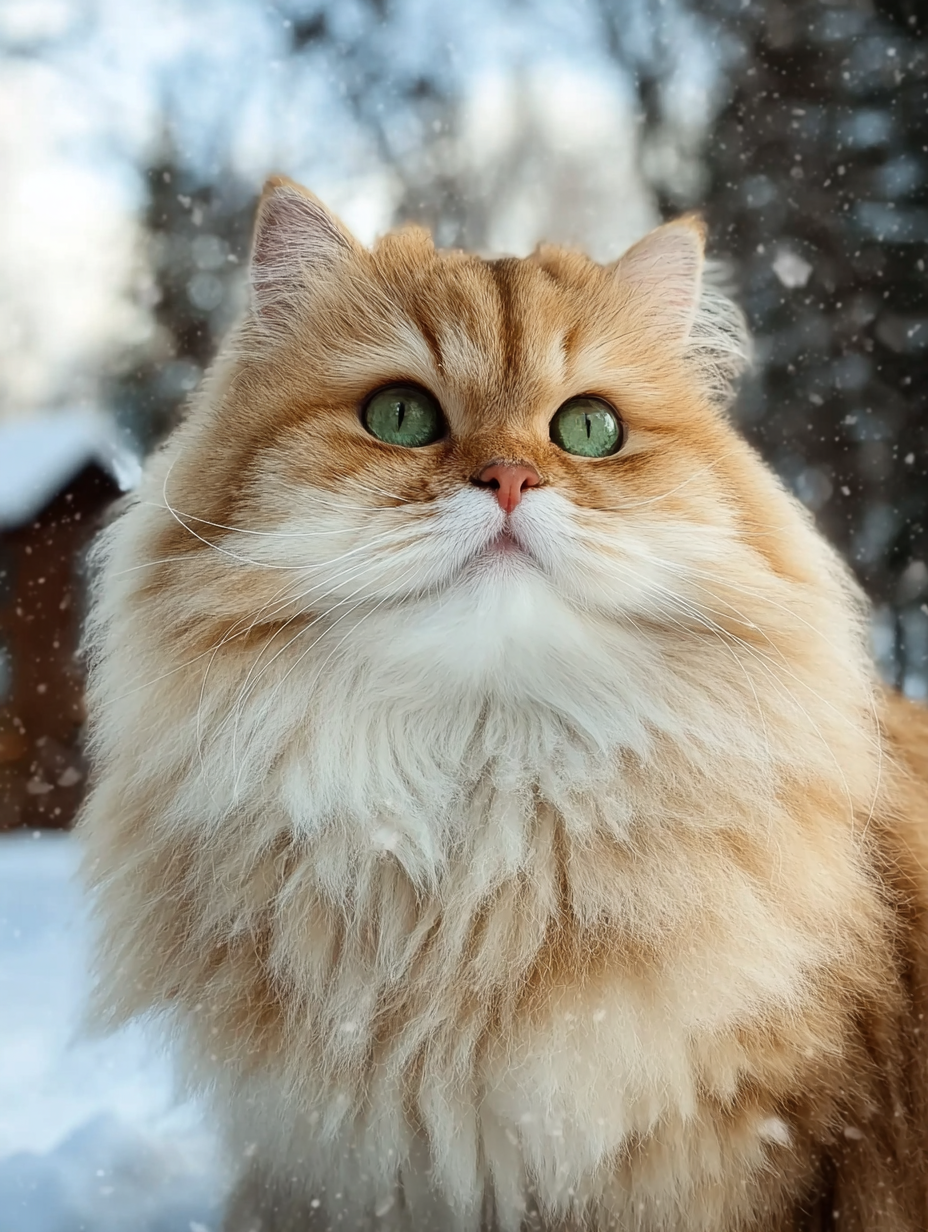
British Longhair vs Persian: Health-Focused Breed Comparison
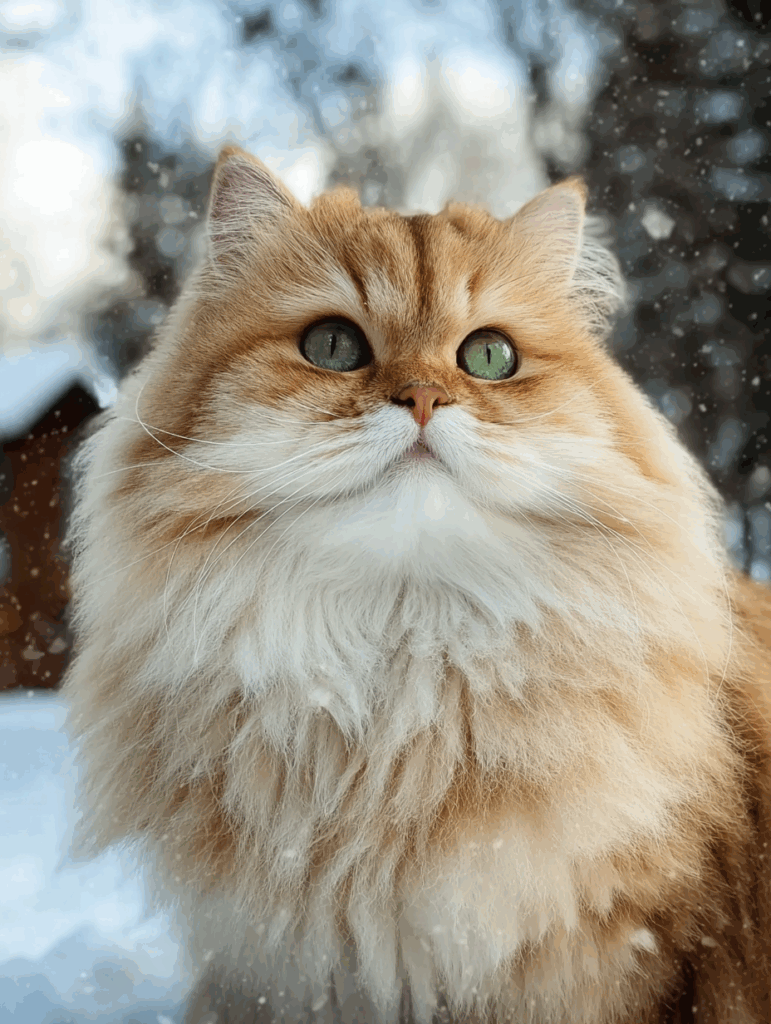
British Longhair vs Persian is a common comparison for buyers choosing a calm, longhaired companion. While both breeds are gentle and beautiful, they differ dramatically in health, grooming needs, lifespan, and long-term maintenance. This guide explains the real-world differences so you can choose the breed that fits your lifestyle, expectations, and long-term goals.
This comparison focuses on what truly matters for long-term ownership: health, lifespan, daily care demands, and overall quality of life. While Persians are famous for their dramatic appearance, British Longhairs were developed with moderation and balance in mind. That difference has major implications for breathing, eye health, grooming burden, veterinary intervention, and longevity.
This guide provides a practical, honest comparison for buyers who value comfort, sustainability, and long-term wellbeing over extremes in appearance.
Quick Comparison Table: British Longhair vs Persian
| Trait | British Longhair | Persian |
|---|---|---|
| Personality | Calm, steady, quietly affectionate | Sweet, gentle, very passive |
| Activity Level | Low to moderate | Very low |
| Grooming Needs | Moderate | Extremely high (daily) |
| Coat Type | Dense, plush, resilient | Long, fine, easily tangled |
| Face Structure | Moderate, open airways | Flat-faced (brachycephalic) |
| Eye Health | Typically clear, minimal tearing | Chronic tearing common |
| Breathing | Normal | Often restricted |
| Health Risk Profile | Generally low | Elevated due to structure |
| Lifespan | 14–18+ years | 12–15 years (often shorter in extreme lines) |
| Maintenance Level | Manageable | Very high |
| Best For | Families, professionals, long-term ownership | Owners able to manage intensive daily care |
Breed Origins and Development
British Longhair Origins
The British Longhair developed as a natural extension of the British Shorthair, sharing the same sturdy bone structure, balanced proportions, and genetic stability. Long coats were introduced through careful, controlled outcrossing decades ago, but the breed retained its moderate facial structure and strong constitution.
British Longhairs are recognized by major registries including TICA, GCCF, FIFe, and others. They are widely regarded as a structurally sound, slow-maturing breed with strong longevity and fewer inherited welfare issues.
Importantly, British Longhairs were not bred for extremes. Their defining features—round head, dense coat, large eyes—exist without compromising function.
Persian Origins
Persians trace back to longhaired cats of ancient Persia (modern Iran) and were refined into a pedigree breed in Europe during the 1800s. Early Persians had longer noses and more functional facial anatomy.
Over time, selective breeding emphasized an increasingly flat face, shortened nose, and exaggerated eye placement. While this produced the iconic modern Persian look, it also introduced brachycephalic traits associated with respiratory obstruction, chronic eye drainage, dental crowding, and heat intolerance.
Today, Persians remain popular worldwide, but veterinary and welfare organizations increasingly recognize that extreme facial conformation carries unavoidable health consequences, even with excellent care.
Appearance and Structural Differences
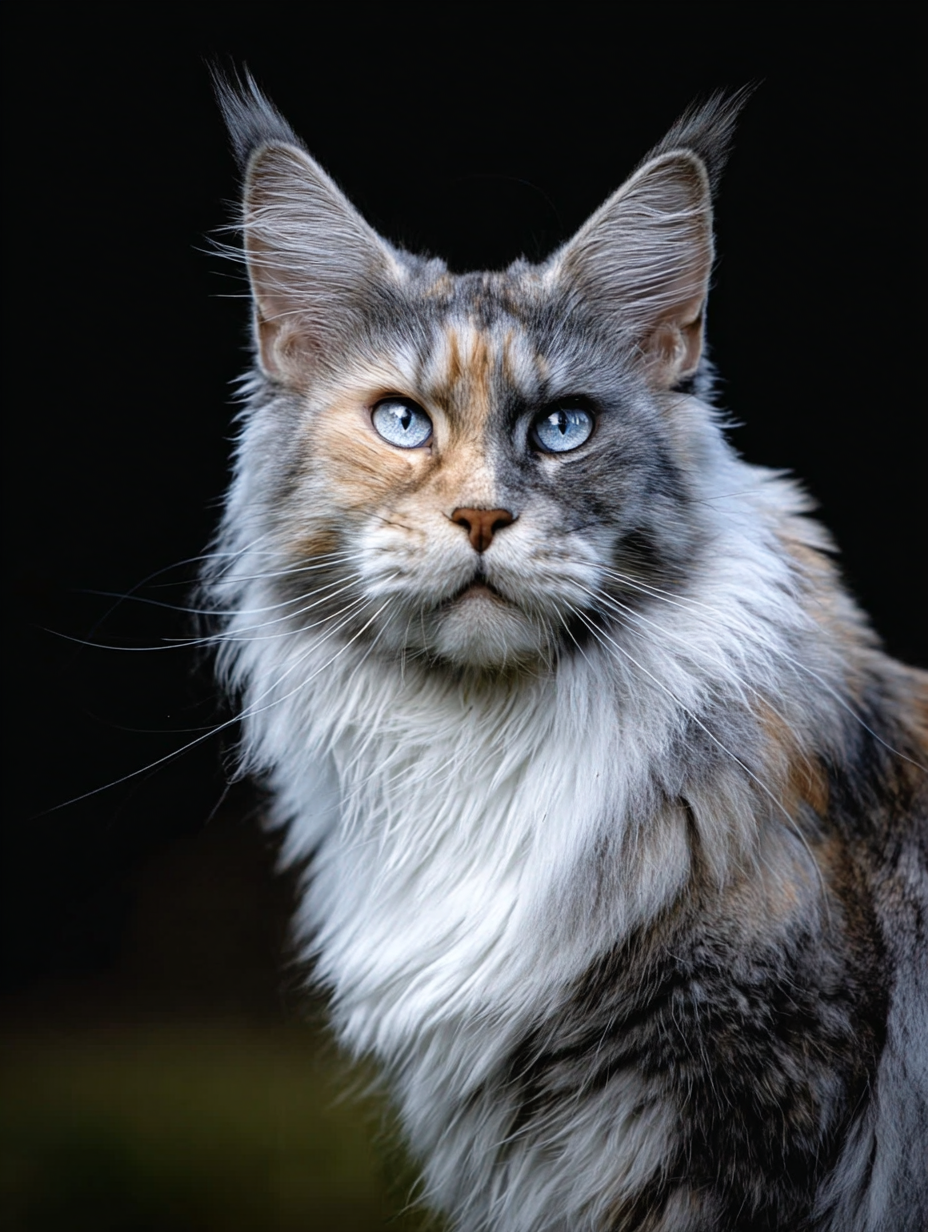
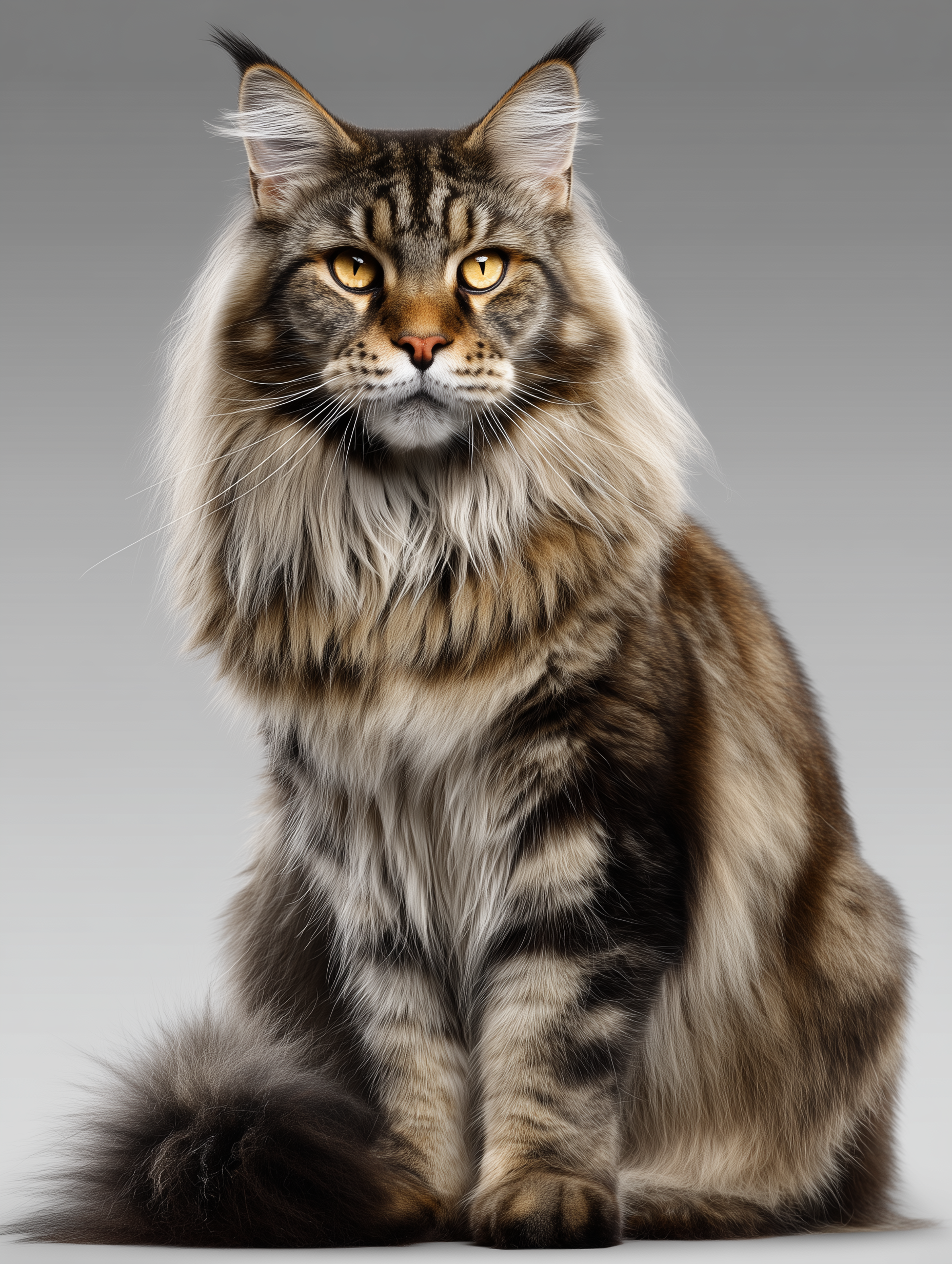
British Longhair Appearance
British Longhairs are medium-to-large cats with:
- Broad, well-developed bone structure
- Strong chest and shoulders
- Round head with a defined but moderate nose
- Large, open eyes
- Proportional ears
- Dense, plush coat that stands away from the body
Their coat feels thick and resilient rather than silky or fragile. The facial structure allows for normal airflow, normal tear drainage, and efficient grooming behavior.
Colors include blue, black, cream, chocolate, lilac, red, silver, golden, shaded, smoke, tortoiseshell, and tabby patterns.
Everything about the British Longhair is balanced—nothing is exaggerated to the point of compromising health.
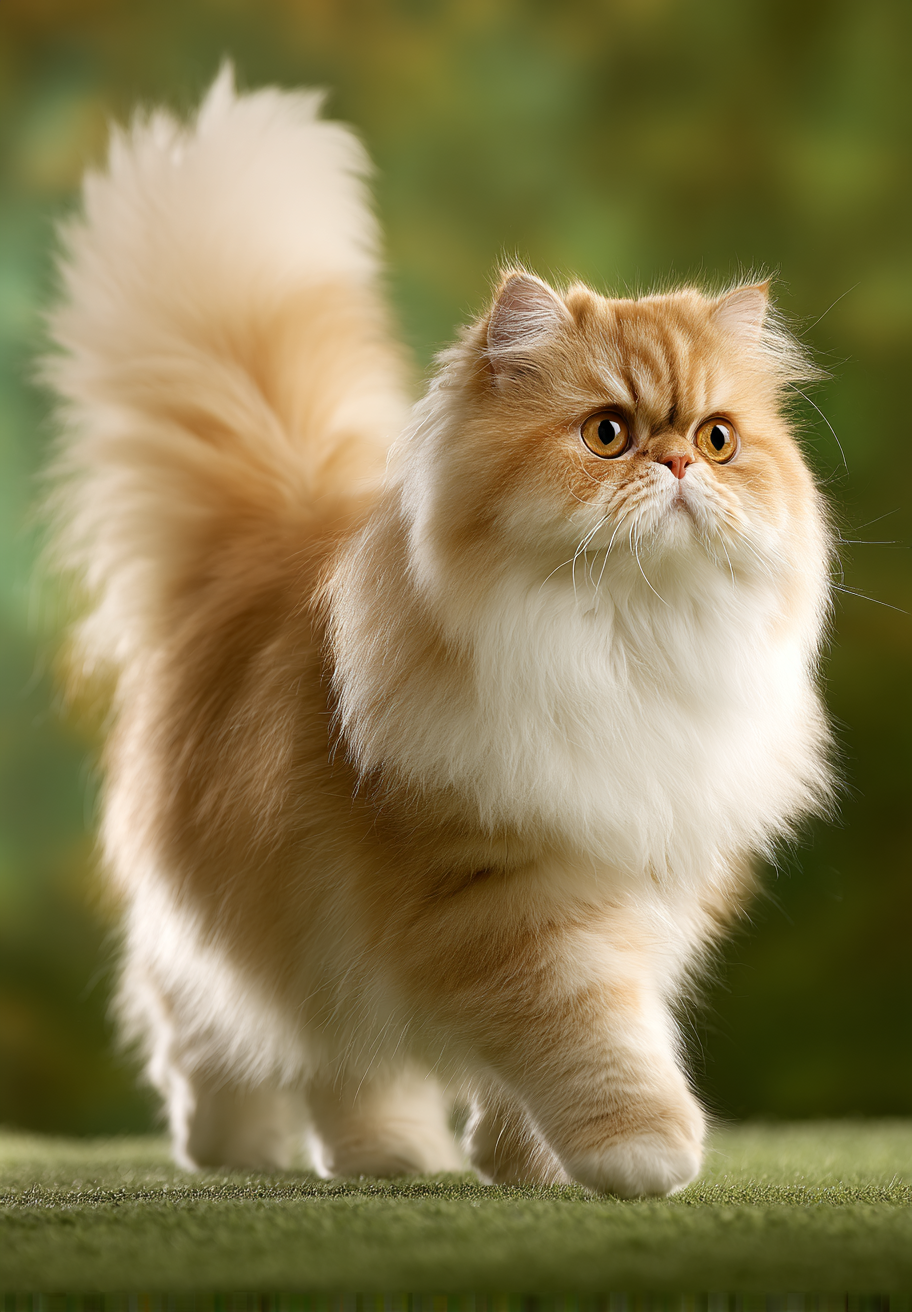
Persian Appearance
Persians are defined by:
- Very flat facial profile
- Shortened nasal bones
- Narrow nostrils
- Prominent, forward-set eyes
- Long, fine coat that mats easily
- Compact body with short legs
The Persian’s appearance is striking, but it comes with tradeoffs. The flattened face alters skull anatomy in ways that commonly result in:
- Chronic tear overflow and staining
- Increased risk of eye infections
- Restricted airflow and noisy breathing
- Heat intolerance
- Dental crowding
These issues are not the result of poor care—they are structural consequences of brachycephaly.
Why British Longhairs Are Considered the Healthier Breed
British Longhairs benefit from:
- Open airways and normal nasal passages
- Functional tear ducts
- Lower incidence of chronic eye and respiratory conditions
- Easier coat maintenance with less skin irritation
- Greater resilience as they age
- Fewer emergency veterinary interventions
Persians, even when well-bred and meticulously cared for, often require ongoing management for eye cleaning, breathing comfort, grooming sedation, or climate control.
For owners prioritizing ease of care, long-term comfort, and reduced medical burden, British Longhairs are widely regarded as the more sustainable choice.
Personality & Temperament: Affectionate Balance vs Ultra-Calm Dependency
Both British Longhairs and Persians are calm, gentle breeds, but their emotional style and day-to-day needs are very different.
British Longhair Temperament — The Best of Both Worlds
British Longhairs combine the emotional warmth of the Persian with the stability and resilience of the British Shorthair. The result is a cat that is noticeably more affectionate and snuggly than a British Shorthair, without the fragility or dependency often seen in Persians.
British Longhairs are typically:
- Genuinely affectionate and people-oriented
- Comfortable with physical closeness and cuddling
- Calm, emotionally stable, and confident
- Gentle and patient with children
- Socially adaptable with dogs and other cats
- Present and connected without being clingy
Thanks to their Persian influence, British Longhairs often seek laps, sleep beside their people, and enjoy extended cuddle time—something many British Shorthairs do less consistently. At the same time, they retain independence and emotional regulation, making them ideal for modern households.
They tolerate routine changes well, handle visitors calmly, and do not become distressed when left alone for reasonable periods.
This makes the British Longhair an excellent choice for families, professionals, and owners who want a deeply affectionate cat without high emotional or physical maintenance.
Persian Temperament — Gentle but Fragile
Persians are among the calmest cat breeds in existence. Their temperament is sweet, quiet, and deeply bonded to their owners.
Persians are known for being:
- Extremely gentle and soft-natured
- Very quiet and low-energy
- Strongly attached to their primary caregiver
- Fond of laps, beds, and warm resting places
- Slow-moving and serene
However, this calmness often comes with higher sensitivity. Many Persians:
- Struggle with noise, chaos, or schedule changes
- Become stressed in busy households
- Have limited tolerance for children or active pets
- Depend heavily on environmental stability
Their emotional needs are best met in very quiet, predictable homes with owners who are present most of the day.
Grooming & Maintenance: Manageable vs Intensive
One of the most important real-world differences between British Longhairs and Persians is daily maintenance.
British Longhair Grooming
British Longhairs have a dense, plush coat that is far more forgiving than a Persian’s fine silk coat.
They typically require:
- Brushing 2–4 times per week
- Increased brushing during seasonal shedding
- Routine nail trims
- Basic dental care
Their coat resists severe matting when brushed consistently and does not require daily combing, frequent bathing, or constant eye cleaning.
This makes British Longhairs suitable for owners who want a longhaired cat without structuring their entire day around grooming.
Persian Grooming
Persians require intensive, daily coat and face care.
This includes:
- Daily combing down to the skin
- Frequent baths (every 2–4 weeks)
- Eye cleaning one to multiple times per day
- Sanitary trims to prevent fecal matting
- Regular professional grooming
Without daily maintenance, Persians quickly develop painful mats, skin infections, and chronic eye irritation. Grooming neglect is one of the most common welfare issues seen in this breed—not due to neglectful owners, but due to underestimated care demands.
For many families, this level of maintenance alone determines breed suitability.
Health & Genetic Considerations: A Clear Divide
Health is where the difference between British Longhairs and Persians becomes most significant.
The British Longhair breed retains the moderate facial structure and genetic stability of the British Shorthair, while Persians carry the lifelong consequences of brachycephaly.
British Longhair Health Profile
British Longhairs are widely regarded as one of the healthiest longhaired pedigree cats when bred responsibly.
Common considerations include:
- Hypertrophic cardiomyopathy (HCM) — screened in ethical programs
- Polycystic kidney disease (PKD) — rare in tested lines
- Weight management in adulthood
- Mild dental tartar later in life
Why British Longhairs are considered healthier:
- Open nasal passages and normal airflow
- Functional tear ducts
- Balanced skull and jaw structure
- Strong bone density
- Calm, low-stress temperament
- No extreme physical traits
With responsible breeding and routine care, serious health issues are uncommon.
Persian Health Profile
Persians face significantly higher baseline health risks, largely tied to extreme facial flattening.
Common Persian health concerns include:
- Chronic tear overflow and eye infections
- Entropion (inward-turning eyelids)
- Narrow nostrils and restricted breathing
- Heat intolerance
- Dental crowding and jaw misalignment
- Difficulty eating comfortably
- Higher incidence of PKD if untested
- Fungal and bacterial skin infections under mats
- Increased sensitivity to anesthesia
- Reproductive complications in breeding females
While not every Persian will experience all of these issues, the structural risk is unavoidable, even with excellent care.
In Simple Terms
British Longhairs → affectionate, snuggly, emotionally stable, and structurally healthy
Persians → loving and gentle, but fragile, high-maintenance, and medically complex
For buyers seeking the warmth of a Persian with the resilience of a British, the British Longhair truly offers the best of both worlds.
Lifespan: Which Breed Lives Longer?
Lifespan is one of the clearest areas where British Longhairs consistently outperform Persians, largely due to their moderate structure, open airways, and lower burden of chronic health issues.
British Longhair Lifespan — 14 to 18+ Years
British Longhairs are widely regarded as a long-lived longhair breed. Many reach their late teens when kept indoors, maintained at a healthy weight, and supported with routine veterinary care.
Their advantages include:
- Moderate facial structure with normal breathing
- Lower incidence of chronic eye and respiratory disease
- Calm but emotionally stable temperament
- Strong bone structure and good mobility into older age
Lower daily stress and fewer structural health complications contribute directly to healthier aging and longer lifespan.
Persian Lifespan — 12 to 15 Years (often shorter in extreme lines)
Persians have a shorter average lifespan, particularly in flat-faced lines. Chronic respiratory compromise, eye disease, dental crowding, and kidney concerns all contribute to reduced longevity.
While some moderate-faced Persians live longer, many modern Persians fall into the 12–14 year range, especially when lifelong medical management is required.
In simple terms:
More extreme facial structure = higher health burden = shorter average lifespan.
Activity Level & Energy: Calm vs Ultra-Calm
Both breeds are quiet and relaxed, but their energy levels differ in ways that affect daily life and long-term health.
British Longhair Activity Level
British Longhairs are:
- Calm but engaged
- Low-to-moderate energy
- Curious without being demanding
- Comfortable playing in short bursts
- Content to observe their environment
They enjoy gentle play, puzzle toys, window watching, and interactive attention. They are not athletic, but they are not sedentary.
This moderate activity level helps support muscle tone, joint health, and weight management over time.
Persian Activity Level
Persians are:
- Extremely low energy
- Quiet and slow-moving
- Primarily lap-oriented
- Uninterested in sustained play
Their flattened facial structure often limits comfortable exertion. As a result, Persians tend to live very sedentary lives, which can contribute to weight gain and reduced physical resilience.
Summary:
- British Longhair: calm, gently active
- Persian: ultra-calm, largely inactive
Grooming & Coat Maintenance: Manageable vs Intensive
Grooming is one of the most decisive lifestyle differences between these two breeds.
British Longhair Grooming Needs
British Longhairs have a dense, plush coat that is far more forgiving than a Persian’s fine silk coat.
Typical care includes:
- Brushing 2–4 times per week
- Increased brushing during seasonal shedding
- Routine nail trims
- Basic dental care
Their coat resists severe matting when maintained consistently and does not require daily combing, frequent bathing, or constant facial cleaning.
For a longhaired breed, British Longhairs are considered moderate-maintenance.
Persian Grooming Needs
Persians require daily, intensive grooming to remain comfortable and healthy.
This includes:
- Daily combing down to the skin
- Regular bathing
- Eye cleaning one or more times per day
- Sanitary trims
- Frequent professional grooming
- Constant coat and skin monitoring
Without daily care, Persians can become matted within days, leading to skin infections and chronic discomfort. Grooming demands are the most common reason Persian cats end up in rescue situations.
Breathing & Facial Structure: Moderate vs Brachycephalic
This is one of the most important welfare distinctions between the breeds.
British Longhair Facial Structure
British Longhairs retain a moderate, functional facial structure, including:
- Open nasal passages
- Normal sinus development
- Proper jaw alignment
- Full airflow
- Effective temperature regulation
They do not experience breathing restriction, chronic tear overflow, or skull-related dental crowding.
Persian Facial Structure
Modern Persians are brachycephalic, meaning they have:
- Shortened nasal bones
- Narrow nostrils
- Reduced sinus space
- Noisy or labored breathing
- Chronic tear staining
- Reduced ability to cool themselves
- Increased anesthesia risk
These traits affect everyday comfort, not just appearance.
While “traditional” or moderate-faced Persians exist, the majority of show-line Persians today are bred with extreme facial flattening, and the associated health risks are unavoidable.
Bottom Line
British Longhairs offer:
- Longer average lifespan
- Better respiratory health
- Moderate activity that supports aging
- Manageable grooming
- Greater long-term comfort
Persians offer beauty and sweetness, but at the cost of:
- Shorter lifespan
- Chronic structural health challenges
- Extremely high grooming demands
For owners seeking a healthy, affectionate longhair with fewer compromises, the British Longhair remains the more sustainable choice.
Shedding Differences: Moderate & Manageable vs Heavy Year-Round
Shedding is one of the most practical differences between British Longhairs and Persians, especially for families concerned about cleanliness, allergies, or daily upkeep.
British Longhair Shedding
British Longhairs shed:
- Moderately
- Seasonally
- Predictably
Their dense, plush coat sheds most heavily during spring and fall coat transitions. During these periods, brushing frequency should increase, but shedding remains manageable with routine care.
Because the British Longhair coat is thick and resilient rather than silky and fine, loose hair tends to stay closer to the body instead of drifting throughout the home. Regular brushing controls shedding effectively and helps maintain coat condition without constant cleanup.
Persian Shedding
Persians shed:
- Heavily
- Continuously
- In long, fine strands
- With a high risk of matting
Persian hair easily becomes embedded in carpets, upholstery, bedding, and clothing. Without daily combing and frequent bathing, shedding quickly progresses into matting, which can lead to skin irritation and infection.
Summary:
- British Longhair: moderate, seasonal shedding that is easy to manage
- Persian: heavy, year-round shedding that requires daily intervention
Cost, Price Ranges, and Lifetime Maintenance
Both breeds are premium pedigree cats, but lifetime ownership costs differ significantly due to grooming and medical needs.
British Longhair Cost
British Longhair kittens typically range from:
- $2,500–$5,000+, depending on breeder quality, lineage, and color
- Rare shades such as golden, shaded, or certain silvers often fall at the top of the range
Ongoing costs are moderate and predictable, including:
- Routine home grooming
- No requirement for professional grooming
- Preventive veterinary care rather than chronic treatment
- Standard premium diet and enrichment
Their structurally sound build and manageable coat keep long-term expenses reasonable.
Persian Cost
Persian kittens typically range from:
- $1,800–$3,500 for pet-quality
- Higher for show lines or rare colors
However, the purchase price represents only a portion of the true cost.
Lifetime expenses are significantly higher due to:
- Professional grooming ($600–$1,500+ annually)
- Daily grooming supplies and products
- Chronic eye care
- Respiratory management
- Increased dental procedures due to jaw structure
- Higher likelihood of repeated veterinary intervention
Persian ownership often resembles caring for a high-maintenance companion animal, while British Longhairs remain relatively straightforward to maintain.
Which Cat Is Easier to Own?
British Longhair: One of the Easiest Longhaired Breeds
British Longhairs are widely considered one of the most owner-friendly longhaired cats, offering:
- Manageable grooming requirements
- Calm, affectionate temperament
- Quiet presence
- Strong overall health
- Emotional stability
- Adaptability to busy households
- Independence balanced with affection
- Long lifespan
They require consistency, not constant intervention, making them well-suited to modern families and professionals.
Persian: High Maintenance and Best for Specific Owners
Persians are best suited for owners who:
- Enjoy daily grooming and coat care
- Can manage ongoing eye cleaning
- Are comfortable with higher veterinary involvement
- Maintain a quiet, predictable home
- Spend substantial time at home
They are not ideal for owners seeking a low-maintenance or flexible companion.
Which Breed Is Better for Families, Children, and Multi-Pet Homes?
British Longhair
British Longhairs tend to excel in family environments because they are:
- Calm and patient
- Sturdy in build
- Tolerant of respectful children
- Generally good with dogs and other cats
- Emotionally steady
- Adaptable to routine household activity
They transition well between quiet and moderately busy homes.
Persian
Persians can thrive in families only when the environment remains:
- Quiet
- Predictable
- Low-energy
- Free from frequent noise or disruption
In active households, Persians may experience increased stress, which can exacerbate existing health challenges.
Bottom Line
For families wanting the beauty and softness of a longhaired cat without the fragility and daily burden, the British Longhair offers a far more balanced and sustainable ownership experience.
Which Breed Fits Your Lifestyle?
Choose a British Longhair if you want:
- A longhaired cat with manageable grooming
- A snuggly, affectionate companion without fragility
- Strong, stable overall health
- A longer average lifespan
- Calm behavior paired with emotional resilience
- A cat that enjoys closeness but tolerates independence
- A breed that adapts well to work-from-home, full-time work, and family schedules
- A cat suitable for children, visitors, and multi-pet homes
British Longhairs offer the best of both worlds: the warmth and cuddly nature influenced by Persians, combined with the structural soundness and adaptability of the British type. They integrate easily into modern households without requiring constant grooming or medical management.
Choose a Persian if you want:
- An extremely calm, gentle temperament
- A dedicated lap cat
- Time and willingness for daily grooming and eye care
- A quiet, slow-paced, predictable home
- A breed defined by a dramatic, luxurious coat
- Very mellow, low-activity interaction
Persians are deeply sweet and affectionate, but they require a lifestyle that fully supports their high grooming needs and increased health management. They are best suited to owners who are home often and enjoy hands-on daily care.
British Longhair vs Persian: Pros & Cons
British Longhair — Pros & Cons
| Pros | Cons |
|---|---|
| Affectionate and noticeably more cuddly than British Shorthairs | Can be selective with strangers |
| Moderate grooming for a longhaired breed | Prone to weight gain without portion control |
| Structurally sound and generally healthy | Slow-maturing breed |
| Longer average lifespan | Not hyperactive or highly athletic |
| Calm, emotionally stable temperament | Enjoys closeness but not constant handling |
| Excellent for families and busy households | Needs routine grooming consistency |
| Manageable shedding | Seasonal shedding increases |
Persian — Pros & Cons
| Pros | Cons |
|---|---|
| Extremely sweet and gentle | Extremely high grooming requirements |
| Very affectionate lap cat | Daily eye and face cleaning |
| Quiet and peaceful | Chronic breathing issues (brachycephaly) |
| Beautiful, flowing coat | High lifetime medical and grooming costs |
| Predictable, low-energy temperament | Shorter average lifespan |
| Best suited for quiet homes | Not ideal for busy families or frequent absences |
British Longhair vs Persian Summary:
If you want a snuggly, longhaired cat that is healthier, more adaptable, and far easier to live with long term, the British Longhair is the clear choice.
Persians offer beauty and softness, but that beauty comes with significant daily maintenance and lifelong health compromises.
For most modern households, the British Longhair delivers the comfort, affection, and elegance people love—without the constant tradeoffs.
British Longhair vs Persian FAQ
(Health, Lifestyle, Grooming, Cost & Ownership Reality)
Are British Longhair cats healthier than Persians?
Yes. British Longhairs are significantly healthier on average than Persians, primarily due to their moderate facial structure and lower genetic burden.
British Longhairs have open airways, functional tear ducts, balanced skulls, and fewer chronic conditions tied to anatomy. Persians, especially flat-faced lines, are predisposed to breathing difficulties, chronic eye drainage, dental crowding, and heat intolerance.
Even with excellent care, Persians typically require more lifelong medical management than British Longhairs.
Why do Persians have more health problems?
Most Persian health issues stem from brachycephaly (extreme flat facial structure). This affects:
- Breathing and oxygen intake
- Tear duct drainage (causing chronic eye discharge)
- Sinus health
- Jaw alignment and dental spacing
- Heat regulation
These are structural, not environmental issues. They cannot be fully corrected with diet or grooming.
Are British Longhairs cuddly or independent?
British Longhairs are more cuddly than British Shorthairs and generally more emotionally available than people expect.
Thanks to Persian influence, British Longhairs often:
- Enjoy laps and physical closeness
- Sleep beside their people
- Seek out gentle affection
Unlike Persians, they balance this with emotional resilience and independence. They enjoy affection without becoming fragile or overly dependent.
Many owners describe them as “the perfect middle ground”.
Are Persians more affectionate than British Longhairs?
Persians are often more passively affectionate, meaning they prefer to be held, rested with, or lounged upon.
British Longhairs tend to be actively affectionate—they choose closeness, follow routines, and engage more consistently, without requiring constant contact.
For many families, British Longhairs feel more connected over time.
Which breed is easier to own long term?
British Longhairs are dramatically easier to own long term.
They require:
- Moderate grooming
- Standard preventive vet care
- Minimal medical intervention when responsibly bred
Persians require:
- Daily grooming and eye care
- Frequent professional grooming
- Higher likelihood of medical visits
- Lifelong management of structural issues
Ease of ownership is one of the biggest reasons luxury buyers choose British Longhairs over Persians.
Do British Longhair cats shed a lot?
British Longhairs shed moderately and seasonally.
They experience heavier shedding in spring and fall but are manageable with routine brushing. Their coat is dense and plush, so hair tends to stay closer to the body rather than floating throughout the home.
Do Persians shed more than British Longhairs?
Yes. Persians shed heavily and continuously.
Their fine, silky coat sheds year-round and mats easily. Without daily grooming, shedding turns into painful matting and skin infections.
How much grooming does a British Longhair need?
British Longhairs typically need:
- Brushing 2–4 times per week
- Increased brushing during shedding seasons
- Routine nail trims
- Basic dental care
They do not require daily combing, frequent baths, or constant facial cleaning.
How much grooming does a Persian need?
Persians require:
- Daily combing down to the skin
- Eye cleaning once or multiple times per day
- Regular bathing
- Sanitary trims
- Professional grooming every 4–6 weeks
Grooming is not optional for Persians—it is a daily responsibility.
Which breed lives longer: British Longhair or Persian?
British Longhairs live longer on average.
- British Longhair lifespan: 14–18+ years
- Persian lifespan: 12–15 years, often shorter in extreme flat-faced lines
Fewer chronic health issues and better respiratory function contribute to longer lifespan in British Longhairs.
Are British Longhairs good for families with children?
Yes. British Longhairs are:
- Patient and gentle
- Emotionally stable
- Tolerant of respectful children
- Sturdy in build
- Adaptable to household routines
They do well in both busy and quiet family homes.
Are Persians good for families?
Persians can do well only in very calm households.
They are best suited for:
- Quiet homes
- Adults or seniors
- Minimal noise and activity
In busy or chaotic environments, Persians may experience stress that worsens health issues.
Are British Longhairs good with dogs and other cats?
Yes. British Longhairs are generally:
- Socially adaptable
- Calm around dogs
- Accepting of other cats
Proper introductions are still important, but the breed typically adjusts well.
Are Persians good with other pets?
Persians can coexist with other calm pets, but they are less adaptable and may become stressed in multi-pet households with high activity.
Are British Longhairs high maintenance?
No. British Longhairs are considered moderate-maintenance for a longhaired breed.
They require consistency, not intensity.
See: British Longhair Cat Care for more details.
Are Persians high maintenance?
Yes. Persians are one of the highest-maintenance cat breeds in the world due to grooming and medical needs.
How much does a British Longhair kitten cost?
From reputable, health-focused programs, British Longhair kittens typically range from:
$2,500–$5,000+
Pricing depends on:
- Breeder quality
- Health testing
- Lineage
- Color and pattern
Luxury programs prioritize health, temperament, and lifelong support.
Are Persians cheaper than British Longhairs?
Initial purchase price may be similar or slightly lower, but lifetime ownership costs are much higher for Persians due to grooming and veterinary care.
Which breed is better for first-time cat owners?
British Longhairs are far better for first-time owners.
They are forgiving, adaptable, and manageable. Persians require experience, time, and a willingness to handle intensive daily care.
Why do luxury buyers prefer British Longhairs over Persians?
Luxury buyers increasingly value:
- Longevity
- Health and comfort
- Sustainable ownership
- Predictable costs
- Emotional connection without fragility
British Longhairs offer elegance without sacrificing quality of life.
Is the British Longhair really the “best of both worlds”?
Yes.
British Longhairs offer:
- Persian-influenced softness and affection
- British structural soundness and stability
- Lower medical burden
- Manageable grooming
- Longer lifespan
They are often chosen by buyers who love the Persian look and temperament but want a healthier, more practical companion.
Final Buyer Takeaway
If you want:
- A snuggly longhaired cat
- With fewer health risks
- Lower maintenance
- Longer lifespan
- And adaptability to modern life
The British Longhair is the healthier and better long-term choice.
Looking for a British Longhair kitten?
At Almonte Cats, our kittens are raised in-home, fully health tested, and intentionally paired to represent the very best of the British breed.
If you’d like to be considered for an upcoming litter, you’re welcome to explore our available kittens or submit an application below.
More British Longhair Resources
See more posts about the British Longhair breed:
- British Longhair Kittens: Growth Week by Week
A guide to kitten growth stages, coat transitions, socialization, and early care. - British Longhair Breed Overview
A complete introduction to the breed’s temperament, structure, care needs, and suitability for different homes. - How to Choose a British Longhair Breeder
How to choose a reputable British Longhair breeder and what to expect throughout the process. - British Longhair Shedding and Grooming
Step-by-step coat care, tools, and maintenance routines for the semi-long double coat. - British Longhair Diet and Nutrition
Important diet recommendations, feeding charts and more. - British Longhair Size: How Big do British Longhairs Get?
See estimated size and growth charts. - British Longhair Cat Health
An overview of British Longhair health. - Best British Longhair Breeders in the USA See a list of the best breeders in the USA and what makes them awesome.
More British Cat Breed Articles from Almonte Cats
Sources
- American Veterinary Medical Association (AVMA) — Cat Care & Brachycephalic Health
https://www.avma.org/resources-tools/pet-owners/petcare/cats - International Cat Care (iCatCare) — Breed Health, Welfare & Brachycephalic Cats
https://icatcare.org/advice/brachycephalic-cats/ - Cornell University College of Veterinary Medicine — Feline Health & Longevity
https://www.vet.cornell.edu/departments-centers-and-institutes/cornell-feline-health-center/health-information - American Association of Feline Practitioners (AAFP) — Feline Behavior & Senior Care Guidelines
https://catvets.com/guidelines - World Small Animal Veterinary Association (WSAVA) — Global Nutrition & Preventive Care Guidelines
https://wsava.org/global-guidelines/global-nutrition-guidelines/ - American Veterinary Dental College (AVDC) — Dental Disease in Cats
https://avdc.org/pet-owner-resources/ - VCA Animal Hospitals — Persian Cat Health, Grooming & Brachycephaly
https://vcahospitals.com/know-your-pet/persian





Read the Comments +