
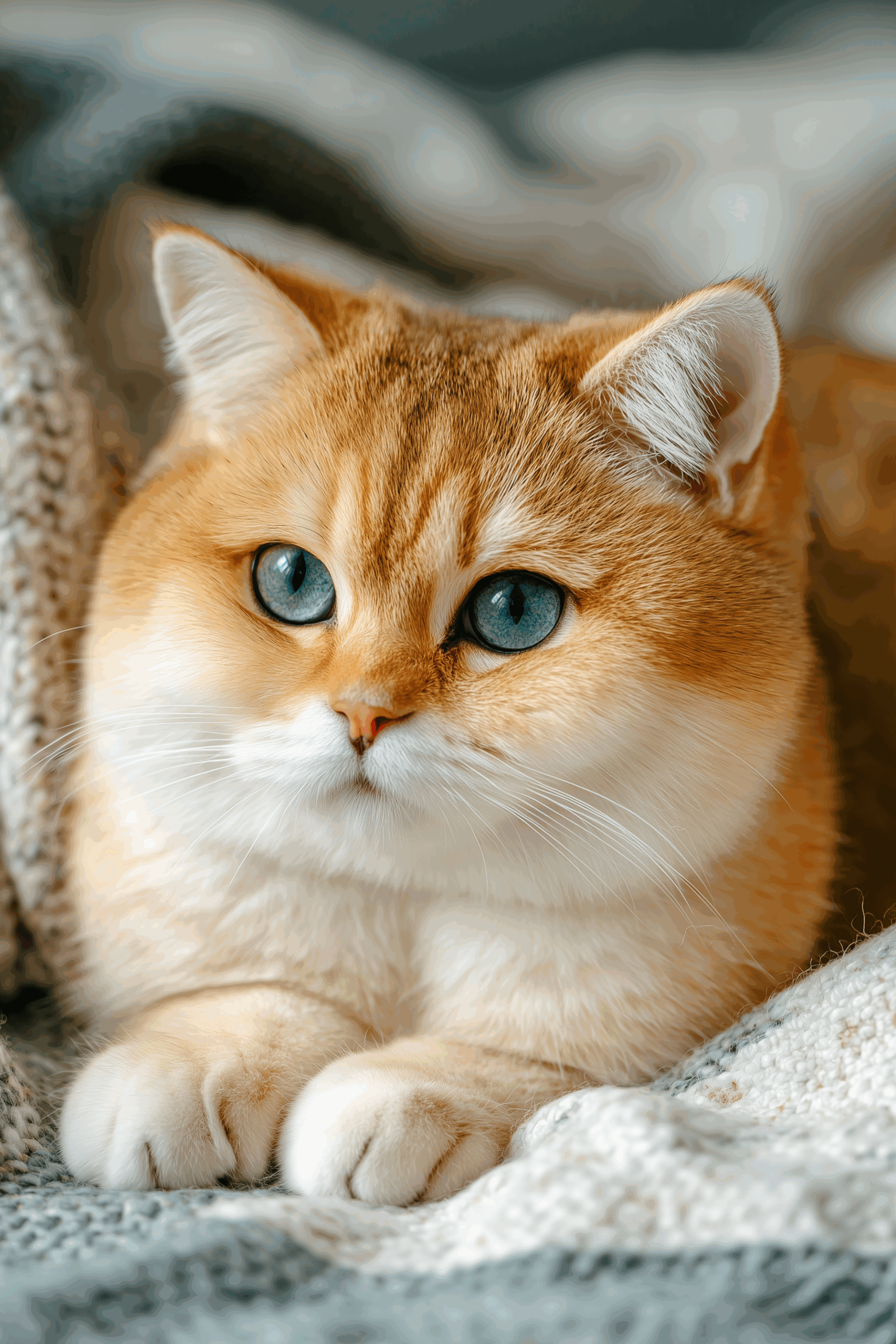
British Shorthair Grooming Guide: Brushing, Shedding & Care
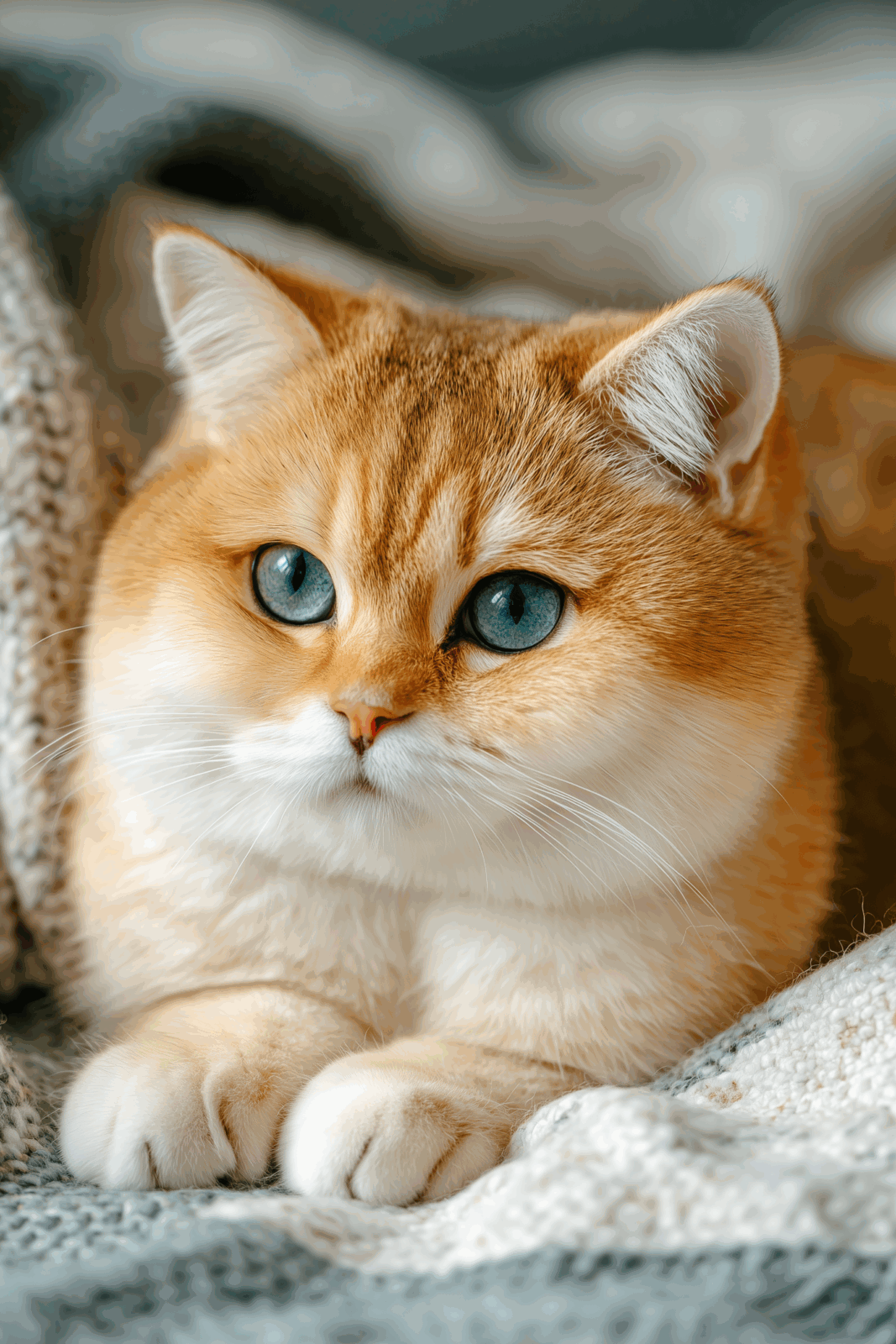
Introduction
If you own a British Shorthair, you already know the coat is one of the defining features of the breed. Dense, plush, and built with a true double-layer structure, the British Shorthair coat looks easy—but it still benefits from consistent home care.
This is not about show presentation or keeping the coat perfectly fluffed. Grooming supports comfort, skin health, and long-term coat condition. British Shorthairs shed more than many owners expect, especially during seasonal shifts, and regular grooming helps manage loose undercoat, reduce hairballs, and prevent compacted shedding.
A good routine also helps owners notice changes early—weight loss, dandruff, lumps, or tender spots that may otherwise go unnoticed under a thick coat.
This guide gives a practical, British Shorthair–specific grooming approach based on real owner experience and the unique structure of the breed’s coat. Whether you are preparing for your first British Shorthair kitten or caring for an adult, these steps help keep the coat clean, healthy, and comfortable year-round.
British Shorthair Grooming Summary Table
| Feature | What Owners Should Know | Grooming Frequency |
|---|---|---|
| Coat Type | Short coat with a thick, plush double layer; traps loose undercoat if not brushed | Brush 1–2x weekly; more during shedding peaks |
| Shedding Level | Steady shedding with strong spring/fall increases | Increase brushing to 3–4x weekly during heavy sheds |
| Mat-Prone Areas | Chest, flanks, armpits, belly on overweight cats | Check these zones every session |
| Best Tools | Steel comb, rubber curry brush, soft slicker, grooming glove | Use comb + rubber brush for true undercoat removal |
| Bathing Needs | Optional; helpful during major sheds or for oily coats | Every few months or only as needed |
| Dental Care | Linked to kidney health; reduces tartar and bacteria load | Brush teeth 3–5x weekly |
| Nail & Paw Care | Nails grow steadily; paw fur can trap debris | Trim every 2–3 weeks; check paws weekly |
| Senior Care | Older cats groom less effectively due to stiffness | Increase brushing; focus on flanks, belly, and hips |
| Professional Grooming | Useful for heavy shedding, sanitary trimming, or compacted undercoat | Every 8–12 weeks if needed |
Understanding the British Shorthair Coat
The British Shorthair coat is short, but it is one of the densest coats in the cat world. It is built from two layers that hold warmth and create the signature “plush” feel:
1. The undercoat
A thick, springy layer that traps shed hairs within the coat rather than releasing them immediately. This is why owners often notice clumps of loose fur after brushing.
2. The topcoat
A slightly longer, protective layer that gives the coat its crisp texture. This layer keeps the coat clean, dry, and weather resistant.
3. How the layers work together
The dense undercoat + crisp topcoat create the classic teddy-bear appearance, but also make British Shorthairs prone to:
• trapped shedding
• dullness if not groomed
• compacted undercoat on overweight or senior cats
British Shorthairs do not typically mat like longhaired breeds, but compacted undercoat can cause discomfort, skin irritation, and increased shedding if ignored.
Even a short coat benefits from routine maintenance.
Why Grooming Matters Beyond Appearance
Grooming is not cosmetic for the British Shorthair. It has direct health and comfort benefits that accumulate over time.
Prevents compacted shedding
British Shorthairs shed steadily, but the undercoat often remains held inside the coat. When not brushed out, it compresses and creates tight patches that pull on the skin.
Reduces hairballs
This breed has significant undercoat density. Removing shed fur reduces the amount the cat swallows during self-grooming.
Keeps the sanitary area clean
Thick coat on the hindquarters can trap small amounts of litter or stool, especially in overweight cats.
Prevents skin irritation
Dust, oils, and saliva collect in dense fur. Brushing keeps airflow moving across the skin and prevents buildup.
Supports early detection
Regular grooming helps owners feel:
• weight changes
• lumps or swelling
• scabs or dandruff
• flea dirt
• tender or warm spots
Strengthens owner–cat relationship
British Shorthairs enjoy predictable routines. Calm brushing sessions become part of weekly caretaking and help reinforce trust.
1. Start Early and Keep It Consistent
British Shorthair kittens learn grooming quickly when it becomes part of their routine from the first days at home. Early handling teaches them that grooming is normal and safe, which makes adult care simple.
Begin with very short, low-pressure sessions:
• Letting the kitten smell the comb or brush
• Touching the body with the tool without brushing
• Sessions of 2–3 minutes
• Quiet praise and relaxed handling
Once the kitten understands the process, you can gradually increase the time. A consistent schedule of about 10 minutes, one to two times per week, is enough for this breed.
For adult British Shorthairs who have not been groomed before, slow pacing prevents stress. Work on a small area at a time, pause if the cat stiffens, and pair the experience with treats to build trust.
Short, regular sessions prevent heavy shedding buildup and avoid the long, unpleasant sessions that become necessary when the coat has been neglected.
2. Use the Right Tools for the British Shorthair Coat
British Shorthairs have a dense double coat that responds best to tools that reach the undercoat without scraping the skin or causing discomfort. Harsh de-shedding tools are not needed.
Essential Grooming Tools
Steel Comb
The most effective tool for the breed. It reaches the thick undercoat and exposes early compacted shedding. Use wider teeth for general brushing and narrow teeth for detail work.
Soft Slicker Brush
Helps lift loose fur from the top layer and smooths the coat after combing. Useful during heavy shed seasons.
Rubber Curry Brush or Grooming Glove
Ideal for kittens and sensitive adults. Removes surface fur and encourages healthy skin circulation.
Dematting Tool (Used Lightly)
British Shorthairs rarely form true mats, but compacted fur can develop on seniors or overweight cats. Use gently on small problem areas only.
Blunt-Tipped Scissors
Helpful for trimming small areas if debris or compacted fur cannot be combed out.
Optional Tools
• Low-heat pet dryer after baths
• Coat-safe conditioning spray for easier combing
• Light use of a deshedding tool only during intense seasonal shedding
3. Focus on High-Friction Problem Areas First
British Shorthairs do not mat like longhaired breeds, but certain areas trap shedding and become compacted if ignored. These spots should be checked in every session:
• Behind the ears
• Under the arms
• Chest and flanks
• Belly (especially on overweight cats)
• Inside the hind legs
• Around the tail base
• Under a collar if the cat wears one
To remove small tangles or compacted shedding:
• Hold the fur close to the skin
• Work the comb from the outside of the tangle inward
• Avoid pulling or yanking
• If the area is tight, use scissors or schedule a grooming appointment
Pulling compacted fur from the root is painful and risks skin damage.
4. Brushing Technique Matters
Because British Shorthairs have a dense double coat, grooming must reach the undercoat—not just the surface.
A complete grooming session includes:
- Brushing with the coat
Loosens surface fur and prepares the coat for deeper work. - Separating the coat into small sections
Use your hands to lift and part the fur so the undercoat is visible. - Combing from root to tip
Allows the comb to move through both coat layers and catch trapped undercoat. - Light brushing against the coat
Very gentle upward passes help free loose undercoat without scratching the skin. - Final smoothing
Finish by brushing with the coat to restore the plush, even texture.
Slow, steady movement helps the cat stay relaxed and prevents snagging. Grooming in a calm rhythm is more effective than fast or forceful brushing.
5. Bathing British Shorthairs the Right Way
British Shorthairs do not require frequent bathing, but a bath can be useful during heavy shedding or when the coat feels oily or dusty. Because their double coat is dense, bathing should be done slowly and with products that rinse cleanly.
Bathing Steps
• Use lukewarm water
• Choose a mild, cat-safe shampoo suitable for short, dense coats
• Avoid heavy fragrances or products that leave residue
• Rinse thoroughly to remove all shampoo from the undercoat
• Towel dry the coat well
• Use a low-heat pet dryer only if your cat tolerates it comfortably
A bath helps lift compacted undercoat, reduces loose shedding, and keeps the skin clean during seasonal changes. It can also help reduce dandruff in dry months.
Predictable handling lowers stress. Use the same room, same towel, and the same steps each time so the British Shorthair learns the routine and feels secure.
6. Manage Seasonal Shedding
British Shorthairs shed steadily year-round, with heavier shedding in spring and fall when the undercoat shifts. During these peaks, increase brushing to several times per week to stay ahead of loose fur.
Additional seasonal care includes:
• Checking behind the ears for compacted fur
• Running a comb through the flanks and chest
• Lifting the belly area to check for trapped undercoat
• Removing loose fur before the cat swallows excess during self-grooming
Diet can also help support the coat. Omega-3 supplements or salmon oil may reduce dryness and make shedding more predictable.
Seasonal shedding is normal, but neglect during this period leads to packed undercoat that becomes uncomfortable and may require professional grooming to remove.
7. Don’t Forget Nail and Paw Care
British Shorthairs have steady nail growth, and because they are not highly active climbers or scratchers, their nails may not wear down naturally. Trim nails every 2–3 weeks using cat-safe clippers and calm handling. This prevents overgrowth, snagging, and pressure on the paw pads.
British Shorthairs sometimes have short tufts of fur between the toes. This is normal. Trim only if the fur begins collecting litter or debris. Keep the fur neat rather than removing it completely.
During grooming sessions, check the paws for:
• stuck litter
• dry skin
• mild irritation
• cracked nails
Because British Shorthairs are solid, muscular cats, clean paws and appropriately trimmed nails help maintain comfortable movement and reduce strain on the joints.
8. Grooming the Tail and Collar Area
The tail and the collar area (the fur around the neck) are thicker regions of the British Shorthair coat. These areas can trap loose undercoat, especially during heavy shedding.
Brush the tail from base to tip using a comb or soft slicker. Work in small sections to avoid pulling. The coat here is dense, and quick brushing can miss compacted undercoat near the base.
For the collar area, lift the fur slightly and comb through the layers. This region collects oils, friction, and shed hair, so it benefits from regular attention.
Do not shave or heavily trim British Shorthair coat sections unless recommended for medical reasons. Their double coat plays a role in temperature regulation and overall skin protection.
9. Check Ears, Eyes, and Teeth During Grooming
Every grooming session is a chance to monitor your British Shorthair’s overall health. Their calm, steady temperament makes these quick inspections simple to add to the routine.
Ears
The ears should look clean and have no strong odor. Check for redness, debris, or wax buildup. Wipe only the outer ear with a damp cotton pad if needed. Do not insert anything into the ear canal.
Eyes
British Shorthair eyes should be clear and free of noticeable discharge. Some cats develop mild tearing due to eye shape. Use a soft, damp cloth to wipe the corners as needed.
Teeth
Look at the gums and teeth for tartar, redness, or odor. British Shorthairs benefit from routine brushing, dental treats, and periodic veterinary cleanings. Dental care directly supports long-term kidney and heart health.
Regular checks help you catch early issues before they become painful or costly.
10. When to See a Professional Groomer
Most British Shorthairs can be maintained with at-home grooming, but some situations benefit from professional help. A groomer familiar with dense double-coated breeds can assist when:
• the cat is overweight and struggles to reach certain areas
• the cat is a senior with limited flexibility
• shedding seasons cause heavy undercoat buildup
• compacted fur develops along the flanks or belly
A professional groomer can:
• remove compacted undercoat safely
• give a thorough bath and blow-dry
• tidy the sanitary area if needed
• check the skin for dandruff, irritation, or fleas
• handle areas that are difficult for owners to access
Professional grooming supports your regular care routine and prevents coat problems from becoming overwhelming.
11. Nutrition and Coat Health
A British Shorthair’s coat quality starts with nutrition. A balanced diet supports consistent shedding cycles, healthy skin, and a dense, even coat.
Key components include:
• high-quality animal protein
• taurine
• omega-3 fatty acids for skin moisture and reduced shedding
• stable, predictable ingredient quality
Avoid foods heavy in fillers, artificial colors, or low-grade fats. Poor nutrition can lead to greasy fur, dandruff, unusual shedding patterns, or a coat that feels dull.
If your British Shorthair shows sudden coat changes, excessive shedding, or flaky skin, schedule a veterinary check. Allergies, nutrient deficiencies, and digestive issues often appear first through coat changes.
Addressing these signs early prevents long-term problems.
12. Common Grooming Mistakes to Avoid
Even well-intentioned owners can make grooming mistakes that cause discomfort or unnecessary shedding issues. Avoid:
• using harsh de-shedding tools aggressively
• shaving or trimming the coat without medical need
• pulling at compacted fur instead of working it out gently
• brushing only the top layer while ignoring the undercoat
• bathing too often, which dries the skin and loosens excess fur
• waiting too long between grooming sessions
Short, frequent grooming is more effective for British Shorthairs than rare, intensive sessions. Calm, steady handling keeps the coat healthy and keeps grooming low-stress for your cat.
13. Building Trust Through Grooming
For British Shorthairs, grooming is part of building a steady, predictable relationship with their owner. This breed is calm, observant, and appreciates routines. When grooming is handled with patience and consistency, British Shorthairs learn to accept it comfortably, even if they are not naturally attention-seeking cats.
Use a calm tone and slow, steady movements. Do not rush. If your cat stiffens, shifts away, or becomes uncertain, pause and resume later. Gentle, predictable handling teaches your British Shorthair that grooming is safe and part of normal life.
Many British Shorthairs eventually come to sit near their owners during grooming time or position themselves where brushing usually occurs. This behavior signals trust, comfort, and a positive association with the routine.
Grooming British Shorthairs in Everyday Life
Hearing from other British Shorthair owners can help new families understand what grooming looks like in a real household. Coat density, shedding levels, and tolerance for handling vary from cat to cat, and the best routine is one that keeps the coat healthy while respecting the cat’s personality.
These shared experiences offer practical insight into how different owners manage brushing, seasonal shedding, nail trims, and day-to-day coat maintenance—showing that British Shorthair grooming is simple, manageable, and built around consistency rather than intensity.
How Often Should You Bathe a British Shorthair?
Most British Shorthair owners agree that frequent bathing is unnecessary. The breed has a short, dense double coat that stays clean with regular brushing and occasional spot-cleaning. Full baths are optional and are usually only needed if the cat gets into something dirty, becomes oily, or has a medical issue that requires bathing.
“British Shorthairs don’t need routine baths. Their coat sheds, but it doesn’t tangle, and a good brushing routine does most of the work. I only bathe mine if he gets into dirt or looks greasy during shedding season.” — Community Owner Comment
Some owners introduce light bathing during kittenhood so the cat becomes comfortable with water handling, but they emphasize that bathing should not become a weekly chore.
“I let my kitten experience the sound of running water and short rinses so he won’t panic later if he ever needs a bath. But even with that, actual baths are rare. Brushing handles almost everything.”
Because the British Shorthair coat is naturally low-maintenance, most owners rely on brushing first, bathing second.
Coat Texture Differences: Plush vs. Dense in British Shorthairs
British Shorthairs share a breed standard coat type, but individual texture varies. Some cats have a crisp, plush coat that stays clean easily, while others have a thicker, denser undercoat that can trap oils or shed more heavily.
“Two of my British Shorthairs have that classic plush coat—super easy. A weekly combing keeps them perfect. My third has a really dense undercoat and gets a little greasy if I skip grooming, so I’ll give her a bath every few months.”
“My male has heavier seasonal shedding. I don’t bathe him often, but during spring and fall I brush more frequently and sometimes give one bath to help lift the old undercoat.”
These differences show that grooming schedules vary based on coat density, seasonal shedding patterns, and individual skin health—not a one-size-fits-all rule.
Handling Baths and Shedding Gently
Owners consistently emphasize gentle handling during bathing or shedding care. British Shorthairs vary widely in their comfort level with water: some tolerate a quick rinse, but many prefer dry grooming only.
“My British Shorthair hates water, so when he stepped in something sticky, I took him to the groomer for a quick clean. It was less stressful for both of us.”
“I bathed my British Shorthair as a kitten, so now he stays calm. I use shallow water and keep one hand on him. He doesn’t love it, but he also doesn’t panic.”
For shedding, owners overwhelmingly prefer combing and gentle brushing over any type of shaving. British Shorthairs should never be shaved without medical necessity—the double coat protects their skin and controls temperature.
If a cat becomes oily, sheds excessively, or resists certain parts of grooming, a groomer can help with:
• a deep undercoat blow-out
• a sanitary trim when needed
• clearing compacted fur in difficult areas
• safe cleaning after the cat gets into something messy
These services support regular home care and keep the coat healthy without altering its natural structure.
The Importance of Regular Combing
The strongest message from British Shorthair owners and groomers is that consistent combing controls shedding and prevents compacted undercoat. While the coat is short, it is extremely dense, and a steel comb reaches the underlayer more effectively than brushing alone.
“I run a steel comb through him a couple of times a week. It gets to the undercoat without pulling, and it keeps the shedding manageable. If I skip a week, I notice way more loose fur around the house.”
“My groomer showed me the comb they prefer for double coats—stainless steel with wide and narrow teeth. It works better than any de-shedding tool. The key is to hold the coat gently near the skin so it doesn’t tug.”
“I tried a Furminator once, and it didn’t do much for my British Shorthair. The comb removes undercoat evenly without scraping the topcoat.”
These comments echo what breeders and grooming professionals recommend:
a quality steel comb + a gentle, steady technique = the foundation of British Shorthair coat care.
Combing removes shed hair early, prevents buildup, keeps the coat plush, and reduces hairballs—especially during seasonal shedding peaks.
Hygiene Care for British Shorthairs
British Shorthairs generally do not need routine sanitary trims because their coat is short and close to the body. However, certain situations may require occasional hygiene maintenance:
• overweight cats who have trouble reaching the rear area
• cats who step in litter or have soft stool
• senior cats with limited mobility
Owner experiences reflect this:
“My older British Shorthair sometimes gets a little debris on the back legs, so I trim only a tiny patch to help keep things clean. Nothing dramatic—just enough to make wiping easier.”
“My groomer will tidy the area under the tail if needed, but they don’t shave. British Shorthairs don’t need the kind of trims longhaired breeds do.”
Because the coat is short, spot-cleaning and wiping are usually enough. Full shaving or major trimming is rarely necessary and should only be done for medical reasons.
Age and Coat Maintenance
British Shorthairs go through clear coat stages, and grooming needs shift as they grow.
“Young kittens don’t shed much, and their coats are still developing. But I start combing early so they learn the routine. When they hit adulthood, the undercoat thickens, and that’s when regular grooming becomes more important.”
“As my British Shorthair got older, he couldn’t twist as easily to groom his sides and belly. I started brushing those areas more often. He didn’t need baths—just consistent care.”
Different life stages bring different needs:
Kittens
• minimal shedding
• focus on building grooming tolerance
• short, calm sessions
Adolescents
• coat begins to thicken
• more noticeable shedding during seasons
• introduce regular combing
Adults
• full double coat
• consistent shedding control becomes important
• routine grooming helps keep the coat plush
Seniors
• mobility decreases
• shedding becomes uneven
• undercoat may compact on flanks, hips, and belly
• owner assistance becomes essential
Age-appropriate grooming prevents discomfort and keeps the British Shorthair coat healthy and manageable at every stage.
Grooming Tools and Techniques
Experienced British Shorthair owners and groomers emphasize using quality tools and a gentle approach rather than harsh de-shedding equipment. Because the British Shorthair has a plush double coat, the right tools make grooming more effective and comfortable.
“Use a steel comb for the undercoat. It removes loose fur without scraping the skin. Hold the coat lightly near the base so it doesn’t pull. Tools like the Furminator aren’t ideal—they can damage the topcoat and don’t reach the dense underlayer properly.”
“If you find a compacted patch from shedding, go slowly. Work from the outside edges inward instead of dragging the comb straight through. Taking your time prevents discomfort.”
For this breed, many owners find that two combs work best:
• A wide-spaced comb
Helps loosen light tangles and lifts compacted undercoat in thick areas such as the flanks and sides.
• A fine-toothed comb
Used for routine maintenance, smoothing the topcoat, and catching small amounts of shedding the wide comb misses.
This two-comb method gives the most control while protecting the natural texture of the British Shorthair coat.
Seasonal Grooming and Warm-Weather Care
British Shorthairs shed more intensely during spring and fall. In warmer months, the undercoat loosens quickly, so brushing sessions may need to increase.
“During shedding season, I comb my British Shorthair more often because the undercoat comes out in clumps. It keeps the coat from looking dull and cuts down on hair around the house.”
Unlike longhaired breeds, British Shorthairs rarely need trimming, but the following seasonal practices can help:
• increase combing frequency during peak shed
• check friction zones (flanks, chest, behind ears) for compacted fur
• consider a professional de-shed and blow-out if shedding becomes overwhelming
Some owners schedule a seasonal grooming appointment:
“I take mine in once or twice a year for a de-shed treatment. They use a blow-out to remove loose undercoat, and it keeps his coat looking plush. No shaving—just clearing what he can’t shed on his own.”
Strategic seasonal care keeps the British Shorthair comfortable, reduces excess hair indoors, and preserves the thick, even look of the breed’s coat.
Why Brushing Your British Shorthair’s Teeth Matters: Oral Care and Kidney Health
Dental care is one of the most commonly overlooked parts of British Shorthair grooming, yet it has major long-term health effects. Oral health is directly linked to kidney health, and routine brushing is one of the simplest ways to protect both.
British Shorthairs can be prone to plaque buildup due to their calm temperament, lower activity levels, and common preference for wet or soft food. Plaque hardens into tartar quickly. Tartar irritates the gums, leading to inflammation. Once gums are inflamed, bacteria can enter the bloodstream—this is periodontal disease, and it doesn’t stay limited to the mouth.
Circulating oral bacteria and chronic inflammation place added strain on the kidneys. Over time, this can affect filtration efficiency and contribute to early kidney decline. Many older cats develop kidney disease silently, and poor dental health is often a contributing factor.
Brushing your British Shorthair’s teeth interrupts this chain reaction. Removing plaque prevents tartar; preventing tartar protects the gums; healthy gums prevent bacteria from entering the bloodstream. A clean mouth reduces kidney stress and supports long-term health.
Brush As Often As You Can
Daily or near-daily brushing—even just a minute at a time—reduces the risk of:
• chronic kidney disease
• painful dental infections
• tooth loss
• bad breath
• gum inflammation or bleeding
• bacteria spreading to other organs
Introduce dental care early, while your British Shorthair is still young and easy to handle. Use:
• a cat-safe toothbrush or fingertip brush
• cat-formulated toothpaste
• short, calm sessions at first
Touch the teeth and gums gently, build tolerance, and pair brushing with a predictable routine.
If daily brushing isn’t possible, aim for several times per week. You can support brushing with:
• dental treats
• dental wipes
• water additives
—but these should supplement brushing, not replace it. Periodic professional dental cleanings are still essential and should follow your veterinarian’s timeline.
A healthy mouth supports comfortable eating, proper digestion, and long-term kidney function. For British Shorthairs, consistent dental care is one of the most important steps owners can take to help their cats stay healthy into their senior years.
British Shorthair Grooming FAQ
Are British Shorthair cats high-maintenance to groom?
British Shorthairs are considered low-maintenance compared to longhaired breeds, but they still require consistent grooming because of their dense double coat. The short topcoat hides a thick undercoat that sheds year-round and becomes especially heavy during spring and fall. A weekly combing is usually enough outside of shedding seasons, but during peak shedding periods, owners often increase grooming to several times per week to remove loose undercoat before it compacts. While the breed is not high-maintenance, skipping grooming for long periods leads to excess shedding, dull coat texture, and in seniors, compacted fur that can be uncomfortable.
How often should you brush a British Shorthair?
Most British Shorthairs benefit from brushing one to two times per week throughout the year. During seasonal shedding, brushing should increase to every other day or more, depending on how heavily the undercoat is releasing. Using a steel comb is the most effective method, as it reaches the dense lower layer that traps shed fur. Cats with especially thick or plush undercoats may shed more noticeably and require more frequent grooming. Kittens need only short sessions for training, while adults and seniors require a more regular schedule to keep the coat healthy and comfortable.
Do British Shorthair cats shed a lot?
Yes, British Shorthairs shed more than many shorthaired breeds because of their thick double coat. Shedding is consistent year-round, but owners typically notice large increases in spring and fall when the undercoat changes. Indoor cats may shed more steadily due to artificial lighting and temperature control, which affect the natural shedding cycle. Regular combing prevents loose fur from building up on furniture, reduces hairballs, and helps the coat maintain its plush, even appearance. Excessive shedding can also be a sign of poor nutrition or stress, so it’s important to monitor changes.
Do British Shorthairs get mats or tangles?
British Shorthairs rarely develop true mats because their coat is short, but compacted undercoat can occur—especially in overweight or senior cats who cannot groom all areas easily. Common trouble spots include behind the ears, the flanks, and the lower belly. While not as dramatic as matting in longhaired breeds, compacted undercoat feels tight and uncomfortable for the cat. Regular combing prevents this issue, and most cats stay mat-free with steady care. If a compacted area becomes too dense to comb out, professional help may be needed.
How often should you bathe a British Shorthair?
Most British Shorthairs rarely need a full bath. Bathing only becomes necessary when the coat is oily, the cat becomes dirty, or seasonal shedding is particularly heavy. Some owners choose to bathe their British Shorthair once or twice a year to remove excess undercoat, but this is optional. Because British Shorthairs have a dense double coat, it is important to use cat-safe, residue-free shampoo and rinse thoroughly. Kittens can be introduced to light bathing early for desensitization, but frequent bathing is unnecessary and may dry the skin.
What is the best grooming tool for a British Shorthair?
A stainless steel comb is the most effective grooming tool for British Shorthair cats. The wide and narrow teeth remove loose undercoat without damaging the topcoat or irritating the skin. Rubber curry brushes or grooming gloves are helpful for collecting surface fur, but they do not replace the comb. Slicker brushes can be used lightly for smoothing but are not essential. Most experts advise avoiding harsh de-shedding tools like the Furminator, which can break the topcoat and disrupt the coat’s natural structure.
How do I reduce hairballs in my British Shorthair?
Hairballs become more common when loose fur is not removed through brushing. Because British Shorthairs swallow a fair amount of fur during self-grooming, regular combing greatly reduces hairball frequency. Increasing grooming during shedding season is especially helpful, as the undercoat loosens quickly. Ensuring proper hydration, feeding a high-quality diet, adding omega-3 supplements, and offering occasional hairball-control treats or paste can also help. If hairballs become frequent or vomiting increases, a veterinary exam is recommended to rule out digestive issues.
Do British Shorthairs need nail trims?
Yes. Although British Shorthairs are sturdy and athletic, they are not highly active scratchers compared to more energetic breeds. Their nails can grow quickly and become uncomfortable or curl toward the paw pads if not trimmed regularly. Most owners trim nails every 2–3 weeks. Indoor cats often need more frequent trims because they wear their nails down less. Keeping the nails short also prevents snags on carpet or bedding and reduces the risk of painful breaks.
How do I groom a senior British Shorthair?
Senior British Shorthairs need more frequent grooming because flexibility decreases with age. Older cats often cannot groom their flanks, belly, or hindquarters as thoroughly, which increases the risk of compacted undercoat and dandruff. Gentle combing several times a week keeps the coat healthy and prevents discomfort. Seniors may also require more frequent nail trims, spot-cleaning, and closer monitoring of ears, teeth, and skin. Soft brushing and slow movements help make grooming comfortable for older cats who may have arthritis or stiffness.
Does diet affect my British Shorthair’s coat?
Absolutely. A British Shorthair’s coat quality strongly reflects their nutrition. High-quality animal protein, taurine, healthy fats, and omega-3 fatty acids support skin health and reduce excessive shedding. Diets heavy in fillers, artificial colors, or inconsistent ingredients can lead to greasy fur, flaky skin, or dull coat appearance. Supplementing with fish oil can help maintain coat softness and support skin hydration. Sudden changes in coat condition often signal food sensitivities or health concerns that require veterinary evaluation.
Do British Shorthairs need professional grooming?
Many British Shorthairs do well with at-home grooming, but professional grooming can be extremely helpful during heavy shedding seasons, for overweight cats who cannot reach certain areas, or for seniors with mobility limitations. A groomer can perform a de-shed blow-out, trim the sanitary area if needed, check the skin for irritation, and remove compacted undercoat safely. Professional grooming does not replace regular brushing at home but can make coat maintenance much easier.
Are British Shorthairs good with grooming as kittens?
Yes—British Shorthair kittens are usually cooperative when grooming is introduced early. Short sessions of gentle combing help them associate grooming with calm handling. Starting at a young age prevents stress later in life and makes nail trims, dental care, and brushing much easier. Early grooming builds trust and helps kittens accept lifelong maintenance without resistance.
How do I brush my British Shorthair’s teeth?
Use a cat-safe toothbrush or fingertip brush and a cat-formulated toothpaste. Begin by touching the teeth and gums lightly, then slowly build up to brushing the outer surfaces of the teeth in small circular motions. Focus on consistency rather than duration—daily or near-daily brushing is ideal, even if sessions are short. Dental treats and water additives can supplement brushing, but they are not replacements. Good dental care protects not only the mouth but also the kidneys, since gum inflammation allows bacteria to enter the bloodstream.
Is it normal for a British Shorthair to resist grooming?
Yes. Some British Shorthairs enjoy grooming, while others prefer limited handling. Resistance is often due to unfamiliarity rather than pain. Keep grooming sessions short, predictable, and calm. Use treats, slow movements, and allow breaks when needed. Over time, most British Shorthairs learn to tolerate—or even enjoy—regular brushing. If a cat suddenly resists grooming, check for skin irritation, dental pain, arthritis, or compacted fur, as these conditions can cause discomfort.
Can a British Shorthair be shaved?
Shaving is not recommended unless medically necessary. The British Shorthair’s double coat protects their skin, regulates temperature, and contributes to their signature breed appearance. Removing it can lead to sunburn, uneven regrowth, and long-term coat texture changes. If coat issues arise, professional de-shedding or targeted trimming is a safer alternative.
Bring Home a British Shorthair Kitten
If you’re dreaming of adopting a British shorthair kitten, we welcome you to join our interest list. Our kittens are raised in a calm home environment, handled daily, and matched carefully with the right families.
If you’d like early access to upcoming litters, color availability, or kitten updates, you can request placement on our priority waitlist.
Learn More About British Shorthair Cats
- British Shorthair Shedding
- British Shorthair Lifespan
- British Shorthair Size
- British Shorthair Cat Care
- British Shorthair Personality
- British Shorthair Diet
- British Shorthair Kitten Growth Stages
- British Shorthair vs Ragdoll
Related British Shorthair Colors and Patterns
- Black British Shorthair
- Brown Tabby British Shorthair
- Russian Blue vs British Shorthair
- Lilac British Shorthair
- Blue British Shorthair
- Orange British Shorthair
- Chocolate British Shorthair
- Intro to All British Shorthair Colors
- Golden British Shorthair Kittens
Sources
- Cornell University College of Veterinary Medicine — Feline Grooming & Coat Care
https://www.vet.cornell.edu/departments-centers-and-institutes/cornell-feline-health-center/grooming-your-cat - International Cat Care — Grooming Guidance for Shorthaired Cats
https://icatcare.org/advice/grooming-your-cat/ - The Governing Council of the Cat Fancy (GCCF) — British Shorthair Breed Notes
https://www.gccfcats.org/wp-content/uploads/2021/10/British-Shorthair.pdf - The International Cat Association (TICA) — British Shorthair Breed Overview
https://tica.org/breeds/browse-all-breeds?view=article&id=859 - VCA Animal Hospitals — Feline Dental Disease Overview
https://vcahospitals.com/know-your-pet/dental-disease-in-cats - American Veterinary Medical Association — Dental Care for Cats
https://www.avma.org/resources/pet-owners/petcare/cat-dental-care - Royal Veterinary College (RVC) — Kidney Disease in Cats
https://www.rvc.ac.uk/small-animal-vet/clinical-services/cardiology/kidney-disease-in-cats - International Cat Care — Shedding, Hairballs & Coat Maintenance
https://icatcare.org/advice/hairballs/ - TICA Grooming Guidance (Shorthaired Breeds)
https://tica.org/phocadownload/grooming-your-cat.pdf - American Association of Feline Practitioners — Senior Cat Wellness Guidelines
https://catvets.com/guidelines/practice-guidelines/senior-cat-care






Read the Comments +