
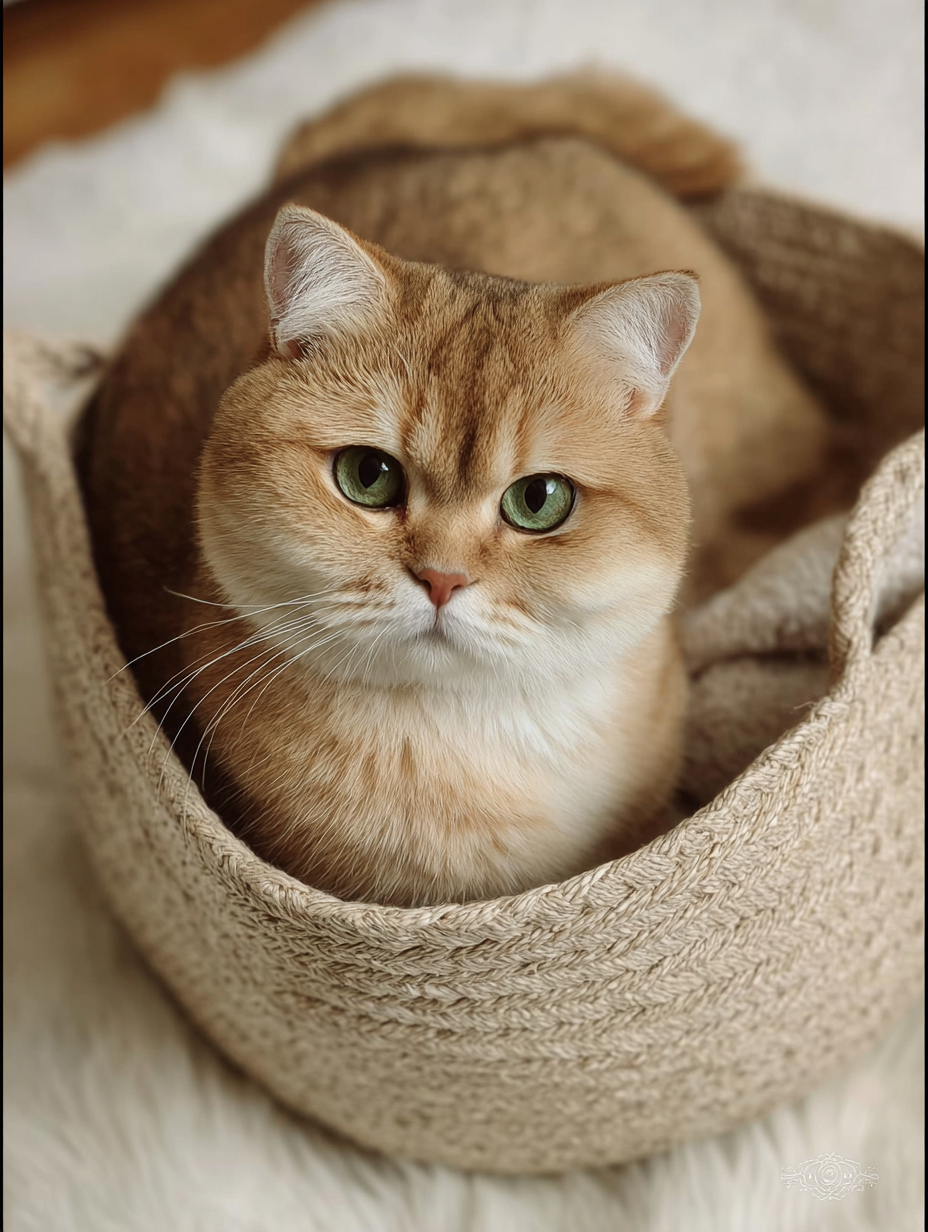
British Shorthair Kitten Growth Stages: Week-by Week Size & Development Charts
Introduction
British Shorthairs are famous for their plush coats, rounded faces, and calm, balanced personalities. What surprises most new owners, however, is how slowly this breed matures. While many cats reach their adult size by 12–18 months, the British Shorthair growth stages continue for 3 to 5 years, gradually building the iconic dense body, wide head, and teddy-bear look the breed is known for.
Because Almonte Cats raises British Shorthairs in-home from birth to go-home age, we monitor British shorthair growth stages closely across multiple bloodlines. This guide reflects real breeder insight, not generic information. You’ll see detailed weight charts, stage-by-stage development, male vs female size differences, and practical expectations for each age.
If you are preparing for a British Shorthair kitten or want to compare your kitten’s progress, this month-by-month guide provides everything you need to understand healthy growth, typical weight ranges, and the slow-maturing timeline unique to the breed.
Looking for a British Shorthair kitten?
Apply here to join our waiting list for upcoming litters.
British Shorthair Growth Stages Overview
British Shorthairs are one of the slowest-developing cat breeds in the world. Their growth timeline looks different from nearly every other domestic cat:
- 0–6 months: Fast kitten growth stage
- 6–12 months: Slower adolescent development
- 1–3 years: Steady muscle, bone, and coat maturation
- 3–5 years: Full adult size, full head structure, and final weight
This extended timeline explains why British Shorthairs often look “unfinished” at one year old—they simply have a long road ahead. Their trademark thick body, rounded cheeks, and powerful chest don’t reach their peak until several years into adulthood.
Several factors influence growth, including:
- Genetics and lineage
- Gender
- Nutrition
- Activity level
- Spay/neuter timing
- Litter size
- Overall health
At Almonte Cats, we see the most dramatic growth between 2–4 years, long after many owners assume their cat is done maturing. This is the stage when the chest widens, the head gains structure, and the cat’s coat becomes fully plush. Learn more about British Shorthair size and weight
Complete British Shorthair Growth Stages Timeline
British Shorthairs grow in a slow, steady pattern that is very different from fast-maturing breeds. The table below shows a realistic weight and development timeline based on in-home, breeder-tracked averages. These ranges cover both males and females; males usually sit at the upper end starting at 5–6 months.
British Shorthair Growth Stages & Size Chart (0 Months to 5 Years)
Birth – 8 Weeks: Early Kitten Development
| Age | Average Weight (lbs) | Development Milestones | What Owners Should Expect |
|---|---|---|---|
| Birth | 0.18–0.26 lbs | Nursing only; eyes closed | Healthy kittens gain daily |
| 1 Week | 0.33–0.55 lbs | Eyes begin opening | Strong suckling + warmth needed |
| 2 Weeks | 0.55–0.77 lbs | Crawling; more alert | Early handling starts |
| 3 Weeks | 0.77–1.00 lbs | Wobbly walking | Begin soft enrichment |
| 4 Weeks | 1.00–1.21 lbs | Weaning begins | Litter training starts |
| 6 Weeks | 1.43–2.00 lbs | Play increases | Early personality emerges |
| 8 Weeks | 2.00–2.65 lbs | Confident, active | First vaccines |
8 Weeks – 6 Months: Rapid Kitten Growth
| Age | Average Weight (lbs) | Development Milestones | What Owners Should Expect |
|---|---|---|---|
| 3 Months | 3.3–4.8 lbs | Big appetite; steady growth | Face rounds out |
| 4 Months | 4.4–6.0 lbs | Skeletal growth peak | Teething starts |
| 5 Months | 5.5–7.2 lbs | Taller + lankier | More confident play |
| 6 Months | 6.6–8.4 lbs | Teen proportions | Males broaden |
6–12 Months: Adolescent Stage
| Age | Average Weight (lbs) | Development Milestones | Notes |
|---|---|---|---|
| 7–9 Months | 7.7–10 lbs | Coat thickens | Independence increases |
| 10–12 Months | 8.4–11.4 lbs | Muscle begins forming | Not full size yet |
1–3 Years: Young Adult
| Age | Average Weight (lbs) | Development Milestones | Notes |
|---|---|---|---|
| 12–18 Months | 8.8–13.2 lbs | Shoulder width increases | Still “teenager” |
| 18–24 Months | 9.2–14.3 lbs | Head broadens | Coat becomes plush |
| 2–3 Years | 10–15.8 lbs | Muscle density rises | Males develop jowls |
3–5 Years: Full Maturity
| Age | Average Weight (lbs) | Development Milestones | Notes |
|---|---|---|---|
| 3–4 Years | 11–16.5 lbs | Head + chest finalize | Classic teddy-bear build |
| 4–5 Years | 11–17.6 lbs | Fully mature | Peak structure |
Why Your British Shorthair Might Fall Above or Below the Chart
A kitten might sit outside the ranges for several valid reasons:
- Smaller females often track 10–15% lower.
- Certain lines (especially traditional UK lines) develop much more slowly.
- Early spay/neuter may slightly change growth distribution.
- Large males may exceed the chart after age 2.
As long as your cat gains steadily and remains proportioned, small deviations are normal.
British Shorthair Growth Stage 1 — Newborn to 8 Weeks (Early Kitten Development)
The first eight weeks of a British Shorthair’s life shape everything—immune strength, temperament, bone development, confidence, and overall stability. This is the period where responsible breeders put in the most hands-on work, because proper early development creates the calm, steady, people-oriented British Shorthairs the breed is known for.
Below is what healthy growth and behavior look like week-by-week.
Birth to 1 Week (0–7 Days)
Average Weight: 0.18–0.26 lbs
Appearance: tiny, blind, dependent on warmth and milk
Development Highlights:
- Eyes are closed
- Ears are folded
- Kittens rely solely on the queen for warmth and protection
- Healthy kittens gain 10–15 grams (0.35–0.52 oz) per day
Breeder Notes:
At Almonte Cats, we monitor weights daily to ensure every kitten is nursing well. British Shorthair kittens have stout bodies even at birth, but they should still feel firm, not thin or bony.
Week 2 (7–14 Days)
Average Weight: 0.33–0.55 lbs
Developments:
- Eyes begin opening (blue at first)
- Kittens become more vocal
- Stronger crawling motions start
- Early social bonding begins
What Owners Should Know:
Kittens this age respond to warmth, scent, and soft handling. These early sessions lay the foundation for relaxed, confident adults.
Week 3 (14–21 Days)
Average Weight: 0.55–0.77 lbs
Developments:
- Walking begins, though wobbly
- Kittens start interacting with siblings
- Hearing becomes functional
- Baby teeth start emerging
Breeder Notes:
Week 3 is when British Shorthair kittens show their first “teddy bear” look—rounded faces and thicker bodies. Their personalities also start showing hints of future traits: bold, quiet, curious, or people-focused.
Week 4 (21–28 Days)
Average Weight: 0.77–1.00 lbs
Developments:
- Litter training begins
- Weaning begins with soft, easy-to-digest food
- Play increases
- Reaction time improves
What to Expect:
This is when British Shorthairs start exploring confidently and interacting with toys. Their coordination improves rapidly, and they begin imprinting on environmental cues.
Week 5–6 (28–42 Days)
Average Weight: 1.00–2.00 lbs
Developments:
- Running, climbing, and social wrestling
- Stronger interest in solid food
- Rapid physical coordination
- Early personality patterns emerge
British Shorthair Traits Become Noticeable:
- Rounder faces
- Thicker paws
- Stockier proportions
Even at 6 weeks, they look denser and more “solid” than most breeds.
Week 7–8 (42–56 Days)
Average Weight: 2.00–2.65 lbs
Developments:
- Very active, coordinated, and playful
- Beginning of fear periods; gentle exposure is important
- First vet visit and vaccinations
- Kittens begin forming strong attachments to humans
Breeder Notes:
This is the most important social window. Kittens raised in-home (not in cages or isolated rooms) develop:
- Better manners
- Stronger confidence
- Lower anxiety
- Better adaptability in new homes
By 8 weeks, British Shorthair kittens are sturdy, vocal, engaging, and ready to continue growing into the plush, calm cats the breed is known for.
British Shorthair Growth Stage 2 — 2 to 6 Months (Rapid Kitten Growth)
This stage is one of the most dramatic in a British Shorthair’s life. Between 8 weeks and 6 months, kittens transition from tiny, round babies into lankier, fast-growing adolescents. Even though British Shorthairs are a slow-maturing breed overall, these early months are full of quick changes—weight gain, height increases, coordination improvement, and major appetite jumps.
Below is a clear overview of what healthy development looks like during this period.
2–3 Months (8–12 Weeks)
Average Weight: 2.0–4.8 lbs
What You’ll See:
- Lively, coordinated play
- Strong appetite as they build muscle and bone
- Round face shape becomes more noticeable
- Eyes remain blue but begin transitioning toward their adult color
Feeding Needs:
At this age, British Shorthairs require frequent meals—three to four times per day—to support rapid growth. High-quality wet and dry kitten food with balanced protein and fat is essential.
Behavior Notes:
This is the ideal stage for bonding. Kittens are eager to explore and learn, making it a perfect time for gentle handling, routine introduction, and confidence-building.
3–4 Months
Average Weight: 3.3–6.0 lbs
Growth Highlights:
- Rapid skeletal growth
- Limbs lengthen; kittens may briefly appear “tall”
- Face begins widening
- Increased athletic ability
Teething:
British Shorthairs often begin teething around this age. You may notice:
- Chewing
- Mild irritability
- More mouth-focused play
Providing appropriate chew toys helps support healthy dental development while protecting household items.
4–5 Months
Average Weight: 4.4–7.2 lbs
What Happens During This Stage:
- The kitten enters the first “lanky” period
- Hind legs may grow faster than the rest of the body
- Appetite increases significantly
- Coordination peaks—kittens run, jump, and chase with confidence
Temperament Shifts:
British Shorthairs are naturally calm, but at this age they often show bursts of energetic play. This is normal and helps build strong bone and muscle.
5–6 Months
Average Weight: 5.5–8.4 lbs
Development Highlights:
- Males begin widening across the chest and shoulders
- Females stay compact but gain steady muscle
- Coat becomes thicker, especially around the neck and chest
- Height growth slows while weight gain continues
Hormone Changes:
Most kittens should be spayed or neutered around this stage (your vet may vary). Altering early can slightly shift growth patterns, but British Shorthairs remain slow-maturing with or without early alteration.
Summary of the 2–6 Month Stage
During this phase, owners should expect:
- Consistent weekly weight gain
- Big appetite increases
- Longer, slightly awkward body proportions
- Fast learning and bonding
- Clear British Shorthair features starting to emerge
This is the stage where foundational personality traits—confidence, affection, calm behavior—are strongly shaped by the environment, handling, and daily routine.
British Shorthair Growth Stage 3 — 6 to 12 Months (Adolescent Development)
By the time a British Shorthair reaches 6 months, the fast, dramatic kitten growth begins to slow. This next stage is all about gradual widening, muscle development, and early signs of the “stocky teddy-bear build” the breed is known for. They are no longer tiny kittens, but they are far from finished growing.
This is the period where owners often ask if their British Shorthair is growing properly because the changes become more subtle. The key is understanding that this breed matures outward, not upward, and that process takes years.
6–7 Months
Average Weight: 6.6–9 lbs
Physical Development:
- Growth shifts from height to width
- Body begins thickening
- Coat becomes denser, especially in cooler seasons
- Males show early signs of shoulder width
Behavioral Patterns:
- Increased confidence
- Less frantic play, more coordinated movement
- Beginning of adolescent independence
Expect a British Shorthair this age to alternate between playful bursts and long naps. Their temperament becomes noticeably steadier.
7–9 Months
Average Weight: 7.7–10 lbs
Physical Development:
- Chest and hips widen gradually
- Head shape starts changing, especially in males
- Bone density increases
- Coat shifts toward a more plush feel
Personality:
British Shorthairs at this age begin showing their adult demeanor—calm, observant, attached to their humans, and comfortable with routine.
Eating Habits:
They may experience short appetite slowdowns during developmental “plateau weeks.” This is normal as long as weight gain continues over time.
9–12 Months
Average Weight: 8.4–11.4 lbs
Physical Development:
- Noticeable increase in muscle definition
- British Shorthair build becomes more compact
- Females stay lighter and more refined
- Males gain significant cheek width in preparation for adult jowls
Coat Quality:
Many cats complete their first coat cycle during this stage. Shedding may temporarily increase as the dense adult layer develops.
Activity Level:
British Shorthairs calm down significantly as they approach one year, especially compared to high-energy breeds. Most settle into a predictable balance of play, affection, and quiet companionship.
Is My British Shorthair “Done Growing” at 1 Year?
No. Not even close.
Many owners believe their British Shorthair stops growing at one year because they don’t see fast changes anymore. In reality:
- They are at 50–60% of their final maturity.
- The head will continue broadening until age 3–5.
- The chest does not reach adult width until 2–3 years.
- Muscles, bone density, and coat thickness increase gradually over years.
A British Shorthair at 1 year old still looks like a teenager—not the full, plush adult shown in breed photos.
Common Questions During the Adolescent Stage
“Why is my British Shorthair long and lanky?”
Totally normal. Width develops later than height.
“Why did my British Shorthair slow down?”
This breed naturally mellows with age and prefers predictable routines.
“Should they weigh more?”
If your cat follows the general ranges and gains slowly over time, they are on track.
British Shorthair Growth Stage 4 — 1 to 3 Years (Young Adult Development)
From one to three years old, British Shorthairs enter one of the most important growth periods of their life. Even though they look like adults from a distance, they are still developing heavily—especially in bone, width, and head structure.
This is the stage where the British Shorthair begins shifting from “teenager” to the iconic plush, solid, easygoing adult that makes the breed so popular.
1–1.5 Years (12–18 Months)
Average Weight: 8.8–13.2 lbs
Maturity Level: ~50–65% fully grown
Physical Development
- Shoulder width increases
- Body begins filling out instead of elongating
- Chest becomes broader
- Stronger bone density
- Rear end and hips muscle up
These changes are slow, steady, and often subtle month-to-month, but dramatic when comparing photos taken six months apart.
Temperament
British Shorthairs start showing the calm, stable personality they’re known for. Most settle into a predictable routine:
- Morning activity
- Midday napping
- Evening play spurts
They also become more attached to their people, often following family members from room to room—without being needy.
1.5–2 Years (18–24 Months)
Average Weight: 9.2–14.3 lbs
Maturity Level: ~65–80% fully grown
Physical Development
This is when the “British Shorthair shape” becomes obvious:
- Large, rounded head
- Thick neck
- Broad chest
- Firm, stocky body
- Strong back legs
Many owners describe this period as when their cat begins to “look like the breed.”
Coat Development
The plush, dense British Shorthair coat reaches a new level:
- Fuller
- Thicker
- More velvety
- Heavier seasonal shedding
- Clearer color and pattern definition
Blues, lilacs, goldens, and silvers all deepen or clarify significantly during this age range.
Behavior
They become:
- Quieter
- More confident
- Less hyper
- More observant
Play continues—but in short, controlled bursts rather than chaotic kitten sprints.
2–3 Years (24–36 Months)
Average Weight: 10–15.8 lbs
Maturity Level: ~80–90% fully grown
Physical Development
This stage is where the cat takes on its fullest form. The head widens, the cheeks round, and the entire body gains density.
Male Development
- Significant jowl and cheek width
- Thick neck
- Heavier bone structure
- Broad chest
Female Development
- Compact, proportional adult shape
- Softer cheek structure
- Lean muscle tone
Females mature faster than males but remain lighter and more refined.
Coat & Seasonal Changes
The coat becomes:
- Heavier
- Plusher
- More weather-resistant
- More “stuffed animal” in texture
Owners often note dramatic coat improvements around winter.
Behavior
British Shorthairs at 2–3 years old typically reach near-adult personality:
- Calm
- Predictable
- Very affectionate with their family
- Independent but loyal
- Gentle with children
- Easy to live with
How to Know Your British Shorthair Is Developing Properly
Here are the signs of healthy development during the 1–3 year stage:
- Slow but steady weight gain
- Chest and head continue widening
- Solid, muscular body
- Coat becomes denser each season
- Calm but confident temperament
If growth plateaus drastically or weight drops, a vet check may be needed—but slow growth itself is expected.
British Shorthair Growth Stage 5 — 3 to 5 Years (Full Adult Maturity)
This is the stage most owners never realize exists because many cat breeds finish growing much earlier. But for British Shorthairs, ages 3 to 5 are where the breed reaches its peak structure, shape, and iconic look.
This period completes the long growth journey that makes British Shorthairs one of the slowest-maturing—and most impressive—breeds in the world.
3–4 Years: Final Width, Head Structure, and Muscle Density
Average Weight: 11–16.5 lbs
Maturity Level: ~90–98% fully grown
Physical Development
During this stage, the changes are subtle but powerful:
- Full widening of chest and shoulders
- Thick, strong neck
- Final rounding of the cheeks and jawline
- Maximum bone density
- Broader, more muscular hindquarters
- Stocky, balanced proportions
This is the age where British Shorthairs look exactly like the photos you see online—round, plush, solid, and regal.
Male Development
Males finish developing:
- Full cheek jowls
- Heaviest, densest bone structure
- Broadest chest width
- Heavier head shape
They appear significantly larger and more powerful than females.
Female Development
Females reach:
- Final refined shape
- Rounded yet compact appearance
- Fully developed, plush coat
- Predictable, stable temperament
They remain lighter but very balanced and stocky for their size.
4–5 Years: True Peak Adult Maturity
Average Weight: 11–17.6 lbs
Maturity Level: 100%
This is the fully finished British Shorthair. The body, head, coat, and temperament have all settled into their permanent adult form.
Physical Characteristics at Full Maturity
- Rounded, powerful head
- Prominent cheeks
- Thick, short neck
- Deep chest
- Strong, muscular body
- Thick, plush, dense coat
- Calm, steady posture
Their physical presence becomes unmistakable—solid, balanced, and luxurious.
Coat Quality at Its Best
British Shorthairs often have the best coats after age 4, when:
- The double coat is at full density
- Texture becomes heavy and velvety
- Color becomes richer and more uniform
- Seasonal shedding increases but stabilizes
Blues become richer, goldens deepen, silvers sharpen, and bi-colors develop crisp contrast.
Temperament at Full Maturity
By age 4–5, British Shorthairs display their classic temperament fully:
- Calm
- Loyal
- Affectionate
- Quiet
- Predictable
- Family-oriented
- Very attached but not demanding
They maintain playful moments, but their energy level becomes controlled and soft.
They are often described as:
- Companions that follow you room to room
- Gentle pets that prefer to sit nearby rather than on top of you
- Cats who enjoy routine and stability
This stage brings out the pure essence of the breed.
Lifespan & Long-Term Expectations
British Shorthairs are long-lived compared to many breeds:
- Average lifespan: 14–20 years
- Many remain healthy into their late teens
- Their slow metabolism helps them age gracefully
Proper diet, weight management, and regular vet care keep them strong and healthy well into old age.
What Owners Should Expect at Full Maturity
Signs your British Shorthair has fully matured:
- Round cheeks and fully developed head
- Solid weight without being overweight
- Calm, predictable daily routine
- Dense seasonal coat
- Lower energy but consistent affection
- Wide, muscular stance
Once fully mature, weight should remain stable year-to-year with only minor seasonal changes.
British Shorthair Male vs Female Size Differences
British Shorthairs have one of the most noticeable gender-based size differences among domestic cat breeds. While both males and females share the same calm, predictable temperament, their physical development follows very different paths. Understanding these differences helps owners set realistic expectations for growth, weight, and overall appearance.
Below is a clear breakdown of how males and females grow, mature, and differ in structure and size.
British Shorthair Size Comparison: Male vs Female at Each Stage
| Age | Male British Shorthair Size | Female British Shorthair Size | What to Expect |
|---|---|---|---|
| 8 Weeks | 2.2–2.8 lbs | 2.0–2.5 lbs | Males slightly larger, but size still very close |
| 3 Months | 3.8–5.0 lbs | 3.3–4.3 lbs | Early appetite increase; first growth spurt |
| 6 Months | 7.5–9.0 lbs | 6.5–8.0 lbs | Males begin widening in chest and shoulders |
| 9 Months | 8.5–10.5 lbs | 7.5–9.0 lbs | Adolescence begins; coat thickens |
| 12 Months | 9.0–12 lbs | 8.0–10 lbs | Body length mostly finished; width still developing |
| 18 Months | 10.0–13.5 lbs | 8.8–11 lbs | Head broadening; muscle development increases |
| 2 Years | 11.0–15 lbs | 9.5–12 lbs | Chest becomes deeper; adult shape emerging |
| 3 Years | 12.0–16 lbs | 10.0–13 lbs | Near full maturity; stocky British build visible |
| 4–5 Years | 12–17+ lbs | 10–13 lbs | Full muscle density, thick neck, developed cheeks |
Male British Shorthair Size & Build
Typical Adult Weight: 12–17+ lbs
Maturity Age: 3.5–5 years (slowest maturing sex)
Physical Traits
Male British Shorthairs are known for:
- Thick, broad bodies
- Large, powerful heads
- Pronounced jowls (especially in intact males)
- Wider chest and shoulders
- Heavy bone structure
- Stocky, muscular proportions
They often appear significantly larger than females—not just heavier, but physically broader and more substantial.
Growth Pattern
- 6 months: Males typically jump ahead of females
- 12 months: Still lanky and teenager-like
- 2–3 years: Major widening phase
- 3–5 years: Final cheek development, neck thickness, bone density
Males often experience “late growth spurts,” surprising owners with increased width even at age 3 or 4.
Male Personality
Temperament is consistent across genders in British Shorthairs:
- Calm
- Loyal
- Quiet
- Affectionate without being demanding
Males may be slightly more easygoing or people-focused, but the differences are small.
Female British Shorthair Size & Build
Typical Adult Weight: 9–13 lbs
Maturity Age: 3–4 years (faster than males)
Physical Traits
Female British Shorthairs are:
- Compact
- Balanced
- Solid and muscular
- Rounded, but with a more refined head than males
- Smoothly proportioned rather than bulky
They maintain the breed’s signature teddy-bear look, but with softer lines.
Growth Pattern
- 6 months: Smaller and more balanced than males
- 12 months: Close to adult height
- 1–2 years: Filling out stage
- 2–4 years: Coat and body finish maturing
Females develop earlier and stabilize sooner, but still follow the slow British Shorthair timeline.
Female Personality
Females are:
- Attached to their family
- Thoughtful and observant
- Calm and routine-oriented
- Affectionate without being demanding
The difference from males is subtle and varies more by individual pedigree than gender.
Key Differences: Male vs Female British Shorthair
Here’s a quick comparison owners can reference easily:
| Trait | Male | Female |
|---|---|---|
| Adult Weight | 12–17+ lbs | 9–13 lbs |
| Build | Broad, heavy, muscular | Compact, refined, solid |
| Head | Large with pronounced jowls | Round with softer cheeks |
| Maturity Age | 3.5–5 years | 3–4 years |
| Width & Chest | Much wider | Narrower and neater |
| Coat Density | Often thicker | Plush but slightly lighter |
| Personality | Relaxed, people-focused | Calm, balanced, observant |
Which Should You Choose?
Personality and temperament are almost identical across genders in this breed. Both males and females make excellent companions for families, singles, and households with other pets.
Choose based on:
- Size preference (bigger vs refined)
- Visual look you prefer
- Your household and lifestyle
- Breeder recommendations for fit
Both options are equally loving, calm, and easy to live with.
What Really Matters More Than Gender
When selecting a British Shorthair kitten, focus on:
- Temperament
- Pedigree
- Breeder socialization program
- Health testing
- Structure and type
- Coat quality
- Parental personalities
These factors influence your cat’s long-term happiness and health far more than whether the kitten is male or female.
Factors That Influence British Shorthair Size
Every British Shorthair grows at their own pace, and while this breed follows a predictable slow-maturing timeline, several factors influence the final size, weight, coat density, and overall structure of each individual cat.
Understanding these factors helps owners know what to expect and reduces worry when comparing growth to charts or other cats.
1. Genetics (The Most Important Factor)
British Shorthair size is heavily influenced by their lineage.
Some lines are large and broad, while others are more compact and refined.
Factors in the Pedigree That Matter:
- Parental size
- Grandparent size
- Bone structure in the line
- Coat type and density
- Head size in the line
- Masculinity of male lines
- Females who consistently produce large offspring
Even full siblings can vary in size based on which genetic traits they inherit.
Breeder Insight:
At Almonte Cats, we track multiple generations to predict size and structure, allowing families to choose kittens with the type they prefer—larger, broader males or compact, plush females.
2. Gender
Gender significantly affects size in this breed.
- Males: 12–17+ lbs
- Females: 9–13 lbs
Males have thicker bone, larger heads, and wider chests, while females mature earlier and remain more refined.
3. Diet & Nutrition
Proper nutrition during the first year creates the foundation for healthy adult size.
What Influences Growth:
- High-quality kitten food
- Proper fat and protein levels
- Omega-3 fatty acids for coat and brain development
- Feeding frequency (small meals support steady growth)
- Hydration
- Calcium/phosphorus balance
A poor diet during kittenhood can stunt growth, while overfeeding can cause unhealthy weight gain, especially because British Shorthairs are prone to obesity if allowed to free-feed.
4. Health & Early Development
Kittens who experience any of the following early in life may develop differently:
- Parasites
- Illness
- Food intolerance
- Poor nutrition before coming to the breeder
- Premature weaning
- High-stress environments
Healthy early development is essential for building proper bone structure and overall growth.
5. Spay/Neuter Timing
British Shorthairs neutered before puberty sometimes grow slightly taller but develop less jowl width. Cats altered later may retain more masculine facial structure.
Important note:
Spay/neuter timing does not prevent proper growth in this breed. British Shorthairs will still follow their slow, multi-year growth roadmap.
6. Activity Level
British Shorthairs are naturally calm but benefit from moderate daily activity, which affects:
- Muscle tone
- Bone density
- Metabolism
- Weight management
Play promotes proper development—especially during the 6–24 month window.
7. Litter Size
Larger litters can result in smaller kittens at birth, but this generally evens out by 6–12 months unless compounded by poor nursing time. Small litters may produce larger kittens early on.
8. Seasonal Coat Development
Cold climates or seasonal temperature changes impact:
- Coat thickness
- Weight fluctuations
- Overall body appearance
Winter coats may add a full pound of “visual fluff,” even if body weight doesn’t change.
9. Line Type (Traditional UK vs European Lines)
Some lines are known for specific structural traits:
Traditional UK Lines
- Very plush double coats
- Balanced, round structure
- Medium-to-large size
European Lines
- Often broader heads
- More muscular builds
- Slightly larger averages
- Dense, heavy bone
Breeders often blend lines to achieve the ideal balance.
10. Individual Variation
Ultimately, every cat has unique traits.
Two British Shorthairs of the same age may differ in:
- Bone width
- Height
- Face shape
- Muscle density
- Neck thickness
- Weight distribution
As long as the cat is tracking upward over time and looks healthy, small differences are completely normal.
How to Track British Shorthair Growth (Using a Size & Weight Chart Correctly)
British Shorthair growth charts are helpful—but only when used correctly. Many owners compare their kitten to a single number or photo online and panic when their cat doesn’t match it exactly. The truth is that British Shorthairs grow in a broad, slow, individualized range, and healthy development rarely looks “perfectly linear.”
Below is a clear guide to tracking your British Shorthair’s growth in a realistic, breeder-approved way.
1. Track Weight Monthly — Not Weekly
British Shorthair weight fluctuates slightly day to day due to:
- meals
- hydration
- seasonal coat changes
- normal activity
Weekly weighing leads to unnecessary worry.
Monthly tracking is the gold standard.
Ideal Tracking Ages:
- 8 weeks
- 12 weeks
- 4 months
- 5 months
- 6 months
- 9 months
- 12 months
- 18 months
- 24 months
- yearly until age 5
This gives a clear, realistic curve of growth.
2. Compare Your Cat Only to the Ranges — Not Exact Numbers
A British Shorthair can be healthy whether they fall:
- on the low end
- in the middle
- or at the top of the range
For example:
A 6-month-old can be healthy at 6 lbs, 7.5 lbs, or 8.4 lbs depending on:
- genetics
- gender
- bone structure
- lineage
If the body looks balanced and the cat is gaining slowly over time, they are developing normally.
3. Look at Body Proportion, Not Just Weight
British Shorthairs are dense, so weight alone doesn’t determine size.
Evaluate:
- Chest width
- Neck thickness
- Head rounding
- Bone width in legs
- Muscle tone
- Coat density
A muscular, dense 10 lb British Shorthair may be larger in build than a lanky 12 lb cat.
4. Do Not Panic During “Plateau Months”
Between 5–7 months, 10–12 months, and 18–24 months, British Shorthairs often:
- gain little weight
- appear to “pause” in growth
- shift energy to bone & facial development
- suddenly widen a few months later
This is normal for the breed.
5. Understand Gender Differences in Tracking
You should track male and female growth differently.
Male Tracking:
- Slightly slower height phases
- Sudden widening after 1 year
- Late jowl development around 2–3 years
- Heaviest build by 4–5 years
Female Tracking:
- Faster early maturing
- Steadier, more predictable growth
- Solid adult size earlier
- Fully finished around 3–4 years
Females should not be compared to male growth ranges—they will always be smaller.
6. Use Photos to Monitor Growth
The best way to see your British Shorthair develop is through monthly comparison photos.
Recommended angles:
- Side profile
- Front sitting pose
- Top-down view
- Face close-up
You’ll notice:
- widening of the face
- rounding of the cheeks
- thickening of the neck
- changes in coat fullness
- broader chest over time
Photos often reveal development that weight alone does not show.
7. When to Contact a Vet or Breeder
Reach out if:
- weight suddenly drops
- growth halts for more than 2–3 months in kittens
- your cat is significantly underweight with visible bone
- appetite changes drastically
- stool quality changes suddenly
These are signs of a medical issue—not normal variation.
8. Use a Simple Growth Tracking Template
Owners can track these three things each month:
A. Weight
Record once monthly.
B. Body Condition Score (BCS)
Ideal score for British Shorthairs:
5 or 6 out of 9
(You should feel the ribs but not see them.)
C. Development Notes
Example notes:
- “Head is widening”
- “Coat is changing”
- “Chest looks broader”
- “Appetite increased this month”
This gives a holistic view of your cat’s development.
How to Know Your British Shorthair Is Growing Normally
Healthy growth looks like this:
- steady weight gain over months
- gradual thickening of bone and muscle
- widening of face and jaw
- increasing coat density
- predictable personality development
Not every month will show dramatic changes.
But every season should show some growth.
Caring for Your British Shorthair at Every Growth Stage
British Shorthairs have unique developmental needs at each age. Proper feeding, grooming, socialization, and veterinary care support the slow, steady growth this breed is known for. This section breaks down exactly what owners should focus on during each stage to keep their kitten or cat healthy and well-adjusted.
Caring for British Shorthairs: Birth to 3 Months
This stage sets the foundation for health and temperament.
Nutrition
- Kittens should eat high-quality kitten food (wet and dry).
- Meals should be offered 3–4 times daily.
- Focus on high protein, balanced fat, and natural ingredients.
Socialization
- Controlled exposure to household sounds
- Gentle handling
- Early play and exploration
- Human interaction with adults and children
Kittens that receive positive early socialization tend to become the calm, confident British Shorthairs people expect.
Vet Care
- First vaccines at 8 weeks
- Deworming schedule
- Health evaluations and weight monitoring
Caring for British Shorthairs: 3 to 6 Months
Growth is fast and demands consistent care.
Nutrition
British Shorthairs are dense and muscular, so they need:
- Plenty of calories
- Multiple meals per day
- Slowly increased portions
Avoid free-feeding because this breed easily gains excess weight.
Environment & Enrichment
- Safe climbing options
- Scratching posts
- Interactive toys
- Daily play to build coordination
Grooming
- Begin weekly brushing to reduce shedding
- Introduce nail trimming and ear checks
- Start dental care habits
Early grooming builds lifelong cooperation.
Caring for British Shorthairs: 6 to 12 Months
The adolescent stage requires extra structure and consistency.
Nutrition
- Continue kitten food through 12 months
- Maintain 2–3 meals per day
- Monitor weight to avoid unnecessary fat gain
Behavior & Training
- Provide routine and predictable daily structure
- Encourage short play sessions
- Redirect chewing (teething may continue)
- Introduce basic training cues (sit, come, etc.)
British Shorthairs love routine, so consistent habits keep them calm and centered.
Vet Care
- Spay/neuter consultation
- Adolescent wellness check
- Monitor body condition score (BCS) regularly
Caring for British Shorthairs: 1 to 3 Years
This is the stage where the “real” British Shorthair begins to take shape.
Nutrition
Transition from kitten to adult food around 12 months, unless your veterinarian suggests waiting longer for larger males.
Ideal feeding approach:
- 2 measured meals per day
- Balanced diet rich in protein
- Controlled portions to avoid obesity
Enrichment & Lifestyle
British Shorthairs prefer:
- Moderate play
- Gentle climbing
- Window perches
- Interactive treat toys
- Calm, predictable environments
Though quiet, they still need exercise to maintain healthy muscle.
Grooming
- Brush weekly
- Increase brushing during shedding seasons
- Maintain dental hygiene
- Check claws monthly
The dense coat grows fuller each year—especially in mature males.
Caring for British Shorthairs: 3 to 5 Years (Full Maturity)
This period focuses on maintaining peak health and weight.
Nutrition
- Adult food with moderate fat levels
- No free-feeding
- Portion control to prevent obesity
- Occasional high-quality wet food for hydration
British Shorthairs have a low metabolism and gain weight easily, especially after age 3.
Wellness Care
- Annual vet exams
- Dental cleanings as needed
- Weight monitoring
- Joint and mobility checks in larger males
Behavior
Expect:
- Calm, affectionate companionship
- Predictable routine
- Steady temperament
- Strong attachment to family
Exercise is still important to prevent weight gain.
Caring for Senior British Shorthairs (5+ Years)
British Shorthairs age gracefully but require adjustments over time.
Key Focuses:
- Maintain healthy weight
- Monitor joint health
- Ensure dental hygiene
- Choose senior-friendly nutrition
- Provide warm resting spots
- Continue regular vet care
Most British Shorthairs remain healthy into their late teens with proper lifestyle and care.
General Care Tips for All Ages
- Avoid overfeeding
- Keep litter boxes clean
- Provide quiet retreats
- Maintain a consistent routine
- Encourage gentle activity
- Use high-quality grooming tools
British Shorthairs thrive when their environment is predictable, calm, and affectionate.
British Shorthair Growth FAQs
1. How big do British Shorthair cats get?
British Shorthairs typically reach 9–17 lbs as adults, depending heavily on gender and lineage. Males are almost always larger, with broader heads and thicker bone. Females stay compact and balanced, often in the 9–12 lb range. Because this breed has dense muscle and bone, they usually feel heavier than they look, which is perfectly normal.
2. At what age is a British Shorthair fully grown?
British Shorthairs reach full maturity between 3 and 5 years, making them one of the slowest-maturing breeds in the world. They finish height growth at about 12–14 months but continue to widen and build muscle for years afterward. Their head, cheeks, chest, and bone density all change well into adulthood. Most owners don’t see the full “teddy bear” look until age 3–4.
3. Why is my British Shorthair so small?
British Shorthairs grow slowly, and many look small or lanky during the first 18 months. Females also tend to remain naturally smaller and more refined than males. Lineage plays a major role — some lines are compact while others produce very large cats. As long as your cat is gaining steadily and stays well-proportioned, small size is usually normal and not a sign of poor growth.
4. Why is my British Shorthair so big?
Large British Shorthairs commonly come from lines with heavier bone and stronger musculature. Many mature males naturally exceed 15 lbs without being overweight. This breed carries weight differently than others — they are dense, strong-bodied, and broad, not fat. If your vet confirms a healthy body condition, a larger British Shorthair is simply expressing its genetics.
5. How much should a British Shorthair weigh at 6 months?
Most 6-month-old British Shorthairs weigh between 6.6 and 8.4 lbs, though some males may exceed that. This is usually the tail end of their rapid growth stage, so weight gain may temporarily slow down afterward. Variations are normal depending on gender and bone structure. As long as the body looks balanced and the kitten is active, growth is typically on track.
6. Is my British Shorthair overweight?
British Shorthairs should feel solid and muscular, not overly soft. You should be able to feel the ribs under a thin layer of fat but not see them. If the belly swings excessively or the back feels padded, this may indicate extra weight. Always check body condition score (ideal: 5–6 out of 9) rather than relying only on the scale.
7. Are British Shorthairs muscular or fat?
British Shorthairs are naturally muscular with substantial bone, making them appear heavier than they are. When fit, their body feels firm, dense, and solid, not squishy or overly round. They can be prone to weight gain due to a calm temperament, so diet control is important. A healthy British Shorthair looks stocky but not overweight.
8. Do British Shorthairs grow slower than other cats?
Yes — they are one of the slowest-maturing domestic cat breeds. While other cats finish growing around 12–18 months, British Shorthairs continue developing until 3–5 years. This extended timeline includes widening, head shaping, and bone density increases. Slow growth is part of what gives them such impressive adult structure.
9. Why does my British Shorthair still look lanky at 1 year old?
Because they are not even close to finished growing. British Shorthairs typically complete height growth by age 1, but width and muscle come later. Year-one cats often look like teenagers — tall, lean, and not yet stocky. Cheeks, neck, and chest usually widen between ages 1.5 and 3.
10. When do British Shorthairs develop their plush coats?
Coat development increases significantly between 1 and 2 years, with full plush density typically reached around 3–4 years. Seasonal shedding also contributes to how full the coat looks at different times of the year. Cats in colder climates tend to develop thicker, heavier coats. The famous British Shorthair “velvet” texture improves every season until maturity.
11. Do male British Shorthairs get jowls?
Yes, males naturally develop pronounced cheek pads, especially intact males. Jowl growth usually appears between 2 and 3 years but may continue widening until age 4–5. Neutered males still develop cheeks, though slightly less dramatic. This trait contributes to the classic round British Shorthair head.
12. How big do female British Shorthairs get?
Adult females typically reach 9–13 lbs when fully mature. They are stocky and muscular but more refined than males. Their heads remain round but less broad, and their bodies stay compact. Most females finish physical development slightly earlier, around age 3–4.
13. How heavy should a British Shorthair be at 1 year old?
Most British Shorthairs weigh 8–11 lbs at one year, depending on gender and genetics. This is not their final size — they still have years of widening ahead. A 1-year-old British Shorthair is similar to a teenager in human development. The stocky adult look will appear gradually over the next two to three years.
14. Why does my British Shorthair have a big belly?
British Shorthairs commonly have a primordial pouch, a loose flap of skin on the underside. It’s not fat and not a health issue — it protects vital organs and contributes to natural body movement. Both males and females can have it. A pouch alone does not indicate obesity; look at overall body shape instead.
15. Do British Shorthairs gain weight easily?
Yes, they gain weight more easily than many breeds due to their naturally calm temperament. They enjoy lounging, observing, and relaxing more than high-energy play. Without portion-controlled meals, they can become overweight quickly. Structured feeding and modest daily exercise help maintain a healthy body condition.
16. How much should I feed my British Shorthair?
Feeding depends on age, weight, and activity level, but measured meals are key. Most adults do well with two meals per day, avoiding free-feeding. High-quality protein sources support dense muscle. If your British Shorthair gains too easily, lowering calorie density rather than reducing quantity may help.
17. How much do British Shorthair kittens grow per month?
During the first six months, British Shorthairs can gain 1–1.5 lbs per month. Growth slows significantly after 6–8 months and becomes gradual. Some kittens grow in spurts, gaining rapidly one month and plateauing the next. Overall upward progress is the most important indicator.
18. Do British Shorthairs have growth spurts?
Yes, this breed often experiences visible growth spurts at 3–4 months, 5–6 months, and around 2 years old. Between spurts, they may look unchanged for weeks. Growth spurts can include sudden widening of the head or chest. These natural phases are part of their slow, multi-year development.
19. Are British Shorthairs good cats for families?
British Shorthairs make excellent family cats because of their calm, tolerant temperament. They enjoy being near their people but are never demanding or anxious. They adapt well to children, other pets, and routine-based households. Their gentle, steady nature makes them reliable companions.
20. Will my British Shorthair get more affectionate as they age?
Many British Shorthairs become more affectionate between 2 and 5 years old. Their confidence increases as they settle into routine and learn their family’s habits. They may not be lap cats, but they often enjoy sitting near their people and following them around the home. Affection grows naturally with maturity.
21. Do British Shorthairs stop growing after being neutered?
No, neutering does not stop growth. Cats continue developing bone, width, and muscle according to their genetic timeline. Early neutering may reduce jowl size, but the overall adult body still matures normally. British Shorthairs will still follow their slow 3–5-year growth pattern.
22. Why does my British Shorthair kitten eat so much?
Rapid growth in the first six months demands high caloric intake. Their appetite often increases during growth spurts and teething phases. As long as meals are portioned, high appetite is normal and healthy. Free-feeding can lead to overeating, so structured meals are recommended.
23. Are British Shorthairs supposed to be heavy?
Yes, they are naturally dense and strongly built. Their thick bone and muscular structure create a “solid” feel when held. Many British Shorthairs weigh more than they appear due to this density. When evaluating heaviness, body condition is more meaningful than the number on the scale.
24. How much exercise does a British Shorthair need?
This breed requires moderate daily play, not high-energy activity. Short interactive sessions help maintain muscle tone and prevent weight gain. Climbing furniture and puzzle toys encourage healthy movement. Even though they’re calm, they still benefit from gentle activity each day.
25. Why does my British Shorthair shed so much?
British Shorthairs have dense double coats, which shed seasonally — especially in spring and fall. Indoor heating and cooling can also trigger shedding cycles. Regular brushing helps manage loose hair and supports coat health. Heavy seasonal shedding is normal and expected.
26. When does eye color fully develop?
Eye color typically finishes developing between 3 and 12 months, depending on the kitten’s color group. Goldens and silvers may continue deepening into the second year. Blue-eyed or odd-eyed kittens (in colorpoint lines) stabilize later as well. Mild fluctuations in depth and shade are normal during the first year.
27. When should I worry about my British Shorthair’s growth?
Growth concerns arise if your kitten stops gaining weight for more than a month, loses weight, or looks visibly thin. Sudden appetite changes can also signal an issue. Parasites, illness, or improper nutrition can impact growth. When in doubt, a vet or your breeder should evaluate the kitten.
28. Does coat color affect growth?
No — growth and size are determined by genetics, not coat color. Blues, lilacs, goldens, silvers, and bi-colors all follow the same slow growth patterns. Color only affects the appearance of the coat, not the body structure. The biggest influences remain lineage and gender.
29. How big are British Shorthair paws supposed to be?
British Shorthairs typically have large, round paws — even as kittens. Paw size often reflects bone structure and can hint at future adult size. Big-pawed kittens often grow into broad, muscular adults. Paw size can vary widely between lines but should always appear round and sturdy.
30. Do British Shorthairs get fluffier with age?
Yes, their coat becomes noticeably denser and more plush between ages 1 and 4. Seasonal changes also influence how thick the coat appears. Many cats reach their fluffiest winter coats around age 3–4. This gradual improvement is part of the breed’s late maturity.
31. Do British Shorthairs calm down as they age?
British Shorthairs become more relaxed and routine-oriented as they mature. Most kittens are playful, but by 1–2 years old they settle significantly. By age 3–4, they reach their calm adult personality — steady, affectionate, and observant. Their temperament continues to mellow into senior years.
32. How long do British Shorthairs live?
British Shorthairs often live 14–20 years with good care. Their calm lifestyle and sturdy build contribute to long lifespans. Weight management and regular vet care significantly impact health as they age. Many remain active and affectionate well into their late teens.
Related Colors and Patterns
- Russian Blue vs British Shorthair
- British Shorthair vs Ragdoll
- Orange British Shorthair
- British Shorthair Kitten Colors Near Me
- Intro to All British Shorthair Colors
- Golden British Shorthair Kittens
Sources for British Shorthair Growth Information
- Cornell Feline Health Center — https://www.vet.cornell.edu/departments-centers-and-institutes/cornell-feline-health-center Cornell Vet School+1
- International Cat Care “Cat care by life stage” — https://icatcare.org/cat-advice/cat-life-stages International Cat Care
- American Animal Hospital Association / American Association of Feline Practitioners “2021 Feline Life Stage Guidelines” — https://www.aaha.org/wp-content/uploads/globalassets/02-guidelines/feline-life-stage-2021/2021-aaha-aafp-feline-life-stage-guidelines.pdf AAHA+1
- VCA Animal Hospitals Nutrition and Life Stage feeding guidance — https://vcahospitals.com/know-your-pet/choosing-the-best-diet-for-your-pet Vca+1
- Royal Canin / veterinary academy page “Feline developmental stages” — https://academy.royalcanin.com/en/veterinary/feline-developmental-stages academy.royalcanin.com






Read the Comments +