
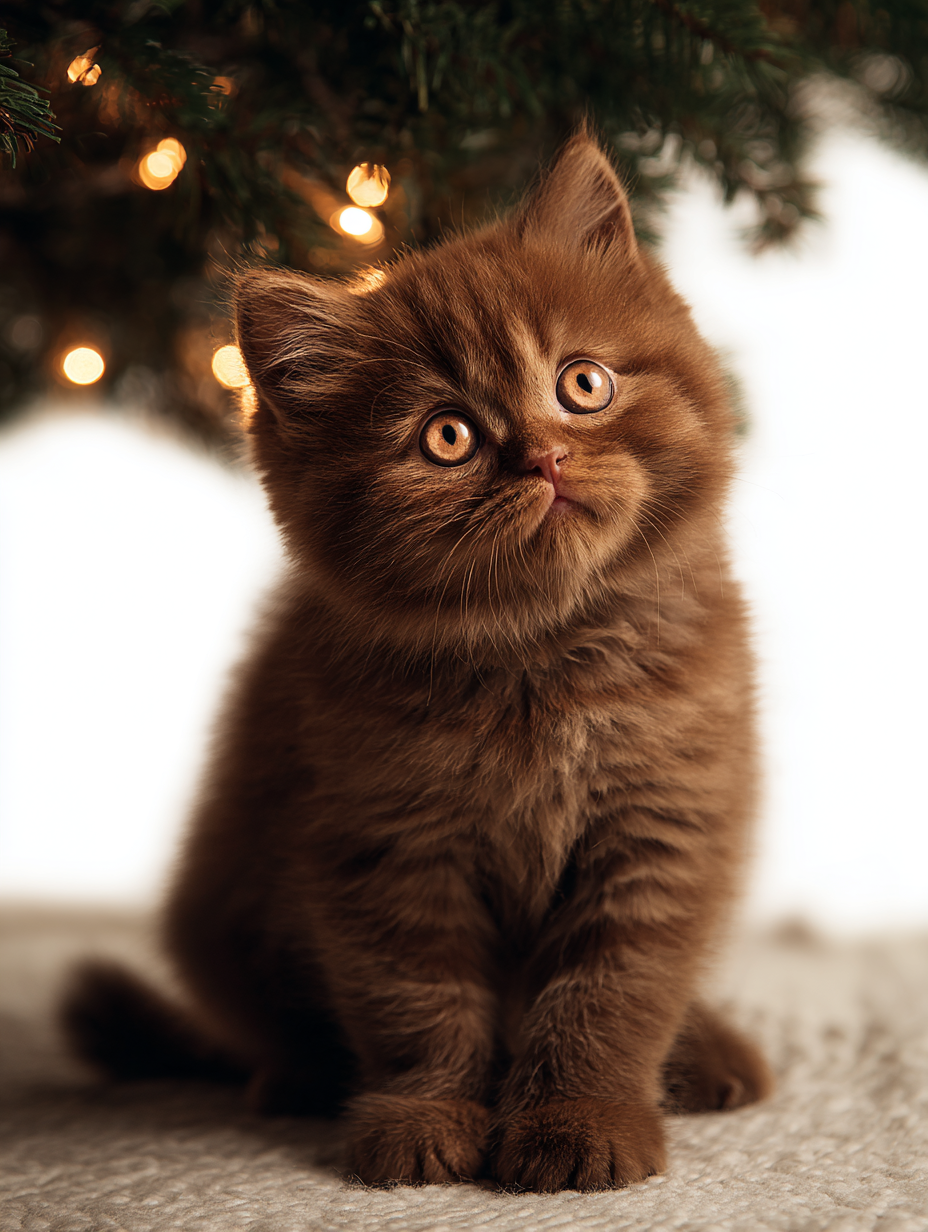
Kitten Care Guide: What New British Shorthair Owners Need to Know
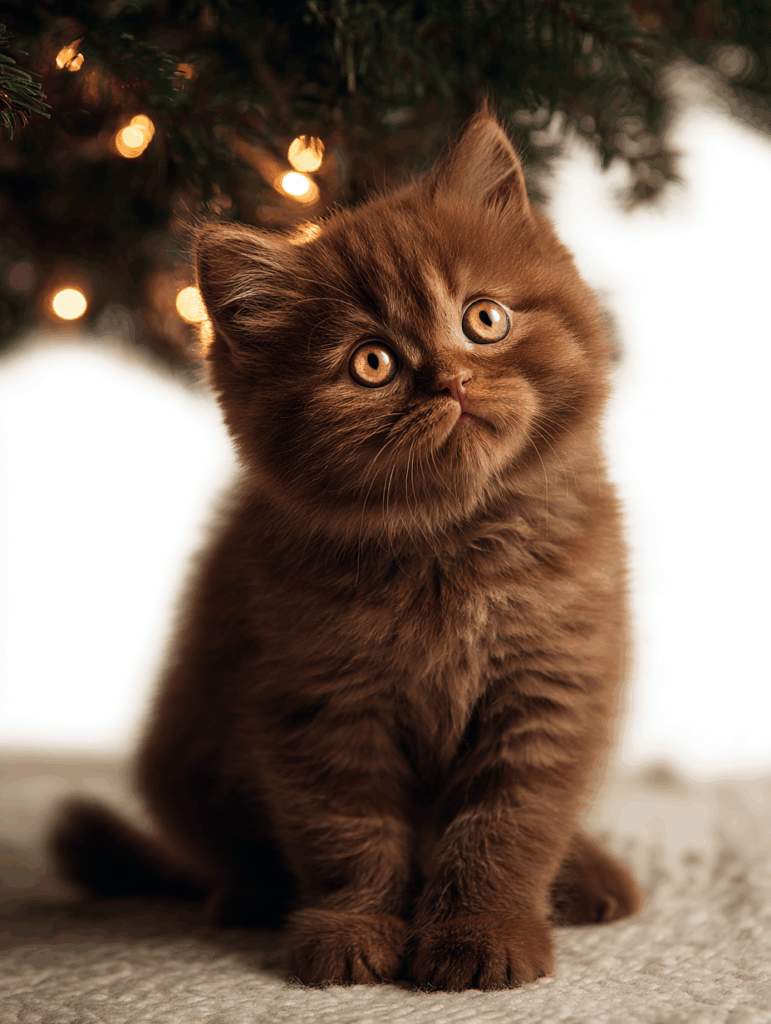
Bringing home a British Shorthair kitten is exciting, and the first few weeks set the foundation for a calm, confident adult cat. This guide covers everything new owners need to know—feeding, pine pellet litter training, grooming, sleep routines, vet care, socialization, and safety—so you can help your British Shorthair kitten settle quickly and thrive in your home.
British Shorthair Kitten Care Summary
| Category | Quick Overview |
|---|---|
| Starter Room Setup | Quiet room with bed, food/water, pine pellet litter box, toys, and hiding spots. Keep environment calm and predictable. |
| Litter Training | British Shorthair kittens come trained on pine pellets. Keep litter unscented and box placement consistent. |
| Feeding | 3–4 small meals/day. Wet + dry combo recommended. Slow transitions between foods. Fresh water always available. |
| Grooming | Brush 1–2× weekly (more if British Longhair). Trim nails every 1–2 weeks. No routine baths needed. |
| Health Care | First vet visit within 1 week. FVRCP boosters every 3–4 weeks until 16 weeks. Rabies per state law. Continue deworming schedule. |
| Behavior & Socialization | Slow introductions. Gentle handling. Gradual access to new rooms. Short, structured play sessions. |
| Sleep & Routine | British Shorthair kittens sleep 16–20 hours/day. Keep feeding and play schedules predictable. |
| Training Basics | Name recognition, recall, scratcher training, carrier training. Redirect unwanted behaviors calmly. |
| Safety | Remove toxic plants, secure cords, avoid small choking hazards. Use stable climbing structures and screened windows. |
| Growth Milestones | Steady weight gain weekly. Teething: 3–6 months. Personality stabilizes around 10–12 months. Full maturity by 2–3 years. |
| When to Call the Vet | No eating for 24+ hours, vomiting, diarrhea, breathing changes, collapse, unusual hiding, or sudden behavior changes. |
Preparing Your Home Before Your Kitten Arrives
Safe starter room setup
British Shorthair kittens settle quickest in a small, calm room. They are naturally observant and prefer to take in new spaces slowly. A bathroom, laundry room, or small bedroom works well. Include a soft bed, a low litter box, food and water bowls, and a few simple toys. Keeping the space contained helps them feel secure and prevents overstimulation.
Litter box station
Place the litter box in a quiet spot of the starter room, away from food and water. Use an open, low-sided box—British Shorthair kittens are sturdy but still small, and easy access prevents hesitation. Keep the box in one consistent location to help them build routine.
Food/water setup
Set out shallow stainless steel or ceramic bowls in a dedicated feeding area. British Shorthairs appreciate predictable placement and steady routines. Keep water separate from the litter box and refresh it daily.
Hiding spots & confidence-building layout
British Shorthairs often observe before engaging. Offer a few simple hiding spots like a cardboard box or small covered bed. These outlets give them a sense of control while they adjust. Leave open paths in the room so the kitten doesn’t feel cornered.
Toxic plants, cords, and household safety
Remove access to lilies, philodendron, pothos, aloe, and other toxic plants. British Shorthairs are generally not chaotic climbers, but kittens still explore, so secure loose cords, blind strings, and tiny objects they might bat or swallow. Check under furniture for spaces they could squeeze into.
Introducing resident pets safely
British Shorthairs adapt best when introductions are slow and measured. Begin with scent swapping using blankets or toys. Move to closed-door interactions before allowing short, supervised meetings. Their calm nature can be disrupted by rushed introductions.
Temperature, noise, and routine considerations
These kittens thrive on consistency. Keep the starter room warm, quiet, and free from sudden sounds. Soft lighting and predictable daily patterns help them feel safe as they learn their new environment.
What to Expect the First 48 Hours
Why confinement lowers stress
British Shorthairs often approach new experiences with caution. A smaller room gives them a base where everything they need is within reach. This reduces stress, prevents hiding, and makes litter box success more reliable.
Normal adjustment behaviors
It’s common for British Shorthair kittens to observe quietly, explore slowly, or rest more than expected on the first day. They may eat lightly at first or call out briefly at night. These behaviors are normal while they learn their new routine.
Eating, drinking, and litter habits to monitor
Within 12–24 hours, your kitten should start nibbling food, using the litter box, and exploring at their own pace. Drinking may be subtle, especially if they eat wet food. Monitor stool texture, urine clumps, and general appetite.
When to contact your breeder or vet
Reach out if your kitten hasn’t eaten in over 24 hours, shows difficulty breathing, persistent vomiting, diarrhea, or any signs that they are unusually lethargic. British Shorthair kittens are sturdy, but early intervention is important when something feels off.
Feeding & Nutrition Guide
Feeding schedule by age
British Shorthair kittens benefit from 3–4 small meals per day due to their slow, steady growth pattern. As they mature, you can shift to 2–3 meals. Scheduled feeding helps control intake and supports healthy weight development, which is important for this naturally solid breed.
Wet food vs dry food
Wet food supports hydration and is easy for young kittens to digest. Dry food can be part of the diet but should not replace moisture-rich meals unless advised by your vet. British Shorthairs tend to enjoy predictable feeding routines, so keep changes minimal.
Transitioning foods without upset
Transition diets over 5–7 days by mixing a small amount of the new food with the old. Increase slowly to reduce the risk of soft stool or digestive upset.
Hydration & water intake
Provide fresh water at all times. Some British Shorthairs prefer fountains due to the movement and sound, which can encourage drinking. Wet food also contributes to hydration.
Treat guidelines
Keep treats to under 10% of daily calories. Use soft, kitten-appropriate treats and avoid anything overly firm that could strain developing teeth.
Foods that are unsafe for kittens
Avoid grapes, raisins, onions, garlic, chocolate, alcohol, raw dough, seasoned human foods, and cooked bones. Dairy may cause digestive upset. Stick to cat-safe foods only.
Health Essentials for British Shorthair Kittens
Vaccinations and timing for British Shorthair kittens
British Shorthair kittens begin their core vaccine series around 8 weeks of age. Boosters follow every 3–4 weeks until roughly 16 weeks. These vaccines protect against panleukopenia, calicivirus, and herpesvirus — essential protection for all British Shorthair kittens leaving for new homes. Rabies vaccination timing depends on state regulations and your veterinarian’s protocol.
Deworming schedule for British Shorthair kittens
Most British Shorthair kittens are dewormed multiple times before going home. Continue the schedule recommended by your breeder or veterinarian to prevent roundworms, hookworms, and other parasites. British Shorthairs grow steadily, so maintaining parasite control supports predictable weight gain.
Safe flea and tick prevention for British Shorthair kittens
Only use products labeled specifically for kittens. Many adult formulas are unsafe for young British Shorthair kittens due to concentration and weight minimums. Confirm age and weight requirements before applying any product, and consult your veterinarian if unsure.
Microchipping your British Shorthair kitten
Microchipping provides permanent identification and is recommended for every British Shorthair kitten. Many kittens are already microchipped before pickup, but if not, schedule the chip at a routine vet visit. Update your contact details with the registry as soon as the kitten comes home.
Common early-life health concerns in British Shorthair kittens
Short-term digestive changes, mild soft stool, or brief sneezing are common as British Shorthair kittens transition to a new environment. Monitor symptoms closely. If they worsen or do not improve within 24–48 hours, consult your veterinarian.
Normal vs abnormal British Shorthair kitten symptoms
Normal behavior includes calm exploration, consistent eating, steady weight gain, and dependable litter use.
Concerning symptoms include refusing meals, continuous vomiting, diarrhea, labored breathing, lethargy, extreme hiding, or difficulty walking. British Shorthair kittens are generally sturdy, so unusual behavior or sudden decline should be evaluated promptly.
Socialization & Behavior Development for British Shorthair Kittens
Confidence-building exposure
British Shorthair kittens are naturally steady and thoughtful. Introduce new sounds, objects, and experiences gradually. Let them observe first, then explore at their own pace.
Handling training
Practice gentle handling of paws, ears, tail, and mouth during calm moments. British Shorthairs usually tolerate handling well, and early practice makes vet visits and grooming smoother.
Introducing new environments
Expand access slowly. British Shorthair kittens adjust better when their world grows in stages rather than all at once. Supervised time in new rooms helps them build confidence while maintaining routine.
Building positive habits for adulthood
Start early with scratching post habits, carrier entry, and polite play. British Shorthairs become predictable, well-mannered adult cats when given consistent guidance in kittenhood.
Preventing fear-based behaviors
Avoid overwhelming your British Shorthair kitten with rushed introductions, loud noises, or chaotic activity. Their calm temperament flourishes best with steady, predictable exposure and patient reinforcement.
Play, Enrichment & Exercise for British Shorthair Kittens
Age-appropriate toys
British Shorthair kittens enjoy toys they can chase, bat, and carry. As they grow, wand toys, kicker toys, and puzzle feeders encourage healthy activity without overstimulation. These kittens enjoy play but are not hyperactive, so short, focused sessions are ideal.
Safe climbing structures
British Shorthair kittens benefit from stable, low-to-moderate-height climbing structures. Their bodies are sturdy and compact, so choose cat trees and scratchers that won’t wobble or tip.
Solo play vs interactive play
Solo toys such as balls, kicker toys, and puzzle feeders help occupy your British Shorthair kitten when you are busy. Interactive wand play builds confidence and strengthens your bond. A mix of both keeps their energy balanced.
Preventing boredom behaviors
Rotate toys regularly to keep enrichment fresh. Offer short play sessions throughout the day. Bored British Shorthair kittens may chew objects, seek excessive attention, or become restless. Varied enrichment channels their curious, observant nature in healthy ways.
Sleep Patterns & Creating Routine for British Shorthair Kittens
Why British Shorthair kittens sleep so much
British Shorthair kittens are steady, slow-growing kittens that need long rest periods to support bone development, immune strength, and brain growth. It is normal for a British Shorthair kitten to sleep 16–20 hours a day, especially during the first months. Their calm temperament makes them natural deep sleepers, and long naps help regulate their energy.
How to build predictable routines
British Shorthairs thrive on structure. Create a simple, consistent daily routine with meals at set times, short play sessions, and planned quiet periods. Place your British Shorthair kitten’s bed in a calm area with low lighting. Predictable rhythms help them settle, reduce stress, and establish long-term habits that suit their laid-back personality.
Preventing nighttime restlessness
Offer interactive play before bedtime followed by a small meal. This helps your British Shorthair kitten wind down naturally. If they cry or seek attention at night, avoid stimulating activity. Calm reassurance, followed by returning them to their bed or starter room, helps reinforce healthy sleep patterns.
Training Foundations for British Shorthair Kittens
Name recognition
British Shorthair kittens learn their names quickly when paired with meals, play, and gentle interactions. Use short, positive repetitions so your kitten associates their name with attention and rewards.
Recall training for British Shorthair kittens
British Shorthairs are not demanding or vocal, but they respond well to recall training. Call the kitten’s name and reward them when they approach. This builds a reliable safety behavior and supports smooth household routines.
Carrier training
Leave the carrier open in a familiar room with a soft blanket or treats inside. British Shorthair kittens adapt well when allowed to explore the carrier at their own pace. Short sessions help them stay calm during future vet visits or travel.
Scratching post training
Place scratching posts where your British Shorthair kitten naturally stretches or naps. Encourage use by guiding their paws or playing near the post. Redirect to the post whenever they scratch furniture. Consistency builds good long-term habits.
Redirecting unwanted behaviors
Use calm redirection rather than correction. If your kitten bites during play, offer a toy. If they climb where they shouldn’t, place them near a scratcher or acceptable climbing surface. British Shorthairs respond best to steady, predictable boundaries.
Safe Home Environment for British Shorthair Kittens
Plants that are toxic to British Shorthair kittens
Keep toxic plants—such as lilies, pothos, philodendron, dieffenbachia, aloe, sago palm, and snake plant—completely inaccessible. British Shorthairs are curious but not overly mischievous; however, kittens explore with their mouths, so prevention is essential.
Kitchen & bathroom hazards
Secure cleaning products, chemicals, and medications. Close toilet lids. Keep trash covered and remove access to sharp utensils. Monitor open stoves, ovens, and sinks. British Shorthair kittens are sturdy but still developing coordination, so safe setup matters.
Small objects and choking risk
Store rubber bands, hair ties, buttons, string, jewelry, and small toys in drawers or containers. British Shorthair kittens enjoy batting small objects, which increases the risk of swallowing something unsafe.
Safely managing windows, balconies, and doors
Use sturdy screens on windows and monitor any open doors. British Shorthair kittens are not jump-prone like high-energy breeds, but young kittens can misjudge heights. Block access to balconies and supervise time near ledges or high furniture.
Vet Visits & Preventive Care for British Shorthair Kittens
First vet check timeline
Schedule your British Shorthair kitten’s first veterinary exam within the first week of coming home unless your breeder gives specific instructions. Early evaluation confirms overall health, keeps the vaccine schedule on track, and ensures a smooth transition from the cattery to your home.
What to expect at appointments
Your veterinarian will examine your British Shorthair kitten’s weight, heart, lungs, eyes, ears, teeth, joints, and overall development. You will review vaccine history, deworming dates, and microchip details, and discuss any transition concerns. This visit also establishes your kitten’s medical baseline for future comparisons.
Questions to ask your vet
Ask about the recommended British Shorthair kitten vaccine timeline, safe flea and tick preventatives, ideal nutrition for steady British Shorthair growth, appropriate spay/neuter timing, and what behavior changes warrant follow-up. Clarifying these early builds long-term health confidence.
How to prepare your British Shorthair kitten for the carrier and car ride
Place a soft towel or familiar blanket inside the carrier so the kitten feels secure. Keep the carrier level in the car and maintain a comfortable temperature. Speak softly and avoid sudden movements. Calm, positive early experiences help British Shorthair kittens stay relaxed during future travel and vet visits.
Spay/Neuter Guidance for British Shorthair Kittens
Ideal age ranges
Most British Shorthair kittens are spayed or neutered between 4 and 6 months. Your vet may adjust timing based on the kitten’s size, development, and overall health. Follow both your veterinarian’s advice and your breeder’s guidelines for this breed.
Benefits for health and behavior
Spaying or neutering reduces the risk of reproductive cancers and prevents hormone-driven behaviors. British Shorthair kittens, known for their calm and stable personalities, often become even more consistent once hormones stabilize. Surgery also prevents accidental litters and reduces spraying or roaming tendencies.
Post-surgery care tips
Keep your British Shorthair kitten in a quiet room for 24–48 hours after surgery. Limit jumping and active play until the incision has healed. Check the area daily for swelling or discharge. If your kitten licks the incision, use a cone or recovery suit. Contact your vet with any concerns.
Growth, Milestones & Development in British Shorthair Kittens
Weight expectations by age
British Shorthair kittens grow steadily rather than rapidly. Weekly weight gain should be consistent but not extreme. They are a slow-maturing breed, so a gradual growth curve is normal. Sudden weight loss or stalled growth should be evaluated promptly.
Teething stages
Teething usually begins around 3–4 months and continues until about 6 months. Your British Shorthair kitten may chew more or show mild gum sensitivity. Provide safe chew toys and avoid encouraging biting on hands or fingers.
Behavioral maturity timeline
British Shorthair kittens are playful from 3–9 months but begin to settle into their characteristic calm temperament as they approach their first birthday. Full maturity typically appears between 18 months and 3 years due to the breed’s slow development.
When personality stabilizes
Early traits—quiet confidence, gentle curiosity, and independent play—often appear young, but true adult temperament becomes clearer around 10–12 months. Routine, gentle socialization supports the reliable, easygoing nature British Shorthairs are known for.
When Something Seems Off with a British Shorthair Kitten
Warning signs
Watch for appetite changes, less activity, hiding, trouble using the litter box, coughing or sneezing fits, vomiting, diarrhea, limping, or anything out of character for your British Shorthair kitten. Compare new behaviors to their usual patterns, as this breed tends to be predictable.
Red flags requiring immediate vet care
Seek urgent care if you notice difficulty breathing, nonstop vomiting, bloody stool, sudden collapse, persistent crying, inability to stand, or over 24 hours with no food intake. British Shorthair kittens are sturdy, but young kittens can decline quickly without timely support.
How to document symptoms for your vet
Record when symptoms started, how often they occur, and any changes in appetite, water intake, stool, play behavior, or litter use. Photos and short videos can help your vet assess the issue accurately. Share any recent food changes, exposures, or environmental updates.
Supplies Checklist for British Shorthair Kittens (Buyer-Friendly Printable Section)
Food & water basics
Provide a high-quality British Shorthair kitten food that supports steady, controlled growth. Use shallow stainless-steel or ceramic bowls, or a water fountain if your kitten prefers moving water. Include both wet and dry food options depending on your feeding plan and your breeder’s recommendations.
Litter box essentials
British Shorthair kittens transition best with familiar litter. We send home pine pellets, which is what your kitten has been using here. Start with a low-sided litter box, a scoop, and a litter mat to reduce tracking. Keep unscented cleaning supplies nearby for simple daily maintenance.
Grooming tools
A soft brush, a gentle comb for the dense British Shorthair coat, kitten-safe wipes, and nail trimmers. Store everything in an accessible spot so grooming becomes part of your regular routine. Early familiarity keeps grooming stress-free as your British Shorthair kitten grows.
Toys and enrichment
British Shorthair kittens enjoy steady, low-impact play. Stock wand toys, small chase toys, puzzle feeders, scratchers, and a stable climbing structure with moderate height. Rotate toys weekly to keep your kitten mentally stimulated without overwhelming them.
Carrier & travel items
Use a sturdy, well-ventilated carrier with a soft blanket or towel that smells familiar. Add disposable pads to the bottom for easy cleanup. A comfortable carrier setup helps British Shorthair kittens stay calm during vet visits or travel.
Cleaning/sanitizing supplies
Have an enzymatic cleaner on hand for accidents, mild surface cleaners for daily upkeep, trash bags, and hand wipes. A clean environment helps reinforce the naturally tidy habits British Shorthair kittens are known for.
British Shorthair Kitten Care FAQ
Are British Shorthair kittens easy to care for?
Yes. British Shorthair kittens are known for being steady, clean, and naturally well-mannered. They adapt well to routine and are not demanding or high-energy. Their needs focus on predictable feeding, gentle socialization, and consistent litter habits.
How long does it take a British Shorthair kitten to adjust to a new home?
Most British Shorthair kittens settle within a few days when started in a small, quiet room. Full-home confidence may take one to three weeks. Slow introductions help them feel secure.
Do British Shorthair kittens need a starter room?
Yes. Because British Shorthairs are thoughtful and observant, a starter room helps them build confidence, find the litter box easily, and avoid hiding in unsafe spots.
How much do British Shorthair kittens sleep?
A British Shorthair kitten typically sleeps 16–20 hours a day. Long naps support their slow, steady growth and calm temperament.
What should British Shorthair kittens eat?
Feed a high-quality kitten diet that supports controlled growth. Offer both wet and dry food unless otherwise guided by your breeder or vet. Scheduled meals help prevent overfeeding, which is important for this stocky breed.
How often should I feed my British Shorthair kitten?
3–4 small meals per day. As they grow, you may transition to 2–3 meals. Consistent feeding times reinforce routine and support healthy weight gain.
Can British Shorthair kittens eat only dry food?
They can, but wet food is recommended for hydration and digestion. A mix is ideal for most kittens. Always transition foods slowly.
What kind of litter should British Shorthair kittens use?
Start with the litter they were raised on. Our British Shorthair kittens are trained on pine pellets, and we send pine pellets home to maintain consistency. You can transition to another litter slowly if desired.
How do I stop British Shorthair kittens from having litter accidents?
Keep the litter box in the same place, use pine pellets at first, and maintain daily scooping. If accidents occur, return the kitten to the starter room briefly and eliminate stress triggers.
Are British Shorthair kittens good with children and other pets?
Yes, when introductions are slow and respectful. British Shorthairs have a calm, tolerant disposition, but they don’t enjoy chaotic interactions.
How much play does a British Shorthair kitten need?
Short play sessions 2–4 times per day. This breed enjoys interactive play but does not require constant stimulation. Overstimulation can lead to biting or hiding.
Do British Shorthair kittens climb a lot?
They prefer stable, moderate climbing structures. They are not acrobatic jumpers like some breeds, so choose cat trees with wide platforms and strong bases.
How often should I brush a British Shorthair kitten?
Brush 1–2 times per week. Their dense, plush coats shed lightly year-round and more heavily seasonally. Early brushing helps them accept grooming as adults.
Do British Shorthair kittens need baths?
Rarely. Their coat is easy to maintain with brushing alone. Only bathe when necessary and use kitten-safe shampoo.
How often should I trim my British Shorthair kitten’s nails?
Every 1–2 weeks. Start early so your kitten becomes comfortable with the routine.
What age do British Shorthair kittens calm down?
They begin settling around 9–12 months and reach full maturity between 18 months and 3 years. Even as kittens, they are naturally calmer than many breeds.
When will my British Shorthair kitten reach full size?
British Shorthairs grow slowly. Most reach adult size around 3 years, with steady weight gain throughout kittenhood and adolescence.
What is normal behavior for a British Shorthair kitten?
Calm exploration, gentle play, consistent litter use, predictable appetite, and long naps. They may be shy at first but warm up with routine and gentle interaction.
What are early warning signs of illness in British Shorthair kittens?
Refusing meals, unusual hiding, sudden lethargy, vomiting, diarrhea, trouble breathing, or litter box changes. Differences from their usual predictable behavior are important.
When should my British Shorthair kitten see the vet?
Within the first week home, then regularly for vaccines and checkups. See a vet sooner for coughing, persistent sneezing, vomiting, diarrhea, or appetite changes.
What vaccinations do British Shorthair kittens need?
Core FVRCP vaccines beginning around 8 weeks, boosters every 3–4 weeks until 16 weeks, and rabies according to state law. Your breeder or veterinarian provides the exact schedule.
When should British Shorthair kittens be spayed or neutered?
Typically between 4–6 months. Your veterinarian may adjust based on development. Spay/neuter supports long-term health and prevents hormone-driven behaviors.
Do British Shorthair kittens shed?
Yes, but moderately. Weekly brushing helps manage shedding. Seasonal shedding may increase in spring and fall.
Do British Shorthair kittens like being held?
Many enjoy short, calm handling but may not want prolonged carrying. Let the kitten choose the pace so trust builds naturally.
Are British Shorthair kittens affectionate?
They bond strongly with their people but show affection in gentle, quiet ways—sitting nearby, purring during brushing, or following you from room to room.
Why is my British Shorthair kitten meowing at night?
This is common the first couple of nights in a new home. Provide a bedtime routine: play, meal, and quiet time. Avoid exciting nighttime interactions.
Do British Shorthair kittens need interactive play every day?
Yes, but in moderation. They enjoy predictable play routines—wand toys, gentle chasing, and puzzle feeders—rather than high-energy activities.
Should I let my British Shorthair kitten free-roam right away?
No. Start with a starter room to build confidence and prevent hiding. Expand access slowly once litter habits are consistent.
Can British Shorthair kittens travel well?
Yes, when carrier training starts early. Use a sturdy carrier with a blanket and make short, calm car rides part of their normal routine.
Do British Shorthair kittens get along with other cats?
Typically yes, especially with slow introductions. Their even temperament helps them adjust well to multi-cat homes.
When does a British Shorthair kitten’s personality fully develop?
You will see stable traits around 10–12 months, with full maturity by 2–3 years. Early socialization shapes confidence and adaptability.
What supplies do British Shorthair kittens need?
Pine pellet litter, a low-sided litter box, high-quality kitten food, stainless steel bowls, grooming tools, a sturdy carrier, a scratching post, and stable climbing furniture. A full checklist appears in the post.
Summary: Raising a Healthy, Confident British Shorthair Kitten
Raising a British Shorthair kitten is about providing steady routines, simple enrichment, and a calm, predictable home environment. These kittens thrive when meals, grooming, and play follow a rhythm they can rely on. Start with a quiet starter room, keep litter habits consistent with pine pellets, and build confidence through gentle handling and slow introductions to new spaces.
Regular vet care, a healthy diet, and weekly brushing support their slow, steady growth. As your British Shorthair kitten matures, their personality becomes more predictable: calm, observant, and deeply bonded to their family in a quiet, dependable way.
If you ever have questions about behavior, adjustment, feeding, or development, reach out early—support during these first months helps lay the foundation for a well-mannered, confident adult British Shorthair.
Bring Home a British Shorthair Kitten
If you’re dreaming of adopting a British shorthair kitten, we welcome you to join our interest list. Our kittens are raised in a calm home environment, handled daily, and matched carefully with the right families.
If you’d like early access to upcoming litters, color availability, or kitten updates, you can request placement on our priority waitlist.
Learn More About British Shorthair Cats
- British Shorthair Lifespan
- British Shorthair Shedding
- British Shorthair Size
- British Shorthair Cat Care
- British Shorthair Personality
- British Shorthair Diet
- British Shorthair Kitten Growth Stages
- British Shorthair vs Ragdoll
Related British Shorthair Colors and Patterns
- Golden British Shorthair Kittens
- Black British Shorthair
- Brown Tabby British Shorthair
- Russian Blue vs British Shorthair
- Lilac British Shorthair
- Blue British Shorthair
- Orange British Shorthair
- Chocolate British Shorthair
- Intro to All British Shorthair Colors
Sources for British Shorthair Kitten Care Guide
- The Cat Fanciers’ Association (CFA) – British Shorthair Breed Profile
https://cfa.org/british-shorthair/ - International Cat Care – Kitten Development & Early Care
https://icatcare.org/advice/bringing-your-kitten-home/ - American Association of Feline Practitioners (AAFP) – Feline Vaccination Guidelines
https://www.catvets.com/guidelines/practice-guidelines/feline-vaccination-guidelines - Cornell University College of Veterinary Medicine – Feline Health Center
https://www.vet.cornell.edu/departments-centers-and-institutes/cornell-feline-health-center - American Veterinary Medical Association (AVMA) – Spay/Neuter & Preventive Care
https://www.avma.org/resources/pet-owners/petcare/cat-care - International Cat Care – Litter Box Guidance
https://icatcare.org/advice/litter-box-management/ - Royal Canin – British Shorthair Kitten Nutrition Overview
https://www.royalcanin.com - VCA Animal Hospitals – Kitten Growth, Teething & Development
https://vcahospitals.com/know-your-pet - The American Animal Hospital Association (AAHA) – Feline Life Stage Guidelines
https://www.aaha.org






Read the Comments +