
British Shorthair Personality and Temperament
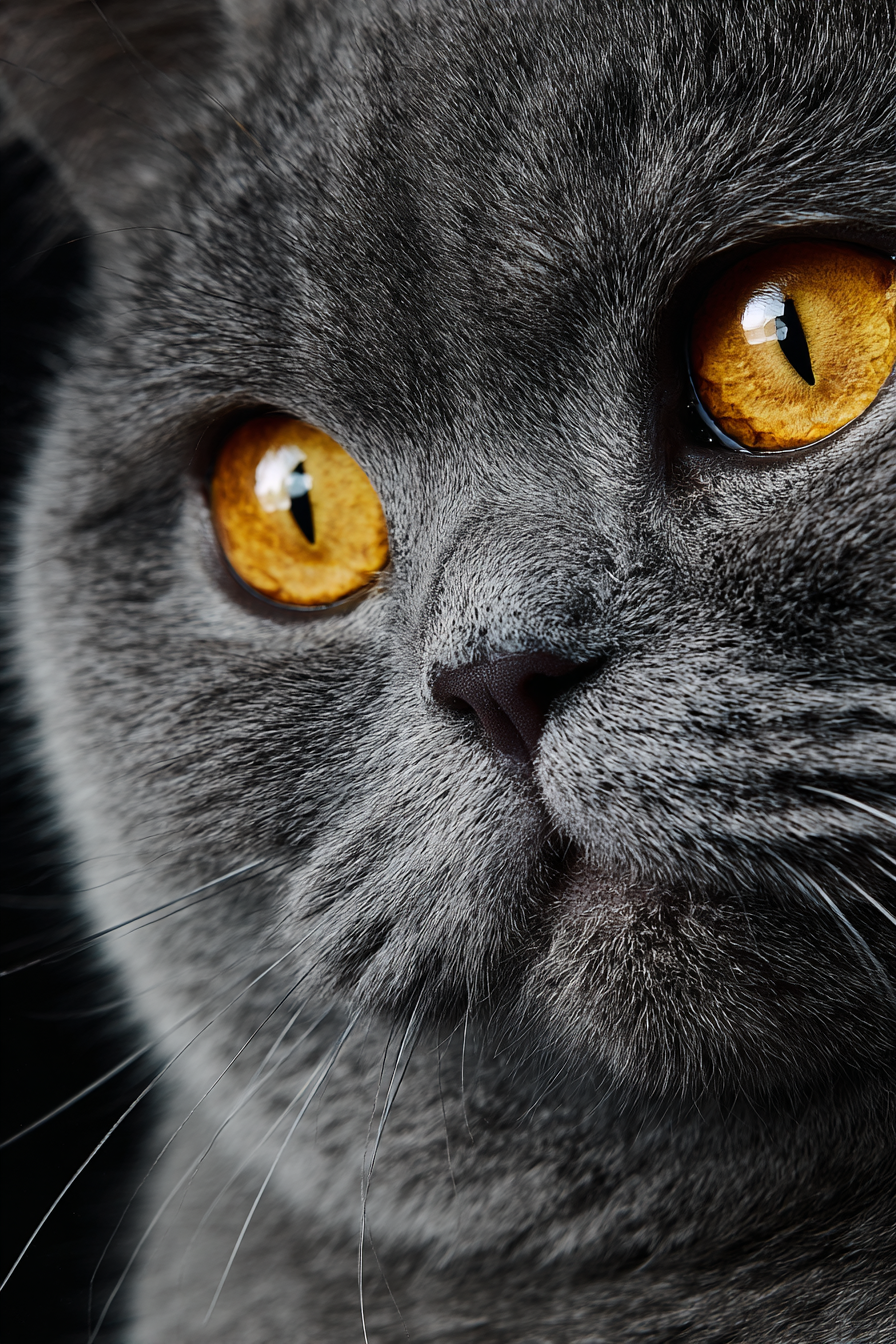
The British Shorthair is often described as the “teddy bear of the cat world,” and anyone who has lived with one instantly understands why. They are calm, affectionate, intelligent, and wonderfully easy to live with. Their round faces, plush coats, and dignified expression draw attention — but their personality is what wins people over.
If you are considering adding a British Shorthair kitten to your home, or simply want to understand your cat better, this post will help you explore the breed’s temperament, behavior, and unique quirks.
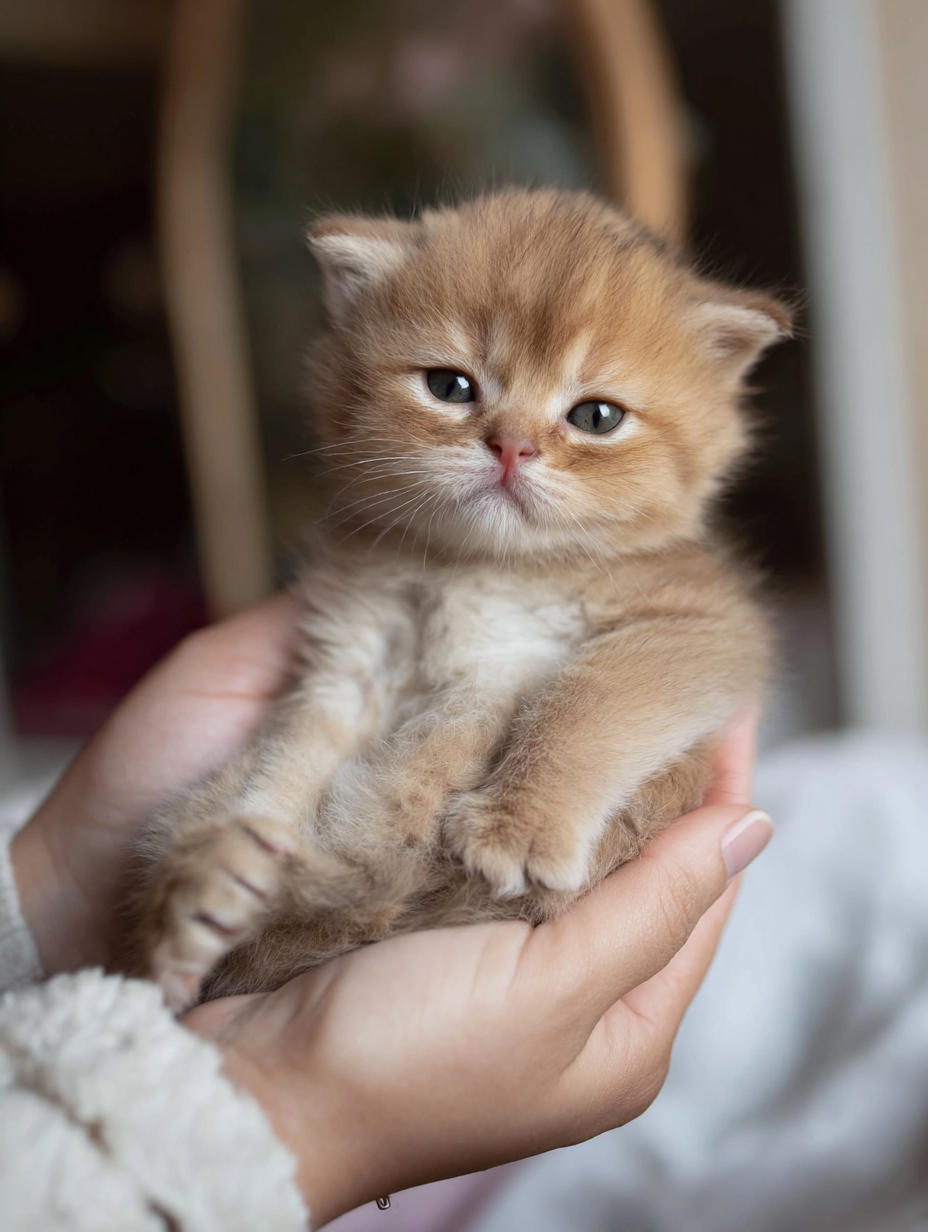
Searching for a Cute British Shorthair Kitten?
If you are here to find your very own British Shorthair baby, check out our Purebred British Shorthair Kittens for Sale.
At Almonte Cats, every kitten is:
- TICA and CFA registered from fully health tested parents
- Raised in home for confident, affectionate temperaments
- Vet checked, vaccinated, and microchipped before going home
Reserve early, our litters are produced in limited numbers each year to preserve quality and true British Shorthair type.
View Available British Kittens and Apply Here
The Gentle, Easygoing Nature of the British Shorthair
British Shorthairs are famous for their plush coats and round, expressive eyes — but it is their temperament that makes them truly extraordinary. These cats are balanced, patient, affectionate, and confident without being demanding.
They are natural companions. A British Shorthair will sit nearby, quietly observe what you are doing, and offer soft affection without interrupting. They prefer peaceful closeness over constant attention. Many owners describe them as deeply intuitive cats who seem to understand the household’s rhythm and adjust to it with ease.
This calm, adaptable temperament makes the British Shorthair an excellent family cat. They thrive in homes with children, adults, seniors, and even dogs, adjusting gracefully to almost any environment.
British Shorthairs Are Social — But Not Too Demanding
Unlike highly vocal or needy breeds, British Shorthairs enjoy companionship in a calm, steady way. They follow their people from room to room, not because they crave attention, but because they genuinely enjoy being part of the household.
They love staying nearby during daily routines — relaxing on the couch while you watch TV, sitting on the floor as you cook, or lounging beside your desk while you work. But they rarely beg for constant interaction. If you leave the room, they may look up or softly chirp, but they remain composed and independent.
British Shorthairs form strong bonds with their families, though most do not attach to just one person. They are affectionate toward everyone in the home and typically welcome gentle visitors rather than hiding. Their friendly but reserved nature makes them one of the easiest breeds to integrate into a variety of lifestyles.
Their Famous Quiet Voice: Soft Meows and Gentle Communication
British Shorthairs are not loud or talkative cats. Instead of dramatic meows, they communicate with:
- soft chirps
- small squeaks
- gentle trills
- quiet meows used sparingly
Many British Shorthair owners note that their cats “speak softly” and only vocalize when they truly have something to say — usually during mealtime or when greeting their favorite person.
Their understated communication style matches their temperament: polite, sweet, and non-intrusive. Instead of demanding attention, they make eye contact, blink slowly, or sit close to let you know they want companionship.
Playful and Intelligent Companions
British Shorthairs may look like plush teddy bears, but they are surprisingly smart and playful. They enjoy mental stimulation and interactive toys, especially those that encourage thinking and problem-solving.
They learn quickly and often pick up routines such as:
- waiting at the same spot for meals
- recognizing their name
- understanding tone and household patterns
- learning which toys belong to them
- remembering hiding spots for favorite objects
While some British Shorthairs learn simple tricks, long training sessions are not typically their style. They prefer calm, steady engagement — puzzle toys, gentle wand play, and activities they can explore at their own pace.
Their playful nature continues well into adulthood, but unlike hyperactive breeds, British Shorthairs enjoy play in short, intentional bursts and then settle into quiet relaxation.
Affectionate Without Being Needy
British Shorthairs show affection in calm, comforting ways. They are not typically lap cats—although some will enjoy occasional cuddles—but they love being near their people. You’ll often find them stretched out beside you on the couch, relaxing quietly under your desk, or settling on a nearby chair while you work or unwind.
Their love is shown through presence, not demands. They’re content to simply share space with you, making them one of the least clingy and most emotionally balanced breeds.
Perfect for People Who Work Full-Time
Because of their independent, low-maintenance personality, British Shorthairs are an excellent choice for people who work long hours or spend part of the day away from home. They handle alone time gracefully as long as they have:
- a cozy place to nap
- access to windows
- enriching toys or scratchers
- a predictable routine
They don’t become anxious or destructive when left alone. Instead, they nap, observe the home, or enjoy quiet self-play. When you return, they greet you warmly and settle in next to you as if slipping back into the rhythm of your evening.
Their gentle independence makes them ideal for busy households, professionals, and anyone wanting a calm, loyal companion without high emotional demands.
Adaptable and Easygoing
One of the British Shorthair’s greatest strengths is their adaptability. They adjust well to different living situations—apartments, houses, family homes, quiet environments, or active ones. As long as they are respected and included in the household’s routine, they thrive.
They appreciate stability, quiet affection, and predictable schedules, but they do not require constant entertainment. Their naturally calm nature makes transitions—new homes, new people, or new furniture—far easier than with many other breeds.
British Shorthairs also tend to travel better than expected. While not adventurous like some breeds, they remain composed and observant during new experiences if introduced slowly and gently.
Good With Children and Other Pets
British Shorthairs are famously patient and tolerant, making them wonderful companions for families with children. Their sturdy build and calm personality help them stay relaxed around younger kids who have been taught gentle handling.
They are not quick to scratch, startle, or react harshly. Instead, they remove themselves politely if they need space. Many families say their British Shorthair naturally gravitates toward quieter activities with kids—story time, crafts, or afternoon movies.
With other pets, British Shorthairs do extremely well. They coexist comfortably with:
- friendly dogs
- other cats
- calm small pets (with supervision)
Their even temperament and respectful nature help them form peaceful bonds in multi-pet homes. They prefer calm introductions and predictable environments, but once settled, they become steady, reliable companions.
Curiosity and Quiet Courage
British Shorthairs have a curious streak, but it shows up in a calm, thoughtful way. They like to investigate new objects, explore a new box, or inspect a shopping bag you’ve just set down, but they do it with quiet confidence rather than boldness.
British shorthairs are observant, steady explorers — the type who walk into a new room, pause, assess, and then move forward with calm assurance. They rarely startle, and when they do, they recover quickly.
You’ll often catch your British Shorthair:
- hopping onto a windowsill to watch birds
- inspecting a new package
- sitting nearby while you fold laundry
- quietly checking out a new piece of furniture
Their curiosity is gentle and polite, making them easy to live with even in active households.
Independent Thinkers
British Shorthairs are famously independent.
- They adore their people, but they like doing things on their own terms.
- They are cooperative, not obedient — which is part of their charm.
- They may come when called… or they may take the scenic route.
- They know the routine, but they follow it in the way that suits them.
This independence is not stubborn or difficult — it’s thoughtful, dignified, and very “British.”
Examples of their independent spirit:
- They’ll choose when to cuddle and when to nap alone
- They prefer gentle invitation over commands
- They enjoy company but also value personal space
- They will sit near you quietly rather than demand interaction
It’s this balance of affection + independence that makes them such easy companions for busy adults, families, and first-time cat owners.
British Shorthair Maturity and Emotional Development
British Shorthairs mature slowly, both physically and emotionally. They develop gradually over several years, becoming more confident, expressive, and affectionate as they age.
They typically progress through several personality stages:
Kitten Stage (0–6 months)
Curious, playful, learning household routines, bonding quickly with people.
Juvenile Stage (6–18 months)
More confident, exploring boundaries, playful but still gentle, discovering their preferences.
Young Adult (18 months – 3 years)
Becoming calmer, more predictable, more affectionate, and emotionally steady.
Mature Adult (3+ years)
Fully grown in both mind and body — relaxed, loving, and deeply bonded to their people.
Adult British Shorthairs are known for their emotional stability. They are not reactive, demanding, or dramatic. They are thoughtful, resilient, and exceptionally easy companions who blend seamlessly into the flow of the home.
Loyalty and Emotional Intelligence
British Shorthairs may be reserved at first, but once they bond with you, their loyalty runs deep. They form strong, steady connections with their families and often choose a few favorite people to shadow throughout the home.
Their emotional intelligence is subtle but unmistakable. British Shorthairs read the energy in a room, sense tension or calm, and respond with quiet companionship. They may sit beside you when you’re stressed, curl at the foot of the bed when you’re tired, or settle near your chair while you work.
They’re not dramatic about their affection — it’s warm, grounding, and sincere. Many owners describe them as “constant but gentle companions” who offer presence rather than pressure. Their devotion is one of the reasons this breed is so well-loved in households of all kinds.
Energy Levels and Daily Routine
British Shorthairs have moderate, predictable energy levels. They enjoy playtime but are equally comfortable relaxing for long stretches. Their days usually include bursts of playful enthusiasm followed by peaceful naps.
Their natural rhythm often looks like this:
- Morning: mild playfulness, exploring windows, greeting family
- Midday: napping, observing, calm self-entertainment
- Evening: interactive play, social time, bonding
- Night: restful sleep somewhere cozy and familiar
A consistent routine helps them feel secure. Unlike high-energy breeds, British Shorthairs do not require constant stimulation. A few intentional play sessions and gentle engagement throughout the day keep them perfectly content.
Their balanced energy makes them ideal companions for families, working professionals, seniors, and quieter households.
British Shorthairs and Water
Unlike water-loving breeds, British Shorthairs are usually curious observers rather than participants. The white cat was sitting by the fish pond in the Peter Rabbit story. She was a British shorthair. They often enjoy watching water move but rarely want to interact with it directly.
You might find them:
- swatting gently at a dripping faucet
- supervising bath time from a safe distance
- dipping a paw into their water bowl
- inspecting the sound of a running shower
Their interest is polite and controlled — more fascination than play. If you want to enrich their environment, a quiet pet fountain or a shallow water dish for gentle paw-dipping satisfies their curiosity without overwhelming them.
Training and Mental Stimulation
British Shorthairs are intelligent cats who appreciate gentle mental challenges. While they may not be as trainability-focused as working breeds, they learn routines quickly and enjoy activities that engage their minds.
They respond best to:
- short, positive training sessions
- food puzzles
- wand toys
- problem-solving games
- predictable enrichment
You can teach a British Shorthair to:
- come when called
- sit or stay (briefly)
- use puzzle feeders
- follow basic routines
- even walk with a harness, if introduced slowly
Training strengthens your bond and keeps your British Shorthair mentally stimulated without overwhelming their calm, easygoing personality.
Common Myths About British Shorthair Temperament
There are a few myths about British Shorthair personality that deserve clarification:
“British Shorthairs are aloof.”
Not at all. They are affectionate and deeply loyal — they simply express love in calm, gentle ways. They prefer being next to you rather than on you, and their warmth comes through presence, eye contact, and quiet companionship.
“British Shorthairs are lazy.”
They are calm, not lazy. British Shorthairs enjoy bursts of play followed by rest, but they are not inactive cats. They thrive on short, fun play sessions and will happily explore their environment at their own pace.
“British shorthairs don’t bond deeply with people.”
They do — very much so. British Shorthairs form strong emotional connections with their families and show devotion through consistency. They follow routines, stay close, and provide comfort without demanding it.
“They are standoffish with strangers.”
Most British Shorthairs are polite and observant around guests. They may take a moment to warm up, but once comfortable, they interact calmly and confidently.
Understanding these nuances helps create realistic expectations and makes it easier to appreciate the breed’s dignified, loving nature.
Frequently Asked Questions About British Shorthair Personality and Temperament
1. Are British Shorthairs clingy or independent?
British Shorthairs strike the perfect balance. They are affectionate without being clingy and independent without being distant. They enjoy sitting with their people, following them around the home, and participating in daily routines, but they do not demand constant attention. This makes them excellent companions for people who appreciate emotional closeness without high-maintenance behavior.
2. Are British Shorthairs good with dogs and other cats?
Yes. British Shorthairs get along beautifully with calm dogs and other cats. Their gentle temperament helps them adjust easily to multi-pet households. They prefer respectful animals and benefit from slow, structured introductions, but once settled, they become steady, reliable companions.
3. Do British Shorthairs like to be held?
Most British Shorthairs tolerate being held briefly but prefer to keep their feet on the ground. Their stocky build makes long holds uncomfortable. They show affection through leaning, gently nudging your hand, or relaxing beside you rather than being carried around.
4. Are British Shorthairs lap cats?
Some are, but most are “next-to-you” cats. They enjoy sitting beside you on the couch, curling at your feet, or resting on the back of the sofa. Their affectionate nature shines through presence rather than clinginess.
5. Are British Shorthairs aggressive?
No. British Shorthairs are one of the calmest, most even-tempered breeds. Aggression is extremely rare and typically only seen in cats who are frightened, unwell, or have had little socialization. Well-bred British Shorthairs are steady, gentle, and emotionally predictable.
6. Do British Shorthairs get jealous?
They can, especially if routines change suddenly. A British Shorthair may express jealousy by sitting between you and another pet or by vocalizing more than usual, but it is never hostile behavior. Consistent attention and structured interactions prevent jealousy and strengthen their sense of security.
7. Are British Shorthairs good with children?
Absolutely. Their calm temperament and sturdy build make them excellent family cats. They tolerate kids well and enjoy quiet activities like reading, crafts, or movie time. They appreciate gentle handling and typically remove themselves politely if they need space.
8. Do British Shorthairs like water?
They are more likely to observe water than play in it. British Shorthairs may watch faucets drip, inspect the bath, or dip a paw in their bowl occasionally, but they generally prefer staying dry. A pet fountain satisfies their curiosity without overwhelming them.
9. How affectionate are British Shorthairs?
Their affection is deep, steady, and subtle. British Shorthairs show love through presence, slow blinks, gentle nudges, and soft purring. They bond strongly with their families and enjoy staying close without being demanding. Their loyalty feels comforting and sincere.
10. Do British Shorthairs get lonely?
They handle short absences well, making them ideal for full-time workers. But they do appreciate companionship and daily interaction. If you are gone for long hours, enrichment toys and window perches help reduce boredom. Some families adopt a pair for companionship.
11. Are British Shorthairs loud?
No. They are one of the quietest cat breeds. Their voices are soft, light, and used sparingly. They communicate gently — often through small chirps or short meows — rather than loud vocalizations.
12. What makes the British Shorthair temperament unique?
Their mix of dignity, sweetness, and calm confidence sets them apart. British Shorthairs are affectionate without neediness, intelligent without being demanding, and playful without being chaotic. They are the definition of a stable, well-balanced companion.
13. Do British Shorthairs remember people?
Yes. British Shorthairs have excellent long-term memory and recognize familiar voices and routines. Once they bond with someone, they remain loyal and affectionate even after periods apart.
14. Are male and female British Shorthairs different in temperament?
Generally, males are slightly more outgoing and goofy, while females are more observant and reserved. Both are affectionate and loyal. Individual personality and early socialization matter far more than gender.
15. What is the best way to bond with a British Shorthair?
Spend time with them daily. Gentle play, predictable routines, soft conversation, and quiet companionship help British Shorthairs bond deeply. Allow them to approach on their own terms, and they will reward you with steady, heartfelt affection.
Final Thoughts on British Shorthair Personality and Temperament
The British Shorthair is everything cat lovers hope for in a companion: calm, gentle, affectionate, intelligent, and beautifully easy to live with. They bring warmth and steadiness to a home without being demanding, making them ideal for families, busy professionals, and anyone who values peaceful companionship.
Living with a British Shorthair feels like having a quiet, loyal friend who understands your rhythm and becomes part of your daily life. They greet you softly, stay close without crowding you, and offer comfort through presence rather than noise. Their temperament is thoughtful, balanced, and deeply loving — a combination that becomes more endearing with every passing year.
If you want a cat that offers companionship, calm affection, and quiet loyalty, the British Shorthair will never disappoint. Once you experience their dignified charm, no other breed feels quite the same.
Related Posts
Learn More About British Shorthair Care and Lifestyle
- Best Home Setup for British Shorthair Cats
- British Shorthair Grooming and Coat Care
- Orange British Shorthair: Color, Genetics, and Kitten Price
- British Shorthair Eye Colors Guide
- British Shorthair Growth Chart (Weeks to Adult)
- British Longhair vs British Shorthair: What’s the Difference?
Resources & External Reading
Breed Registries & Standards
- The International Cat Association (TICA) – British Shorthair Breed Standard
https://www.tica.org/breeds/british-shorthair - Cat Fanciers’ Association (CFA) – British Shorthair Breed Profile
https://cfa.org/british-shorthair/ - GCCF (Governing Council of the Cat Fancy) – British Shorthair Overview
https://www.gccfcats.org/breeds/british-shorthair/
Feline Health & Behavior
- Cornell Feline Health Center – Behavior & Socialization
https://www.vet.cornell.edu/departments-centers-and-institutes/cornell-feline-health-center/behavior - International Cat Care – Cat Behavior & Welfare
https://icatcare.org/advice/cat-behaviour/ - American Association of Feline Practitioners (AAFP) – Cat-Friendly Home Resources
https://catfriendly.com/ - ASPCA – Understanding Cat Behavior
https://www.aspca.org/pet-care/cat-care/cat-behavior






Read the Comments +