
British Shorthair Pros & Cons: Is This Breed Right for You?
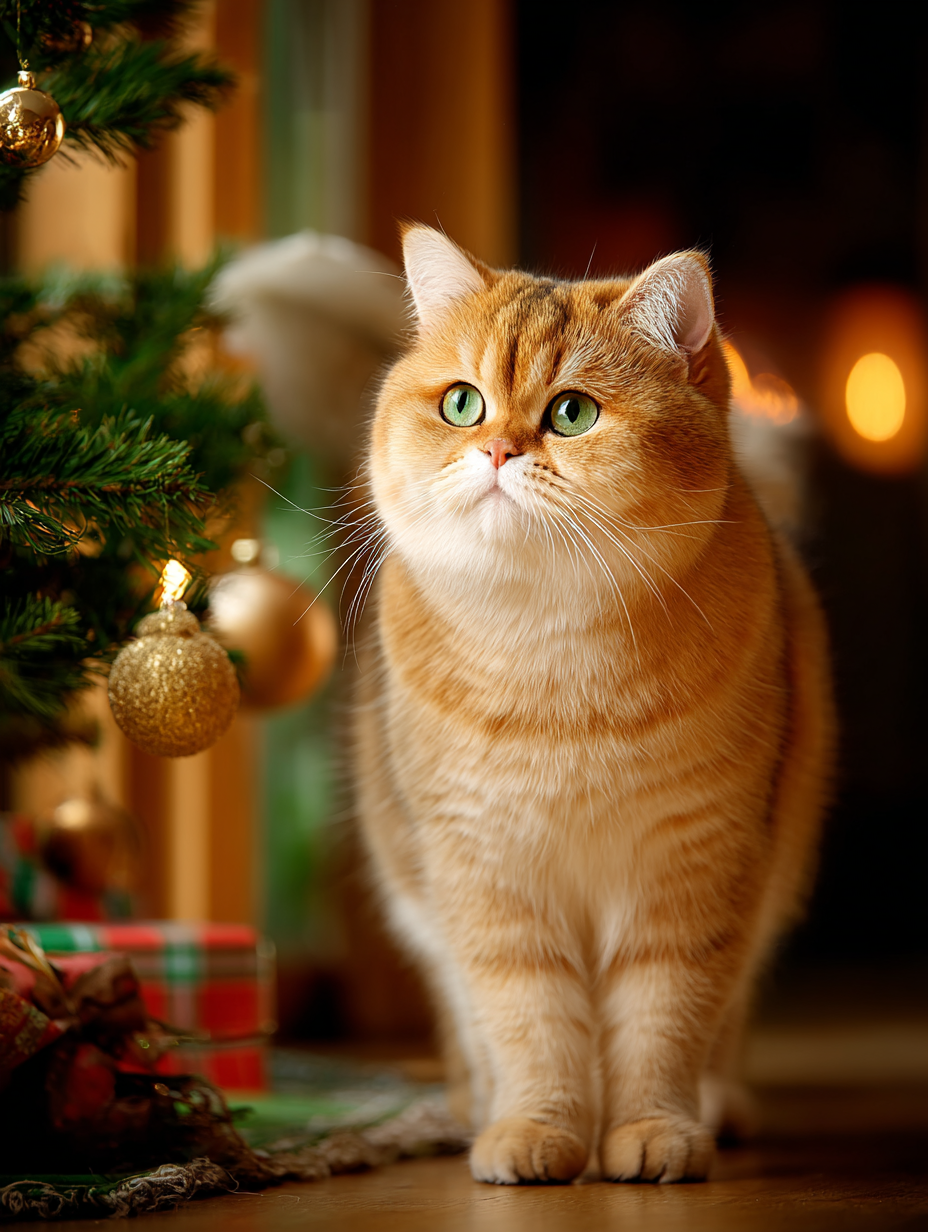
British Shorthairs are one of the most recognizable and consistently searched cat breeds in the United States. This pros-and-cons guide helps prospective owners understand what living with a British Shorthair is truly like — including grooming needs, temperament, training expectations, lifestyle fit, multi-pet compatibility, and long-term care.
Whether you’re deciding if a British Shorthair matches your household or comparing breeds during your kitten search, this overview highlights both the strengths and the realistic challenges of owning this calm, dependable breed. At the end of the post, you can explore available British Shorthair kittens and related resources to continue your research.
British Shorthair Pros and Cons Summary
| Category | Pros of British Shorthairs | Cons of British Shorthairs |
|---|---|---|
| Temperament | Calm, predictable, gentle; low-reactive; excellent for relaxed households | Can be reserved with strangers; not ideal for owners wanting a highly social or clingy cat |
| Family Compatibility | Great with respectful children; tolerant; stable energy | Not suited for rough handling; may withdraw in chaotic homes |
| Living Environment | Adapt well to apartments or houses; low space requirements | Need stable routines; do not thrive in highly dynamic or noisy environments |
| Behavior & Social Needs | Independent; easygoing; low-maintenance companionship | Not a lap cat for everyone; may prefer quiet observation over intense interaction |
| Appearance | Iconic round face, plush double coat, strong bone, teddy-bear look | Heavy seasonal shedding; coat requires weekly brushing to stay crisp |
| Cost Factors | Low daily upkeep; low grooming costs compared to longhaired breeds | Higher initial purchase price; reputable programs invest heavily in health testing |
| Health | Structurally sound; no extreme features; generally long-lived | Breed-linked risks include HCM, PKD in some lines, and obesity if diet isn’t managed |
| Growth & Development | Slow, steady growth allows strong bonding; kittenhood lasts longer | Reach physical maturity slowly (3–5 years); need weight monitoring through growth |
Overview of the British Shorthair
Natural Personality Tendencies (Pro)
The British Shorthair is known for its calm, even-tempered, people-aware but not needy personality. They enjoy being near their families, following household activity from a comfortable distance, and observing routines with quiet interest. Rather than vocalizing frequently, they communicate through soft chirps or quiet meows and rely more on body language than constant interaction.
Their stable demeanor makes them one of the most dependable cat breeds for families, professionals, and multi-pet households. British Shorthairs thrive when the home is predictable and peaceful, and they naturally blend into the environment without demanding constant engagement.
Potential Behavior Challenges (Con)
British Shorthairs rarely display aggression, but their independent temperament can create challenges in homes wanting a highly interactive or clingy breed. Without enough mental stimulation, they may become sedentary, develop mild boredom behaviors, or lose muscle tone due to under-exercise.
Because they prefer calm consistency, they do not thrive in chaotic households or environments with frequent loud noises. British Shorthairs also dislike abrupt routine changes and may withdraw when overwhelmed. Long hours alone are usually tolerated, but they still benefit from enrichment toys, puzzle feeders, and structured play to prevent weight gain or lethargy.
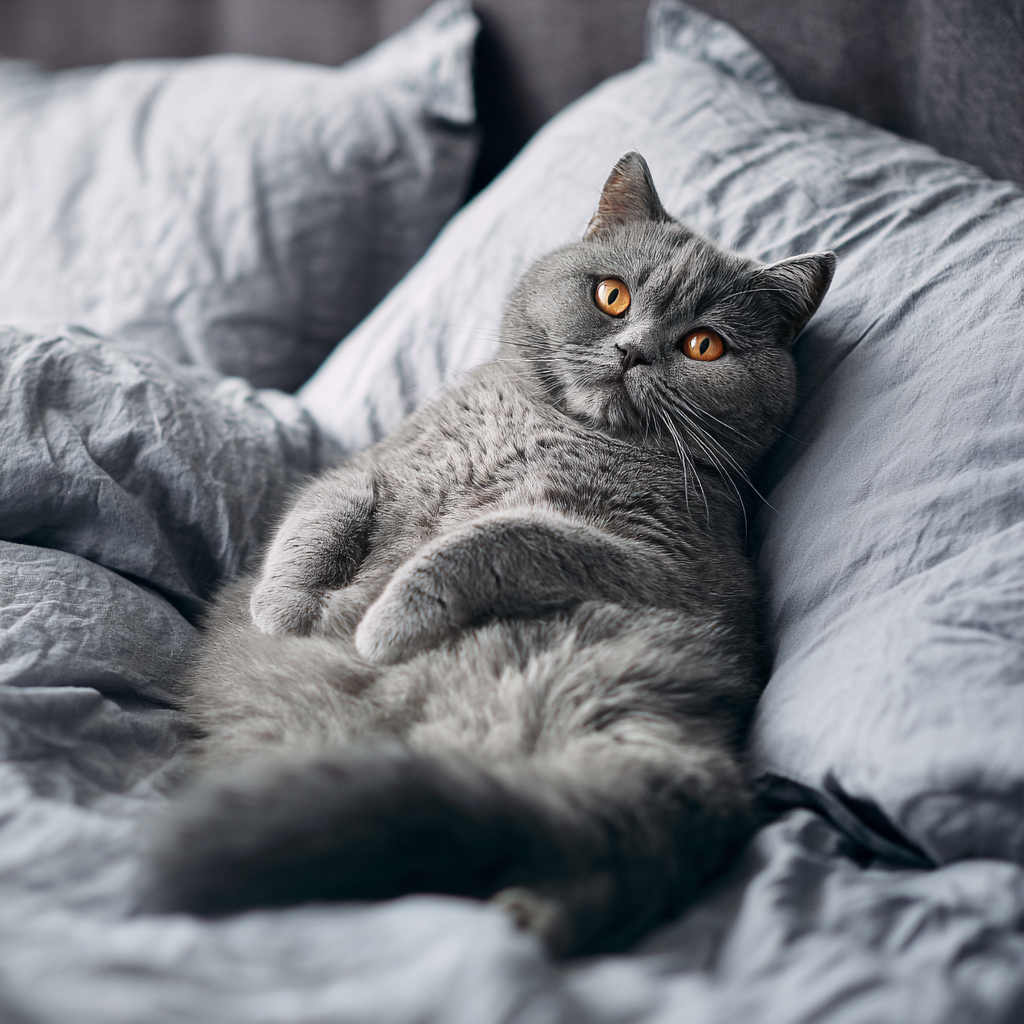
Pros of Owning a British Shorthair
Affection & Social Behavior (Pro)
British Shorthairs offer low-maintenance affection that suits many lifestyles. They bond strongly with their people and enjoy being in the same room, but they are not clingy or demanding. Their companionship is steady — they greet owners calmly, relax nearby, and follow the household rhythm without constantly seeking attention.
This balance makes them an excellent match for families, busy professionals, couples, and retirees who want a loving companion without the intensity of a high-energy or overly vocal breed.
Compatibility With Families (Pro)
Examples:
• Gentle with respectful children
• Patient with handling when socialized early
• Coexist well with quiet, cat-friendly dogs
• Fit comfortably into slow or moderately active households
Their low-reactivity and predictable behavior give first-time cat owners an easier experience than with more emotionally sensitive or territorial breeds.
Compatibility With Dogs, Cats, & Kids (Pro)
British Shorthairs adapt well to multi-pet households thanks to their calm confidence. They do not spook easily, are less reactive to sudden changes, and generally avoid conflict rather than escalate it.
With cat-friendly dogs, British Shorthairs maintain steady interactions and typically set gentle boundaries without aggression. Their solid body and composed nature help them feel secure, reducing fear-based reactions.
When raised with other cats, they maintain respectful coexistence and value personal space. They rarely compete for dominance, making them suitable for multi-cat homes.
With children, their tolerance and sturdy build make them reliable companions as long as interactions are gentle and handled responsibly.
Slow, controlled introductions remain important, especially with energetic dogs or assertive cats. Once settled, British Shorthairs participate in shared family routines and maintain long-term harmony in the home.
Trainability & Intelligence (Pro)
British Shorthairs learn well through repetition and routine. They respond to household rhythms, feeding times, and consistent cues. While not as trick-focused as high-drive breeds, they do well with straightforward training:
- name recognition
- manners-based commands (come, stay out of rooms, carrier entry)
- harness acclimation in some individuals
- calm grooming behaviors
They excel at structured habits — greeting at specific times, using scratching posts, respecting boundaries, and adapting to daily schedules.
Litter training is typically effortless due to their natural cleanliness and preference for orderly spaces.
Though they are not highly energetic learners, British Shorthairs are thoughtful, observant, and cooperative with predictable training approaches.
Grooming & Coat Maintenance (Pro)
The British Shorthair’s plush double coat requires regular weekly brushing to maintain density, remove loose undercoat, and prevent heavy seasonal shedding. Their coat is thicker and denser than that of most shorthair breeds, which means shedding arrives in noticeable waves during spring and fall.
A metal comb and a soft brush are typically enough to keep the coat crisp and healthy.
Because the coat is not long, matting is uncommon. British Shorthairs tolerate grooming well when introduced early, and most enjoy the routine once it becomes familiar. Their grooming needs are predictable and manageable for families.
Health Strengths (Pro)
When bred responsibly, British Shorthairs are structurally sound with no extreme features that compromise breathing, mobility, or daily comfort. Their sturdy build supports controlled climbing and play without strain.
Responsible programs screen for HCM and PKD — two conditions that can appear in untested lines — and selecting from health-tested parents significantly lowers risk.
British Shorthairs typically live long, stable adult lives with:
- annual veterinary exams
- weight management
- balanced nutrition
- routine dental care
Their overall durability and moderate activity level support healthy longevity.
Low Prey Drive & Gentle Play (Pro)
British Shorthairs generally have mild prey drive and a softer play style than many energetic breeds. Their movements are controlled, deliberate, and careful, making them safe companions for homes with calm dogs or respectful children.
They enjoy wand toys, short play bursts, and puzzle feeders, but they rarely engage in intense chasing or high-speed activity. This gentler play style contributes to household harmony and reduces accidental scratches or overstimulation.
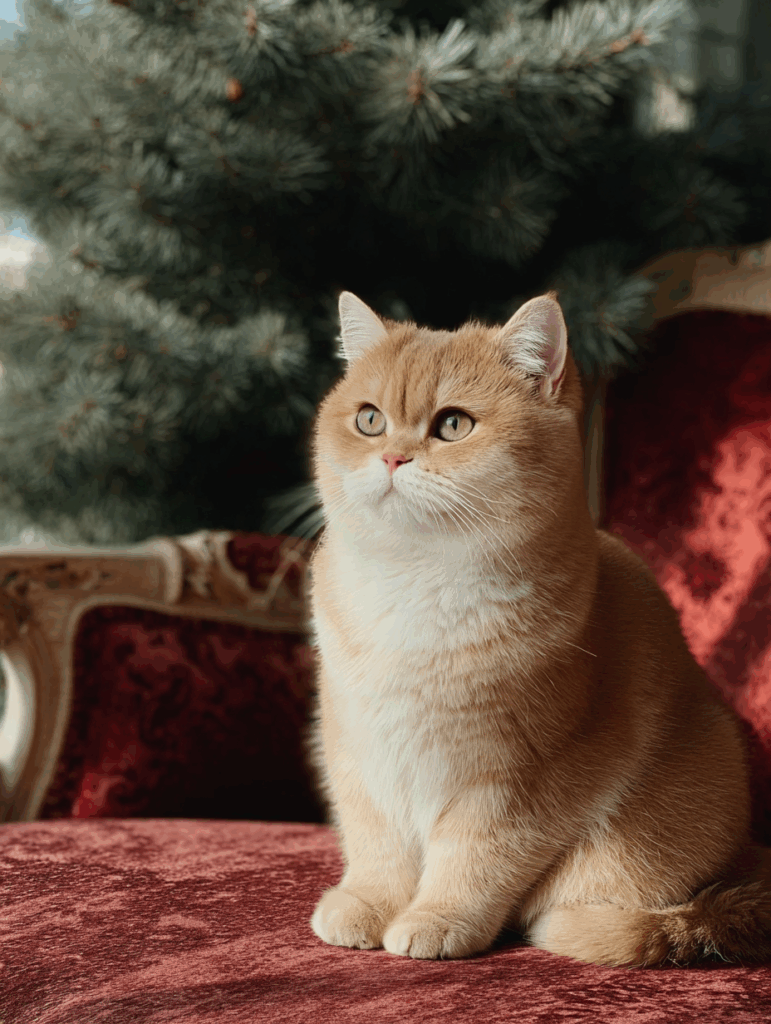
Cons of Owning a British Shorthair
High Shedding & Coat Maintenance (Con)
British Shorthairs are often mistaken for low-grooming cats because their coat is short — but their double coat is one of the densest of any shorthair breed. Seasonal shedding can be significant, especially in spring and fall, and many owners underestimate the amount of loose undercoat that must be removed to prevent matting at the base of the tail or behind the legs.
Because coat care is one of the most common British Shorthair complaints, owners should expect:
• weekly brushing year-round
• 2–3 brushing sessions per week during heavy shedding
• increased lint and fur on clothing and furniture
• occasional coat thinning from low brushing frequency
• extra care during seasonal coat blows
Families wanting a “zero-maintenance” cat may feel overwhelmed when the dense undercoat begins shedding in large amounts twice per year.
Cost & Availability (Con)
British Shorthairs are in high demand worldwide, and responsible breeders invest heavily in health testing (HCM, PKD), high-quality nutrition, structure-focused pairing, and raising kittens indoors with proper socialization. This results in healthier, well-adjusted kittens, but also increases cost.
Typical considerations include:
• higher purchase price than many domestic cats
• limited availability for certain colors (lilac, cinnamon, silver, golden)
• long waitlists at reputable, health-testing catteries
Families searching for a very inexpensive or instantly available kitten may struggle to find a British Shorthair from a responsible program.
Energy Level Mismatches (Con)
British Shorthairs are not high-energy cats — but this can be a challenge for families expecting a playful, interactive, high-engagement kitten. They grow into calm, low-to-moderate activity adults with short bursts of play, followed by long periods of rest. Their slow, steady style may disappoint owners wanting a highly social or energetic companion.
Potential mismatches include:
• owners wanting a “dog-like,” endlessly interactive cat
• families expecting constant play or attention
• homes with highly active pets that expect rough play
• people wanting a lap cat 24/7 (many British Shorthairs prefer sitting next to owners rather than on them)
Without light daily enrichment, British Shorthairs can become sedentary, gain weight easily, or lose muscle tone — one of the breed’s most common issues.
Reserved or Independent Personality (Con)
British Shorthairs are affectionate, but they are not clingy. They bond deeply but often show affection quietly — by following their owner to another room or sitting nearby rather than demanding constant touch.
This independence can feel like emotional distance to owners expecting a high-interaction breed.
Potential challenges:
• they may not sit on laps consistently
• they can be slow to warm up to strangers
• some individuals prefer proximity over handling
• they don’t thrive in chaotic homes or noise-heavy environments
Families wanting a highly expressive, constantly interactive cat may find the British Shorthair too reserved.
Vocalization or Quietness (Con)
British Shorthairs are generally quiet, which is a pro for many owners — but for others, their low vocalization can be a con.
Potential challenges:
• they rarely signal needs with strong meows
• subtle vocal cues can be easy to miss
• some may not vocalize pain or discomfort clearly
• they do not provide the conversational behavior some families enjoy
Owners seeking a communicative or talkative breed may find the British Shorthair too silent or stoic.
Potential Health Considerations (Con)
British Shorthairs are overall sturdy, but like all purebred cats, they have breed-linked risks. These do not affect every cat, but owners should be aware.
Common areas of concern include:
• Hypertrophic Cardiomyopathy (HCM)
• Polycystic Kidney Disease (PKD) in some lines
• Obesity due to low activity levels
• Dental issues if not maintained
• Arthritis in overweight or older adults
Choosing a health-tested kitten minimizes risks, but families should still budget for long-term wellness care, especially weight management — one of the breed’s most important ongoing needs.
Emotional & Social Needs (Con)
Although British Shorthairs are independent, they still rely on predictable routines, gentle social interaction, and a stable environment. They do not thrive in:
• chaotic households
• homes with loud children or constant activity
• environments where routines change frequently
• situations where owners travel constantly
British Shorthairs may struggle with:
• stress from overstimulation
• withdrawal or hiding in chaotic homes
• reduced confidence if not socialized early
• boredom if the environment lacks enrichment
They tolerate alone time better than many breeds but still benefit from companionship and minimal disruption.
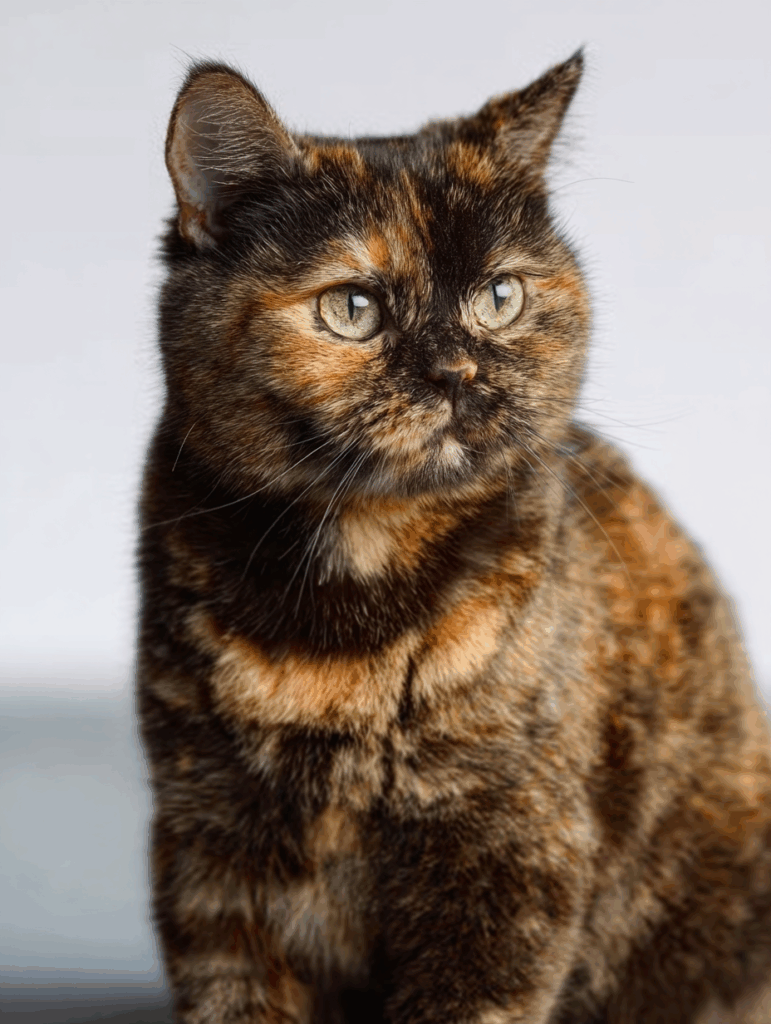
Is the British Shorthair Cat a Good Fit for You? Pros and Cons of the British Shorthair Breed
Are British Shorthairs Good for First-Time Cat Owners?
Why They Might Be a Good Fit (Pros)
British Shorthairs are one of the most beginner-friendly purebred cats because of their calm temperament, predictable behavior, and low-maintenance social needs. They thrive in structured homes, adapt well to routines, and form steady, comfortable bonds with their families without being clingy.
Their gentle nature makes litter training, crate or carrier training, and household integration uncomplicated. British Shorthairs tolerate handling well when socialized early, and their moderate activity level makes them manageable for new cat owners who want a relaxed, easygoing companion instead of a high-energy breed.
What First-Time Owners Should Prepare For (Cons)
British Shorthairs grow slowly and often reach full maturity at 3–5 years, which means owners must be prepared to support gradual developmental changes. Their dense double coat requires regular brushing, especially during seasonal shedding, and owners who neglect grooming may find loose undercoat accumulates quickly.
Because British Shorthairs are independent but not solitary, they do not thrive in homes with constant disruption or chaotic energy. While they handle alone time better than many breeds, they still need predictable daily interaction to prevent boredom, weight gain, or withdrawal. First-time owners should be ready to maintain diet control, routine play, and stable schedules.
Are British Shorthair Cats Good With Dogs?
Positive Traits That Help (Pro)
British Shorthairs are typically very good with calm, respectful dogs. Their steady, low-reactivity temperament makes them less likely to flee or trigger prey-chase behavior. They prefer peaceful coexistence, adapt to multi-pet homes, and hold their ground confidently without confrontation.
Because they are not overly fearful or territorial, British Shorthairs often integrate smoothly into households with dogs that understand boundaries. Many will share living spaces comfortably and observe canine activity with quiet interest rather than anxiety.
Situations That Need Management (Con)
High-energy dogs, working breeds with strong prey drive, or puppies lacking impulse control may overwhelm a British Shorthair. These cats value predictability and personal space, so owners should provide:
• vertical escape routes
• protected feeding and litter areas
• slow, structured introductions
• supervised early interactions
British Shorthairs generally avoid conflict; if they feel constantly pursued or intimidated, they may hide long-term or become stressed.
Space & Home Requirements
Why the Breed Works in Apartments or Houses (Pro)
British Shorthairs adapt extremely well to both small apartments and large homes because their activity level is moderate and their personalities are relaxed. They enjoy sitting in windows, following family members from room to room, and participating in household routines at their own pace.
They require less vertical space than high-energy breeds but still appreciate scratching posts, window perches, and quiet spaces where they can observe without being disturbed. Their naturally calm behavior makes them excellent companions for urban living.
Situations Where They Might Struggle (Con)
British Shorthairs may struggle in homes where:
• loud noise, chaos, or unpredictable activity is constant
• children or pets demand excessive physical interaction
• they are left unstimulated for long periods
• routines shift frequently
• there is no space to retreat and rest
Their sturdy build also means they need appropriately sized carriers, litter boxes with ample space, and controlled feeding to avoid obesity. Homes lacking enrichment or consistent schedules may see the cat become withdrawn, overweight, or stressed.
Grooming Pros & Cons
Easy Grooming Traits (Pro)
British Shorthairs have a short, dense double coat that requires far less daily maintenance than longhaired breeds. Their coat does not mat easily, and many owners find weekly brushing sufficient outside of seasonal shedding periods.
The crisp texture of their fur makes dirt shed naturally, and oils distribute evenly, keeping the coat plush and healthy. Most British Shorthairs enjoy short brushing sessions, especially when introduced early, as it mimics calm, tactile bonding.
What owners appreciate:
• short grooming sessions
• minimal tangling
• coat stays clean-looking with light upkeep
• brushing helps manage shedding quickly and efficiently
Higher Maintenance Needs (Con)
Although their coat is short, British Shorthairs shed heavily during seasonal changes due to their dense undercoat. Owners who underestimate this may face significant shedding on clothing, bedding, and furniture.
Neglecting brushing for long periods allows loose undercoat to compact near the tail base and thighs, leading to discomfort and uneven coat texture.
Owners should expect:
• weekly brushing year-round
• increased brushing during spring and fall
• nail trims and routine dental care
• monthly checks for coat thinning or buildup
For families wanting a no-shedding or extremely low-maintenance coat, the British Shorthair may require more upkeep than expected.
Activity Level Pros & Cons of British Shorthairs
Calm, Controlled Activity Level (Pro)
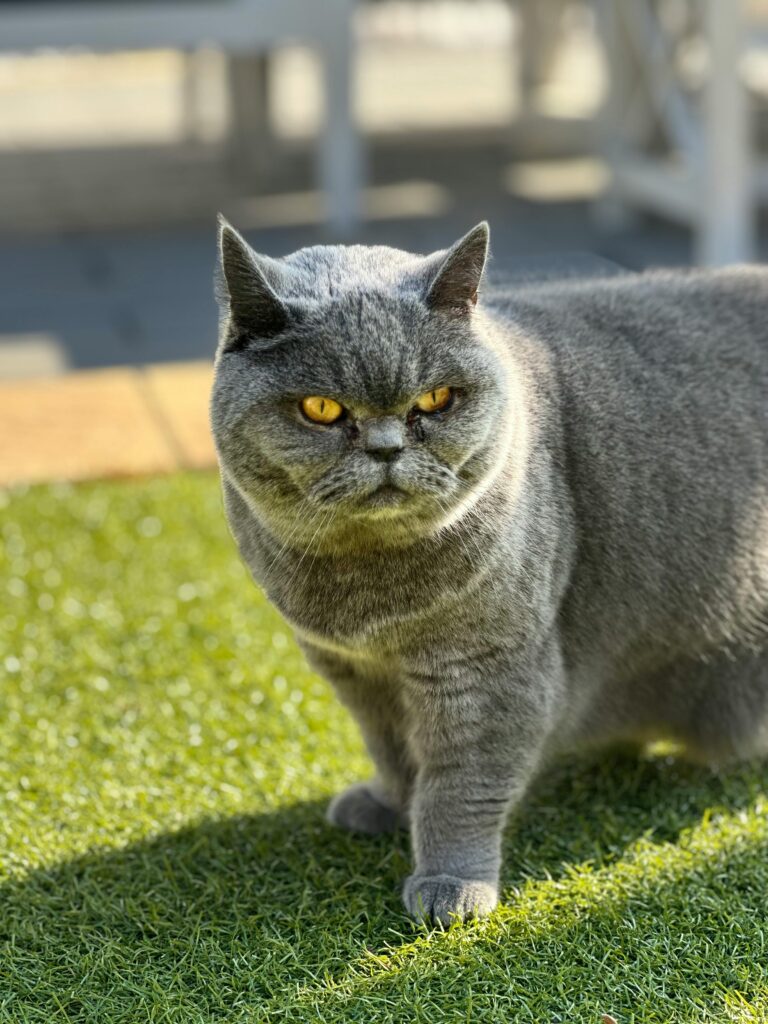
British Shorthairs have a moderate, predictable activity level, which is one of their most appealing traits. They enjoy structured playtime, puzzle feeders, and wand toys but rarely engage in chaotic zoomies or high-energy bursts.
Their play style is deliberate and thoughtful, making them ideal for families wanting an interactive cat without constant hyperactivity.
Their energy strengths:
• enjoy short, focused play sessions
• adapt well to apartment living
• low prey drive makes them gentle with children and pets
• predictable daily rhythms that fit working households
Their balanced energy level complements both busy families and quiet homes.
Potential Challenges With Too Little or Too Much Energy (Con)
British Shorthairs can become sedentary very easily, especially after maturity. Without enrichment, they are prone to weight gain and decreased muscle tone.
On the opposite end, some younger British Shorthairs may show bursts of unexpected playfulness, especially males up to age two, meaning owners must provide structured stimulation.
Common challenges:
• tendency toward inactivity if not encouraged
• boredom-related overeating
• low drive may frustrate owners wanting a very playful cat
• nighttime restlessness in kittens without routine play
Meeting their needs requires regular play, feeder toys, and controlled diet.
Health Pros & Cons of British Shorthairs
Healthy Structural Traits (Pro)
A major pro of the British Shorthair is its robust, natural structure — no flat faces, dwarfism mutations, or extreme features. Their broad chest, strong bone, and solid musculature support healthy movement and reduce the risk of structural deformities seen in some breeds.
When bred responsibly, British Shorthairs typically enjoy long, stable lives of 14–18 years.
Additional health strengths:
• resilient immune systems in well-bred lines
• stable digestive systems
• good tolerance for routine veterinary care
• low incidence of respiratory or skeletal issues
They thrive with balanced nutrition, controlled weight, and annual exams.
Breed-Specific Risks (Con)
Like all established breeds, British Shorthairs have identifiable genetic risks that responsible breeders actively test for.
Areas of concern:
• Hypertrophic Cardiomyopathy (HCM)
• Polycystic Kidney Disease (PKD) (still seen in untested lines)
• obesity, one of the breed’s biggest long-term risks
• dental concerns if not properly maintained
• joint strain in overweight adults
Families should ensure kittens come from tested parents and budget for periodic heart scans and routine dental care. British Shorthairs are sturdy, but weight control is crucial for long-term mobility and health.
Cost of Ownership Pros & Cons of British Shorthairs
Lower Everyday Care Costs (Pro)
British Shorthairs do not require specialty diets, high-end grooming equipment, or intensive maintenance. Their daily care is straightforward:
• normal high-quality food
• standard grooming tools
• routine vet care without exotic requirements
• moderate toy and enrichment needs
Their longevity also means owners enjoy years of stable companionship, making long-term cost reasonable compared to higher-maintenance or health-fragile breeds.
Higher Upfront or Long-Term Expenses (Con)
One of the practical cons is the initial cost of acquiring a well-bred British Shorthair. Ethical breeders with health testing, structured breeding programs, and in-home raising produce healthier kittens, but this increases price.
Additional long-term costs:
• managing obesity (specialized diets, vet visits)
• dental cleanings as needed
• heart screenings in some adults
• high-quality carriers and litter boxes due to size
Although British Shorthairs have fewer grooming and medical demands than many breeds, families should prepare for responsible ownership and preventative health care.
Pros & Cons of British Shorthair Kittens
Kitten Behavior Pros
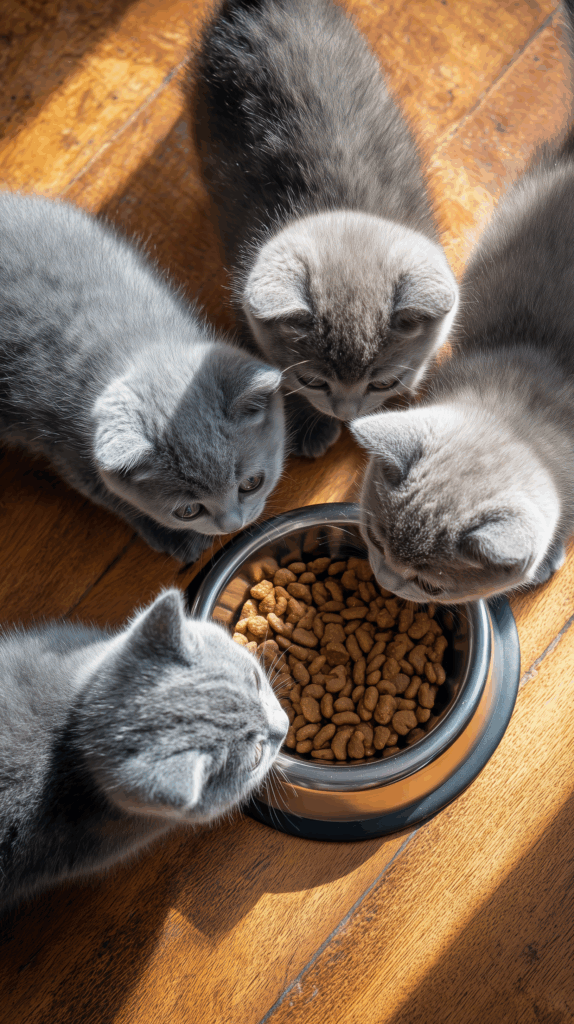
British Shorthair kittens offer several appealing traits that make early bonding smooth and predictable:
• Naturally gentle and easygoing from a young age
• Adaptable to calm households with children, cats, or polite dogs
• Quick to learn feeding routines, litter habits, and household expectations
• Respond well to positive reinforcement and structured play sessions
• Form stable, loyal bonds that deepen as they mature
• Low-reactive temperament reduces risk of overstimulation or rough behavior
These qualities make British Shorthair kittens an excellent choice for families, professionals, and first-time cat owners looking for a steady, polite, and uncomplicated companion.
Kitten Behavior Cons
British Shorthair kittens also come with realistic challenges:
• They often have short bursts of high energy followed by long periods of rest, which can confuse owners expecting constant play
• Their sturdy bodies and early curiosity can make them clumsy around furniture or fragile décor
• Without structured routines, they may overeat, leading to early weight gain
• They can be slow to accept handling if not socialized consistently during the first 12 weeks
• Their independent nature means they may not be as cuddly or lap-focused as some families expect
• Because they mature slowly, their personality develops gradually, requiring patience from owners
Understanding these traits helps families approach British Shorthair kittens realistically rather than expecting a high-energy or highly interactive breed.
Should You Get a British Shorthair? Final Pros & Cons Checklist
Choose a British Shorthair If You Want (Pros)
• Predictable temperament: British Shorthairs are calm, stable, polite, and easy to live with. They fit well into quiet or moderately active homes.
• Low-maintenance affection: They bond deeply but are not demanding or clingy, making them ideal for busy owners or families wanting a gentle companion.
• Iconic appearance: Their round face, dense plush coat, and teddy-bear build appeal to owners who want a classic, visually striking cat without longhair maintenance.
• Compatibility with other pets: They coexist well with respectful dogs and other cats due to their low-reactivity and preference for harmony.
• Quiet behavior: They communicate subtly and rarely vocalize excessively, which is perfect for apartments or households wanting a peaceful pet.
• Structured, calm home life: They thrive with predictable routines and moderate interaction, making them suitable for full-time workers or relaxed households.
Reconsider a British Shorthair If You Prefer (Cons)
• A highly interactive, attention-seeking cat: British Shorthairs are affectionate but not clingy or constantly playful.
• An extremely low-shedding breed: Their dense double coat sheds heavily seasonally and requires routine brushing.
• A cat who loves being held or carried: Many British Shorthairs prefer sitting near their people rather than on them.
• A bargain-priced purebred: Ethical British Shorthair breeders invest in health testing and careful pairing, which raises upfront cost.
• A cat who adapts well to chaos or loud environments: They are sensitive to overstimulation and may withdraw in unpredictable homes.
• A high-energy or athletic cat: They are more sedentary than many breeds, and owners wanting constant play may find them too mellow.
British Shorthair Pros & Cons FAQ
Are British Shorthair cats good for first-time owners?
Yes. British Shorthairs are considered one of the most beginner-friendly cat breeds because they are calm, predictable, polite, and easy to manage in day-to-day life. They adapt well to routines, are naturally clean, and rarely engage in chaotic kitten behavior. First-time owners should still be prepared to provide structure, gentle handling, and regular coat maintenance. See: British Shorthair Kitten Care Guide for detailed information.
Do British Shorthairs like to cuddle?
Most British Shorthairs prefer companionship near their humans rather than on laps. They enjoy sitting beside you, following you room to room, or sleeping nearby. Some individuals become cuddly with age, but as a breed they are not clingy and do not demand constant touch. Their affection is steady, subtle, and low-pressure.
See: Are British Shorthairs Affectionate?
Are British Shorthairs high maintenance?
British Shorthairs are low- to moderate-maintenance. Daily needs are simple, but their dense double coat requires weekly brushing to prevent shedding buildup, especially during seasonal coat changes. They also need weight management, nail trims, dental care, and enrichment to prevent boredom. Compared to longhair breeds, they are easier — but they are not “no-maintenance.” See British shorthair grooming for maintenance details.
How active are British Shorthair cats?
British Shorthairs have short play bursts followed by long rest periods. They are not high-energy cats and rarely exhibit nonstop kitten zoomies. They enjoy wand toys, puzzle feeders, and routine enrichment, but they are generally content with moderate daily play. Their activity level suits apartments, busy professionals, and families wanting a calm companion.
Do British Shorthairs get along with dogs?
Yes — when paired with calm, respectful dogs who understand boundaries. British Shorthairs are confident, sturdy, and low-reactive, making them good candidates for multi-pet households. They appreciate predictable routines and slow introductions. High-prey-drive or chaotic dogs need careful management to avoid stress.
See more about British Shorthairs and Dogs here.
Are British Shorthairs good with children?
They are excellent with gentle, respectful children. British Shorthairs tolerate handling well when socialized early and enjoy participating in family routines. They do not respond well to unpredictable, rough play, so supervision is recommended with very young children.
Do British Shorthairs shed a lot?
Yes, especially during spring and fall. Their dense double coat traps loose hair, which means visible shedding can increase if brushing lapses. Weekly grooming is usually enough, but seasonal shedding periods may require more frequent brushing. A high-quality diet and omega supplements help maintain coat health. View: British Shorthair Cat Shedding for more info.
How vocal are British Shorthairs?
They are a quiet breed. Most British Shorthairs communicate through soft chirps, purrs, and small meows rather than loud, constant vocalization. This makes them ideal for apartments or noise-sensitive homes. Increased meowing can indicate hunger, boredom, or a change in routine.
Do British Shorthairs like being left alone?
Yes, within reason. British Shorthairs handle alone time better than social or high-energy breeds. They are independent, restful, and comfortable entertaining themselves with toys and window perches. However, very long hours alone every day can lead to weight gain, boredom, or reduced engagement. Enrichment and predictable routines help.
Are British Shorthairs healthy cats?
Overall, British Shorthairs are sturdily built, but like all pedigreed breeds, they have some health predispositions. Ethical breeders screen for HCM, PKD, and joint concerns. Weight management is important — British Shorthairs gain weight easily if diet and activity are not balanced.
Do British Shorthairs grow slowly?
Yes. They are one of the slowest-maturing cat breeds. British Shorthairs typically reach full size between 3–5 years and emotional maturity a little later. Their development is gradual, and their personality becomes more defined over time.
Do British Shorthair kittens behave differently from adults?
Yes. As kittens, they can be surprisingly playful and curious before settling into their classic calm temperament. They may chew, climb, or explore more than expected during adolescence. Owners should be prepared for structured routines, daily play sessions, and consistent guidance.
Are British Shorthair cats expensive?
They are generally higher in price compared to many breeds because responsible programs invest heavily in health testing, high-quality nutrition, proper socialization, and slow, thoughtful breeding. Rare colors like golden, silver, and lilac may cost more. Ethical breeders have waitlists due to high demand.
Learn more: How to Choose a British Shorthair Breeder and Avoid Scams here.
Are British Shorthairs affectionate?
Yes, but in a relaxed, dignified way. They enjoy companionship, follow their people around, and show affection through closeness rather than constant physical contact. Their loyalty is strong and long-lasting.
Are British Shorthairs destructive?
No. Their temperament is low-reactive and non-chaotic. They rarely climb curtains, knock over items deliberately, or engage in high-intensity mischief. If given routine enrichment and scratching posts, they are one of the easiest breeds to manage in terms of household behavior.
Do British Shorthairs need a lot of space?
No. Their moderate energy level makes them suitable for apartments, small homes, and quiet living environments. Vertical space is beneficial, but not required. A few resting spots, a window perch, and a scratching post often meet their needs.
Do British Shorthairs get along with other cats?
Generally yes. They are tolerant and low-drama, especially with other calm or similarly easygoing cats. They do best with slow introductions and predictable territory. High-energy or overly assertive cats may be overwhelming for them.
How big do British Shorthairs get?
Adult males typically reach 12–17 pounds, while females average 8–14 pounds. Their build is stocky, round, and muscular, giving them a heavier feel than they look. Their slow growth means size develops gradually over several years.
Are British Shorthairs hypoallergenic?
No. They produce normal levels of Fel d1 allergen and shed heavily, especially seasonally. Allergy sufferers may react more intensely to the dense double coat. Regular grooming and air filtration can help, but the breed is not considered allergy-friendly. See: Are British Shorthair Cats Hypoallergenic?
View Available British Shorthair Kittens
If you’re ready to bring home a confident, social, easygoing companion, our British Shorthair kittens are raised in-home, health tested, and carefully matched to families.
More British Shorthair Breed Articles from Almonte Cats
- British Shorthair Health
- British Shorthair Lifespan
- British Shorthair Shedding
- British Shorthair Size
- British Shorthair Cat Care
- British Shorthair Personality
- British Shorthair Diet
- British Shorthair Kitten Growth Stages
- British Shorthair vs Ragdoll
Sources – British Shorthair Pros & Cons Guide
- Cat Fanciers’ Association (CFA). British Shorthair Breed Profile.
https://cfa.org/british-shorthair/ - The International Cat Association (TICA). British Shorthair Breed Standard.
https://tica.org/breeds/browse-all-breeds/british-shorthair - Governing Council of the Cat Fancy (GCCF). British Shorthair Registration Policies & Standards.
https://gccfcats.org - Fédération Internationale Féline (FIFe). British Shorthair Breed Standard Information.
http://fifeweb.org/wp/breeds/bsh/ - Winn Feline Foundation (now EveryCat Health Foundation). Research on genetic predispositions in pedigreed cats, including obesity, HCM prevalence, and dental health trends.
https://everycat.org/cat-health/ - Cornell University College of Veterinary Medicine. Feline Behavior & Socialization Guidelines.
https://www.vet.cornell.edu/departments-centers-and-institutes/cornell-feline-health-center - American Veterinary Medical Association (AVMA). Preventive care, enrichment, and multi-pet household integration recommendations.
https://www.avma.org/resources/pet-owners/petcare - International Cat Care (ICC). Breed-specific care considerations, obesity risk, grooming needs, and behavioral expectations in companion cats.
https://icatcare.org/ - Royal Veterinary College (RVC). Health surveillance data on hereditary disease risks and weight-related conditions in domestic and pedigreed cats.
https://www.rvc.ac.uk/vetcompass - Journal of Feline Medicine and Surgery. Studies on feline stress, enrichment, social needs, and breed-associated health considerations.
https://journals.sagepub.com/home/jfm





Read the Comments +