
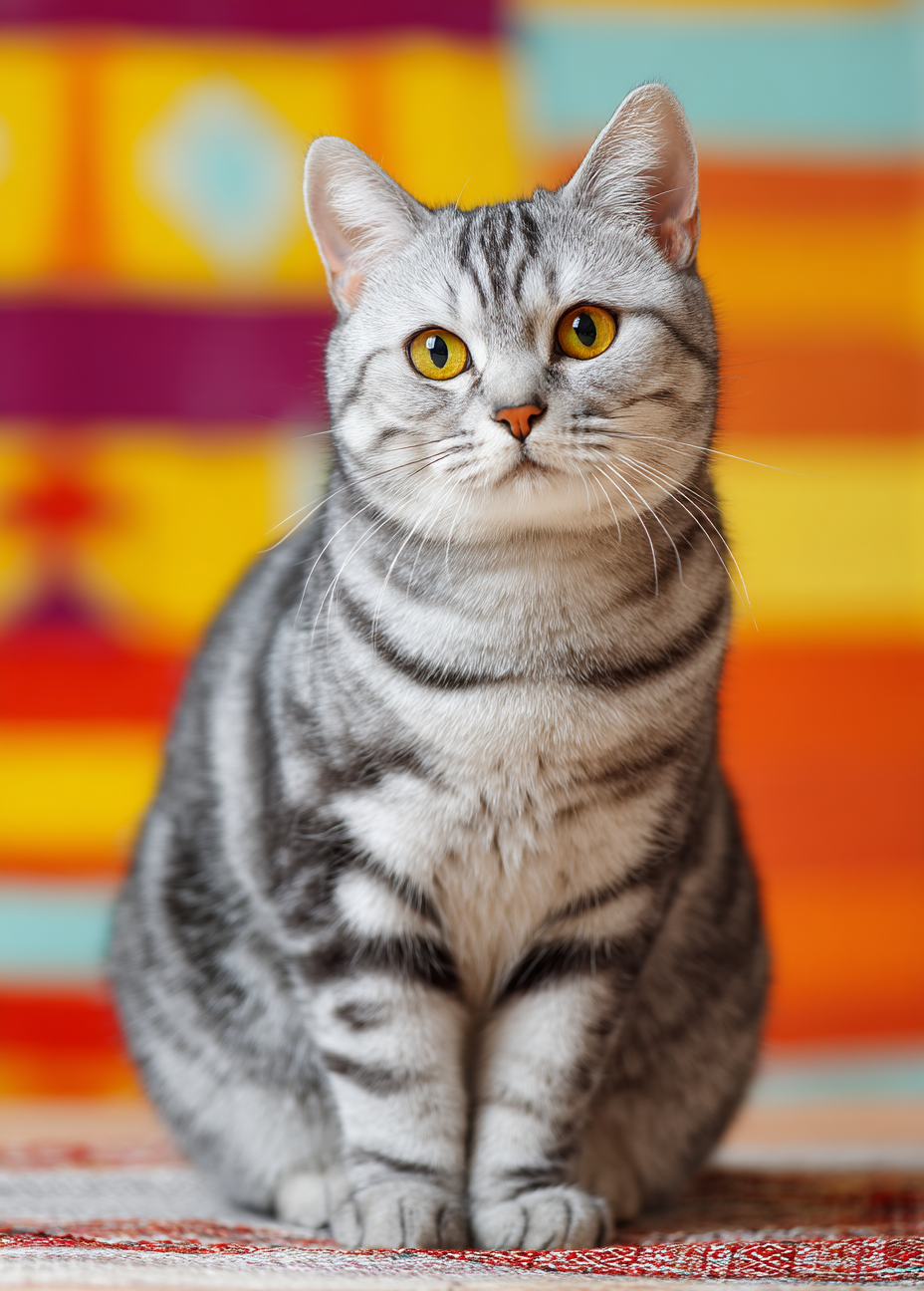
Silver Tabby British Shorthair Cats: Kittens, Genetics, Price and Fun Facts
Silver tabby British Shorthairs are one of the most striking and popular color patterns in the breed. Their pale silver base coat paired with bold black markings creates a high contrast look that photographs beautifully and attracts buyers around the world. This pattern is fully recognized in CFA, TICA and GCCF, and comes in classic, mackerel and spotted variations. If you are searching for silver tabby British Shorthair kittens, this guide covers color genetics, appearance, price, temperament, rarity and reputable breeder standards.
Apply here for British Shorthair kittens raised in home with health testing and registration.
See British Shorthair Kittens here
People Also Ask About Silver Tabby British Shorthairs
What is a silver tabby British Shorthair?
A silver tabby British Shorthair has a pale silver undercoat and strong black markings that create classic, mackerel or spotted tabby patterns. The contrast between the silver background and dark pattern makes this one of the most recognizable British Shorthair colors.
Are silver tabby British Shorthair cats rare?
Silver tabby is more common than golden but still considered less common than blue or black. Its popularity is increasing because of the bold pattern and high visibility in photos and videos.
Do silver tabby British Shorthairs stay silver as adults?
Yes. Silver tabbies keep their frosty base tone as they grow, although some kittens may develop clearer contrast and sharper pattern outlines with age.
How much are silver tabby British Shorthair kittens?
Most silver tabby kittens cost between $2,000 and $3,500 depending on pattern clarity, breeder quality, registration and availability. Classic silver tabbies with strong contrast often sit at the higher end.
Can British Shorthair Cats Be Silver Tabby
Yes. British Shorthair cats can be silver tabby, and this pattern is fully recognized and established within the breed. Silver tabby is created when the inhibitor gene removes warm pigment from the undercoat, leaving a bright silver base over which bold black markings appear. The result is a beautifully contrasted coat that stands out in photos and attracts consistent demand. Silver tabby British Shorthairs can be classic, mackerel or spotted, and all three tabby patterns are accepted in breed standards.
What Makes a British Shorthair Purebred Regardless of Color
A purebred British Shorthair must come from registered British Shorthair parents with verifiable lineage through CFA, TICA or GCCF. Purity is identified through structure, pedigree and breed standard, not color. Whether a cat is silver tabby, blue, golden or black, the core traits that define British Shorthairs remain the same. These include a round head, thick bone, plush coat, wide cheeks and a calm, stable temperament. Color never determines purity, and reputable breeders always prioritize health testing, registration and correct type.
Silver Tabby British Shorthair Appearance
Coat Color
Silver tabby British Shorthairs have a pale, icy silver base coat created by the inhibitor gene, which removes warm pigment from the undercoat. Their pattern is formed by dense black markings that sit sharply against the cool silver background, creating an eye catching and high contrast look. The silver can range from bright platinum to a softer frosted grey depending on genetics and coat density.
Eye Color
Most silver tabby British Shorthairs develop gold, deep gold or copper eye colors, although green and hazel tones can appear in certain lines. Kittens start with blue eyes and transition to their adult shade between eight and sixteen weeks. While not standard, some silver tabbies retain a greenish tint that gives them a distinct expression.
Body Type
Silver tabby British Shorthairs have the same strong, rounded structure as all British Shorthairs. They feature a broad chest, thick bone, plush double coat and wide, round face with full cheeks. The pattern does not affect body type, but it does enhance the visual thickness of the coat, making the cat appear even more substantial.
Are Silver Tabby British Shorthairs Rare
Silver tabbies are not as rare as golden or calico British Shorthairs, but they are much less common than blue, lilac or black. They have higher demand than availability because the pattern photographs beautifully and remains one of the most requested colors among pet buyers. Classic silver tabbies with perfect contrast and clean markings are considered the most desirable.
Silver Tabby Pattern Comparison Table
| Pattern Type | Look | Notes |
|---|---|---|
| Classic Silver Tabby | Swirls and bullseyes | Most dramatic contrast |
| Mackerel Silver Tabby | Thin vertical stripes | Sleek and athletic appearance |
| Spotted Silver Tabby | Clear spots or broken stripes | Very visually striking |
Silver Tabby British Shorthair Color Development Timeline (Birth to 2 Years)
Newborn Stage
Silver tabby kittens are born with visible tabby striping and a noticeably lighter undercoat, although the silver may appear greyish at first. The inhibitor gene is active from birth, but full brightness develops gradually. Pattern clarity is often visible early, but some kittens darken slightly before brightening again.
3 to 6 Weeks
The silver begins to lighten, and the black markings grow sharper against the pale background. Any ghost tabby patterning from the kitten coat begins to fade, revealing the true adult pattern beneath. The face and tail usually show strong definition by this stage.
8 to 12 Weeks
Silver tabby kittens begin showing clear contrast, and the undercoat takes on a colder, brighter tone. Buyers can see what the adult pattern will look like, although some dark misty areas may still lighten over time. This is the age when most silver tabbies are evaluated for pattern quality.
6 to 12 Months
The undercoat brightens significantly, giving the kitten its final silver sheen. Black markings deepen and sharpen, especially along the spine and tail rings. Classic, mackerel or spotted patterns become fully defined and balanced.
Genetics Behind the Silver Tabby Coat
What Genes Create the Silver Tabby Pattern
The silver tabby pattern is created by the presence of the inhibitor gene, which prevents warm pigments from developing in the undercoat. This gene produces the bright, frosty silver background that contrasts with the cat’s natural tabby markings. The tabby pattern itself is controlled by separate genes that determine if the pattern will be classic, mackerel or spotted.
Simple Inheritance Examples
A kitten can only be silver if it inherits the inhibitor gene from at least one parent. If one parent is silver and the other is not, approximately half of the kittens may inherit the silver gene. When both parents are silver, a larger portion of the litter may show silver tabby coloring, although pattern quality still varies by individual genetics.
Why Some Silver Tabbies Are Brighter Than Others
Brightness and clarity depend on how strongly the inhibitor gene expresses itself. Some kittens inherit a more intense expression, leading to a shining platinum base, while others develop a softer or slightly shaded look. Coat density, pattern genes and selective breeding also influence final brightness and contrast.
How Pattern Type Affects Appearance
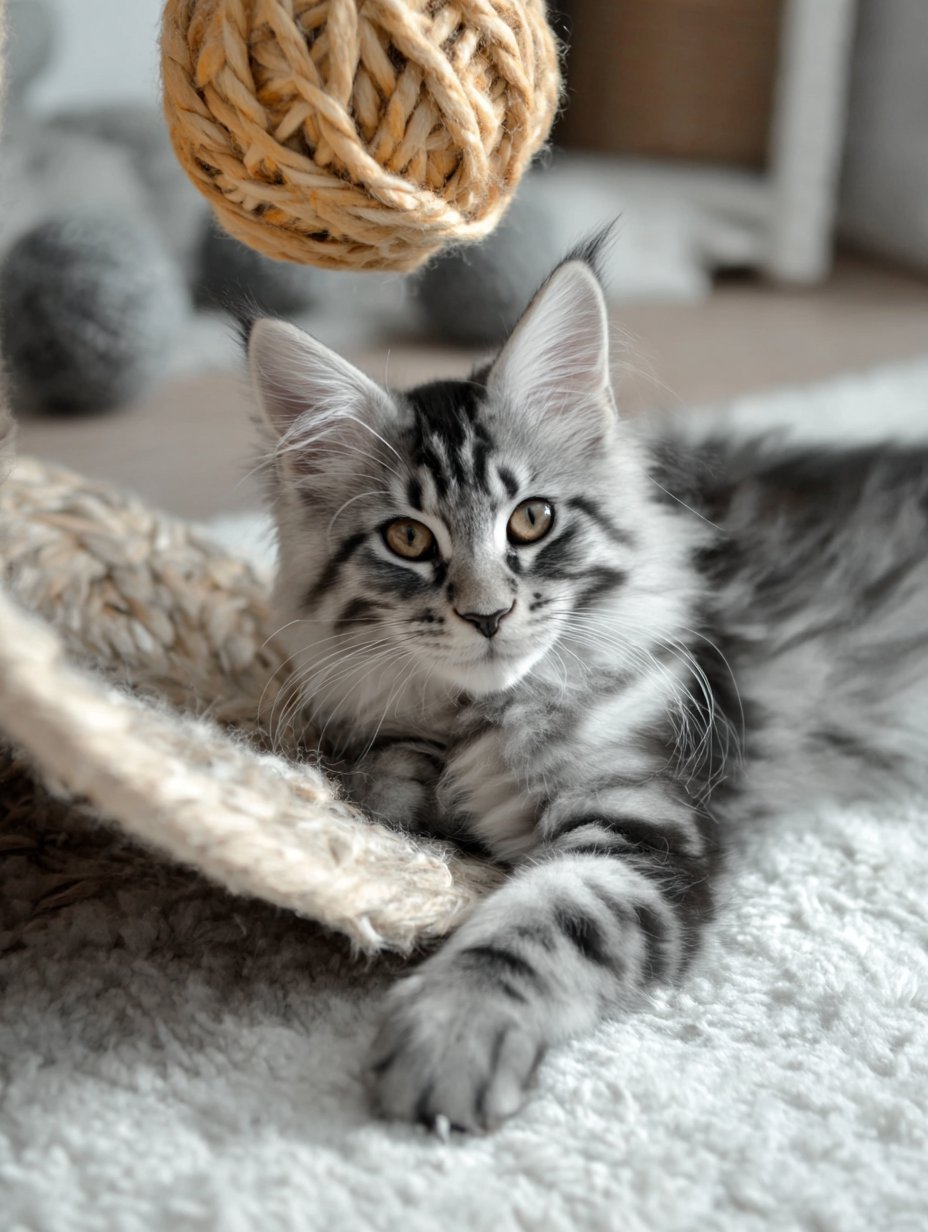
Classic silver tabbies have swirling, dramatic patterns that stand out strongly against the pale background. Mackerel silver tabbies feature narrow, vertical stripes that create a more streamlined appearance. Spotted silver tabbies break the pattern into well defined spots that look particularly vivid on a light undercoat.
How to Identify a True Silver Tabby British Shorthair
Silver Undercoat
A true silver tabby will have a pale, cold silver undercoat that shows clearly when the fur is parted. This undercoat should be free of warm tones, cream shading or brownish hues. If the coat appears beige or warm grey instead of icy silver, the cat may be shaded or poorly expressed silver.
High Contrast Markings
Silver tabbies have bold black markings that sit sharply against the silver background. These markings should be clear, defined and consistent across the body, tail and face. Blurry or weak striping may indicate a lower contrast pattern or incomplete inhibitor expression.
Clean Facial Lines
The face of a true silver tabby shows the classic tabby markings but with added clarity due to the silver base. Expect clear “M” markings, eyeliner outlines and dark nose leather surrounded by pale fur. These features help confirm the pattern and improve overall expression.
White or Near White Chin and Chest
Most silver tabbies have a chin, throat and chest area that appear white or nearly white due to the inhibitor gene. This bright area contrasts with the darker top coat and is a key sign of strong silver expression. While exact brightness varies, a clean chin is a hallmark of the pattern.
Silver Tabby British Shorthair Kittens
What Silver Tabby Kittens Look Like at Birth
Silver tabby kittens are born with clear tabby striping and a noticeably lighter undercoat, although the silver base may appear grey or dusty at first. Their markings are usually visible right away, giving an early preview of their adult pattern. The brightness of the silver increases over the first few weeks as the coat develops.
How Their Color Changes as They Grow
During the first months, the silver undercoat brightens and the dark markings grow sharper and more defined. Some kittens go through a “cloudy” phase where the silver looks darker before brightening again. By six to twelve months, the full contrast between the silver and black pattern becomes clearly visible.
Eye Color Progression in Kittens
Silver tabby kittens begin life with soft blue eyes that start transitioning between eight and sixteen weeks. The adult eye color is usually gold, deep copper or sometimes hazel, depending on lineage. Slight variations in eye tone may continue until the kitten reaches maturity.
How Temperament Develops
Silver tabby kittens grow into the same calm and affectionate companions the British Shorthair breed is known for. They tend to be observant, people oriented and comfortable with a quiet routine. Individual personality is shaped by breeding and early socialization, not by the silver tabby pattern.
Price Range for Silver Tabby British Shorthair Kittens
Silver tabby British Shorthair kittens typically cost between $2,000 and $3,500 in the United States, depending on pattern clarity, breeder reputation and availability. Classic silver tabbies with bold, high contrast markings tend to be priced near the top of this range because their pattern is highly desirable. Mackerel and spotted silver tabbies are also popular, but classic patterns often command the strongest demand and fastest placements.
Pet quality kittens are usually priced lower than show quality kittens with ideal structure and sharply defined markings. Breeding quality silver tabbies are limited because breeders carefully select the best examples for future programs. Factors influencing price include registration, health testing, temperament, pattern quality and the overall rarity of the color.
Most families looking for a silver tabby British Shorthair join a waitlist because high contrast silver tabbies often place quickly. If you are interested in future kittens from strong silver lines, applying early is recommended.
Silver Tabby British Shorthair Price Comparison Table
| Color | Rarity | Pet Price | Breeding Price | Notes |
|---|---|---|---|---|
| Blue | Common | Lower | Moderate | Classic color |
| Lilac | Uncommon | Moderate | Higher | Dilute gene |
| Silver Tabby | Less common | $2,000 to $3,500 | High | Strong demand |
| Golden | Rare | Higher | Very high | Complex genetics |
| Calico | Rare | High | Very high | Female only pattern |
Grooming and Care for Silver Tabby British Shorthair Cats
Coat Care
Silver tabby British Shorthairs have a dense double coat that benefits from weekly brushing to maintain clarity and shine. Regular grooming helps remove loose hairs and prevents the darker markings from becoming blurred by shedding. During seasonal coat changes, brushing two to three times a week keeps the silver undercoat bright and maintains strong contrast.
Eye Care and Tear Stain Risks
Silver tabbies typically do not experience tear staining unless they carry large areas of white around the face or have a slightly flatter facial structure. Their bright facial markings can make any moisture around the eyes more visible, so gentle wiping helps keep the expression clean. A balanced diet and regular veterinary checks support overall eye health and help prevent staining.
Bathing and Grooming Tools
Silver tabbies benefit from an occasional bath to maintain their crisp silver color, especially if they spend time in dusty environments. A rubber curry brush, slicker brush and a metal comb work well for lifting shedding hairs and keeping the coat smooth. Using the right grooming tools helps preserve the brightness of the silver base and the sharpness of the tabby pattern.
Diet and Coat Quality
Feeding a high protein diet supports healthy skin and coat density in silver tabby British Shorthairs. Omega 3 fatty acids, whether from fish based foods or supplements, help enhance the natural shine of the silver undercoat. Good hydration and balanced nutrition ensure consistent shedding and maintain long term coat clarity.
Temperament of a Silver Tabby British Shorthair
Silver tabby British Shorthairs share the same calm, steady and affectionate temperament as all British Shorthairs. Their pattern does not influence personality, and most grow into relaxed, observant companions who enjoy being close to their people without being demanding. They adapt well to quiet homes, families with respectful children and households that prefer gentle, low energy cats.
These cats have a predictable, even tempered nature that makes them ideal for first time cat owners or anyone seeking a stable companion. They are friendly without being clingy, playful without being hyper and affectionate without needing constant attention. Silver tabbies typically bond closely with their families and thrive in routines where they feel included without feeling overwhelmed.
How Rare Is the Silver Tabby British Shorthair
Breeding Difficulty
Silver tabby is not the rarest British Shorthair color, but it is more complex to produce than solid blue or black. Breeders must work with the inhibitor gene and strong tabby pattern genes to create a bright silver base with clear markings. Maintaining high contrast and avoiding muddy or warm tones requires careful selection over several generations.
Availability in the US vs Europe
Silver tabby British Shorthairs are more commonly seen in Europe, where the breed has been established longer and color programs are more developed. In the United States, silver tabbies are available but usually in smaller numbers than blue or lilac kittens. Families looking for silver tabby kittens may need to join a waitlist, especially if they want classic silver tabbies with very strong contrast.
Breeder Demand vs Pet Buyer Demand
Pet buyers often place silver tabby near the top of their wish lists because the pattern is visually striking in photos and videos. Breeders, however, may limit how many silver litters they produce in order to maintain type, health and genetic diversity. This creates a natural gap between demand and availability and helps keep silver tabbies in high interest.
Why Rarity Impacts Price
Because silver tabbies require specific genetics and careful selection to produce, breeders cannot guarantee silver kittens in every litter. High quality silver tabbies with excellent markings, strong structure and registration tend to place quickly at premium pet prices. Rarity, pattern quality and overall breed standard all contribute to the final cost.
Silver Tabby British Shorthair vs Other British Shorthair Colors
Silver tabby British Shorthairs stand out among other colors due to their high contrast and bright, cool toned coat. Compared to blue or lilac British Shorthairs, which have solid and soft looking coats, silver tabbies appear sharper and more patterned. The silver undercoat gives them a frosty look that many owners find especially elegant.
When compared with golden or golden shaded British Shorthairs, silver tabbies look cooler and more dramatic. Golden cats have warm, honey toned undercoats, while silver tabbies have a cold, platinum or snowy base. Both are beautiful, but silver tabby appeals to families who prefer strong markings and a more graphic appearance.
Families choosing between silver tabby and plain silver or grey mixes will also notice that British Shorthairs have thicker bone, rounder faces and a plush double coat. The breed’s structure, combined with the silver tabby pattern, creates a very distinct look that is hard to mistake for any other type of cat.
Silver Tabby British Shorthair vs Other Breeds
Silver tabby British Shorthairs are sometimes confused with silver tabby American Shorthairs, Persians or Maine Coons. British Shorthairs have a stockier, more compact build and a plush, crisp coat that feels dense rather than fluffy. Their faces are round with full cheeks and a calm expression, while Maine Coons and Persians often have longer coats and different head shapes.
Compared to silver tabby Persians, British Shorthairs are lower maintenance in terms of grooming. Persians require daily brushing and regular eye cleaning, while British Shorthairs usually need only weekly grooming. Both can have beautiful silver patterns, but the British coat is shorter, thicker and easier to manage in a busy household.
When compared with silver tabby domestic shorthair mixes, purebred British Shorthairs offer more predictable temperament, structure and coat quality. Their calm, steady personality and dense coat type are hallmarks of the breed. Families who want a classic silver tabby look combined with a reliable temperament often choose the British Shorthair over other breeds.
Common Myths About Silver Tabby British Shorthairs
Myth 1: Silver tabby British Shorthairs are a separate breed.
Silver tabby is a color pattern within the British Shorthair breed, not a distinct breed of its own. These cats follow the same standards for structure, temperament and health as any other British Shorthair.
Myth 2: Silver tabby kittens are born pure white and develop markings later.
Silver tabby kittens are born with visible tabby markings and a lighter undercoat from the start. Their silver base brightens with age, but the pattern itself is present from birth.
Myth 3: Silver tabby British Shorthairs have different personalities from other colors.
Pattern does not determine personality. Silver tabby British Shorthairs share the same calm, affectionate and even tempered nature that defines the breed as a whole.
Myth 4: Silver tabbies always have green eyes.
Some silver tabbies do have green or hazel eyes, but most British Shorthairs, including silver tabbies, have gold to copper eye colors. Eye color depends on lineage and breeding goals, not just coat pattern.
Myth 5: Silver tabby coats fade or turn grey with age.
Well bred silver tabbies maintain their contrast throughout life, although coat density and texture may change slightly as the cat matures. Regular grooming and good nutrition help preserve clarity and shine.
Myth 6: Any grey tabby cat is a silver tabby.
True silver tabbies have the inhibitor gene, which creates a cold silver undercoat. Grey or brown tabbies without this gene may look similar at first glance but do not have a true silver base when the coat is parted.
Related British Shorthair Colors and Patterns
- Black British Shorthair
- White British Shorthair
- Calico British Shorthair
- Brown Tabby British Shorthair
- Russian Blue vs British Shorthair
- Lilac British Shorthair
- Blue British Shorthair
- Orange British Shorthair
- Chocolate British Shorthair
- Intro to All British Shorthair Colors
- Golden British Shorthair Kittens
Full FAQ About Silver Tabby British Shorthair Cats
Are silver tabby British Shorthairs rare
Silver tabbies are less common than blue or lilac British Shorthairs, but they are easier to find than golden or calico. The inhibitor gene needed for silver does not appear in every line, so availability varies.
How much do silver tabby British Shorthair kittens cost
Silver tabby kittens usually cost between $2,000 and $3,500 depending on pattern clarity, breeder reputation and registration. Classic silver tabbies with strong contrast sit at the higher end.
Do silver tabby kittens stay silver as they grow
Yes. The silver base brightens and the dark markings deepen, but the overall color remains silver through adulthood. Most kittens show their final contrast by six to twelve months.
What eye color do silver tabby British Shorthairs have
Most have gold or copper eyes, but hazel and green tones can appear in some lines. Kittens start with blue eyes that change between eight and sixteen weeks.
Are silver tabby British Shorthairs good pets
Yes. They are calm, affectionate, observant and easy to live with, making them excellent family cats. Their temperament matches the British Shorthair standard.
Do silver tabbies shed more than other colors
No. Shedding is the same across all British Shorthair colors. The dense double coat requires weekly brushing and more frequent grooming during seasonal shedding.
Are silver tabbies hypoallergenic
No breed or color is fully hypoallergenic, including silver tabbies. They shed dander like all cats, but some families report fewer reactions due to the British coat type.
Can two non silver parents produce silver tabby kittens
Only if both parents carry the inhibitor gene. If they do not, silver cannot appear in the litter. Silver may stay hidden in lines for several generations.
Do silver tabbies have different personalities
No. Pattern does not affect temperament. They share the same gentle and even nature as all British Shorthairs.
Do silver tabby British Shorthairs make good indoor cats
Yes. They adapt well to indoor living and enjoy calm home environments. They prefer routine and companionship but do not need constant attention.
What patterns do silver tabbies come in
Silver tabbies come in classic, mackerel and spotted patterns. Classic is the most dramatic, mackerel is striped and spotted has broken dots instead of stripes.
Can silver tabbies be show quality
Yes. Many silver tabbies perform well in shows due to their dramatic contrast and clear markings. Judges look for strong pattern and correct structure.
Do silver tabbies have white on them
They may have pale chin and chest areas due to the inhibitor gene, but they are not considered bicolor. True silver tabbies still follow tabby pattern rules.
Are silver tabby British Shorthair males or females more common
Both appear at similar rates. Unlike calicos, silver tabby expression does not depend on sex linked genetics.
What does a poorly expressed silver tabby look like
A poorly expressed silver may appear muddy, beige toned or warm grey rather than bright silver. Blurry markings and low contrast can also indicate weak expression.
Do silver tabbies need a special diet
They do not need a special diet based on color. High protein food with omega 3 supports coat shine and helps keep the silver bright.
Can silver tabbies have green eyes
Yes. While gold is most common, some breeders select lines with green or hazel eyes which complement the silver pattern beautifully.
Are silver tabbies more expensive than blues
Yes. Silver tabbies cost more due to genetics, demand and lower availability. Classic silver tabbies with perfect patterning command premium pricing.
Can silver tabbies be longhaired
Yes. When both parents carry the longhair gene, silver British Longhairs appear. These cats have a longer coat but the same bright silver color.
Are silver tabbies friendly with children
Silver tabby British Shorthairs do well with respectful children because of their calm, steady nature. They enjoy companionship but prefer gentle handling.
Sources
TICA British Shorthair Standard
https://tica.org/breeds/browse-all-breeds?view=article&id=860:british-shorthair-breed&catid=79
CFA British Shorthair Standard
https://cfa.org/british-shorthair/
GCCF British Shorthair Standard
https://www.gccfcats.org/wp-content/uploads/2021/10/British-SOP.pdf
UC Davis Coat Color Genetics
https://vgl.ucdavis.edu/
Cat Coat Color Genetics Overview
https://www.vgl.ucdavis.edu/services/cat/coatcolor.php
International Cat Care
https://icatcare.org/





Read the Comments +