
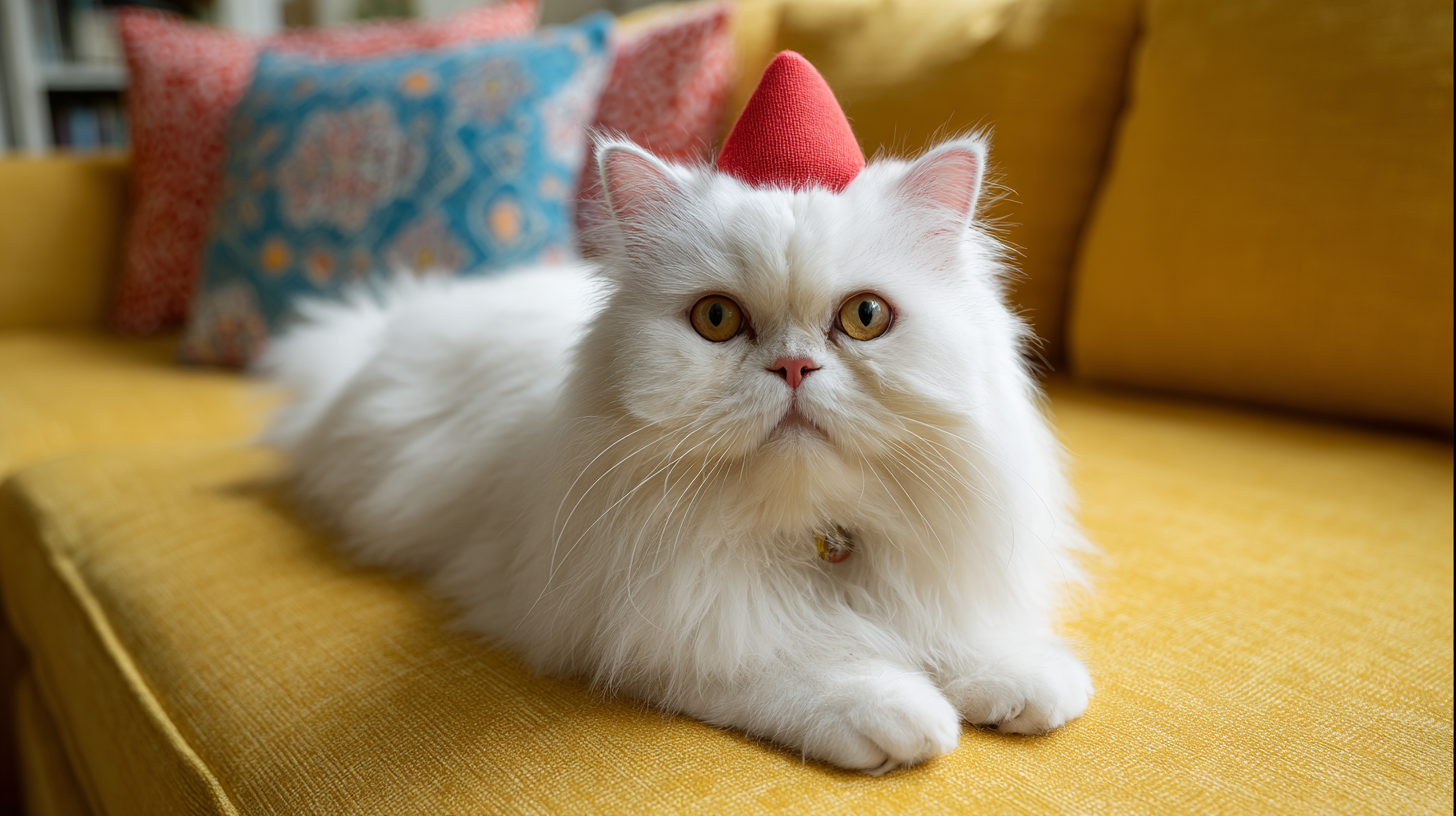
British Shorthair vs Persian: Complete Breed Comparison
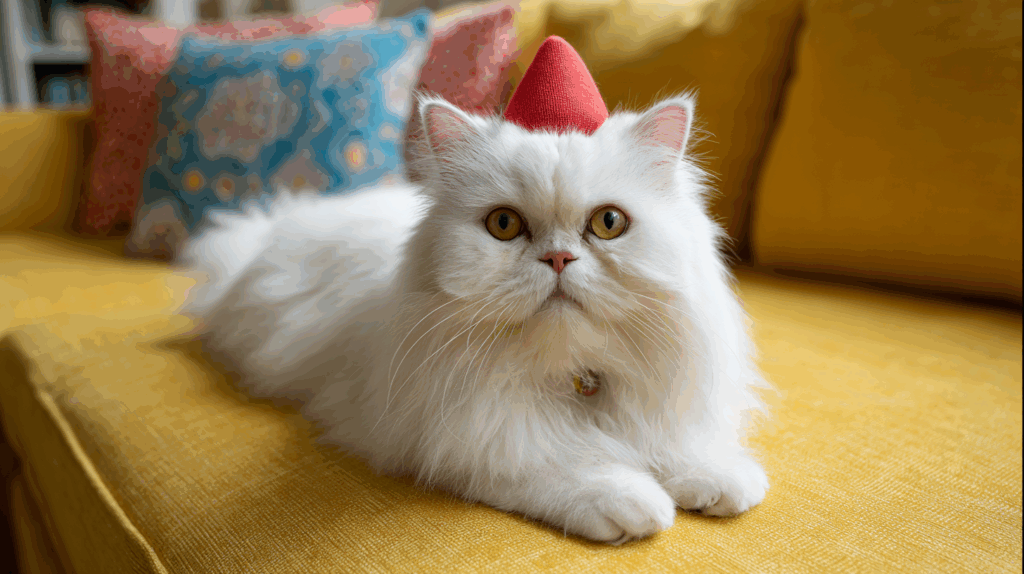
The British Shorthair and the Persian are two of the most iconic cat breeds in the world — instantly recognizable, deeply loved, and prized for their gentle temperaments. Yet despite their shared popularity, these breeds are dramatically different in structure, grooming needs, health concerns, and day-to-day maintainability.
Whether you’re comparing the British Shorthair’s plush teddy-bear look with the Persian’s luxurious long coat, or deciding which breed fits your home best, this in-depth guide covers every major difference: personality, health, lifespan, grooming requirements, activity levels, cost, and the type of family each breed is suited for.
This comparison is intentionally comprehensive, giving you clear and honest insight into the practical realities of living with each breed — not just the aesthetic appeal.
Quick Comparison Table: British Shorthair vs Persian
| Trait | British Shorthair | Persian |
|---|---|---|
| Personality | Calm, independent, gentle | Sweet, quiet, affectionate |
| Activity Level | Low to moderate | Very low |
| Grooming Needs | Low | Extremely high |
| Coat Type | Dense short plush | Long, silky, easily tangled |
| Face Structure | Normal, open airway | Flat-faced brachycephalic |
| Health Risks | Generally low | High due to facial structure |
| Lifespan | 14–20 years | 12–15 years |
| Maintenance Level | Very easy | Very high |
| Best For | Busy households, families, beginners | Owners willing to do daily grooming |
| Shedding | Moderate seasonal | Heavy year-round |
Breed Origins and History
British Shorthair Origins
The British Shorthair is one of the oldest natural cat breeds in the world. Their roots trace back to the Roman era, where they were admired for their muscular build, dense coat, and hunting ability. Over centuries, the breed developed into the iconic, round-faced, plush-coated companion known today.
Modern British Shorthairs are recognized by TICA, CFA, GCCF, ACFA, and FIFe, and are one of the most genetically stable pedigree breeds, known for strong health and exceptionally long lifespans.
Persian Origins
Persians originate from ancient Mesopotamia (modern-day Iran) and developed into a formal pedigree breed in the 1800s. Their dramatic long coats and large, expressive eyes made them highly desirable in Europe.
However, modern Persians differ significantly from their historical form. Over the last century, extreme facial flattening (brachycephaly) became widespread, which contributed to their signature doll-like appearance but also introduced serious health concerns.
Today, Persians remain registered with every major cat association, but many breeders and veterinarians advocate for a return to a more moderate face structure due to increasing welfare concerns.
Appearance Differences
British Shorthair Appearance
British Shorthairs have a compact, muscular build with a broad chest, thick bone, and a well-developed head. Their coat is uniquely plush and crisp, not soft and silky like longhair breeds. They have:
- round apple-shaped heads
- large, wide-set eyes
- strong jaws
- proportional ears
- dense double coat
Colors include blue, black, cream, lilac, chocolate, red, silver, golden, shaded, smokes, torties, and tabbies.
The British Shorthair has no extreme structural features. Everything about the breed is moderate, balanced, and natural.
Persian Appearance
Persians are known for:
- very flat faces (brachycephalic)
- large round eyes
- short noses
- long, silky fur
- small ears
- rounded bodies with short legs
Their coat is their defining feature — beautiful but extremely high maintenance. Persians come in a wide variety of colors, including solids, bicolors, tabbies, smokes, shaded, and more.
The biggest difference is their face structure. Modern Persian breeding has created a profile where the nasal bones are shortened, the nostrils narrow, and the tear ducts often clogged, causing lifelong eye drainage and breathing difficulty.
Personality & Temperament: Calm vs Ultra-Calm
Both British Shorthairs and Persians are calm, gentle breeds, but the type of calmness is different.
British Shorthair Temperament
British Shorthairs are:
- affectionate but independent
- quiet but socially observant
- gentle with children
- emotionally stable
- good with dogs and other cats
They enjoy companionship but do not require constant physical contact. This makes them ideal for households where people work during the day.
They follow routines, adapt well to new environments, and rarely display anxiety-driven behaviors.
Persian Temperament
Persians are one of the calmest cat breeds in the world. They are:
- very gentle
- very quiet
- strongly bonded to their owners
- fond of soft spaces and laps
- slow-moving and serene
But they also tend to have:
- lower energy
- lower tolerance for household chaos
- higher sensitivity to noise and change
Persians crave a peaceful environment and can become stressed in loud or fast-paced homes. Their temperament is loving and sweet, but requires stability.
Grooming & Maintenance: The Most Important Difference
The most dramatic lifestyle difference between these breeds is grooming and health issues.
British Shorthair Grooming
British Shorthairs have low grooming needs.
They require:
- brushing 1–2 times weekly
- seasonal de-shedding
- nail trims
- basic dental care
Their coat naturally resists mats and tangles, even in longhair variants (British Longhairs).
Persian Grooming
Persians require intensive, daily grooming due to their long, silky coat.
They need:
- daily combing
- frequent baths (every 2–4 weeks)
- eye cleaning multiple times per day
- sanitary trims to prevent matting
- regular professional grooming
Without daily coat care, Persians quickly develop mats that cause pain and skin infections. Many owners underestimate this requirement, leading to severe coat neglect.
This difference alone determines which breed is right for most families.
Health & Genetic Concerns: One of the Biggest Differences Between These Breeds
Health is where the British Shorthair and Persian diverge the most. While both breeds are gentle and beloved, the Persian’s extreme facial structure introduces a long list of chronic, lifelong health concerns that potential owners must be prepared for. In contrast, British Shorthairs are structurally moderate, genetically stable, and widely regarded as one of the healthiest pedigree breeds when sourced from reputable lines.
Below is a full breakdown of the health differences, including what to expect over a lifetime.
British Shorthair Health Profile
British Shorthairs are generally healthy, robust, and long-lived. Their natural conformation and genetic diversity have made them one of the most structurally sound pedigree cats in the world.
Key British Shorthair Health Risks:
- Hypertrophic Cardiomyopathy (HCM)
- Polycystic Kidney Disease (PKD) — rare in well-tested lines
- Obesity (the most common issue)
- Dental tartar in late adulthood
Most issues can be prevented or managed with proper breeding, quality diet, and routine veterinary care.
Why the British Shorthair is healthier:
- open airway
- no brachycephaly
- strong bone density
- low stress temperament
- stable genetics
- no exaggerated physical traits
In responsible breeding programs, health problems are minimal.
Persian Health Profile
Persians are significantly more complex health-wise due to brachycephaly, which affects almost every biological system. While sweet and beautiful, modern flat-faced Persians require owners willing to navigate chronic management of airway, sinus, eye, and coat issues.
Common Persian Health Concerns:
- chronic tear overflow
- entropion (inward-turning eyelids)
- nasal blockage and loud breathing
- heat intolerance
- dental crowding
- difficulty eating due to jaw shape
- high rates of PKD (if untested)
- ringworm susceptibility (coat density)
- fungal skin infections under mats
- repeated anesthesia sensitivity
- higher risk of dystocia in breeding females
While not every Persian suffers from all these issues, the baseline risk is significantly higher than in British Shorthairs.
In short:
British Shorthairs → low-maintenance, stable health
Persians → high-maintenance, lifelong medical considerations
Lifespan: Which Breed Lives Longer?
Lifespan is another area where British Shorthairs typically outperform Persians due to their moderate build and strong respiratory health.
British Shorthair Lifespan — 14 to 20+ Years
British Shorthairs are among the longest-lived purebred cats. Many reach 18–20 years when kept indoors, at a healthy weight, and given routine veterinary care. Their calm temperament reduces stress-related illness and supports healthy aging. See more about the British Shorthair’s lifespan here.
Persian Lifespan — 12 to 15 Years
Persians live shorter lives on average. Their respiratory issues, eye disorders, and kidney risks contribute to a reduced lifespan compared to more structurally moderate breeds.
Extreme face structure = reduced overall longevity.
Some moderate-faced Persians live longer, but flat-faced lines commonly fall into the 12–14 year range.
Activity Level & Energy: Calm vs Ultra-Calm
Both breeds are calm, but their activity levels differ in meaningful ways that affect daily life.
British Shorthair Activity Level
British Shorthairs are:
- slow-paced but playful
- curious without being hyper
- independent yet social
- steady companions who enjoy “watching life”
They will play with toys, chase laser pointers, and enjoy window-watching. They are low energy, but not sedentary.
Persian Activity Level
Persians are:
- extremely calm
- quiet
- gentle lap cats
- not athletic
- content with minimal movement
Persians prefer soft spaces, gentle touch, and warm laps. Their shortened nasal passages reduce their ability to exercise comfortably or vigorously. As a result, their day-to-day lifestyle is very low-energy.
Summary:
British Shorthair → low-to-moderate activity
Persian → ultra-low activity, prefers peace and rest
Grooming & Coat Maintenance
Grooming is one of the most decisive factors in choosing between these breeds.
British Shorthair Grooming Needs
- brush once or twice weekly
- increased brushing in seasonal shedding
- occasional nail trims
- no mats, no daily combing
- coat stays neat without intervention
Even the British Longhair variety requires far less grooming than Persian coats.
Persian Grooming Needs
- daily combing to prevent mats
- professional grooming every 4–6 weeks
- frequent baths
- daily facial cleaning
- eye-care wipes multiple times per day
- sanitary trims
- constant coat monitoring
A Persian becomes matted within days if neglected. Their coat, tear ducts, and face folds require continuous maintenance.
This is the single biggest reason many Persian rescues are in poor condition — the grooming load is far more intense than many owners anticipate.
Breathing & Facial Structure: Moderate vs Brachycephalic
This section is essential for SEO and transparency.
British Shorthair Facial Structure
British Shorthairs have:
- normal nasal passages
- open sinuses
- strong jaw alignment
- full facial airflow
- excellent temperature regulation
They experience no breathing difficulty, no eye overflow caused by skull shape, and no dental crowding.
Persian Facial Structure
Modern Persians are heavily brachycephalic:
- shortened nasal bones
- narrow nostrils
- small sinus cavity
- frequent mouth breathing
- noisy breathing
- lifelong tear staining
- reduced ability to cool themselves
- increased anesthesia risks
These issues can impact everyday comfort and overall lifespan.
Moderate-faced “traditional Persians” exist, but most show-line Persians today are extreme-faced.
Shedding Differences: Moderate vs Heavy Year-Round
Shedding patterns between these breeds differ dramatically and should be a primary consideration for families with allergies, cleanliness concerns, or busy lifestyles.
British Shorthair Shedding
British Shorthairs shed:
- moderately
- seasonally
- predictably
Their dense double coat “blows out” during spring and fall, requiring more brushing, but maintenance remains manageable.
Because the coat is short and plush, the hairs tend to fall close to the body rather than float through the home. Weekly brushing controls most loose coat and helps maintain the signature crisp texture.
Persian Shedding
Persians shed:
- heavily
- constantly
- in long strands
- with significant matting risk
Their hair becomes trapped in carpets, upholstery, clothing, and bedding. Without daily combing and regular bathing, shedding quickly turns into matting, which can cause skin infections and discomfort.
Summary:
British Shorthair → moderate, manageable shedding
Persian → heavy, constant shedding that requires daily work
Cost, Price Ranges, and Lifetime Maintenance
Both breeds are premium pedigree cats, but lifetime expenses vary drastically due to grooming and health care requirements.
British Shorthair Cost
British Shorthair kittens typically cost:
- $2,000–$4,500 depending on color, lines, and breeder quality
- Golden, lilac, and rare shades skew toward the top of the range
Ongoing costs are low:
- minimal grooming
- no professional grooming required
- no chronic medical issues in well-tested lines
- low-maintenance diet and enrichment
Their predictable health and structure keep long-term expenses very manageable.
Persian Cost
Persian kittens typically cost:
- $1,800–$3,500 for pet-quality
- higher for show-quality or rare colors
But the purchase price is only the beginning.
Lifetime costs are significantly higher due to:
- professional grooming ($600–$1,500+ per year)
- daily coat care supplies
- potential respiratory treatments
- anesthetic risk management
- dental surgeries due to crowded teeth
- chronic tear duct issues
- higher likelihood of veterinary intervention
Persian ownership is comparable to maintaining a high-care-span dog breed, while British Shorthairs are extremely low maintenance.
Which Cat Is Easier to Own?
British Shorthair: One of the Easiest Cat Breeds
The British Shorthair is widely considered one of the easiest cat breeds to live with due to:
- low grooming needs
- predictable temperament
- quiet personality
- excellent health
- adaptability
- suitability for busy families
- independence with affection
- long lifespan
They require very little effort to keep clean, comfortable, and happy.
Persian: High Maintenance and Best for Specific Owners
Persians are best for owners who:
- have ample time for daily grooming
- enjoy coat maintenance
- can manage chronic eye care
- are comfortable with higher medical needs
- maintain a quiet, stable household
Persians are not suitable for owners who are away from home often or want a low-maintenance breed.
Which Breed Is Best for Families, Kids, and Multicat Homes?
British Shorthair
British Shorthairs are ideal for families because they are:
- calm
- patient
- sturdy
- tolerant of respectful children
- good with dogs
- accepting of new routines
- emotionally stable
They thrive in both busy and quiet households and adapt well to consistent schedules.
Persian
Persians can also do well with families, but ONLY if the environment is:
- quiet
- predictable
- low energy
- free from chaotic noise
Persians prefer peaceful homes, adults, seniors, or older children who handle pets gently.
In high-activity homes, Persians can become stressed, which amplifies their health issues.
Which Breed Fits Your Lifestyle?
This section helps readers self-select and is excellent for conversions and reader retention.
Choose a British Shorthair if you want:
- a low-maintenance cat
- minimal grooming
- a long lifespan
- strong, stable health
- quiet independence
- a cat that tolerates solitude
- a companion suitable for children and busy households
British Shorthairs are extremely easy to integrate into modern lifestyles, including work-from-home, full-time work schedules, and family life.
Choose a Persian if you want:
- a very calm, sweet, cuddly cat
- a lap companion
- time to dedicate to daily grooming
- a quieter, slower-paced home
- a breed with a luxurious long coat
- predictable, mellow interactions
Persians offer unmatched sweetness but require dedication and a lifestyle that supports their high grooming needs.
British Shorthair vs Persian: Pros & Cons
British Shorthair Pros & Cons
| Pros | Cons |
|---|---|
| Very low maintenance | Can be reserved with strangers |
| Long lifespan | Prone to obesity without monitoring |
| Healthy, structurally sound | Slow-maturing breed |
| Calm but playful | Not a constant lap cat |
| Great for families | Can be independent |
| Minimal shedding issues | Needs seasonal brushing |
Persian Pros & Cons
| Pros | Cons |
|---|---|
| Sweet, affectionate, gentle | Extremely high grooming needs |
| Beautiful coat | Daily tear and face cleaning |
| Very calm temperament | Breathing difficulty (brachycephaly) |
| Quiet and peaceful | High lifetime medical costs |
| Loyal lap cat | Shorter lifespan |
| Good for quiet homes | Not suited for busy families |
British Shorthair vs Persian: Full FAQ
1. Which breed is better for beginners, British Shorthair or Persian?
The British Shorthair is significantly better for beginners. They require very little grooming, have predictable temperaments, and are one of the lowest-maintenance pedigree cats. Persians, while sweet, demand daily coat care, routine eye cleaning, and ongoing health monitoring due to their flat facial structure. New owners often underestimate Persian grooming demands, leading to matting, stress, and higher veterinary involvement.
2. Are British Shorthairs healthier than Persians?
Yes. British Shorthairs are generally healthier because they have a moderate, natural body structure with no exaggerated traits. Persians, on the other hand, struggle with brachycephalic issues including tear overflow, airway restriction, sinus problems, and dental crowding. When comparing overall genetic stability, respiratory comfort, and day-to-day ease, British Shorthairs consistently outperform Persians in long-term health.
3. Which cat lives longer, a British Shorthair or Persian?
British Shorthairs routinely live 14–20 years, with many reaching their late teens. Persians typically live 12–15 years, though moderate-faced lines may live longer with careful grooming and health management. The facial structure differences between these breeds directly influence their life expectancy.
4. Do Persians require daily grooming?
Yes. Persians require daily combing, routine eye cleaning, and regular baths to prevent mats, skin infections, and coat damage. Their long, silky hair tangles extremely easily, and neglect can lead to painful matting that requires veterinary shaving. British Shorthairs, by contrast, only need weekly brushing.
5. Which breed sheds more?
Persians shed more — significantly more. Their long coat sheds year-round and requires constant maintenance. British Shorthairs shed moderately and mostly seasonally, and their hair does not float the way long hair does.
6. Are British Shorthairs friendly?
British Shorthairs are affectionate, gentle, and people-oriented, though not clingy. They enjoy being near their owners, follow routines, and bond quietly without demanding constant attention. They are wonderful for families, seniors, and busy households.
7. Are Persians affectionate?
Yes. Persians are one of the sweetest, gentlest, and most loving cat breeds. They adore calm affection, peaceful environments, and gentle handling. They form deep bonds but are not high-energy or demanding.
8. Are Persians good with children?
Persians do well with respectful older children, but noisy, high-energy homes can stress them. Persians prefer quiet, gentle interactions. British Shorthairs, being sturdier and more adaptable, are usually better suited for family life.
9. Which breed is more independent?
British Shorthairs are more independent. They are content spending time alone during the workday. Persians, while low-energy, bond closely and prefer constant calm companionship.
10. Which cat is easier to groom?
The British Shorthair is one of the easiest cat breeds to groom. The Persian is one of the hardest. This difference should be a primary factor in choosing between them.
11. Are Persians prone to breathing problems?
Many Persians experience breathing difficulties due to their short nasal passages and compressed sinus structure. This affects exercise tolerance, sleep quality, temperature regulation, and long-term health.
12. Do British Shorthairs have breathing issues?
No. British Shorthairs have a naturally proportionate facial structure with no airway obstruction. They breathe easily, tolerate heat better, and have fewer sinus concerns.
13. Which breed is more expensive to maintain?
Persians have much higher lifetime maintenance costs due to professional grooming, specialized eye care, and increased veterinary needs. British Shorthairs cost far less over their lifetime.
14. Are British Shorthairs or Persians better for apartments?
Both breeds adapt well to apartments, but British Shorthairs handle noise, change, and moderate household activity far better. Persians need a more peaceful environment.
15. Which breed is more playful?
British Shorthairs are more playful and interactive. Persians enjoy gentle, slow-paced play but are not athletic or high-energy.
16. Which breed is better for seniors?
Both can work well for seniors, but Persians require more physical grooming labor. Seniors who want a low-effort companion typically prefer the British Shorthair.
17. Do Persians have more health issues than British Shorthairs?
Yes. Persians’ brachycephalic structure introduces respiratory, eye, skin, and dental complications that do not affect British Shorthairs. PKD is also more common in Persians if breeders do not test.
18. Which breed tolerates being alone better?
British Shorthairs tolerate alone time better and adjust well to normal work schedules. Persians can become anxious if left alone for long periods.
19. Are Persians good with other pets?
They can be, but they prefer calm, non-chaotic households. British Shorthairs typically adjust better to dogs and multi-cat families.
20. Which breed has fewer genetic disorders?
British Shorthairs have fewer inherited disorders and far fewer structural risks. Persians have significantly higher congenital risk factors due to selective breeding for extreme facial flattening.
21. Do Persians require regular eye cleaning?
Yes. Daily cleaning is often necessary because tear ducts are compressed and cannot drain properly. British Shorthairs rarely need eye maintenance.
22. Are British Shorthairs high-energy?
No. They have a calm, moderate energy level. They enjoy play but remain composed and steady.
23. Are Persians lazy?
Not lazy — just exceptionally calm. Their breathing limitations make rigorous activity uncomfortable, so they naturally prefer rest and gentle interaction.
24. Which breed is easier for grooming allergies?
British Shorthairs, because their short coat sheds less dramatically. Persian coats spread dander widely and may aggravate allergies.
25. Which breed is better for first-time cat owners?
Overwhelmingly, the British Shorthair. Their grooming, health, and temperament profiles make them the better beginner-friendly breed.
Summary Table: British Shorthair vs Persian
| Category | British Shorthair | Persian |
|---|---|---|
| Grooming Needs | Low | Very High |
| Shedding | Moderate | Heavy |
| Health Risks | Low | High (brachycephaly) |
| Lifespan | 14–20 years | 12–15 years |
| Personality | Calm, steady | Sweet, ultra-calm |
| Activity Level | Low–moderate | Very low |
| Best For | Families, busy homes | Quiet homes, dedicated groomers |
| Maintenance Cost | Low | High |
Final Verdict: Which Breed Is Better for You?
Choose a British Shorthair if you want:
- a long-lived, healthy, low-maintenance breed
- minimal grooming
- sturdy structure and easy temperament
- a cat that fits with kids, dogs, and busy households
- a breed that requires little medical management
The British Shorthair is one of the most practical, family-friendly cats in the world.
Choose a Persian if you want:
- an extremely calm, sweet lap cat
- time to devote to daily grooming
- a quiet environment
- a luxurious appearance you are willing to maintain
- the gentlest possible personality
Persians are beautiful and loving, but they require a dedicated owner capable of supporting their coat and health needs.
Meet Your New Kitten here
Looking for a well-bred, healthy, affectionate British Shorthair kitten?
Explore our European-imported golden, lilac, and rare-colored British Shorthair kittens at Almonte Cats.
Every kitten is:
- TICA/CFA registered
- health-tested
- vet-checked
- temperament-evaluated
- raised in-home for confident personalities
More British Shorthair Articles from Almonte Cats
- Why You Need a Golden British Shorthair
- Russian Blue vs British Shorthair Comparison
- British Shorthair Kitten Growth Stages
- British Shorthairs with Green Eyes
- British Shorthair vs Ragdoll Cats
Sources & Veterinary References
- The International Cat Association (TICA) – British Shorthair Breed Standard
https://tica.org/breeds/breed-standards/british-shorthair-bs - Cat Fanciers’ Association (CFA) – British Shorthair Breed Profile
https://cfa.org/british-shorthair/ - Cornell Feline Health Center – General Feline Longevity & Senior Care
https://www.vet.cornell.edu/departments-centers-and-institutes/cornell-feline-health-center - American Association of Feline Practitioners – Senior Cat Care Guidelines (AAFP)
https://catvets.com/guidelines - Royal Veterinary College – Longevity & Causes of Death in Cats Study
https://www.rvc.ac.uk/vetcompass - National Library of Medicine – Longevity & Mortality in Domestic Cats (Peer-Reviewed Study)
https://pubmed.ncbi.nlm.nih.gov/30730974/ - American Veterinary Medical Association – Cat Health & Indoor vs Outdoor Safety
https://www.avma.org/resources/pet-owners/petcare/cats-and-outdoors - ASPCA – Indoor Cat Life Expectancy & Safety
https://www.aspca.org/pet-care/cat-care - Wisdom Panel / Optimal Selection – Feline Genetic Health Overview
https://www.wisdompanel.com/en-us/cat - PawPeds – British Shorthair Health Program & Genetic Guidance
https://www.pawpeds.com/cms/index.php/en/ - American College of Veterinary Nutrition (ACVN)
https://acvn.org/ - PetMD – Senior Cat Nutrition & Lifespan Health
https://www.petmd.com/cat





Read the Comments +