
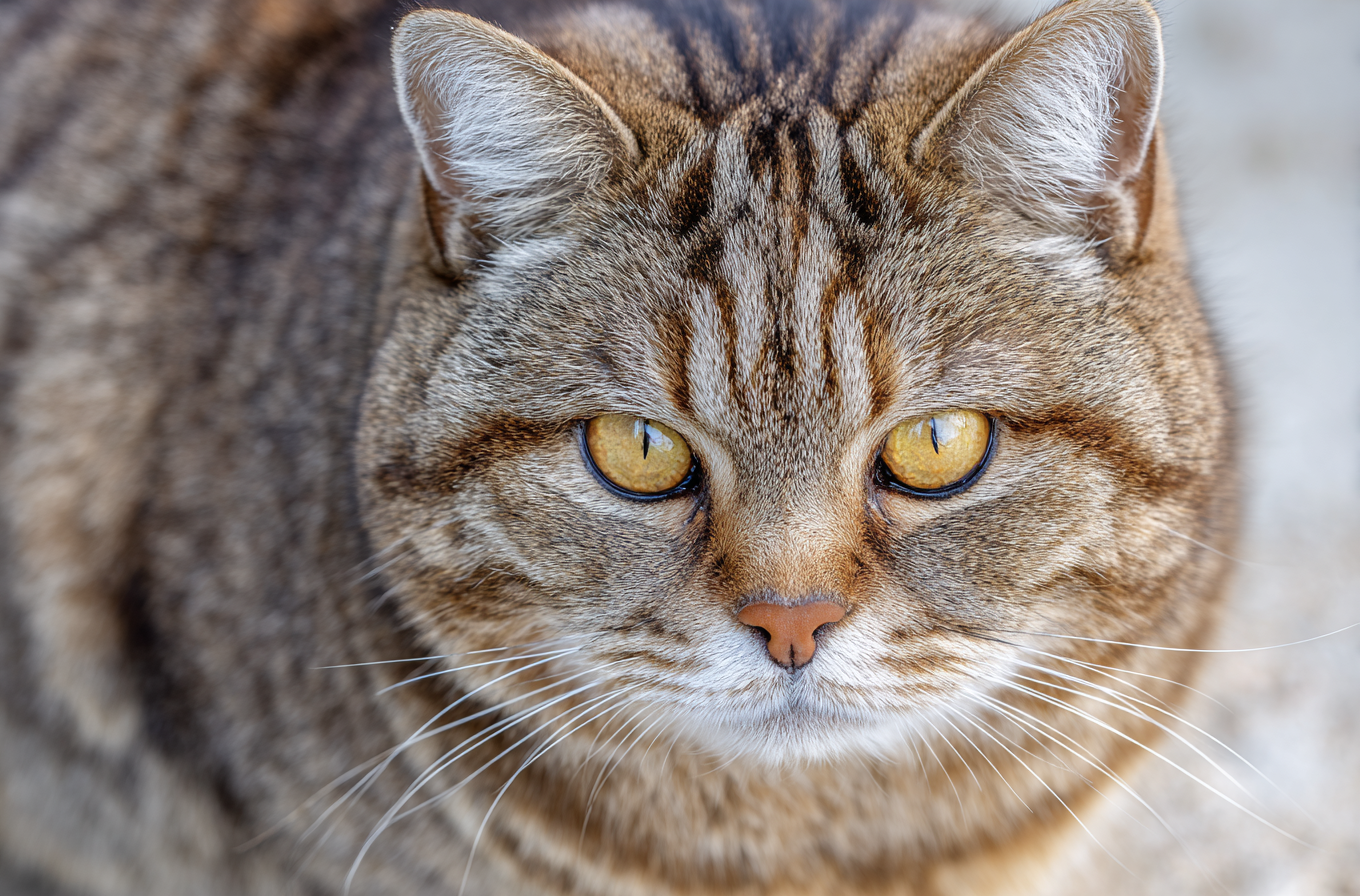
Brown Tabby British Shorthair Breed: Facts, History and Kitten Info
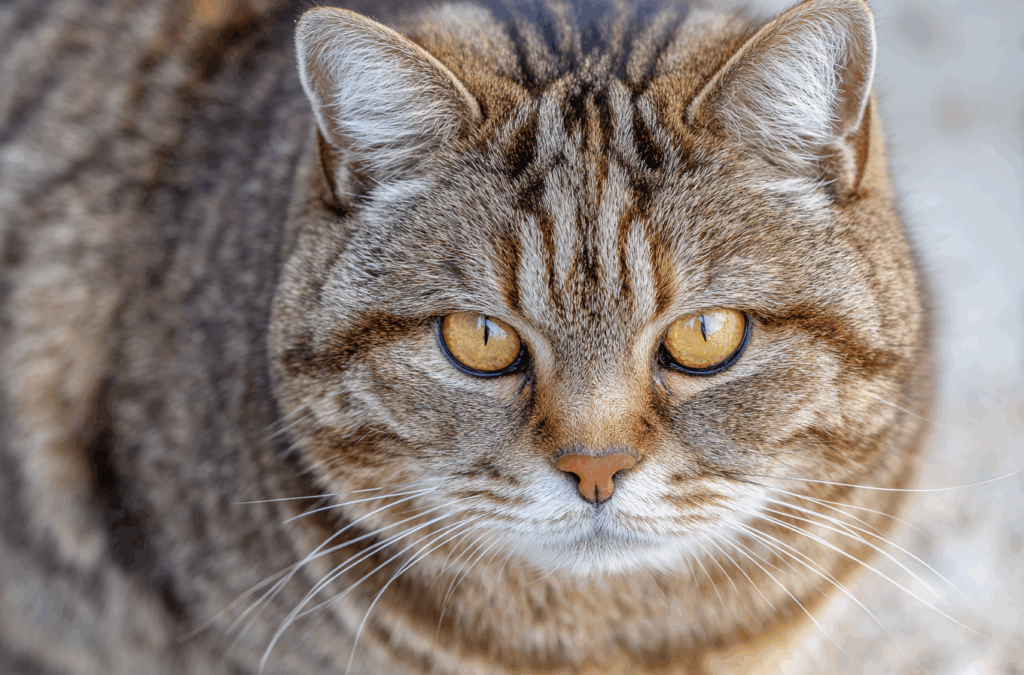
The brown tabby British Shorthair is one of the most striking and recognizable expressions of the breed. With their classic tabby striping, warm brown tones, plush coat, and famously calm personality, these cats are a favorite among families and breeders around the world. If you are considering a brown tabby British Shorthair kitten or simply want to understand this beautiful color and pattern in more depth, this guide walks you through everything you need to know.
Searching for Your Own British Shorthair Kitten?
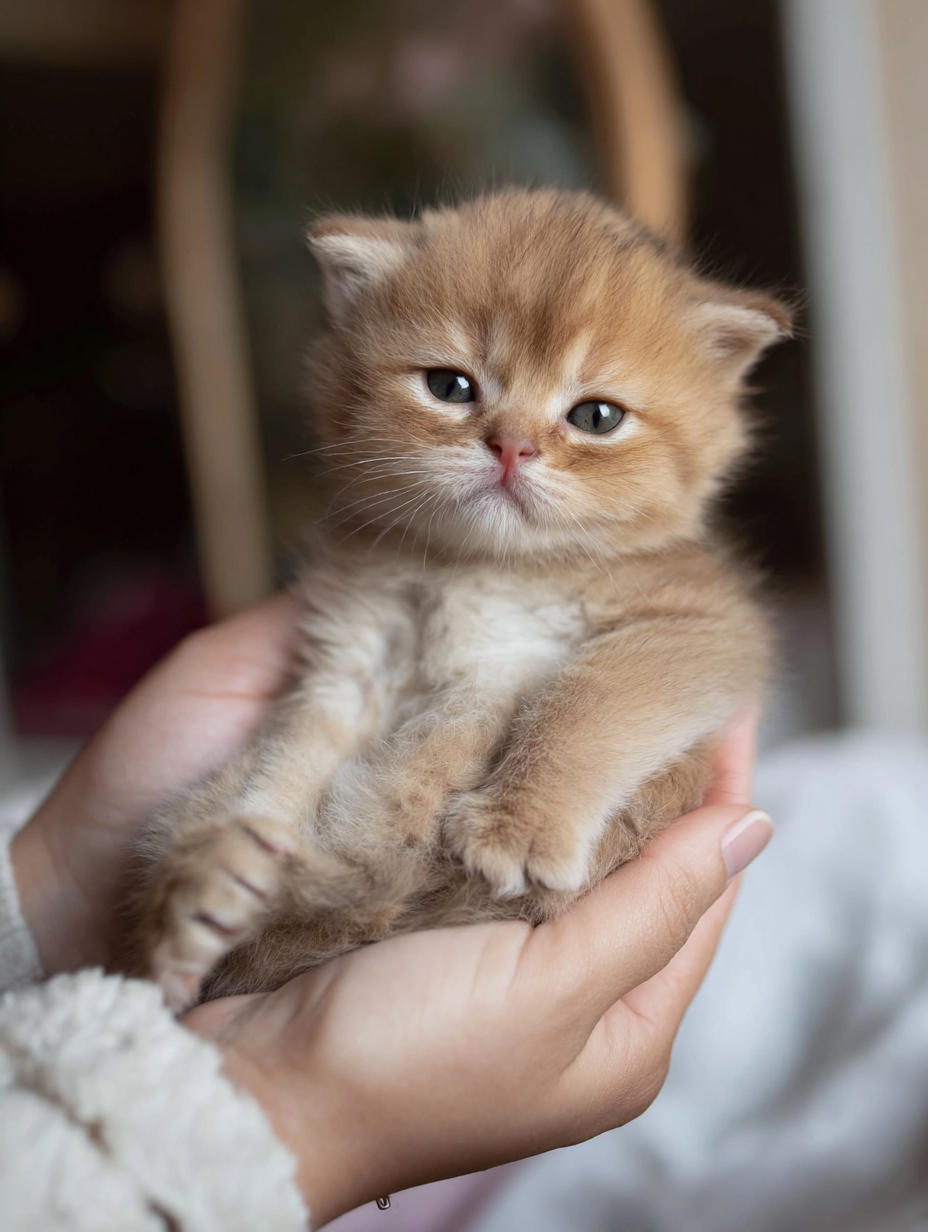
If you are here looking for a British Shorthair kitten of your own check out our Purebred British Shorthair Kittens for Sale.
At Almonte Cats, every kitten is:
- TICA / CFA registered from fully health-tested parents
- Raised in-home, not in cages
- Vet-checked, vaccinated, and microchipped
- Socialized for confident, easygoing temperaments
Our program specializes in golden and rare British Shorthair colors, with chocolate British Shorthair kittens and brown British Shorthair kittens produced occasionally depending on color-pairing schedules.
What is a Brown Tabby British Shorthair?
A brown tabby British Shorthair is a British Shorthair cat displaying the brown (chocolate or black-based) tabby pattern, often with rich warm hues, crisp facial markings, and the signature thick, plush coat the breed is known for. The British Shorthair is defined by:
- A large round face with full cheeks
- Big, expressive copper, gold, or hazel eyes
- A short, wide nose
- A compact, muscular body with heavy bone
- A dense, “teddy bear” textured double coat
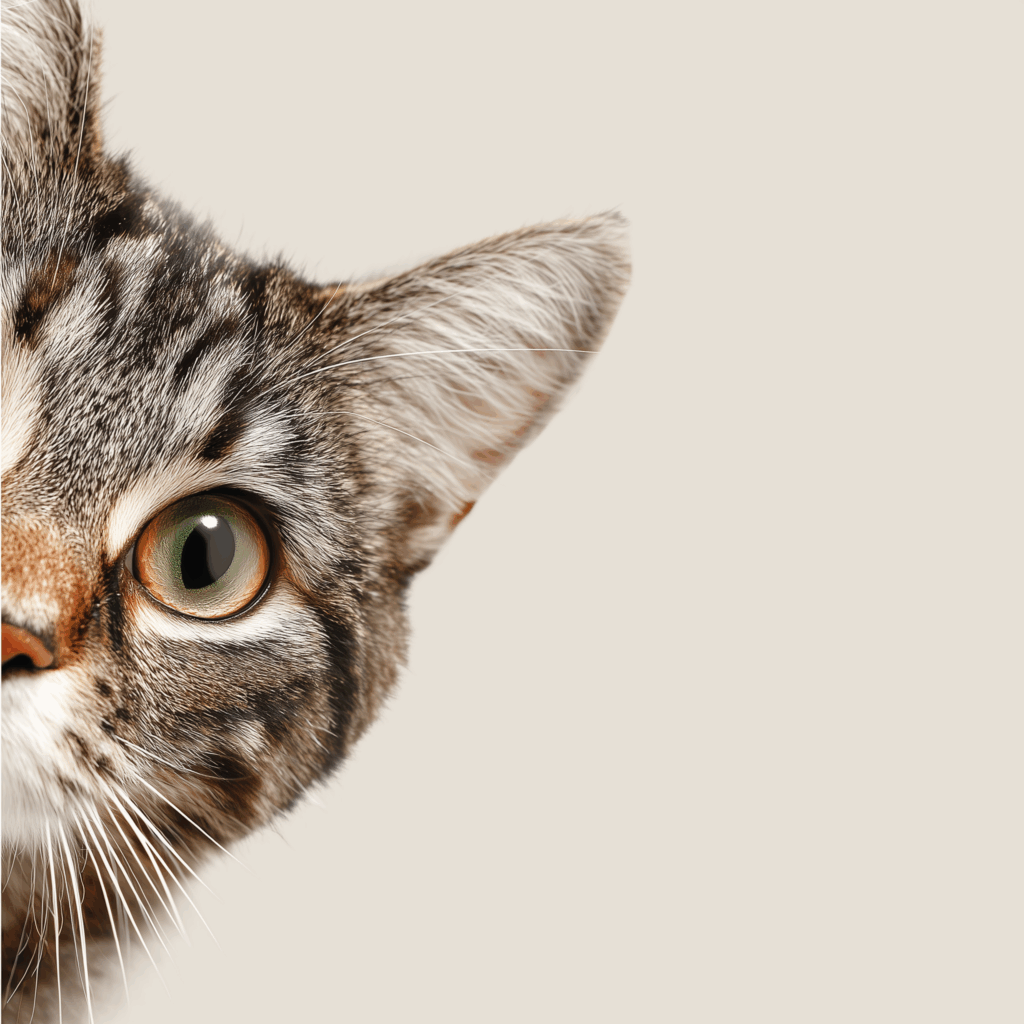
While the breed comes in many colors, including blue, cream, lilac, and silver, the brown tabby British Shorthair remains one of the most classic patterns, with deep swirling stripes (classic tabby) or narrow lines (mackerel tabby). These warm brown coats often look especially plush due to the breed’s dense undercoat.
In temperament, the British Shorthair is famously calm, affectionate, and gentle. They enjoy following their people from room to room, observing daily life, and participating in quiet play. Brown tabby British Shorthairs carry the same relaxed nature as any British Shorthair: serene, easygoing, and loyal. They’re not typically clingy or demanding, but enjoy companionship and will happily settle near you during the day.
British Shorthairs are known for requiring minimal grooming compared to longhaired breeds, though their thick coats still benefit from weekly brushing to manage shedding. For those who love a peaceful, beautiful, and sturdy cat, the brown tabby British Shorthair is an exceptional choice.
Brown Tabby British Shorthair Kittens: Temperament, Development, and What to Expect
Brown tabby British Shorthair kittens are some of the most charming and photogenic kittens in the breed. Their early markings are bold, their eyes are large and expressive, and their personalities are calm, sweet, and steady from a young age. Because the British Shorthair is a slow-maturing breed, brown tabby kittens go through several phases that shape their final look, coat density, and temperament.
Early Kitten Appearance
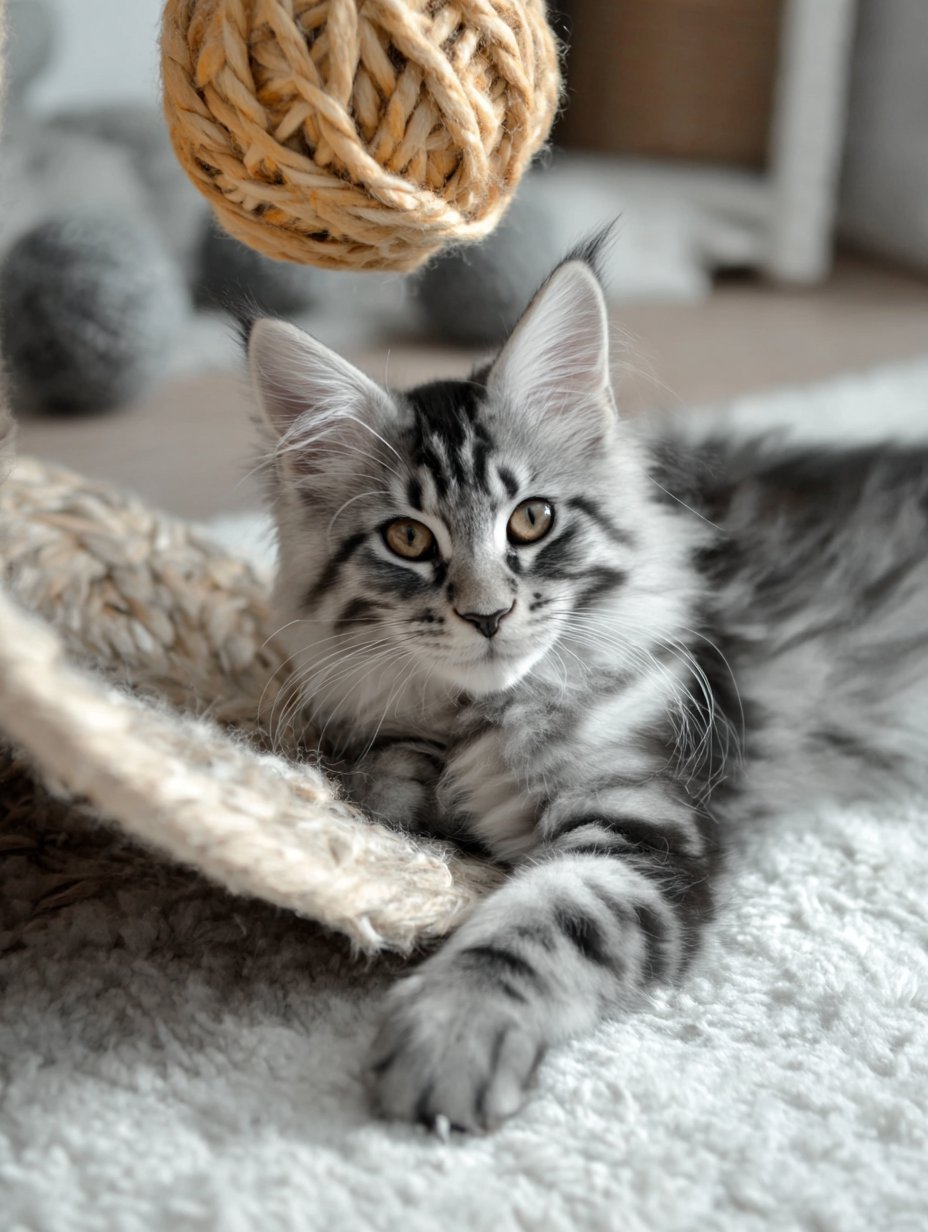
Most brown tabby British Shorthair kittens are born with strong, clearly defined tabby markings, dark stripes, and warm brown tones. Their pattern sharpens as they grow, and their coats thicken dramatically between 8–20 weeks. Eye color typically shifts from blue to gold, copper, or hazel during the first months of life, giving brown tabby kittens that classic, bright-eyed British Shorthair expression.
Typical Kitten Temperament
While every kitten has a personality of their own, brown tabby British Shorthair kittens share core breed traits:
- Calm but playful
- Confident without being bold or pushy
- Naturally easygoing with children and other pets
- Affectionate, but not overly clingy
- Independent enough for working households
These kittens enjoy exploring, watching their surroundings, and participating in daily life without being demanding. Many families choose the brown tabby British Shorthair because the kitten months are fun and balanced rather than overwhelming.
Socialization and Early Training
Brown tabby British Shorthair kittens benefit greatly from:
- Gentle handling
- Early litter box confidence
- Exposure to household sounds
- Age-appropriate play
- Short, positive daily interactions
They are naturally polite and easy to raise, but socialization still shapes their adult personality. Well-raised kittens grow into stable, friendly adults who adapt well to new homes.
Coat Development in Brown Tabby Kittens
The brown tabby pattern becomes richer as kittens mature. What starts as soft striping at 6–8 weeks becomes:
- Fuller contrast by 12 weeks
- A thicker coat by 16–20 weeks
- A well-developed double coat by 6–12 months
The classic tabby swirl or mackerel lines remain strong in adulthood, making the brown tabby British Shorthair one of the most visually striking kitten colors.
Ideal Homes for Brown Tabby British Shorthair Kittens
These kittens suit a variety of households, including:
- Families wanting a steady, gentle kitten
- Homes with children
- Owners who work long hours and need a low-maintenance companion
- Quiet homes that enjoy a peaceful but playful breed
- Multi-pet homes with slow introductions
Their balanced temperament makes them especially good for first-time cat owners.
How to Choose a Brown Tabby British Shorthair Kitten
When selecting a brown tabby kitten, look for:
- Clear tabby pattern with strong contrast
- Good bone structure, round features, thick legs
- Bright, wide-set eyes
- Calm, curious temperament
- Clean, well-kept living environment
- Parents who are health-tested for HCM and PKD
Reputable breeders raise kittens in-home, provide early veterinary care, and match each kitten to the appropriate family.
Brown Tabby British Shorthair Kitten Price
Brown tabby British Shorthair kittens are often in high demand, and prices can vary depending on:
- Pedigree
- Health testing
- Coat clarity and pattern
- Cattery reputation
- Registration and early care
In the United States, British Shorthair kitten prices generally range between $2,500–$5,000, with high-quality brown tabby kittens at the upper end from reputable programs.
Bringing a Brown Tabby Kitten Home
Your kitten will adjust well with a quiet introduction period, a warm bed, scheduled feeding, and predictable routines. British Shorthair kittens thrive on:
- Stability
- Gentle play sessions
- Regular enrichment
- Soft resting spots
- Respectful handling
Because they mature slowly, they retain their sweet “kitten attitude” longer than most breeds.
9 Fun Facts About Brown Tabby British Shorthairs
- One of the oldest British breeds
British Shorthairs trace their roots to the Roman Empire and early British domestic cats, making them one of the oldest recognized cat breeds. - The brown tabby is one of the earliest documented BSH patterns
Before solid colors like blue became popular, the classic tabby was the dominant pattern in the breed. - Despite their regal appearance, they are gentle and devoted
Their round face can sometimes look serious, but brown tabby British Shorthairs are known for being affectionate, patient, and steady companions. - They are a medium-to-large breed
Most brown tabby British Shorthair cats weigh between 9–17 lbs for males and 7–14 lbs for females. - A breed favored historically in Europe
Early British cat shows heavily featured brown and silver tabbies. Harrison Weir, the father of the cat fancy, admired the brown tabby BSH. - One of the most popular breeds in the United States
British Shorthairs consistently rank in the top 10 most registered cat breeds due to their temperament and iconic look. - Often called “teddy bear cats”
The combination of round features and the thick, soft coat gives brown tabby British Shorthairs an adorable plush appearance. - Low vocalization, very calm demeanor
These cats communicate quietly, preferring soft chirps or silent requests. - Males are often more openly affectionate
Many breeders note that male British Shorthairs (including brown tabbies) tend to be more people-oriented and cuddly, while females may be slightly more reserved.
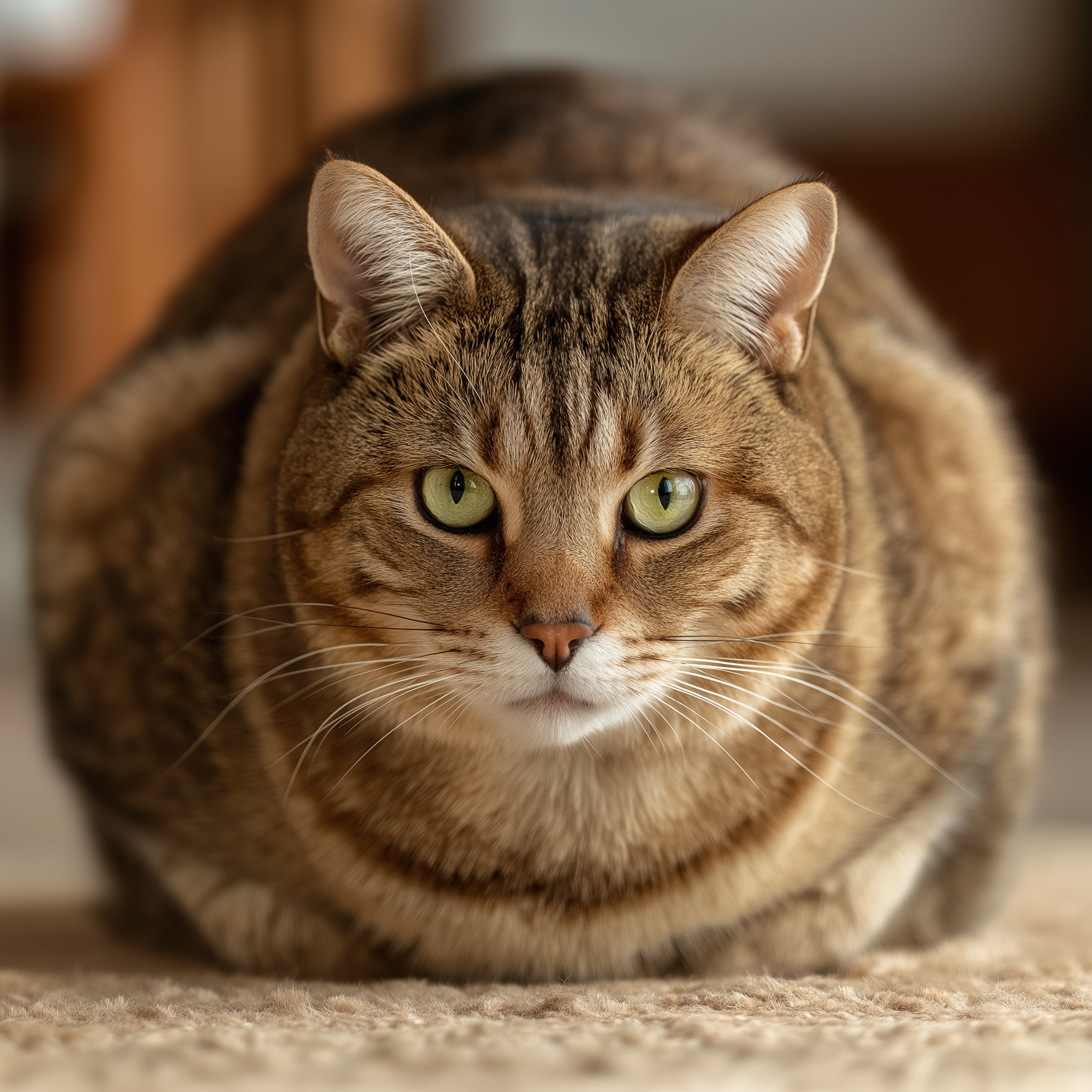
History of the Brown Tabby British Shorthair
The history of the British Shorthair is woven through centuries of British domestic cats. Although no one knows the exact origins of the brown tabby pattern, early records from the 1800s show that the classic brown tabby British Shorthair was one of the breed’s first recognized types.
The breed gained major structure and popularity during the Victorian era. When the first cat show was held at Crystal Palace in 1871, brown tabbies appeared alongside blues and silvers. Harrison Weir’s breed standard in 1889 specifically referenced tabby British Shorthairs as foundational examples of the breed.
As the breed evolved through selective breeding in Britain and across Europe, brown tabby British Shorthairs retained their reputation as a traditional, well-loved pattern. Their beautiful contrast, ancient roots, and bold markings kept them a favorite among breed historians and families alike.
Today, brown tabby British Shorthairs remain an essential color for breeders maintaining classical British Shorthair lines.
Brown Tabby British Shorthair Care Tips
Socialization
Brown tabby British Shorthairs enjoy the company of their people. They bond deeply, especially if socialized early, and adapt well to children, other cats, and calm dogs. While they are not hyper or demanding, they appreciate daily interaction and gentle play.
Health
British Shorthairs can be prone to certain breed-related conditions, including:
- Hypertrophic Cardiomyopathy (HCM)
- Obesity due to their easygoing nature
- Dental buildup
- Joint stress in overweight cats
Regular veterinary visits and keeping your brown tabby British Shorthair at a healthy weight will support a long life.
Coat Care
Their plush double coat is dense and can shed heavily during seasonal changes. Brush weekly—more often during spring and fall—to remove loose hair. A good stainless-steel comb or rubber grooming brush works well for the thick coat of a brown tabby British Shorthair.
Diet
Feed a high-quality, species-appropriate diet with adequate moisture. British Shorthairs can gain weight easily, so portion control is important. Fresh water should be always available.
Exercise & Enrichment
Even though British Shorthairs are naturally calm, they still need daily activity. Brown tabby British Shorthairs typically enjoy:
- Wand toys
- Food puzzles
- Short bursts of play
- Window watching
- Soft beds and elevated perches
Gentle enrichment helps prevent boredom and weight gain.
Activities for Brown Tabby British Shorthairs
Your brown tabby BSH will appreciate:
- Window seats for birdwatching
- Puzzle feeders for mental stimulation
- Soft beds near your work or relaxation areas
- Wand toys for controlled exercise
- Cardboard scratchers to satisfy natural instincts
- Quiet indoor life, which suits their calm temperament perfectly
Brown Tabby British Shorthairs in Pop Culture
While specific brown tabby British Shorthairs are not as frequently showcased as Persians, the British Shorthair breed as a whole has appeared in advertising, film, and social media due to its photogenic round face and calm demeanor.
Popular British Shorthairs represented in media include:
- The “I Can Has Cheezburger?” original meme cat (British Shorthair lookalike)
- Various commercial mascots featuring the blue BSH, which helped boost the breed’s popularity
- Multiple influencers featuring brown and classic tabby BSH kittens on Instagram and TikTok
Adopting a Brown Tabby British Shorthair
Deciding to adopt or purchase a brown tabby British Shorthair depends on your lifestyle and ability to provide appropriate socialization and care. Research reputable breeders who DNA-test and health-test their cats, ask about lineage, and request photos and videos of kittens and parents.
Because British Shorthairs are popular, avoid irresponsible breeders who do not provide pedigrees or health information. Whether you adopt from a breeder or rescue, a brown tabby British Shorthair can be a loving, loyal companion if given the right home environment.
Featured Snippet Summary
Brown tabby British Shorthairs are often misunderstood. From coat colors and grooming needs to temperament and purity, many myths circulate online. In reality, brown tabby British Shorthairs are purebred, calm, highly traditional cats with a wide range of natural brown shades and tabby patterns. Their color does change as they grow, their shedding is normal for the breed, and both males and females can carry this pattern.
10 Myths About Brown Tabby British Shorthairs
Myth 1: All brown tabby British Shorthairs have the same shade of brown.
Many people assume “brown tabby” is one uniform color, but brown tabby British Shorthairs display a wide spectrum of rich tones—from deep chocolatey browns to warm cinnamons and golden-tinted browns. Their exact shade depends on genetics, pattern type, and coat density. No two brown tabbies look alike, which is part of their appeal.
Myth 2: Brown tabby British Shorthairs are more aggressive or have wild instincts.
The tabby pattern has nothing to do with personality. Brown tabby British Shorthairs are known for their calm, soft nature and predictable temperament. They’re one of the most gentle, relaxed breeds, and the tabby pattern is simply an ancient, naturally occurring coat marking—not a behavioral trait.
Myth 3: Brown tabby BSH kittens stay the same color throughout life.
Most brown tabby kittens undergo noticeable color and pattern changes as they mature. Their striping becomes clearer, the contrast deepens, and the coat thickens as they develop their signature British Shorthair double coat. It’s normal for a brown tabby kitten to darken or gain more definition over time.
Myth 4: Only male British Shorthairs can be brown tabby.
This misconception comes from coat colors that are sex-linked, such as tortie. Brown tabby is not one of them. Both male and female British Shorthairs can carry and express the brown tabby pattern equally, depending solely on genetics—not gender.
Myth 5: Brown tabbies are less valuable than solid colors like blue or lilac.
High-quality brown tabby British Shorthairs are highly desirable, especially when the pattern has strong contrast and correct structure. Historically, the tabby was one of the first and most traditional British Shorthair colors. Many breeders and judges value a well-marked brown tabby just as highly as other premium colors.
Myth 6: Tabby British Shorthairs shed more than solid-colored British Shorthairs.
Shedding is determined by the breed’s naturally thick double coat, not the pattern. All British Shorthairs shed moderately throughout the year and more heavily during spring and fall. Brown tabbies do not shed more; the tabby pattern can simply make loose fur more noticeable.
Myth 7: Brown tabbies aren’t truly purebred British Shorthairs.
The brown tabby pattern is one of the oldest and most historically accurate patterns in the breed. Long before colors like blue became popular, brown tabbies were showcased in early British cat shows and recorded in the earliest BSH standards. They are fully recognized and absolutely purebred.
Myth 8: A brown tabby pattern means the cat has American Shorthair ancestry.
While some breeds share the tabby pattern, pattern alone doesn’t indicate mixed ancestry. British Shorthairs naturally carry tabby genetics, traced back to early British domestic cats. Responsible breeders use pedigreed lines where the tabby pattern has been present for generations.
Myth 9: Brown tabby British Shorthairs are hyper or require more activity.
British Shorthairs, including brown tabbies, are known for their calm, steady personalities. Kittens may be playful, but as adults, they settle into a balanced, gentle routine. They enjoy enrichment but do not have the high energy levels of breeds like the Bengal or Abyssinian.
Myth 10: The brown tabby pattern requires special grooming or special care.
Tabby markings don’t change the grooming needs of the British Shorthair. Their dense coat benefits from weekly brushing, but no special products or techniques are needed. The pattern doesn’t impact skin health, coat thickness, or maintenance level.
Related British Shorthair Colors and Patterns
- Black British Shorthair
- Russian Blue vs British Shorthair
- Lilac British Shorthair
- Blue British Shorthair
- Orange British Shorthair
- Chocolate British Shorthair
- Intro to All British Shorthair Colors
- Golden British Shorthair Kittens
FAQ: Brown Tabby British Shorthair Cats & Kittens
Are brown tabby British Shorthairs rare?
Brown tabby British Shorthairs are not the rarest color in the breed, but high-quality brown tabbies with strong contrast and correct pattern are always in demand. Because breeders prioritize certain lines or colors, brown tabbies are sometimes produced in smaller numbers. Their classic look makes them highly desirable among families who want the traditional British Shorthair appearance. Availability varies by breeder and season.
Do brown tabby British Shorthairs stay brown as they grow?
Yes, they stay brown, but the exact shade and pattern definition can change as the kitten matures. Most brown tabby kittens darken slightly, gain richer contrast, and develop a thicker coat during the first year. The final appearance becomes clearer between 6–18 months, which is normal for this slow-maturing breed. Their eye color also shifts from blue to gold, copper, or hazel.
Are brown tabby British Shorthairs good with kids and other pets?
British Shorthairs are known for their calm, steady temperaments, and brown tabbies are no exception. They are patient, gentle, and tolerant, making them a strong fit for families with respectful children. They adapt well to multi-pet homes when introduced properly. Their balanced temperament makes them easier to integrate than many active or vocal breeds.
Do brown tabby British Shorthairs shed a lot?
British Shorthairs have a dense double coat, so they shed moderately year-round with heavier shedding during seasonal transitions. The tabby pattern does not increase or change shedding levels. Weekly brushing helps control loose hair and supports skin health. Extra grooming during spring and fall can make shedding more manageable.
Are brown tabby British Shorthair kittens calm or energetic?
Brown tabby British Shorthair kittens are playful and curious, but not overly hyper. They enjoy short bursts of activity followed by long naps and quiet time. As they mature, they transition into the calm, even-tempered adults the breed is known for. This makes them ideal for households wanting a balanced kitten experience.
How big do brown tabby British Shorthairs get?
This breed is medium to large, with males typically reaching 9–17 lbs and females 7–14 lbs depending on lineage and genetics. Brown tabbies grow at the same pace as other British Shorthair colors. They mature slowly and fully fill out between 3–5 years old. Their broad bone structure gives them a solid, teddy-bear look.
Do brown tabby British Shorthairs need special grooming?
No special grooming is required beyond what the British Shorthair normally needs. A weekly brush helps maintain their double coat and reduce shedding. During heavy seasonal shedding, additional brushing can keep the coat healthy. Regular nail trims and dental care complete their routine maintenance.
Are brown tabby British Shorthairs purebred?
Yes. The brown tabby pattern is one of the original, historically documented British Shorthair colors. It appears in early breed records and was a popular look at the first English cat shows. Reputable breeders register their brown tabby BSH kittens with TICA or CFA and provide pedigrees.
Do brown tabby British Shorthairs cost more than other colors?
Prices vary by breeder, pedigree, and pattern clarity. High-quality brown tabby British Shorthair kittens may be priced similarly to blues or goldens, depending on demand and availability. In the U.S., British Shorthair kittens generally range from $2,500–$5,000 in reputable programs. Well-marked brown tabbies from established catteries often fall in the mid-to-upper range.
Are brown tabby British Shorthairs good indoor cats?
Yes, they are ideal indoor companions. Their calm temperament, low prey drive, and love of routine make them well-suited to indoor living. They enjoy window watching, cozy sleeping spots, and moderate enrichment without needing extensive activity. Keeping them indoors also protects their health and preserves their thick, plush coat.
Resources and Related Posts
Learn More About British Shorthair Cats
- British Shorthair Lifespan
- British Shorthair Personality
- British Shorthair Kitten Growth Stages
- British Shorthair vs Ragdoll
Sources & References
- TICA – British Shorthair Breed Standard
- https://tica.org/breeds/british-shorthair
- 2. CFA – British Shorthair Breed Profile
- https://cfa.org/british-shorthair/
- 3. GCCF – British Shorthair Official Breed Information
- https://www.gccfcats.org/breeds/british-shorthair/
- 4. FIFe – British Shorthair Breed Standard (PDF)
- https://fifeweb.org/wp/breeds/british-shorthair/
- 5. ACFA – British Shorthair Breed Information
- https://www.acfacats.com/breed-profiles
- 6. UC Davis Veterinary Genetics Laboratory – Feline Coat Color Genetics
- https://vgl.ucdavis.edu/services/cat-coat-color
- 7. Messybeast – Feline Coat Color Genetics & Dilution Gene Reference
- https://messybeast.com/colour-charts.htm
- 8. International Cat Care – Feline Coat Types, Colors & Patterns
- https://icatcare.org/advice/cat-coats-and-colours/





Read the Comments +