
What Breed Is the Brown Teddy Bear Cat?
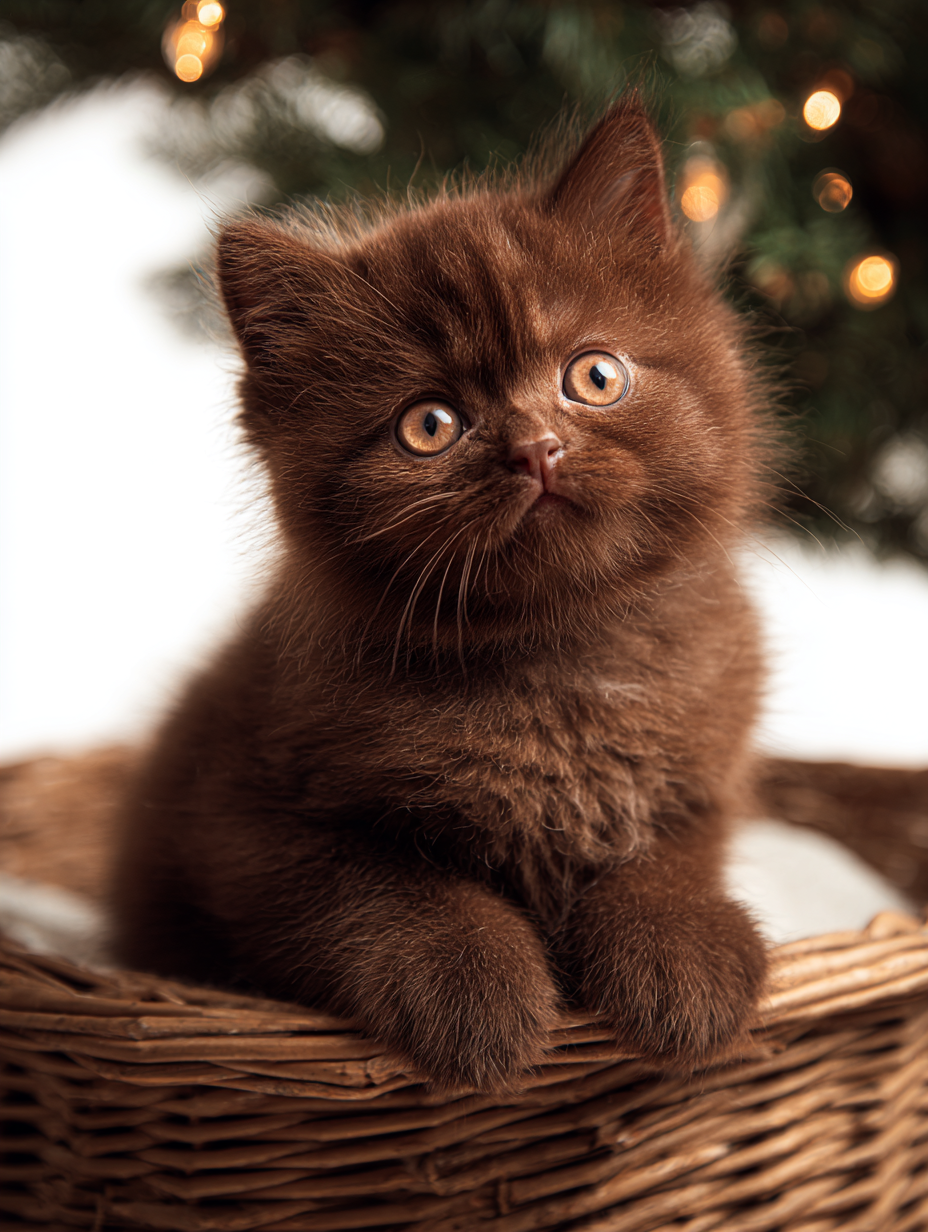
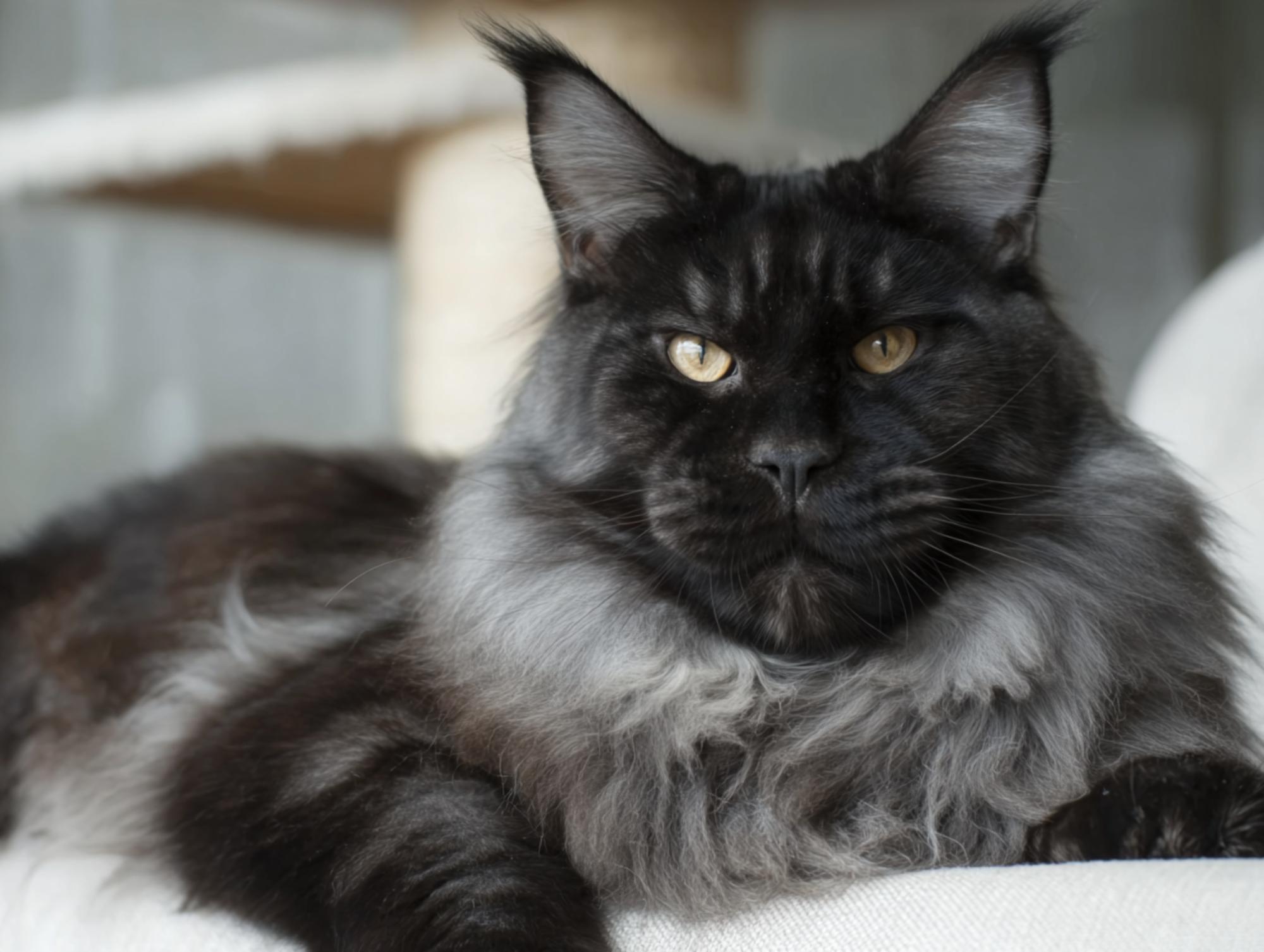
The “brown teddy bear cat” isn’t a single official breed — it’s a nickname given to a very specific look: a round-faced, plush-coated chocolate cat with big eyes and a soft, stuffed-animal appearance. Most cats that go viral under this name are Chocolate British Shorthairs or Chocolate British Longhairs, though some rare Persian and Ragdoll lines also produce warm chocolate coats that resemble a teddy bear.
These cats are loved for their thick, velvety fur, gentle temperament, solid chocolate coloring, and irresistibly round features. Their appearance is so distinctive that many people ask, “What kind of cat is a teddy bear?” or “Are chocolate brown cats rare?” This article explains exactly where the look comes from, what breeds have true chocolate coloring, and what to expect from brown teddy bear kittens for sale.
Brown Teddy Bear Cat: Quick Overview
| Feature | Summary |
|---|---|
| Nickname Refers To | Chocolate British Shorthair / British Longhair appearance |
| Coat Type | Dense, plush, teddy-bear texture |
| Temperament | Calm, affectionate, people-friendly |
| Size | Medium–large; solid, sturdy build |
| Activity Level | Moderate; playful but not hyper |
| Color Range | True chocolate, dark brown, warm cocoa tones |
| Eye Colors | Copper, orange, gold |
| Rarity | High — chocolate coloring is genetically rare |
| Ideal Home | Families, quiet households, first-time cat owners |
| Shedding | Moderate |
| Availability | Limited litters; chocolate kittens often reserve early |
What Breed Is the Brown Teddy Bear Cat?
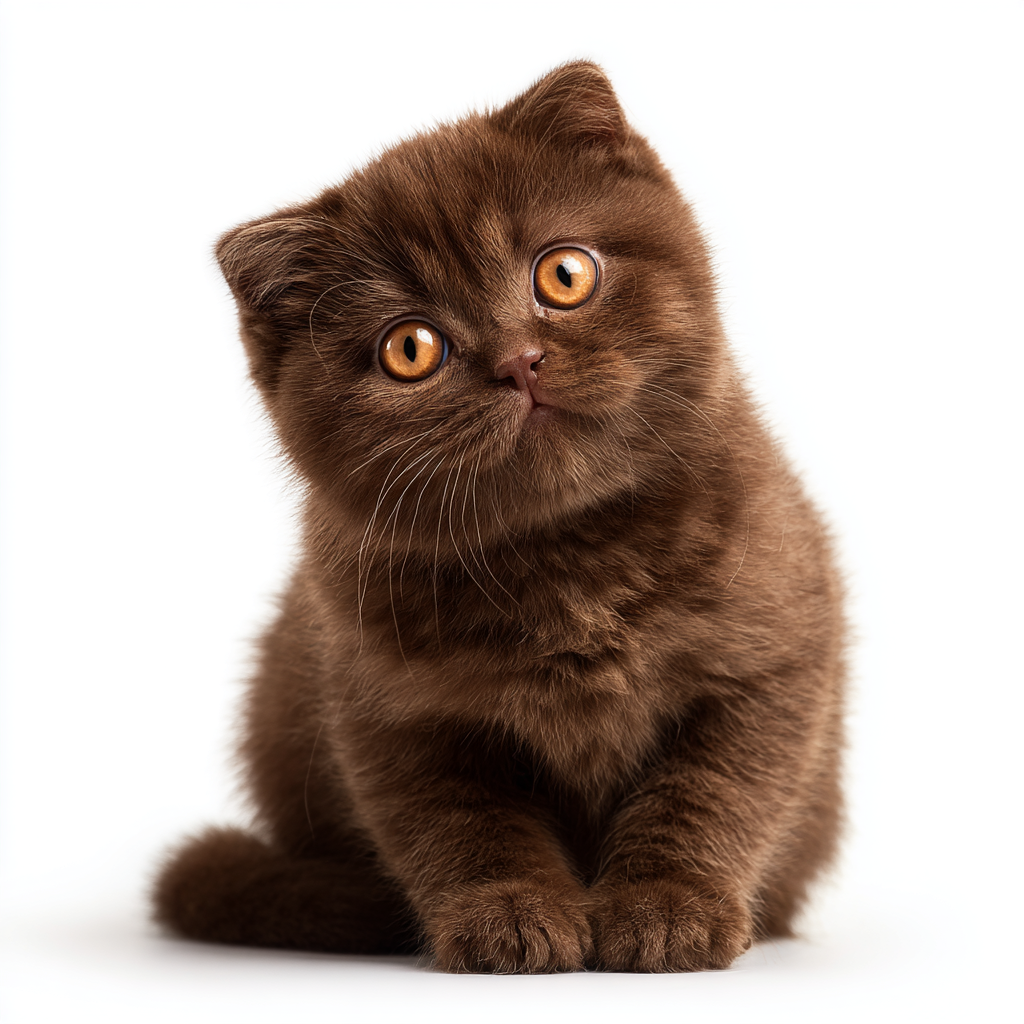
The cat most often referred to online as the “brown teddy bear cat” is the Chocolate British Shorthair.
This breed matches every feature people associate with the teddy bear look:
• round, full cheeks
• large, expressive copper eyes
• thick plush coat
• solid, stocky build
• calm, gentle temperament
• true chocolate (not black) pigment
Longhair variants — sometimes called Chocolate British Longhairs — create an even more exaggerated teddy-bear effect because the coat grows denser and fluffier around the face.
Other breeds can produce chocolate, but British Shorthairs are the only breed where the brown teddy bear look is consistent and widely recognized.
What Kind of Cat Is a Teddy Bear Cat?
“Teddy bear cat” is not a formal breed name — it’s a description for a specific facial structure and coat type.
A teddy bear cat typically has:
• rounded muzzle and cheeks
• big, wide-set eyes
• short, thick or medium-plush coat
• compact, cobby body
• calm, sweet expression
Breeds that commonly achieve the teddy-bear look include:
- ✔ British Shorthair (especially Chocolate & Lilac) — the most iconic teddy bear cat
- ✔ British Longhair — fluffier teddy bear appearance
- ✔ Some Persians and Himalayans — though their faces are flatter
- ✔ Certain Ragdoll & Cherubim lines — when chocolate or sepia coloring is present
But when people ask “what breed is the brown teddy bear cat?”, the answer almost always circles back to:
⭐ Chocolate British Shorthair
⭐ Chocolate British Longhair
because they consistently produce the soft, plush, rounded teddy look.
Breed Recognition, History & Development of the Brown Teddy Bear Cat
Registry Status
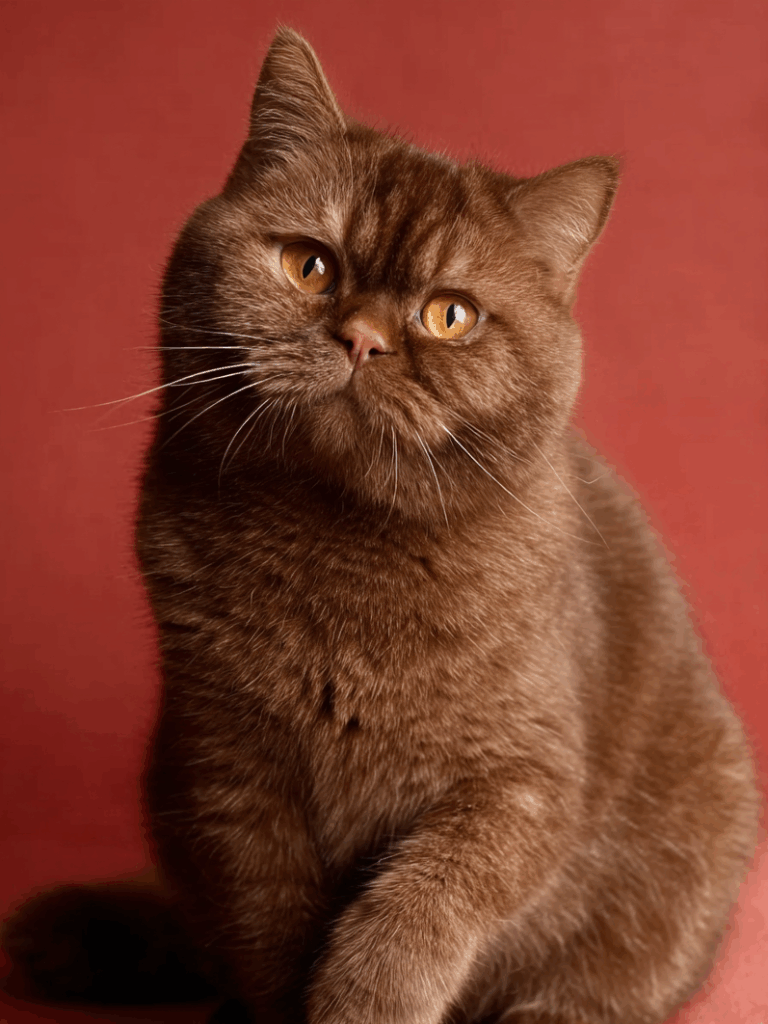
The “brown teddy bear cat” is not a formal breed name — it is a popular term used to describe chocolate-coated, plush, rounded cats from established breeds such as the British Shorthair, Ragdoll (including solid/mink/sepia lines), and certain boutique teddy-type breeding programs.
Depending on the breed behind the brown teddy bear appearance, kittens may be:
• fully recognized by TICA
• fully recognized by CFA
• registered under established breed standards (e.g., British Shorthair, Ragdoll)
History & Development
The brown teddy bear look comes from:
• rare chocolate dilution genes
• selective breeding for plush coats, rounded features, and soft expression
• temperament-focused pairing to produce gentle, cuddly companions
Unlike newer hybrid cat varieties, chocolate-coated teddy-type lines come from established pedigrees with predictable structure, coat type, and personality. Producing a true chocolate cat requires recessive genetics on both sides, which is one reason chocolate and brown kittens remain uncommon and highly sought after.
The overall goal of teddy-type breeding programs is to maintain:
• the signature plush, dense coat
• rounded cheeks and soft facial shape
• calm, affectionate, low-intensity temperament
• the deep, rich chocolate coloring that gives the “teddy bear” look
Characteristics of the Brown Teddy Bear Cat
The “brown teddy bear cat” is best known for its plush, rounded appearance and soft, chocolate-toned coat. While the nickname can be used loosely online, the cat most consistently matching this look is the chocolate British Shorthair. These cats have a combination of physical and personality traits that make them instantly recognizable and deeply appealing to families.
Plush, Teddy-Bear Coat
Brown teddy bear cats have an exceptionally dense coat that stands away from the body, creating a soft, rounded silhouette. The fur is short but very thick, giving them the trademark “stuffed animal” look. The chocolate shade ranges from warm milk-chocolate to deep cocoa, depending on lighting and lineage. Because the coat is solid and velvety, the brown coloring appears rich and even across the entire body.
Round Face and Large Eyes
One of the defining characteristics of the brown teddy bear cat is its round head shape, paired with wide-set, expressive eyes. Most chocolate British Shorthairs have deep copper or golden eyes, which contrast beautifully with the warm brown fur. The combination of a thick coat, round cheeks, and soft features is the primary reason people mistake these cats for plush toys.
Sturdy, Cobby Body Build
Brown teddy bear cats have a sturdy, compact frame. Their bodies are muscular and solid, not long or lanky. The structure is balanced, proportional, and built for quiet confidence rather than high athleticism. This body type makes them appear calm, mellow, and approachable — exactly the kind of companion families with children often look for.
Calm, Even Temperament
The personality of the brown teddy bear cat matches its soft appearance. Chocolate British Shorthairs are known for being:
• steady and emotionally balanced
• affectionate without being clingy
• friendly but not demanding
• patient and tolerant with polite children
• quiet, with soft vocalizations
They settle well into apartments or houses and adapt quickly to peaceful routines. This temperament is a major reason people specifically search for brown teddy bear kittens for sale.
Low-Drama, Low-Maintenance Lifestyle
These cats are easygoing by nature. They enjoy cozy rest spots, predictable schedules, and gentle affection. Their grooming needs are minimal, and they thrive in homes where they can relax near their people without constant activity or noise.
Rare Chocolate Coloring
True chocolate cats are uncommon because the chocolate gene is recessive and must be inherited from both parents. This genetic rarity is why so many people ask:
“How rare is a chocolate brown cat?”
The answer: very — especially high-quality chocolate cats with the plush teddy-bear coat and round British type. This rarity increases demand, particularly among families who want a cat with a unique but low-maintenance appearance.
How Rare Is a Chocolate Brown Cat?
Chocolate cats are genuinely rare, regardless of breed. Chocolate is a recessive gene, meaning both parents must carry it for a kitten to inherit the color. Even in carefully planned litters, chocolate kittens may appear in small numbers.
Reasons chocolate cats are uncommon:
• the gene is recessive and easily hidden
• few breeders focus on chocolate lines
• some breeds do not accept chocolate genetically
• chocolate coats require careful selection over generations
This rarity is why the term “brown teddy bear kittens for sale” is so searched — families specifically seek this color and often face long waitlists.
Understanding Brown Teddy Bear Cat Colors
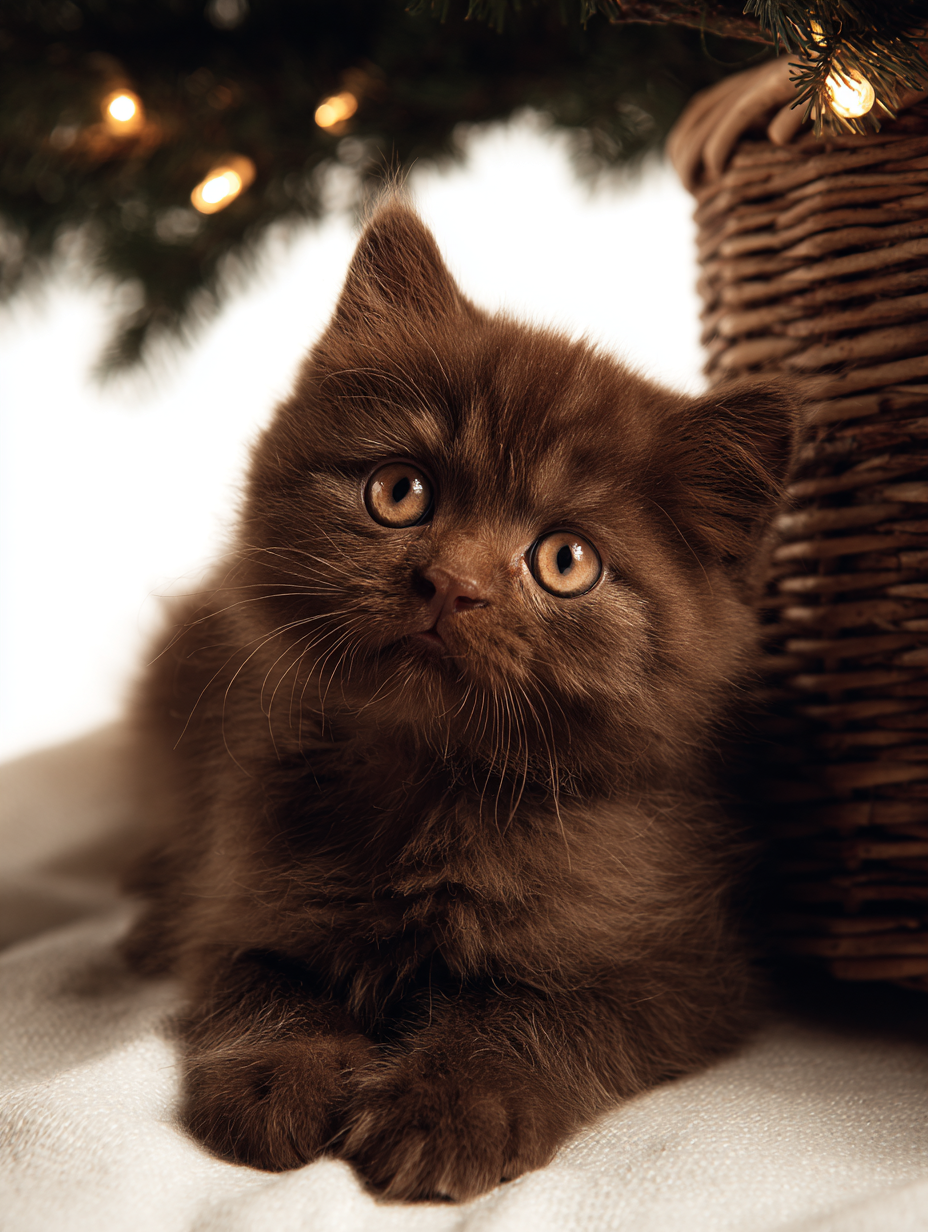
The phrase “brown teddy bear cat” usually refers to the chocolate British Shorthair, but some related shades also fall into the teddy-bear category.
Accepted Chocolate + Teddy-Bear Colors in British Shorthairs
• Chocolate
• Cinnamon (lighter, warmer brown)
• Lilac (soft dusty cocoa)
• Fawn (pale warm beige)
These shades create the “stuffed animal” look people search for.
Coat Texture
Brown teddy bear cats have:
• extremely dense, plush coats
• a soft, velvety texture
• slow-growing, thick undercoats
• fur that stands away from the body — just like a teddy bear
This texture is a defining trait and why the term “teddy bear cat” is often used specifically for British Shorthairs.
Eye Color in Brown Teddy Bear Cats
Most chocolate British Shorthairs have:
• deep copper eyes
• warm gold eyes
• occasionally orange-toned eyes
The contrast between the chocolate fur and golden eyes is part of what makes the brown teddy bear cat so striking.
Brown Teddy Bear Cat Personality
Brown teddy bear cats — especially chocolate British Shorthairs and other plush, rounded teddy-type lines — are loved for their steady, comforting personalities. These cats have a warmth that matches their appearance: soft, calm, easygoing, and deeply loyal to the people they bond with.
Most brown teddy bear cats tend to be:
• calm and emotionally steady
• affectionate without being demanding
• gentle with children and patient with handling
• independent enough for full-time workers
• loyal and consistent in their routines
• adaptable to apartments, small homes, or busy family households
They are not high-energy cats, nor do they require constant interaction. Instead, they prefer quiet companionship: curling beside you while you work, following you from room to room in their unhurried way, or settling into a warm spot where they can watch family life unfold.
Chocolate British Shorthairs, in particular, are the classic “teddy bear” cats. Their plush coats, round faces, and relaxed demeanor make them ideal for families wanting a peaceful companion rather than a high-intensity playmate. These cats love predictable days, soft bedding, sunny windowsills, and slow, cozy evenings. Their combination of independence and affection is one of the reasons people specifically search for brown teddy bear kittens for sale.
If you’re interested in a more in-depth look at personality traits, you can find our full breakdown here:
👉 British Shorthair Personality & Temperament
For families drawn to plush coats but wanting a more people-oriented, cuddly, follow-you-everywhere temperament, you may also enjoy learning about my kittens from another breed:
👉 Cherubim Ragdoll Kittens for Sale
Both breeds offer the soft, comforting, teddy-bear look — but each brings a different style of companionship. Brown teddy bear cats give you the serene, plush presence everyone recognizes… and the gentle, loving personality that makes them unforgettable.
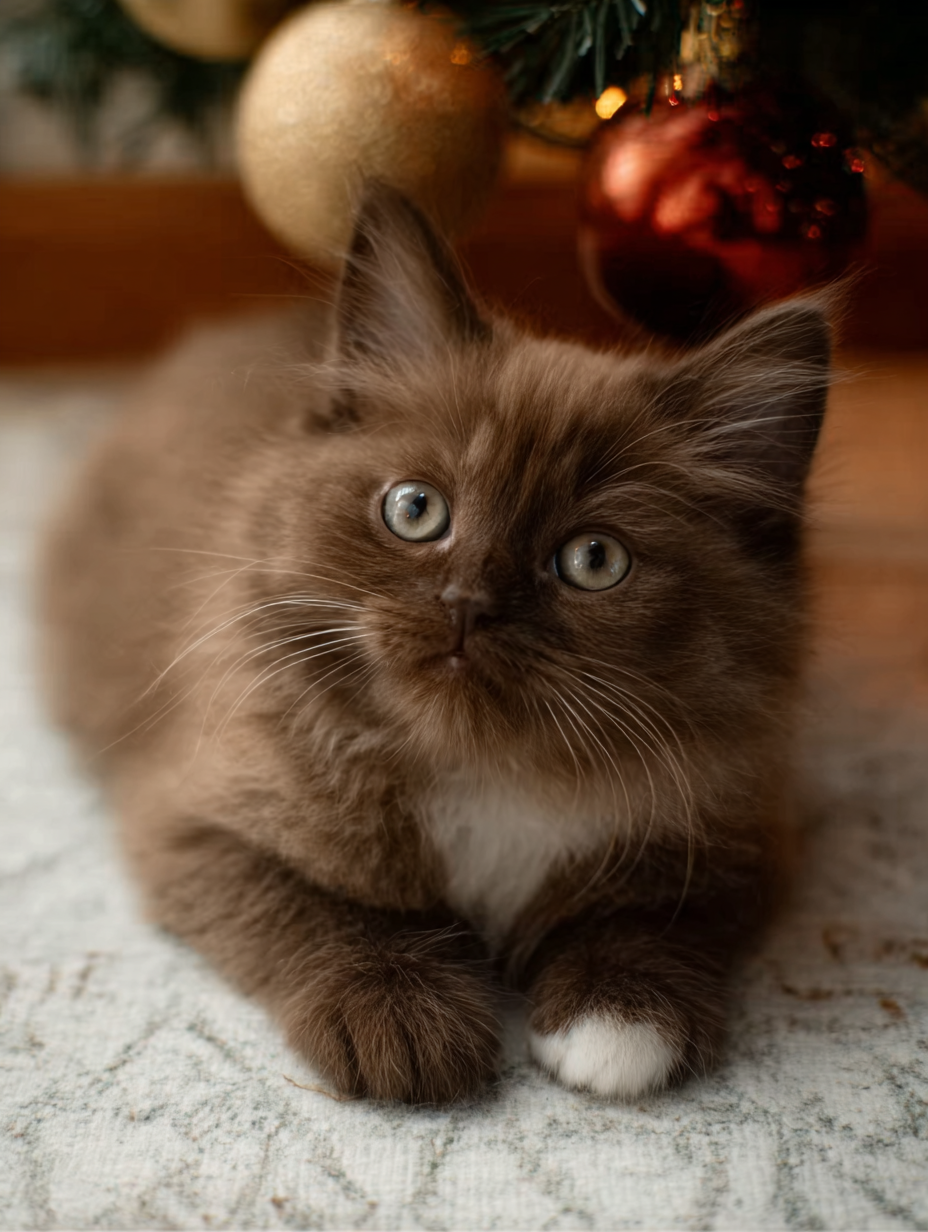
Are Brown Teddy Bear Cats Purebred?
Yes. When bred from registered parents that meet TICA, CFA, or GCCF standards, brown teddy bear cats — especially chocolate British Shorthairs — are considered purebred. While the teddy-bear nickname describes a look rather than a registry category, the most iconic brown teddy bear cats are purebred chocolate British Shorthairs with their round faces, dense plush coats, and soft, cuddly appearance.
Chocolate British Shorthairs are known for:
• a rich, warm chocolate coat (not black, not seal)
• round, expressive teddy-bear eyes
• a thick, plush, velvety coat
• a calm, emotionally steady temperament
• predictable structure, size, and personality
• loyalty without being clingy
Their look is so distinctive that many people searching “what breed is the brown teddy bear cat?” are unknowingly describing a chocolate British Shorthair.
Because chocolate is a recessive gene that must be inherited from both parents, true chocolate British Shorthairs are rare, adding to the “teddy bear” mystique.
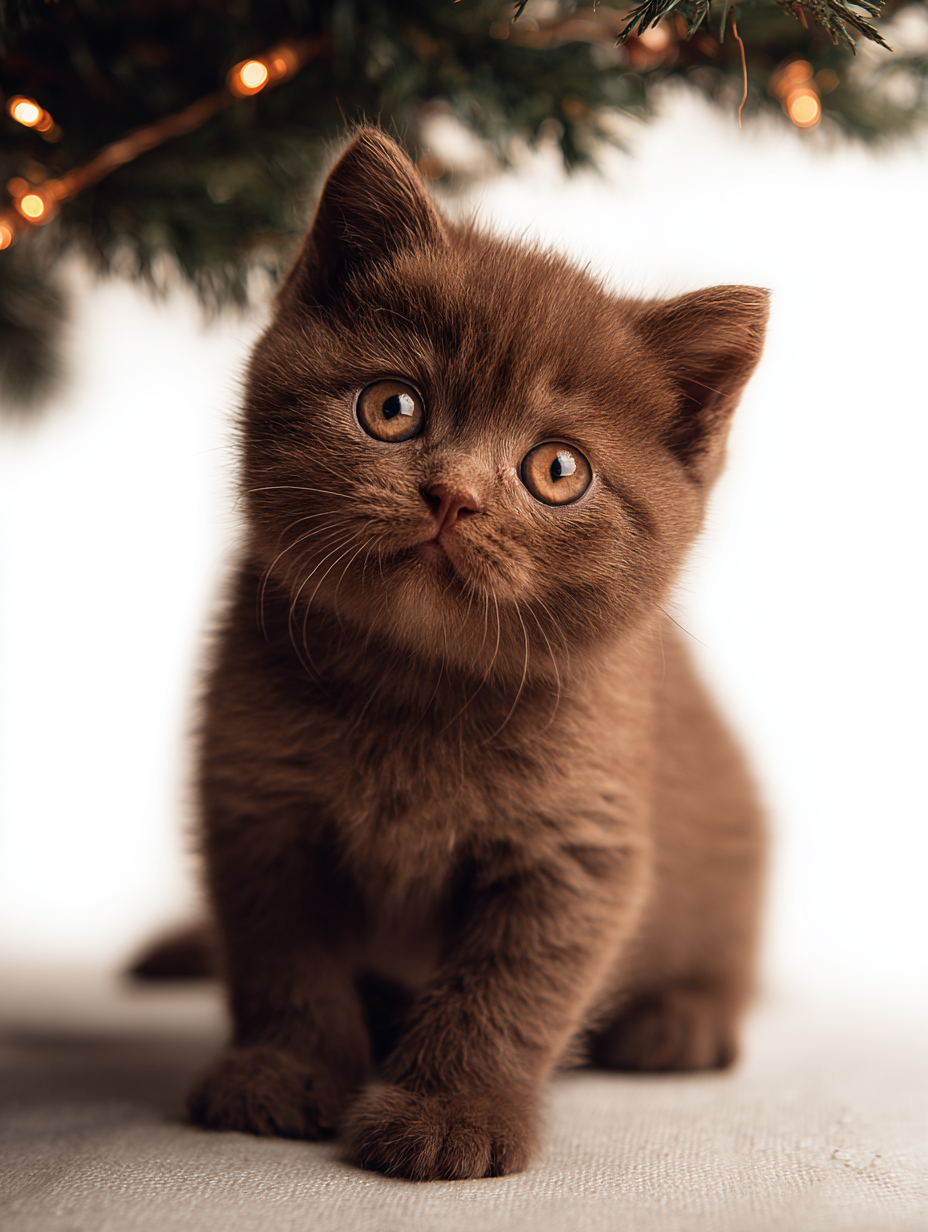
Brown Teddy Bear Cat Price & Availability
Because chocolate British Shorthairs require specific genetics and careful selection for coat quality, brown teddy bear kittens for sale are limited each year.
Typical price ranges:
• Pet-quality chocolate British Shorthair: $2,000–$3,500
• Show-quality chocolate British Shorthair: $3,500–$5,000+
• Rare shades like cinnamon or fawn: higher due to rarity
• Retired adults: typically lower priced
Availability depends on:
• coat clarity and richness
• structure and teddy-bear type
• pedigree depth
• breeder reputation
• early socialization and home-raising
• health testing (PKD, HCM screening, etc.)
Because chocolate kittens are harder to produce consistently, waitlists are common, especially for families wanting a very plush, round, teddy-bear type kitten with true chocolate coloring.
Searching for a Brown Teddy Bear kitten?
Families looking for a brown teddy bear kitten are usually drawn to a very specific combination of traits: the plush, rounded “teddy bear” look, the rare chocolate coat, and a temperament that feels steady, affectionate, and deeply people-focused. These kittens appeal to owners who want a companion that is soft in both appearance and personality.
A brown teddy bear cat is ideal for families who want a kitten with:
• a warm, cuddly, people-oriented personality
• a rare chocolate or deep brown coat (true chocolate cats are uncommon)
• gentle playfulness without high-energy chaos
• strong bonding behavior and human attachment
• intelligence, trainability, and easygoing emotional stability
• a plush, rounded structure that creates the signature “teddy bear” look
Because true brown or chocolate cats are genetically rare, demand often exceeds availability — especially for kittens bred with the rounded cheeks, full coat, and soft expression that define the “teddy bear” style. Most families join waitlists months in advance.
Reputable breeders offering brown teddy bear kittens for sale typically provide:
• kittens raised in-home with daily socialization
• verified genetics for true chocolate coloring
• registration through TICA, CFA, or breed-appropriate organizations
• health-tested parents with clear records
• temperament evaluations to match kittens to the right homes
• vet exams, age-appropriate vaccines, and health documentation
• signed contracts, health guarantees, and lifelong support
Because chocolate coats require specific genetics and careful pairing, the brown teddy bear cat is considered rare, and well-marked, well-socialized kittens are limited each year.
How Brown Teddy Bear Cats Differ From Similar Cats
Brown teddy bear cats often get confused with several breeds or color variations. While some breeds can develop brown tones, the classic teddy-bear look is far more specific.
Brown Teddy Bear Cat vs Regular Domestic Brown Cats
• Domestic browns may have mixed coats, uneven color, or tabby influence.
• True chocolate British Shorthairs have a solid, even, milk-chocolate coat.
• British Shorthairs have the iconic plush “teddy” body — round, thick, and soft.
Brown Teddy Bear Cat vs Burmese
Burmese cats come in sable and brownish tones, but:
• their coat is sleek, not plush
• their body is lithe, not teddy-like
• eye color and structure differ significantly
Brown Teddy Bear Cat vs Ragdoll / Cherubim Ragdoll
Ragdolls can appear teddy-like due to their fluff and sweetness, but:
• they are longhaired, not plush-coated
• t
For those who want a personality-driven teddy bear, Cherubim Ragdolls are a wonderful fit — but if you want a solid chocolate teddy-bear appearance, the chocolate British Shorthair is the closest match.
(You can cross-link here if you want a CTA to your Cherubim Ragdoll page.)
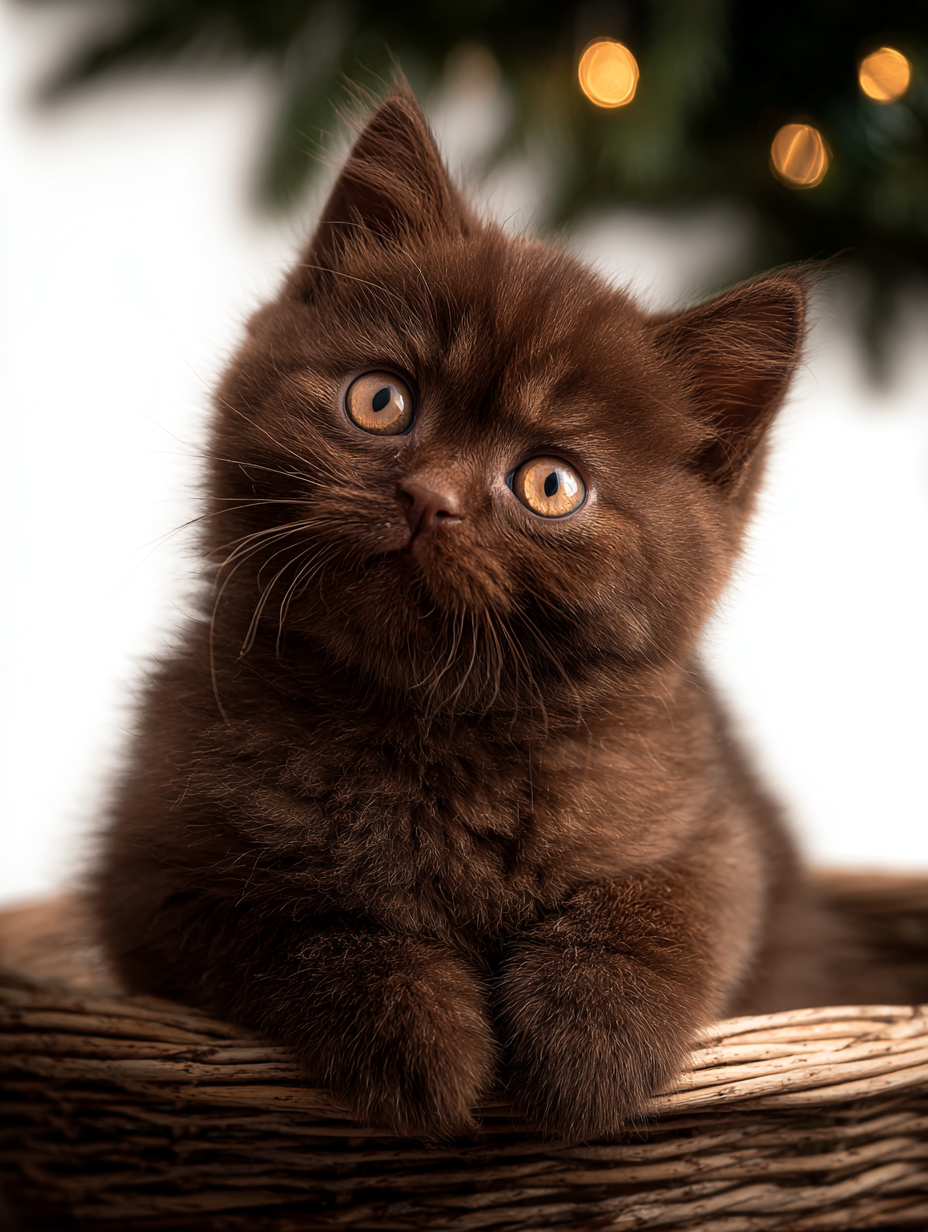
Brown Teddy Bear Kittens: What to Expect
Brown teddy bear kittens — most often chocolate British Shorthairs — are known for their plush coats, rounded features, and calm, teddy-like presence from the moment they open their eyes. These kittens have a gentle, steady temperament and develop a deep bond with their families early on. Their chocolate coloring continues to warm and intensify through kittenhood, making each stage visually striking.
Brown Teddy Bear Kitten Traits
Brown teddy bear kittens typically show:
• a thick, plush coat even as tiny babies
• warm brown coloring that darkens as they grow
• wide, round eyes that give them a soft teddy-bear expression
• calm, observant personalities
• gentle playfulness without being chaotic
• early bonding behavior toward people
• a quiet nature — these kittens are not loud or demanding
Their bodies are sturdy and compact, and you can often see the “teddy bear” look forming by 4–6 weeks.
Bown Teddy Bear Kitten Development Timeline
0–8 weeks
Coat density increases rapidly, giving them that soft, rounded silhouette. Chocolate color begins deepening. Kittens show steady, quiet confidence and start forming early attachments to people. Their temperament is noticeably milder than many active breeds.
8–12 weeks
The brown shade becomes richer, and the cheeks and face start filling out, giving the classic British Shorthair teddy-bear look. Personalities become clearer: gentle, affectionate, playful in short bursts, and very observant. This is when families begin to notice how easy these kittens are to live with.
3–6 months
Kittens enter their “puffy bear cub” stage, often becoming rounder as their coat thickens. The chocolate coat continues to settle into a uniform shade. They become more interactive but remain grounded and mellow — ideal for homes with children or seniors.
6–12 months
The teddy-bear look becomes unmistakable. Heads broaden, cheeks round out, and the coat achieves its full plush texture. Temperament stabilizes into the breed’s signature calm, sweet personality.
12–24 months
Brown teddy bear cats reach their full adult type. Their coat reaches peak density, and the chocolate coloring becomes deep and even. Temperament is fully mature: steady, loyal, affectionate, and extremely easy to live with.
Brown teddy bear cats tend to retain a youthful sweetness throughout adulthood, even as they settle into their famously relaxed British Shorthair composure.
Finding a Brown Teddy Bear Cat Breeder
Because true chocolate British Shorthairs — the breed most associated with the “brown teddy bear cat” nickname — require specific recessive genetics, reputable breeders are essential. Producing correct chocolate coloring and the classic teddy-bear build is not accidental; it requires lineage planning and careful selection.
What to Look For in a Brown Teddy Bear Cat Breeder
A knowledgeable breeder typically:
• works with pedigreed chocolate or lilac British Shorthairs
• understands the genetics behind true chocolate coloring
• screens for PKD and other common feline conditions
• raises kittens inside the home for proper socialization
• provides a written contract, health guarantee, and vet records
• offers guidance on temperament, grooming, and diet
• matches kittens to households based on personality
• can explain the difference between authentic chocolate coloring and darker shades caused by lighting or mixed heritage
Since chocolate is a recessive gene, it is naturally rare. This is why families often find brown teddy bear kittens for sale only through breeders who specialize in chocolate lines.
Breeders who cannot provide pedigrees, health screening information, or proof that kittens were raised indoors with people should be approached with caution.
Coat Care & Grooming for Brown Teddy Bear Cats
Brown teddy bear cats — especially chocolate British Shorthairs — have one of the most iconic coats in the cat world. Their fur is thick, plush, and velvety, giving them the soft “teddy bear” look that makes the color so sought after. Even though the coat is dense, grooming needs are simple and easy to manage when done consistently.
Chocolate coats tend to show richness and shine when cared for properly, and regular grooming helps maintain their deep, even coloring.
Weekly Grooming Routine
Most brown teddy bear cats benefit from a gentle, consistent care routine that includes:
• Brushing once per week with a soft slicker or rubber curry brush
• Removing loose undercoat to keep the plush texture full and even
• Checking high-friction areas (behind the legs, under the chin, around the collar area)
• Quick paw or chest wipe-downs during seasonal shedding if light dander builds
British Shorthair–type coats don’t mat easily, but they do shed in cycles. A weekly session keeps the coat clean, reduces shedding, and enhances the velvety sheen chocolate coats are known for.
Bathing
Brown teddy bear cats rarely need bathing, but when baths are given:
• Use a moisturizing, color-safe feline shampoo to preserve richness in the chocolate coat
• Avoid frequent bathing — overbathing can dry the undercoat and dull the color
• Towel dry first, then finish with a low, cool blow-dry only if the cat tolerates it
• Ensure the coat dries fully to maintain its thick, plush structure
A properly maintained teddy-bear coat stays clean naturally and requires minimal bathing.
Seasonal Shedding
Shedding varies but is very manageable:
Spring / Early Summer:
• Noticeable undercoat release
• Chocolate coats may look lighter temporarily as the winter coat sheds
• Increase brushing to 2–3 times per week during this period
Fall / Winter:
• Coat becomes thicker and denser
• Shedding decreases significantly
• Weekly grooming is usually enough
Because their hair is short-to-medium in length but very dense, brown teddy bear cats shed more like plush-coated breeds than longhairs — the fur tends to stay close to the body and doesn’t float through the air.
Why Grooming Matters for Teddy Bear Cats
Chocolate fur shows:
• dust
• dryness
• dullness
…more quickly than lighter colors.
Regular brushing stimulates natural oils and keeps the coat rich, smooth, and even. A well-groomed brown teddy bear cat will keep its signature “soft toy look” throughout adulthood.
Is the Brown Teddy Bear Cat Ethical?
Brown teddy bear cats — most often chocolate British Shorthairs — are not considered controversial in the ethical sense. They are structurally normal cats with no mutation-based health concerns, unlike dwarf or extreme-type breeds. However, the chocolate color itself and the growing popularity of the “teddy bear” look bring their own conversations within the breeding community.
The discussion isn’t about ethics or health risk — it’s about genetics, rarity, and preserving quality without shrinking genetic diversity.
Concerns Commonly Raised About the “Brown Teddy Bear” Type
Some breeders and enthusiasts note a few challenges:
• True chocolate coloring is recessive and rare, so producing consistent litters requires selective pairing.
• Heavy focus on chocolate lines, if done without planning, can limit genetic diversity.
• Many “brown” cats in the general market are not true chocolate but black or seal cats photographed in warm light, leading to confusion.
• The signature teddy-bear look — round head, plush coat, dense structure — requires careful lineage selection, which may narrow available pairing options if not managed responsibly.
• Chocolate British Shorthairs remain less common globally, so maintaining healthy, unrelated lines requires thoughtful outcrossing.
These concerns are about sustainability, not structure or welfare. The chocolate color does not cause health issues; the challenge lies in maintaining healthy genetic variety as demand rises.
Points Often Raised by Supporters
Breeders who specialize in brown teddy bear cats emphasize that:
• Chocolate British Shorthairs are structurally sound, fully domestic cats with normal physiology.
• The “teddy bear” look comes from bone structure and coat density — not from a mutation.
• The breed is known for its stable, affectionate temperament and excellent family compatibility.
• Outcrossing within British Shorthairs (to other acceptable colors) preserves genetic health without compromising type.
• The chocolate color adds variety and expands the breed’s appeal without introducing risk.
• Responsible programs maintain wide, diverse pedigrees, ensuring health and temperament remain the priority.
Supporters highlight that the brown teddy bear cat is appealing because it is both rare and healthy — a combination families value.
What Research and Current Breed Data Show
• The chocolate color is caused by a simple recessive gene (b/b), not a deformity.
• Brown teddy bear cats do not carry mutation-based traits affecting bones, mobility, or lifespan.
• The main challenge for breeders is maintaining color purity while protecting genetic diversity.
• No health issues are linked directly to chocolate coloring or the teddy-bear phenotype.
• The plush, dense coat and round structure come from British Shorthair genetics, which are well-documented and stable.
• The only “difficulty” breeders consistently report is predicting coat intensity and obtaining deep, even chocolate coloring from kittenhood into adulthood.
In short:
The brown teddy bear cat is not controversial — it is simply rare, selectively bred, and highly sought after. The discussions around it relate to responsible stewardship of a recessive color, not any inherent risk.
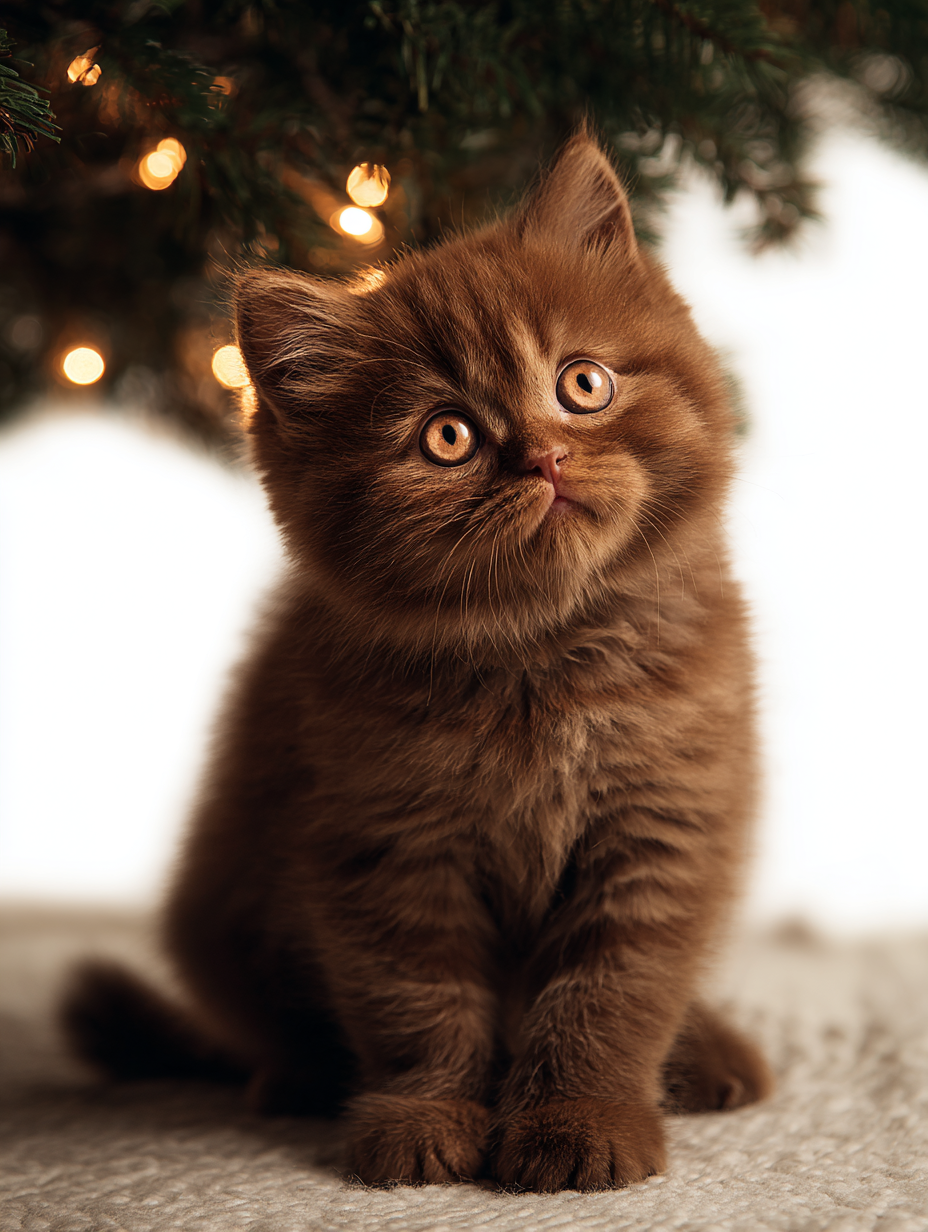
Brown Teddy Bear Cat FAQ
What breed is the brown teddy bear cat?
The “brown teddy bear cat” typically refers to a chocolate British Shorthair or a closely related teddy-type British line. These cats have a true chocolate coat, a round teddy-bear face, and a plush, dense coat that gives them a soft, toy-like look. While some longhair variants can resemble teddy bears, the chocolate British Shorthair is the most accurate match.
How rare is a chocolate brown cat?
True chocolate cats are rare because chocolate is a recessive gene. Both parents must carry the chocolate allele, and not every kitten will express it. Most “brown cats” seen in homes are actually black, seal, or dark tabby. Genuine chocolate kittens require intentional genetic pairing, which is why brown teddy bear kittens for sale often have waitlists.
Are brown teddy bear cats purebred?
When purchased from reputable breeders, yes—most are purebred British Shorthairs (or British Longhairs) with TICA, CFA, or GCCF registration. On social media, however, the term is sometimes used loosely for any cute, round-faced, brownish cat. Purebred teddy cats have predictable looks and temperament, while mixes vary widely.
What is the personality of a brown teddy bear cat?
They are known for being calm, affectionate, stable, and easygoing. Chocolate British Shorthairs tend to be soft-natured companions who enjoy predictable routines, quiet affection, and gentle play. They are not clingy or demanding but remain loyal and content to stay near their family.
Are brown teddy bear cats good with kids and other pets?
Yes. They are naturally patient, gentle cats that usually do well with respectful children, cat-friendly dogs, and calm multi-pet homes. Their low-drama temperament makes them an excellent family choice.
Do brown teddy bear cats get big?
They are medium-to-large, sturdy, cobby cats. Adult males often reach 12–17 lbs, while females average 8–13 lbs. They are not giants, but they have a substantial, teddy-like build.
Are brown teddy bear cats hypoallergenic?
No. Chocolate coat color does not reduce allergens. Some people with mild sensitivities tolerate British Shorthairs better because of their dense, low-flyaway coat, but they are not hypoallergenic.
How much grooming do brown teddy bear cats need?
Very little. A weekly brushing is usually enough to control shedding and keep the plush coat looking even. Seasonal shedding increases slightly, but matting is rare.
Why are brown teddy bear kittens more expensive?
Because chocolate is uncommon and genetically difficult to produce. Breeders must plan multiple generations to reliably produce chocolate kittens. High demand and low availability raise prices, especially for kittens with excellent teddy-bear type and deep chocolate color.
Do brown teddy bear cats make good indoor pets?
Yes. Their calm, easygoing personality and low activity level make them ideal indoor companions. They prefer cozy routines, windows, soft beds, and life spent close to their people.
Summary: Brown Teddy Bear Cat
The “brown teddy bear cat” typically refers to a chocolate British Shorthair, but some families also use the term for brown, sepia, or mink Ragdolls (including Cherubim Ragdolls) that develop a soft, teddy-bear expression. Both types share the rounded features, gentle temperament, and cuddly appearance that make the teddy-bear look so appealing. True chocolate coloring is genetically rare, which is why brown teddy bear kittens for sale often come from intentional, well-planned breeding programs. These cats are calm, affectionate, low-drama companions who adapt easily to family life, apartment living, or quiet households. If you love the plush, cuddly teddy-bear aesthetic, both chocolate British Shorthairs and soft-toned Ragdolls offer that iconic “living plush toy” charm.
👉 View Available British Shorthair Kittens: https://almontecats.com
👉 View Cherubim Ragdoll Kittens for Sale: https://almontecats.com
Cherubim Ragdoll Posts
More Cat Color Resources
Bicolor Ragdoll Kitten Color Post
Seal Bicolor Ragdoll Guide
Blue Bicolor Ragdoll Guide
Lynx Ragdoll Cats
More Ragdoll Information
- Can Ragdoll Cats be Tabby
- Ragdoll Breeder Near Me
- Ragdoll Kittens for Sale
- Ragdoll Cat Breed Standard
- Ragdoll Cats Hypoallergenic
- Ragdoll Prices
- Ragdoll Lifespan
- Ragdoll Cat Mixes
- Ragdoll Grooming
Sources
- • CFA – Cat Fanciers’ Association. British Shorthair Breed Standard.
https://cfa.org/british-shorthair/ - • CFA – Ragdoll Breed Standard.
https://cfa.org/ragdoll/ - • TICA – The International Cat Association. British Shorthair Breed Information.
https://tica.org/breeds/british-shorthair - • TICA – Ragdoll Breed Information.
https://tica.org/breeds/ragdoll - • GCCF – Governing Council of the Cat Fancy. Breed Registration Policies & Color Standards.
https://www.gccfcats.org/ - • Dr. Leslie Lyons, UC Davis Veterinary Genetics Laboratory. Feline coat color genetics research and dilution/brown series studies.
https://vgl.ucdavis.edu/ - • International Cat Care (iCatCare). General feline health, grooming, and care information.
https://icatcare.org/ - • Journal of Feline Medicine and Surgery. Research on feline development, temperament, and early socialization.
https://journals.sagepub.com/home/jfm - • Cornell University College of Veterinary Medicine. Feline nutrition and kitten development.
https://www.vet.cornell.edu/ - • Royal Canin Feline Breed & Nutrition Library. Dietary needs for various coat types and breed structures.
https://www.royalcanin.com/





Read the Comments +