Cat News
The
Maine Coon Cats
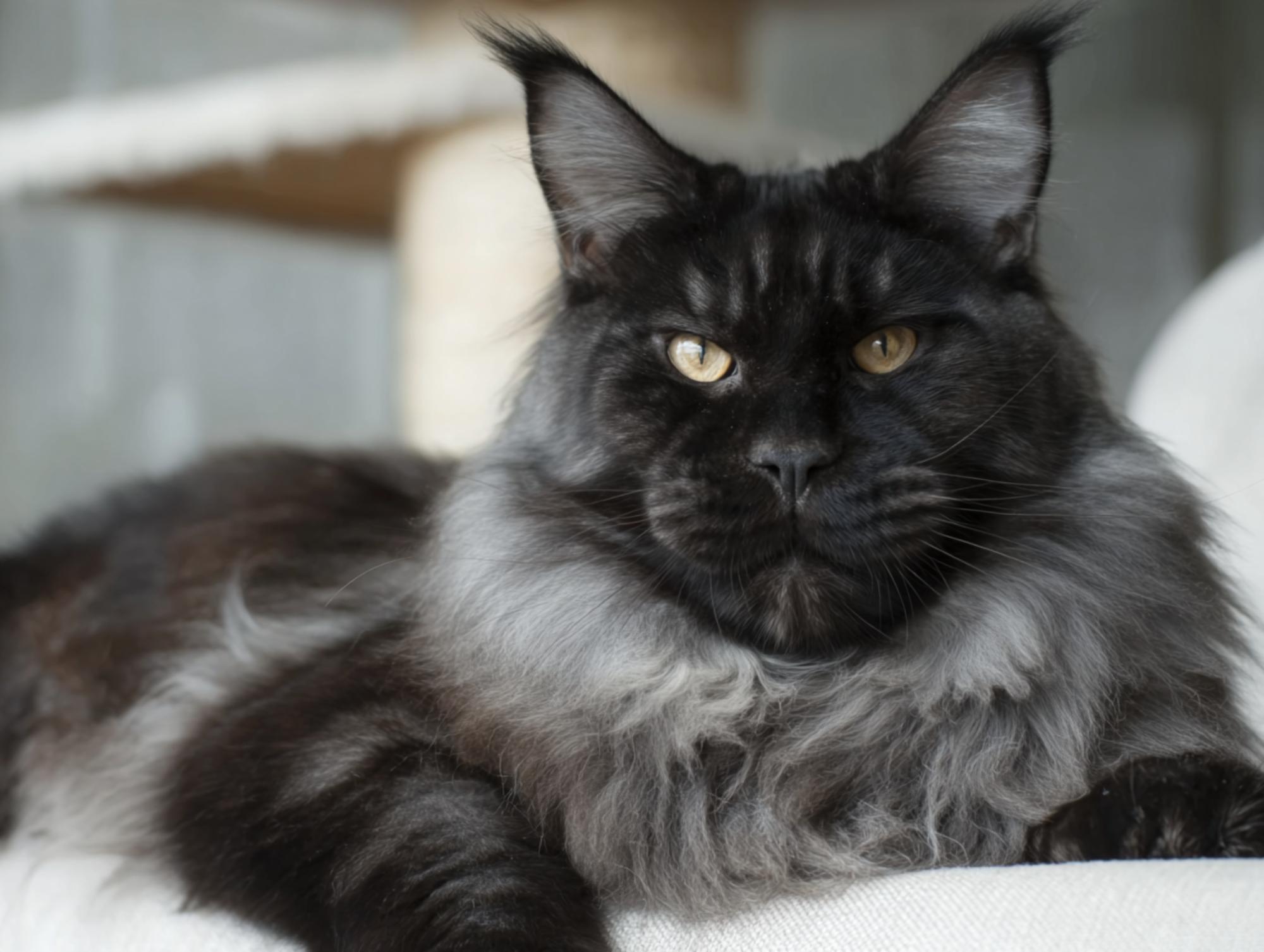
The best age to neuter a Maine Coon cat depends on balancing skeletal development, hormonal behavior, and veterinary guidance. While 4–6 months prevents spraying, some owners consider waiting until 6–9 months to allow partial growth maturation. Genetics and weight management play a larger role in adult size than neuter timing alone.

Two cats can share large size, ear tufts, and shaggy coats yet have completely different ancestry. Breed identity is defined by documented pedigree and registry verification, not visual similarity alone. Here’s why resemblance does not equal a true Maine Coon.
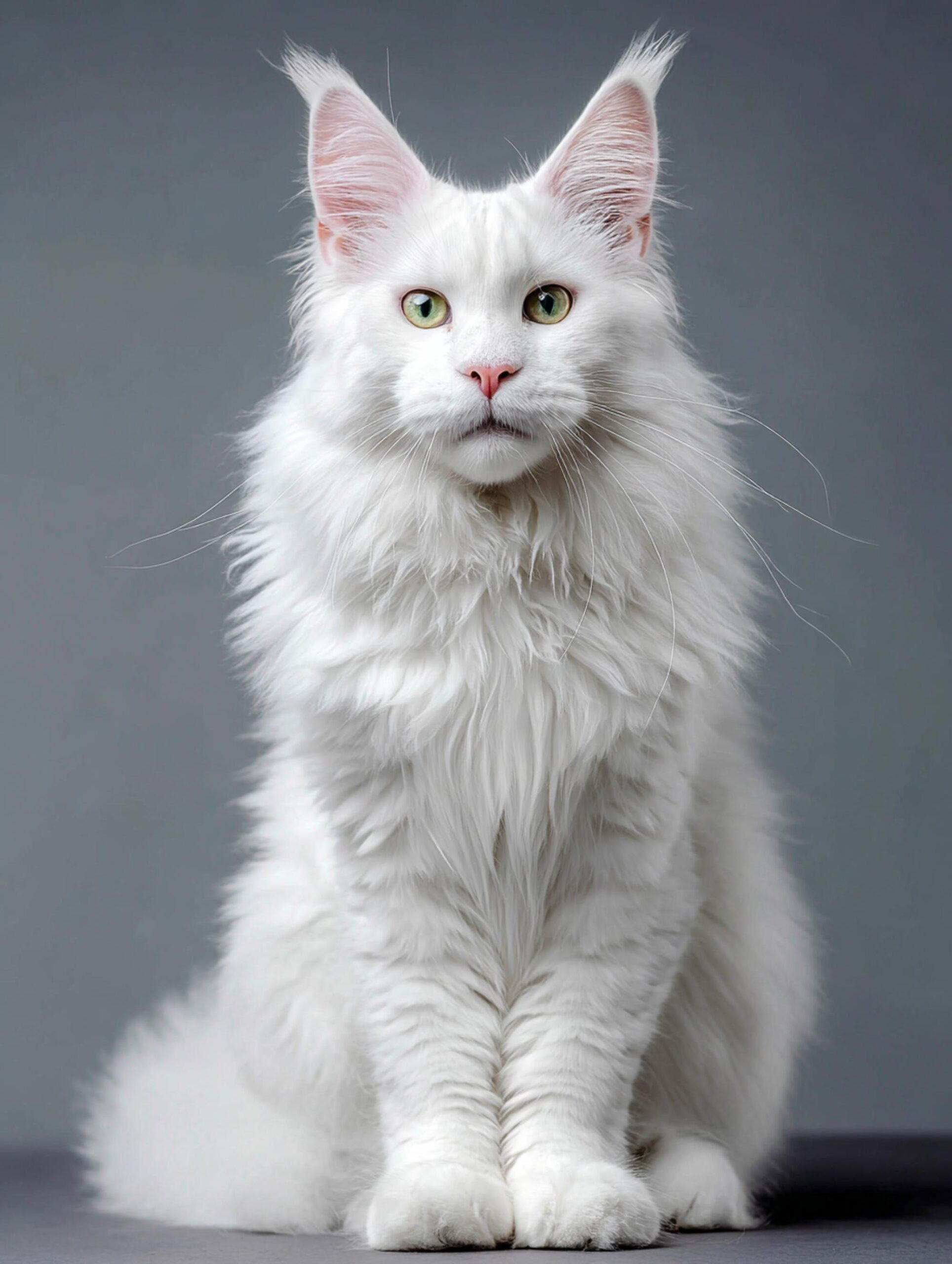
A true Maine Coon is a cat with documented pedigree registered through recognized organizations like CFA or TICA. While many cats resemble the breed, authenticity is defined by verified ancestry, consistent breed standards, and preserved lineage — not simply size, fluff, or ear tufts.
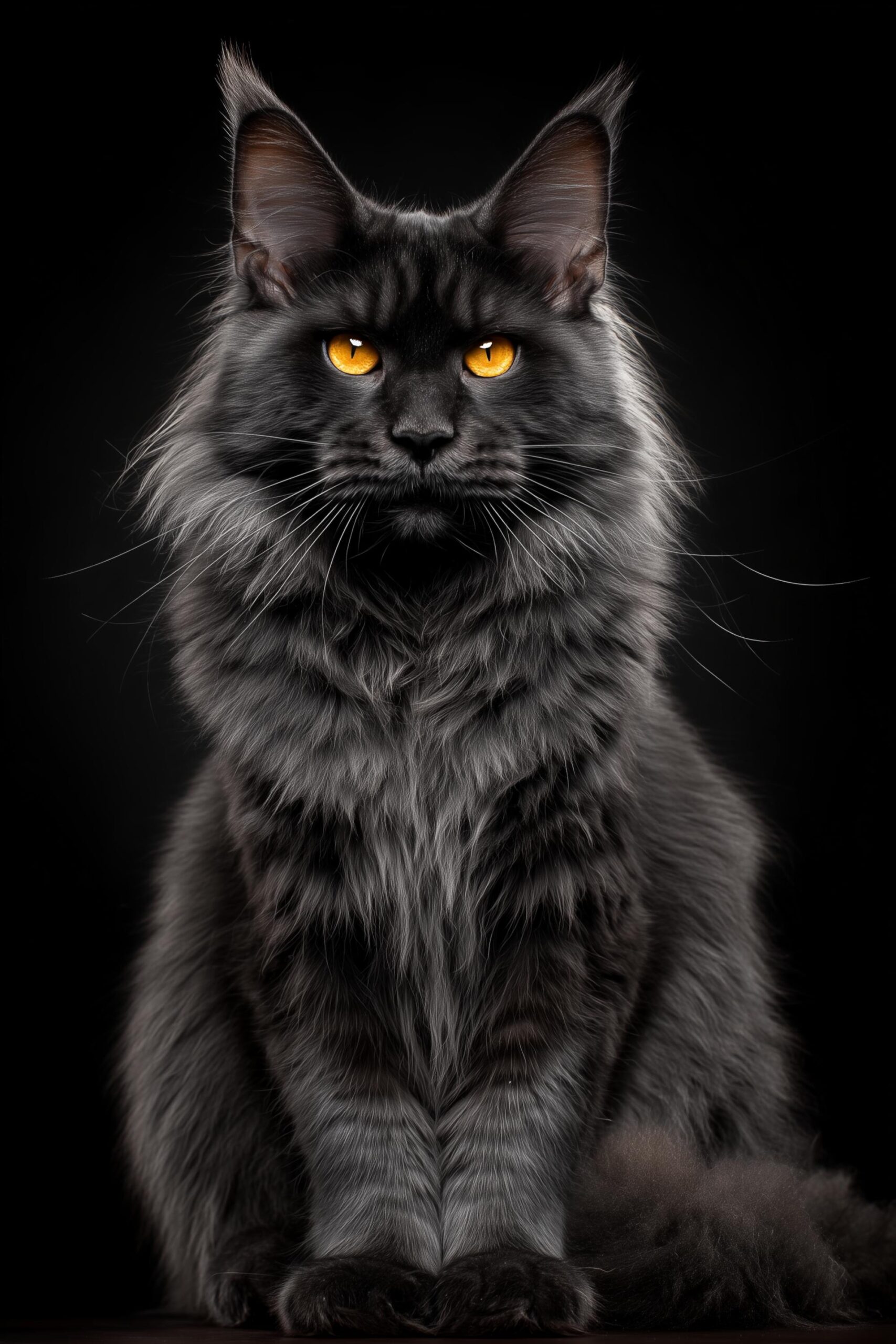
This guide explains how to find a Maine Coon breeder in the USA by evaluating program structure, health testing, transparency, and placement practices.
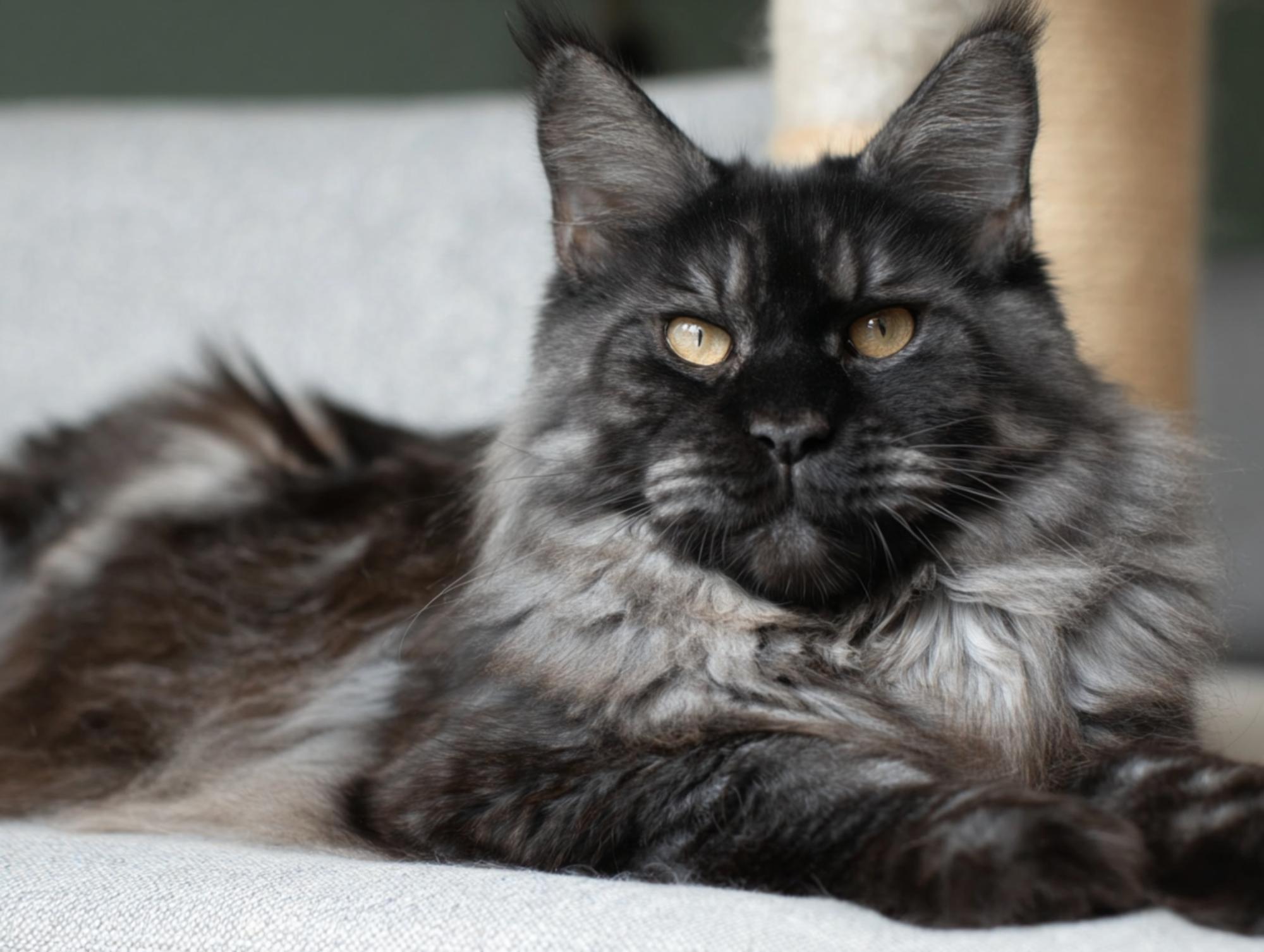
This guide highlights the best Maine Coon breeders in the USA, selected for long-term breeding practices, health testing, transparency, and consistent buyer experience.
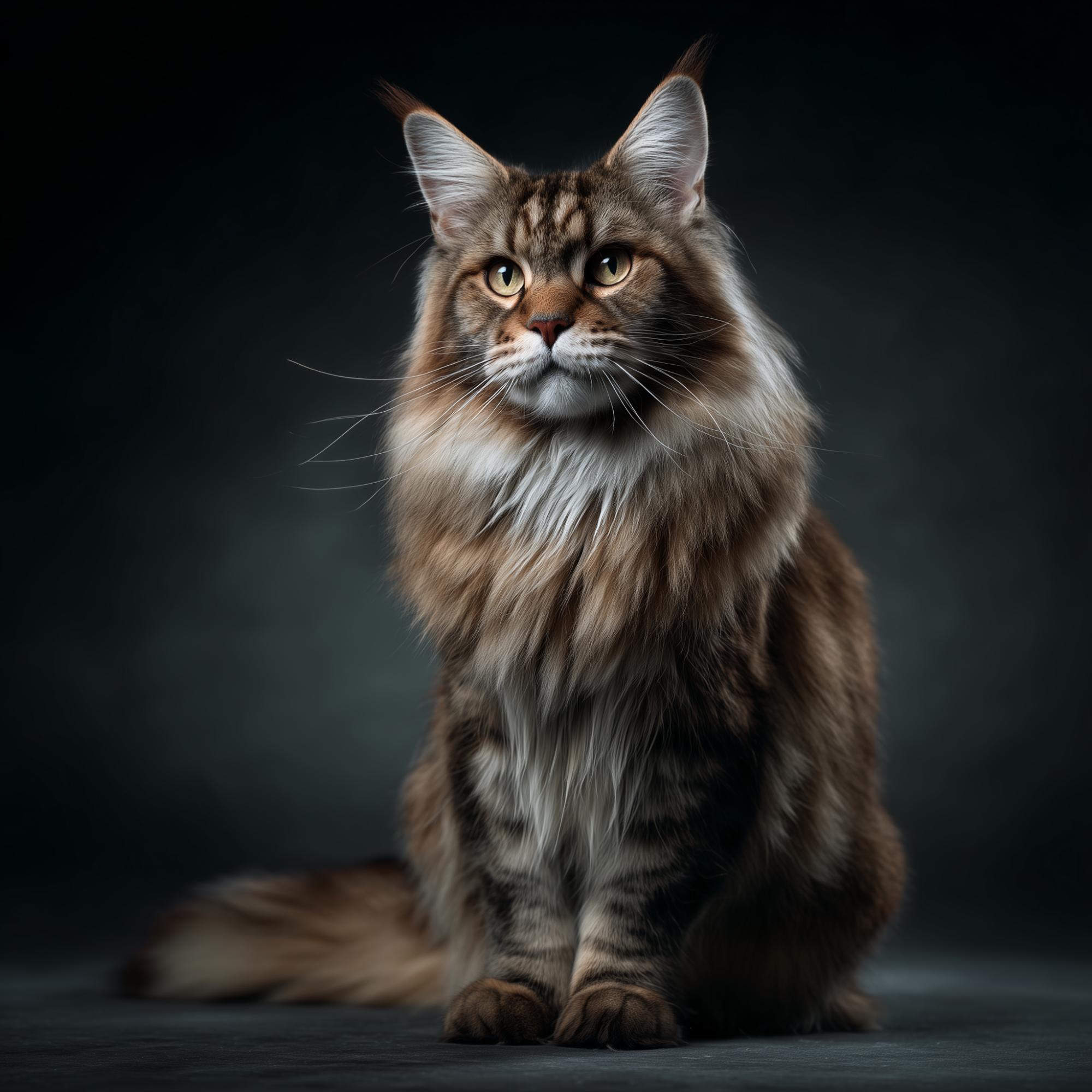
Health testing is not a guarantee or a marketing tool. This article explains why ethical Maine Coon breeders health test, how testing guides decisions, and why transparency matters.
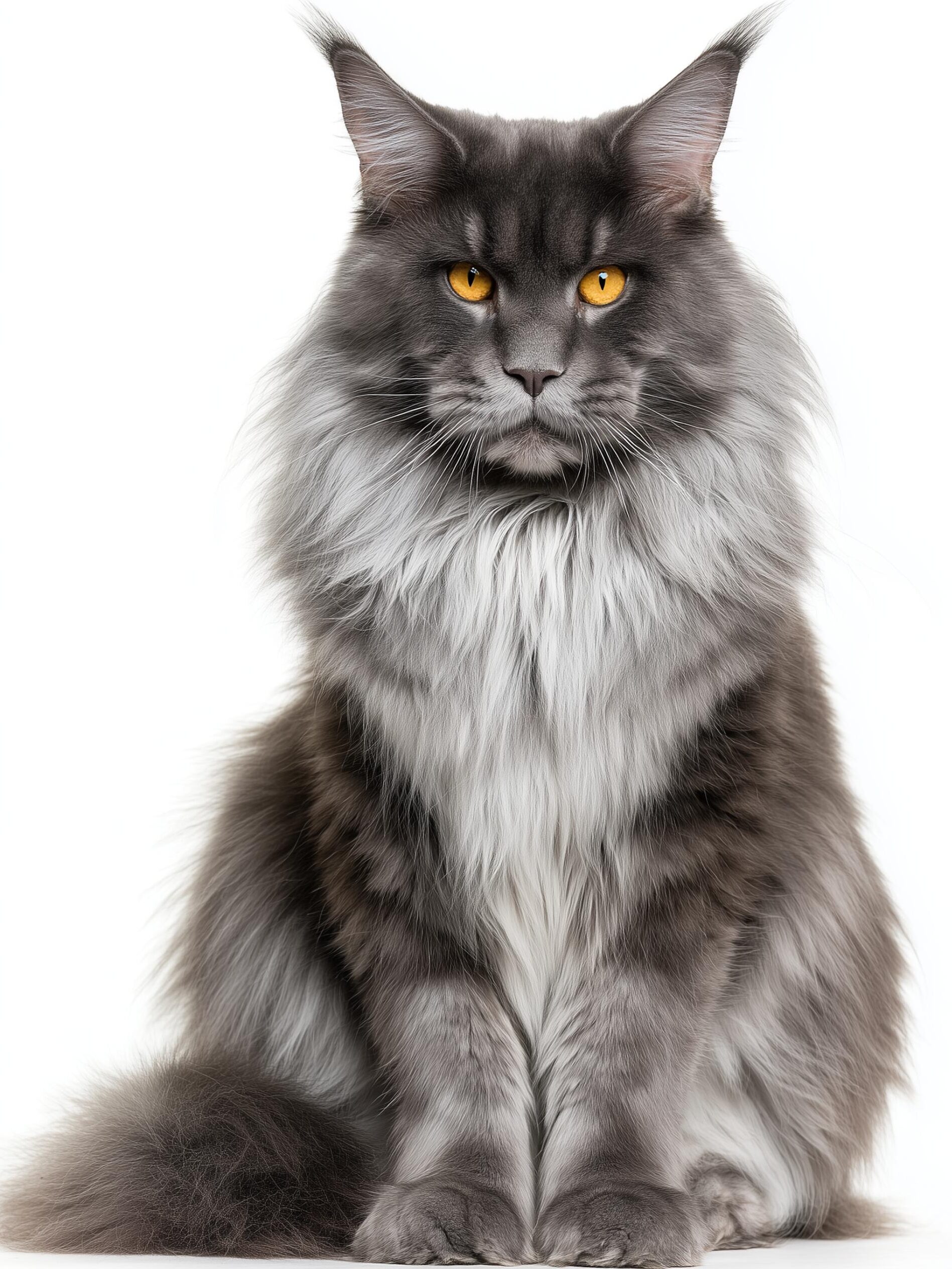
“Pet quality” is widely misunderstood in Maine Coons. This guide explains what the term actually means, why it does not affect health or value, and why no breeder can guarantee show success.
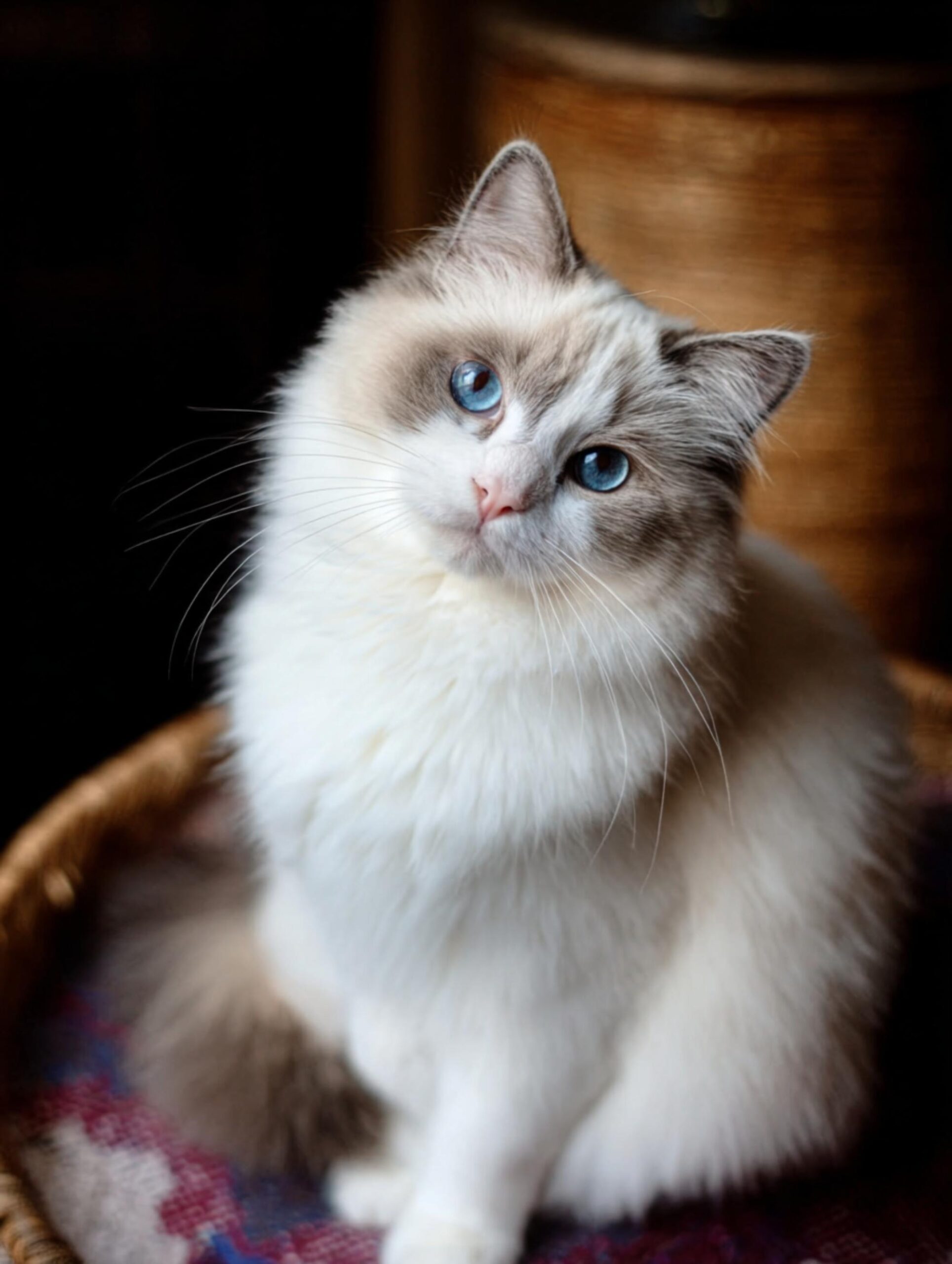
Ethical cat breeders often avoid selling kittens through online marketplaces. This article explains how responsible breeding works, why thoughtful kitten placement takes time, and what buyers should look for beyond a listing.
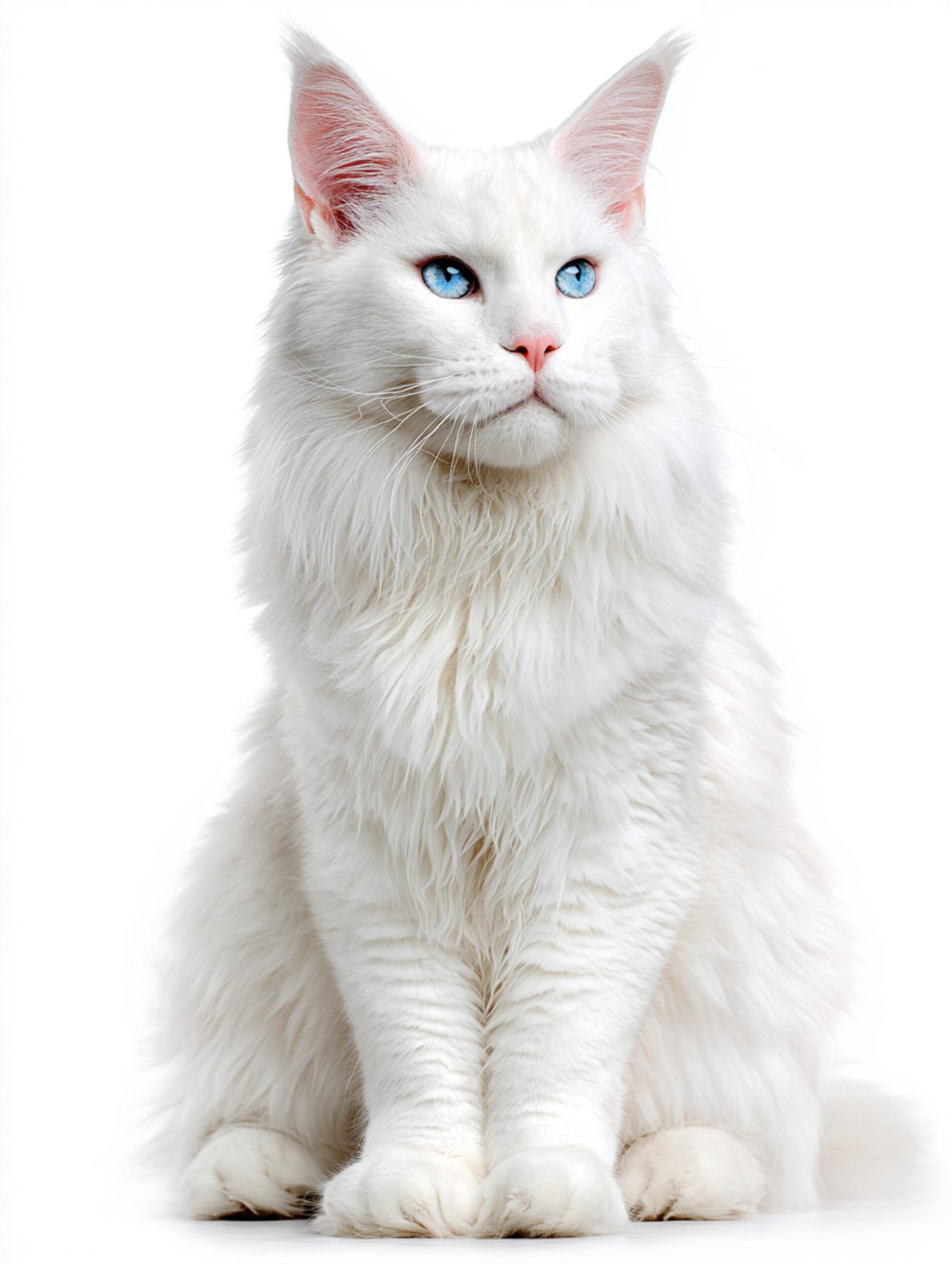
Many cats are called Maine Coons because they share visual traits with the breed, not because of documented lineage. This guide explains why mislabeling is common, how breed identity actually works, and why a cat’s value never depends on the name attached to it.
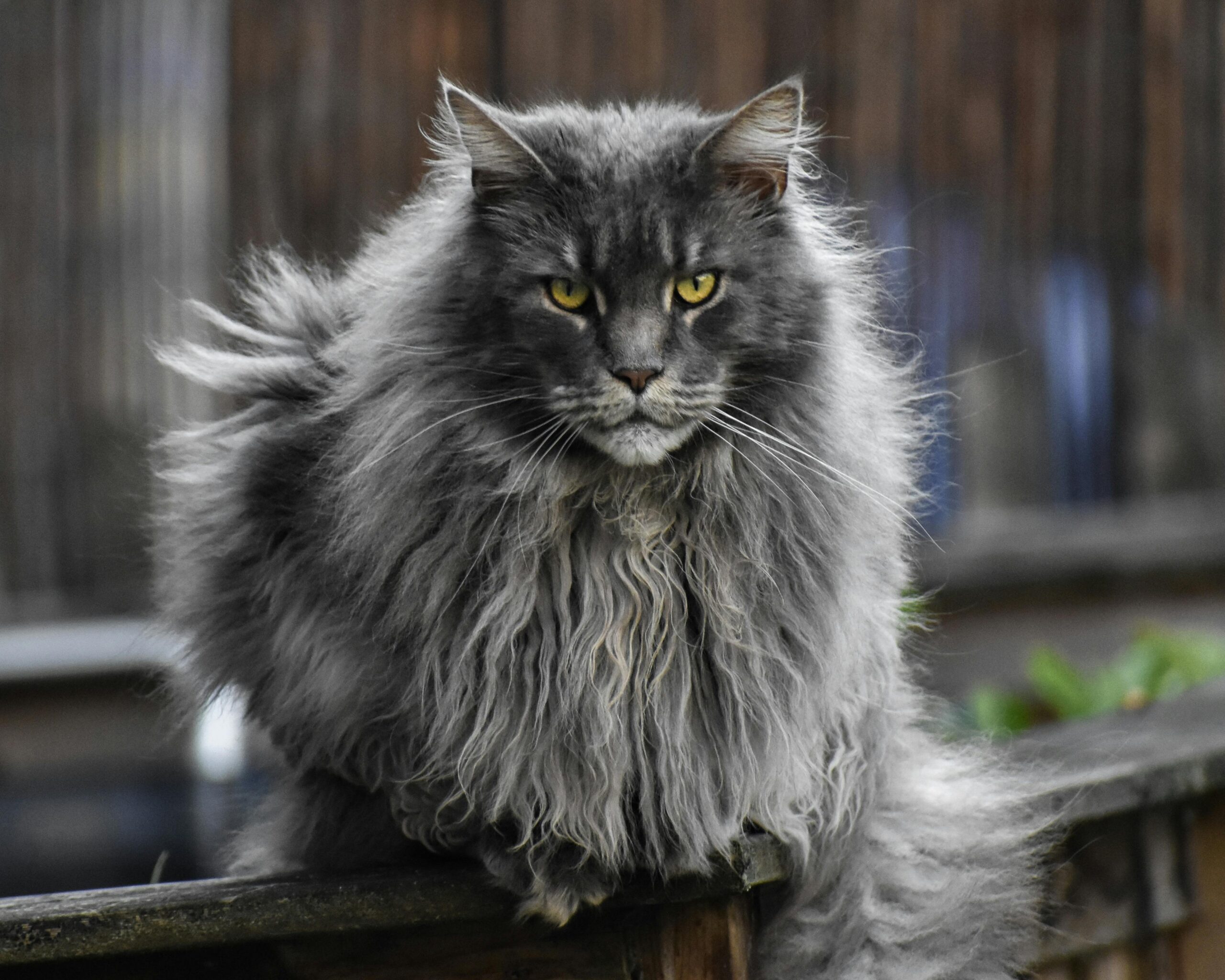
Asking the right questions helps buyers understand how a Maine Coon breeder operates without crossing personal boundaries. This guide explains what to ask, when to ask it, and how to evaluate answers respectfully so placements are thoughtful, efficient, and fair to both sides.
TRENDING

In the Mood
Consider this your blog playlist. Search the blog or browse some of the top searches / categories below.
ABOUT the Author
I’m Leocadia, I raise luxury kittens with the health, temperament, and elegance to become your soul cat.
For me, it is never just about selling kittens. It is about inspiring, educating, and guiding you to the companion who will change your life. Every kitten I raise is nurtured with love and care so that when you bring them home they are exactly what you always wanted. And you have the resources you need to love them well.

More About Us
as seen in:



The
CAT SHELF

This Smells Like Heaven

Luxe Cat Decor on an Amazon Budget

Best Real Food Options For Cats
My Ultimate Guide to Maine Coon Cats
1.
Top 2025 Amazon Cat Purchases
2.
The Most Asthetic Cat Trees
3.


Instagram
Follow the Almonte house cats with soul over on Insta
Follow Along
Resources
Guides, checklists, breeder tips, health, kitten care
Yes Please
The Blog
Luxury kittens, lineage, stories, health, breed comparisons, lifestyle
Read News