Cat News
The
Maine Coon Cats
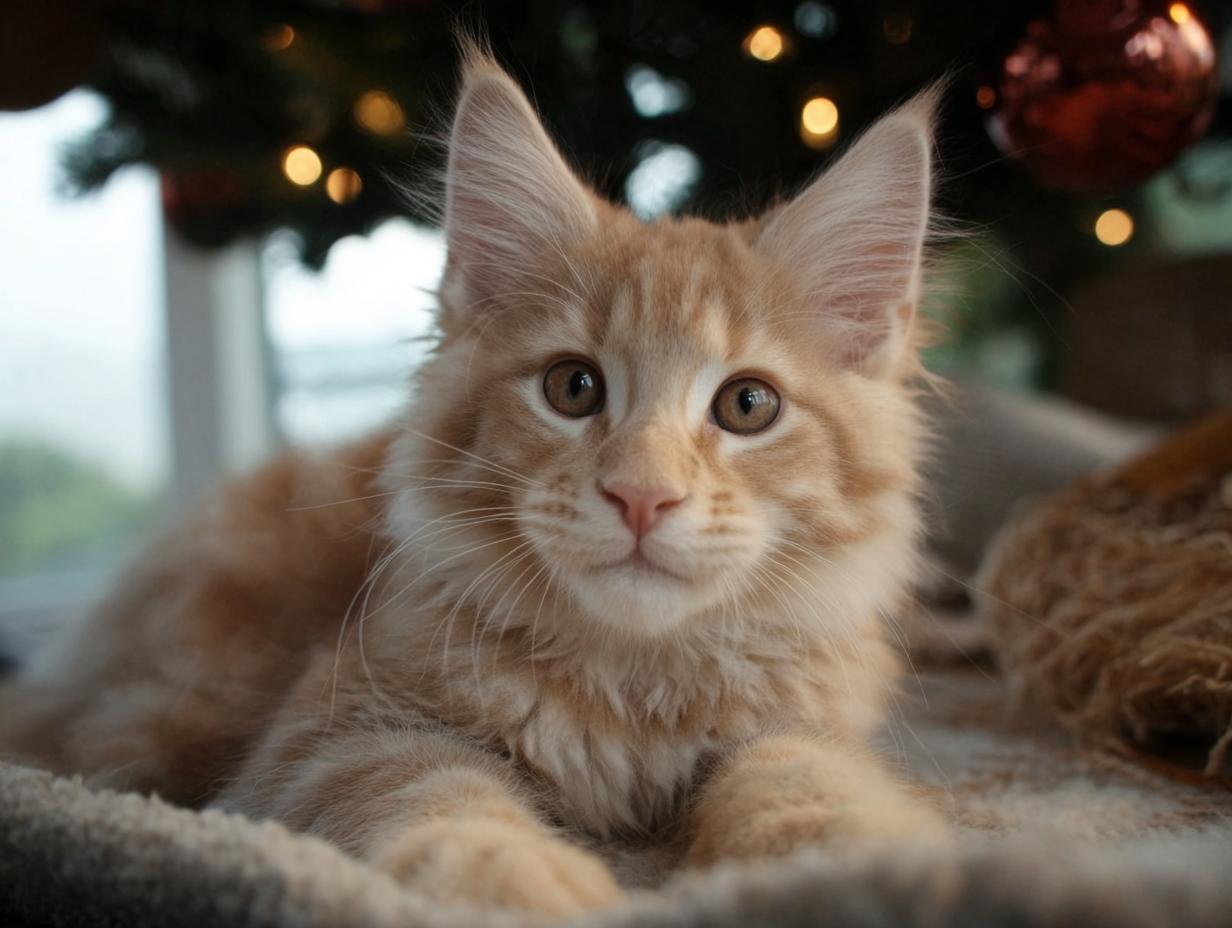
Searching for “Maine Coon kittens near me” feels safer, but proximity does not guarantee ethical breeding. This guide explains why local searches often carry more risk, how ethical placement actually works, and why breeder quality matters more than location.
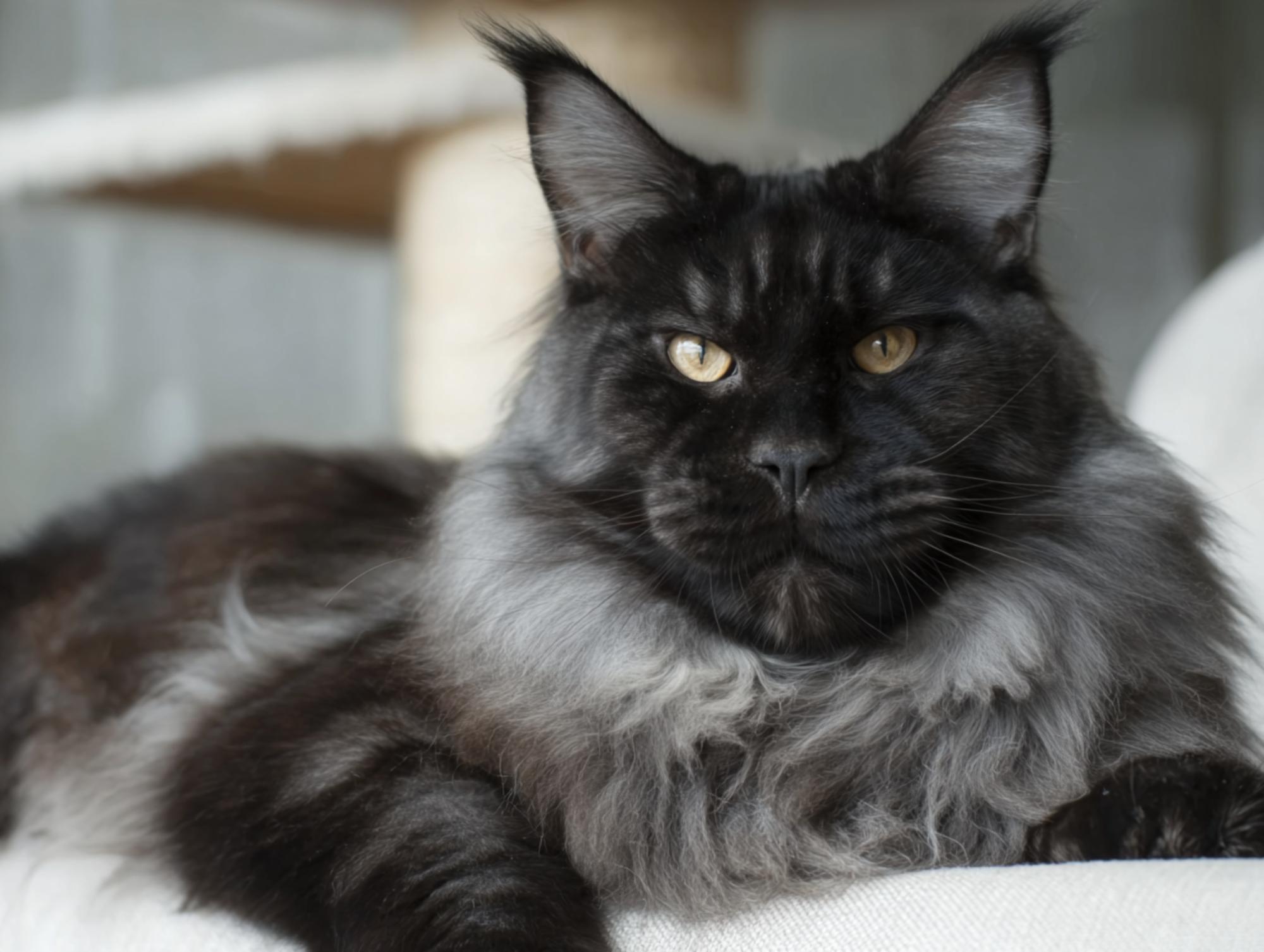
Knowing whether a Maine Coon breeder is legitimate goes beyond avoiding scams. This guide explains how ethical breeders actually operate, what patterns matter, and how buyers can evaluate structure, communication, and placement practices without crossing personal or safety boundaries.
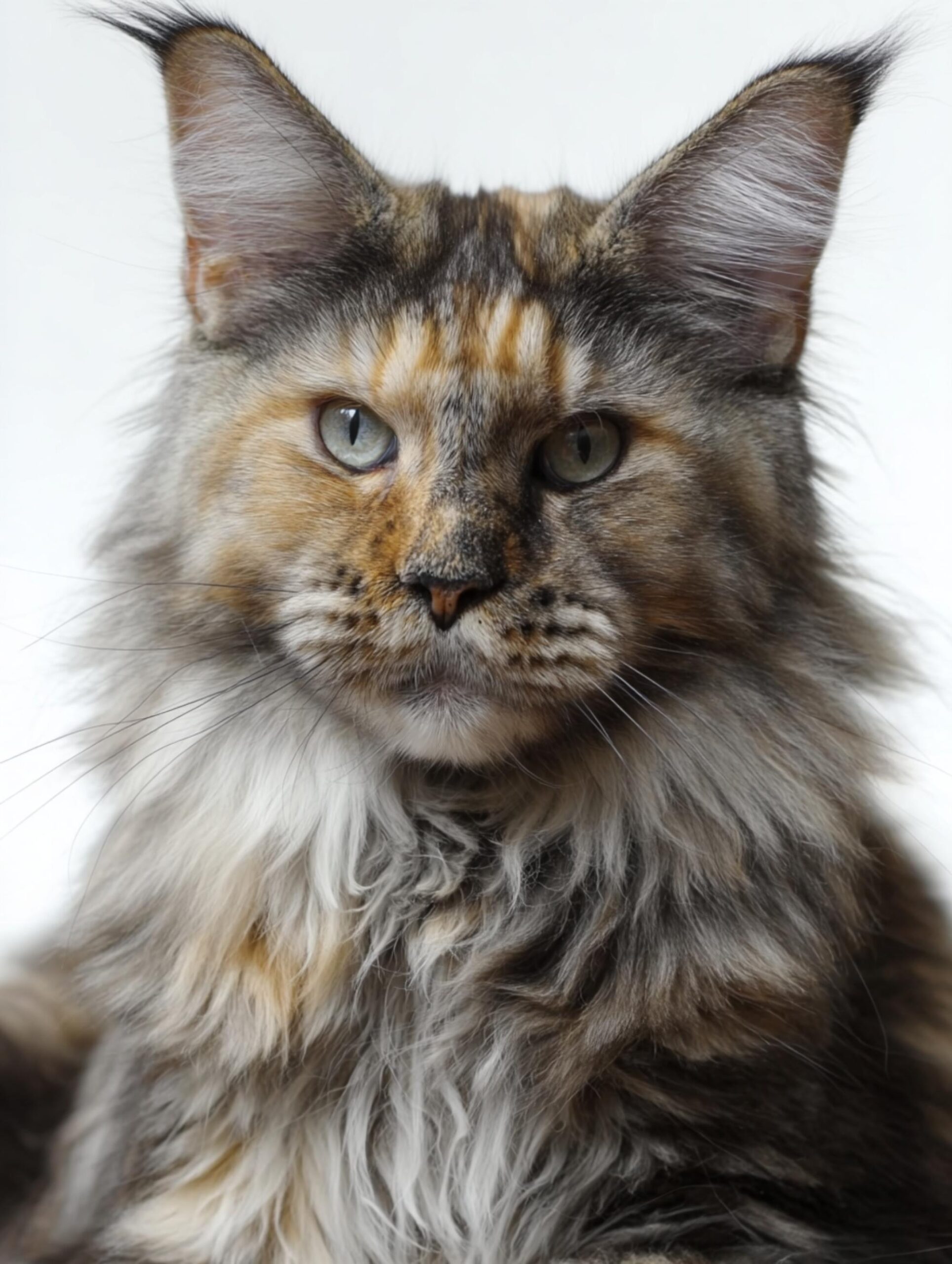
Maine Coon kitten scams are increasingly sophisticated and often difficult to spot. This guide explains how modern scams operate, how ethical breeders actually work, and how buyers can protect themselves by slowing the process, understanding placement, and evaluating structure instead of urgency.
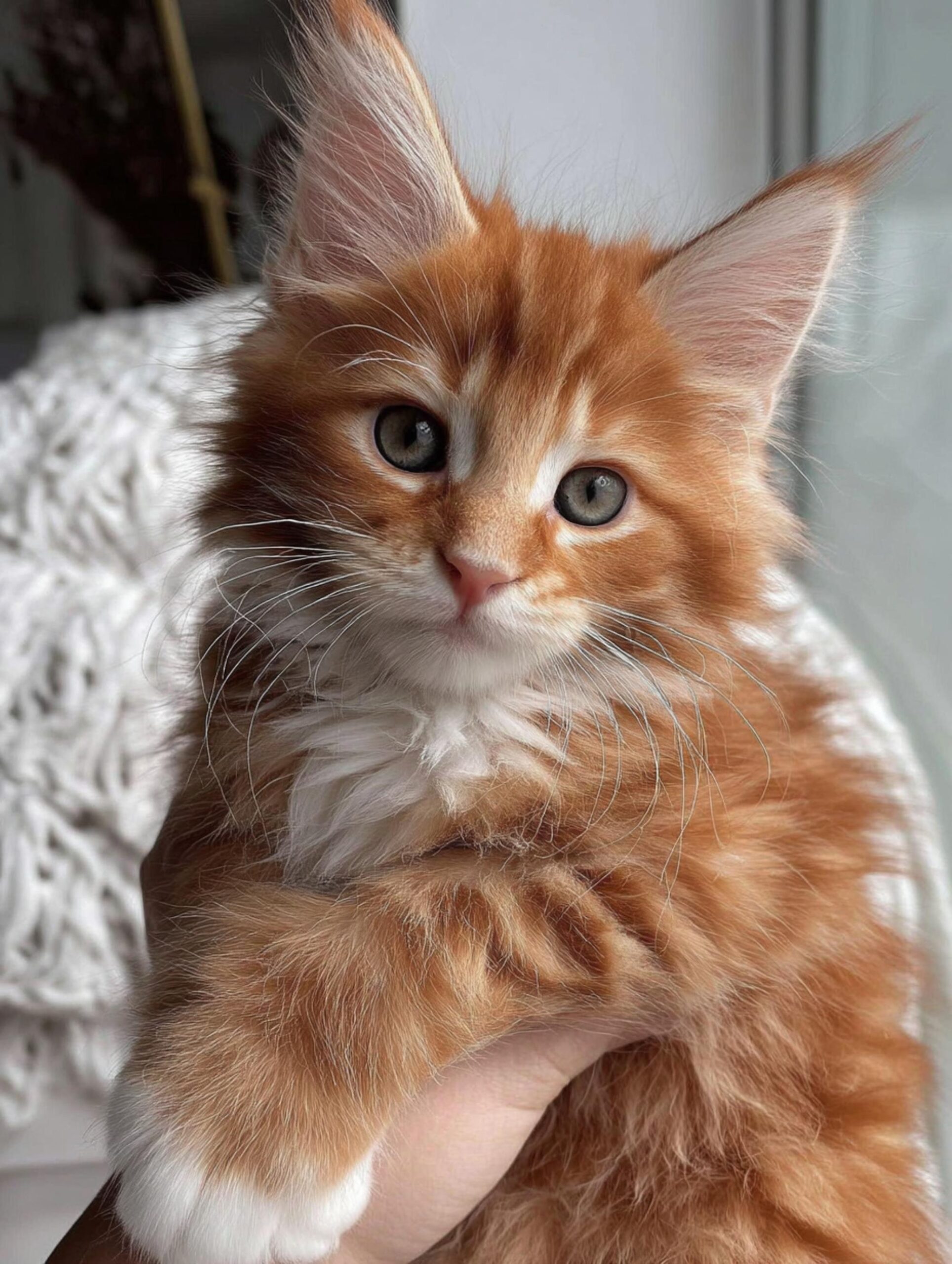
Responsible breeders place Maine Coon kittens based on development and household fit rather than first-come order.”
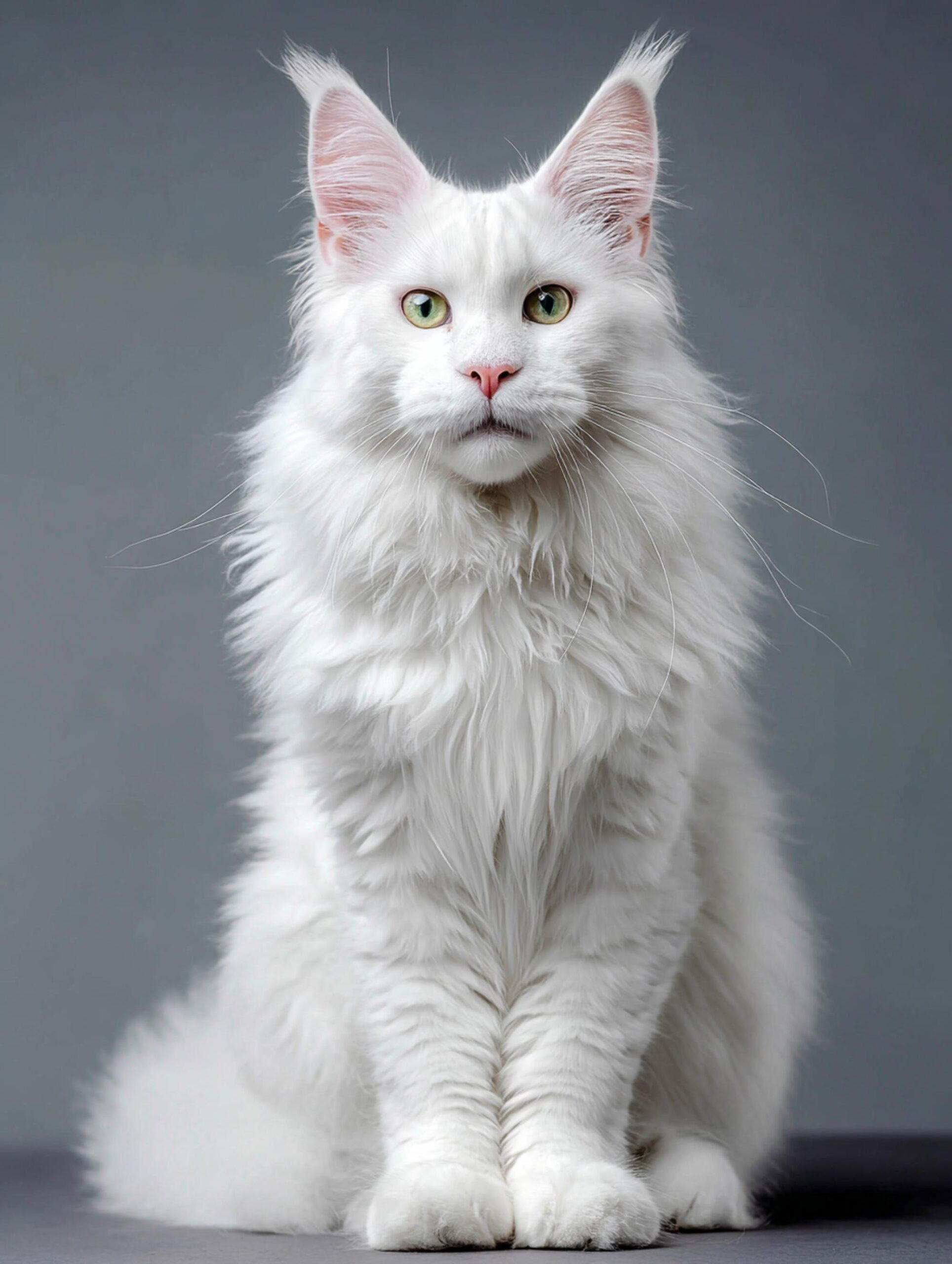
“Ethical Maine Coon breeding focuses on long-term planning, breed-specific standards, and accountability across generations.”
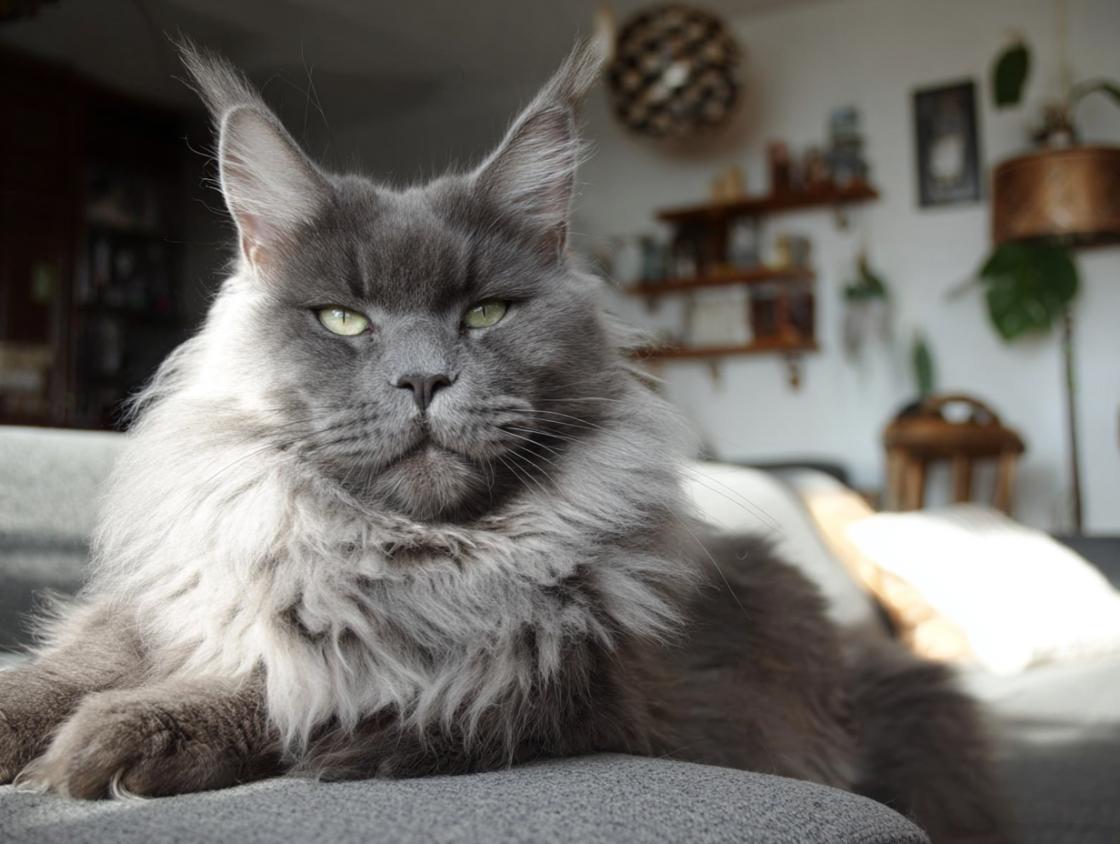
Where you buy a Maine Coon kitten matters more than how quickly you want one or how close the seller is to your home. Most problems buyers experience come from the source, not the cat. Reputable breeders work directly with families, document their practices, and remain involved after placement, while high-risk sellers prioritize speed, volume, or convenience over long-term outcomes.
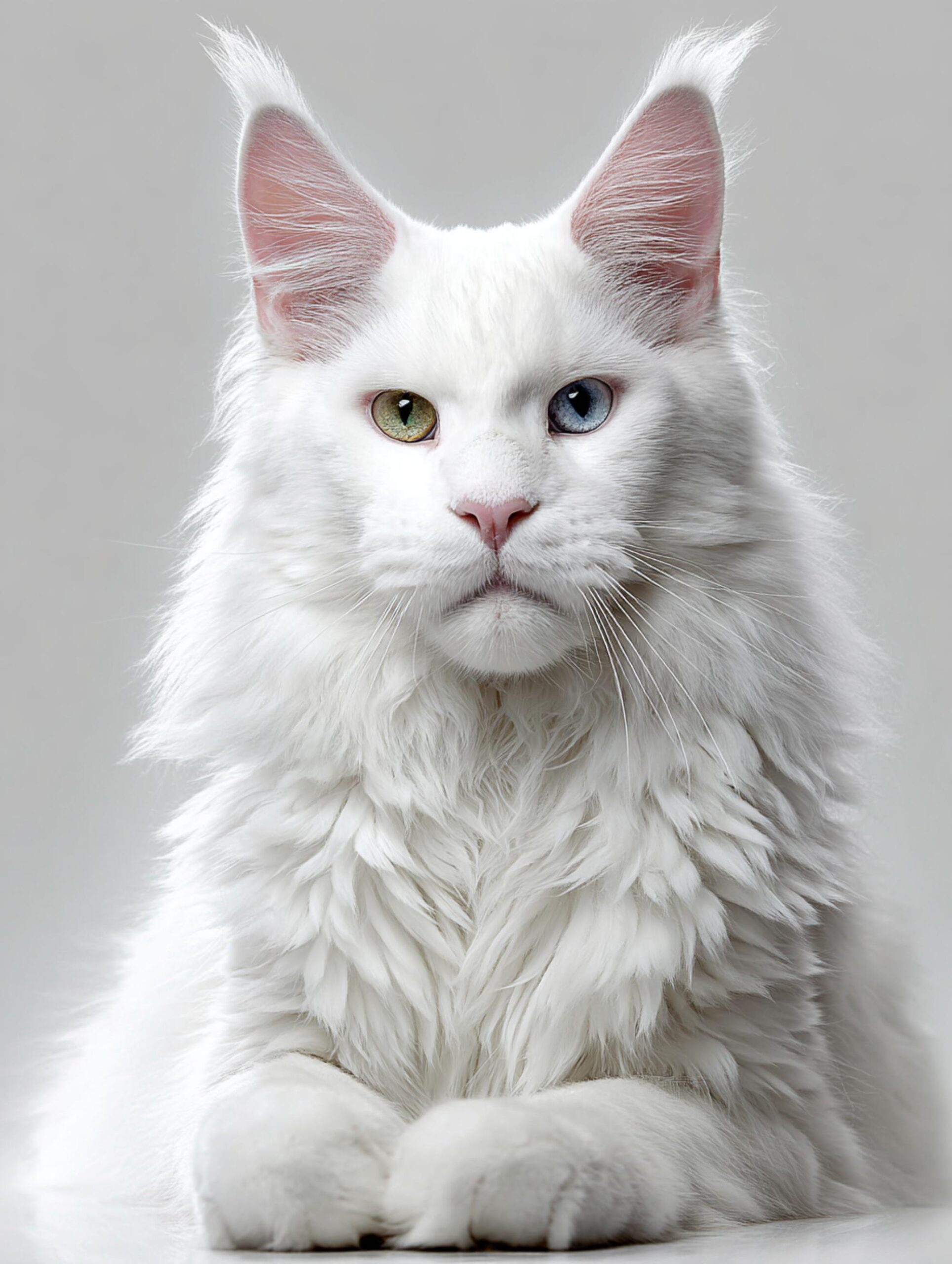
Most Maine Coons show curiosity toward water, especially running water—but that interest doesn’t mean they enjoy baths. Curiosity, tolerance, and preference are not the same thing.

Maine Coons can provide meaningful emotional support through routine, presence, and engagement—but only when expectations and responsibility are aligned.
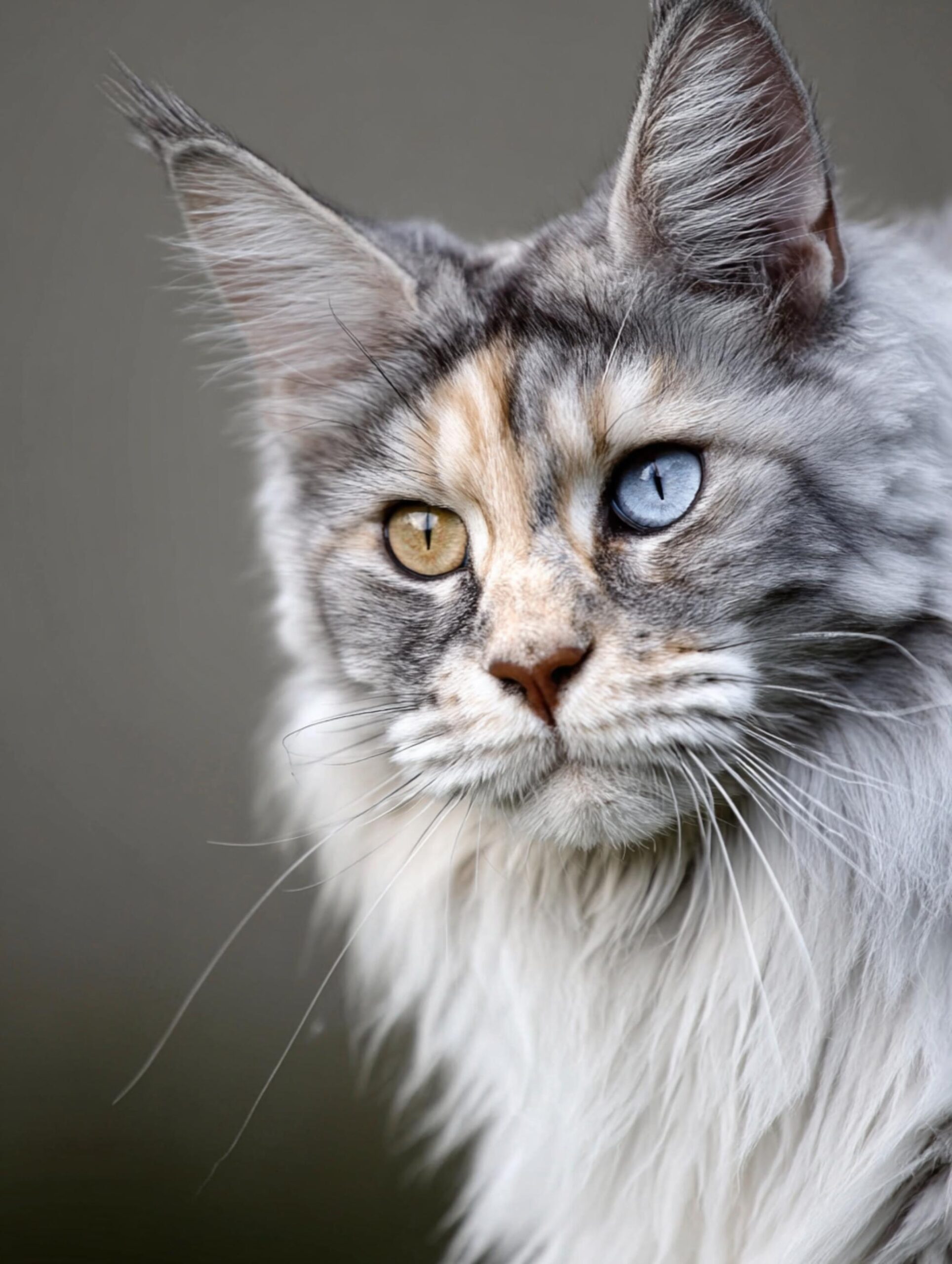
Senior care for Maine Coons is about comfort, stability, and quality of life. Aging is gradual, manageable, and often deeply rewarding.
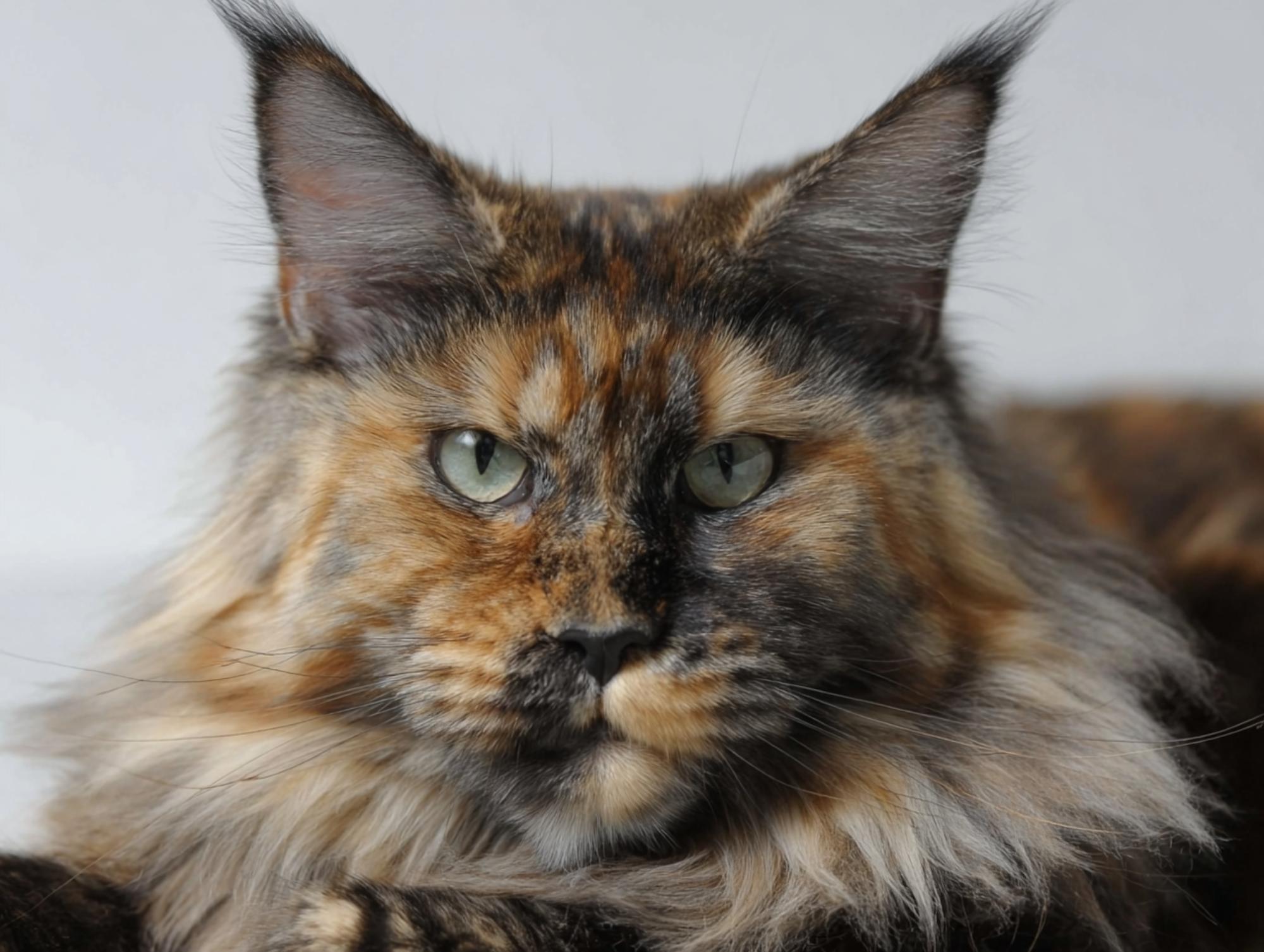
Ethical breeders say no to protect buyers, kittens, and long-term outcomes. A no isn’t rejection—it’s responsible placement.
TRENDING

In the Mood
Consider this your blog playlist. Search the blog or browse some of the top searches / categories below.
ABOUT the Author
I’m Leocadia, I raise luxury kittens with the health, temperament, and elegance to become your soul cat.
For me, it is never just about selling kittens. It is about inspiring, educating, and guiding you to the companion who will change your life. Every kitten I raise is nurtured with love and care so that when you bring them home they are exactly what you always wanted. And you have the resources you need to love them well.

More About Us
as seen in:



The
CAT SHELF

This Smells Like Heaven

Luxe Cat Decor on an Amazon Budget

Best Real Food Options For Cats
My Ultimate Guide to Maine Coon Cats
1.
Top 2025 Amazon Cat Purchases
2.
The Most Asthetic Cat Trees
3.


Instagram
Follow the Almonte house cats with soul over on Insta
Follow Along
Resources
Guides, checklists, breeder tips, health, kitten care
Yes Please
The Blog
Luxury kittens, lineage, stories, health, breed comparisons, lifestyle
Read News