
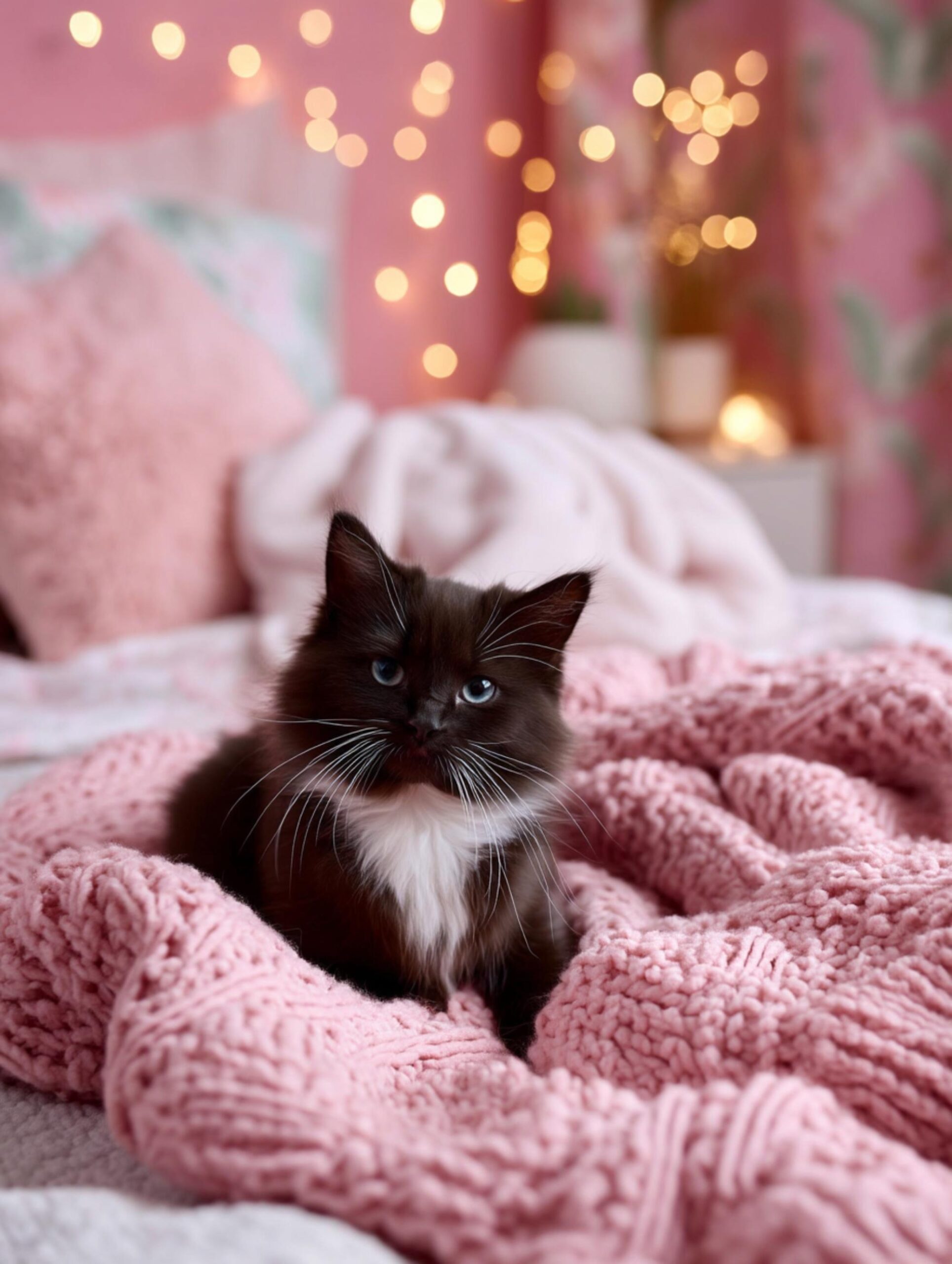
Cherubim Ragdoll Temperament: Are They Different From Ragdolls?
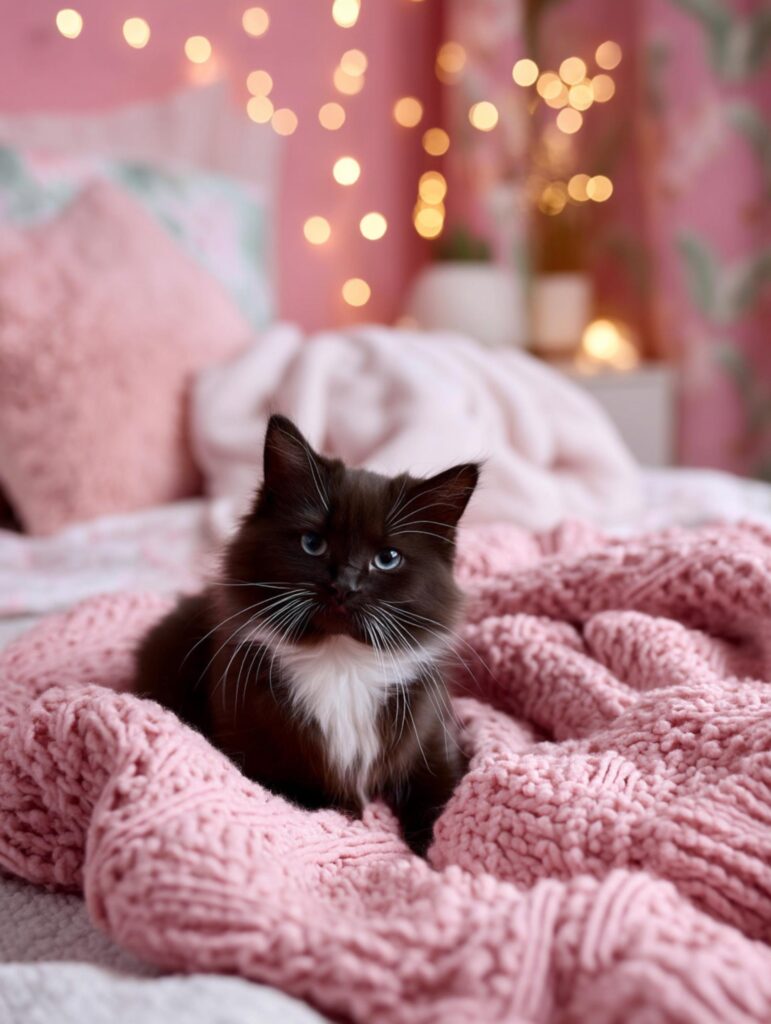
Cherubim Ragdoll temperament is not different from traditional Ragdoll temperament. Despite frequent claims online, non-pointed Ragdolls do not behave differently simply because of coat color or registry classification.
The belief that Cherubim have different personalities usually comes from visual bias, registry confusion, and repeated online myths. Darker coats are often subconsciously associated with stronger or more intense behavior, and when registries separated non-pointed cats into a different category, many people incorrectly assumed that separation reflected temperament rather than appearance.
This post explains what actually shapes temperament in Cherubim and Ragdolls and why coat expression and registration labels do not influence personality. The goal is clarity, not debate.
What Defines Ragdoll Temperament?
Ragdoll temperament was a defining goal of the breed from the very beginning. The breed was selected for predictability, emotional stability, and strong human attachment rather than for extreme activity or independence.
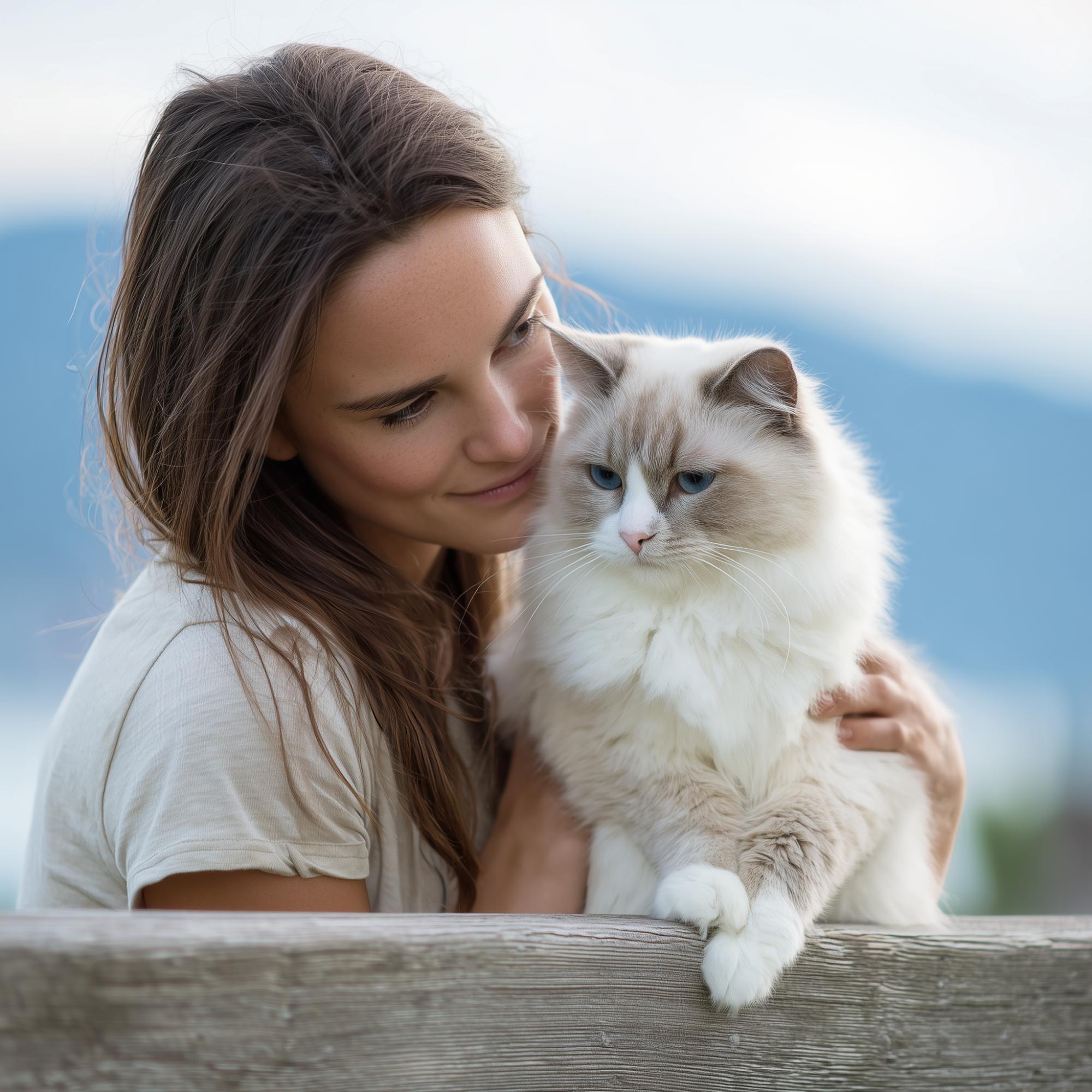
Core Ragdoll temperament traits include a calm, people-oriented nature and low reactivity to everyday household activity. Ragdolls tend to tolerate handling well, seek proximity to their people, and respond to their environment with measured, steady behavior rather than sharp reactions.
Ragdolls are also slow-maturing, both physically and emotionally. Their personalities continue to develop over several years, often becoming more settled and consistent with age. This slow maturation contributes to their reputation as emotionally steady companions rather than impulsive or high-strung cats.
Temperament was never an afterthought in the breed’s development. It was a primary selection criterion, and that focus applies equally to pointed Ragdolls and non-pointed Cherubim. What defines Ragdoll temperament is breeding intent and early environment, not coat pattern or eye color.
See Ragdoll Temperament Guide here.
Where the Myth About Cherubim Temperament Comes From
The idea that Cherubim have different temperaments than Ragdolls did not come from breeding data or behavioral studies. It developed from a combination of perception, misunderstanding, and repetition.
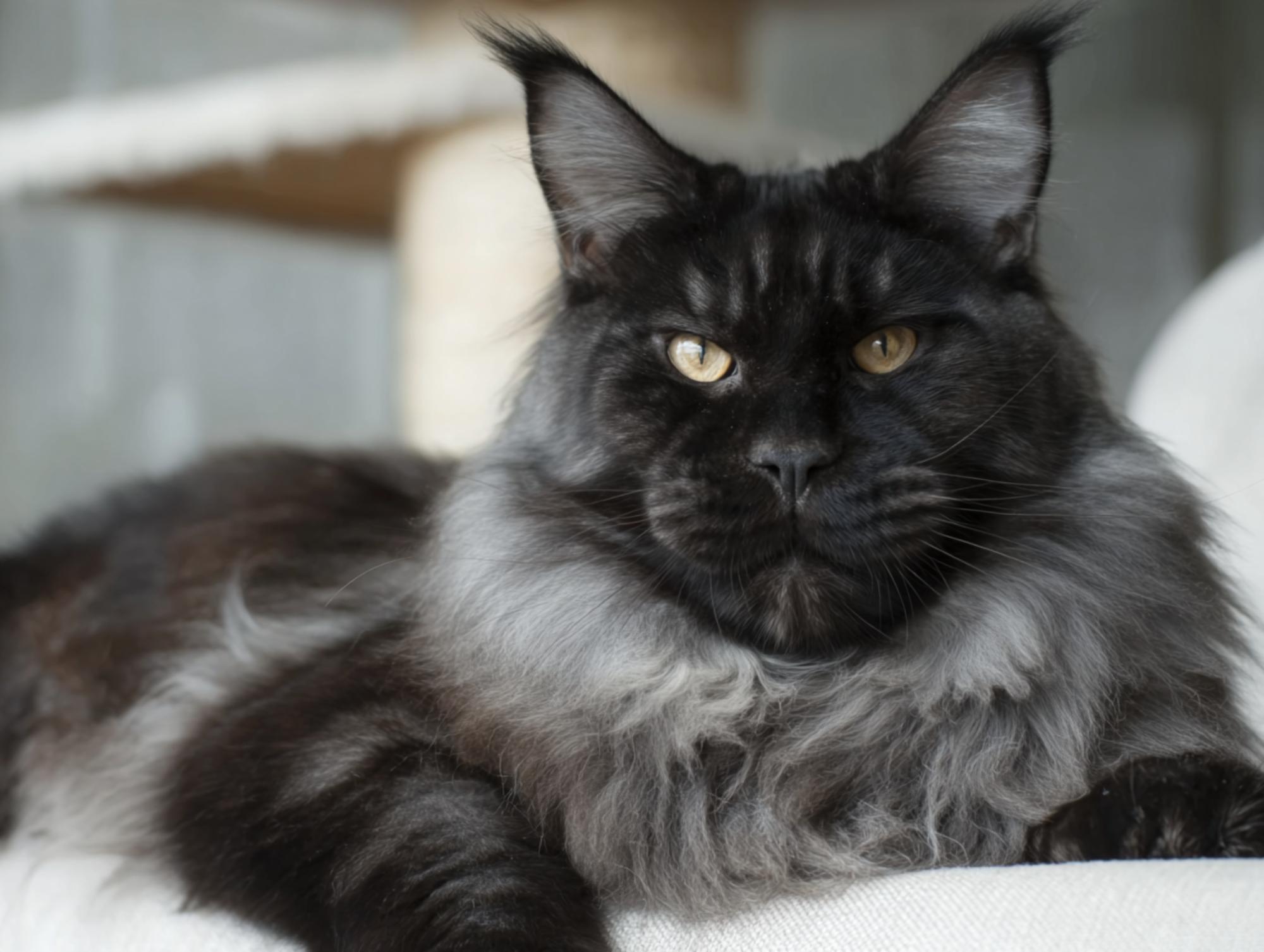
One contributor is visual bias. Darker or more saturated coats are often subconsciously associated with stronger, more intense, or more dominant behavior. When people see mink, sepia, or solid-coated Cherubim, they may expect a different personality before any interaction has even occurred.
Registry separation has also been misread as behavioral separation. When non-pointed Ragdolls were classified differently for registration and showing purposes, many people assumed that separation reflected temperament differences rather than visual standards. In reality, the classification exists to preserve appearance criteria, not to describe behavior.
Internet forums and anecdotal reporting amplify these misunderstandings. Individual experiences are shared without context, and isolated behaviors are attributed to coat type rather than to the cat’s upbringing, environment, or individual personality. Over time, repeated anecdotes begin to sound like facts.
At the core of the myth is confusion between coat expression and personality. Coat color is highly visible and easy to label, while temperament is complex and shaped by multiple factors. When the two are conflated, incorrect conclusions follow.
Are Cherubim Ragdolls Genetically Predisposed to Different Temperaments?
Cherubim are not genetically predisposed to different temperaments than Ragdolls. They share the same genetic foundation, lineage, and breed goals. The genes responsible for coat pattern and eye color are separate from the genetic influences that shape behavior.
There is no temperament gene linked to coat color or eye color. Genetics that affect pigment expression determine how a cat looks, not how it interacts with people or responds to its environment.
Genetic traits that influence appearance operate independently from the complex combination of genetics and early experience that shape temperament. A cat’s behavior reflects inherited tendencies across the line, early handling, and ongoing environment, not whether its coat is pointed or non-pointed.
It is also important to separate individual variation from breed traits. Every cat has a unique personality, and individual differences exist within any breed. These variations do not indicate a separate temperament type. They reflect individuality, not a genetic divide between Cherubim and Ragdolls.
What Actually Influences Temperament in Cherubim and Ragdolls
Temperament in both Cherubim and Ragdolls is shaped by the same core factors, none of which are related to coat type or registry classification. What matters most is breeding intent, early experience, and the environment the cat grows up in.
Line temperament and breeder selection play a significant role. Breeders who prioritize calm, people-oriented cats consistently select for those traits across generations. This selection applies equally to pointed Ragdolls and non-pointed Cherubim because temperament is evaluated at the line level, not by coat expression.
Early handling and socialization are equally critical. Kittens that are regularly handled, exposed to normal household activity, and allowed to develop confidence at their own pace tend to grow into emotionally stable adults. These experiences shape behavior far more than appearance.
The household environment during development also matters. Predictable routines, low chaos, and respectful interaction support the steady temperament Ragdolls are known for. Highly chaotic or inconsistent environments can create stress responses in any cat, regardless of coat type.
Owner expectations and interaction style influence temperament over time as well. Owners who expect a calm, affectionate companion and interact gently often reinforce those behaviors. When expectations are shaped by myths about coat type, owners may misinterpret normal behavior as something else.
These factors consistently outweigh coat expression. Coat type is visible and easy to focus on, but it does not influence personality. Breeding practices and environment do.
Cherubim vs Ragdoll Temperament Comparison
When temperament is evaluated honestly, Cherubim and traditional Ragdolls present the same lived experience for most owners. Affection levels are similar, with both types seeking proximity, attention, and interaction with their people.
Tolerance for handling is also comparable. Both Cherubim and Ragdolls are generally comfortable being touched, held, and groomed when raised with appropriate early handling. Bonding patterns follow the same trajectory, with strong attachment to family members and a preference for human companionship.
Activity levels do not differ in any consistent way. Both tend toward moderate energy, enjoying play without the constant stimulation required by higher-drive breeds. As they mature, both typically settle into calm, predictable routines.
Owners report the same experience across both types because the temperament foundation is the same. There is no consistent, evidence-based temperament difference between Cherubim and Ragdolls. Any perceived variation reflects individual personality or environment, not a divide created by coat expression or registry classification.
Cherubim vs Ragdoll Temperament: Summary Table
| Temperament Trait | Cherubim | Traditional Ragdoll |
|---|---|---|
| Overall Temperament | Calm, people-oriented | Calm, people-oriented |
| Affection Level | High | High |
| Bonding Style | Strong attachment to family members | Strong attachment to family members |
| Tolerance for Handling | Generally tolerant with proper early handling | Generally tolerant with proper early handling |
| Reactivity | Low | Low |
| Activity Level | Moderate | Moderate |
| Emotional Stability | Steady, slow-maturing | Steady, slow-maturing |
| Response to Environment | Predictable when raised in stable homes | Predictable when raised in stable homes |
| Influence of Coat Color | None | None |
| Primary Temperament Influences | Breeding lines, early handling, environment | Breeding lines, early handling, environment |
| Documented Temperament Differences | None | None |
Key takeaway:
There is no consistent, evidence-based temperament difference between Cherubim and traditional Ragdolls. Any variation reflects individual personality or environment, not coat type or classification.
Do Mink, Sepia, or Solid Cherubim Behave Differently?
- Specific color expressions get labeled differently because people attach meaning to appearance. Darker or more saturated coats are often perceived as stronger, more confident, or more intense. That expectation forms before any behavior is observed and influences how actions are interpreted.
- Anecdotal claims tend to cluster around mink Cherubim because they are both popular and visually distinct. When owners share individual experiences online, those stories get repeated and amplified. Over time, repetition creates the illusion of a pattern even when no consistent behavioral difference exists.
- Coat texture and overall look can subtly influence interaction. Mink coats are often thicker and plusher, which can change how people touch, hold, or engage with the cat. Those changes in interaction can affect behavior temporarily, reinforcing the belief that the cat itself is different.
- Perception does not equal behavior. Visual traits shape expectations, but they do not create temperament differences. Mink, sepia, and solid Cherubim behave like Ragdolls because temperament is not tied to coat expression.
What Breeders Mean When They Say “Temperament First”
- Ethical breeders evaluate temperament through observation and interaction over time. They look at how kittens respond to handling, how quickly they recover from new experiences, and how they engage with people. These observations provide meaningful insight into personality and emotional stability.
- Temperament selection applies to the entire litter, not specific colors. Both Ragdoll and Cherubim kittens are evaluated using the same criteria because personality does not follow coat type. Responsible breeders do not expect different behavior based on appearance.
- No ethical breeder assigns temperament traits based on color or pattern. Coat color and eye color are visual outcomes, not behavioral indicators. Selecting for temperament means prioritizing calm, adaptable, people-oriented behavior across all kittens.
- Placement decisions are based on personality and lifestyle fit. Breeders match kittens to homes where their individual temperament will thrive, whether the kitten is outgoing, reserved, playful, or laid-back. Coat type is secondary to how the cat will live day to day.
Who a Cherubim Is Right For (Temperament Lens)
Cherubim are a strong fit for the same homes that are well suited to traditional Ragdolls, because temperament is shared across both.
They are ideal for families who want the classic Ragdoll temperament: calm, people-oriented, and emotionally steady. Cherubim thrive in homes where they are treated as companions rather than background pets.
Companion-focused households tend to do especially well with Cherubim. These cats enjoy proximity, routine, and predictable interaction, making them well suited to homes that value presence over novelty.
Cherubim are also a good choice for buyers who are unconcerned with show standards. For owners who prioritize daily life over competition, coat expression and registration labels are secondary to personality and bonding.
Above all, Cherubim suit owners who want calm, predictable personalities. These cats are best appreciated by people who value consistency, emotional stability, and quiet companionship.
Common Myths About Cherubim Temperament
Myth: Cherubim are more energetic
There is no evidence that Cherubim have higher energy levels than Ragdolls. Activity level is influenced by age, environment, and individual personality, not coat expression.
Myth: Cherubim are less affectionate
Cherubim show the same people-oriented behavior as Ragdolls. When raised with proper handling and interaction, they display the same desire for closeness and attention.
Myth: Cherubim are more independent
Cherubim are not more independent by nature. Like Ragdolls, they tend to prefer human company and often follow their people from room to room.
Myth: Cherubim are more “cat-like” than Ragdolls
This claim usually reflects expectation rather than behavior. Cherubim display the same calm, engaged temperament that defines the Ragdoll breed, regardless of coat type.
Final Thoughts
Cherubim do not have different temperaments than Ragdolls. Coat genetics affect appearance, not behavior, and registry classifications do not change personality.
Temperament is shaped by breeding decisions and early environment, not by color, pattern, or eye color. When those factors are prioritized, Cherubim and Ragdolls offer the same lived experience as companions.
Cherubim differ in appearance, not personality. The temperament people love in Ragdolls remains the same.
Related Ragdoll Color & Registry Guides
If you want to explore how solid Ragdolls fit into the wider Ragdoll color and registry landscape, these guides provide deeper context:
- TICA Cherubim Ragdolls Explained
- Cherubim Ragdoll Kittens Available and Upcoming Litters
- Complete Cherubim Breed Guide
- Ragdoll vs Cherubim: What’s the Difference?
- Mink Ragdoll Cats Explained
- Black Ragdoll Cats Explained
- Black Tuxedo Ragdoll Cats
- Ragdoll Cat Temperament
- Ragdoll Cat Health, Lifespan, and What Matters Most
- Complete Guide to Ragdoll Cats
Sources & References
- The International Cat Association (TICA)
Ragdoll breed description and temperament overview, used to support baseline Ragdoll personality traits and breed goals.
https://tica.org/breed/ragdoll/ - Cat Fanciers’ Association (CFA)
Ragdoll breed profile and temperament characteristics, referenced to confirm consistency of temperament expectations across the breed.
https://cfa.org/ragdoll/ - International Cat Care
Guidance on feline behavior, socialization, and how environment and early handling shape temperament.
https://icatcare.org/advice/understanding-your-cats-behaviour/ - American Association of Feline Practitioners (AAFP)
Resources on feline social behavior, handling tolerance, and stress responses, used to support the role of environment over appearance.
https://catfriendly.com/ - Breeder observations and temperament evaluation practices based on multi-generation Ragdoll and Cherubim breeding programs, emphasizing early handling, line temperament, and companion-focused placement.






Read the Comments +