

Common Maine Coon Buyer Mistakes (and How to Avoid Them)

What are the most common Maine Coon buyer mistakes? Most Maine Coon buyers make mistakes because they lack experience, not because they act carelessly. Many families enter the process with good intentions but incomplete information, especially if they have never owned a large, slow-maturing breed before.
Maine Coons have specific needs related to size, grooming, cost, development, and temperament that are not always obvious at the start. Buyers often assume the process will feel similar to choosing any other cat, then realize later that expectations and reality do not fully align.
This guide reflects patterns observed repeatedly over time, not isolated cases or individual criticism. Its goal is to help buyers recognize common pitfalls early, slow the process when needed, and make informed decisions that support long-term success for both the cat and the household.
Common Maine Coon Buyer Mistakes — Summary
| Common Mistake | Why It Happens | How to Avoid It |
|---|---|---|
| Rushing because a kitten is “available now” | Urgency and fear of missing out override research | Slow the timeline and choose fit over speed |
| Choosing based on appearance alone | Size and color feel easy to evaluate | Ask about temperament, energy, and maturity |
| Underestimating long-term costs | Focus stays on purchase price | Budget early for grooming, food, and vet care |
| Expecting guarantees | Misunderstanding health testing and development | Accept risk and seek education, not promises |
| Skipping breeder evaluation | Excitement shortens due diligence | Review registries, websites, and documentation |
| Assuming all Maine Coons are the same | Breed stereotypes replace reality | Understand individual differences and lines |
| Poor timing or lack of preparation | Life changes happen too close to pickup | Prepare home and schedule before committing |
| Treating placement as a transaction | Focus on speed rather than relationship | Work with breeders who communicate and educate |
Rushing the Decision Because a Kitten Is “Available Now”
Immediate availability creates urgency. When sellers advertise a kitten as “ready now” or “last one left,” buyers often feel pressure to act quickly out of fear of missing out. That urgency pushes research aside and shortens the decision-making process.
When buyers rush, they skip critical steps. They may overlook breeder evaluation, underestimate long-term costs, or commit before confirming that the timing truly works for their household. Excitement replaces preparation, and unresolved concerns resurface later.
Buyers can slow the process without losing their opportunity. Ethical breeders welcome questions, allow time for review, and support thoughtful decision-making. Asking for clarification, reviewing contracts carefully, or joining a waitlist are all normal and responsible steps.
Ethical breeders plan litters in advance and place kittens intentionally. Availability follows planning, not pressure. When a breeder encourages patience, they usually protect both the kitten and the family from rushed decisions.
Choosing Based on Appearance Alone
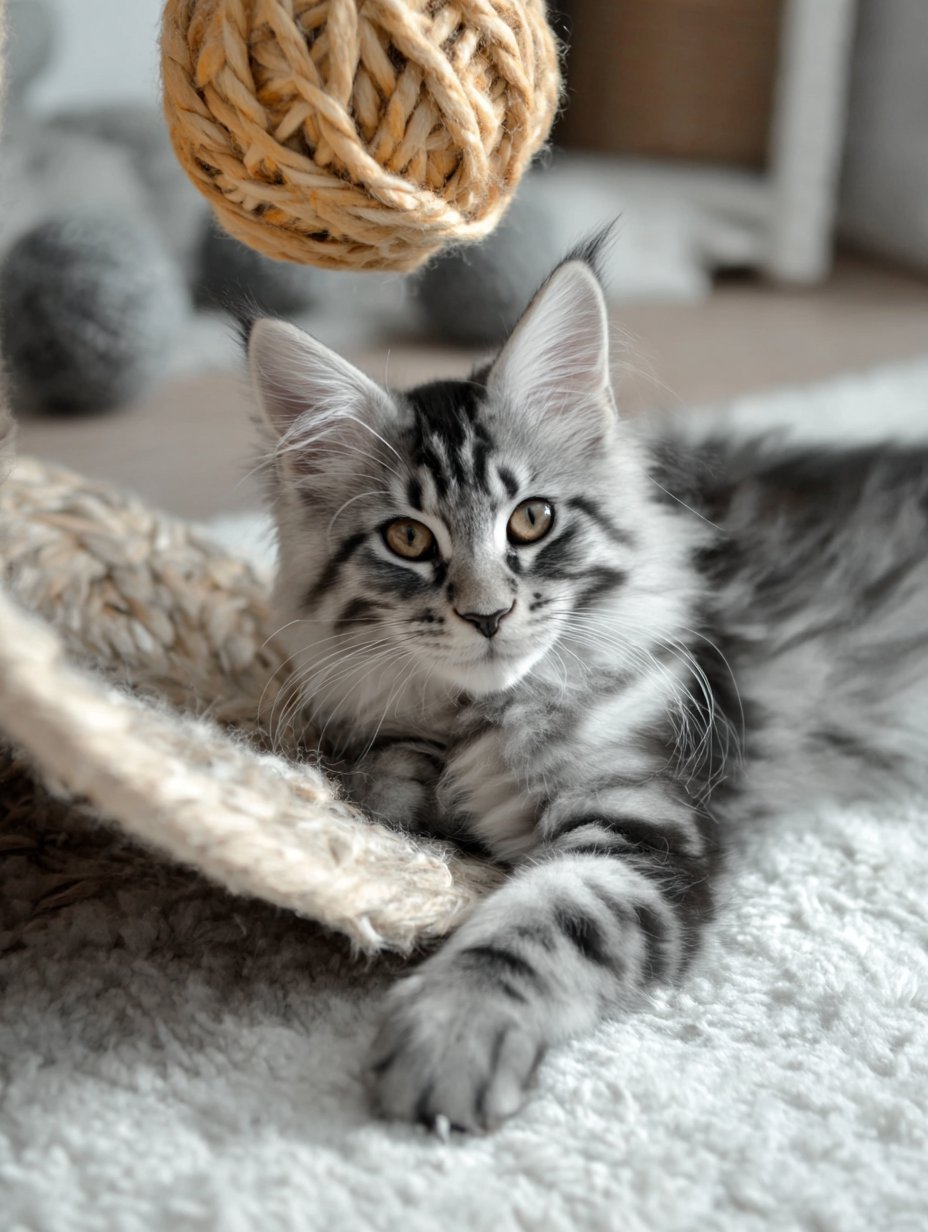
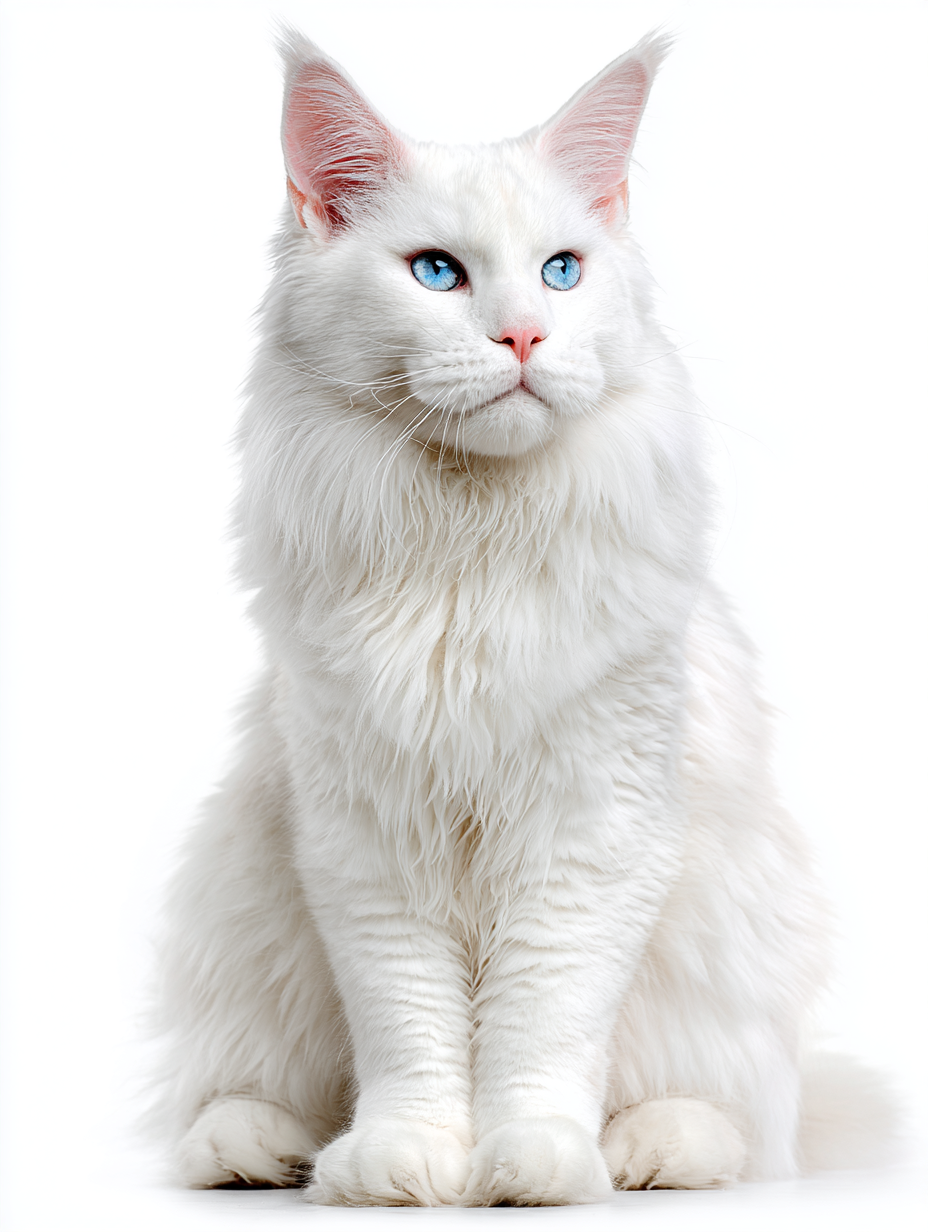
Many buyers focus first on appearance. Size, coat length, color, and markings stand out and feel easy to compare. While preferences matter, appearance alone does not determine whether a kitten will thrive in a specific home.
Maine Coon kittens change significantly as they mature. Coat texture develops over time, size unfolds over several years, and personality traits become clearer with age. A kitten chosen solely for looks at eight weeks may grow into a cat that behaves very differently than expected.
Lifestyle fit matters more than appearance. Energy level, confidence, sociability, grooming tolerance, and adaptability shape daily life far more than color or size. A quiet household may struggle with a highly active kitten, while a busy environment may overwhelm a more reserved one.
Instead of focusing only on looks, buyers should ask about temperament, activity level, grooming needs, and how kittens from the same lines typically mature. Ethical breeders observe kittens closely and guide families toward choices that align with real-life expectations, not just visual appeal.
Underestimating the True Cost of Ownership
Many buyers focus on the purchase price and underestimate the long-term cost of owning a Maine Coon. While the initial price often feels significant, it represents only one part of the financial commitment.
Ongoing expenses add up quickly. Maine Coons require regular grooming, higher-quality food to support their size and growth, routine veterinary care, and often pet insurance to manage unexpected health costs. These cats grow slowly and live long lives, which means costs extend over many years, not just the first few months.
Budgeting early prevents regret. When buyers plan realistically, they avoid stressful trade-offs later and make decisions that support the cat’s health and comfort. Financial strain often leads to skipped grooming, delayed veterinary visits, or difficult rehoming decisions that could have been avoided with better preparation.
Ethical breeders address this upfront. They explain typical expenses, set realistic expectations, and encourage buyers to consider whether the timing and budget truly fit. Preparing families financially is part of responsible placement, not an afterthought.
Focusing Too Much on Appearance Instead of Temperament and Health
Many Maine Coon buyers naturally gravitate toward appearance first. Size, coat color, ear tufts, and overall “look” are easy to compare and highly visible. While preferences around appearance are understandable, they often receive more weight than traits that have a much greater impact on daily life.
Temperament shapes the experience of living with a cat far more than appearance. Energy level, confidence, sociability, tolerance for handling, and adaptability determine how a Maine Coon fits into a household. A visually striking kitten with a mismatched temperament can create ongoing challenges, while a less “ideal-looking” kitten with the right personality often becomes a better long-term companion.
Health considerations also deserve equal attention. Responsible breeding focuses on reducing risk through thoughtful pairings, health testing, and long-term tracking of outcomes. These factors are not immediately visible, but they influence quality of life over many years. Prioritizing appearance alone can distract buyers from asking important questions about health practices, longevity, and realistic expectations.
Ethical breeders encourage buyers to balance preferences with practicality. They observe kittens over time and help guide families toward choices that align with lifestyle and experience, not just visual appeal. When buyers shift focus from appearance to temperament and health, placements tend to succeed more consistently and lead to greater long-term satisfaction.
Expecting Guarantees in a Living Animal
Some buyers expect guarantees around health, size, or temperament. This expectation often comes from misunderstanding what health testing and responsible breeding can realistically provide.
Health testing reduces risk but does not eliminate it. Genetic tests and screenings help breeders make informed decisions, but no test can promise perfect outcomes in a living animal. Temperament also develops over time and reflects genetics, environment, and individual personality, not a fixed checklist.
Certainty is not possible because animals grow and change. Maine Coons mature slowly, and traits such as confidence, energy level, and sociability continue to develop well beyond kittenhood. Responsible breeders acknowledge this variability rather than offering unrealistic assurances.
Ethical breeders frame risk honestly. They explain what testing does, what it does not do, and how responsible ownership supports long-term health. This approach builds trust by replacing guarantees with education and transparency.
Skipping the Breeder Evaluation Process
Excitement often leads buyers to skip the breeder evaluation process. When a kitten feels scarce or appealing, research can feel like an obstacle rather than a safeguard.
Registries and breeder websites matter because they provide context. They help buyers confirm that a breeder operates within established standards, maintains a consistent program, and communicates openly about their practices. While registration alone does not guarantee quality, it offers a starting point for evaluation.
Buyers often miss red flags when excitement takes over. Vague answers, pressure to commit quickly, lack of documentation, or inconsistent information can all signal risk. Ignoring these signs increases the likelihood of disappointment, unexpected costs, or ethical concerns later.
Evaluating calmly protects buyers. Taking time to review information, ask questions, and understand the breeder’s process leads to better outcomes. Ethical breeders expect this scrutiny and view it as part of building a responsible, long-term relationship.
Assuming All Maine Coons Are the Same
Many buyers assume that all Maine Coons share the same temperament, energy level, and maturity timeline. While the breed has general traits, individual cats vary widely in how active, social, or independent they are.
Energy levels differ significantly. Some Maine Coons remain highly playful well into adulthood, while others settle into calmer routines earlier. Sociability also varies, with some cats seeking constant interaction and others preferring quieter companionship. Maturity unfolds slowly, and behavioral changes can continue for several years.
Breeding lines and early environment influence these differences. Genetics, early handling, socialization, and household exposure shape how kittens develop. Two kittens from different programs, or even from the same litter, can grow into very different adults.
One experience does not define the breed. A positive or challenging experience with a single Maine Coon does not predict how another will behave. Understanding this variability helps buyers set realistic expectations and choose kittens based on fit rather than assumptions.
Not Preparing the Home or Schedule in Advance
Some buyers secure a kitten before confirming that their home and schedule are ready. Timing issues often surface when households plan moves, renovations, or extended travel close to the kitten’s arrival.
Work travel, schedule changes, or major household disruptions can make adjustment more difficult. Kittens rely on consistency during their early weeks at home, and frequent changes increase stress and slow acclimation.
Preparation directly affects how smoothly a kitten settles in. Setting up a safe space, arranging veterinary care, and planning daily routines help kittens feel secure. When buyers prepare in advance, transitions tend to be calmer and more successful.
Waiting can help. Ethical breeders encourage buyers to choose timing that supports stability rather than convenience. Delaying placement until schedules and environments align often leads to better long-term outcomes for both the cat and the family.
Treating the Process as a Transaction
Some buyers approach the process as a simple purchase rather than a long-term commitment. Viewing kitten placement as a transaction can limit communication and weaken expectations on both sides.
Building a relationship matters. Ethical breeders value open dialogue, shared understanding, and mutual respect. Communication helps clarify expectations, address concerns early, and support successful placement beyond pickup day.
Long-term support is part of responsible breeding. Many ethical breeders remain available for guidance on development, health, and behavior. This ongoing connection benefits both buyers and cats.
Ethical breeders view placement as a responsibility, not a sale. Their goal is to match kittens with suitable homes and support those placements over time. Buyers who approach the process with this mindset tend to have more positive, lasting experiences.
How to Avoid These Mistakes
Buyers can avoid most common Maine Coon mistakes by slowing the timeline. Taking time to research, ask questions, and reflect on readiness leads to clearer decisions and fewer regrets. A thoughtful pace supports better matches and smoother transitions.
- Asking better questions also makes a difference. Instead of focusing only on availability or appearance, buyers should ask about temperament, grooming needs, long-term costs, and how kittens typically mature. These questions provide practical insight that supports realistic expectations.
- Choosing fit over speed protects both the kitten and the household. The right match depends on lifestyle, schedule, and experience level, not how quickly a kitten becomes available. Waiting for a suitable placement often leads to more satisfying outcomes.
- Preparation matters financially and emotionally. Budgeting for ongoing care, planning routines, and preparing the home reduce stress and support healthy adjustment. When buyers prepare in advance, they set themselves and their kitten up for success.
Working with breeders who educate rather than pressure is essential. Ethical breeders prioritize transparency, patience, and communication. They support informed decisions and respect a buyer’s need to move at a comfortable pace.
High-pressure availability and rushed payment requests are common in both poor-fit placements and online scams, which is why slowing the process matters.
Frequently Asked Questions
Is it normal to make mistakes when buying a Maine Coon?
Yes. Most mistakes come from inexperience rather than poor judgment. Maine Coons have specific needs that aren’t always obvious at first, and many buyers learn as they go.
How long should I expect to wait for a Maine Coon kitten?
Wait times vary depending on the breeder’s program, planned litters, and placement process. Ethical breeders often provide timing ranges rather than guarantees.
Do reputable breeders help buyers avoid these mistakes?
Yes. Ethical breeders educate buyers, set expectations early, and encourage thoughtful decisions rather than rushed commitments.
Is choosing a kitten based on looks alone a bad idea?
Appearance preferences are normal, but they should be balanced with temperament and lifestyle fit. Personality and energy level affect daily life more than appearance.
What’s the best way to avoid regret after choosing a kitten?
Slow the process, ask better questions, prepare financially and emotionally, and work with breeders who prioritize education over pressure.
Conclusion
Mistakes in the Maine Coon buying process are common, but they are also avoidable. Most arise from rushing, incomplete information, or unrealistic expectations rather than poor intentions.
Thoughtful preparation improves outcomes for everyone involved. When buyers slow down, ask informed questions, and plan carefully, placements tend to succeed long term.
The right breeder helps buyers succeed, not rush. Calm, informed decisions lead to better experiences, stronger bonds, and a more positive future for both the cat and the family.
Related Articles From Almonte Cats
If you are researching Maine Coons carefully, the following guides may also be helpful. These posts explain our standards, expectations, and long-term approach in more depth.
- Maine Coon Size, Growth, and Weight: What’s Normal and What’s Not
A detailed breakdown of realistic size ranges, growth timelines, and how to tell healthy structure from excess weight. - How to find a Maine Coon Breeder You can Trust
A practical guide explaining common scam patterns, verification steps, and what ethical programs do differently. - Maine Coon Health Overview: What Responsible Owners Should Know
Covers genetic screening, lifespan expectations, preventive care, and early warning signs owners should never ignore. - Why Maine Coons are Not for Everyone
An honest look at temperament, grooming, space needs, and daily life with a Maine Coon. - Maine Coon Kitten Growth Stages: What to Expect From 8 Weeks to Adulthood
Explains normal development, awkward phases, and why slow growth is a feature of the breed. - Maine Coon Breeder Reviews: What to Look For
- Why Ethical Maine Coon Breeders Have Waitlists
The waitlist process supports better outcomes for kittens and families alike.
These resources reflect how we approach breeding, placement, and long-term support, and they are written to help families make informed decisions rather than rushed ones.
Sources
- The International Cat Association (TICA) – Finding a Breeder & Buyer Education
https://tica.org/find-a-cat/find-a-cat-breeder-listings/
https://tica.org/pet-buyers-guide/ - Cat Fanciers’ Association (CFA) – Breeder Information & Breed Standards
https://cfa.org/
https://find-a-breeder.cfa.org/ - American Veterinary Medical Association (AVMA) – Selecting a Pet Responsibly
https://www.avma.org/resources-tools/pet-owners/how-select-pet - Cornell University College of Veterinary Medicine – Feline Health & Ownership Guidance
https://www.vet.cornell.edu/departments-centers-and-institutes/cornell-feline-health-center - ASPCA – How to Find a Responsible Breeder
https://www.aspca.org/pet-care/general-pet-care/choosing-right-pet-you/how-find-responsible-breeder









Read the Comments +