
Do Ragdolls Get Lonely? Separation, Bonding, and Independence
Do Ragdoll cats get lonely? Ragdolls are frequently described online as “clingy” or “Velcro cats,” which naturally raises concern for people considering the breed. Prospective owners want to know whether choosing a Ragdoll means never leaving the house or constantly managing separation issues.
Much of the confusion comes from how experiences are shared online. Reddit threads and forum posts often highlight extremes. One person describes a Ragdoll that follows them everywhere and panics when they leave. Another insists their cat is perfectly fine alone all day. These anecdotes lack context about routine, environment, age, or how the cat was raised, yet they are often treated as universal truths.
Another reason this question persists is that loneliness in cats does not look the way people expect it to. Unlike dogs, cats rarely protest loudly or destructively when their emotional needs are unmet. Calm breeds like Ragdolls are especially quiet about stress, which makes it easy to underestimate what they are experiencing.
This article answers the question clearly by explaining:
- whether Ragdolls actually experience loneliness
- how bonding works in this breed
- how much separation is reasonable and sustainable
- when independence crosses into a problem
The goal is to replace vague reassurance and internet myths with realistic, welfare-focused expectations.
Do Ragdolls Get Lonely? — Summary Table
| Topic | Key Takeaway |
|---|---|
| Do Ragdolls Get Lonely? | Yes, when connection is inconsistent or companionship is lacking |
| What Loneliness Means | Emotional insecurity over time, not short periods alone |
| Loneliness vs Boredom | Loneliness is about missing connection; boredom is lack of stimulation |
| Typical Workday Absences | Usually well tolerated with predictable routines |
| Irregular Schedules | More stressful than long but consistent absences |
| Bonding Style | Strong people-oriented bonds, often with a primary caregiver |
| Healthy Independence | Comfortable resting alone while remaining socially engaged |
| Problematic Independence | Emotional withdrawal and reduced interaction |
| Signs Coping Well | Stable routines, calm reunions, balanced engagement |
| Signs Struggling | Excessive following, withdrawal, unexplained behavior changes |
| Single vs Paired Ragdolls | Ragdolls generally do best in pairs |
| Effect of a Second Ragdoll | Often resolves loneliness and separation stress |
| Role of Human Connection | Still important, but not the sole emotional outlet in paired homes |
| Best Homes for Ragdolls | Predictable routines, presence, companionship |
| Homes That Should Be Cautious | Frequent travelers or highly hands-off owners |
What “Loneliness” Means in Cats (Not Humans)
Loneliness vs Boredom vs Separation Stress
Cats do not experience loneliness in the same way humans do. For cats, emotional wellbeing is built around predictability, security, and connection, not constant social interaction.
It helps to separate three commonly confused concepts:
- Loneliness
A lack of meaningful social connection or emotional security over time. - Boredom
Insufficient mental or physical stimulation. - Separation stress
Anxiety triggered by changes in routine, absence of a bonded person, or unpredictability.
A Ragdoll can have toys, enrichment, and food available and still experience loneliness if emotional connection is inconsistent. Likewise, a cat can be bored without being lonely, or anxious without lacking affection.
Understanding these differences is key to interpreting behavior accurately.
Why Emotional Deprivation Is Different From Lack of Stimulation
Emotional deprivation is about connection, not activity. Ragdolls are people-oriented cats. They form attachments to caregivers and shared routines. When those connections are missing or inconsistent, stress builds quietly.
Lack of stimulation may show up as restlessness or increased play-seeking. Emotional deprivation more often results in subtle changes such as withdrawal, excessive following, or altered routines. These signs are easy to miss because they are not disruptive.
Why Loneliness Often Goes Unnoticed in Calm Breeds
Ragdolls cope with stress differently than more reactive cats. Their temperament favors quiet endurance over protest.
Common coping patterns include:
- staying near people without demanding interaction
- suppressing vocalization or avoidance
- maintaining calm behavior despite rising stress
Because Ragdolls are unlikely to act out, families may assume the cat is fine when, in reality, needs are not being fully met.
Lack of disruption does not equal wellbeing. Calm behavior can mask emotional strain, which is why understanding the breed’s communication style is essential for long-term welfare.
Recognizing loneliness in Ragdolls requires paying attention to subtle shifts in engagement, routine, and social confidence rather than waiting for obvious behavioral problems to appear.
Ragdoll Temperament and Emotional Bonding
Ragdolls are not simply calm cats. They are emotionally oriented cats. Their temperament reflects intentional selection for human compatibility rather than independence, which directly affects how they bond and how they experience separation.
Why Ragdolls Bond More Strongly Than Average Cats
Ragdolls were developed to live closely with people in indoor environments. Over generations, this produced cats that prioritize social connection over territorial control.
Several traits contribute to stronger-than-average bonding:
- Breed selection for people orientation
Ragdolls were bred for tolerance, approachability, and comfort with human presence. This selection favors cats that notice and respond to their people rather than remaining emotionally detached. - Preference for shared space over territory
Many cats define security through space ownership. Ragdolls more often define security through proximity. They choose to be where their people are, even when no interaction is happening.
This does not mean Ragdolls lack independence. It means their sense of safety is more closely tied to routine human presence than to physical territory alone.
How Ragdolls Form Attachments
Ragdolls form attachments in layered ways rather than evenly across all people.
- Primary caregiver bonds
Most Ragdolls form their strongest attachment to the person who feeds them, maintains routine, and interacts with them consistently. This bond often shows up as following behavior, preference for shared space, and seeking reassurance during changes. - Household-wide bonding patterns
While a primary bond usually exists, well-adjusted Ragdolls often bond with multiple household members. They may interact differently with each person but still remain socially engaged with the entire family.
These bonding patterns explain why Ragdolls may appear especially affected by changes in schedule, absence of a key person, or household disruption.
Do Ragdolls Get Lonely When Left Alone?
Ragdolls can tolerate time alone, but whether that time becomes stressful depends on predictability, routine, and emotional security rather than the number of hours alone.
Typical Daily Absences
For many homes, a standard workday absence is normal and manageable for a Ragdoll when certain conditions are met.
Normal separation is usually well tolerated when:
- routines are consistent day to day
- attention is predictable before and after absences
- the environment feels stable and familiar
What determines stress is not simply time alone, but whether the cat can anticipate when connection will return. Ragdolls cope best when absence fits into a reliable pattern.
Long Absences and Irregular Schedules
Problems are more likely to develop when separation becomes unpredictable.
Ragdolls often struggle more with:
- irregular schedules that change frequently
- rotating shifts that disrupt routine
- frequent travel without consistent care support
In these situations, unpredictability matters more than hours. A cat left alone for eight hours daily on a stable schedule often copes better than one left alone for varying lengths of time with no consistent rhythm.
Travel, shift work, and rotating schedules are not automatic deal breakers, but they require intentional planning. Without predictable structure and emotional continuity, even calm Ragdolls may begin to show subtle signs of stress over time.
Signs a Ragdoll Is Coping Well With Alone Time
When a Ragdoll is handling time alone in a healthy way, their behavior tends to remain steady and predictable. There is no dramatic shift before or after absences, and routines stay intact.
Common signs include:
- Stable routines
Eating, sleeping, grooming, and play patterns remain consistent even on days when the household is empty for several hours. - Balanced independence
The cat is comfortable resting alone but readily engages when interaction is offered. There is no sense of urgency or avoidance. - Calm reunions
When people return home, the cat may greet them but settles quickly rather than showing frantic behavior.
These patterns suggest that the cat feels secure and trusts that connection will return.
Signs a Ragdoll Is Struggling With Separation
Ragdolls often show stress quietly, which makes separation-related issues easy to miss.
Warning signs may include:
- Excessive following or vocalization
The cat may shadow a person constantly or vocalize more than usual, especially around departures or arrivals. - Withdrawal or disengagement
Some Ragdolls respond by becoming less interactive, spending more time alone, or avoiding shared spaces. - Behavior changes without a medical cause
Altered sleep, grooming habits, or appetite may appear even after veterinary causes are ruled out.
Because these signs are subtle, they are often misinterpreted as personality changes rather than responses to emotional stress.
Single Ragdoll vs Multiple Cats
Whether a Ragdoll lives alone or with other pets significantly affects how they experience separation.
Why Another Ragdoll Often Solves the Problem
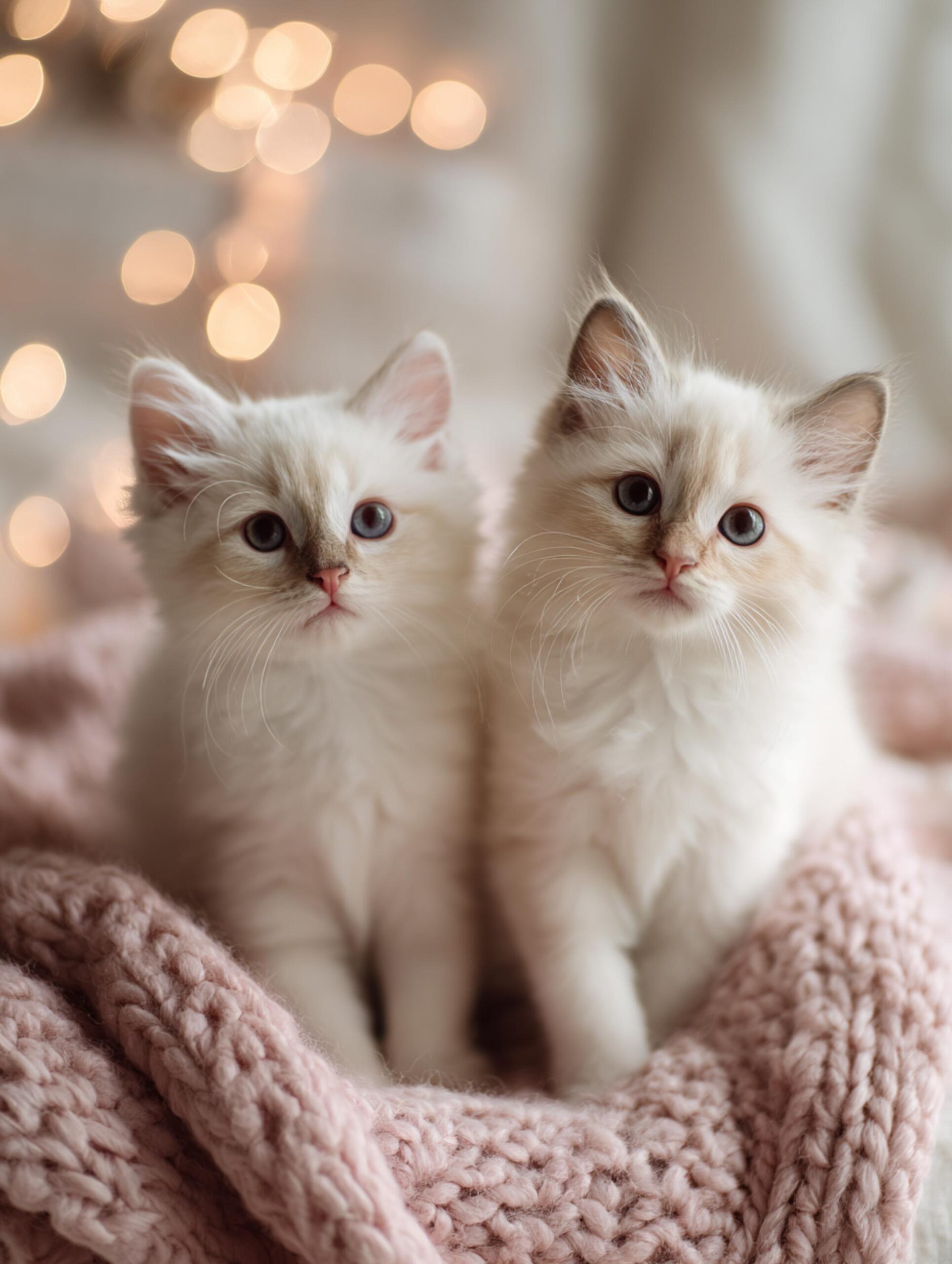
For Ragdolls, adding another compatible cat, especially another Ragdoll, is often not just helpful. It is the single most effective way to prevent loneliness and separation-related stress.
Ragdolls are highly social cats that were bred to live in close emotional proximity. When kept alone, they rely almost entirely on humans to meet those needs. When paired, they gain constant companionship that humans simply cannot provide during workdays, sleep, or travel.
Key reasons a second Ragdoll works so well include:
- Shared emotional language
Ragdolls communicate and self-regulate well with their own breed. They match each other’s energy, play style, and need for closeness. - Continuous companionship
Another Ragdoll provides round-the-clock presence. This removes the long emotional gaps that single cats experience when humans are away. - Reduced dependency stress
Paired Ragdolls are typically calmer, more confident, and less anxious during separations because their social needs are met consistently. - Healthier bonding overall
Cats raised or kept in pairs often show more balanced attachment to humans rather than anxious over-attachment. - More stable routines
Two Ragdolls tend to reinforce each other’s schedules, which increases emotional security.
In real-world Ragdoll homes, pairs are often easier, not harder, than single cats.
Human connection still matters, but it shifts from being the sole emotional outlet to part of a healthy social system. When temperament is well matched, a second Ragdoll doesn’t just supplement wellbeing. It often resolves the core issue entirely.
This is why experienced breeders so frequently recommend Ragdolls go home in pairs, especially for working households or families with variable schedules.
Why Another Pet Is Not a Cure-All
While another cat will help, it does not completely eliminate the need for human connection.
Important considerations include:
- Human presence still matters
Ragdolls remain people-oriented even when bonded to another cat. - Compatibility risks
Poorly matched pets can increase stress through competition, mismatched energy levels, or disrupted routines.
A second Ragdoll is often very beneficial, but it works best when combined with consistent human interaction and thoughtful matching of temperaments.
Independence in Ragdolls: What Is Normal and What Is Not
Ragdolls are social cats, but that does not mean they lack independence. Independence looks very different from emotional withdrawal, and understanding the difference helps owners respond appropriately.
Healthy Independence
Healthy independence in a Ragdoll means the cat feels secure enough to disengage without disconnecting.
This typically includes:
- Self-directed rest
The cat chooses to nap, groom, or relax alone without appearing tense or isolated. - Comfort with space
The Ragdoll can spend time in another room and rejoin the household naturally, without anxiety or urgency.
In these cases, independence reflects confidence. The cat trusts that connection is available when desired and does not feel the need to constantly seek reassurance.
Problematic Independence
Problematic independence is not true independence. It is often a coping response to unmet emotional needs.
Warning signs include:
- Emotional withdrawal
Reduced interest in interaction, less following behavior, or avoidance of shared spaces. - Reduced social engagement
The cat no longer seeks proximity, shows less responsiveness to familiar people, or disengages during routine interaction.
This shift is frequently mistaken for maturity or personality change. In reality, it often reflects stress that has gone unnoticed because the cat is calm and non-disruptive.
Common Myths About Ragdolls and Loneliness
“Ragdolls can’t be left alone”
Ragdolls can tolerate time alone when routines are predictable and emotional needs are met. The issue is not absence itself, but inconsistency and prolonged emotional gaps. Many Ragdolls do well with normal workday separations, especially when paired with another Ragdoll.
“Another pet fixes everything”
Another Ragdoll often makes a significant positive difference and, in many homes, resolves loneliness almost entirely. However, success depends on compatibility and proper introduction. A poorly matched pet can create stress instead of comfort.
“Calm cats don’t get lonely”
Calm behavior does not equal emotional neutrality. Ragdolls often internalize stress rather than acting out. Loneliness in this breed usually shows up quietly through subtle changes in engagement rather than dramatic behavior.
“They’ll tell you if they’re unhappy”
Ragdolls rarely announce distress loudly. They are more likely to cope silently by withdrawing or becoming overly dependent. Owners must watch for subtle shifts rather than waiting for obvious signs.
Understanding these distinctions helps owners support emotional wellbeing without misinterpreting quiet behavior as contentment.
How to Prevent Loneliness in Ragdoll Cats
Preventing loneliness in Ragdolls is less about constant activity and more about emotional stability. This breed thrives when daily life feels predictable, socially rich, and secure.
Predictable Routines
Routine is one of the most powerful tools for emotional security in Ragdolls.
Consistent schedules help because:
- cats anticipate connection rather than worry about its absence
- feeding, play, and rest occur at reliable times
- daily rhythms create a sense of control
Ragdolls cope far better with time alone when they know exactly what to expect before and after separations. A stable routine often reduces anxiety more effectively than adding extra stimulation.
Quality Over Quantity of Interaction
Ragdolls do not need nonstop attention, but they do need meaningful interaction.
Effective engagement includes:
- short play sessions that occur daily
- calm handling or grooming
- shared downtime without pressure
A few minutes of focused attention at predictable times often does more for emotional wellbeing than long, irregular sessions. Ragdolls feel safest when interaction is reliable, not random.
Environmental and Social Enrichment
Loneliness prevention works best when social and environmental needs are addressed together.
Key supports include:
- Human presence
Being in the same room, talking softly, and acknowledging the cat reinforces connection. - Compatible companions
Another Ragdoll or similarly social cat often provides constant emotional support and companionship. - Safe spaces
Quiet areas, vertical perches, and retreat zones allow the cat to rest without interruption.
These elements create balance. The cat can engage or disengage without feeling isolated.
Who Should Be Cautious About Owning a Ragdoll
Ragdolls are not difficult cats, but they are not emotionally hands-off either. Certain lifestyles require careful consideration before choosing this breed.
People who should be cautious include:
- frequent travelers who cannot provide consistent care or companionship
- highly hands-off owners who prefer minimal daily interaction
- those expecting a fully independent cat that requires little emotional involvement
In these situations, waiting or choosing a more independent breed can be the kinder and more responsible decision. Ragdolls thrive when emotional needs are treated as part of daily care, not as an optional extra.
Frequently Asked Questions: Ragdolls, Loneliness, and Separation
Do Ragdoll cats actually get lonely?
Yes, Ragdolls can experience loneliness, but it shows up quietly. This breed was developed to be people-oriented and socially responsive, so emotional connection matters to them. Loneliness in Ragdolls is less about short periods alone and more about inconsistent routines, unpredictable absences, or lack of reliable companionship. When connection is steady, most Ragdolls cope very well.
How long can a Ragdoll be left alone safely?
Most Ragdolls tolerate a normal workday when their routine is predictable and their social needs are met before and after the absence. Problems are more likely when schedules vary daily, absences extend late into the night, or there is no companionship during long stretches. Consistency matters more than the exact number of hours.
Are Ragdolls more prone to separation issues than other cats?
Ragdolls are not fragile, but they are more socially oriented than many cats. They bond strongly and notice changes in presence. This makes them more sensitive to inconsistency, not more prone to panic. In stable homes, they are calm and adaptable. In unpredictable homes, they may struggle quietly.
How Much Attention Do Ragdoll Cats Need
Does getting a second Ragdoll really help with loneliness?
Yes. In real-world Ragdoll households, a second Ragdoll often dramatically reduces loneliness and separation-related stress. Paired Ragdolls provide constant companionship, shared routines, and emotional regulation that humans cannot offer during work hours or sleep. For many homes, pairing is the most effective solution.
Is it better to get two Ragdolls at the same time?
Often, yes. Littermates or similarly aged kittens usually adapt quickly and form strong bonds. That said, successful pairing can also happen later with proper introductions. Temperament compatibility matters more than age alone.
Can a dog or another cat replace a second Ragdoll?
A calm, cat-savvy dog or a compatible cat can help, but another Ragdoll typically provides the best match. Ragdolls share communication style, energy level, and social expectations. Mixed-species companionship can be supportive, but it does not always meet the same emotional needs.
What are signs my Ragdoll is coping well with being alone?
A Ragdoll coping well will maintain stable routines, show relaxed following behavior, and greet calmly when you return. They will rest comfortably on their own and engage willingly when interaction is offered. These signs indicate emotional security rather than dependence.
What are signs my Ragdoll is struggling with loneliness?
Warning signs include excessive following, increased vocalization around departures, withdrawal from interaction, or unexplained changes in sleep or grooming. Because Ragdolls tend to hide stress, these changes are often subtle rather than dramatic.
Can loneliness cause behavior problems in Ragdolls?
Yes, but they are often misdiagnosed. Loneliness-related stress may appear as clinginess, disengagement, or reduced confidence rather than aggression or destruction. Addressing social needs usually resolves these issues more effectively than behavior modification alone.
Are kittens more affected by loneliness than adult Ragdolls?
Kittens typically need more direct interaction and supervision, especially during development. Adult Ragdolls are often more resilient but still rely on routine and companionship. Both benefit from pairing, but kittens especially thrive with a feline companion.
Do calm Ragdolls need less emotional support?
No. Calm behavior reflects emotional regulation, not lack of need. Ragdolls often cope silently when needs are unmet. Owners should not assume that quiet behavior means everything is fine without consistent connection.
Can enrichment alone prevent loneliness?
Toys, climbing spaces, and enrichment are helpful, but they do not replace social connection for this breed. Emotional security comes from companionship and routine, not stimulation alone.
Who should reconsider getting a Ragdoll because of loneliness concerns?
Frequent travelers, highly hands-off owners, or people seeking a fully independent cat should think carefully. Ragdolls thrive in homes that value presence, routine, and companionship. When that alignment is missing, another breed may be a better fit.
Do Ragdolls need constant company?
No. Ragdolls do not need nonstop attention. They need reliable connection, predictable routines, and, in many homes, the companionship of another Ragdoll.
Final Answer: Do Ragdolls Get Lonely?
Yes, Ragdolls can get lonely, but not in the way people often imagine. Loneliness in this breed is not about being alone for short periods. It is about the consistency of connection over time.
Ragdolls are emotionally oriented cats. They cope well with daily absences when routines are predictable, companionship is available, and emotional needs are met reliably. Problems arise when connection is irregular, schedules change constantly, or the cat lacks steady social support. In those situations, stress builds quietly rather than dramatically.
Emotional connection matters more than the number of hours a Ragdoll spends alone. Shared routines, dependable interaction, and, in many homes, the presence of another Ragdoll create the stability this breed needs to thrive.
Closing thoughts:
Ragdolls do not need nonstop company, but they do need reliable connection.
Continued Ragdoll Reading
If you’re deciding whether a Ragdoll fits your lifestyle, these articles expand on temperament, social needs, and long-term ownership realities:
- How Much Attention Do Ragdoll Cats Need?
A clear breakdown of daily interaction needs, emotional presence, and how Ragdolls handle alone time. - Are Ragdoll Cats Indoor Only?
Safety, temperament, lifespan, and why indoor living is the ethical standard for this breed. - Do Ragdolls Like to Be Held?
What the “floppy cat” reputation really means, how genetics and early handling matter, and realistic handling expectations. - Are Ragdolls Good for First-Time Owners?
An honest look at temperament, care demands, cost, and lifestyle fit for beginners. - Are Ragdolls Good With Children and Families?
How Ragdolls interact with kids, what supervision matters, and when family homes are a good match. - Ragdoll Temperament Explained
A breeder-level explanation of pros and cons, personality traits, emotional sensitivity, and predictability. - Ragdoll Cat Lifetime Costs
Why Ragdolls are a long-term financial commitment beyond the kitten price. - Ragdoll Cat Shedding
What normal shedding looks like, seasonal patterns, and how to manage coat care realistically. - How Ragdoll Kittens Are Raised
Why early socialization, handling, and environment shape adult confidence and bonding. - Are Ragdoll Cats Good with Children Ragdoll cats are known for being kid friendly cats.
Sources & References
- The International Cat Association (TICA) — Ragdoll breed standard, temperament, and social traits
https://tica.org/breeds/ragdoll/ - Cat Fanciers’ Association (CFA) — Ragdoll breed profile and behavior overview
https://cfa.org/ragdoll/ - International Cat Care (iCatCare) — Cat social behavior, emotional needs, routine, and stress
https://icatcare.org/advice/ - Cornell Feline Health Center — Feline behavior, bonding, stress responses, and welfare
https://www.vet.cornell.edu/departments-centers-and-institutes/cornell-feline-health-center - Merck Veterinary Manual (Cat Owners) — Cat behavior, separation stress, and environmental management
https://www.merckvetmanual.com/cat-owners - American Veterinary Medical Association (AVMA) — Pet welfare, human–animal bonding, and responsible ownership
https://www.avma.org/resources-tools/pet-owners





Read the Comments +