
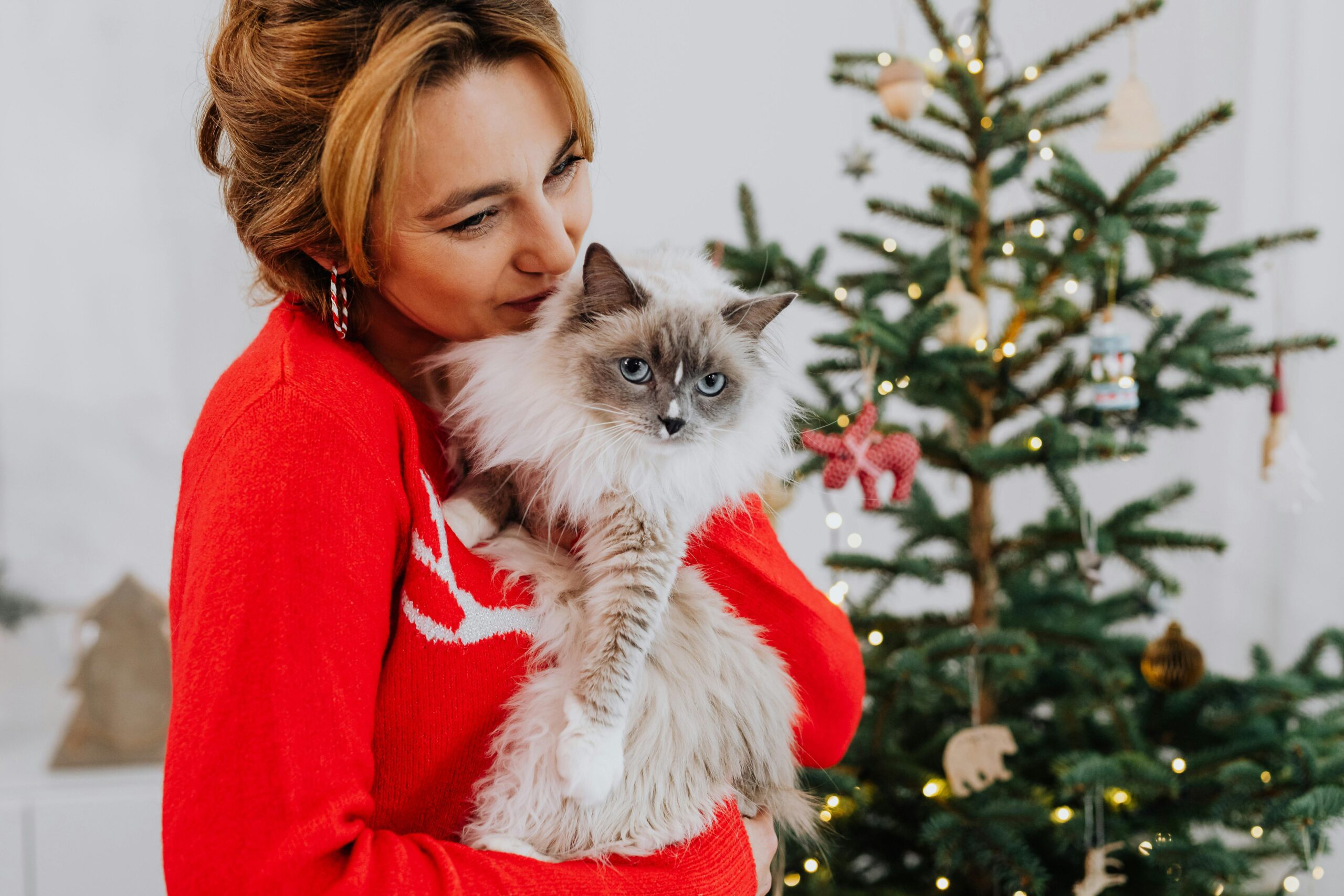
Do Ragdolls Like to Be Held? Understanding the Floppy Cats
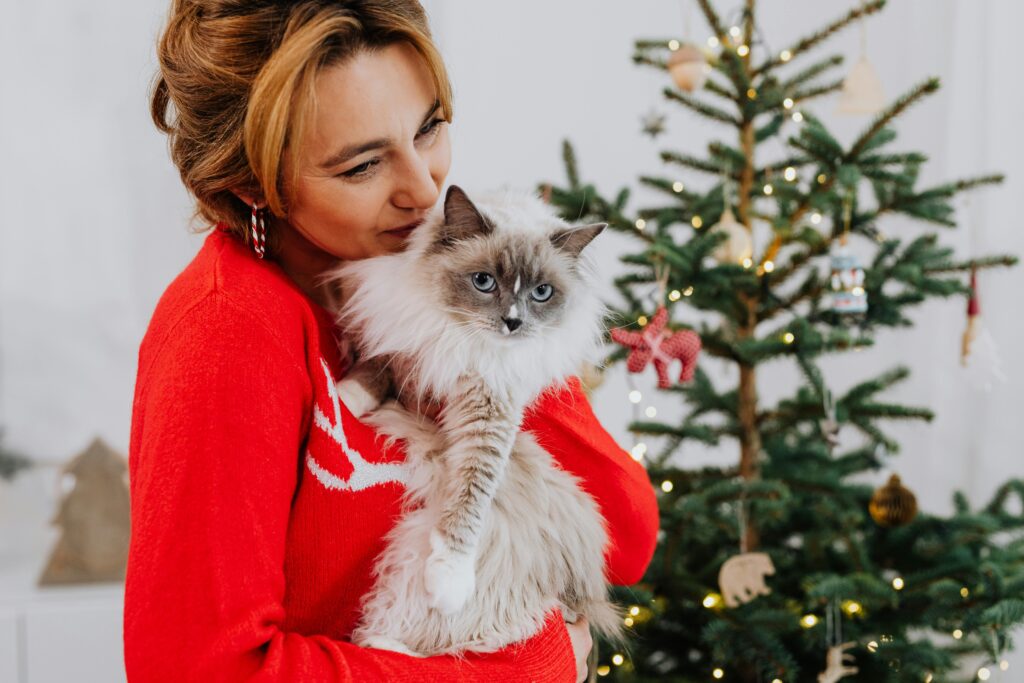
Introduction: Where the Floppy Cat Idea Comes From
Do Ragdolls like to be held? Many people approach Ragdolls with the expectation that they will enjoy being picked up and held. This expectation comes from the breed’s long-standing reputation as the floppy cat, a label that suggests relaxation, compliance, and even eagerness for physical restraint. For new owners especially, that reputation creates a clear mental picture of a cat that melts into your arms and wants to be carried.
That picture did not come from nowhere. Early breed descriptions and decades of marketing emphasized the Ragdoll’s calm temperament and reduced resistance to handling. Over time, those traits were simplified into a single idea that Ragdolls like to be held. The nuance was lost, and tolerance became confused with preference.
Reddit and forum discussions amplify that confusion. One person posts about a Ragdoll that goes limp and purrs when held. Another posts about a Ragdoll that stiffens or immediately wants down. Both experiences are real, but without context they appear contradictory. The result is endless debate with little explanation for why both can be true.
This article clarifies four points:
- what floppy actually means
- when Ragdolls tolerate being held
- when they typically do not
- what owners commonly misinterpret as affection
Do Ragdolls Like to Be Held? — Summary Table
| Topic | Key Takeaway |
|---|---|
| Breed Reputation | Ragdolls are known for calm handling tolerance, not unlimited desire to be held |
| Floppy Cat Meaning | “Floppy” describes muscle relaxation under support, not guaranteed enjoyment |
| Do Ragdolls Like Being Held? | Many do, especially when raised with early, consistent handling |
| Role of Genetics | Temperament is heritable and sets the ceiling for handling tolerance |
| Role of Early Handling | Regular, proper holding in kittenhood is essential for adult comfort |
| Individual Preference | Enjoyment varies by cat even within strong breeding lines |
| Common Discomfort Triggers | Poor body support, vertical holds, sudden lifting, overstimulation |
| Best Holding Style | Fully supported, horizontal, calm, and brief when needed |
| Tolerating vs Enjoying | Stillness can mean tolerance; relaxation and engagement signal enjoyment |
| Who Holds Best | Primary caregivers using familiar handling styles |
| Duration Expectations | Seconds to minutes is typical; long cuddles vary by individual |
| Affection Style | Ragdolls often show love through proximity and presence |
| What Builds Trust | Genetics, early handling, consistency, and respect for limits |
| What Damages Trust | Forced restraint, ignoring stress cues, inconsistent handling |
| Final Takeaway | Many Ragdolls enjoy being held, but comfort comes from breeding, early handling, and correct expectations |
What Floppy Actually Means and What It Does Not
Origin of the Term
The name Ragdoll came from early observations that some cats in the founding lines relaxed their muscles when picked up instead of struggling or becoming rigid. Compared to more reactive or defensive cats, these early Ragdolls appeared unusually calm during handling.
Those observations were accurate but limited. They described a tendency toward reduced resistance, not a guarantee that the cat enjoyed being held. Over time, as the breed gained popularity, that distinction was flattened into a marketing shorthand that implied consistency and enjoyment.
Modern expectations often assume that floppy means a cat wants to be carried. That goes far beyond what the original descriptions intended.
Floppy Does Not Mean Enjoyment
A Ragdoll relaxing its muscles does not automatically mean it enjoys being held.
Muscle relaxation versus consent
Relaxed muscles can signal trust or tolerance, but they can also indicate resignation. A cat may stop resisting because it feels safe enough not to panic, not because it wants the interaction to continue.
Passive tolerance versus active preference
Many Ragdolls tolerate being held briefly. Active preference looks different. Cats that enjoy being held seek it out, climb into arms, or return when set down. Most Ragdolls do not do this consistently.
Why stillness is often misread
People often interpret stillness as contentment. In cats, stillness can also be a freeze response where outward calm masks internal discomfort. Because Ragdolls are less reactive, this response is easy to misinterpret.
Floppy describes how a Ragdoll responds under restraint, not how it feels about the restraint itself. Recognizing that difference prevents well-meaning handling from becoming a source of stress rather than connection.
Do Ragdolls Like to Be Held?
The Short, Honest Answer
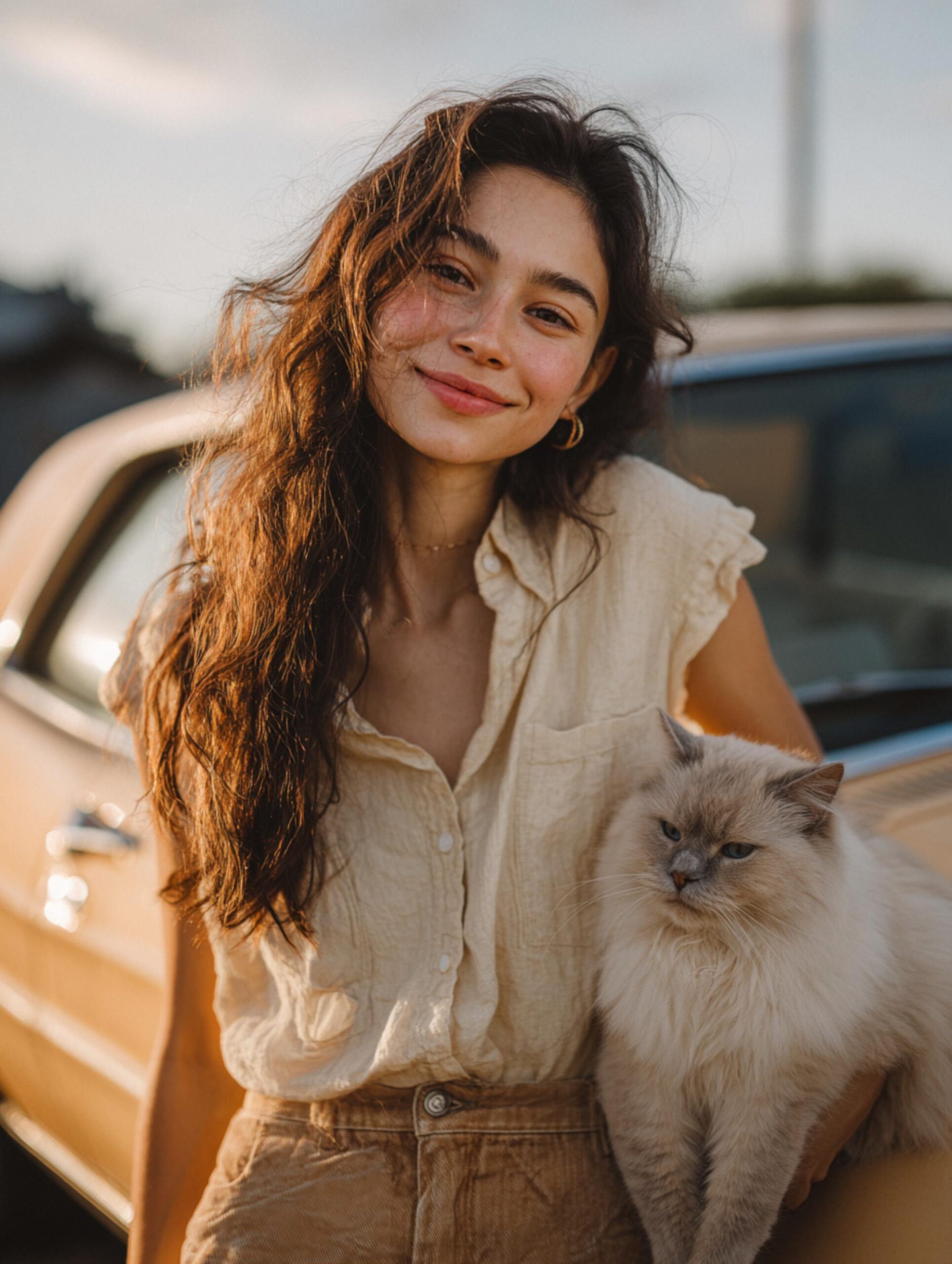
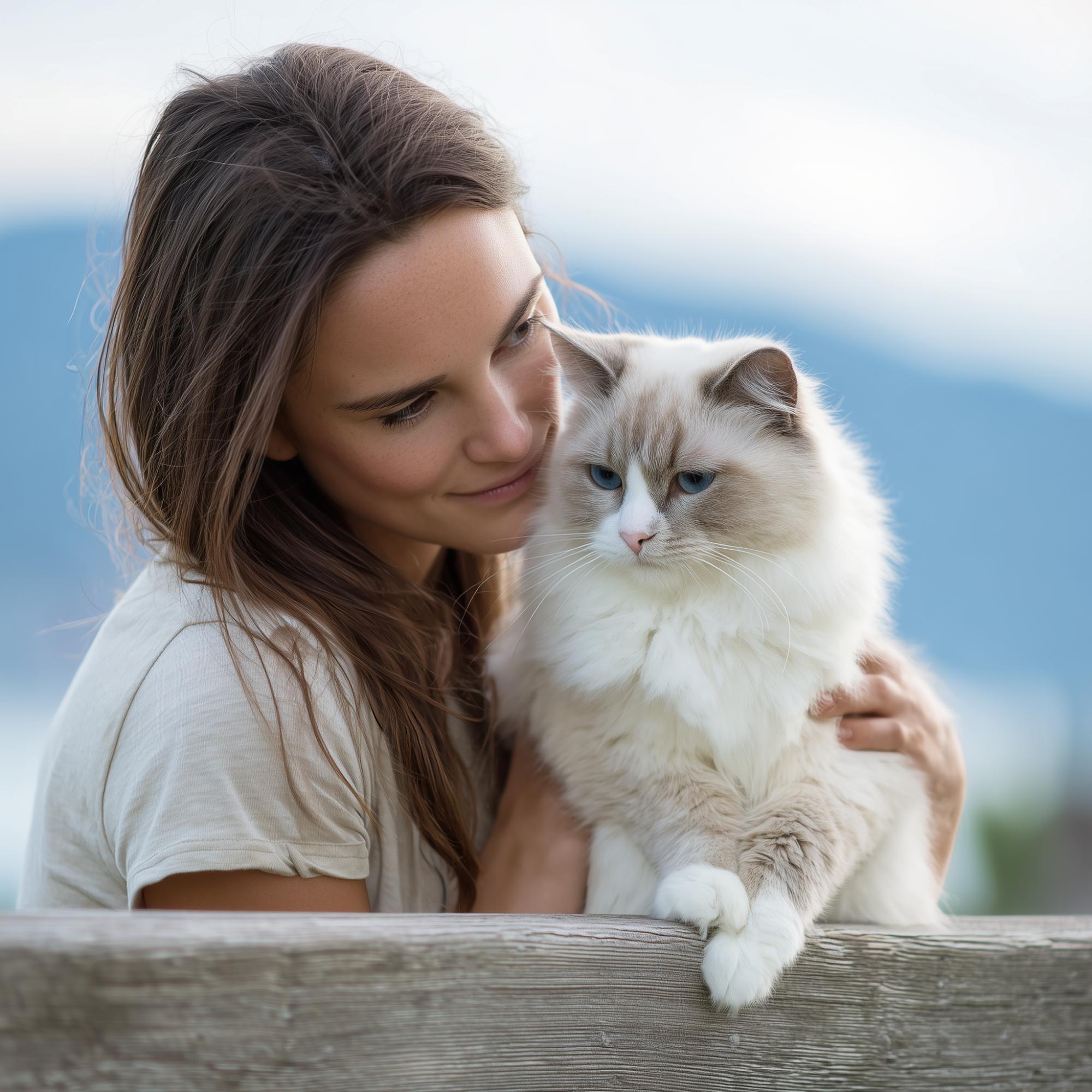
Yes, many Ragdolls like to be held. Compared to the average cat, Ragdolls are unusually tolerant of being picked up, carried, and cuddled, and a large percentage will relax in your arms when you support them correctly. This is one of the signature traits that made the breed famous.
That said, “likes to be held” still has real-world boundaries. Individual preference, handling style, and trust in the person matter. A well-bred Ragdoll may enjoy being held, but they will still communicate when they’ve had enough, and most do best with supportive, calm handling rather than tight restraint.
Why This Varies So Much
Individual personality differences
Even within excellent lines, Ragdolls vary. Some actively request pickup and will stay in arms for long periods. Others prefer long cuddles beside you, then short holds, then down again. This is normal variation, not a temperament failure.
Early handling and socialization
Ragdolls raised with consistent, gentle handling often become confident being carried. Early experiences teach a kitten that hands predict comfort and stability. That foundation tends to show up in adult cats as relaxed, cooperative behavior during holding.
Trust in the handler
Ragdolls may accept being held by family and resist unfamiliar people. That isn’t “not liking to be held.” It’s a normal, healthy preference for trusted handling. When a cat knows a person supports their body correctly and respects release cues, holding becomes comfortable rather than stressful.
Ragdolls are unusually trusting cats, which is one reason many breeders require them to live indoors.
→ Are Ragdoll Cats Indoor Only?
Why Genes Matter
Handling and socialization shape how a Ragdoll responds to being held, but genetics is an important part of the temperament factor. Temperament is not created from scratch in kittenhood. It is inherited, reinforced, and then expressed through experience.
Ragdolls were developed with a specific behavioral profile in mind: low reactivity, reduced aggression, strong human orientation, and high tolerance for handling. When breeders select consistently for these traits over generations, kittens are born with a nervous system that is already inclined toward calm responses rather than defensive ones. That genetic baseline is what makes early handling effective in the first place.
Temperament Is Heritable
Traits such as:
- tolerance for restraint
- recovery speed after stress
- startle response
- willingness to relax when touched
all have a genetic component. Kittens from stable, well-selected lines begin life with a much lower threshold for panic and a higher capacity for trust. This is why two kittens can receive similar handling and still respond very differently as adults.
Early handling teaches skills. Genetics determine how easily those skills take hold.
Why Good Lines Feel Different
Experienced breeders notice this immediately. Kittens from solid lines settle faster in the arms. They stop wiggling sooner. They relax their bodies more naturally. That response is not trained into existence. It is revealed by handling.
In contrast, kittens from poorly selected or inconsistent lines may remain tense or reactive even with correct early handling. No amount of exposure fully overrides genetic sensitivity. This is not a failure of the owner. It is a limitation set before the kitten was born.
Genetics Plus Handling Creates the Outcome
Comfort with being held is the result of two forces working together:
- inherited temperament that supports calm responses
- early, consistent handling that builds trust and familiarity
Remove either one and the result changes. Handling alone cannot fix unstable genetics. Good genetics without handling still lead to missed potential.
This is why breeder selection matters so much for families who value a Ragdoll that enjoys close physical contact. The behavior people associate with the breed comes from generations of intentional selection paired with correct early raising, not from socialization alone.
Genes do not guarantee that every Ragdoll will love being held, but they strongly influence how likely that outcome is and how comfortably the cat can tolerate and enjoy human touch over a lifetime.
How Ragdolls Typically Show Affection (In Addition to Being Held)
Ragdolls often show affection through physical closeness, and many enjoy being held. They also show attachment through steady presence and proximity behaviors that owners should recognize as bonding.
Following behavior
Many Ragdolls follow their people room to room because they prefer shared space. This is one of the clearest signs of a people-oriented breed.
Sitting beside, not always on
Even Ragdolls that enjoy being held may choose side-by-side contact when they’re resting. Sitting pressed against you, touching paws, or leaning into your leg is affectionate contact without being lifted.
Sleeping nearby
Ragdolls often choose to nap close to their person or in the same room. That choice signals trust and attachment, even when the cat isn’t asking to be picked up.
Floor-level contact vs elevated restraint
A lot of Ragdolls enjoy being held most when it feels stable and supportive. Owners get the best results when they treat holding as supported cuddling, not dangling or vertical restraint. When the cat feels secure, they relax—and that’s where the breed’s famous “floppy” reputation comes from.
Why Many Ragdolls Dislike Being Picked Up
Even in a breed known for tolerance and calm handling, not every Ragdoll enjoys being picked up. Discomfort usually has less to do with temperament and more to do with how restraint feels to a cat’s body and senses.
Loss of Control
Elevated restraint vs ground security
Cats feel safest when all four feet are supported. Being lifted removes that stability. Even a confident Ragdoll can feel uncertain once its body is suspended, especially if the lift happens suddenly or without warning.
Why cats prefer choice of contact
Cats regulate comfort through choice. When they initiate contact—approaching, leaning, or climbing onto a person—they remain in control. Being picked up reverses that dynamic. Some Ragdolls tolerate it calmly, but others dislike the loss of agency even if they trust the person holding them.
Body Structure and Comfort
Size and weight distribution
Ragdolls are large, heavy-bodied cats with substantial bone and muscle. Their weight distributes differently than smaller or lighter breeds. If the body is not fully supported, pressure concentrates in uncomfortable areas, making the hold feel unstable.
Why being carried feels unstable
Unsupported hindquarters, dangling legs, or vertical holds shift the cat’s center of gravity. Even cats that like being held may resist if they feel unbalanced. Discomfort here is physical, not behavioral.
Sensory Overload
Smell, movement, pressure, unpredictability
When held, a cat experiences close-range smells, body heat, shifting pressure, and movement all at once. Add walking, talking, or environmental noise, and the sensory input can escalate quickly. Some Ragdolls disengage calmly. Others ask to be put down. Neither response indicates poor temperament—it reflects sensory threshold.
When Ragdolls Are Most Likely to Accept Being Held
Ragdolls are most comfortable being held when conditions support relaxation rather than stimulation.
Timing Factors
After play
After a play session, energy levels drop and muscles relax. This is one of the best times to lift and hold briefly, as the cat is already regulated.
During calm household moments
Quiet periods—reading, watching television, low activity—create predictable environments. Ragdolls are more likely to accept being held when nothing else is demanding attention.
When sleepy
Drowsy cats are less reactive and more tolerant of handling. Many Ragdolls accept short holds when they are already resting or settling in.
Who Can Hold Them
Primary caregivers vs strangers
Ragdolls usually accept handling best from people they trust. Familiar caregivers know how to support the body properly and read subtle cues. Strangers lack that history, which makes even tolerant cats less comfortable.
Familiar handling styles
Cats respond to consistency. A Ragdoll that enjoys being held by one person may resist another who uses a different grip, pace, or posture. Preference here reflects familiarity, not affection level.
Duration Expectations
Seconds to minutes, not long cuddles
Even Ragdolls that enjoy being held usually prefer short to moderate durations. Many are happy to be picked up, held briefly, then set down to re-engage on their own terms. Expecting prolonged cuddling in arms sets up unnecessary friction.
Understanding these boundaries helps owners handle Ragdolls in ways that feel secure, respectful, and genuinely enjoyable—for both the cat and the person holding them.
Common Handling Mistakes That Make Ragdolls Resist
Even Ragdolls that are generally tolerant of handling can develop resistance when they are handled in ways that undermine trust or physical comfort. These mistakes are common, well-intentioned, and often reinforced by outdated advice.
Lifting Without Warning
Picking a cat up suddenly removes their ability to prepare. Ragdolls may stay still rather than struggle, but that stillness often reflects surprise rather than comfort. Over time, unexpected lifting teaches the cat to anticipate restraint and avoid interaction preemptively.
Holding Vertically
Vertical holds shift weight onto the spine and hindquarters and remove full body support. This position feels unstable for large, heavy-bodied cats like Ragdolls. Cats held this way often tense or push away, even if they are otherwise affectionate.
Ignoring Subtle Stress Cues
Ragdolls communicate discomfort quietly. Slow tail movement, stiff limbs, averted gaze, or shallow breathing often appear before overt resistance. Ignoring these signals teaches the cat that communication does not lead to relief, which erodes trust and increases avoidance.
Forcing Exposure to Teach Tolerance
Repeatedly holding a cat longer than it prefers in the name of training does not build comfort. It builds resignation. Forced exposure suppresses behavior temporarily but increases long-term stress. Cats that learn their signals are ignored often escalate later or withdraw from contact altogether.
Why these backfire long-term
These approaches reduce the cat’s sense of control. Over time, even tolerant Ragdolls may resist handling, avoid proximity, or show subtle anxiety around people. Respectful handling builds cooperation; forced handling creates distance.
Kitten vs Adult Ragdolls: Expectations Over Time
Kittens
Higher tolerance
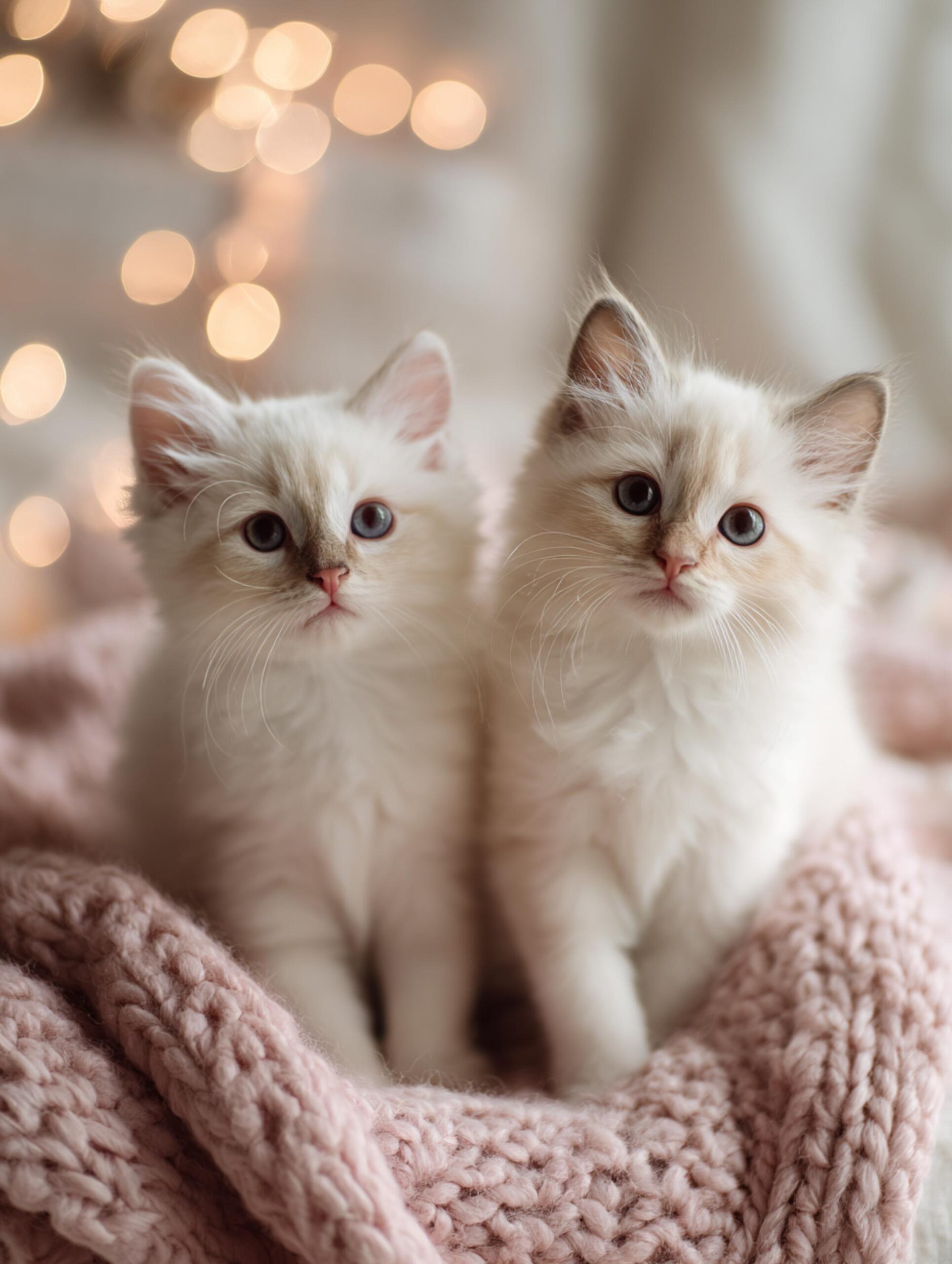
Ragdoll kittens are typically more flexible about handling. Their lighter weight, developing boundaries, and frequent early handling make them more accepting of being picked up.
More flexibility
Kittens adapt quickly and recover easily from mild discomfort. This often leads owners to assume that enjoyment of being held is permanent.
Why this often changes
As kittens mature, their bodies grow heavier and their preferences become clearer. What was once tolerated without thought may feel uncomfortable or unnecessary. This shift reflects normal development, not a change in temperament.
Adults
Clearer boundaries
Adult Ragdolls are more consistent about what they enjoy. They may still accept being held, but they are clearer about duration, timing, and handler preference.
Preference for proximity over restraint
Many adult Ragdolls choose closeness without being lifted. Sitting beside their person, leaning in, or sleeping nearby offers the same emotional connection without physical restraint.
Recognizing this progression helps owners adjust expectations and maintain positive relationships as their Ragdoll matures.
How to Hold a Ragdoll Correctly
When a Ragdoll accepts being held, how you hold them determines whether the experience stays comfortable or quickly becomes something they want to avoid. Proper handling supports the body, preserves trust, and respects the cat’s ability to disengage.
Supporting Full Body Weight
Always support the chest, torso, and hindquarters. Ragdolls are heavy-bodied cats, and allowing any part of the body to dangle creates strain and insecurity. One arm should support the front of the body while the other supports the rear, distributing weight evenly and preventing pressure on the spine or hips.
Horizontal Positioning
Ragdolls feel most secure when held horizontally, with their body parallel to the ground. This position mimics the support of standing or lying down and keeps the center of gravity stable. Avoid vertical holds where the cat’s body hangs downward, as this often causes tension even in tolerant cats.
Letting the Cat Disengage Freely
Holding should never trap the cat. If a Ragdoll shifts, stretches, or signals the desire to leave, lower them calmly and immediately. Cats that know they can disengage without resistance remain more relaxed and cooperative during future handling.
Signs to Stop Immediately
Put the cat down right away if you see:
- sudden stiffening or freezing
- increased tail movement
- turning the head away sharply
- pushing with the hind legs
- shallow or rapid breathing
Stopping early preserves trust and prevents escalation. Their relaxed response to handling is also why outdoor risks affect Ragdolls differently than other breeds.
→ Are Ragdoll Cats Indoor Only?
Signs Your Ragdoll Is Tolerating vs Enjoying Being Held
Not all calm behavior means enjoyment. Learning to read the difference protects the relationship and keeps handling positive.
Tolerating
These signs indicate acceptance without pleasure:
- stiff or rigid posture
- averted or unfocused gaze
- silent stillness without engagement
The cat is allowing the interaction but not actively enjoying it.
Enjoying
These behaviors suggest genuine comfort:
- relaxed, loose limbs
- leaning into your body
- purring combined with active engagement, such as head movement or repositioning
Cats that enjoy being held often re-engage after being set down or remain relaxed without tension.
Recognizing these differences helps owners handle Ragdolls in ways that build trust rather than testing it.
Should You Acclimate a Ragdoll to Being Held?
Yes. Ragdoll kittens need to be held from a young age if you want them to be comfortable being held as adults. This is not optional, and it is not controversial among experienced breeders. Cats do not automatically accept being picked up. They learn that it is safe through repeated, calm handling during kittenhood.
Kittens that are handled daily grow up expecting human contact. Kittens that are rarely held often remain uncomfortable with it, regardless of breed. Ragdolls are known for their tolerance because they are typically raised with extensive early handling.
Early holding teaches a kitten that hands do not mean danger, elevation does not mean panic, and restraint does not mean harm.
What Proper Early Handling Looks Like
Holding works when it is done correctly and consistently.
- Pick kittens up calmly and confidently
- Support the entire body, including the hind end
- Keep the body level and close to your chest
- Hold for short, positive periods
- Set the kitten down before it becomes tense
This kind of handling builds comfort, not resistance. The kitten learns that being held is predictable and safe.
What Early Handling Does and Does Not Do
Early handling creates tolerance and confidence. It does not create a cat that wants to be held endlessly without limits.
Even well-raised Ragdolls will still have preferences as adults. Some enjoy being carried often. Some prefer shorter holds followed by sitting beside you. That variation reflects personality, not a failure in raising.
What early handling does ensure is that the cat:
- does not panic when lifted
- does not feel threatened by restraint
- can be held for grooming, vet visits, and daily life
Why This Matters Long Term
Cats that are not acclimated early often become difficult to handle later. They resist grooming, fight restraint at the vet, and experience higher stress during routine care. This is not temperament — it is lack of early exposure.
Early handling is part of responsible raising. It supports long-term welfare, safety, and trust between the cat and the people who live with it.
Ragdolls have the reputation they do because breeders put this work in early.
Frequently Asked Questions About Ragdolls and Being Held
Do Ragdoll cats like to be held?
Many Ragdolls do like being held, especially when they are raised with consistent, gentle handling from kittenhood. Compared to the average cat, Ragdolls are far more tolerant of being picked up and supported. That said, enjoyment still varies by individual. Some Ragdolls actively seek being held, while others prefer shorter holds followed by close contact beside their person. Liking to be held is common in the breed, but it is not identical in every cat.
Is the “floppy cat” trait real in Ragdolls?
Yes, the floppy response is real, but it is often misunderstood. The term describes a tendency for many Ragdolls to relax their muscles when handled rather than struggling or reacting defensively. It does not mean every Ragdoll wants to be carried for long periods, nor does it mean they enjoy every handling situation. Floppiness reflects tolerance and calmness, not unlimited consent.
Does early handling really make a difference?
Absolutely. Early handling is one of the most important factors in whether a Ragdoll is comfortable being held as an adult. Kittens that are picked up, fully supported, and handled calmly on a daily basis learn that human hands are safe. This early exposure builds confidence and reduces fear responses later in life. Cats that are not handled regularly as kittens are much more likely to resist being picked up as adults, regardless of breed.
Can you train a Ragdoll to like being held later in life?
You can improve tolerance in adult cats, but it is much harder than starting in kittenhood. Adult acclimation requires patience, short sessions, proper support, and respect for boundaries. While some adults become more comfortable over time, early handling creates far more reliable and relaxed outcomes. Genetics also play a major role in how successful later acclimation will be.
Why does my Ragdoll go still when I hold them?
Stillness can mean relaxation, but it can also mean tolerance. Ragdolls are less reactive than many cats, so they may remain quiet even when they are not fully comfortable. To tell the difference, look at body language. Relaxed limbs, leaning in, and engaged purring suggest enjoyment. Stiff posture, averted gaze, or tense muscles suggest the cat is tolerating the hold rather than enjoying it.
How long do Ragdolls usually like to be held?
For most Ragdolls, enjoyment lasts seconds to a few minutes rather than long cuddling sessions. Even cats that like being held often prefer to be set down and then re-engage on their own terms. Expecting prolonged holding sets unrealistic expectations and can lead to resistance over time.
Why does my Ragdoll like being held by me but not by others?
Trust and familiarity matter. Ragdolls often accept handling best from their primary caregivers because those people support the body correctly and respond to subtle cues. A cat refusing to be held by strangers does not mean it dislikes being held. It means the cat recognizes differences in handling style, confidence, and predictability.
Do male or female Ragdolls differ in holding preference?
There is no consistent rule based on sex alone. Individual personality, genetics, and early handling matter far more than whether the cat is male or female. Both males and females can enjoy being held or prefer proximity without restraint.
Why do some Ragdolls dislike being picked up even when well bred?
Body structure and comfort play a role. Ragdolls are large, heavy-bodied cats. If their weight is not fully supported, being picked up can feel unstable or uncomfortable. Sensory overload, movement, or being lifted unexpectedly can also cause discomfort. Dislike of being picked up is often about physical sensation, not temperament.
Does enjoying being held mean a Ragdoll is more bonded?
Not necessarily. Many deeply bonded Ragdolls prefer to show affection through following behavior, sitting close, sleeping nearby, or leaning into their person. Bonding is about trust and presence, not just physical restraint. A cat that chooses proximity consistently is strongly attached, even if it does not want to be carried often.
Are Ragdolls better for people who want cuddly cats?
Ragdolls are a good fit for people who want a calm, affectionate cat that enjoys human company. They are an excellent choice for owners who value closeness and interaction. However, people who specifically want a cat that seeks long periods of lap holding or being carried should understand that this varies by individual, even within this breed.
Can improper handling make a Ragdoll dislike being held?
Yes. Holding without warning, poor body support, vertical lifting, or ignoring early stress cues can teach a cat that being picked up is uncomfortable. Over time, even tolerant Ragdolls may resist handling if these patterns repeat. Proper technique and respecting when a cat wants down preserve trust and long-term comfort.
Why does breeder quality matter for holding tolerance?
Temperament has a genetic component. Breeders who consistently select for calm, people-oriented cats produce kittens that are easier to socialize and more comfortable with handling. Good genetics do not guarantee a cat will love being held, but they significantly increase the likelihood that early handling will result in relaxed, cooperative adults.
Is it normal for preferences to change as Ragdolls mature?
Yes. Kittens are lighter, more flexible, and often more tolerant of handling. As Ragdolls grow larger and develop clear preferences, they may want shorter holds or different forms of contact. This change reflects normal development, not a loss of affection.
What is the healthiest expectation to have about holding a Ragdoll?
The healthiest expectation is that many Ragdolls will accept and often enjoy being held when raised and handled correctly, but that enjoyment has limits and varies by individual. Respecting those limits leads to calmer cats, stronger bonds, and fewer handling issues over the cat’s lifetime.
In Conclusion
Ragdolls are known for being calm, people-oriented cats, and many do enjoy being held when they are raised with consistent, gentle handling from kittenhood. That early exposure creates comfort and confidence with being picked up as adults. Individual preferences still matter.
Some Ragdolls enjoy long cuddles in arms, while others prefer shorter holds followed by close contact beside their person. Understanding the difference between tolerance and enjoyment, handling the cat correctly, and respecting when a cat wants to be put down leads to better relationships and calmer, more cooperative cats over time.
Continued Ragdoll Reading
If you’re still deciding whether a Ragdoll fits your home, these guides expand on temperament, care, and long-term ownership realities:
- Ragdoll Cats Explained by a Breeder
A complete breakdown of temperament, care needs, health realities, and who the breed is truly suited for. - Ragdoll Cat Health Complete Health review of Ragdoll cats.
- Is A Ragdoll Right for You?
A Ragdoll is right for you if you want calm companionship, routine, and emotional presence - How Ragdoll Kittens are Raised Our Ragdoll kittens are raised through a structured, stage-based process that supports confidence, handling tolerance, and adaptability.
- Are Ragdoll Cats Hypoallergenic?
A realistic explanation of allergies, Fel d 1, and why coat type doesn’t equal allergy safety. - What Living With A Ragdoll is Like
Living with a Ragdoll doesn’t match the extremes you see online. - Ragdoll Cat Lifespan: Lifespan and health tips.
- Ragdoll Health Testing Explained
What breeders test for, what results actually mean, and why testing reduces risk but never guarantees outcomes. - Ragdoll Cat Shedding Ragdoll shedding is normal, consistent, and manageable when expectations match the reality of the breed.
- Ragdoll Cat Lifetime Costs Ragdoll cats are a long-term financial commitment that extends beyond the initial kitten price.
- Is a Ragdoll Cat Good for First Time Cat Owners Ragdolls can be excellent first cats when chosen for lifestyle fit, and not just their floppy reputation.
Sources & References
- The International Cat Association (TICA) — Ragdoll breed standard, temperament, and breed history
https://tica.org/breeds/ragdoll/ - Cat Fanciers’ Association (CFA) — Ragdoll breed profile and temperament description
https://cfa.org/ragdoll/ - International Cat Care (iCatCare) — Feline behavior, handling, socialization, and welfare
https://icatcare.org/advice/ - Cornell Feline Health Center — Cat behavior, stress responses, and human–cat interaction
https://www.vet.cornell.edu/departments-centers-and-institutes/cornell-feline-health-center - Merck Veterinary Manual (Cat Owners) — Feline behavior, handling tolerance, and stress indicators
https://www.merckvetmanual.com/cat-owners - American Veterinary Medical Association (AVMA) — Companion animal handling, welfare, and human–animal interaction
https://www.avma.org/resources-tools/pet-owners - Overall, K. (2013). Manual of Clinical Behavioral Medicine for Dogs and Cats — Foundations of feline handling, stress, and tolerance
(Elsevier)
These sources support the behavioral, genetic, and handling principles discussed in this article and reflect current veterinary and breeder understanding of feline temperament and socialization.





Read the Comments +