
Exotic Shorthair Kittens for Sale: Breed Overview
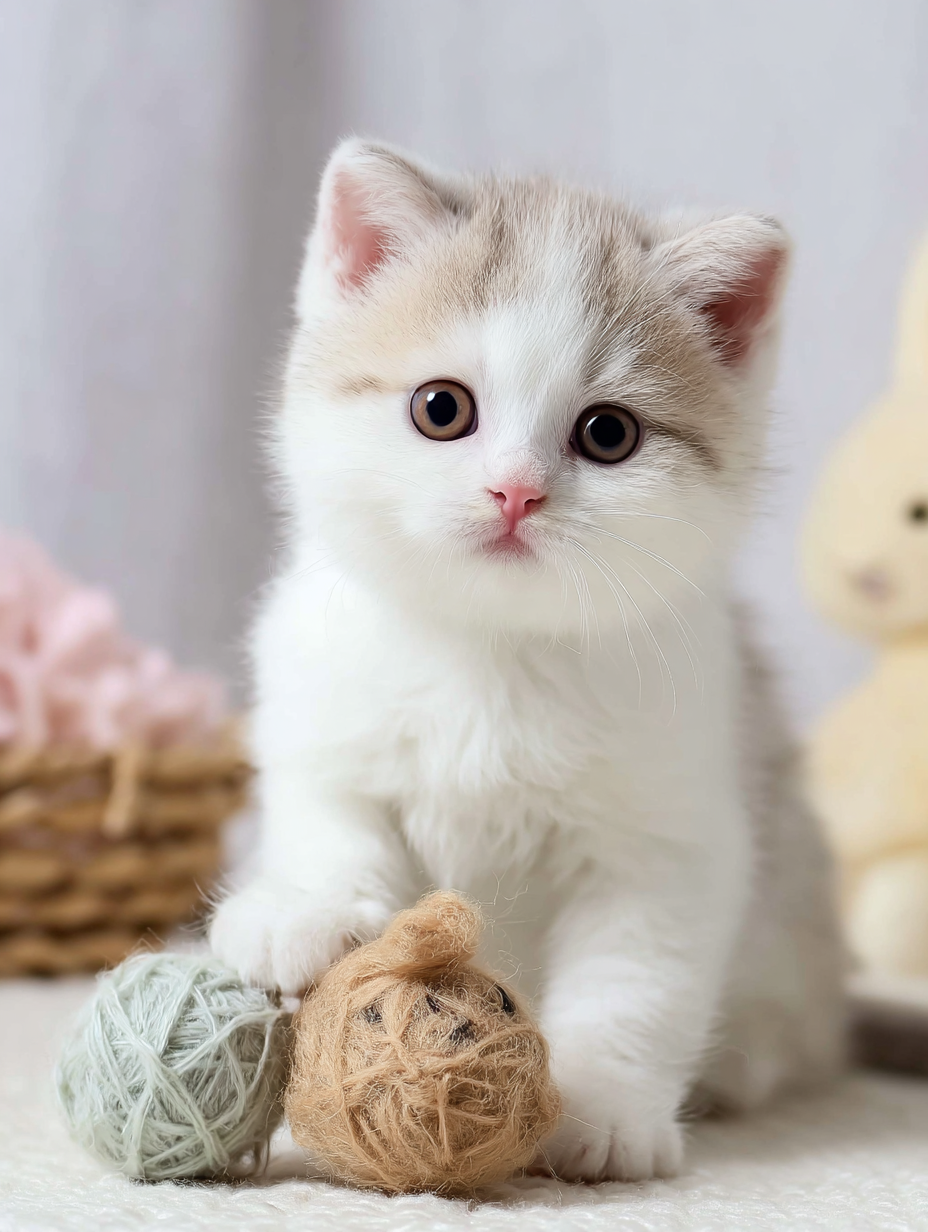
Exotic Shorthairs are often described as the shorthaired version of the Persian, offering the same sweet expression, round features, and gentle temperament but with a plush, dense coat that is far easier to maintain. Known for their calm, affectionate personalities and teddy-bear appearance, Exotic Shorthairs have become one of the most popular companion breeds for families wanting the look of a Persian without the intensive grooming requirements.
Exotics maintain all the classic Persian traits—large round eyes, chubby cheeks, stocky bone, a cobby body, and a peaceful, adaptable nature—while their thick, soft, low-maintenance coat makes daily care more manageable. This guide explains Exotic Shorthair price ranges, temperament, coat types, health considerations, colors, registration, ethical sourcing, and what to expect when bringing home a purebred Exotic Shorthair kitten.
Exotic Shorthair Summary Table
| Category | Key Details | Notes |
|---|---|---|
| Breed Type | Exotic Shorthair | Shorthaired Persian variant with plush coat |
| Temperament | Gentle, affectionate, calm, quiet | Ideal for peaceful homes and apartment living |
| Average Price | $2,000–$5,500+ | Depends on pedigree, color, head type, & registration |
| Coat Type | Plush double coat, short but dense | Requires brushing 2–3× weekly |
| Colors Available | Solid, tabby, bicolor, calico, smoke, silver, pointed | One of the widest color ranges in any breed |
| Lifespan | 12–16+ years | Strongly depends on PKD-negative lines |
| Grooming Level | Moderate | Less demanding than Persians |
| Activity Level | Low–moderate | Playful in short bursts |
| Good for Families? | Yes | Sweet, calm, tolerant |
| Indoor Only? | Yes | Brachycephalic structure requires indoor living |
| Registry Eligibility | CFA, TICA | CFA is the primary standard for the breed |
| Health Considerations | PKD, airway structure, tear ducts | Choose breeders selecting for balanced faces |
History & Origin of the Exotic Shorthair
The Exotic Shorthair was developed in the 1950s–1960s when breeders sought to introduce a shorthaired version of the Persian. The original crosses combined Persians with American Shorthairs, and later with Burmese and Russian Blues, ultimately creating a plush, dense coat with heavy bone and Persian facial structure.
Key Development Milestones
- Initially bred to establish a shorthaired Persian-type cat
- CFA officially recognized the Exotic Shorthair in 1967
- TICA and other registries followed shortly after
- Over time, continued breeding to Persians refined their structure
- Today, Persians are the only allowed outcross in most registries
Modern Exotics are essentially Persians with a short coat—sharing almost identical breed standards, body type, and expression.
Exotic Shorthair Breed Recognition & Registration
Exotic Shorthairs are fully recognized by:
- CFA
- TICA
- WCF
- GCCF
- FIFe
- ACFA
This universal acceptance reflects their established status within the Persian family of breeds. Registration is critical for maintaining the Persian-based standard, as many “flat-faced shorthaired mixes” are misrepresented as Exotic Shorthairs online.
Why Registration Matters
- verifies that the kitten comes from Persian/Exotic lineage
- ensures consistent head type, eye shape, bone structure, and coat density
- confirms ethical breeding practices
- protects against backyard breeding and misrepresented mixes
- allows families to trace pedigree health and genetic testing history
A registered Exotic Shorthair is predictable in temperament, grooming needs, and structure, differentiating them from domestic shorthairs with similar facial features.
Exotic Shorthair Appearance & Structure
Exotic Shorthairs have a distinctive look that sets them apart from ordinary shorthaired cats.
Defining Characteristics
- round, broad head
- short nose with defined nose break
- large, round, expressive eyes
- cobby, compact body
- heavy, substantial bone
- short, thick tail
- small, rounded ears
- sweet, gentle facial expression
The look is essentially Persian type with a shorter coat.
Coat Type
The Exotic coat is:
- plush
- dense
- medium-short
- thick enough to stand away from the body
- cool and velvety to the touch
This coat type is what makes the breed unique—it offers the Persian look without the daily brushing required of longhairs.
Exotic Shorthair Colors & Patterns
Exotic Shorthairs come in nearly all recognized Persian colors and patterns, offering one of the widest color ranges in the cat fancy.
Solid Colors
- Black
- Blue
- Cream
- Red
- White
- Chocolate
- Lilac
Tabby Patterns
- Classic
- Mackerel
- Spotted
- Patched (torbie)
- Silver tabby variations
Bicolor & Tricolor
- Black and white
- Blue and white
- Red and white
- Van, harlequin, tuxedo patterns
- Calico and dilute calico
Shaded & Smoke
- Shaded silver
- Chinchilla silver
- Shaded golden
- Smoke varieties
Pointed Exotic (Himalayan Division)
Some registries classify pointed Exotic Shorthairs as Himalayan division Persians. They have:
- blue eyes
- seal, blue, flame, cream, chocolate, lilac points
- the same body type as traditional Exotics
This color diversity ensures that Exotic Shorthairs appeal to families wanting anything from dramatic contrast to classic solid shades.
Exotic Shorthair Kitten Temperament
Exotic Shorthairs are calm, affectionate, and people-oriented. They are more playful and animated than Persians but far more relaxed than active breeds like Bengals, Abyssinians, or Orientals.
Temperament Traits
- gentle and sweet-natured
- good with respectful children
- enjoy lounging near their people
- playful without being hyperactive
- adaptable to apartments and houses
- quiet, soft-voiced communicators
- steady, observant personalities
Exotics appreciate companionship but are not overly demanding. Their temperament makes them excellent for homes wanting a low-drama, affectionate companion with an easygoing nature.
Exotic Shorthair Kitten Price
Exotic Shorthair kittens typically range from $2,000 to $5,500+ depending on lineage, color, breeder reputation, and whether the kitten is show quality or pet quality. Because Exotics share lineage with Persians and require careful breeding to maintain healthy facial structure and correct coat density, reputable breeders often invest heavily in health testing, registration, and selective pairing. Rare colors such as chocolate, lilac, high-silver shaded, and show-quality bicolor patterns often sit at the upper end of the price spectrum.
Price Influencing Factors
- Pedigree & titles in the ancestry
- CFA or TICA registration
- Show-quality head type (round skull, correct nose break)
- Color rarity (chocolate, lilac, high silver)
- Pointed division / Himalayan lineage
- Breeder health testing protocols
- Age, gender, and spay/neuter status
- Demand in your region
Because the breed is widely counterfeited—many domestic shorthaired mixes are sold online as “Exotic Shorthairs”—authentic, properly registered kittens from ethical catteries are consistently valued higher.
Exotic Shorthair Kitten Price Table
| Quality Level | Price Range | What It Includes |
|---|---|---|
| Pet Quality | $2,000–$3,500 | Registration, vaccinations, spay/neuter, typical colors |
| Show Quality | $3,500–$5,500 | Strong head type, exceptional structure |
| Rare Color Lines | $4,500–$6,500+ | Chocolate, lilac, high silver, pointed lines |
| Retired Adult | $500–$1,500 | Ideal for quiet homes wanting an older companion |
Exotic Shorthair Grooming Needs
The Exotic Shorthairs have a coat that appears short but behaves like a plush, dense, double-layered teddy-bear texture. While their grooming requirements are lower than Persians, they still benefit from regular coat maintenance to prevent matting, reduce shedding, and keep the coat clean and healthy.
Coat Care Routine
- Brush 2–3 times per week using a metal comb or soft slicker
- Wipe tear tracks daily for flat-faced kittens prone to mild staining
- Weekly bath optional depending on coat density and oil buildup
- Regular nail trims and ear checks
- High-protein diet to support coat density and shine
Compared to Persians, grooming takes significantly less time, but neglecting the coat can still lead to tangles and oily buildup—especially in adolescents undergoing coat changes.
Exotic Shorthair Health & Genetic Considerations
Because Exotic Shorthairs share Persian ancestry, they inherit both the strengths and vulnerabilities of brachycephalic breeds. Ethical breeding practices and careful selection of parents are essential for reducing health risks.
Common Health Considerations
Brachycephalic Airway Structure
Flattened nose structure varies by breeder. Responsible programs focus on:
- open nostrils
- reasonable nose break
- good breathing at rest and during play
Overly extreme head type can lead to chronic breathing difficulty.
Tear Drainage Issues
Short noses can affect tear ducts. Daily eye care helps maintain comfort and cleanliness.
Polycystic Kidney Disease (PKD)
PKD is historically associated with Persian lines. Ethical breeders only use DNA-negative parents to ensure kittens do not inherit the disorder.
Hypertrophic Cardiomyopathy (HCM)
A heart screening protocol helps reduce the risk of sudden heart-related issues.
Joint and Bone Considerations
Their cobby, heavy build benefits from maintaining lean body condition throughout life.
Why Ethical Breeding Matters
Exotics from untested or unregistered lines may have:
- extreme facial flattening
- respiratory challenges
- higher PKD risk
- unstable type and unpredictable longevity
Families seeking a healthy Exotic Shorthair should prioritize breeders using health-tested Persian/Exotic lines with balanced facial structure.
Indoor vs Outdoor Living for Exotic Shorthairs
Exotic Shorthairs are strictly indoor cats. Their gentle nature, short muzzle, and slow reflex style make them unsuited to outdoor dangers.
Why They Should Stay Indoors
- susceptible to cars and predators due to calm, trusting temperament
- facial structure makes temperature regulation harder in heat or cold
- high risk of theft because of their distinctive look
- exposure to parasites and contagious disease outdoors
An enriched indoor home provides everything an Exotic needs—window perches, soft beds, feather toys, puzzle feeders, and stable routines.
How to Identify a Real Exotic Shorthair vs a Mix
Many “Exotic Shorthairs” online are simply domestic cats with slightly round faces. Authentic Exotics have very specific structural traits and must come from registered Persian/Exotic ancestry.
Traits of a True Exotic Shorthair
- CFA/TICA registration
- round skull
- large domed forehead
- short nose with clear nose break
- thick bone and cobby body
- short, plush, dense coat that stands away from the body
- small, rounded ears set low on the head
- sweet Persian-style expression
Red Flags for Mixes
- no pedigree
- straight or narrow muzzle
- tall ears
- lightweight or athletic body type
- regular domestic coat texture
- inconsistent eye shape
- suspiciously low price
If the kitten does not resemble a Persian with a plush short coat, it is likely not an Exotic Shorthair.
Exotic Shorthair vs Persian Traits Comparison Table
| Trait | Exotic Shorthair | Persian |
|---|---|---|
| Energy Level | Low–moderate | Low |
| Affection | Strong | Strong |
| Noise Level | Very quiet | Quiet |
| Grooming Needs | Moderate | High |
| Breathing Sensitivity | Moderate | High |
| Adaptability | High | Medium |
| Family Compatibility | Excellent | Excellent |
Choosing a Responsible Exotic Shorthair Breeder
A reputable breeder protects the breed’s structure, health, temperament, and lineage integrity. Proper breeding requires significant investment in time, testing, knowledge, and experience.
What Responsible Programs Provide
- registration through CFA, TICA, ACFA, or WCF
- PKD-negative breeding cats
- HCM screening
- reasonable head type that supports healthy breathing
- in-home socialization for confident, affectionate kittens
- written contract and health guarantee
- transparency regarding ancestry and color genetics
Why Ethical Sourcing Matters
A well-bred Exotic Shorthair:
- has predictable temperament
- breathes comfortably
- has a healthier facial structure
- matures into a structurally correct adult
- has lower long-term veterinary costs
See our Kittens and Program for more info.
Exotic Shorthair Kitten Care: What to Expect in the First Year
Exotic Shorthair kittens grow slowly, with bone structure, cheeks, and coat density developing well into adulthood. Their first year sets the foundation for temperament, health, and long-term wellbeing. Families adopting an Exotic should understand how their developmental stages differ from other shorthaired breeds.
Development Timeline
- 8–12 weeks: Adaptation, social bonding, litterbox confidence
- 3–6 months: Rapid growth, emerging personality, early coat thickening
- 6–12 months: Weight gain slows; facial structure becomes more defined
- 12–24 months: Final head type, eye shape, and coat density develop
Exotics mature slowly, just like Persians. Their adult look often doesn’t fully appear until 18–24 months of age.
What Kittens Learn Early
- gentle handling
- grooming routines (especially eye care)
- food schedules
- crate comfort
- household noises and normal activity
- respectful interaction with children and pets
Kittens raised in-home typically mature into calmer, sweeter, more emotionally stable adults.
Feeding Exotic Shorthair Kittens
Nutrition plays a major role in the development of a healthy Exotic Shorthair. Their stocky structure and thicker bone require nutrient-dense formulas that support growth without excess weight gain.
Diet Recommendations
- high-animal-protein wet food
- balanced kitten dry food with named meat proteins
- omega-3 fatty acids for coat clarity
- moisture intake to support tear duct health
- controlled calories to prevent early obesity
Avoid low-quality foods, high carbohydrate diets, or cheap fillers, which can contribute to coat greasiness, digestive upset, or weight gain.
Exotic Shorthair Colors Explained
Exotic Shorthairs inherit nearly the entire Persian color spectrum. Understanding the available patterns helps families recognize what is typical, what is rare, and what requires registry verification.
Color Categories
Solids
- Black, blue, chocolate, lilac, red, cream, white
Tabbies
- classic, mackerel, spotted, patched
- silver tabby variations with dramatic contrast
Bicolor & Tricolor
- black and white, blue and white
- van patterns, harlequin, tuxedo
- calico, dilute calico
Shaded & Smoke
- shaded silver
- chinchilla
- shaded golden
- smoke varieties
Pointed Division (Himalayan Colors)
- Seal, blue, chocolate, lilac, flame, cream
- always with blue eyes
Pointed Exotics are genetically identical to Himalayan Persians but carry the short coat gene.
Exotic Shorthair Color & Pattern Table
| Color Group | Examples | Notes |
|---|---|---|
| Solids | Black, blue, chocolate, lilac, cream | Classic Persian line colors |
| Tabbies | Silver tabby, brown tabby, mackerel | Strong facial markings typical |
| Shaded/Smoke | Shaded silver, chinchilla, smoke | High demand for show homes |
| Pointed Division | Seal point, blue point, flame point | Always blue-eyed |
| Bicolor/Calico | Black/white, blue/white, calico patterns | Wide variation in pattern distribution |
How to Reserve an Exotic Shorthair Kitten
Each ethical breeder handles reservations differently, but the process typically follows a predictable pattern. Families should only place deposits with breeders who offer transparent contracts, registry information, and health documentation.
Typical Reservation Steps
- Application or interview
- Waitlist or deposit
- Contract outlining health guarantee and spay/neuter terms
- Updates with photos and developmental notes
- Vet check, microchip, and vaccines before going home
- Pick-up or transport arrangements
Checklist items should include pedigree access, registry confirmation, and health test documentation.
Red Flags When Searching for Exotic Shorthair Kittens
Because Exotics are frequently misrepresented online, families should learn how to identify scams, unethical practices, or mixed-breed kittens sold under false labels.
Major Red Flags
- “Exotic Shorthair” with tall ears, narrow muzzle, or lightweight build
- No CFA or TICA registration
- Kittens listed for unusually low prices
- Breeders unwilling to disclose parent information
- No health guarantees or testing
- Kittens advertised as “rare” based solely on color
- Sellers offering multiple breeds without specialization
- Listings requesting deposits without any documentation
Mixed-breed kittens can be lovely pets, but transparency is essential. A kitten marketed as an Exotic must meet breed standards and have verifiable lineage.
Ethical Alternatives if You Love the Exotic Look
Some families love the facial structure and sweet temperament of Exotic Shorthairs but prefer breeds with fewer respiratory concerns or lower brachycephalic risk. Ethical breeders promoting balanced type are essential, but alternatives exist for families seeking similar personalities with different structure.
Potential Alternatives
- British Shorthair: round features, plush coat, low-maintenance
- Ragdoll: gentle, affectionate, calm
- Selkirk Rex: round head, plush coat, humorous temperament
- Scottish Straight: round face, sweet nature, no fold-related risks
- American Shorthair: similar to original outcross foundation, sturdy and predictable
Health Testing Expectations for Exotic Shorthairs
Because Exotic Shorthairs share Persian ancestry, health testing is crucial for responsible breeding. Ethical programs work intentionally to reduce the risks commonly associated with brachycephalic breeds while preserving correct type.
Essential Tests Ethical Breeders Use
PKD DNA Test (Polycystic Kidney Disease)
Exotics must come from PKD-negative lines. PKD is fully preventable through DNA screening, yet many unregistered breeders skip this test entirely.
HCM Screening (Hypertrophic Cardiomyopathy)
Although not as common as in some breeds, cardiac screening helps identify early heart changes and supports healthier breeding decisions.
Airway Evaluation
Responsible breeders avoid extreme facial flattening, focusing on:
- open nostrils
- balanced muzzle structure
- smooth breathing during activity
- appropriate head type that avoids respiratory stress
General Health Screening
- patella examination
- eye health assessment
- dental occlusion review
- routine bloodwork in breeding adults
Health testing helps maintain strong lines and reduces the risk of chronic issues later in the cat’s life.
Bringing Your Exotic Shorthair Kitten Home
Exotic Shorthairs adapt quickly to new environments, but the transition still benefits from careful planning. Their calm, sensitive nature makes early days especially important for long-term bonding and confidence.
Preparing Your Home
- set up a quiet, contained “starter room”
- place food, water, litter, and bedding in predictable locations
- provide hiding options and soft sleeping areas
- introduce only one new room at a time
- offer stable routines and gentle handling
First Week Expectations
Most Exotics:
- observe quietly before exploring
- seek out soft, warm spaces
- bond strongly with the people who handle them gently
- enjoy play in short, relaxed sessions
Their adaptable temperament makes settling-in smooth when the environment is calm and predictable.
Litter Training, Grooming, and Early Socialization
Exotic Shorthair kittens leave responsible breeders fully litter trained and accustomed to grooming, which helps families integrate their new kitten seamlessly.
Litter Training
Exotics respond well to:
- unscented litter
- stable litterbox placement
- low-sided boxes during kittenhood
Avoid constant litter changes or strong fragrances, as these may discourage proper box use.
Grooming
Even with a short coat, Exotics need:
- 2–3 weekly brushing sessions
- daily tear wiping if they have a shorter nose
- occasional baths depending on coat oiliness
- nail trims every 2–3 weeks
Early exposure makes lifelong grooming easier.
Socialization
They benefit from:
- calm human interaction
- predictable routines
- gentle introductions to pets
- early play with wand toys and feather teasers
This helps them grow into confident, affectionate adults.
Exotic Shorthair Lifespan & Long-Term Care
The average Exotic Shorthair lifespan is 12–16 years, with many reaching their late teens when bred ethically and maintained at a healthy weight. Their Persian lineage means they mature slowly and age gracefully when stress is minimized.
How to Support a Long, Healthy Life
- provide high-quality, moisture-rich food
- maintain a healthy weight to support breathing
- schedule annual wellness exams
- keep indoor environments calm and predictable
- maintain regular grooming routines
- monitor tear ducts and facial hygiene
- avoid extreme temperatures due to brachycephalic structure
A well-cared-for Exotic Shorthair remains affectionate, social, and playful well into later life.
Exotic Shorthair Environment & Enrichment
While not as active as high-energy breeds, Exotic Shorthairs still need meaningful enrichment to maintain ideal weight and support mental stimulation.
Suitable Enrichment
- vertical climbing structures
- window perches
- interactive toys
- light puzzle feeders
- soft beds and warm resting areas
- gentle daily play sessions
Exotics thrive in homes where they can observe, interact calmly, and feel included without overwhelming noise or activity.
Why Many Exotic Shorthair Listings Are Misrepresented
Online listings frequently advertise shorthaired domestic mixes as “Exotic Shorthairs,” especially on marketplaces and social media. These cats rarely meet breed standards in bone structure, coat density, or facial type.
Common Misrepresentations
- domestic shorthairs with roundish faces
- unregistered kittens labeled “purebred”
- extreme-flat mixes marketed as “rare”
- cats with tall ears, long muzzles, or light bone
- kittens with no documentation or pedigree
Consequences of Buying a Misrepresented Kitten
- unpredictable health
- breathing difficulties
- eye discharge or chronic tearing
- uneven coat texture
- structural issues in adulthood
- no lineage verification
- financial risk due to unsupported claims
This section positions your article as an authoritative, protective resource for kitten-seekers.
Frequently Asked Questions About Exotic Shorthair Kittens
Are Exotic Shorthair kittens good family pets?
Exotic Shorthairs are excellent family companions. They are gentle, affectionate, and patient, making them suitable for quiet households, families with respectful children, and multi-pet homes. Their steady, observant nature allows them to adapt without stress, and they tend to bond closely with the people they live with.
Do Exotic Shorthairs shed a lot?
Yes, but not as heavily as longhaired Persians. Exotic Shorthairs shed moderately year-round and more heavily during seasonal coat changes. Their plush, dense double coat requires regular brushing, but it does not mat as easily as a Persian’s long coat. Routine grooming helps control shedding significantly.
Are Exotic Shorthairs hypoallergenic?
No. Exotic Shorthairs are not hypoallergenic, and no reputable breeder should claim that they are. Their dense coat can retain dander, which may increase allergic symptoms in sensitive individuals. Bathing, brushing, and maintaining clean indoor air can help reduce allergens but cannot eliminate them.
How much do Exotic Shorthair kittens cost?
Most Exotic Shorthair kittens cost $2,000 to $5,500+, depending on pedigree, structure, color rarity, show quality, registration, and breeder reputation. Kittens with exceptional head type or rare colors such as chocolate, lilac, or high-silver shaded often fall into higher price ranges.
Why are Exotic Shorthairs expensive?
Responsible breeding requires health testing, registration with recognized associations, selective pairing to maintain type, and in-home socialization. Because the breed descends from Persians, maintaining balanced facial structure and healthy lines requires significant investment and expertise.
Are Exotic Shorthairs easy to groom?
Compared to Persians, yes. Compared to traditional shorthaired breeds, they still require more care. Their plush coat benefits from brushing 2–3 times weekly to prevent oiliness and reduce shedding. Eye wiping may be necessary for kittens with more pronounced facial structure.
Do Exotic Shorthairs have breathing issues?
Some may experience breathing challenges if bred with extreme brachycephalic features. Ethical breeders focus on moderate head type with open nostrils, good airway spacing, and reasonable nose break. Cats from balanced breeding programs typically breathe comfortably.
How long do Exotic Shorthairs live?
The average Exotic Shorthair lifespan is 12–16 years, with some reaching 17–18 when bred from healthy, PKD-negative lines. Maintaining a healthy weight and providing regular vet care can extend longevity.
Do Exotic Shorthairs get along with dogs?
Yes. Exotic Shorthairs are calm and tolerant, making them compatible with well-behaved dogs. They prefer mellow, predictable environments and often enjoy gentle canine companions who do not overwhelm them.
Are Exotic Shorthairs active or lazy?
They are moderately active. Exotic Shorthairs enjoy play sessions, wand toys, and interactive games but are not high-energy cats. Their energy level is similar to Persians: engaging, affectionate, and playful without being demanding.
Do Exotic Shorthairs like to be held?
Many Exotics enjoy gentle holding, cuddling, and lap time. They are soft-natured and affectionate, though some prefer sitting beside their people rather than being carried for long periods. Their attachment style is quiet but strong.
What colors do Exotic Shorthairs come in?
They appear in nearly all Persian colors, including solids, tabbies, bicolors, patched tabbies, calicos, smokes, shaded silvers, goldens, and Himalayan point colors. Their wide color variation is one of the most appealing aspects of the breed.
Are Exotic Shorthairs good indoor cats?
Absolutely. They are a fully indoor-only breed. Their calm nature and facial structure make them unsuited for outdoor environments. Indoors, they thrive with window perches, soft bedding, and interactive play.
Do Exotic Shorthairs get tear stains?
Some do, especially kittens with shorter nasal passages. Daily eye wiping prevents staining and keeps the face clean. Choosing a kitten from lines with balanced facial structure greatly reduces long-term tear drainage concerns.
How big do Exotic Shorthairs get?
They are a medium-sized breed with substantial bone. Most adults weigh 8–14 pounds, with males on the larger end. Their cobby body, thick build, and round head create a stocky, teddy-bear appearance.
Are Exotic Shorthairs vocal?
No. They are a quiet breed with soft, gentle voices. Most communicate through chirps, soft meows, and body language rather than loud vocalization. Their quiet nature makes them ideal for apartments or calm households.
Do Exotic Shorthairs get lonely?
They enjoy companionship and bond closely with their people. While they handle alone time better than some breeds, they thrive when given daily affection, interaction, and stable routines. Homes with someone present regularly are ideal.
Do Exotic Shorthairs have the same temperament as Persians?
Yes, but with a slightly more playful edge. Their temperament is nearly identical—sweet, stable, and affectionate—with just enough energy to engage in fun games and social play without becoming overwhelming.
Are Exotic Shorthairs good for first-time cat owners?
Yes. Their easygoing nature, predictable temperament, and moderate grooming needs make them excellent for beginners. They adapt well, learn quickly, and appreciate a peaceful routine.
Can Exotic Shorthairs live in apartments?
Yes. Their low-drama, low-noise personality makes them highly suitable for apartment living. They prefer soft bedding, warm spaces, and engaging but gentle play sessions.
Why do some Exotic Shorthairs look more like Persians?
Exotics can carry longhair genetics. If a kitten inherits two copies of the longhair gene, it may mature into a Persian instead of a shorthaired Exotic. Reputable breeders disclose genetic expectations clearly and register kittens accordingly.
Can Exotic Shorthairs be longhaired?
Yes. Longhaired kittens produced from Exotic breedings are typically registered as Persians. They are fully purebred but should not be sold as Exotic Shorthairs if they inherit the long coat.
How do I confirm a kitten is a real Exotic Shorthair?
Look for CFA or TICA registration, Persian ancestry, correct head and eye structure, cobby build, and the signature plush double coat. Avoid kittens without documentation, those with tall ears, or those listed at unusually low prices.
Do Exotic Shorthairs have high veterinary costs?
Their costs are moderate. Balanced-type Exotics generally have predictable health, but those with extreme facial structure may require additional eye or airway care. Choosing an ethical breeder minimizes future expenses.
Should Exotic Shorthairs be spayed or neutered?
Yes. Altering provides behavioral stability, prevents accidental litters, and reduces long-term health risks. Most ethical breeders place kittens already spayed/neutered or with a strict spay/neuter agreement.
Searching for a Sweet, Affectionate Kitten?
If you are exploring brachycephalic breeds but prefer healthier, balanced facial structure, visit Almonte Cats, where kittens are raised in-home for ideal temperament, health, and structure.
We specialize in ethically bred, well-socialized kittens with strong genetics, transparent registration, and lifelong support.
Related Exotic Shorthair & Persian Posts
- Persian vs Exotic Shorthair Comparison
- Persian Cat Lifespan
- Himalayan Kittens for Sale
- Exotic Shorthair Colors Explained
- Persian Grooming Guide
Sources & Veterinary References
- The International Cat Association (TICA) – British Shorthair Breed Standard
https://tica.org/breeds/breed-standards/british-shorthair-bs - Cat Fanciers’ Association (CFA) – British Shorthair Breed Profile
https://cfa.org/british-shorthair/ - Cornell Feline Health Center – General Feline Longevity & Senior Care
https://www.vet.cornell.edu/departments-centers-and-institutes/cornell-feline-health-center - American Association of Feline Practitioners – Senior Cat Care Guidelines (AAFP)
https://catvets.com/guidelines - Royal Veterinary College – Longevity & Causes of Death in Cats Study
https://www.rvc.ac.uk/vetcompass - National Library of Medicine – Longevity & Mortality in Domestic Cats (Peer-Reviewed Study)
https://pubmed.ncbi.nlm.nih.gov/30730974/ - American Veterinary Medical Association – Cat Health & Indoor vs Outdoor Safety
https://www.avma.org/resources/pet-owners/petcare/cats-and-outdoors - ASPCA – Indoor Cat Life Expectancy & Safety
https://www.aspca.org/pet-care/cat-care - Wisdom Panel / Optimal Selection – Feline Genetic Health Overview
https://www.wisdompanel.com/en-us/cat - PawPeds – British Shorthair Health Program & Genetic Guidance
https://www.pawpeds.com/cms/index.php/en/ - American College of Veterinary Nutrition (ACVN)
https://acvn.org/ - PetMD – Senior Cat Nutrition & Lifespan Health
https://www.petmd.com/cat





Read the Comments +