
Fel d 1 in Siberian Cats: What Allergy-Sensitive Owners Should Know
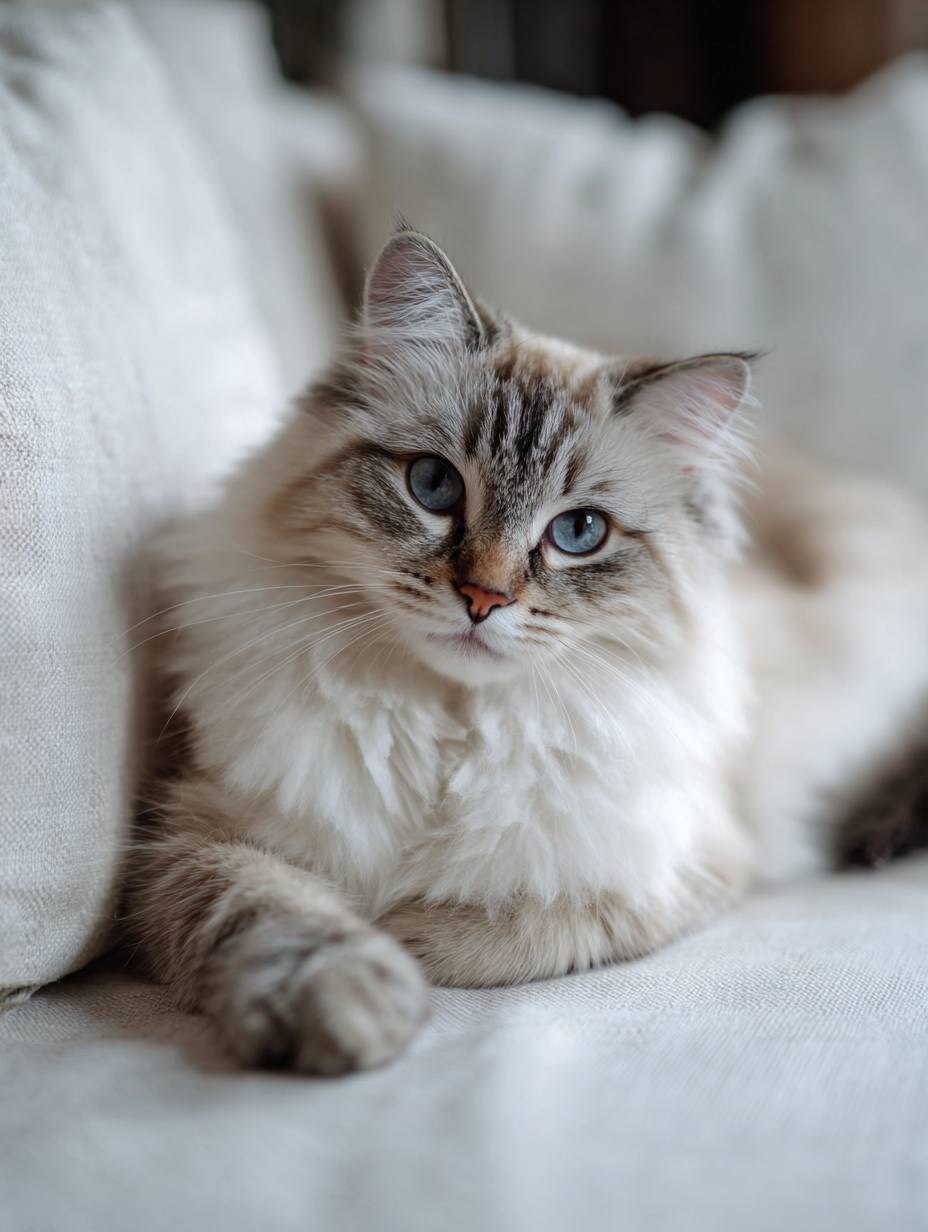
Fel d 1 is the primary allergen responsible for most cat-related allergic reactions, and it’s the reason Siberian cats are often discussed in allergy conversations. Some people tolerate Siberians better than other breeds, but reactions vary widely. Individual cats matter more than breed labels, and no cat is allergy-free.
Fel d 1 and Siberian Cats: Quick Facts
| Topic | What to Know |
|---|---|
| Fel d 1 presence | Siberian cats produce Fel d 1 like all cats |
| Allergy guarantee | No cat breed is allergy-free |
| Why Siberians are discussed | Some people tolerate certain individual Siberians better |
| What affects tolerance | Individual cat biology, hormones, environment, and exposure time |
| Best approach for allergy sufferers | Extended exposure to the specific cat plus home allergen management |
What Is Fel d 1? (Simple Explanation)
Fel d 1 is a protein, not fur. It’s produced mainly in a cat’s saliva and skin oil (sebaceous) glands, and to a lesser extent in dander. When cats groom themselves, saliva spreads Fel d 1 onto the coat. As the coat sheds and skin flakes circulate, the protein becomes airborne and settles on surfaces throughout the home.
Fel d 1 is lightweight and sticky. It clings to fabrics, carpets, clothing, and upholstery, which is why allergic symptoms can persist even after cleaning or when a cat isn’t in the room. For people who are sensitive, exposure can trigger immune responses such as sneezing, itchy eyes, congestion, coughing, or skin irritation.
Why Fel d 1 Matters for People With Cat Allergies
Allergy responses exist on a spectrum. Some people experience mild symptoms—occasional sneezing or itchy eyes—while others have more severe reactions, including persistent congestion, asthma flare-ups, or hives. The intensity depends on individual sensitivity, overall allergen load in the environment, and the specific cat involved.
Reactions can also differ in timing. Some people react immediately upon contact, while others develop symptoms only after prolonged exposure. This variability is why brief visits aren’t always reliable for predicting long-term tolerance.
The term “hypoallergenic” is misleading when applied to cats. No breed produces zero Fel d 1. When people say a breed is hypoallergenic, they usually mean that some individuals produce or spread less allergen, or that certain owners tolerate them better—not that the allergen is absent. Understanding Fel d 1 helps set realistic expectations and explains why experiences with Siberian cats can vary so widely from one household to another.
Does the Siberian Cat Produce Less Fel d 1?
Research into Fel d 1 production by breed is limited, and existing studies do not show that any cat breed is Fel d 1–free. Siberian cats do produce Fel d 1 like all cats. What research and real-world observations suggest is that some individual Siberians may produce or spread less Fel d 1, which can make them easier for certain allergy-sensitive people to tolerate.
This does not mean all Siberians are low-allergen cats. Fel d 1 levels vary widely within the breed, and averages do not predict how a specific cat will affect a specific person. Some allergy sufferers report good tolerance with one Siberian and strong reactions to another. This variability explains why experiences differ so much and why controlled exposure to an individual cat matters more than breed reputation alone.
Why Siberian Cats Are Often Better Tolerated by Some Allergy Sufferers
Several physical and behavioral traits of Siberian cats may help explain why some people tolerate them better, even though they still produce Fel d 1.
Coat type plays a role in how allergens spread. Siberians have a dense, triple-layer coat that can trap dander closer to the body rather than allowing it to disperse easily into the air. This may reduce how quickly allergens circulate through a home.
Skin oil distribution also matters. Fel d 1 is carried in skin oils, and differences in how those oils spread through the coat can affect allergen transfer to surfaces, furniture, and clothing.
Grooming behavior can influence exposure as well. Cats that groom in a more consistent, methodical way may distribute allergens differently than cats that groom excessively or irregularly.
Finally, allergen transfer patterns vary. Some Siberians appear to shed allergens more slowly or in less concentrated bursts, which can make symptoms easier to manage for people with mild to moderate sensitivities. These traits help explain tolerance differences, but they do not eliminate allergy risk.
Individual Cats Matter More Than Breed
Fel d 1 production varies significantly from cat to cat, even within the same breed and litter. Two Siberian cats can produce very different allergen loads and trigger very different reactions in the same person.
Several factors influence this variation:
- Age: Kittens and adolescents can trigger different reactions than adults as hormones and grooming habits change.
- Sex and neuter status: Intact males typically produce more Fel d 1 than neutered males or females.
- Health and skin condition: Poor skin health, stress, or nutritional imbalance can increase allergen spread.
Because of these variables, breed alone is not a reliable predictor of allergy tolerance. This is why extended, real-world exposure to an individual cat is far more informative than relying on breed reputation when allergies are a concern.
Kittens vs Adult Cats: Fel d 1 Differences
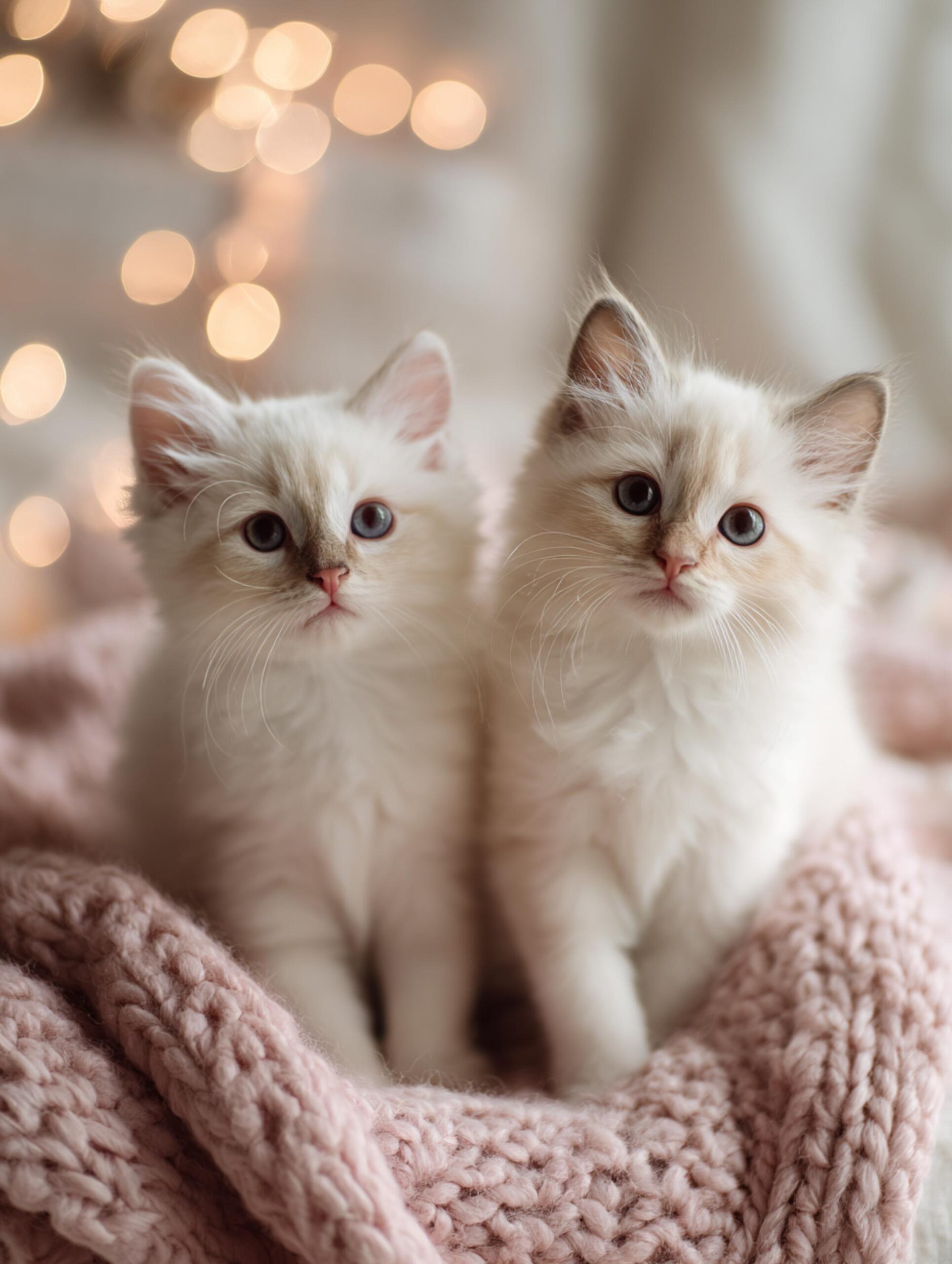
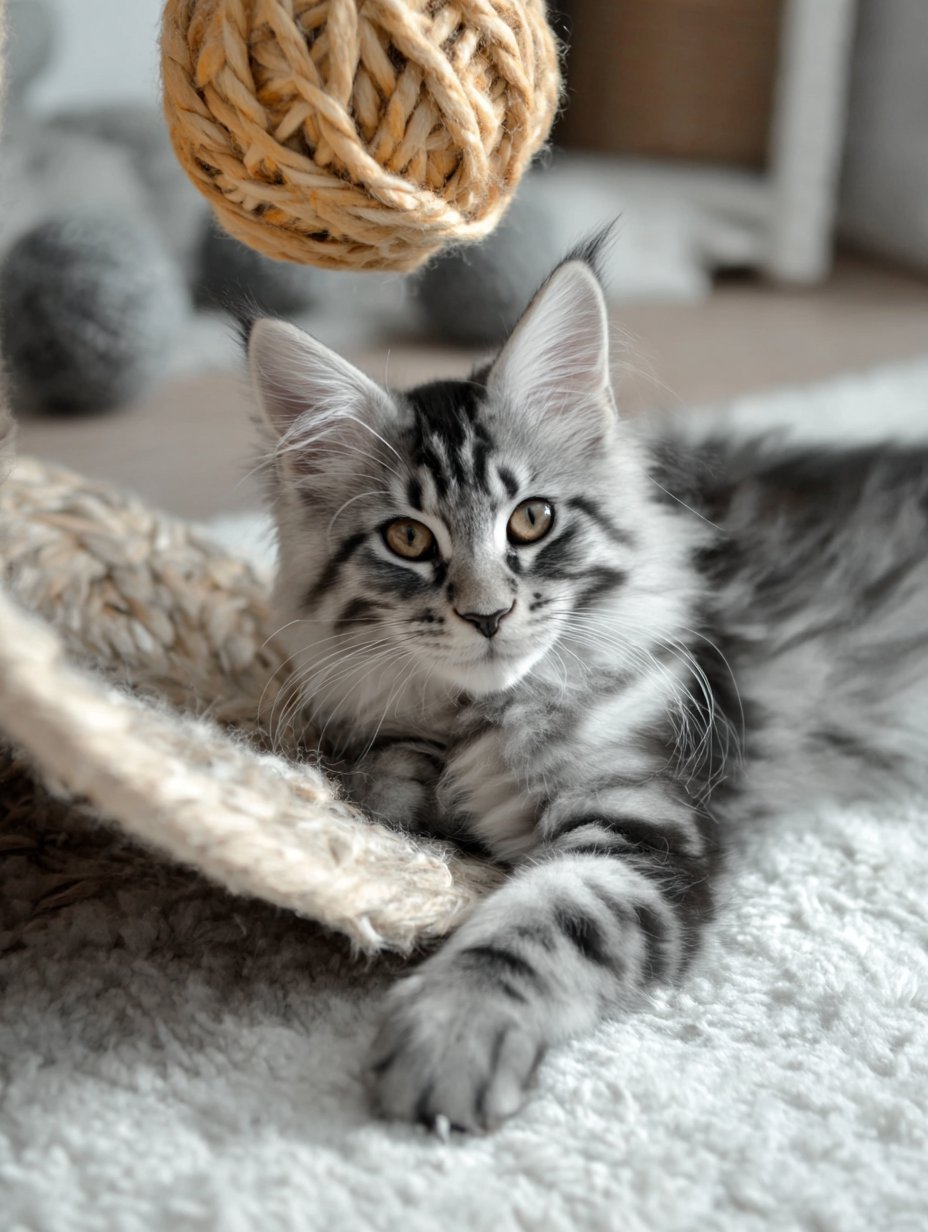
Kittens and adult cats can trigger different allergic responses, even within the same breed. Some people find kittens easier to tolerate at first, while others react more strongly as the cat matures.
One reason is hormonal change. As Siberian cats grow, hormone levels shift, especially around adolescence and sexual maturity. These changes can influence skin oil production and grooming behavior, both of which affect how Fel d 1 is produced and spread.
Early exposure is also not always predictive. A short visit with a kitten may feel manageable, but reactions can change weeks or months later as the cat’s coat develops and allergen production stabilizes. This is why allergy assessments based on a brief encounter can be misleading.
Effective allergy testing should involve time, not minutes. Spending extended periods with the same cat—ideally in a home setting—provides a far more accurate picture of long-term tolerance than a single visit or quick interaction.
How Breeders Can Influence Allergen Load (Without Guarantees)
While no breeder can control Fel d 1 production completely, responsible breeding practices can influence overall allergen exposure.
Clean rearing environments reduce background allergen buildup. Regular cleaning, good ventilation, and low-stress conditions help limit excessive dander and skin irritation in kittens.
Early grooming exposure is important. Kittens accustomed to gentle brushing and handling are easier to groom as adults, which helps manage allergen accumulation in the coat.
Honest allergy conversations are a hallmark of ethical breeders. Reputable Siberian breeders discuss allergies realistically, encourage personal exposure when possible, and avoid making promises they can’t guarantee.
For this reason, ethical breeders never claim their cats are hypoallergenic. Instead, they focus on transparency, education, and helping families make informed decisions based on individual tolerance.
Living With Siberian Cats If You Have Allergies
Living with a Siberian cat when you have allergies requires thoughtful environmental management, not avoidance.
Room boundaries and sleeping arrangements matter. Many allergy-sensitive owners choose to keep cats out of bedrooms to reduce nighttime exposure and improve sleep quality.
Litter box placement should be away from high-traffic living areas and sleeping spaces. Covered boxes or well-ventilated litter areas can help reduce airborne allergens.
Air filtration and cleaning routines make a noticeable difference. HEPA air purifiers, regular vacuuming with sealed systems, and washable bedding help reduce overall allergen load in the home.
Consistent grooming schedules reduce allergen buildup. Regular brushing removes loose hair and dander before it spreads, and routines established early tend to be better tolerated by the cat.
Diet, Skin Health, and Fel d 1 Production
Skin health plays a key role in how Fel d 1 spreads throughout the coat and home environment. Dry or irritated skin can increase shedding and dander, which carries allergens.
A diet rich in omega-3 and omega-6 fatty acids supports healthy skin and coat condition. Balanced nutrition helps maintain the skin barrier and may reduce excessive flaking.
Over-bathing can backfire. Frequent bathing strips natural oils from the skin, often triggering rebound oil production that can increase allergen spread rather than reduce it.
Proper hydration and nutrition are foundational. Adequate moisture intake, high-quality protein, and balanced fats support overall skin health, which in turn helps manage allergen distribution more effectively.
Allergy Testing With Siberian Cats: What Actually Helps
When allergies are a concern, where and how you test matters. Spending time with random cats or briefly interacting with a cat in a public setting rarely provides useful information about long-term tolerance.
Visiting a breeder offers more meaningful insight than meeting unrelated cats. Breeder environments reflect how the cat is raised, groomed, and maintained, which influences allergen exposure. More importantly, you’re spending time with the specific cat or line you’re considering, not a look-alike with unknown background.
Extended exposure matters. Allergic reactions often build gradually. A quick 10–15 minute visit may feel fine, while symptoms appear hours later or after repeated contact over several days. This delayed response is common with Fel d 1 sensitivity.
Short visits can be misleading because adrenaline, novelty, or medication can temporarily mask symptoms. To assess tolerance realistically, spend several hours with the same cat across more than one visit when possible, and pay attention to delayed reactions such as congestion, eye irritation, or breathing changes later that day.
The goal is not to prove zero reaction, but to determine whether symptoms remain manageable over time in a real-world setting.
Common Myths About Fel d 1 and Siberian Cats
“Low shedding means allergy-free.”
Shedding does not determine allergen production. Fel d 1 is carried in saliva and skin oils, not fur itself. A cat that sheds less can still trigger allergies.
“Long hair causes more allergies.”
Coat length alone does not increase Fel d 1 levels. Long-haired cats may actually trap allergens in the coat rather than releasing them into the air as quickly as some short-haired cats.
“Bathing eliminates Fel d 1.”
Bathing temporarily reduces surface allergens, but Fel d 1 production resumes quickly. Over-bathing can dry the skin and increase oil production, which may worsen allergen spread.
“All Siberian cats are the same.”
Fel d 1 levels vary widely between individual cats. Two Siberians from the same breeder can trigger very different reactions. Breed reputation does not replace individual assessment.
Understanding these myths helps allergy-sensitive owners set realistic expectations and make informed decisions when considering Siberian cats.
Frequently Asked Questions: Fel d 1 and Siberian Cats
Do Siberian cats produce Fel d 1?
Yes. Siberian cats do produce Fel d 1, just like all cats. No cat breed is Fel d 1–free. The difference is that some individual Siberians may produce or spread less allergen, which can make them easier for certain allergy-sensitive people to tolerate.
Are Siberian cats hypoallergenic because of Fel d 1?
No. Siberian cats are not truly hypoallergenic. The term is often used informally because some people tolerate Siberians better, but Fel d 1 is still present. Tolerance depends on the individual cat and the individual person.
Do Siberian cats have lower Fel d 1 levels than other breeds?
There is no definitive scientific proof that all Siberian cats have lower Fel d 1 levels. Some studies and real-world reports suggest lower levels in certain individuals, but results vary widely within the breed.
Why do some people with allergies tolerate Siberian cats better?
Some people tolerate Siberians better due to a combination of factors, including coat structure, how skin oils spread, grooming behavior, and individual Fel d 1 production. This does not apply to every Siberian or every allergy sufferer.
Is Fel d 1 found in cat fur?
No. Fel d 1 is not fur. It is a protein produced in saliva and skin oil glands. Fur only acts as a carrier after cats groom themselves.
Do kittens produce less Fel d 1 than adult cats?
Sometimes, but not always. Kittens can trigger different reactions than adults because Fel d 1 production and grooming habits change as cats mature. Early tolerance does not guarantee long-term tolerance.
Can allergies get worse as a Siberian cat grows?
Yes. As Siberians mature, hormonal changes can increase Fel d 1 production, especially in intact cats. Some people notice stronger reactions as a cat reaches adolescence or adulthood.
Are male or female Siberian cats better for allergies?
Neutered males and females are often better tolerated than intact males. Intact males tend to produce higher levels of Fel d 1 due to hormonal influence.
Does neutering reduce Fel d 1 levels?
Neutering can reduce Fel d 1 production over time, particularly in males, but it does not eliminate allergens entirely.
Does brushing a Siberian cat help with allergies?
Yes, regular brushing helps reduce allergen buildup by removing loose hair and dander before it spreads. Consistency matters more than frequency extremes.
Does bathing a Siberian cat reduce Fel d 1?
Bathing can temporarily reduce surface allergens, but Fel d 1 returns quickly. Over-bathing may worsen skin dryness and increase allergen spread.
Do air purifiers help with Siberian cat allergies?
Yes. HEPA air purifiers can significantly reduce airborne allergens when used consistently, especially in bedrooms and main living areas.
Can diet affect Fel d 1 production?
Indirectly, yes. Healthy skin and coat condition help limit excessive dander and oil spread. Diets with balanced omega fatty acids support skin health, which can help manage allergen distribution.
Are Siberian cats safe for people with severe cat allergies?
It depends on the individual. People with severe allergies or asthma should approach cautiously and consult medical professionals. Siberians are not a guaranteed solution.
How should allergy testing be done with Siberian cats?
Testing should involve extended exposure to the specific cat, ideally over multiple visits. Short interactions are unreliable predictors of long-term tolerance.
Is visiting a breeder better than meeting random cats?
Yes. Visiting a breeder allows exposure to related cats in a controlled environment, which is more predictive than interacting with unrelated cats or shelter animals.
Can allergy medication make living with a Siberian cat possible?
For some people, yes. Allergy medications, combined with environmental controls, can make symptoms manageable, but this varies by individual.
Do all Siberian cats affect allergies the same way?
No. Fel d 1 levels vary significantly between individual cats, even within the same litter. Breed reputation does not replace individual assessment.
Does long hair make allergies worse?
No. Coat length does not determine allergen levels. Long hair can sometimes trap allergens rather than releasing them immediately into the air.
Can a Siberian cat be tested for Fel d 1 levels?
Some breeders and labs offer Fel d 1 testing, but results are not absolute guarantees. Levels can change over time due to age, health, and hormones.
Will I stop reacting to my Siberian cat over time?
Some people experience partial tolerance with prolonged exposure, while others do not. Allergy adaptation varies greatly and should not be relied upon as a strategy.
What is the biggest mistake allergy sufferers make when choosing a Siberian cat?
The biggest mistake is assuming all Siberians are low-allergen or that a brief visit predicts long-term tolerance. Individual assessment and realistic expectations are essential.
Should allergy sufferers avoid cats entirely?
Not necessarily. Many allergy-sensitive people successfully live with cats by combining careful breed selection, individual testing, environmental management, and medical guidance.
See More About Siberian Cats
If you’re continuing your research, these related guides go deeper into Siberian cat care, development, and ownership considerations:
- Are Siberian Cats Hypoallergenic?
- Siberian Cat Size, Growth, and Maturity Timeline
- Siberian Kitten Growth: What to Expect Month by Month
- Living With a Siberian Cat When You Have Allergies
- Siberian Cat Grooming and Coat Care Guide
- Maine Coon vs Siberian Cat: Key Differences Explained
- Siberian Cat Complete Overview
Sources & References
- National Institute of Allergy and Infectious Diseases (NIAID)
Overview of allergic responses, proteins like Fel d 1, and immune reactions
https://www.niaid.nih.gov/diseases-conditions/allergies - American College of Allergy, Asthma & Immunology (ACAAI)
Clinical explanations of cat allergies, Fel d 1, and symptom variability
https://acaai.org/allergies/allergic-conditions/pet-allergies/ - The International Cat Association (TICA)
Official breed recognition and standards for Siberian cats
https://tica.org/breeds/browse-all-breeds - Cat Fanciers’ Association (CFA)
Breed profiles and registry standards
https://cfa.org/breeds/ - International Cat Care (iCatCare)
Evidence-based feline care, skin health, grooming, and environmental management
https://icatcare.org/advice/ - Cornell University College of Veterinary Medicine – Feline Health Center
Veterinary-backed information on feline skin, coat health, and allergen spread
https://www.vet.cornell.edu/departments-centers-and-institutes/cornell-feline-health-center - Mayo Clinic
General medical guidance on pet allergies and allergen management
https://www.mayoclinic.org/diseases-conditions/pet-allergies/symptoms-causes/syc-20352192
Editor’s Note
Research on Fel d 1 by breed is limited. Individual variation plays a larger role than breed averages, which is why tolerance differs between cats and people.





Read the Comments +