
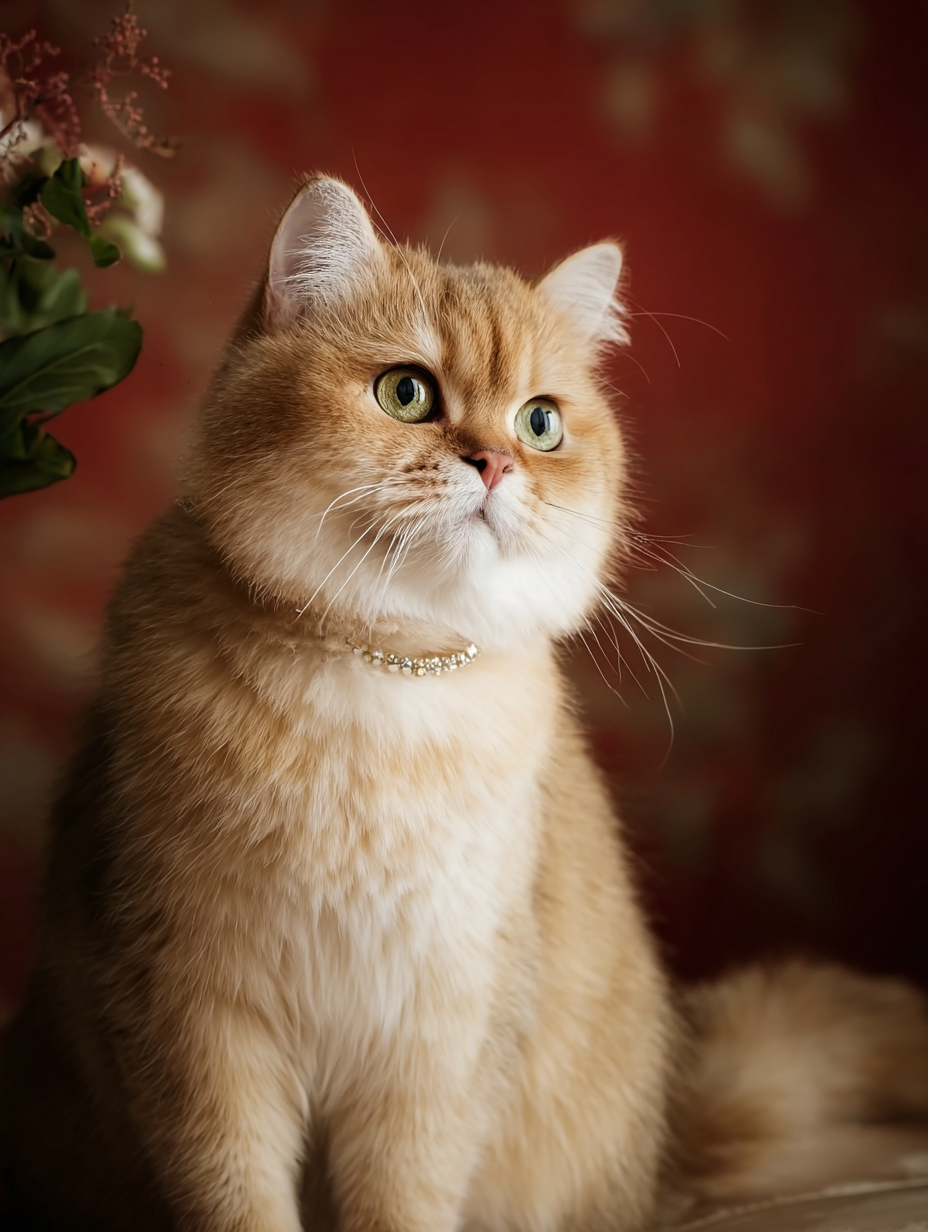
Golden British Shorthair vs Silver British Shorthair: Luxury Color Guide for High-End Buyers
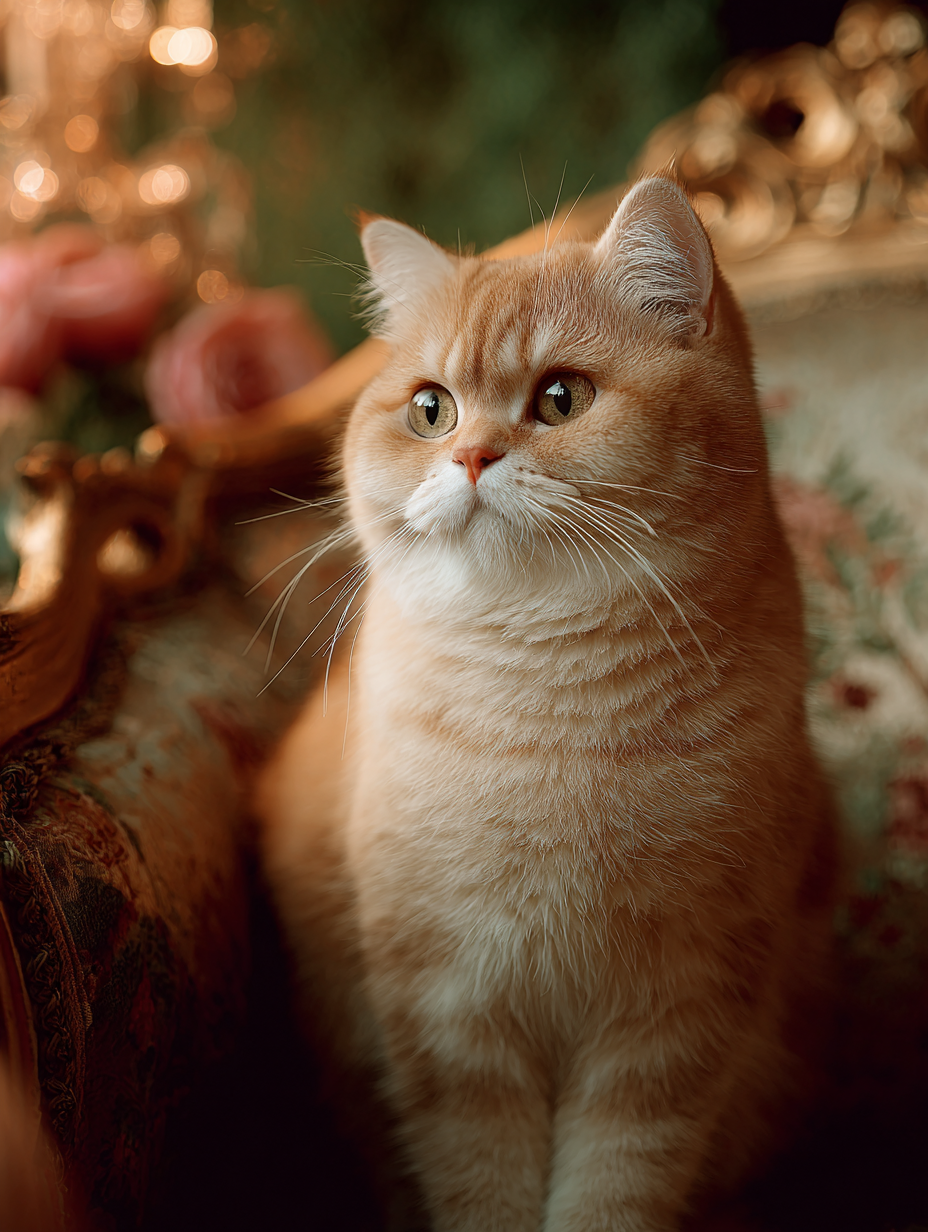
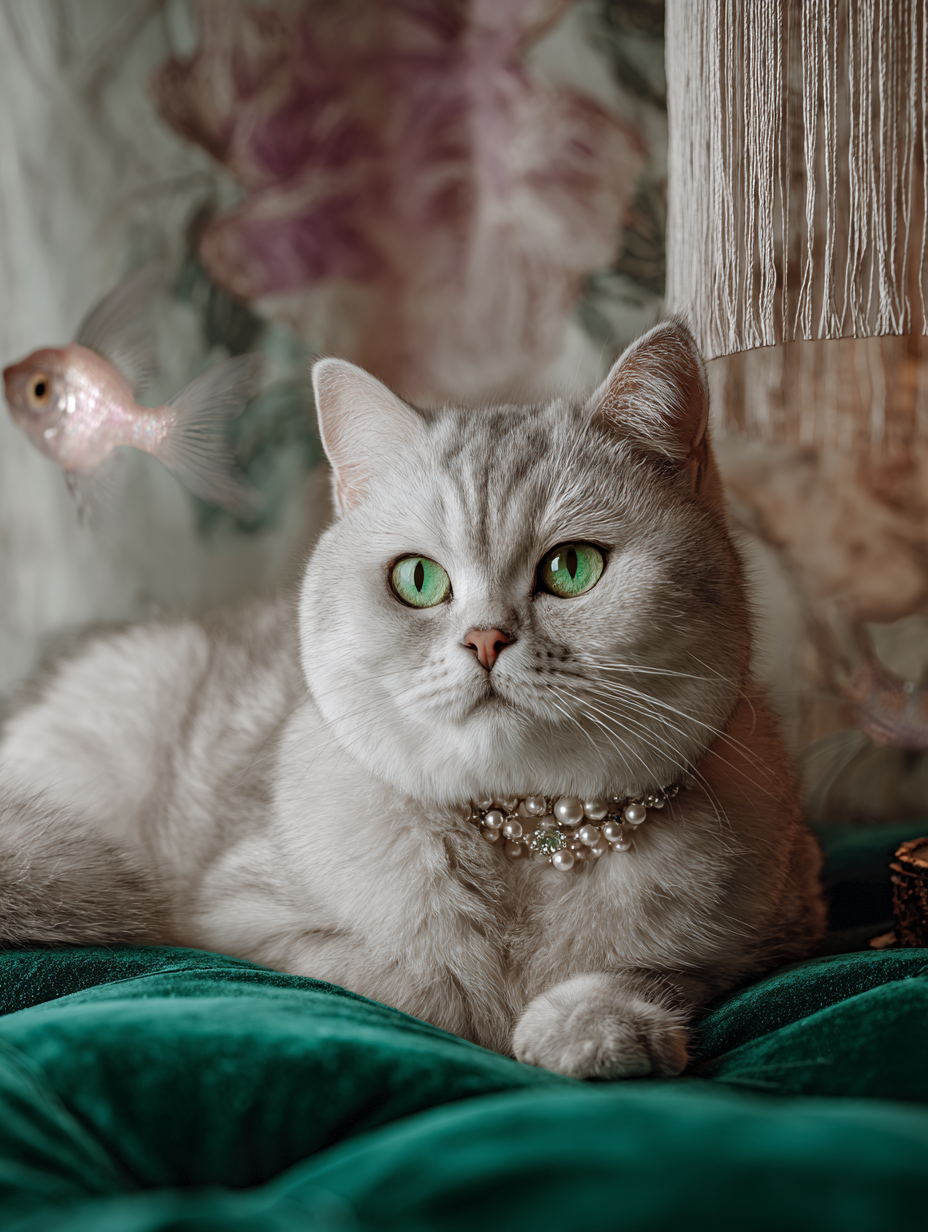
Golden vs Silver British Shorthair Cats: which color aligns best with your lifestyle aesthetic? This comparison focuses on two color groups positioned at the top of the British Shorthair luxury market. Both golden and silver attract buyers who value rarity, clarity of tipping, and strong visual presence, but each color brings a different aesthetic, development pattern, and long-term appeal.
Quick Comparison Table
| Feature | Golden British Shorthair | Silver British Shorthair |
|---|---|---|
| Coat Structure | Warm undercoat with black tipping or tabby pattern | Pale silver undercoat with black tipping or tabby pattern |
| Pattern Classes | Shell, shaded, ticked, classic/mackerel/spotted | Shell, shaded, ticked, classic/mackerel/spotted |
| Eye Color | Green, blue-green, or gold | Green, blue-green, or gold |
| Development Speed | Slow, warms over 12–24 months | Moderate, silver contrast appears early |
| Rarity | Limited production, high demand | Highly established luxury color class |
| Photographic Presence | Warm, high-contrast | Cool, high-contrast |
| Typical Luxury-Market Price | $5,000–$9,500+ | $6,000–$9,500+ |
| Ideal Buyer | Prefers warmth and evolving color | Prefers clarity, cool tones, and sharp definition |
What a Golden British Shorthair Looks Like
Breed-Standard Description
Golden British Shorthairs belong to the warm-toned, tabby-based color classes. They include shell (12), shaded (11), ticked (25), and the classic, mackerel, or spotted patterns. Standards emphasize a warm undercoat paired with black tipping or defined pattern lines that create depth without changing the British Shorthair’s structure.
Coat Tones & Shading
Golden coats range from warm cream to rich apricot undercoats with varying degrees of black tipping.
• Shell (12) varieties show minimal tipping.
• Shaded (11) varieties show medium tipping.
• Ticked (25) varieties distribute pigment evenly across each hair shaft.
• Classic/mackerel/spotted patterns display clear tabby markings over the golden base.
Eye Color Tendencies
Green and blue-green eyes are most common. Some golden lines mature into deep gold eyes depending on ancestry. Eye tone intensifies as the warm undercoat develops and tipping strengthens.
Marking Variations
Markings differ by pattern class:
• Shell — very light tipping with no strong stripes
• Shaded — moderate tipping with soft definition
• Ticked — even distribution, no stripes
• Classic/mackerel/spotted — visible tabby patterns over golden base
All variations are recognized within golden color classes.
Kitten-to-Adult Color Development
Golden kittens begin with pale or muted tones. The warm undercoat strengthens gradually as the kitten grows, with most visible development between 8–16 weeks and continued refinement through 12–24 months. Tipping and eye color deepen over time, producing the full adult contrast.
Photo-Style Descriptions
“Warm undercoat with gradual black tipping creating soft depth in natural light.”
“Green eyes and golden base producing a high-contrast profile.”
“Evenly ticked golden coat with warm highlights under direct sunlight.”
See Golden British shorthair colors and genetics here.
What a Silver British Shorthair Looks Like
Breed-Standard Description
Silver British Shorthairs belong to the cool-toned, tabby-based color classes. They include shell, shaded, ticked, and the traditional tabby patterns. Standards emphasize a pale silver undercoat with clean black tipping or pattern lines, creating a crisp, high-contrast appearance.
Coat Tones & Shading
Silver coats feature a white-to-light-silver undercoat with varying degrees of black tipping.
• Shell (12) varieties show minimal tipping for a bright appearance.
• Shaded (11) varieties show moderate tipping that creates soft gradients.
• Ticked (25) varieties display pigment evenly without stripes.
• Classic/mackerel/spotted patterns show clear black markings over a silver base.
Clarity of contrast is a key feature of silver color classes.
Eye Color Tendencies
Silvers commonly develop green or blue-green eyes, with some lines maturing into gold depending on pedigree. Eye color contrasts strongly with the cool undercoat, producing a defined facial expression.
Marking Variations
Silver markings follow the same pattern structures as golden:
• Shell — minimal tipping, bright silver appearance
• Shaded — soft gradients from tipping
• Ticked — even pigment distribution
• Classic/mackerel/spotted — bold patterns on silver
Contrast between black pigment and pale undercoat defines the silver look.
Kitten-to-Adult Color Development
Silver kittens often show early clarity. The pale undercoat is visible from the beginning, while tipping and eye color refine gradually. Shaded and shell silvers reach recognizable contrast earlier than goldens, though full maturity still takes 12–24 months.
Photo-Style Descriptions
“Pale silver undercoat with clean black tipping visible along the back and tail.”
“Green eyes contrasting against a cool silver base.”
“Shaded silver coat with soft gradients in natural light.”
Color as a Lifestyle Choice
Golden Buyer Profile
Golden British Shorthairs attract buyers who want warmth, depth, and a visually evolving presence in the home. This color suits individuals who prefer natural materials, layered interiors, and spaces that shift with light. Golden buyers often value rarity and the progression of color maturity, choosing a kitten that changes gradually into its final look. This color aligns with homes that prioritize softness, daylight, and visual texture.
Silver Buyer Profile
Silver British Shorthairs attract buyers who want clarity, cool contrast, and a defined aesthetic from the start. This color suits modern, minimal, or monochrome interiors where sharp lines and clean tones matter. Silver buyers typically prefer immediate visibility of pattern and undercoat, selecting colors that photograph with precision and maintain crisp definition. This color aligns with homes that emphasize structure, simplicity, and visual order.
Aesthetic Impact in Luxury Homes
Lighting Effects
Golden shifts noticeably throughout the day. Warm sunlight enhances the undercoat, while evening lighting increases the depth of tipping and shadow. The color adapts to the environment, creating different effects as lighting changes.
Silver maintains a consistent appearance. The pale undercoat reflects light cleanly, producing sharp contrast under natural and artificial lighting. This color retains clarity regardless of time of day, creating a stable visual anchor in the home.
Interior Design Compatibility
Golden blends naturally with interiors featuring wood, warm neutrals, earth tones, or mixed textures. It integrates into layered or organic design styles, becoming part of the visual atmosphere.
Silver pairs with cool neutrals, black-and-white palettes, and minimal or high-contrast interiors. It reinforces structured design choices and stands out clearly against both dark and light backgrounds.
Social Media & Editorial Photography Impact
Golden produces soft gradients and depth on camera. The undercoat and tipping create dynamic images that vary from photo to photo, appealing to buyers who want a living subject that evolves visually.
Silver produces crisp, high-contrast images with clear pattern definition. The cool-toned undercoat photographs reliably and consistently, appealing to buyers who value clean, editorial-style visuals.
Exclusivity Score
Actual Rarity
Golden and silver share similar genetic foundations, but golden is produced in smaller numbers in many regions. Shaded and shell goldens are especially limited. Silver has a longer history in luxury breeding programs but is still considered a controlled-production color class.
Perceived Rarity
Golden is often viewed as more exclusive due to its warmth, slower development, and smaller number of established lines. Buyers unfamiliar with British Shorthairs frequently perceive golden as a rare or emerging color.
Silver carries a long-standing reputation as a premium color class. The bright undercoat and defined tipping create a classic luxury appearance that buyers recognize immediately.
Waitlist Demand
Golden waitlists tend to fill first, especially for shell and shaded kittens. The color’s gradual development and high visibility in social feeds increase demand.
Silver waitlists remain steady year-round. Shaded and shell silvers attract consistent interest from buyers who want clarity and established type.
Which Color Sells First
Golden kittens typically place before silver in programs offering both colors, especially when the litter includes shaded or shell goldens. Silver kittens follow closely due to stable long-term demand and established recognition in the breed’s luxury tier.
Luxury Rarity Ranking Table for British Shorthair Colors
| Rank | Variant | Rarity Level | Notes |
|---|---|---|---|
| 1 | Golden Shell (Chinchilla) Longhair | Extremely Rare | Limited lineages and slow development |
| 2 | Silver Shell (Chinchilla) Longhair | Very Rare | High demand for clean undercoat and tipping |
| 3 | Golden Shaded | Rare | Strong contrast, limited availability |
| 4 | Silver Shaded | Moderately Rare | Long-established luxury color |
| 5 | Golden Ticked | Moderately Rare | Emerging popularity in luxury programs |
| 6 | Silver Ticked | Available but Controlled | Requires precise selection |
| 7 | Classic/Mackerel/Spotted in Either Color | Available | Still premium but more common than shaded/shell variants |
Investment Value for Luxury Buyers
Long-Term Demand
Golden demand continues to rise as more buyers discover warm-toned color classes. Unique visual progression and limited production support long-term interest.
Silver maintains strong demand due to recognized lineage groups and established show presence. Its consistent appearance appeals to repeat buyers and collectors.
Predictability of Color Quality
Golden develops slowly, and full evaluation requires breeder experience. Undercoat warmth and tipping intensity reveal themselves over time.
Silver offers clearer predictability earlier. Undercoat contrast and tipping visibility become apparent sooner, creating confidence for buyers selecting young kittens.
Market Trends
Golden is trending upward across luxury markets, driven by social media visibility and increasing interest in warm, natural interior aesthetics.
Silver remains stable and anchored in tradition. Its historical association with high-end catteries keeps interest consistent, even as other colors rise in popularity.
Visual Longevity
Golden deepens over time, gaining richness and contrast into adulthood. This creates a long-term visual evolution valued by buyers who enjoy watching the color mature.
Silver retains its clarity and contrast, maintaining a clean, defined look throughout the cat’s life. The cool tone holds steady as the coat thickens and patterns become more pronounced.
Signature Look Factors
Contrast & Symmetry
Golden British Shorthairs show warm gradients created by the undercoat and black tipping. Shell and shaded goldens produce soft transitions, while ticked and patterned goldens display balanced distribution of pigment across the coat.
Silver British Shorthairs display sharper contrast. The pale undercoat and black tipping or patterning create clear definition, giving silver a more structured appearance in both short and longhair varieties.
Eye Color Pairing
Golden kittens typically mature into green, blue-green, or gold eyes. The warm coat tones strengthen the contrast between eye and fur as the cat matures.
Silver kittens also develop green or blue-green eyes, with some lines producing gold tones. Eye color stands out clearly against the cool silver base, contributing to a polished facial expression.
Photogenic Traits
Golden coats create depth on camera, with changes in lighting revealing new layers of tone and tipping. This allows for varied visual output across different environments.
Silver coats produce clean, high-contrast images with minimal variation. The pale undercoat reflects light evenly, making silver a reliable subject for editorial-style photography.
Color Reliability
Maturity Timeline
Golden matures slowly. Undercoat warmth, tipping intensity, and overall clarity continue to develop over 12–24 months.
Silver reaches recognizable contrast earlier. The pale base and tipping appear quickly, though full density and eye color refinement still take time.
Color Shifts
Golden undergoes noticeable shifts as the warm undercoat strengthens. Shell and shaded goldens often appear lighter early and deepen with age.
Silver maintains its cool tone consistently. Shifts relate mainly to coat density rather than changes in pigment temperature.
Marking Stability
Golden maintains stable pattern structure once adult coat density forms. Tipping and tabby patterns remain consistent after early development.
Silver patterns stay clear and predictable. Contrast sharpens with age as the coat thickens.
Early Selection Accuracy
Golden evaluation requires experience because the warm tones and tipping clarity develop gradually. Early assessment improves between 8–12 weeks.
Silver evaluation is more straightforward. The light base and black tipping allow earlier identification of quality and future appearance.
Rarity Comparison
Golden British Shorthairs are produced in fewer numbers globally. Shell and shaded goldens, especially in longhair variants, fall into the upper rarity tier due to limited lineages and controlled breeding.
Silver British Shorthairs are more established, with longer-standing lineage groups. While still considered a premium color class, silver appears more consistently across programs.
In the luxury market, both colors are recognized as rare, but golden—particularly shell and shaded—holds the position of least frequently available.
Does Color Affect Temperament?
Coat color does not influence temperament in British Shorthairs. Golden and silver kittens share the same behavioral foundation as all British lines: steady routines, predictable responses, and low reactivity. Differences seen between individual kittens come from lineage, early development, and the consistency of their environment—not from pigment or pattern.
Golden kittens are sometimes assumed to be more outgoing because their color appears warm or lively, but behavioral patterns do not correlate with coat tone. Silver kittens may be perceived as calmer due to their cool coloration, yet personality traits remain anchored in genetics, not color expression.
For buyers comparing golden and silver, selection should be based on visual preference, long-term aesthetic impact, and rarity—not expectations of behavior. Within reputable programs, both colors develop the same dependable British Shorthair temperament.
Grooming & Coat Care Differences
Golden and silver British Shorthairs share the same dense, plush coat structure, but their maintenance differs slightly due to the visibility of tipping and contrast.
Golden coats contain warm undercoats with black tipping or pattern lines. During seasonal shedding, loose undercoat may appear lighter, while tipped guard hairs shed at a slower rate. Shell and shaded goldens benefit from regular brushing to maintain clean transitions between the undercoat and pigmented tips. Ticked and patterned goldens also reveal changes in density during shedding, making consistent grooming useful for preserving clarity.
Silver coats show shedding more distinctly because the pale undercoat contrasts with darker tipping. When loose silver undercoat accumulates, it becomes visible sooner than loose golden undercoat. Regular grooming helps maintain the crisp contrast that defines silver colors. Shell and shaded silvers rely on the purity of the pale base, making grooming especially important for maintaining clarity around the neck, chest, and tail.
Both colors require routine brushing, but silver demands slightly more attention to preserve sharp contrast, while golden benefits from grooming that enhances depth and smooths transitions within the coat.
Golden vs Silver British Shorthair Price Comparison
Golden and silver British Shorthairs fall within the upper end of the luxury pet market. Pricing reflects rarity, lineage depth, and the clarity of tipping or patterning.
Golden British Shorthairs typically range from $5,000–$9,500+, depending on pattern class. Shell and shaded goldens, especially in longhair form, sit at the top of this range due to limited global lines and slower color development. Their gradual maturation and strong visual presence place them in one of the most sought-after color categories.
Silver British Shorthairs generally fall within $6,000–$9,500+. The silver color class has a long-standing reputation within luxury breeding programs, and established demand supports consistent high-tier pricing. Shell and shaded silvers compete directly with golden color classes in terms of exclusivity and value.
Both colors occupy the same luxury bracket, with golden trending upward due to rising visibility and limited production, and silver maintaining stable, long-term demand across global markets.
Luxury British Shorthair Kitten Color Price Overview
| Color Variety | Description | Typical Luxury-Market Range |
|---|---|---|
| Blue | Classic solid foundation color with stable demand | $4,500 – $6,000 |
| Golden Shaded | Warm undercoat with black tipping; limited production | $5,000 – $7,500 |
| Golden Shell (Chinchilla) | Lightest golden variant with minimal tipping | $6,500 – $9,000+ |
| Longhaired Golden | Rare longhair version of golden shaded or shell | $7,000 – $10,000+ |
| Lilac Chinchilla | Extremely rare pastel chinchilla variant; limited global lines | $8,000 – $12,000+ |
| Teddy Bear British Shorthair (plush-type goldens & chocolates used in marketing language) | Popularized for rounder expression and high-contrast features | $6,500 – $10,000 |
| Brown Tabby / Brown Classic | Rich warm tone with bold markings; trending among luxury buyers | $5,500 – $8,500 |
| Black Golden Shaded / Black Golden Ticked | High-contrast golden variants with strong lineage selection | $6,000 – $9,000+ |
| Silver Shaded / Silver Shell (Chinchilla Silver) | One of the oldest luxury British color classes; strong demand | $6,000 – $9,500+ |
| Lilac | Dilute color with soft tone; produced in smaller quantities | $5,500 – $8,000 |
Golden vs Silver British Buyer Considerations
Buyers choosing between golden and silver British Shorthairs often base their decision on how the cat will integrate visually into their home or lifestyle.
Golden appeals to individuals who prefer a color that evolves over time. The warm undercoat and tipping deepen as the cat matures, creating a long-term visual progression. Buyers who enjoy movement, variation, and a living aesthetic tend to favor golden. It integrates naturally into warm interiors, organic materials, or spaces with layered texture.
Silver appeals to individuals who want immediate clarity and consistent contrast. The pale undercoat and sharp tipping provide a defined look from early development. Buyers who value structured environments, minimal design, or high-contrast interiors often prefer silver. Its appearance remains steady, making silver a reliable aesthetic choice.
Some buyers choose based on emotional or visual instinct rather than logic. Golden tends to feel warm and inviting; silver feels clean and architectural. Both colors serve different roles in the home, and the right choice is often the one that aligns most closely with the buyer’s visual identity.
Common Misconceptions
“Golden and silver are separate breeds.”
They are color classes within the British Shorthair breed, not distinct breeds.
“Silver kittens stay light while golden kittens darken dramatically.”
Both colors develop over time. Silver clarifies early, golden deepens gradually. Neither color undergoes drastic, unpredictable shifts when bred correctly.
“Golden cats come from silver lines that changed color.”
Golden and silver share ancestry but express different genetic components. A silver kitten will not “turn golden,” and a golden kitten will not “fade to silver.”
“Golden British Shorthairs always have green eyes.”
Green and blue-green are common, but gold eyes also occur depending on lineage.
“Silver cats require more grooming because of their color.”
Grooming needs are similar. Silver tipping simply makes shedding more visible, not more frequent.
“Golden cats are more outgoing because the color is warm.”
Temperament is unrelated to coat color.
“Silver is easier to breed consistently.”
Both colors require careful selection, and quality varies by program and lineage.
Summary Table: Golden vs Silver British Shorthair
| Feature | Golden British Shorthair | Silver British Shorthair |
|---|---|---|
| Coat Structure | Warm undercoat with black tipping | Pale undercoat with black tipping |
| Pattern Classes | Shell, shaded, ticked, classic/mackerel/spotted | Shell, shaded, ticked, classic/mackerel/spotted |
| Eye Color | Green, blue-green, gold | Green, blue-green, gold |
| Development Speed | Slow, deepens over time | Moderate, contrast appears early |
| Rarity | Limited production | Wider global availability |
| Photographic Style | Warm, evolving | Cool, defined |
| Luxury-Market Price | $5,000–$9,500+ | $6,000–$9,500+ |
| Ideal Buyer | Prefers warmth and progression | Prefers clarity and consistency |
FAQ: Golden vs Silver British Shorthairs
Are golden British Shorthairs rarer than silver?
Golden British Shorthairs are produced in smaller numbers, especially in shell and shaded varieties, making them less common than silvers. Silver has a long-established presence in luxury breeding programs, while golden remains a more limited color group.
Do golden and silver kittens look different at birth?
Yes. Golden kittens are often born pale, with warmth and tipping developing gradually. Silver kittens show a clearer pale undercoat earlier, and contrast becomes visible sooner. Both continue refining through their first year.
Which color matures faster: golden or silver?
Silver reaches recognizable contrast earlier. Golden develops more slowly as the warm undercoat and tipping deepen, often requiring 12–24 months for full maturity.
Do golden and silver British Shorthairs have different temperaments?
No. Coat color does not affect temperament. Both follow standard British Shorthair behavior patterns based on lineage and environment, not pigment.
Which color photographs better?
Golden produces warm depth and varied gradients under natural light, creating multiple visual looks across different environments.
Silver produces clean, high-contrast images with consistent clarity.
Neither is “better”; each photographs differently depending on setting and desired aesthetic.
Do golden British Shorthairs always have green eyes?
No. Many golden lines develop green or blue-green eyes, but gold eyes are also seen depending on lineage. Eye color matures gradually and continues refining as the cat ages.
Do silver British Shorthairs always have green eyes?
Not always. Green and blue-green tones are common, but gold eyes appear in certain lines. Eye color depends on ancestry, not specific to the silver coat itself.
Is it easier to evaluate silver kittens than golden kittens?
Yes. Silver contrast appears earlier, making quality assessment more straightforward. Golden kittens require more time to reveal undercoat warmth and tipping clarity, making early evaluation more dependent on breeder experience.
Which color retains its look more consistently over time?
Silver remains stable once the undercoat and tipping are established. Golden continues to deepen and warm, resulting in noticeable development into adulthood. Stability vs evolution is based on visual preference.
Do golden British Shorthairs get darker as they age?
Not exactly darker, but richer. Warm undercoat tones and tipping intensify, giving golden cats a more defined appearance over time.
Do silver British Shorthairs fade as they age?
No. Silvers maintain their pale undercoat and contrast. Variations relate to coat density, not pigment change.
Which color sheds more: golden or silver?
Shedding volume is similar. Silver shedding may appear more visible due to the pale undercoat. Golden shedding blends more easily with warm-toned environments.
Are shell and shaded goldens the same as chinchilla cats?
“Chinchilla” refers to shell (12) and shaded (11) patterns. Both golden and silver color classes include chinchilla variants.
Can two silver British Shorthairs produce a golden kitten?
Not typically. Silver lines carry specific genetic components that do not express golden without golden lineage behind them. Golden requires warm-toned genes, which pure silver pairings do not provide.
Is golden considered more valuable than silver?
Value depends on rarity and demand. Golden currently trends upward due to limited production and strong visual appeal. Silver holds long-term prestige and established value in luxury programs.
Which color is better for homes with natural light?
Golden shifts beautifully under changing daylight conditions, showing warmth and depth.
Silver remains consistent, reflecting natural light cleanly and evenly.
Which color suits modern or minimal interiors?
Silver aligns naturally with cool, monochrome, or structured spaces.
Golden suits warm-toned, layered, or organic interiors.
Do golden and silver British Shorthairs require different grooming routines?
Routine brushing is the same for both. Silver requires slightly more attention to maintain crisp contrast, while golden benefits from grooming that smooths transitions between undercoat and tipping.
Which color sells first in luxury markets?
Golden kittens, especially shell and shaded varieties, often place first due to limited availability. Silver kittens follow closely, supported by consistent long-term demand.
Are golden or silver British Shorthairs hypoallergenic?
Neither color affects allergen levels. All British Shorthairs produce the same proteins associated with allergies.
Which color holds its value better?
Both hold value well, but golden—especially shell, shaded, and longhair variants—often carries higher demand relative to supply. Silver maintains steady, predictable value based on long-established color groups.
Can the same litter contain both golden and silver kittens?
Yes, depending on the parents’ genetic background and lineage. Some pairings may produce kittens in both color classes, though outcome depends on specific inherited traits.
Reserve Your Golden or Silver British Shorthair Kitten
Choosing golden or silver is choosing the presence you want in your home every day.
Golden brings warmth and depth, changing as it matures and catching light in a way that becomes part of the room.
Silver brings clarity and contrast, a clean, defined look that stays consistent and stands out immediately.
Both carry their own beauty, but one will feel instinctively right.
If you already know which color belongs in your space—
the warm glow of golden or the cool precision of silver—
contact us to reserve a kitten in the color that speaks to you.
Rare colors are not available for long.
Choose the color that feels like home. Begin your reservation.
Learn More About British Shorthair Cats
- British Shorthair Lifespan
- British Shorthair Size
- British Shorthair Cat Care
- British Shorthair Personality
- British Shorthair Diet
- British Shorthair Kitten Growth Stages
- British Shorthair vs Ragdoll
Related British Shorthair Colors and Patterns
- Black British Shorthair
- Brown Tabby British Shorthair
- Russian Blue vs British Shorthair
- Lilac British Shorthair
- Blue British Shorthair
- Orange British Shorthair
- Chocolate British Shorthair
- Intro to All British Shorthair Colors
- Golden British Shorthair Kittens
Sources
- British Shorthair Breed Standard — The Cat Fanciers’ Association (CFA)
https://cfa.org/british-shorthair/ - British Shorthair Breed Standard — The International Cat Association (TICA)
https://tica.org/breeds/british-shorthair - British Shorthair Breed Standard — Governing Council of the Cat Fancy (GCCF)
https://www.gccfcats.org/breeds/british-shorthair/ - World Cat Federation (WCF) British Shorthair Color Classes
https://wcf.de/en/breeds/ - FIFe British Shorthair & British Longhair Standards (Shaded, Shell, Tipped Classes)
https://fifeweb.org/wp/breeds/ - UC Davis Veterinary Genetics Laboratory — Feline Coat Color Genetics
https://vgl.ucdavis.edu/resources/cat-genetics - Messybeast Genetics Resource — Tipping, Shading, Chinchilla & Tabby Pattern Genetics
https://messybeast.com/colour-genetics.htm






Read the Comments +