
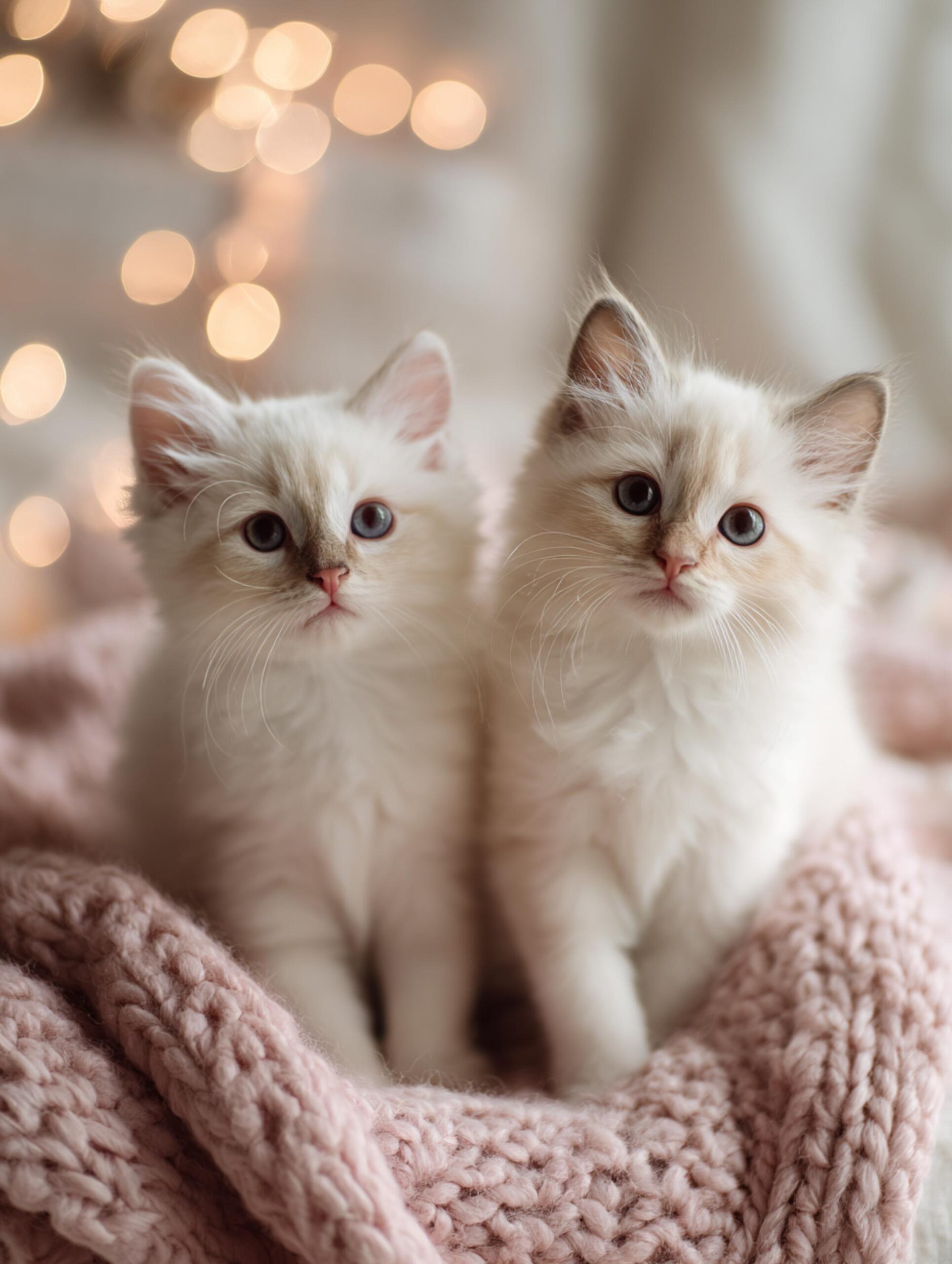
High Quality Ragdoll Kitten for Sale: What Makes One Worth $4,500?
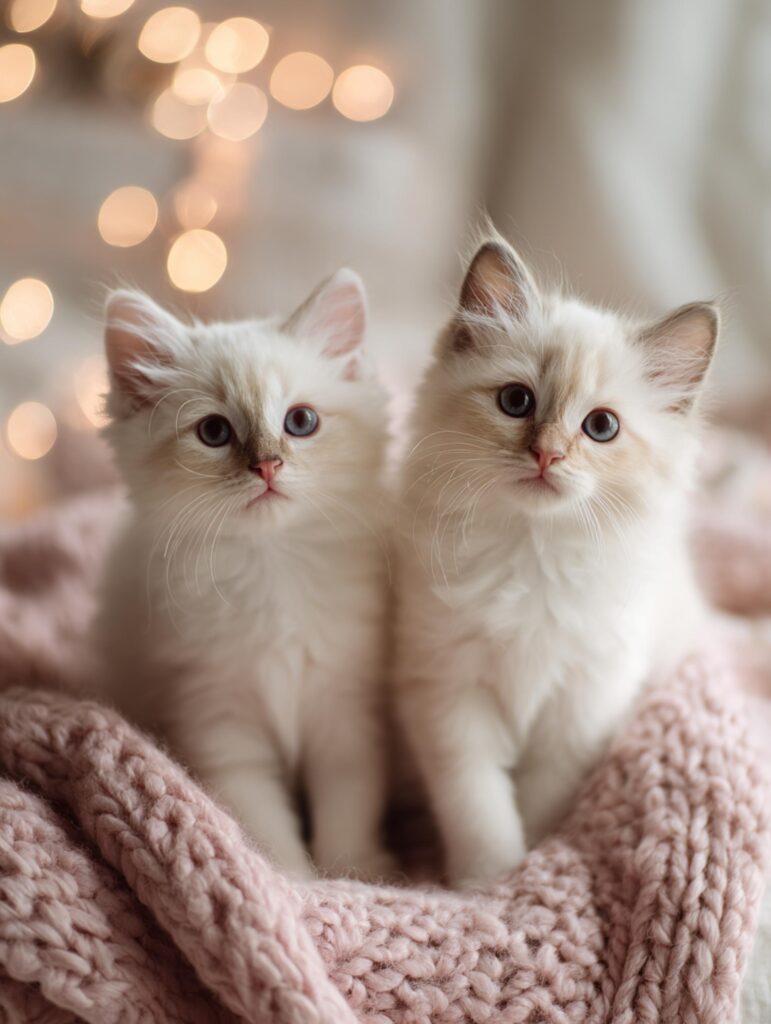
What defines a high quality Ragdoll Kitten sale? Higher pricing typically reflects advanced cardiac screening, multi-generational pedigree tracking, and controlled breeding standards rather than coat color alone.
When you see Ragdoll kittens listed at $1,500 and others at $4,500 or more, the difference is rarely coat color alone. What separates them is not a prettier photo or a trendier description. The difference is the depth of the breeding program behind the kitten.
Some programs are designed around availability and output. Others are built around multi-generational planning, repeated medical screening, structural consistency, and disciplined pairing decisions. On the surface, two kittens may appear similar. Underneath, the standards that produced them may be entirely different.
Summary Table: High Quality Ragdoll Kittens for Sale
| Category | $4,500+ Ragdoll Program | Entry-Level Program |
|---|---|---|
| Pedigree Depth | 4–6+ generations tracked and evaluated | Limited pedigree tracking |
| Cardiac Screening | Repeated echocardiograms by cardiologist + DNA testing | DNA only or minimal screening |
| Breeding Frequency | Limited litters per female | Higher output per female |
| Line Tracking | Long-term health and temperament data reviewed | Limited generational review |
| Early Development | Structured socialization and grooming exposure | Basic home raising |
| Biosecurity | Controlled exposure and sanitation protocols | Variable environmental control |
| Placement Process | Screened homes and temperament-based matching | First-come placement |
| Documentation | Written contract, full health records, registry transfer | Basic paperwork |
| Price Driver | Program depth and breeder expertise | Availability and basic supply |
Key Takeaway
A $4,500+ Ragdoll kitten reflects the depth of the breeding program behind it — including health testing repetition, generational oversight, controlled production, and structured development — rather than coat color or marketing language.
See Ragdoll Breeders Near Me for more info.
This Is Not About “Rare Color” — It Is About Program Quality
Before you ask why a Ragdoll kitten costs $4,500 or more, clarify what does not justify that level.
Price alone does not create value.
Color alone does not justify higher fees.
Marketing language does not equal standards.
Many online listings use terms like “rare,” “exclusive,” or “premium” loosely. Breeders often label certain coat patterns as rare when they simply represent less common expressions within the breed. Color does not reduce cardiac risk. It does not strengthen the immune system. It does not guarantee stable temperament.
Adjectives do not build value. Standards do.
Breeders justify $4,500+ Ragdoll kittens through program depth: comprehensive health screening, disciplined pairing decisions, consistent bloodlines, and intentional development from birth.
Value comes from how the breeder produces the kitten — not how the breeder describes it.
Multi-Generational Pedigree Depth
High-level breeders use lineage as a working tool, not as decoration.
Pedigree provides data. Expertise turns that data into decisions.
Serious Ragdoll programs maintain four, five, or even six generations of documented ancestry. More importantly, experienced breeders study those generations closely.
They identify patterns across time:
- Which lines consistently produce strong bone and correct type.
- Which combinations yield stable, confident temperaments.
- Which pairings improve coat texture and density.
- Which branches show cardiac weakness and require removal from the program.
Careful tracking and informed interpretation create that level of evaluation. Breeders who study their lines over years reduce guesswork and increase consistency.
They select structure and temperament intentionally. They do not leave outcomes to chance.
That is not prestige. That is disciplined breeding.
Registry Alignment and Structural Oversight
High-standard Ragdoll programs operate within recognized registry systems such as The International Cat Association and Cat Fanciers’ Association.
Registries provide documented pedigrees, breeder-of-record traceability, and formal breed standards. They create a framework for tracking ancestry and transfers.
However, registration alone does not create excellence. Many breeders can register kittens.
High-level breeders use registry documentation strategically. They evaluate structure against the breed standard and study generational data before selecting pairs. They protect defining Ragdoll traits through deliberate selection.
Blue eyes and a soft coat do not define the breed. Documented ancestry, structural consistency, and informed breeding decisions define it.
When a Ragdoll kitten costs $4,500 or more, the value does not come from aesthetics. It comes from informed pairing decisions, generational oversight, and reduced unpredictability in health and temperament.
You are paying for breeder expertise — not for a “rare” color label.
Advanced Cardiac Screening (Not Just DNA)
This is where separation becomes measurable.
Hypertrophic cardiomyopathy is one of the most discussed inherited risks in Ragdolls. How a breeder approaches cardiac screening tells you immediately what level they are operating at.
Some programs rely only on DNA panels. Others incorporate repeated cardiac imaging performed by specialists and use those results to guide long-term breeding decisions.
The difference is not theoretical. It is procedural.
Repeated Echocardiograms
High-standard programs incorporate:
• Ultrasounds performed by a board-certified veterinary cardiologist
• Repeated scans as cats mature
• Ongoing monitoring rather than a single early clearance
An echocardiogram evaluates the actual structure and function of the heart at the time of the scan. Because cardiac conditions can develop later in life, repeating scans at maturity provides a more meaningful assessment than a one-time early screening.
Repeated imaging requires scheduling, specialist access, and continued evaluation of breeding cats beyond their first year. It is a long-term commitment rather than a one-time checkbox.
This is one of the clearest measurable differences between entry-level breeding and higher-level preservation programs.
DNA Panels Used Strategically
Genetic testing also plays a role, but it must be used correctly.
High-level breeders use DNA panels to:
• Identify carriers of known mutations
• Make compatibility-based pairing decisions
• Avoid doubling up on genetic risk factors
However, DNA testing identifies known mutations only. It does not evaluate heart structure. It does not detect every possible future condition.
DNA testing does not replace echocardiograms.
It complements them.
Programs that combine imaging, genetic screening, and long-term line tracking operate with layered risk management rather than relying on a single tool.
That layered approach requires planning, repetition, and medical oversight. It is part of what differentiates a $4,500+ kitten from one produced under minimal screening protocols.
Controlled Breeding Frequency
Another measurable difference is production volume.
High-level programs do not maximize output. They manage it.
Limited Litters Per Female
Breeding females are not cycled continuously. Litters are spaced intentionally, and overall production per queen is limited.
This reduces physical strain and allows for consistent monitoring of long-term health.
Planned Recovery Between Litters
Time between litters is deliberate.
Recovery periods allow:
• Hormonal stabilization
• Nutritional rebuilding
• Coat and body condition recovery
• Veterinary reassessment before rebreeding
When recovery is prioritized, breeding decisions are driven by condition and health rather than schedule.
Early Retirement of Queens
High-standard programs also define an endpoint.
Queens are retired before decline. They are spayed and transitioned out of breeding while still in strong condition. Breeding is not extended to maximize short-term production.
Lower volume changes how costs are distributed within a program.
When breeding frequency is controlled, operational cost is distributed differently. Fewer kittens carry the cost of specialist screening, structured development, and long-term line management.
The result is not simply a higher price. It is a different production model entirely — one built around restraint rather than output.
Early Development Standards That Influence Temperament in Ragdoll Kittens
Buyers paying $4,500+ are paying for predictability.
Ragdolls are known for being calm, people-focused cats. That temperament is not automatic. It is shaped during the first eight to twelve weeks of life.
In higher-level programs, kittens are not simply “raised in the home.” They are developed intentionally.
This includes:
• Structured daily handling from birth
• Gradual introduction to common household sounds
• Early grooming exposure
• Supervised interaction with appropriate stimuli
• Ongoing temperament observation
Handling from birth builds comfort with human contact. Kittens learn early that touch is normal, not threatening.
Noise conditioning matters. A kitten that has heard vacuums, doors closing, and normal household movement is less likely to startle in a new environment.
Grooming desensitization is essential in a long-coated breed. Regular brushing and nail trimming begin early so that coat care is routine rather than a struggle later.
Throughout development, experienced breeders observe personality differences. Some kittens are bold. and others are more reserved. Some seek constant interaction. These differences are noted and considered when placing them.
Temperament stability does not happen by accident. It is the result of consistent handling, controlled exposure, and experienced observation.
Biosecurity and Environmental Control
Health risk is influenced by environment as much as genetics.
Higher-standard programs manage their environment carefully.
This includes:
• Limited outside exposure to reduce infectious risk
• Consistent sanitation practices
• Proper ventilation and air circulation
• Stable daily routines
• Controlled visitation
Bringing in outside cats, frequent visitors, or uncontrolled traffic increases disease risk. Structured programs limit unnecessary exposure.
Clean air and proper sanitation reduce pathogen load. Routine matters. Predictable feeding, cleaning, and interaction schedules reduce stress.
Stress weakens immune response. Calm, consistent environments support stronger early immune development.
Structured environments reduce preventable medical issues. They reflect disciplined management rather than reactive problem solving.
Placement Standards
Placement is not an afterthought.
Higher-tier programs do not operate on a first-come basis. They plan their placements.
Typically, they:
• Screen prospective homes
• Maintain waitlists rather than constant availability
• Avoid same-day impulse reservations
• Place kittens based on observed temperament
Serious breeders know their kittens well by the time they are ready to leave. They understand which kitten is confident, which is quieter, which adapts quickly, and which prefers steady routine.
Matching temperament to household environment reduces adjustment problems later.
Maintaining a waitlist also prevents overproduction. Litters are planned in advance rather than produced to fill immediate demand.
Intentional placement reduces rehoming and increases long-term stability.
Programs structured this way naturally attract buyers who value process and long-term outcome over speed.
See more at Why Ethical Ragdoll Breeders Use Waitlists.
Documentation and Transparency
Finally, serious programs provide clear documentation. Buyers paying $4,500+ do not rely on verbal promises. They receive organized records that outline exactly what they are purchasing.
Typically, this includes:
• A written contract that defines responsibilities and terms
• Complete health records from the breeder’s veterinarian
• A documented vaccination schedule
• Registry transfer paperwork
• Clear spay or neuter terms for pet placements
First, the written contract sets expectations. It explains health guarantees, timelines, and ownership terms in plain language. It removes confusion before it starts.
Next, health records show what care the kitten has already received. Vaccination dates, deworming history, and veterinary exams are documented, not described casually.
In addition, registry transfer documentation confirms lineage within an official system. Buyers can trace the pedigree rather than rely on verbal claims.
Finally, spay or neuter terms are clearly stated. There is no ambiguity about breeding rights or pet placement status.
Clarity signals structure. When documentation is organized and complete, it reflects a program that operates with intention rather than improvisation.
Why “Why Are Ragdoll Kittens So Expensive?” Is the Wrong Question
Many buyers begin by asking, “Why are Ragdoll kittens so expensive?” However, that question focuses only on the number, not the standards behind it.
Instead, shift the question.
Ask:
- • What level of health testing is included?
- • How many generations are tracked and evaluated?
- • How often are breeding cats scanned for cardiac health?
- • How many litters does each female produce per year?
These questions move the conversation from price to structure.
For example, repeated echocardiograms require specialist involvement. Multi-generational tracking requires time and experience. Controlled breeding frequency reduces output but increases oversight. Each of these standards affects how a program operates.
Therefore, price reflects depth of program standards.
When you evaluate the structure behind the kitten, the number begins to make sense.
What Buyers Paying $4,500+ Are Usually Prioritizing
Buyers at this level rarely focus on color alone. Instead, they focus on stability and long-term outcome.
They typically prioritize:
• Long-term health stability
• Predictable temperament
• Reduced medical uncertainty
• Documented lineage
• Ongoing breeder guidance
First, they want confidence in the health foundation behind the kitten. They value repeated cardiac screening and careful pairing decisions because those steps reduce preventable risk.
Next, they look for temperament consistency. They want a cat that fits their household, not one that surprises them months later with unstable behavior.
In addition, they want documentation. They prefer clear records, structured contracts, and traceable lineage. They expect organization.
Finally, they value access to an experienced breeder who understands the line and can answer questions as the kitten matures.
These buyers do not chase adjectives. They invest in predictability.
How to Choose a Ragdoll Breeder
When a $4,500+ Ragdoll Makes Sense
A higher-tier Ragdoll makes sense when priorities extend beyond immediate availability.
For example:
• Families planning for long-term companionship
• Buyers who place strong emphasis on cardiac screening
• Homes that want a steady, well-developed temperament
• Buyers who value structured breeding and documented lineage
In these situations, the additional depth behind the kitten matters. Multi-generational planning, repeated health screening, and controlled breeding frequency support those goals.
This is not about status. It is about selecting a program built around long-term stability.
When It May Not Be the Right Fit
A $4,500+ Ragdoll is not the right fit for every buyer.
For example:
• If price drives the decision above all else
• If you require immediate availability
• If documentation and health screening depth do not matter to you
Some buyers simply want a Ragdoll quickly. Others prioritize lower upfront cost. Those preferences are valid.
However, higher-standard programs operate differently. They plan litters in advance, maintain waitlists, and structure their breeding carefully.
Serious buyers understand that process. They respect restraint, documentation, and discipline because they value the long-term outcome.
Understanding the Broader Pricing Structure
If you are researching why Ragdoll kittens for sale vary in price, the difference usually comes down to program standards.
Some breeders operate with minimal testing and higher output. Others invest in repeated cardiac screening, multi-generational pedigree tracking, and controlled breeding frequency. Those structural differences directly affect how pricing is set.
For a full breakdown of how Ragdoll kitten pricing works across different program levels, visit our complete Ragdoll kitten pricing guide.
(Internal link to your pricing page using anchor: “Ragdoll kitten pricing guide.”)
Keep this as a bridge, not a duplicate discussion.
Frequently Asked Questions About $4,500+ Ragdoll Kittens
Why are some Ragdoll kittens $4,500 or more?
Ragdoll kittens priced at $4,500 or more usually come from breeding programs that invest in repeated cardiac screening, multi-generational pedigree tracking, controlled litter frequency, and structured early development. The higher price typically reflects health testing depth and breeder expertise rather than coat color alone.
Are expensive Ragdoll kittens healthier?
Higher price does not automatically guarantee health. However, breeders charging at the higher end often perform repeated echocardiograms, use genetic testing strategically, and track health outcomes across generations. Those practices reduce preventable risk compared to minimal screening programs.
See more at Health-tested Ragdoll Kittens for Sale.
Why do Ragdoll breeders charge so much?
Breeders who operate at a high standard invest in specialist veterinary care, cardiac ultrasounds, genetic panels, structured kitten development, and limited litter frequency. When breeders control output and repeat medical testing, they distribute those program costs across fewer kittens.
What makes a Ragdoll kitten high quality?
High-quality Ragdoll kittens come from documented lineage, consistent structural type, stable temperament, and responsible health testing. Experienced breeders select pairings carefully to preserve breed traits rather than focusing only on coat color.
Is a $4,500 Ragdoll worth it?
For buyers who prioritize long-term health stability, predictable temperament, and documented breeding practices, a higher-level Ragdoll may justify the price. For buyers focused primarily on cost or immediate availability, a different program level may be more appropriate.
Do “rare” Ragdoll colors cost more?
Some breeders charge more for less common colors. However, color alone does not improve health, temperament, or longevity. Higher pricing should reflect program standards, not just coat variation.
How can I tell if a Ragdoll breeder justifies $4,500+ pricing?
Ask specific questions:
- How often do you perform echocardiograms on breeding cats?
- How many generations of pedigree do you track?
- How many litters does each female produce per year?
- Do you use DNA testing alongside cardiac screening?
Clear, confident answers indicate structured standards.
Do all Ragdoll breeders perform echocardiograms?
No. Some rely only on DNA testing. However, echocardiograms performed by a veterinary cardiologist provide direct evaluation of heart structure. Programs that repeat scans at maturity operate at a higher medical standard.
See Best Health-testing Ragdoll Catteries in the USA
Why are Ragdoll kittens more expensive than other breeds?
Ragdolls are large, slow-maturing cats that require extended development time. In addition, responsible programs invest heavily in cardiac screening and structured breeding practices. Those factors influence pricing compared to breeds with fewer known hereditary cardiac concerns.
Does higher price mean better temperament?
Not automatically. However, breeders who invest time in structured socialization, grooming desensitization, and temperament-based placement tend to produce more predictable outcomes than programs focused primarily on volume.
See What Ethical Ragdoll Breeders Guarantee and What they Cannot
Final Perspective — The Price Reflects the Breeder’s Standards
When you see a Ragdoll kitten priced at $4,500 or more, you are not simply paying for appearance.
You are paying for the level of the breeding program behind that kitten.
At this level, the breeder typically invests in:
• Multi-generational pedigree planning
• Advanced cardiac screening with repeat echocardiograms
• Strategic use of DNA testing
• Controlled breeding frequency
• Structured early social development
• Intentional, screened placement
Those standards require time, discipline, and medical oversight. They reduce unpredictability in health and temperament. They reflect breeder expertise, not marketing language.
A Ragdoll kitten priced at $4,500 or more reflects the quality of the breeding program that produced it — including documented lineage, advanced health testing, disciplined breeding practices, and structured development — rather than color claims or surface-level descriptions.
If you’d like to see our Ragdoll kittens and learn more about our program, you can view them here.
Related Posts: Ragdoll Cat Costs & Ownership
- What Documentation Should Accompany a Purebred Kitten?
Understand the contracts, health records, pedigree paperwork, and registry documents that support transparent placement. - How to Protect Your Investment When Buying a Purebred Cat
A practical guide to health testing, insurance activation, and long-term financial planning. - The True Cost of Heart Disease in Maine Coons (And How to Reduce Risk)
An example of why health infrastructure and proactive planning matter over a 15-year lifespan. - Private Transport Options for Purebred Kittens
Learn how supervised flight nanny, ground courier, and white glove delivery support safe transitions. - Maine Coon Ownership for Busy Professionals
Evaluate whether a high-engagement breed fits demanding schedules. - Can You Own a Purebred Cat in a High-Rise Apartment?
A detailed guide to urban compatibility and environmental design. - What High-Income Families Look for in a Preservation Breeder
How structured breeding programs support predictability and long-term stability.
Sources
Breed Standards & Registry Oversight
- The International Cat Association — Ragdoll Breed Standard
https://tica.org/breeds/browse-all-breeds?view=article&id=867 - Cat Fanciers’ Association — Ragdoll Breed Profile & Standard
https://cfa.org/ragdoll/
Cardiac Screening & Hypertrophic Cardiomyopathy (HCM)
- American College of Veterinary Internal Medicine — Consensus Statements on Cardiomyopathy
https://www.acvim.org - Cornell University College of Veterinary Medicine — Hypertrophic Cardiomyopathy in Cats
https://www.vet.cornell.edu - NC State Veterinary Hospital — Feline Cardiology Resources
https://hospital.cvm.ncsu.edu
Genetic Testing & Veterinary Genetics
- University of California Davis Veterinary Genetics Laboratory — Feline Genetic Testing Information
https://vgl.ucdavis.edu
Infectious Disease Guidelines
- American Association of Feline Practitioners — FIV/FeLV Testing Guidelines
https://catvets.com - American Veterinary Medical Association — Responsible Breeding & Preventive Care
https://www.avma.org





Read the Comments +