
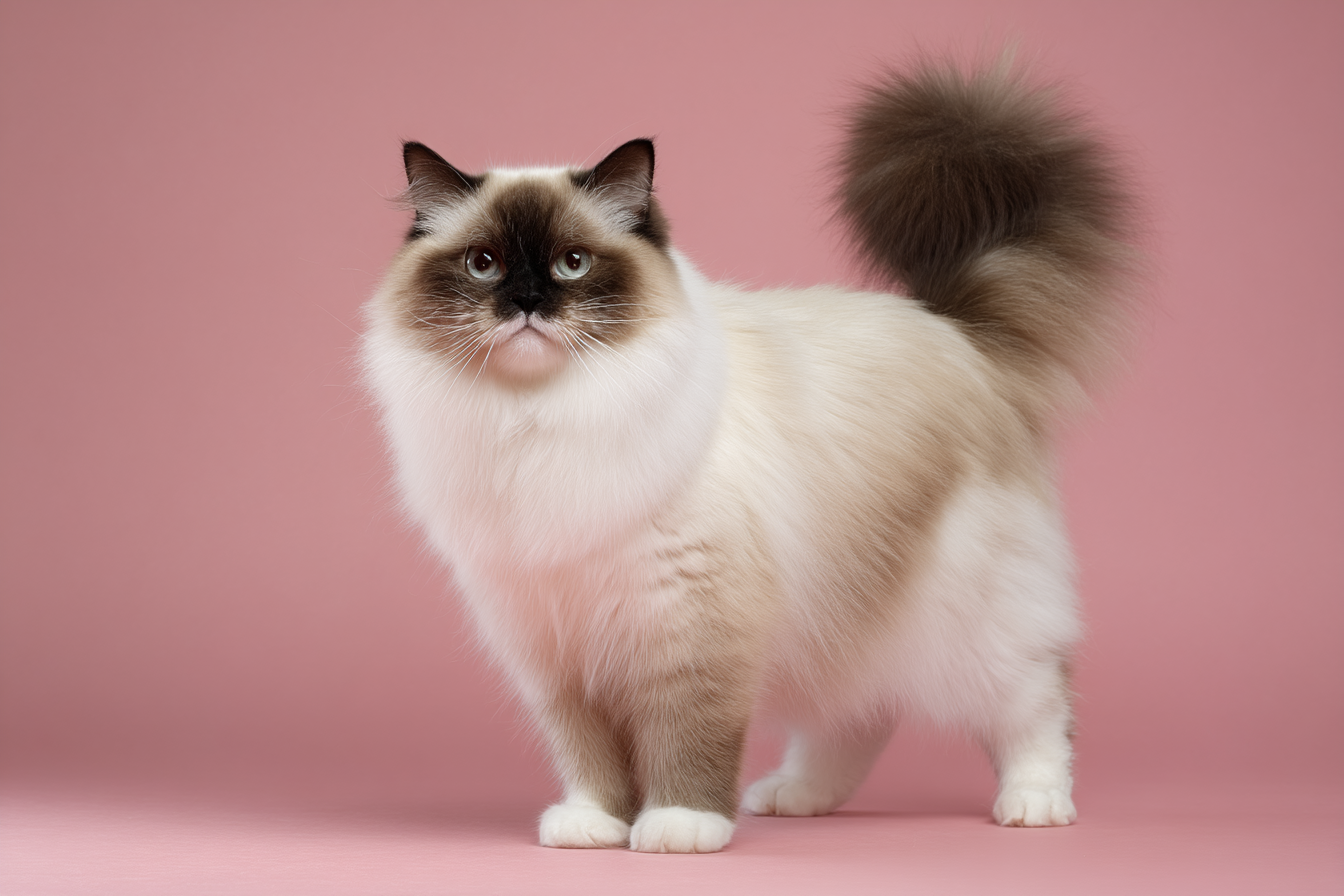
Himalayan Kittens for Sale: A Breeder’s Guide to Buying Responsibly
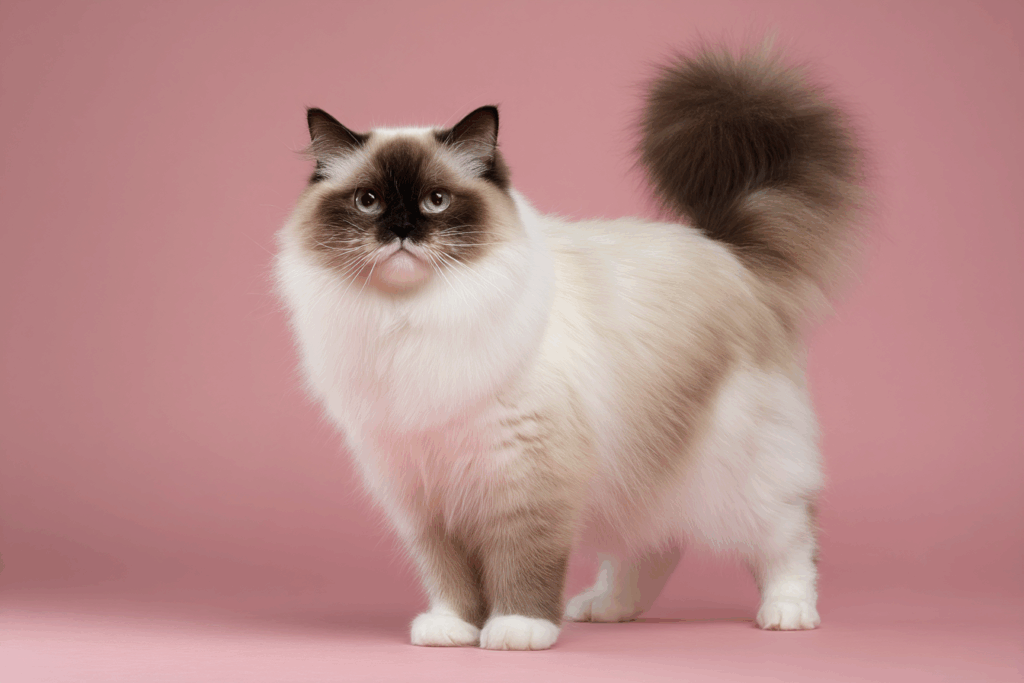
Searching for Himalayan kittens for sale often means buyers are trying to understand more than availability. Himalayan cats have specific grooming, health, and temperament considerations that make responsible breeder selection especially important. This guide explains how buying a Himalayan kitten works, what ethical breeders prioritize, and how to avoid common mistakes when searching for Himalayan kittens.
Himalayan Kittens for Sale Guide — Summary Table
| Category | Details |
|---|---|
| Breed Name | Himalayan (Colorpoint Persian Division) |
| Coat Type | Long, plush, high-maintenance double coat |
| Eye Color | Always blue (required for breed purity) |
| Typical Price Range | $1,200–$2,500 (pet), $3,000–$6,000+ (show) |
| Ideal Homes | Quiet households, adults, gentle kids, apartments |
| Grooming Needs | Daily brushing + routine tear care |
| Health Risks | PKD, respiratory issues, eye staining, heat intolerance |
| Lifespan | 12–16 years (longer in moderate-faced lines) |
| Energy Level | Low–moderate |
| Scam Risk | High — many Persian mixes sold as Himalayans |
| Registry Preference | CFA registration recommended |
| Indoor/Outdoor | Strictly indoor — cannot safely live outdoors |
History & Origin of the Himalayan
The Himalayan cat — often called a “Himmy” — is a stunning blend of Persian structure and Siamese color genetics, created through intentional crossing in the 20th century. Breeders wanted a cat with the flat-faced beauty, plush coat, and luxurious presence of the Persian, combined with the pointed pattern of the Siamese.
By the 1950s and 1960s, major registries began accepting Himalayans as a distinct breed, while others classified them as a division of the Persian. Today, depending on the registry:
- CFA considers Himalayans a color division of the Persian, not a separate breed.
- TICA recognizes them under the broader Persian breed group.
- International registries vary — some list them distinctly, others fold them into Persian classes.
Despite classification differences, all true Himalayans are the result of decades of careful breeding to create a blue-eyed, colorpoint Persian-type cat with predictable coat, temperament, and structure.
Because of their Persian heritage, ethics in breeding, facial structure, and health transparency matter more with Himalayans than with almost any other longhair breed.
Himalayan Kitten Recognition & Why Registry Matters
Himalayans must have:
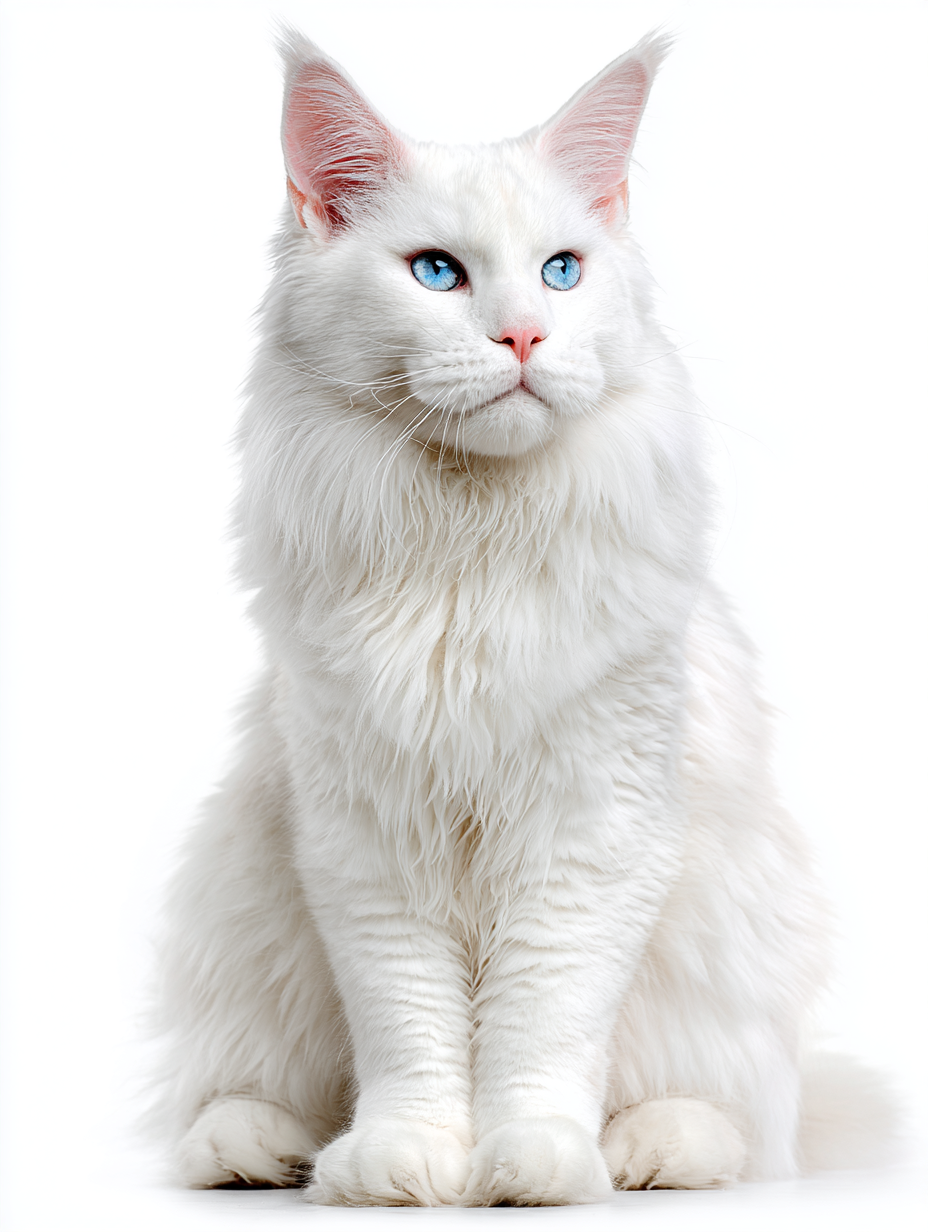
- Blue eyes
- Pointed pattern (seal, blue, chocolate, lilac, flame, cream, lynx, tortie)
- Persian-type structure
- Long, plush, silky coat
A “Himalayan” without blue eyes or proper points is not a purebred Himalayan — it’s a colorpoint Persian mix or domestic longhair.
Registries Accepting Himalayans
- CFA: Himalayans = Persian color division
- TICA: Recognized within the Persian breed group
- GCCF, ACFA, WCF: Recognize Himalayans explicitly or within Persian lines
Why Registry Matters
Persian-type breeds face increased risk of:
- Brachycephalic breathing issues
- Eye tearing
- Coat matting
- Dental crowding
A legitimate breeder tracks health lines carefully and avoids extreme brachycephaly. Backyard breeders often produce “cheap Himalayan kittens” with:
- Poor facial structure
- Respiratory distress
- Chronic eye running
- Weak coats
- Unpredictable temperament
- No registration or health testing
Registry encourages healthier breeding practices and prevents fraudulent color point mixes from being sold at purebred prices.
Himalayan Cats vs Persians: What Buyers Should Understand
Himalayan cats and Persians share the same foundation, but they are not identical in appearance, breeding focus, or buyer expectations. Many people searching for Himalayan kittens for sale encounter confusion because Himalayans are closely tied to Persians in both genetics and registry classification. Understanding how they differ helps buyers choose the right breeder and the right cat for their home.
Breed Classification and Genetics
Himalayan cats are colorpoint Persians. They follow the Persian breed standard for body type, coat, and facial structure, but they express colorpoint genetics similar to those seen in Siamese or Ragdolls. This results in a pale body with darker points on the face, ears, legs, and tail, along with blue eyes.
Persians, by contrast, include a wide range of solid, shaded, smoke, and patterned colors without the colorpoint restriction. While both breeds share the same structural foundation, the color genetics are the defining distinction.
Appearance and Coat Differences
Structurally, Himalayans and Persians look the same when bred to standard. Both have long, dense coats, compact bodies, and flat to moderately flat facial structure depending on breeding lines. The visual difference comes almost entirely from coloration.
Himalayans always display colorpoint patterning, which creates higher contrast around the face and extremities. Persians offer more variety in coat color and pattern, which gives buyers greater flexibility if colorpoint expression is not a priority.
Temperament and Personality Expectations
Temperament between Himalayans and Persians is very similar. Both breeds are calm, quiet, and people-oriented, preferring predictable routines and relaxed households. Neither breed is known for high activity levels or constant vocalization.
Himalayans may appear more expressive because of their striking facial contrast and blue eyes, but behaviorally they align closely with well-bred Persians. Buyers should expect a gentle, affectionate companion rather than an energetic or demanding cat.
Breeding Programs and Availability
The most practical difference for buyers lies in breeding focus and availability. Himalayan breeding programs must maintain consistent colorpoint expression while preserving correct Persian structure. This narrows breeding options and often results in fewer kittens being available at any given time.
Persian breeding programs typically have more flexibility in pairings and color outcomes, which can lead to greater availability overall. Buyers should not assume Himalayans are interchangeable with Persians or easier to find simply because they share ancestry.
Which Breed Is the Right Choice
For buyers, the distinction is straightforward. If you want a Persian-type cat with colorpoint patterning and blue eyes, a Himalayan is the correct choice. If colorpoint expression is not important, a Persian may offer more options in both color and breeder availability.
Ethical breeders are transparent about how they classify their cats, how they breed for health and structure, and why Himalayan kittens are placed deliberately rather than produced in volume.
Himalayan Kittens for Sale: What to Expect From a Purebred Himalayan Breeder
Himalayan kittens are known for their calm presence, affectionate nature, and strong preference for gentle, predictable environments. When raised by a responsible, purebred Himalayan breeder, these kittens combine the serene temperament of Persians with the warm, people-oriented qualities associated with pointed breeds. The result is a companion that thrives on quiet connection rather than constant stimulation.
Well-bred Himalayan kittens are not demanding or chaotic. They tend to observe first, settle easily into routines, and form deep bonds with the people who handle them gently and consistently.
Typical Himalayan Kitten Traits
- Soft-voiced, gentle, and quietly affectionate
- Enjoy supervised cuddling and relaxed lap time
- Adapt well to respectful children and calm households
- Not high-energy or destructive
- Prefer lounging, soft blankets, and predictable routines
- Bond strongly with patient, attentive owners
- Well suited for apartments or low-activity homes
In addition to their temperament, Himalayans are visually striking. Their vivid blue eyes and dramatic color point contrast against a long, plush coat make them one of the most photographed and admired longhair cats worldwide. Ethical breeders focus not only on appearance, but on preserving the steady, affectionate temperament that defines the Himalayan as a true companion breed.
Himalayan Kitten Appearance
A Himalayan kitten looks like a Persian with striking Siamese-style points. Their structure is very specific and easy to identify:
Key Physical Traits
- Large, round head
- Full cheeks and short muzzle (but not overly extreme)
- Deep blue, round eyes
- Long, heavy, silky coat
- Cobby, substantial body
- Short, thick legs
- Full, fluffy tail
Ethical Face Structure
Responsible breeders produce doll-face or moderate-face Himalayans, not extreme, flat-faced kittens.
Moderate Himalayan structure is safer and healthier long-term, as extreme brachycephaly can cause:
- Difficulty breathing
- Excessive eye watering
- Dental misalignment
- Heat intolerance
A healthy Himalayan should still breathe comfortably and show facial balance.
Himalayan Kitten Colors
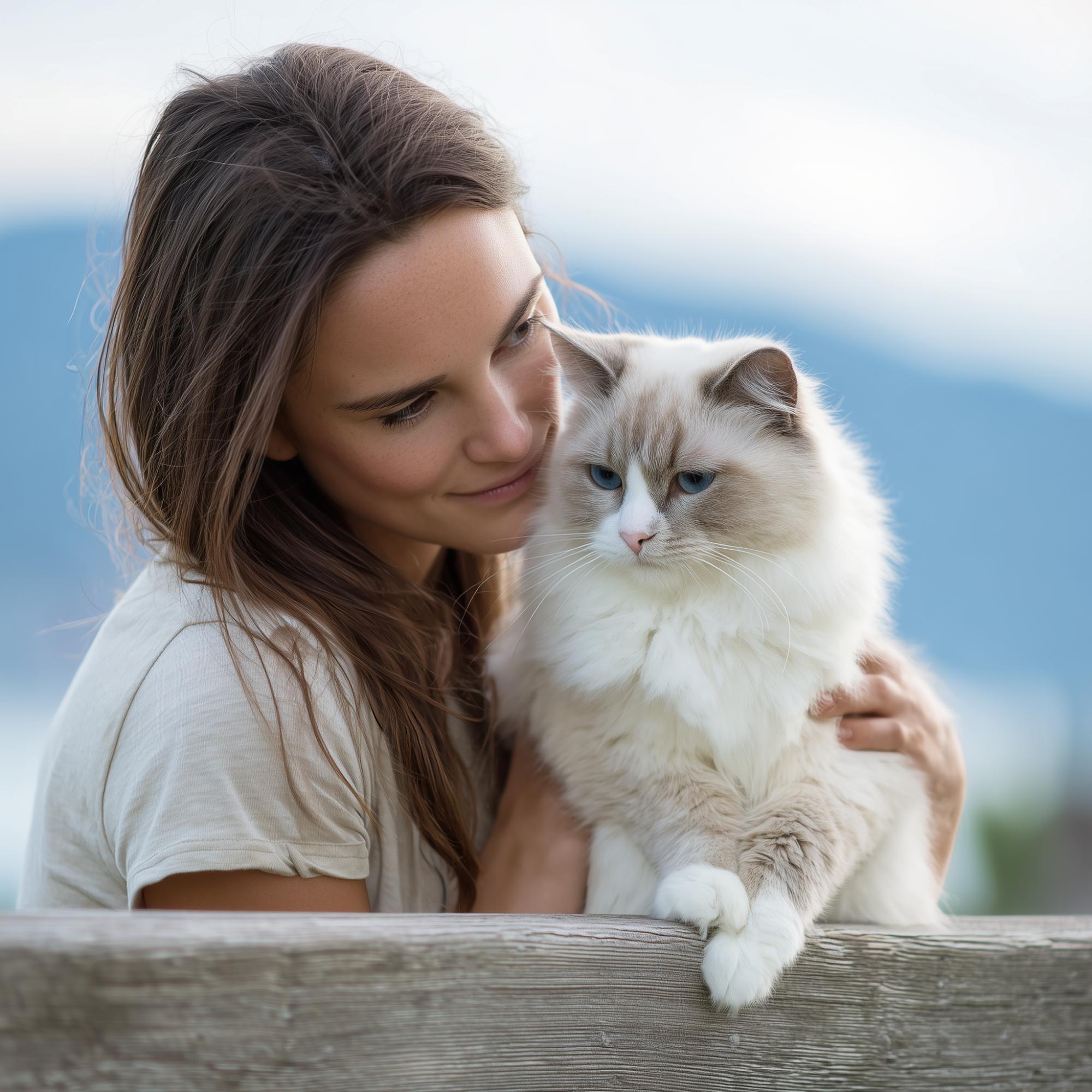
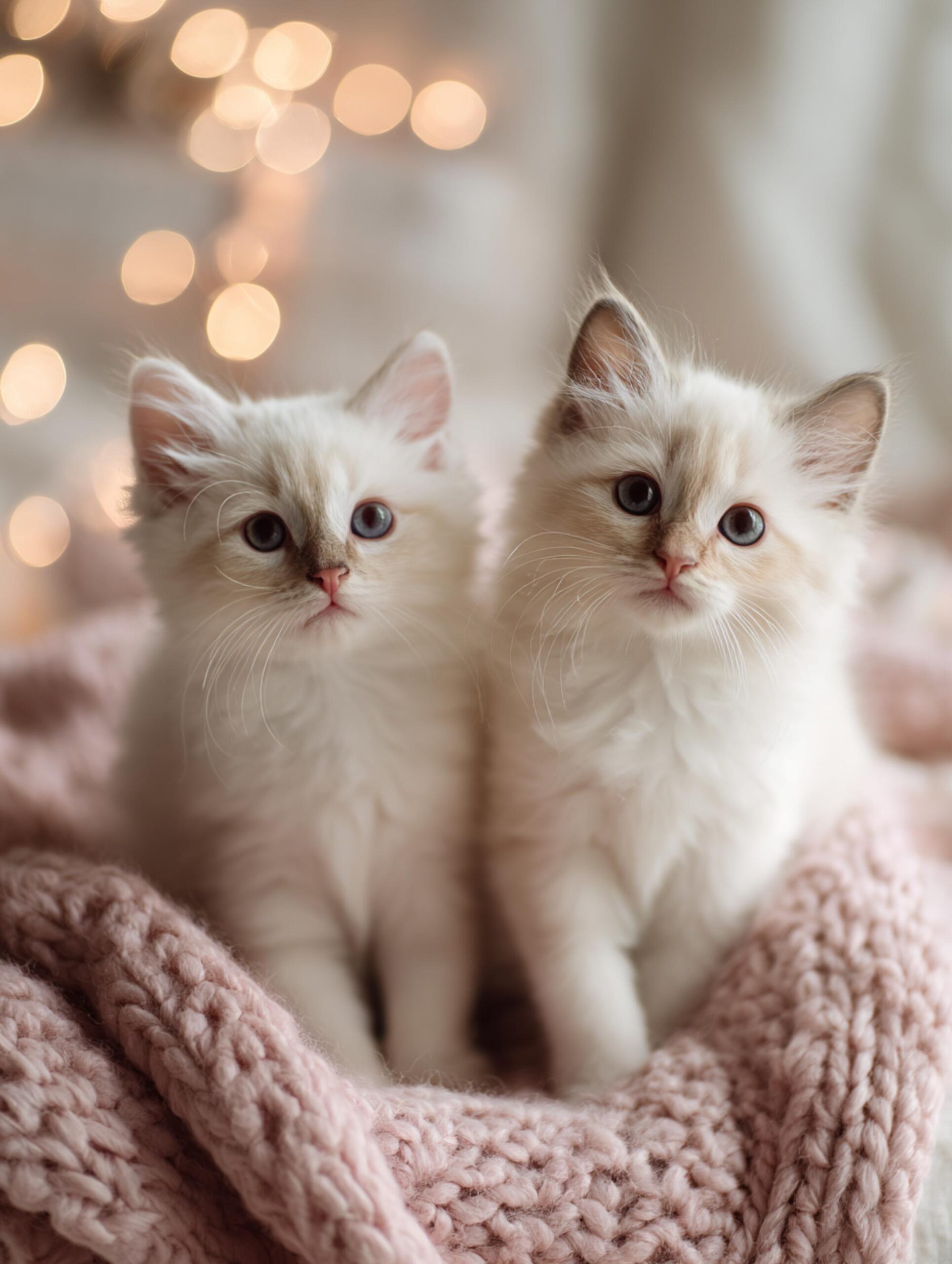
Because Himalayans are point-restricted, the body always appears creamy or pale, while the ears, face, tail, and legs show the darker contrasting color.
Common Colors
- Seal Point
- Blue Point
- Chocolate Point
- Lilac Point
- Flame (Red) Point
- Cream Point
Popular Pattern Variations
- Lynx Point (tabby-striped points)
- Tortie Point (mostly females)
- Tortie-Lynx Point
- Blue-Cream Point
Rare colors like chocolate, lilac, and tortie-lilac are often more expensive due to difficulty maintaining healthy lines without overbreeding.
Are Himalayan Kittens Good Family Pets?
Yes — but only for the right family. Himalayans are gentle, loving, and excellent with:
- Seniors
- Quiet households
- Families who prefer calm pets
- People who enjoy grooming
- Owners who want affectionate but not demanding cats
They are not suitable for:
- High-energy homes
- Households with rough dogs
- People wanting athletic or high-drive cats
- Owners who dislike grooming
- Environments with chaotic noise or constant commotion
Himalayans thrive in soft, calm, consistent environments where their beauty and temperament can shine safely.
Himalayan Kitten Price: How Much Do Himalayan Kittens Cost?
Himalayan kittens fall into the same price category as Persians and exotic longhairs because they require specialized breeding, intensive grooming, and a long development period before going home. Prices vary widely depending on region, breeder reputation, pedigree quality, and the level of facial moderation (extreme faces are cheaper but much less healthy).
Typical Himalayan Kitten Price Range
- Pet-quality Himalayans: $1,200–$2,500
- Show-quality Himalayans: $3,000–$6,000
- Rare colors (lilac, chocolate, tortie-lilac): $2,500–$4,500
- Retired adults: $300–$800
Lower prices almost always indicate:
- backyard breeding
- no registration
- untested parents
- poor facial structure
- respiratory or eye issues
- false advertising (“colorpoint Persian” labeled “Himalayan”)
Price Red Flags
If a Himalayan kitten is under $1,000, it is likely:
- not a real Himalayan
- a Persian mix
- a domestic longhair with pointed coloring
- sold without papers to hide pedigree issues
Because Himalayans inherit health vulnerabilities from Persians, good breeding matters more than the bargain price. The breeder’s ethics directly determine whether your kitten lives comfortably or suffers from lifelong preventable issues.
Himalayan Kitten Price Summary
| Price Factor | What Buyers Can Expect |
|---|---|
| Typical Price Range | Himalayan kittens from ethical breeders commonly range from $2,000 to $4,500+, depending on breeder standards and placement |
| What Influences Price | Health testing, pedigree depth, facial structure, coat quality, and breeder support |
| Pet vs Breeding Rights | Most kittens are placed as pets; breeding rights significantly increase cost and are rarely offered |
| Health Testing Included | Cardiac screening, genetic testing, and routine veterinary care are typically included |
| Waitlist vs Immediate Availability | Ethical breeders often use waitlists rather than offering immediate availability |
| What Lower Prices May Indicate | Limited health testing, poor structure, minimal breeder support, or volume breeding |
| Ongoing Ownership Costs | Grooming, quality nutrition, routine veterinary care, and coat maintenance should be budgeted separately |
Himalayan Temperament & Behavior
Himalayans are famously calm, sweet, and affectionate. They are not loud, intense, or demanding. If you want a peaceful, loving companion who enjoys soft interaction and quiet company, a Himalayan fits beautifully.
Temperament Highlights
- Gentle and soft-spoken
- Extremely affectionate, but not hyper-attached
- Excellent for indoor-only homes
- Prefer predictable routines
- Love being brushed, held, and doted on
- Wonderful with respectful children
- Low prey drive, low destructiveness
- Less independent than British Shorthairs but quieter than Ragdolls
Himalayans do not enjoy:
- chaos
- rough handling
- being chased by dogs
- fast-paced, loud homes
They are best for owners who appreciate calm energy and want a cat that will curl up nearby, nap on soft blankets, and enjoy a lifestyle built on comfort and routine.
Himalayan Grooming & Coat Maintenance
Himalayans are one of the highest-maintenance longhaired breeds, and buyers need a realistic description of grooming before committing. This section also builds trust by setting proper expectations.
Why Himalayan Coats Require Intensive Care
Himalayans inherit their long, dense, luxury coat from their Persian foundation lines, but the pointed gene changes the texture slightly. Their hair is finer, softer, and more prone to matting, especially around:
- the armpits
- the belly
- behind the ears
- the inner thighs
- the tail base
This means their coats look breathtaking when cared for properly — but they cannot maintain themselves without human intervention.
Recommended Daily Grooming Routine
Daily grooming is not optional for this breed.
- brief comb-through of high-friction areas
- check for small knots forming behind the ears and under the legs
- clean tear stains with a safe, pet-friendly cleanser
- wipe facial folds if present
- check tail and breeches for any litter debris
- ensure coat is fully dry after any cleaning
Buyers who neglect this routine will quickly see matting, which is painful and dangerous.
Weekly Deep Grooming
Once a week, owners should:
- use a fine metal comb to reach the undercoat
- use a slicker brush for body fluff
- check the coat for emerging mats
- trim claws
- wipe eyes and folds
- use a detangling spray to prevent future mats
This keeps the coat glossy, full, and healthy — and limits shedding in the home.
Seasonal Shedding & Coat Blowing
Twice per year, Himalayans “blow coat,” losing huge amounts of seasonal undercoat. During these periods:
- daily grooming becomes essential
- use a blower dryer (pet-safe) to remove loose undercoat
- consider professional grooming reinforcement
This is a high-maintenance breed, buyers need to be prepared for a lot of coat maintenance.
Himalayan Diet & Nutrition
A Himalayan’s long, luxurious coat is one of the most beautiful features of the breed—yet it is also one of the most nutritionally demanding. The quality of a Himalayan’s skin and coat is directly tied to what they eat, and the right diet will determine whether their fur grows in silky, dense, and vibrant—or becomes brittle, dull, and prone to matting.
Why High-Quality Protein Matters for Himalayans
Longhaired breeds require more protein than most cats because their bodies must constantly produce and maintain large amounts of fur. A protein-rich diet supports:
- strong, healthy hair follicles
- reduced shedding
- a full, plush coat
- proper skin turnover
Himalayan kittens should be fed foods that contain:
- high levels of real animal protein (chicken, turkey, salmon, lamb)
- moisture-rich wet food to support hydration
- minimal fillers such as corn, wheat, or soy
- omega-3 fatty acids for shine and skin health
- taurine-rich formulas for heart and eye development
When the protein level is correct, you’ll see the coat develop more thickness, natural gloss, and reduced matting.
Hydration & Wet Food: Essential for Himalayan Health
Because Himalayans descend from Persian bloodlines, they can be more prone to kidney and urinary issues. Moisture intake is one of the most effective ways to prevent future health concerns and maintain coat quality.
Wet food helps reduce the risk of:
- kidney stress
- urinary crystals
- dehydration
- constipation
- dry, breakable fur
Cats naturally have a low thirst drive, so feeding a combination of high-quality wet food and a moisture-supportive diet is an important preventive measure.
Supplements & Healthy Additions
While most kittens do well on a premium diet, certain supportive nutrients can help maintain coat quality:
- omega-3s from salmon oil
- biotin for coat strength
- probiotics for digestion and skin condition
- hydration boosters such as bone broth toppers
These additions can make a noticeable difference, especially during shedding seasons.
Avoid “Coat Enhancer” Myths
It’s common for low-quality breeders or online sellers to recommend powders, dyes, or boutique products claiming to “brighten point colors” or “enhance blue eyes.” These products are unnecessary and can be harmful.
Avoid foods or supplements that promise cosmetic changes—they often cause:
- stomach upset
- diarrhea
- excess shedding
- vitamin imbalance
- greasy or dull coats
A Himalayan’s natural beauty comes from genetics plus consistent, high-quality nutrition—not marketing gimmicks.
Choosing the Right Diet for Your Himalayan
For best results, look for foods that meet these criteria:
- named animal protein as the first ingredient
- grain-free or low-grain formulas
- added omega-3 and omega-6 fatty acids
- no artificial colors or preservatives
- balanced for kittens, then transitioned to adult formulas around 12 months
A well-fed Himalayan will show their health in the shine, softness, and fullness of their coat. Good nutrition also supports immunity, growth, and overall wellbeing—ensuring your Himalayan kitten grows into a thriving, beautiful adult cat.
Indoor vs Outdoor Himalayan Living
Himalayans tend to be fragile and need to be protected from the outdoors.
Himalayans Are Strictly Indoor Cats – Always
This breed cannot survive safely outdoors. Their long coats catch debris, their breathing can be compromised, and they lack the agility and alertness of more active breeds.
Why Outdoors Is Dangerous
- predators
- cars
- parasites
- theft (Himalayans are often stolen)
- respiratory triggers
- matting risks
- inability to defend themselves
Pointed breeds are more trusting and slower moving, making them easy targets.
Ideal Indoor Setup
Himalayans thrive with:
- quiet spaces
- soft bedding
- low climbing requirements
- window perches
- interactive but gentle play
- air conditioning during hot months
A Himalayan cat is not the right choice for owners wanting an outdoor cat
Himalayan Health & Ethical Breeding Considerations
Himalayans inherit the same structural considerations as Persians. This does not mean every Himalayan is unhealthy — but it does mean that unethical breeding and extreme facial structure can create serious suffering.
Common Health Risks
- Respiratory issues (brachycephalic airway obstruction)
- Chronic eye tearing
- Dental malocclusions
- Heat intolerance
- PKD (Polycystic Kidney Disease)
- Hypertrophic cardiomyopathy (HCM)
- Obesity due to low activity levels
Ethical Face Structure Matters
Moderate-faced Himalayans have:
- wider nostrils
- better airflow
- fewer tear duct issues
- more balanced jaw structure
- improved quality of life
Extreme Persian-style faces (cheap kitten mill stock) often suffer from:
- constant wheezing
- perpetual tearing
- mouth pain
- difficulty eating
- feeding tube emergencies
- increased risk during heatwaves
- poor breeding longevity
For these reasons, ethical breeders avoid producing extreme-faced Himalayans.
Considering Alternatives With Similar Temperament
Families who love the gentle, affectionate nature of Himalayans but want to minimize health risks sometimes explore breeds with similar personalities and less extreme facial structure. Calm, people-oriented breeds such as British Shorthairs, Ragdolls, or RagaMuffins can offer a comparable companion experience when bred with health and structure as the priority.
Buyers should always evaluate individual breeders carefully, regardless of breed, and prioritize health testing, moderate structure, and long-term welfare over appearance alone.
Learn more about our approach to breeding calm, healthy companion cats.
Himalayan Kitten Red Flags
| Red Flag | Meaning | Why It’s Dangerous |
|---|---|---|
| No paperwork or “papers on request” | Not a purebred Himalayan | Hides Persian mixes or domestic longhairs |
| Selling under 10–12 weeks | Backyard breeder behavior | Early weaning = behavioral & health problems |
| Allows kittens to leave unfixed with no contract | Zero ethics | Leads to poor breeding and genetic decline |
| Extremely flat faces sold cheaply | Kitten mill stock | Causes breathing, dental, and tear duct suffering |
| Seller won’t share parent photos | Parents are mixed or poorly kept | Indicates hidden health or structural issues |
| No PKD DNA test | Risk of fatal kidney disease | Ethical breeders always test |
| Very cheap “rare color Himalayans” | Fake claim | Often domestic cats with colorpoint genes |
| Only communicates by text or DM | Scammer behavior | No transparency or accountability |
Choosing the Right Himalayan for Your Home
Choosing a Himalayan kitten is less about appearance and more about lifestyle compatibility. Himalayans are calm, affectionate companions who thrive in predictable, low-stress environments. When placed thoughtfully, they form deep bonds and settle easily into daily routines. When mismatched, they can struggle with stress and unmet care needs.
This section helps buyers evaluate whether a Himalayan truly fits their home and expectations.
Best Suited for Calm Households
Himalayans tend to thrive in homes that offer:
- adults or seniors
- gentle, respectful children
- apartment or low-activity living
- quiet, structured households
They prefer environments where noise levels are low, routines are consistent, and interactions are unhurried.
Himalayans often struggle in:
- loud or chaotic homes
- high-energy multi-pet households
- homes with dogs that chase or play roughly
- households with frequent travel or inconsistent schedules
Ideal for Owners Who Want
Himalayans are a good match for people seeking:
- a cuddly, lap-loving companion
- a cat with low prey drive
- a classic longhaired, elegant appearance
- gentle, affectionate behavior
- a predictable, stable temperament
They are deeply people-oriented and value calm presence over constant stimulation.
Not the Right Choice for Everyone
Himalayans may not be a good fit for:
- families wanting an active or bold breed
- owners unable to commit to daily grooming
- households with significant allergy sensitivity
- buyers seeking a low-maintenance cat
Himalayans are not low-maintenance companions. Their coat care, grooming needs, and preference for calm environments require time, consistency, and dedication.
Himalayan Kitten Growth & Development
This section mirrors the British Shorthair and Ragdoll development guides that perform well for you.
8–12 Weeks
- Rapid socialization
- Point colors begin deepening
- Eyes remain blue
- Grooming training begins
- Early signs of temperament emerge
3–6 Months
- Coat thickens
- Points become more dramatic
- Playful but gentle energy
- Bone structure becomes more defined
6–12 Months
- Adolescence
- Full coat begins forming
- Behavioral settling
- Strong bonding phase
1–3 Years
- Full adult coat
- Complete facial development
- Colors fully mature
- Calm, affectionate temperament stabilizes
Full Maturity
Himalayans typically reach full emotional and physical maturity at 3–4 years, similar to Persians.
Common Health Concerns in Himalayan Cats
1. PKD (Polycystic Kidney Disease)
This is the number one inherited problem. Ethical breeders DNA test all breeding cats.
2. Brachycephalic Respiratory Syndrome
Flat faces limit airflow and can cause:
- snoring
- noisy breathing
- exercise intolerance
- heat intolerance
Avoid extremely flat-faced Himalayans.
3. Eye Issues
Due to the facial structure, Himalayans are prone to:
- excessive tearing
- tear staining
- runny eyes
Owners must wipe daily.
4. Dental Misalignment
Shortened skulls can cause:
- teeth crowding
- tartar buildup
- gum issues
5. Coat & Skin Disorders
Long coats require care to prevent:
- hot spots
- matting
- fungal irritation
- dandruff
6. Heat Sensitivity
Himalayans must live in temperature-controlled homes — they cannot tolerate excessive heat.
Should You Choose a Himalayan?
Perfect For Buyers Who Want:
- a soft, affectionate cat
- a calm, quiet home companion
- glamorous, luxurious fur
- an elegant colorpoint pattern
- predictable temperament
Not Ideal For Buyers Who:
- dislike daily grooming
- want a low-shedding breed
- need a low-maintenance pet
- have loud, chaotic homes
- are sensitive to allergens
If You Want a Lower-Maintenance Longhair
For families who love the look of longhaired breeds but prefer sturdier health, predictable lines, and lower risk, consider our ethically bred kittens at Almonte Cats. We produce carefully selected Ragdolls, British Shorthair and longhair lines with transparent pedigrees and lifelong support.
How to Choose a Himalayan Kitten
Here is what to look for when you are buying a Himalayan kitten.
Look for These Signs of a Real Himalayan:
- blue eyes (100% required)
- colorpoint development
- CFA registration (preferred)
- full Persian body type
- photos of parents
- consistent, symmetrical mask
- correct coat density for age
- clean tear channels
Ask the Breeder:
- Are parents PKD tested?
- How often do you breed?
- Are kittens raised in-home or caged?
- Can I see the pedigree?
- What grooming routine do you start before weaning?
- Are kittens spayed/neutered before going home?
A reputable breeder will be transparent and thorough.
What to Avoid
- cheap kittens
- no papers
- only text-based communication
- no health testing
- “rare blue-eyed full adult” claims
- Persian mixes sold as Himalayans
This will help you avoid kitten scams and unethical breeders.
Himalayan Kitten Overview
| Feature | Himalayan | Persian | Ragdoll | British Longhair |
|---|---|---|---|---|
| Eye Color | Always blue | Copper/green | Blue | Copper/gold |
| Coat Type | Long, silky, mats easily | Dense longhair | Semi-long, silky | Plush, thick |
| Grooming Requirement | Very high | Very high | Moderate | Low–moderate |
| Personality | Sweet, calm, gentle | Quiet, dignified | Laid-back, social | Independent, affectionate |
| Health Concerns | PKD, airway issues | PKD, tear staining | HCM risk | Very robust |
| Good for Families? | Yes, gentle homes | Yes, quiet homes | Yes | Yes |
| Scam Frequency | High | Medium | High | Low |
| Best For | Calm homes wanting beauty & sweetness | Slow homes wanting quiet cats | Families wanting floppy cats | Families wanting easy grooming |
How to Identify a Real Himalayan Cat vs a Mix
The term Himalayan is frequently misused online. Many kittens advertised as “Himalayan kittens for sale” are not true Himalayans at all, but colorpoint longhair cats without proper lineage or breed standards. Knowing how to identify a real Himalayan helps buyers avoid misrepresentation and understand what they are actually purchasing.
Common Cats Misrepresented as Himalayans
Kittens labeled as Himalayans are often:
- Domestic longhair cats with colorpoint coats
- Persian mixes
- Ragdoll–Persian crosses
- Random-bred colorpoint cats with no pedigree
Colorpoint patterning alone does not make a cat a Himalayan. Breed identity is determined by structure, genetics, and documented lineage, not coat color.
Key Traits of a True Himalayan Cat
A purebred Himalayan should meet all of the following criteria.
Blue Eyes Only
Himalayans always have blue eyes. There are no exceptions.
Green, gold, or copper eyes indicate the cat is not a Himalayan.
Distinct Colorpoint Pattern
A Himalayan displays a clear pointed pattern, including:
- a pale cream to light body color
- darker points on the ears, face, tail, and legs
Inconsistent shading or lack of clear point contrast suggests a mix.
Persian Body Structure
Himalayans follow Persian breed standards for structure, including:
- a round head
- a compact, cobby body
- heavy bone
- a dense, plush coat
Cats with longer muzzles, almond-shaped eyes, or a lighter, more athletic frame are not correct for the breed.
Recognized Registration
A real Himalayan should come with registration from a major cat registry, such as:
- CFA
- TICA
- or another registry that classifies Himalayans within Persian lines
Lack of registration or vague paperwork is a major red flag.
Verified Parentage
Both parents of a Himalayan kitten should be:
- registered Persians or Himalayans
- documented with pedigrees
- health tested according to breed standards
Reputable breeders provide parent photos and lineage information without hesitation.
When a “Himalayan” Is Actually a Cross
If a kitten is advertised as a Himalayan but shows features such as:
- open nostrils
- almond-shaped eyes
- a longer, Ragdoll-like muzzle
…it is almost certainly a mix. Crosses can be lovely companions, but they should not be marketed or priced as purebred Himalayans.
Understanding these distinctions protects buyers from misinformation and ensures expectations align with the cat they are bringing home.
Himalayan Kitten FAQ
Are Himalayan kittens good for first-time cat owners?
Himalayans can be a wonderful choice for first-time owners, but only if the buyer is fully prepared for their grooming needs. Their personality is gentle, sweet, and easygoing, but their coat requires a serious commitment. A first-time owner must be willing to brush daily, maintain regular eye cleaning, and provide a quiet, stable home. If someone wants low maintenance, a Himalayan will feel overwhelming, but if they want a calm, cuddly companion, they are a great fit.
Do Himalayan kittens shed a lot?
Yes. Himalayans shed a significant amount due to their dense Persian-style coat. They shed lightly year-round and heavily during seasonal coat changes in spring and fall. Daily brushing reduces shedding, prevents matting, and helps keep the coat clean and comfortable. Buyers who cannot manage shedding should consider a shorthair breed like a British Shorthair instead.
What colors do Himalayan kittens come in?
Himalayans come exclusively in colorpoint patterns. Popular shades include seal, blue, chocolate, lilac, flame, cream, tortie, lynx, and rare combinations like lilac-lynx tortie. All purebred Himalayans have a pale cream or ivory body with darker points on the face, ears, legs, and tail — a direct expression of their Siamese colorpoint gene.
Do all Himalayan kittens have blue eyes?
Yes — a true Himalayan must have blue eyes. The pointed gene that defines the breed restricts pigment on the body while producing blue eyes. Any Himalayan with green, copper, or mixed eye colors is not a purebred Himalayan and is likely a Persian mix, Ragdoll mix, or a domestic longhair with colorpoint coloration.
Are Himalayan kittens hypoallergenic?
No. Himalayans are not hypoallergenic. In fact, long-haired breeds tend to trap dander in their coats, making them less suitable for allergies. Their grooming needs, shedding, and facial structure can increase exposure to allergens. Allergy-prone families should consider a breed known for lower allergen levels or spend time with a Himalayan beforehand to test sensitivity.
How much do Himalayan kittens usually cost?
Most Himalayan kittens cost $1,200–$2,500 for pets and $3,000–$6,000 for show-quality kittens. Rare colors like chocolate, lilac, and tortie-lynx may cost more. Prices below $1,000 almost always signal unregistered or unhealthy kittens — often Persian mixes being sold as “Himalayans” with no paperwork.
Why are some Himalayan kittens so cheap online?
Cheap “Himalayans” are nearly always mixed-breed kittens, poorly bred cats, or scam listings. Many sellers use the colorpoint coat to pass off domestic longhairs as Himalayans. Low prices typically mean no registration, no health testing, improper facial structure, and high risk of PKD or respiratory issues. Ethical Himalayan breeding is never cheap.
Are Himalayan kittens safe for homes with children?
Yes — Himalayans are gentle, patient, and affectionate with respectful children. They enjoy soft handling, lap time, and quiet play. However, they are not good with rough or high-energy households. Because they have delicate facial structures and long coats, they must be handled carefully.
Do Himalayans get along with dogs?
Only with calm, cat-friendly dogs. Himalayans are not athletic or assertive, so they can easily feel overwhelmed by high-energy breeds. They do best with relaxed, quiet dogs who respect their space. Introductions should be slow, quiet, and structured.
Do Himalayan kittens stay small?
Himalayans are medium-sized, not miniature. Females typically reach 7–10 lbs and males 9–12 lbs, though some lines are slightly larger. If someone is advertising “teacup Himalayans,” it is a scam or severe runting — never buy from breeders pushing that term.
How long do Himalayans live?
Most Himalayans live 12–16 years, though well-bred, moderately faced cats can reach 17–19 years. Lifespan depends heavily on:
- facial structure
- genetic health
- PKD status
- grooming practices
- indoor-only living
Extreme-faced lines tend to live shorter lives due to respiratory complications.
Do Himalayans have breathing problems?
Many do — especially those bred with very flat Persian faces. Brachycephalic airway obstruction is common in poorly bred lines. Moderate-faced Himalayans with visible nostrils and good skull structure breathe easier and have healthier lives. This is one of the biggest reasons to avoid backyard breeders.
Do Himalayan kittens require a lot of grooming?
Yes. Himalayans are one of the highest-maintenance longhair breeds. Daily brushing and weekly deep grooming are required. Without consistent grooming, their fine, silky coat mats extremely fast, which is painful and can cause skin damage. If a buyer is not prepared for daily coat care, this is not the right breed.
How can I tell if a Himalayan kitten is purebred?
A true Himalayan has:
- blue eyes
- colorpoint markings
- Persian head structure
- long Persian-style coat
- CFA or equivalent registration
- PKD-tested parents
- photos of both parents
If a kitten lacks any of these traits, it is likely a mix or misrepresented.
Is it normal for Himalayan kittens to have watery eyes?
Mild tearing is common due to their facial structure, but excessive discharge is a red flag. Persistent tearing often indicates brachycephalic issues, poor breeding, or blocked tear ducts. Moderate facial structure results in much healthier eyes.
What age can Himalayan kittens go home?
Ethical breeders send Himalayans home at 12–16 weeks, depending on development. They mature slower than some breeds, and early separation (under 10 weeks) increases behavioral and health problems. If someone offers an 8-week-old Himalayan, it is a backyard breeder or scam.
Are Himalayan kittens clingy?
They are not clingy, but they are very people-oriented. Himalayans enjoy being near their humans and appreciate affection, but they are not as demanding as Siamese or as floppy as Ragdolls. They prefer calm companionship over constant attention.
Do Himalayans get matted easily?
Yes — faster than most longhair breeds. Their fine coat tangles quickly, especially during seasonal shedding. Daily grooming prevents mats and keeps the coat silky and full. Buyers unwilling to groom daily should choose a lower-maintenance breed.
Can Himalayans be outdoor cats?
No — Himalayan cats should never be outdoors. Their long coat, slow reflexes, flat facial structure, and trusting nature make them extremely vulnerable to predators, cars, heat, and theft. They are strictly indoor companions.
Are Himalayans good apartment cats?
Absolutely. Himalayans are calm, quiet, and prefer stable environments. They do not require high ceilings, large spaces, or athletic challenges. As long as they have affection, toys, clean air, and routine grooming, they thrive in apartments.
What health testing should breeders provide for Himalayan kittens?
A reputable breeder must provide:
- PKD DNA testing (mandatory)
- HCM monitoring
- Pedigree documentation
- Vaccination & vet records
- Moderate-face line confirmations
If a breeder cannot show PKD-negative proof, walk away immediately.
Why do some Himalayans look more like Persians?
Because Himalayans are a Persian division under CFA. The difference lies in the colorpoint gene. Some breeders aim for moderate, healthier Persian-style faces, while others breed extreme faces (not recommended). Both appear Persian-like, but only a pointed cat with blue eyes is a Himalayan.
Do Himalayan kittens meow a lot?
No. Himalayans are soft-voiced and gentle. They communicate quietly with chirps, soft meows, and purrs. They are far quieter than Siamese and many longhair breeds, making them excellent for peaceful homes.
What supplies do I need before bringing home a Himalayan kitten?
Buyers should prepare:
- metal comb & slicker brush
- tear-stain wipes
- high-protein wet and dry food
- dust-free litter
- slow-feeder bowls
- a quiet sleeping area
- interactive toys
- a climate-controlled living environment
Proper setup helps prevent stress and coat problems.
Is a Himalayan kitten right for me?
A Himalayan is right for you if you want a calm, affectionate, stunningly beautiful companion and you are willing to groom daily. It is not the right breed if you want low-maintenance, hypoallergenic, or highly active pets. Matching lifestyle to breed needs ensures long-term success.
Related Himalayan & Breeder Posts
- Himalayan Cat Lifespan
- Himalayan vs Persian
- Himalayan Ragdoll Cat Price
- 7 Best Cat Breeds for Apartments
- How Ethical Catteries Operate
Post Sources & Veterinary References
- The International Cat Association (TICA) – British Shorthair Breed Standard
https://tica.org/breeds/breed-standards/british-shorthair-bs - Cat Fanciers’ Association (CFA) – British Shorthair Breed Profile
https://cfa.org/british-shorthair/ - Cornell Feline Health Center – General Feline Longevity & Senior Care
https://www.vet.cornell.edu/departments-centers-and-institutes/cornell-feline-health-center - American Association of Feline Practitioners – Senior Cat Care Guidelines (AAFP)
https://catvets.com/guidelines - Royal Veterinary College – Longevity & Causes of Death in Cats Study
https://www.rvc.ac.uk/vetcompass - National Library of Medicine – Longevity & Mortality in Domestic Cats (Peer-Reviewed Study)
https://pubmed.ncbi.nlm.nih.gov/30730974/ - American Veterinary Medical Association – Cat Health & Indoor vs Outdoor Safety
https://www.avma.org/resources/pet-owners/petcare/cats-and-outdoors - ASPCA – Indoor Cat Life Expectancy & Safety
https://www.aspca.org/pet-care/cat-care - Wisdom Panel / Optimal Selection – Feline Genetic Health Overview
https://www.wisdompanel.com/en-us/cat - PawPeds – British Shorthair Health Program & Genetic Guidance
https://www.pawpeds.com/cms/index.php/en/ - American College of Veterinary Nutrition (ACVN)
https://acvn.org/ - PetMD – Senior Cat Nutrition & Lifespan Health
https://www.petmd.com/cat





Read the Comments +