
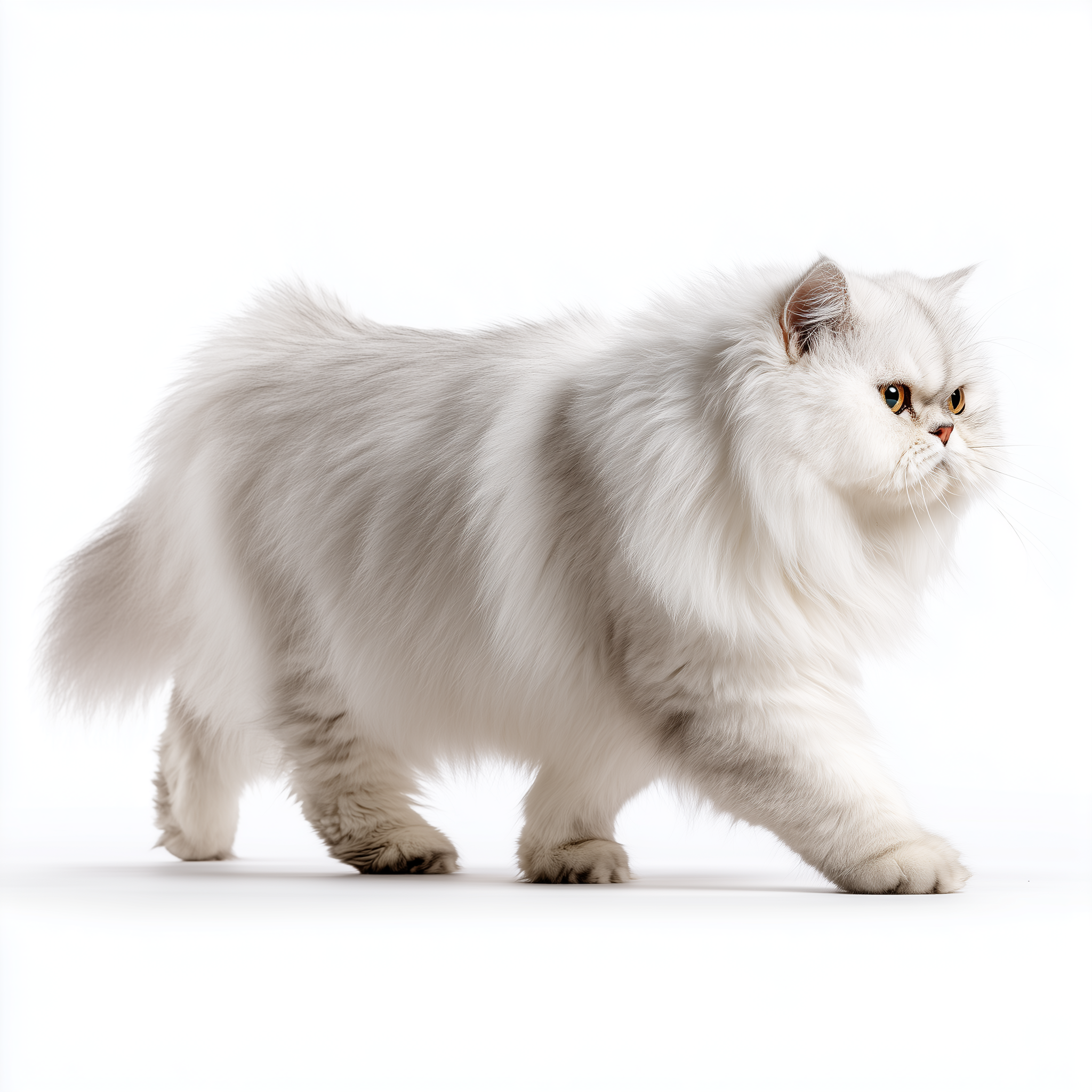
Himalayan vs Persian: Complete Breed Comparison
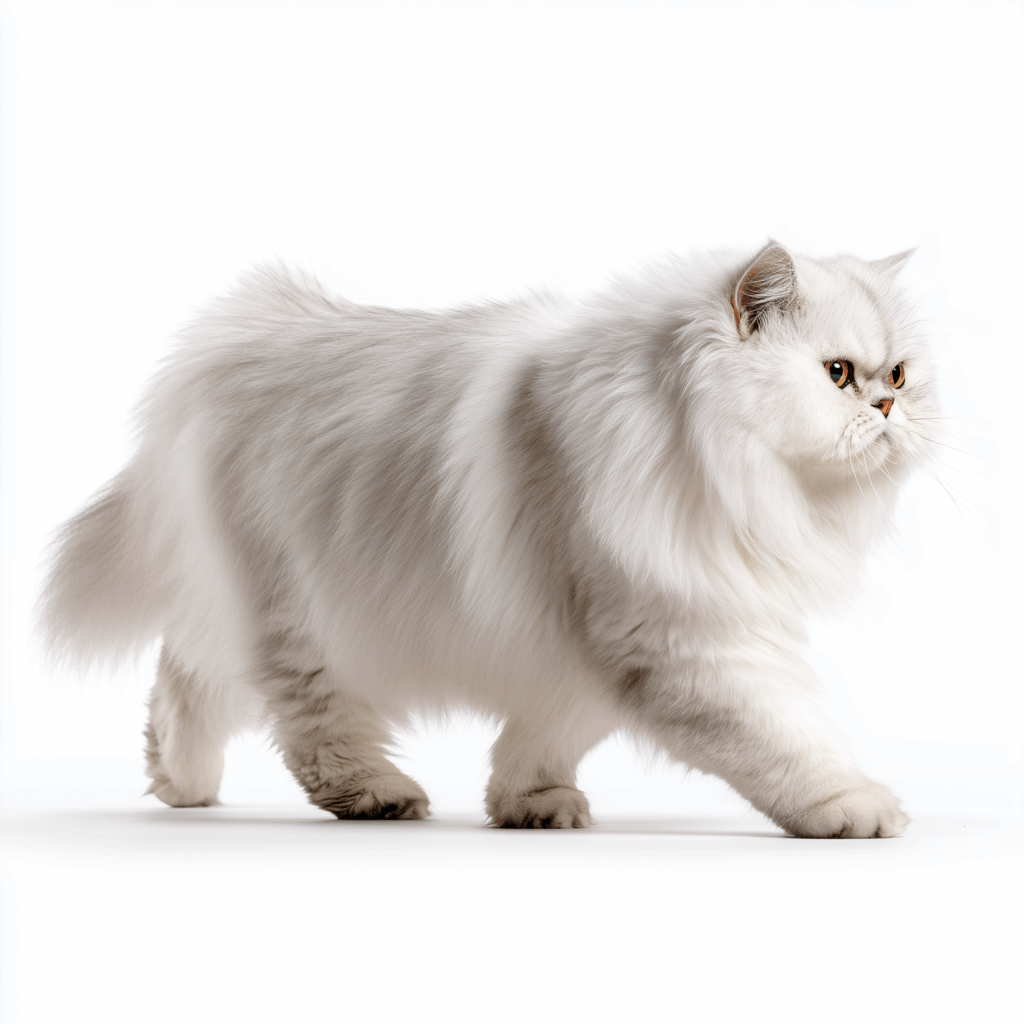
What is the difference between the Himalayan vs Persian? The Himalayan and the Persian are two of the most popular longhaired cats in the world, and many people are surprised to find out they are essentially the same breed. but despite their close genetic connection and shared popularity, these breeds differ in structure, grooming needs, health concerns, and day-to-day maintainability.
Although Himalayans are technically colorpoint Persians in most registries, the colorpoint pattern, expression, and sometimes more moderate facial type create meaningful lifestyle differences for potential owners.
Whether you’re deciding between the Himalayan’s colorpoint beauty and the Persian’s classic, full-color glamour, or simply choosing which breed best fits your home, this in-depth guide covers every major difference: personality, health, lifespan, grooming requirements, activity levels, cost, and the type of family each breed is suited for.
Quick Comparison Table: Himalayan vs Persian
| Trait | Himalayan | Persian |
|---|---|---|
| Personality | Sweet, quiet, gentle | Sweet, quiet, affectionate |
| Activity Level | Very low | Very low |
| Grooming Needs | Extremely high | Extremely high |
| Coat Type | Long, silky, thick undercoat | Long, silky, thick undercoat |
| Face Structure | Traditional to brachycephalic | Primarily brachycephalic |
| Health Risks | High (airway, eyes, PKD) | High (airway, eyes, PKD) |
| Lifespan | 12–15 years | 12–15 years |
| Maintenance Level | Very high | Extremely high |
| Best For | Quiet homes, dedicated groomers | Quiet homes, experienced owners |
| Shedding | Heavy year-round | Heavy year-round |
Breed Origins and History
Himalayan Origins
The Himalayan was developed in the 1930s–1950s by crossing Persians with Siamese cats to introduce the colorpoint pattern. The goal was simple: retain the Persian’s luxurious coat, gentle temperament, and rounded body while adding striking blue eyes and point coloration.
Over time, Himalayans were refined further toward Persian structure, and today most major registries classify them as a colorpoint division of the Persian breed, not a separate breed. Their grooming needs, body type, and health considerations remain very similar to Persians, but the colorpoint pattern gives them a distinct visual identity.
Persian Origins
Persians originate from ancient Mesopotamia (modern-day Iran) and developed into a standardized pedigree breed in the 1800s. Their long, flowing coats and large, expressive eyes made them highly sought after in Europe.
Modern Persians, however, differ significantly from their historical form. Over the last century, extreme facial flattening (brachycephaly) became widespread within the show lines, contributing to the iconic “doll-face” or “peke-face” look — but also increasing respiratory, dental, and eye-related concerns.
Today Persians are recognized by every major cat association, and many breeders advocate for moderating the facial structure to support better welfare.
Himalayan vs Persian Appearance
Himalayan Appearance
Himalayans are essentially Persians with:
- colorpoint pattern
- vivid blue eyes
- a range of facial types
- classic/doll-face (more moderate)
- flatter, Persian-style show faces
Physically, they share nearly all structural traits with Persian cats:
- rounded head
- large round eyes
- small rounded ears
- heavy boning
- short legs
- long, silky coat with dense undercoat
The only consistent difference is color and eye color. All Himalayans are pointed, and all have blue eyes.
Persian Appearance
Persians are known for:
- very flat faces (in show lines)
- large round copper or blue/odd-eye eyes
- short noses
- small ears
- rounded, cobby bodies
- long, silky coat
Persians come in an enormous array of solids, bicolors, tabbies, smokes, shaded colors, and more — everything except colorpoint, which belongs exclusively to the Himalayan division.
The biggest structural difference is that Persians are more consistently bred toward extreme brachycephaly, while Himalayans can range from moderate to extreme depending on the line.
Personality & Temperament:
Both Himalayans and Persians are famously calm and gentle cats, but they express their calmness in slightly different ways.
Himalayan Temperament
Himalayans are:
- very gentle
- quiet and sweet
- fond of cozy spaces
- deeply bonded to their person
- sensitive to noise
- slow-moving
- affectionate lap cats
The Siamese ancestry does not contribute to vocalization or energy in the modern breed, as the Persian influence is overwhelmingly dominant.
Persian Temperament
Persians are:
- extremely calm
- affectionate
- slow-moving
- peaceful
- quiet
- devoted to their owners
They have one of the lowest activity levels of all cat breeds. Persians crave stability and become easily stressed in chaotic homes.
Recap
Both breeds are calm and gentle, but Himalayans may show slightly more awareness or curiosity because of their outcross origins — though still far calmer than average cats.
Health & Genetic Concerns: Himalayan vs Persian
Because Himalayans and Persians share the same genetic foundation, both breeds experience similar health vulnerabilities. The degree of risk often depends on the specific line, especially regarding facial structure and whether health testing is prioritized.
Both breeds are known for gentle, sweet dispositions, but their physical structure — especially the shortened skull shape — contributes to several lifelong health considerations. Understanding these risks helps owners prepare for appropriate care, budgeting, and long-term support.
Himalayan Health Profile
Himalayans inherit nearly all of the Persian’s structural and genetic concerns. Even when bred with a more moderate face, the breed’s underlying skull shape still creates respiratory, eye, and dental challenges. Common Himalayan health issues include:
• Polycystic Kidney Disease (PKD)
PKD remains a significant issue in Persian-related breeds. Responsible breeders use DNA testing to avoid producing PKD-positive kittens, but it is still present in untested lines.
• Respiratory Sensitivity
Moderate-faced Himalayans breathe more easily than flat-faced Persians, but they can still experience:
- noisy breathing
- mild blockage
- reduced airflow during exertion
- limited heat tolerance
• Chronic Tear Overflow
Tear ducts drain inefficiently due to the breed’s head shape. Even doll-faced Himalayans may require daily eye cleaning.
• Dental Crowding
Shortened skull shape often results in tight spacing, misalignment, and increased tartar buildup.
• Coat & Skin Issues
The thick undercoat traps oil, debris, and moisture. Without consistent grooming, mats can form quickly and lead to irritation or fungal infections.
• Heart Disease (HCM Prevalence)
Like Persians, Himalayans show notably high rates of Hypertrophic Cardiomyopathy (HCM). While the exact percentage varies by study and breeding program, veterinary literature confirms that a substantial portion of Himalayan and Persian-based cats show murmurs, thickened heart walls, or early signs of cardiac disease.
Himalayans may have slightly lower incidence when bred from more diverse, moderate-faced lines, but heart disease remains a concern for the breed and should be screened for.
Persian Health Profile
Persians experience the most significant structural challenges due to the widespread use of extreme flat-faced head types in show lines. This head structure affects nearly every system — respiration, tear drainage, dental alignment, and even the heart. Common Persian health issues include:
• Chronic Tear Overflow
Tear ducts often cannot drain normally. Tears spill onto the face, leading to staining, odor, and potential infection without regular cleaning.
• Respiratory Limitations
Flat-faced Persians may experience:
- narrowed nostrils
- shortened nasal passages
- restricted airflow
- mouth breathing during exertion
- snoring or noisy breathing
- heat intolerance
• Dental Alignment Problems
Shortened jaws compress the teeth, leading to malocclusions, difficulty chewing, and a higher need for professional dental care.
• High PKD Rates in Untested Lines
Persians historically had significant PKD prevalence. While many breeders screen today, the risk remains in programs not consistently testing.
• Coat & Skin Vulnerability
The heavy coat is prone to:
- matting
- fungal infections
- dermatitis
- irritation around eye drainage areas
• Heart Disease (HCM in Over 30% of Persians)
Veterinary studies report that more than 30% of Persians exhibit signs of Hypertrophic Cardiomyopathy (HCM) or heart abnormalities. This high prevalence is linked to:
- reduced genetic diversity
- historical lack of routine cardiac screening
- shared lines with heart disease carriers
Because Himalayans originate from Persian breeding stock, the risk is present in both breeds. Routine echocardiograms and genetic diversity within breeding programs are essential to reducing this risk.
Health Differences: Himalayan vs Persian
| Health Aspect | Himalayan | Persian |
|---|---|---|
| Overall Health Profile | High maintenance; similar risks to Persian | Very high maintenance; most structurally compromised |
| Respiratory Issues | Moderate to high risk depending on facial type; doll-faced cats breathe more easily | High risk due to extreme brachycephaly; narrowed nostrils and shortened airways |
| Tear Overflow | Frequent tear staining; daily eye cleaning required | Severe tear overflow; multiple cleanings per day often needed |
| Dental Concerns | Dental crowding from shortened jaw structure | Frequent dental crowding and misalignment; higher dental intervention |
| Polycystic Kidney Disease (PKD) | Present in untested lines; reduced with DNA testing | Historically very common; PKD still present in untested or imported lines |
| Heart Disease (HCM) | Elevated risk; Himalayans inherit HCM tendencies from Persian lineage | Higher prevalence; over 30% show signs of cardiac abnormalities or HCM |
| Skin & Coat Issues | Matting and fungal risk without consistent grooming | Higher coat-related issues; matting, dermatitis, and fungus around tear drainage areas |
| Heat Intolerance | Moderate; worsens with flatter face types | High; difficulty cooling themselves due to airway restrictions |
| Grooming-Related Health Risks | Mats can cause skin irritation and infections if neglected | Coat can mat severely within days; higher chance of painful skin issues |
| Overall Longevity Impact | Lifespan affected primarily by respiratory and cardiac risks | Lifespan affected by respiratory restrictions, dental issues, and heart disease |
Himalayan vs Persian Lifespan: Which Breed Lives Longer?
Himalayan Lifespan — 12 to 15 Years
Himalayans live 12–15 years on average. Their lifespan is similar to Persians because their health concerns stem from shared Persian ancestry and structural features.
Persian Lifespan — 12 to 15 Years
Persians typically live 12–15 years, sometimes longer in moderate-faced lines. Extreme facial structure often reduces quality of life and longevity.
Activity Level & Energy: Calm vs Ultra-Calm
Both breeds are low energy, but Persians tend to be the least active of the two.
Himalayan Activity Level
Himalayans are:
- very low energy
- observant
- affectionate
- content with gentle play
Persian Activity Level
Persians are:
- extremely low energy
- lap-oriented
- quiet
- happiest lounging on soft surfaces
Recap:
Himalayans are very calm, gentle cats who enjoy quiet routines and soft companionship. Persians take that calmness even further, often acting as ultra-relaxed lap cats who prefer long naps, minimal activity, and the most peaceful homes.
Grooming & Coat Maintenance
Grooming is one of the most defining — and demanding — aspects of living with either a Himalayan or a Persian. Both breeds inherit the Persian’s famously long, silky, high-density double coat, which tangles easily, traps debris, and mats rapidly without consistent care. However, Persians often require even more intensive maintenance due to their extreme facial structure, facial folds, and heavier tear staining.
Many potential owners underestimate the grooming requirements of these breeds. Their coats are undeniably beautiful, but also among the most labor-intensive in the cat world. Daily involvement isn’t a suggestion — it is a necessity.
Himalayan Coat Care
A Himalayan’s coat is identical in texture to a Persian’s: long and very thick. Their pointed coloring and blue eyes do not reduce grooming needs. However, if the Himalayan has a more moderate (doll-face) muzzle, coat care can be slightly easier because tear overflow is less severe.
A full Himalayan grooming routine typically includes:
• Daily Brushing
The long coat tangles easily, especially behind the legs, under the belly, around the neck ruff, and along the haunches. Daily combing with both a steel comb and a slicker brush prevents painful mats, which can form within 24–48 hours if neglected.
• Eye-Care Wipes
Even moderate-faced Himalayans produce tear staining because Persian-based tear ducts drain inefficiently. Gentle daily wiping around the eyes prevents buildup, odor, and staining.
• Sanitary Trims
The long coat around the hindquarters often requires regular trimming to prevent fecal contamination and matting. Without this, litter can stick to the fur, causing hygiene issues.
• Frequent Bathing (Every 2–4 Weeks)
Bathing helps remove oils that weigh the coat down, reduces matting, and keeps the fur clean and airy. A properly bathed and blow-dried Himalayan coat is significantly easier to maintain.
• Coat Monitoring & Undercoat Control
Himalayans “blow coat” seasonally — especially in spring. Extra brushing and de-shedding sessions are needed to prevent dense mats close to the skin.
While Himalayans are high-maintenance, they are often slightly more manageable than extreme-faced Persians because some lines retain better facial structure and tear drainage.
Persian Coat Care
Persians are at the top of the grooming-intensity scale. Their coat is even more prone to matting because their flat faces and eye overflow cause constant moisture around the muzzle, cheeks, and beneath the eyes. Without daily management, small tangles quickly develop into deep mats that may require shaving.
A Persian grooming routine typically includes:
• Intensive Daily Brushing
Persians require absolute daily combing — often twice a day during seasonal shedding. Their undercoat tangles tightly, and mats can form faster than in Himalayans due to increased facial moisture and oil distribution.
• Regular Bathing (Every 2–4 Weeks)
Bathing is essential to remove oils and debris that accumulate in the dense coat. Professional grooming is highly recommended because proper drying is crucial to prevent fungus and skin irritation.
• Tear Management
Flat-faced Persians have severely compressed tear ducts. Tears spill down the cheeks constantly, leading to staining, odor, skin irritation, and bacterial growth if not cleaned several times per day. This is the biggest difference between the two breeds.
• Face Fold Cleaning
Show-type Persians often have deep nasal folds. These folds trap moisture, oil, and bacteria, and must be cleaned daily to prevent infection. Himalayans may have folds too, but generally less extreme.
• Continuous Coat Monitoring
Persians need ongoing assessment of:
- armpits for friction mats
- behind the ears for compact tangles
- belly and groin for hidden knots
- cheeks and chin for tear-induced matting
- bib and chest area for food debris
Missing a few days of grooming often results in mats that require shaving or veterinary intervention.
Recap on Grooming
Both breeds demand an extraordinary amount of coat maintenance, far beyond what typical cat owners expect. However, Persians almost always require more, especially if they come from show-type lines with flat faces.
Himalayan:
High maintenance, but slightly more manageable if doll-faced.
Persian:
Highest maintenance; daily grooming, eye care, fold cleaning, and regular professional grooming required.
Breathing & Facial Structure: Moderate vs Brachycephalic
This section is essential for SEO and transparency.
Himalayan Facial Structure
Himalayans have:
- more moderate nasal passages (in doll-faced lines)
- better sinus openness
- improved jaw alignment
- fuller airflow compared to extreme Persians
- better temperature regulation
They experience fewer breathing challenges if bred with a more moderate face. Doll-faced Himalayans typically have less eye overflow caused by skull shape and reduced dental crowding. Flat-faced Himalayan lines, however, share the same issues as Persians.
Persian Facial Structure
Modern Persians are heavily brachycephalic:
- shortened nasal bones
- narrow nostrils
- small sinus cavity
- frequent mouth breathing
- noisy breathing
- lifelong tear staining
- reduced ability to cool themselves
- increased anesthesia risks
These issues can affect everyday comfort and may influence overall lifespan.
Moderate-faced “traditional Persians” exist, but most show-line Persians today are extreme-faced.
Shedding Differences: Moderate vs Heavy Year-Round
Shedding patterns between these breeds differ in important ways and should be a primary consideration for families with allergies, cleanliness concerns, or busy schedules.
Himalayan Shedding
Himalayans shed:
- heavily
- seasonally and non-seasonally
- predictably during coat blows
Their long double coat “blows out” significantly in spring and fall, requiring more brushing. Even outside of shedding seasons, maintenance remains high.
Because the coat is very long and silky, shed hair floats through the home, clings to fabrics, and matts easily. Daily brushing is necessary to control loose coat and maintain the signature flowing texture.
Persian Shedding
Persians shed:
- heavily
- constantly
- in long strands
- with significant matting risk
Their hair becomes embedded in carpets, upholstery, clothing, and bedding. Without daily combing and regular bathing, shedding quickly turns into matting, which can cause skin infections and discomfort.
Summary:
Himalayan → heavy, high-maintenance shedding
Persian → heavy, constant shedding that requires even more daily work
Cost, Price Ranges, and Lifetime Maintenance
Both breeds are premium pedigree cats, but lifetime expenses vary drastically due to grooming and health care requirements.
Himalayan Cost
Himalayan kittens typically cost:
- $1,800–$3,500 depending on color, lines, and breeder quality
- Lynx points, chocolates, lilacs, and rare color variations skew toward the top of the range
Ongoing costs are high:
- daily grooming tools and supplies
- professional grooming
- facial cleaning products
- potential respiratory treatments
- possible dental surgeries
- higher veterinary involvement due to inherited Persian traits
Their grooming and health structure create substantial long-term expenses.
Persian Cost
Persian kittens typically cost:
- $1,800–$3,500 for pet-quality
- Higher for show-quality or rare colors
But the purchase price is only the beginning.
Lifetime costs are significantly higher due to:
- professional grooming ($600–$1,500+ per year)
- daily coat care supplies
- potential respiratory treatments
- anesthetic risk management
- dental surgeries due to crowded teeth
- chronic tear duct issues
- higher likelihood of veterinary intervention
Persian ownership is comparable to maintaining a high-care-span dog breed, while Himalayans—though high maintenance—can sometimes be slightly easier in moderate-faced lines.
Which Cat Is Easier to Own?
Himalayan: High Maintenance but Somewhat More Moderate
The Himalayan is a high-maintenance cat, but generally easier than the extreme-faced Persian due to:
- slightly more moderate breathing (in doll-faced lines)
- less extreme tear overflow
- somewhat easier grooming in non-show lines
- predictable temperament
- gentle personality
- ability to tolerate solitude better than many longhaired breeds
They still require significant grooming but are often less overwhelming than extreme Persians.
Persian: High Maintenance and Best for Specific Owners
Persians are best for owners who:
- have ample time for daily grooming
- enjoy coat maintenance
- can manage chronic eye care
- are comfortable with higher medical needs
- maintain a quiet, stable household
Persians are not suitable for owners who are away from home often or want a low-maintenance breed.
Which Breed Is Best for Families, Kids, and Multicat Homes?
Himalayan
Himalayans are ideal for families because they are:
- calm
- patient
- gentle with respectful children
- good with dogs
- accepting of consistent routines
- emotionally stable
They thrive in both quiet and moderately active households as long as grooming is maintained.
Persian
Persians can also do well with families, but ONLY if the environment is:
- quiet
- predictable
- low energy
- free from chaotic noise
Persians prefer peaceful homes, adults, seniors, or older children who handle pets gently.
In high-activity homes, Persians can become stressed, which may worsen their health issues.
Which Breed Fits Your Lifestyle?
At the end of day, that cat you choose should fit your lifestyle. Some people don’t mind a high maintenance pet. The Persian tends to be even higher maintenance then the Himalayan.
Choose a Himalayan if you want:
- a high-maintenance but slightly more manageable longhaired cat
- a sweet, calm temperament
- blue eyes and colorpoint beauty
- a cat with more moderate facial structure (depending on breeder)
- quiet independence
- a companion suitable for children and gentle households
Himalayans integrate well into modern lifestyles including work-from-home or full-time work schedules.
Choose a Persian if you want:
- a very calm, sweet, cuddly cat
- a true lap companion
- time to dedicate to daily grooming
- a quieter, slower-paced home
- a breed with a luxurious long coat
- predictable, mellow interactions
Persians offer unmatched sweetness but require dedication and a lifestyle that supports their high grooming needs.
Himalayan vs Persian: Pros & Cons
Himalayan Pros & Cons
| Pros | Cons |
|---|---|
| Sweet, gentle temperament | Very high grooming needs |
| Blue eyes and colorpoint beauty | Daily tear and face cleaning |
| Calm but slightly more moderate than Persians | Breathing difficulty in flat-faced lines |
| Good for families | High lifetime medical costs |
| Good with respectful pets | Shorter lifespan compared to moderate-faced breeds |
| Slightly easier than extreme Persians | Sensitive to heat and stress |
Persian Pros & Cons
| Pros | Cons |
|---|---|
| Sweet, affectionate, gentle | Extremely high grooming needs |
| Beautiful coat | Daily tear and face cleaning |
| Very calm temperament | Breathing difficulty (brachycephaly) |
| Quiet and peaceful | High lifetime medical costs |
| Loyal lap cat | Shorter lifespan |
| Ideal for quiet homes | Not suited for busy families |
Himalayan vs Persian FAQ
Are Himalayans and Persians the same breed?
Himalayans are genetically Persians with a colorpoint pattern introduced through early Siamese crossings. Because their structure, coat type, and temperament are so similar to Persians, most major registries classify Himalayans as a colorpoint division of the Persian breed rather than a separate breed. The only consistent differences are their blue eyes, pointed coloration, and in some lines, slightly more moderate facial structure.
What is the main difference between a Himalayan and a Persian?
The biggest difference is color and eye color. Himalayans always have blue eyes and come in pointed colors (seal, blue, chocolate, lilac, flame, cream, tortie, lynx). Persians come in every other color and pattern except points. Structurally, both share the same long, silky coat and rounded body, but Persians are usually more extremely flat-faced, while Himalayans may range from moderate to flat depending on the line. Grooming needs are equally high for both.
Do Himalayan cats have the flat faces like Persians?
Some do, but not all. Himalayans can be:
- Doll-faced (more moderate) with longer nasal passages
- “Peke-faced” or flat-faced, similar to show Persians
Persians are far more consistently bred toward extreme flatness. Moderate-faced Himalayans may have fewer airway and eye-related issues compared to flat-faced Persians, though both breeds are high-maintenance.
Are Himalayan cats healthier than Persians?
Moderate-faced Himalayans may be slightly healthier because the airflow is better and tear drainage is less restricted. However, both breeds share Persian ancestry and therefore share risks for PKD, eye drainage, dental crowding, respiratory sensitivity, and skin issues under their long coats. A Himalayan’s health depends heavily on facial type — the more moderate the nose, the better the breathing and long-term comfort.
Do Himalayans or Persians shed more?
Both shed heavily and constantly due to their ultra-dense double coats. Himalayans do not shed less just because of their colorpoint pattern — they shed as much as Persians, and both require daily grooming to prevent mats. Persian coats may shed more noticeably because their extreme facial structure can contribute to tear staining, eye overflow, and debris that mats the coat faster.
Which is easier to groom: Himalayan or Persian?
Both breeds require extraordinary grooming, but Persians tend to need even more, especially in show-type lines with extremely flat faces. Tear duct issues cause constant drainage that must be cleaned multiple times per day. Himalayans still need daily brushing and regular baths, but dolls-face or moderate-faced Himalayans often require slightly less intense face-care than Persians.
Which breed is calmer: Himalayan or Persian?
Both breeds are extremely calm and gentle, but Persians are considered one of the lowest-energy cat breeds in the world. Himalayans are calm too, but sometimes exhibit slightly more awareness or curiosity due to their historical Siamese influence — though nowhere near as active as a Siamese. Overall, they are equally peaceful in temperament, with Persians being the more serene of the two.
Are Himalayans more social than Persians?
Himalayans can be a bit more social or interactive, especially if they have a more moderate facial structure allowing easier breathing and play. Persians are affectionate but tend to be quiet lap cats who enjoy slow, mellow companionship. Himalayans often bond deeply with their owners but may explore or follow their person more than a Persian typically would.
Which breed makes a better lap cat?
Both are exceptional lap cats, but Persians tend to be the ultimate “lap-and-sleep” companions due to their extremely low energy level. Himalayans love laps too, but may also enjoy lying next to you or following you more actively, depending on their personality.
Are Himalayans or Persians good with children?
Both can do well with children, but only if the home is quiet and respectful. Himalayans usually handle gentle kids better because some of them have more moderate facial structures and tolerate mild changes slightly better. Persians thrive in peaceful homes and prefer calm routines, making them great companions for adults, seniors, and older children.
Which breed is more expensive: Himalayan or Persian?
Initial prices are similar, but Persians are typically more expensive long-term because:
- extreme facial types require more eye cleaning
- more breathing management
- more dental issues
- more grooming-related skin care
- higher risk during anesthesia
Himalayans also have high lifetime grooming costs, but moderate-faced lines can sometimes reduce medical expenses.
Do Himalayans or Persians need daily eye cleaning?
Yes — both do, but Persians need it more often. Their flat faces compress the tear ducts, causing tears to spill over the face, which leads to staining, odor, and potential infection if not cleaned. Moderate-faced Himalayans may only need once-daily cleaning, while flat-faced Persians may require multiple cleanings every day.
Which is more high-maintenance: Himalayan or Persian?
Persians are the most high-maintenance of the two, especially if they are show-line or extreme-faced. Himalayans require daily care as well, but moderate-faced Himalayans can be slightly easier to manage. Both breeds require:
- daily brushing
- regular baths
- eye cleaning
- sanitary trims
- professional grooming
No matter the facial type, these cats are not low-maintenance.
Do Himalayans or Persians live longer?
Both typically live 12–15 years, with moderate-faced individuals of either breed occasionally living longer. Flat-faced Persians may have reduced lifespans due to chronic respiratory and eye issues. Himalayans with better nasal structure may live toward the higher end of the range.
Are Himalayans or Persians hypoallergenic?
Neither breed is hypoallergenic. Their long coats trap allergens, dander, and dust, making them more allergenic, not less. Himalayans shed as much as Persians, and both require intensive grooming to manage shedding and environmental allergens.
Which breed is better for first-time cat owners?
Neither is ideal for beginners unless the owner is fully prepared for daily grooming and higher vet care requirements. Himalayans from moderate-faced lines are slightly easier for newcomers, but both breeds require significant commitment. If a first-time owner wants a longhaired breed without extreme care needs, a Ragdoll or Turkish Angora is usually a better match.
Which is better overall: Himalayan or Persian?
Neither breed is universally “better”—it depends on your lifestyle.
Choose a Himalayan if you want:
- a gentle, affectionate cat
- blue eyes and colorpoint beauty
- a slightly more moderate face (depending on lines)
- a calm but engaging companion
Choose a Persian if you want:
- the calmest, most serene lap cat possible
- the classic Persian look
- don’t mind daily grooming and eye care
- have a very quiet home
Both are sweet, loving breeds, but Persians have significantly higher grooming and health demands.
Which breed adjusts better to new environments?
Himalayans adjust better if they have a moderate face and strong socialization, since breathing is easier and stress tolerance is slightly higher. Persians often struggle more with changes, noise, and new routines. Both prefer stability, but Persians are generally the least adaptable of the two.
Do Himalayans and Persians get along with other pets?
Both can coexist beautifully with calm dogs and gentle cats. Himalayans may be more flexible in multi-pet households, especially if introduced properly. Persians prefer companions who are quiet, predictable, and non-intrusive. Neither breed thrives with high-energy dogs or rowdy young cats.
Are Himalayans more active than Persians?
Only slightly. Himalayans may show more curiosity or follow their owners more often, while Persians are true lounge cats. Both are low-energy, but Persians represent one of the calmest cat breeds in the world.
Do Himalayans and Persians require professional grooming?
Yes. Both breeds benefit from professional grooming every 4–6 weeks to prevent matting, manage shedding, and maintain hygiene. Himalayans with moderate faces may need fewer facial cleanings, but both require occasional bathing and coat maintenance beyond what many owners can handle alone.
Looking for a Cat With Similar Temperament?
If you love the calm, affectionate nature of Persians and Himalayans, you may also want to explore these breeds:
- Ragdoll Kittens for Sale
- British Shorthair Kittens for Sale
- Maine Coon Kittens for Sale
Each breed offers a gentle, family-friendly personality with stable dispositions and predictable traits.
Related Reading
Cat Breed Comparisons :
- Ragamuffin vs Munchkin
- Bengal vs Maine Coon
- Exotic Shorthair vs Persian
- British Shorthair vs Persian Cat
- Ragdoll vs Siamese
- Ragdoll vs Persian
- British Shorthair vs Scottish Fold
- Maine Coon vs Norwegian Forest Cat
- Ragdoll vs Himalayan
- Ragdoll vs Ragamuffin
Himalayan and Persian Posts:
Sources for Himalayan vs Persian Article
Cat Fanciers’ Association (CFA) – Official Breed Standards
- Persian Standard
https://cfa.org/persian/ - Himalayan (Colorpoint Persian) Standard
https://cfa.org/himalayan/
The International Cat Association (TICA)
- Persian Breed Info
https://tica.org/breeds/browse-all-breeds/110-persian - Himalayan Information
https://tica.org/breeds/browse-all-breeds/111-himalayan
Cornell University College of Veterinary Medicine
- Polycystic Kidney Disease (PKD)
https://www.vet.cornell.edu/departments-centers-and-institutes/cornell-feline-health-center/health-information/polycystic-kidney-disease - Hypertrophic Cardiomyopathy (HCM)
https://www.vet.cornell.edu/departments-centers-and-institutes/cornell-feline-health-center/hypertrophic-cardiomyopathy
American College of Veterinary Surgeons (ACVS)
- Brachycephalic Airway Syndrome
https://www.acvs.org/small-animal/brachycephalic-airway-syndrome
VCA Animal Hospitals
- Persian Cat Health
https://vcahospitals.com/know-your-pet/persian-cats - Longhaired Coat Care
https://vcahospitals.com/know-your-pet/grooming-long-haired-cats
PetMD (Vet-Reviewed Articles)
- Persian Cat Overview
https://www.petmd.com/cat/breeds/c_ct_persian - Himalayan Cat Overview
https://www.petmd.com/cat/breeds/c_ct_himalayan





Read the Comments +