
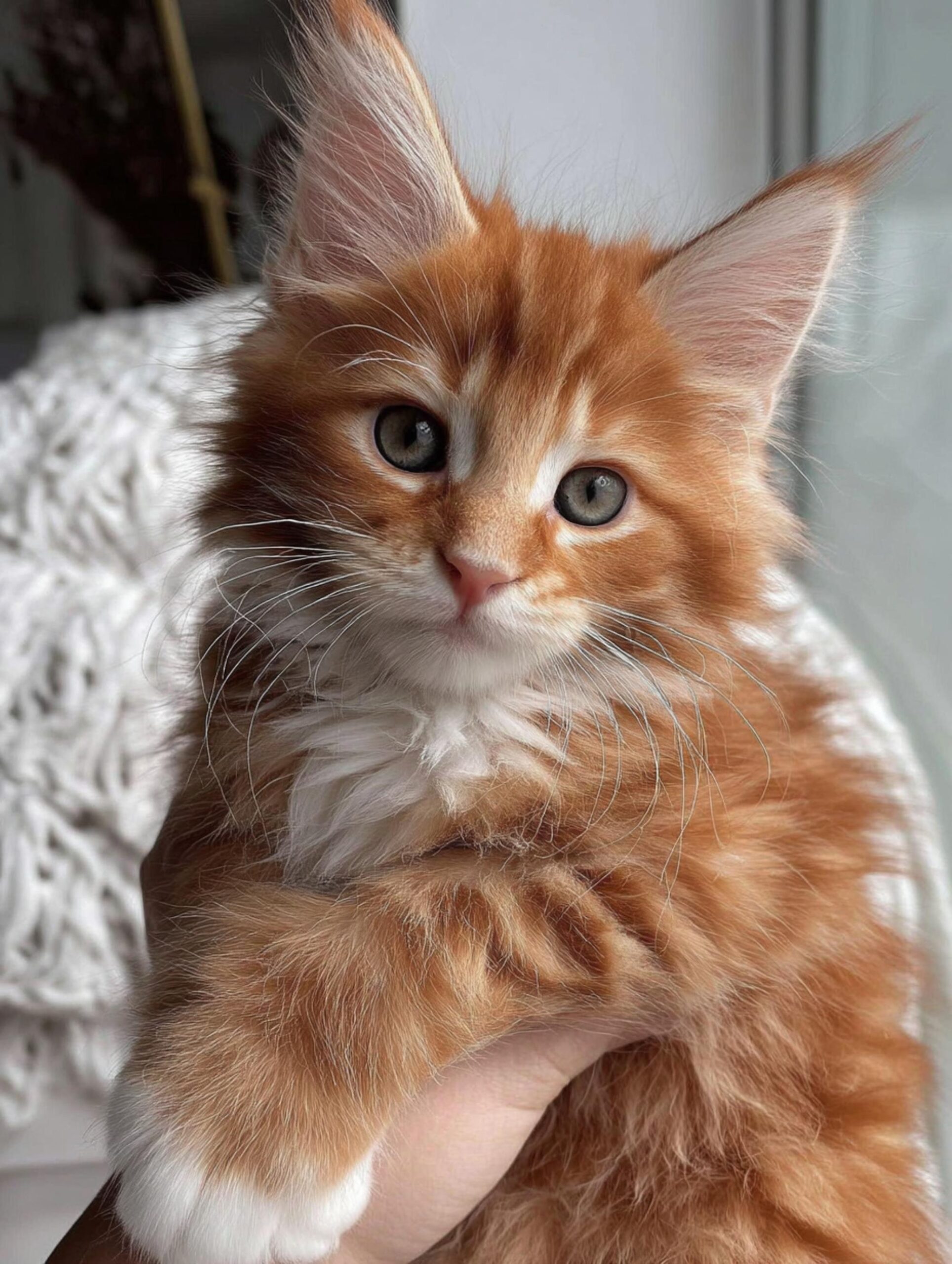
How Maine Coon Kittens Are Placed by Responsible Breeders
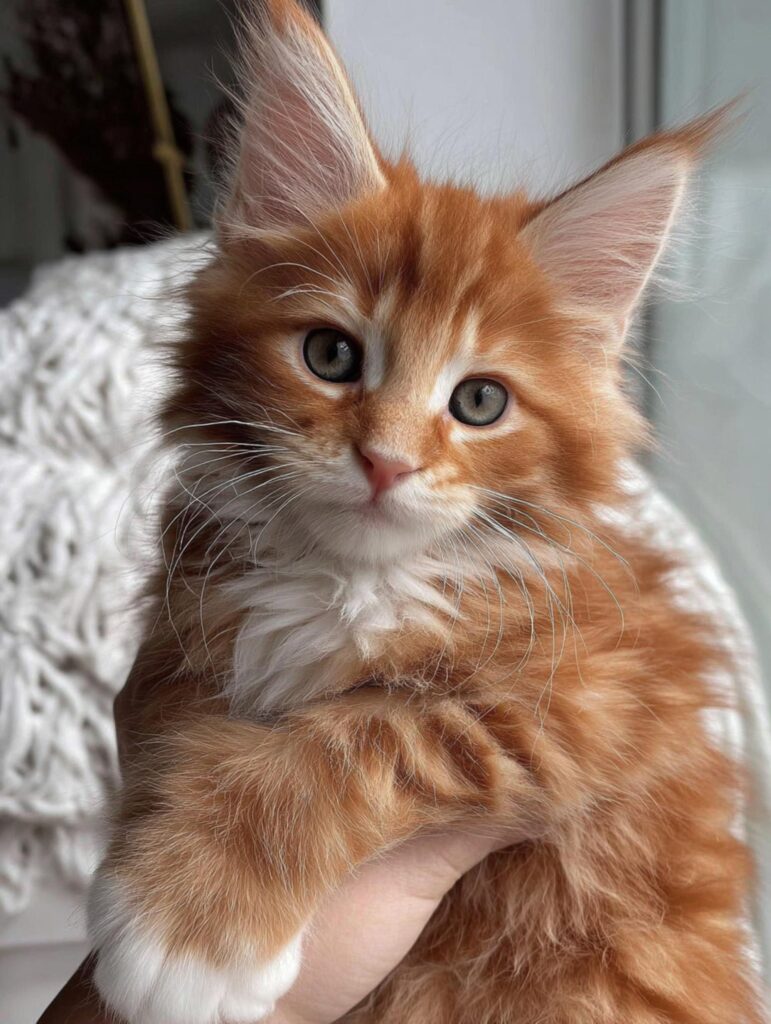
How are Maine Coon kittens placed? Placement begins long before Maine Coon kittens are born. Responsible breeders plan litters with future homes in mind rather than assigning kittens based on speed or order of inquiry. Instead of operating on a first-come, first-served model, they evaluate development over time and match kittens to households where they are most likely to thrive.
These placement decisions serve a long-term purpose. By focusing on fit rather than convenience, breeders reduce stress, limit mismatches, and support stable outcomes for both kittens and families. This process reflects structure and responsibility, not preference or favoritism.
Maine Coon Kitten Placement: Summary
| Topic | Key Takeaway |
|---|---|
| What placement means | Placement is a matching process, not a sale or queue |
| When placement begins | Placement planning starts before a litter is born |
| Selection method | Breeders do not place kittens first-come, first-served |
| Kitten evaluation | Breeders observe development over weeks, not moments |
| Traits considered | Size, confidence, sociability, and adaptability together |
| Home evaluation | Lifestyle, experience, and household energy matter |
| Deposits | Deposits signal intent, not assignment of a specific kitten |
| Timing | Slow maturation requires patience before final placement |
| Why placement takes time | Rushing increases stress and mismatches |
| Common myths | Placement is not favoritism, unfairness, or control |
| Buyer benefit | Better fit, clearer expectations, fewer surprises |
| Kitten benefit | Reduced stress, appropriate environment, long-term stability |
| Breeder role | Accountability continues after the kitten goes home |
| Core principle | Matching matters more than order or speed |
What “Placement” Means in Responsible Breeding
Placement Is Not the Same as Selling
Responsible breeders use the word placement intentionally. Placement describes a process focused on fit and long-term outcomes, not a transaction based on speed or preference. Selling centers on exchange, while placement centers on responsibility.
In responsible breeding programs, kittens are not assigned simply because someone asked first or chose early. Breeders place kittens after observing development and understanding the household they will enter. This distinction matters because it shifts the goal from completing a sale to supporting a successful match.
Placement Includes Evaluation, Timing, and Matching
Placement involves several moving parts. Breeders evaluate kittens over time, assess how personalities emerge, and consider how each kitten responds to change, handling, and interaction. Timing plays a role as well, since development does not unfold on a fixed schedule.
Matching brings these pieces together. Breeders look at how a kitten’s traits align with a household’s expectations, experience level, and environment. This process explains why placement decisions often happen later than buyers expect and why they may change as kittens mature.
Why Responsible Breeders Use the Term Deliberately
Breeders choose the word placement because it reflects ongoing accountability. The term signals that responsibility does not end when a kitten leaves. It also communicates that decisions prioritize outcomes rather than convenience.
This language helps set expectations early. Buyers who understand placement as a process tend to approach it with patience and flexibility, which supports better results for everyone involved.
Placement Begins Before a Litter Is Born
Planning Breedings With Future Homes in Mind
Responsible placement starts before breeding ever occurs. Ethical breeders plan litters with a clear understanding of the types of homes they serve and the traits they aim to preserve or strengthen. Breeding decisions reflect long-term goals rather than immediate interest.
This approach allows breeders to align pairings with expected outcomes. Instead of producing kittens and searching for homes afterward, they reverse the order and plan responsibly.
Why Breeders Avoid Breeding Without Demand Alignment
Breeders do not breed responsibly without considering future placement. Demand alignment does not mean guaranteeing homes in advance, but it does mean understanding the audience a program supports. This awareness prevents overproduction and reduces the likelihood of rushed or unsuitable placements.
When breeders ignore demand alignment, placement pressure increases. Responsible programs avoid this situation by planning carefully and limiting volume.
How Waitlists Fit Into the Placement Process
Waitlists support placement rather than replace it. They help breeders understand interest while preserving flexibility to match kittens appropriately. Placement decisions still depend on development and fit, not list order alone.
Because waitlists play a distinct role, responsible breeders explain their purpose clearly and treat them as one component of a larger process rather than a reservation system.
How Breeders Evaluate Maine Coon Kittens
Why Personality Develops Over Time
Maine Coon kittens change significantly as they grow. Early behavior reflects environment and developmental stage rather than fixed temperament. Responsible breeders allow time for traits to emerge before making placement decisions.
This patience matters with a slow-maturing breed. Maine Coons often reveal confidence, adaptability, and social preferences gradually rather than all at once.
Why Early Labels Lead to Misinterpretation
Early labels oversimplify development. Describing a young kitten as “bold,” “laid-back,” or “shy” too early ignores how behavior shifts with age, social exposure, and physical growth. Responsible breeders avoid locking in descriptions before patterns stabilize.
Instead of relying on first impressions, breeders observe consistency across situations. Repeated behavior over time carries more meaning than a single moment.
Observation Happens Across Weeks, Not Moments
Breeders evaluate kittens through ongoing observation. They watch how kittens interact with people, respond to new environments, and recover from stress. These patterns reveal adaptability and resilience.
Size, confidence, sociability, and flexibility all factor into evaluation. No single trait determines placement. A confident kitten may suit one home, while a thoughtful, observant kitten may thrive in another. Responsible breeders consider the full picture rather than ranking kittens by one characteristic.
How Breeders Evaluate Homes
Responsible breeders evaluate homes because environment affects outcomes. Daily routines, time at home, and household structure all influence how a Maine Coon kitten adapts. A quiet home supports different needs than a busy one, and breeders factor that difference into placement.
Lifestyle evaluation does not rank homes as better or worse. It helps breeders understand where a kitten will thrive. This perspective shifts placement from preference to suitability.
Experience Level Matters, but It Does Not Decide Everything
Breeders consider prior cat experience when evaluating homes. Experience helps with grooming, training, and understanding feline behavior, especially with a large, slow-maturing breed like the Maine Coon. Still, experience alone does not determine placement.
Many first-time owners succeed when expectations align with the kitten’s temperament and needs. Breeders focus on readiness and willingness to learn rather than credentials.
Household Energy and Expectations Must Align
Household energy plays a major role in placement. Children, other pets, noise levels, and daily activity all shape how a kitten experiences its environment. Breeders evaluate whether a home’s energy matches a kitten’s adaptability and confidence.
Expectations matter just as much. Some families want a highly interactive companion, while others prefer a calmer presence. Breeders use these expectations to guide placement decisions rather than assigning kittens randomly.
Questions Focus on Fit, Not Judgment
Breeders ask questions to protect outcomes, not to judge buyers. These conversations help clarify expectations on both sides. Clear communication reduces misunderstandings later.
Sometimes, ethical breeders say no. They do so when fit does not align or when timing is wrong. This decision protects the kitten and the household, even when it feels disappointing in the moment.
Why Placement Is Not First-Come, First-Served
Deposit Order Does Not Equal Placement Order
Responsible breeders do not assign Maine Coon kittens based solely on deposit order. Early inquiries signal interest, not suitability. Placement decisions depend on how kittens develop and how homes align with those traits.
This approach avoids locking families into choices before breeders gather enough information. Flexibility allows better matches over time.
Matching Matters More Than Timing
Timing alone does not predict success. A well-matched placement supports confidence, reduces stress, and improves long-term stability. Breeders prioritize this outcome over speed.
Matching considers both sides. Breeders evaluate kittens and homes together rather than treating placement as a queue. This method explains why placement decisions sometimes change as kittens mature.
Thoughtful Placement Reduces Rehoming and Stress
First-come placement increases risk. When breeders rush decisions, mismatches become more likely. Stress follows for kittens and families alike.
Responsible placement reduces rehoming. It supports smoother transitions and healthier adjustment periods. Over time, this approach benefits everyone involved.
Why Maine Coon Placement Takes Time
Maine Coons Mature Slowly
Maine Coons develop at a slower pace than many other breeds. Physical growth, confidence, and temperament continue evolving well beyond early kittenhood. Breeders respect this timeline when making placement decisions.
Early behavior does not always predict adult temperament. Time allows patterns to emerge clearly.
Observation Guides Better Decisions
Breeders wait to observe development because meaningful traits appear gradually. Confidence, adaptability, and sociability show consistency only after repeated exposure to new situations.
Observation across weeks provides insight that early selection cannot. This patience supports accurate matching.
Rushing Placement Creates Problems
Rushed placement increases risk. It limits evaluation and pressures families into decisions before traits stabilize. These conditions raise the likelihood of stress, disappointment, and future rehoming.
Responsible breeders accept slower timelines to protect outcomes. Placement takes time because development takes time.
Common Myths About Maine Coon Kitten Placement
Online discussions often frame placement as arbitrary or unfair. These myths usually come from misunderstanding how responsible breeders work rather than from actual placement practices. Clarifying them helps reset expectations.
“Breeders Pick Favorites”
Responsible breeders do not place kittens based on personal preference. They observe development, track behavior over time, and match kittens to homes where they are most likely to thrive. This process relies on consistency, not favoritism.
Breeders spend weeks watching how kittens respond to handling, change, and interaction. Those observations guide placement decisions. Personal attachment does not determine outcomes.
“Breeders Keep the Best Kittens”
Breeders do not rank kittens as best or worst. Every kitten develops differently, and suitability depends on context. A kitten that fits one home well may struggle in another.
When breeders retain a kitten, they usually do so to support long-term program goals rather than to withhold quality. Placement focuses on fit, not hierarchy.
“Placement Is Unfair”
Placement feels unfair only when viewed as a queue. Responsible breeders do not operate on first-come systems because timing alone does not predict success. They match kittens to homes based on compatibility.
This approach treats placement as responsibility rather than entitlement. Over time, it reduces stress and prevents mismatches.
“Early Choice Guarantees the Best Kitten”
Early choice does not guarantee better outcomes. Personality and confidence develop gradually, especially in slow-maturing breeds like the Maine Coon. Early impressions often change.
Breeders wait to make informed decisions because stable traits emerge over weeks, not days. Later placement reflects clearer understanding, not delay for its own sake.
“Deposits Lock In a Specific Kitten”
Deposits signal commitment, not assignment. Responsible breeders use deposits to manage interest while preserving flexibility to place kittens appropriately. This structure protects both kittens and families.
Locking in specific kittens too early increases risk. Ethical breeders avoid that pressure.
“Placement Is About Control”
Placement supports long-term outcomes. Breeders ask questions and make decisions to reduce stress, prevent rehoming, and protect kitten development. Control does not drive this process.
Accountability does. Responsible breeders remain connected after placement, which makes thoughtful matching essential.
What Ethical Placement Looks Like After Selection
Thoughtful Transition Planning
Ethical placement continues after a breeder selects a kitten for a home. Breeders plan transitions intentionally and consider timing, environment, and readiness rather than moving kittens as soon as possible. This planning supports confidence and reduces disruption.
Breeders prepare families for the transition by explaining what to expect emotionally and developmentally. Clear guidance helps buyers understand how kittens adjust and why early routines matter.
Timing Supports Development
Responsible breeders choose going-home timing based on development, not convenience. They consider physical maturity, social readiness, and adaptability before finalizing placement. This approach supports smoother transitions and healthier adjustment periods.
Breeders who rush this stage often create avoidable stress. Ethical programs avoid that pressure.
Communication Continues Through the Transition
Ethical breeders maintain communication during the transition period. They check in, answer questions, and provide reassurance as kittens adjust to new homes. This involvement reflects accountability rather than obligation.
Clear communication during this phase helps families feel supported and sets expectations for the relationship moving forward.
How Responsible Placement Protects Buyers
Thoughtful Matching Reduces Mismatches
Responsible placement reduces the likelihood of mismatches. When breeders take time to evaluate kittens and homes, families receive companions who align with their expectations and lifestyle.
This alignment supports smoother integration and fewer surprises.
Clear Placement Sets Realistic Expectations
Breeders who place kittens responsibly explain development, behavior, and adjustment openly. Buyers gain a realistic understanding of what to expect rather than relying on assumptions.
Clear expectations reduce frustration and support long-term satisfaction.
Better Matches Improve Long-Term Outcomes
Well-matched placements lead to better outcomes. Families experience fewer behavioral challenges and greater confidence in care decisions. Over time, this stability strengthens the human-animal bond.
Buyer guides often cite this approach because it consistently improves results.
How Responsible Placement Protects Kittens
Reduced Stress Supports Healthy Adjustment
Responsible placement minimizes stress for kittens. Gradual transitions, appropriate timing, and stable environments support emotional regulation during a major change.
Lower stress promotes confidence and resilience.
Appropriate Environments Encourage Stability
Ethical placement matches kittens to environments that meet their needs. Breeders consider household energy, experience level, and expectations to support healthy adaptation.
This attention reduces the risk of overwhelm or withdrawal.
Long-Term Stability Matters Most
Responsible placement prioritizes long-term stability. When kittens enter suitable homes with prepared families, they are less likely to experience disruption or rehoming later.
This stability benefits the kitten throughout its life and reflects the core purpose of ethical placement.
How Buyers Can Approach the Placement Process
Communicate With Breeders Clearly and Thoughtfully
Buyers benefit most when they approach placement as a conversation rather than a request. Clear communication helps breeders understand lifestyle, expectations, and experience level. Sharing information openly allows breeders to evaluate fit more accurately.
Responsible breeders value clarity over urgency. Thoughtful messages signal readiness and respect for the process. Consistent communication builds trust on both sides.
Ask Questions That Support Good Matching
Buyers should ask questions that focus on process rather than outcomes. Questions about how breeders evaluate kittens, how placement decisions happen, and how development changes over time reveal how a program operates.
These questions help buyers understand whether a breeder prioritizes fit and long-term stability. They also clarify expectations early, which reduces misunderstandings later.
Adopt a Mindset That Supports the Process
Patience supports successful placement. Maine Coons develop slowly, and responsible breeders wait to observe meaningful patterns before making decisions. Flexibility allows better matches to emerge.
Buyers who view placement as collaboration rather than competition tend to have better experiences. This mindset aligns with how ethical breeders work and leads to more stable outcomes.
For guidance on evaluating breeders and navigating these conversations, see How to Find a Maine Coon Breeder You Can Trust.
Frequently Asked Questions
Why don’t responsible breeders place kittens first-come, first-served?
Responsible breeders prioritize fit over timing. Early inquiries show interest, but they do not predict which kitten will thrive in a specific home. Breeders wait to observe development and evaluate households before making placement decisions. This approach reduces stress and prevents mismatches.
Does paying a deposit guarantee a specific kitten?
No. Deposits usually confirm intent to work with a breeder, not ownership of a specific kitten. Responsible breeders use deposits to manage interest while preserving flexibility to place kittens appropriately once personalities and needs become clear.
Why can’t breeders tell personality at a very young age?
Maine Coon kittens develop gradually. Early behavior reflects age and environment rather than stable temperament. Confidence, adaptability, and sociability emerge over time, which is why breeders observe kittens across weeks instead of relying on first impressions.
How do breeders decide which kitten fits which home?
Breeders evaluate kittens and homes together. They consider lifestyle, household energy, experience level, and expectations alongside kitten traits such as confidence, adaptability, and social behavior. No single trait determines placement.
Why do breeders ask so many questions?
Breeders ask questions to support successful placement. These conversations help clarify expectations and identify environments where a kitten will thrive. Questions focus on fit, not judgment.
Can a breeder say no to a placement?
Yes. Ethical breeders sometimes decline placements when fit does not align or timing is wrong. This decision protects the kitten and the household and reflects long-term responsibility rather than personal preference.
Why does Maine Coon placement take longer than other breeds?
Maine Coons mature slowly. Physical growth and temperament continue developing beyond early kittenhood. Responsible breeders wait to observe meaningful patterns before finalizing placement decisions.
Does placement timing affect adjustment?
Yes. Proper timing supports confidence and smoother transitions. Rushed placement increases stress and raises the risk of behavioral challenges or rehoming later.
Do breeders keep the “best” kittens?
No. Responsible breeders do not rank kittens by value. Suitability depends on context. A kitten that fits one home well may struggle in another. Breeders focus on matching, not hierarchy.
How does responsible placement benefit buyers?
Thoughtful placement reduces surprises. Buyers receive kittens that align with their lifestyle and expectations. This clarity improves long-term satisfaction and strengthens the human–cat bond.
How does responsible placement benefit kittens?
Responsible placement reduces stress and supports stability. Kittens enter environments suited to their needs, which promotes confidence, healthy adjustment, and long-term well-being.
What should buyers focus on during the placement process?
Buyers should focus on communication, patience, and openness. Asking process-oriented questions and remaining flexible supports better outcomes than competing for early choice.
Final Perspective: Placement as Long-Term Responsibility
Responsible placement prioritizes outcomes over speed. Breeders focus on matching kittens to homes where they will thrive rather than assigning them based on order or convenience. This approach reflects structure, patience, and accountability.
Matching matters more than timing. When breeders evaluate kittens and homes carefully, they reduce stress, prevent mismatches, and support long-term stability. Accountability does not end at placement and remains part of responsible breeding.
Responsible Maine Coon kitten placement focuses on long-term fit, careful evaluation, and accountability well beyond the day a kitten goes home.
Sources & References
- The International Cat Association (TICA)
Breeder code of ethics, breeding responsibility, and placement standards
https://tica.org/owners-breeders/breeder-ethics/ - Cat Fanciers’ Association (CFA)
Guidance on responsible breeding practices and breeder obligations
https://cfa.org/breeder-code-of-ethics/ - International Society of Feline Medicine (ISFM)
Welfare-focused breeding and rehoming considerations
https://icatcare.org/advice/breeding-cats-welfare-considerations/ - Cornell University Feline Health Center
Kitten development, socialization, and behavioral stability
https://www.vet.cornell.edu/departments/cornell-feline-health-center - American Veterinary Medical Association (AVMA)
Responsible pet acquisition and breeder accountability
https://www.avma.org/resources-tools/pet-owners/petcare/how-choose-responsible-breeder - ASPCA – Choosing a Responsible Breeder
Consumer education on ethical breeding and placement practices
https://www.aspca.org/pet-care/general-pet-care/how-spot-responsible-breeder - Humane Society of the United States
Distinguishing responsible breeders from high-risk sellers
https://www.humanesociety.org/resources/how-find-responsible-breeder








Read the Comments +