
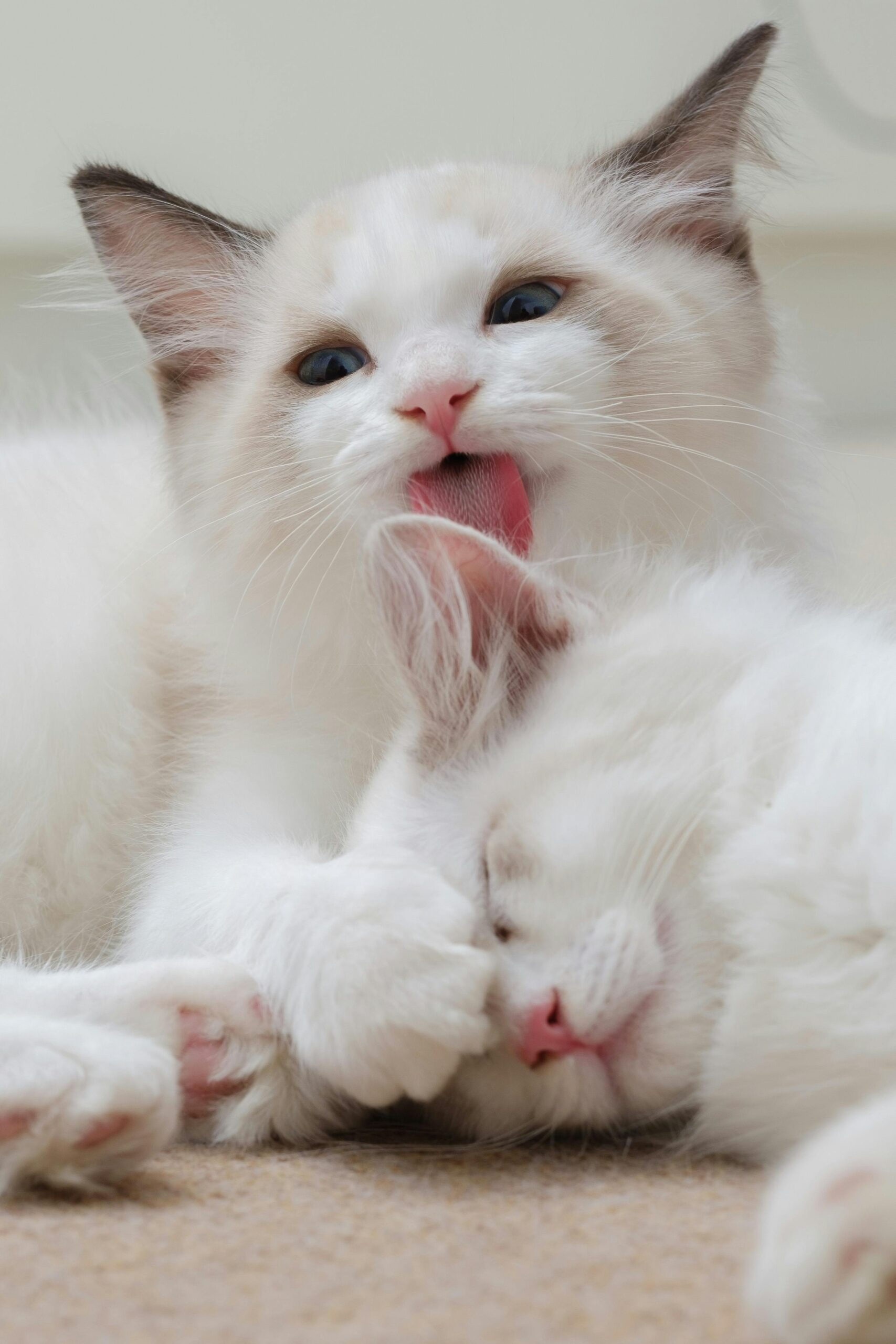
How Ragdoll Kittens Are Raised: From Birth to Go-Home (Breeder Process Explained)
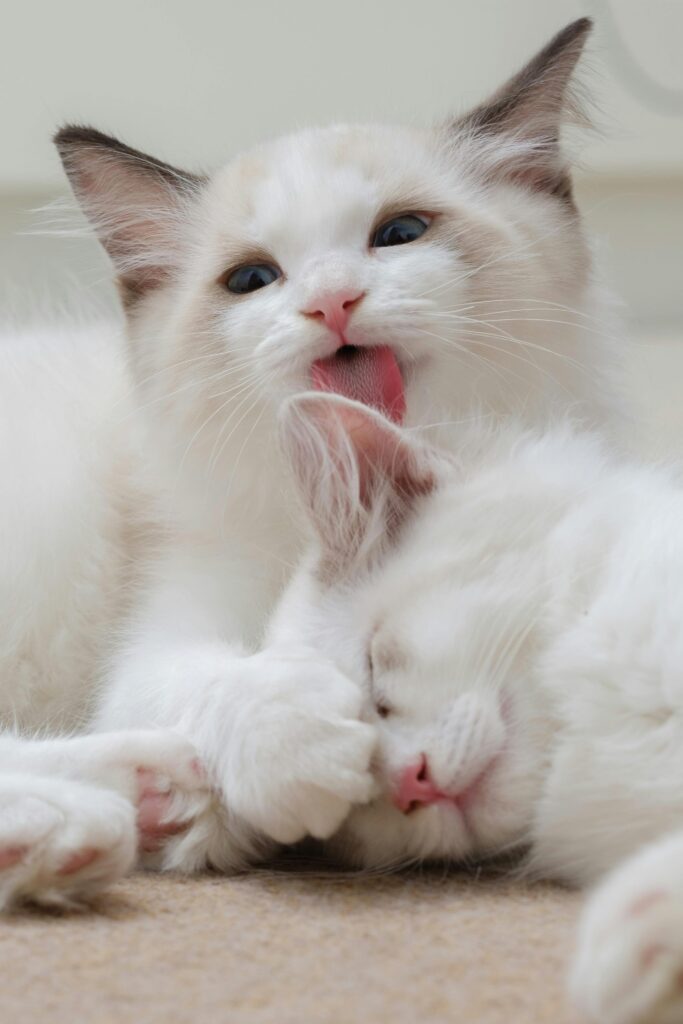
When people ask about Ragdoll kittens, they often focus on photos, availability, or personality descriptions. What matters more in the long run is how the kittens are raised. Early experiences shape how a kitten handles change, responds to people, and settles into home life later on.
Many buyers find it difficult to compare breeder programs because raising practices aren’t always visible. Two kittens may look similar at eight weeks, yet arrive in their new homes with very different levels of confidence, adaptability, and handling comfort.
Early raising influences:
- emotional stability and stress tolerance
- comfort with handling and grooming
- ability to adjust to new environments and routines
This guide explains how Ragdoll kittens are raised from birth through placement, including daily routines, socialization, handling, and why a thoughtful process supports smoother transitions and long-term success.
How Ragdoll Kittens Are Raised — At a Glance
| Stage | What Ethical Raising Focuses On | Why It Matters Long Term |
|---|---|---|
| Early Foundations | Calm environment, maternal stability, minimal disruption | Supports nervous system regulation and emotional security |
| Handling Approach | Gentle, purposeful interaction introduced gradually | Builds trust and comfort with human contact |
| Environmental Exposure | Controlled, stage-appropriate expansion | Encourages confidence without overwhelm |
| Social Development | Calm people exposure and predictable routines | Shapes steady, people-oriented temperament |
| Household Conditioning | Familiar sounds and daily rhythms | Improves adaptability to real homes |
| Litter & Hygiene Habits | Consistent setup and repetition | Supports reliable habits after placement |
| Grooming Foundations | Early touch and brushing exposure | Increases long-term grooming tolerance |
| Nutrition & Growth | Gradual weaning and balanced development | Supports joint comfort and digestive stability |
| Health Monitoring | Observation-based care with thoughtful vet timing | Builds resilience while maintaining oversight |
| Temperament Observation | Watching patterns rather than labeling | Improves placement fit and long-term success |
| Transition Preparation | Gentle exposure to change before go-home | Reduces stress during placement |
| Placement Timing | Readiness over calendar age | Supports smoother adjustment and emotional regulation |
Raising Ragdoll Kittens Is a Process, Not a Shortcut
Successful outcomes grow from consistency and intention. Raising well-adjusted Ragdoll kittens happens through daily choices made over time, not through quick techniques or surface-level claims.
Temperament stability develops because:
- kittens experience predictable care
- interactions stay calm and appropriate for each stage
- development follows the kitten’s natural pace
From the outside, ethical programs often appear slower. That pace allows kittens to mature physically and emotionally without being rushed. Time supports confidence, and repetition builds familiarity.
Intentional raising focuses on:
- observing each kitten’s development
- adjusting exposure as awareness increases
- supporting growth rather than accelerating it
Casual breeding may meet basic needs. Intentional raising supports long-term behavior, adaptability, and ease of handling well beyond the kitten stage.
The First Weeks — Birth Through Early Development
The earliest weeks lay the foundation for everything that follows. During this period, kittens rely almost entirely on their mother while gradually becoming aware of the world around them.
The Neonatal Period (Birth to ~3 Weeks)
During the neonatal stage, kittens remain physically dependent and emotionally anchored to their mother. Maternal stability plays a central role in early regulation, warmth, and feeding.
Breeders support this stage by:
- maintaining a quiet, stable environment
- monitoring growth and health without disruption
- allowing the mother to guide care and interaction
Early handling stays gentle and brief. Light, appropriate exposure helps kittens become comfortable with human scent and touch without overwhelming developing systems.
Overstimulation is avoided because rest and consistency matter most at this stage. The breeder’s role focuses on observation and support, while the mother provides primary care and security.
Early Sensory Development
As kittens grow, awareness increases gradually. Thoughtful exposure introduces the world in small, manageable ways that build familiarity and comfort.
This stage includes:
- gentle exposure to everyday household sounds
- introduction to varied but calm scents
- light, reassuring touch during routine care
Timing matters. Introducing new sensations when kittens are ready allows confidence to grow naturally. This approach supports curiosity without pressure and encourages kittens to explore at their own pace.
By prioritizing calm exposure and predictable experiences, breeders help kittens develop comfort with novelty while maintaining emotional balance.
Transitional Stage — Awareness and Mobility
As Ragdoll kittens grow, they move out of full dependency and into awareness. This transitional stage marks the beginning of confident movement, curiosity, and early personality expression. What happens here sets the tone for how a Ragdoll kitten approaches new spaces and people later on.
Opening to the Environment (3–5 Weeks)
Between three and five weeks, Ragdoll kittens begin to explore beyond their immediate nesting area. Their vision improves, coordination strengthens, and curiosity starts to guide movement.
During this stage, breeders typically see:
- increasing curiosity about surroundings
- early movement as balance and coordination develop
- short, confident explorations followed by rest
Environmental expansion stays controlled and gradual. Rather than introducing everything at once, breeders widen the kitten’s space in small steps. This allows each Ragdoll kitten to explore safely, return to familiar ground, and build confidence without feeling overwhelmed.
This approach supports natural curiosity while maintaining emotional security.
Human Interaction During This Stage
Human interaction becomes more meaningful during the transitional stage. Ragdoll kittens begin to recognize people as individuals rather than background presence.
Handling during this phase focuses on:
- short, positive handling sessions
- calm, supportive touch
- returning the kitten to comfort before stress appears
These interactions build trust without pressure. Breeders observe how each Ragdoll kitten responds — who seeks contact, who prefers brief interaction, and who watches first before engaging. This early observation helps identify individual temperament traits that continue to develop over time.
Socialization Phase — Where Temperament Takes Shape
The socialization phase is where Ragdoll kitten temperament becomes more defined. Experiences during this window influence how kittens interact with people, handle novelty, and respond to everyday household life.
People-Oriented Social Development
Ragdoll kittens are naturally people-oriented, and this phase supports that tendency through consistent, calm exposure.
Social development includes:
- exposure to multiple people with different voices and movements
- gentle handling styles that respect comfort levels
- allowing kittens to approach rather than forcing interaction
Breeders use this stage to help Ragdoll kittens learn how humans communicate. Kittens begin to read tone, posture, and response patterns. This early understanding supports smoother bonding and easier handling once the kitten joins a new home.
Household Sound & Activity Exposure
Ragdoll kittens benefit from exposure to normal household sounds when those sounds follow predictable patterns. Everyday noises become familiar when they occur consistently and without intensity.
This exposure typically includes:
- common household sounds such as conversation, appliances, and footsteps
- routine activity rather than constant stimulation
- quiet observation periods between interactions
Predictability matters more than volume. The phrase “raised in a busy home” often gets misunderstood. Constant noise or unpredictable activity doesn’t build confidence. Structured exposure within a calm environment allows Ragdoll kittens to adapt comfortably and develop steady, resilient temperaments.
Litter Training, Hygiene, and Routine Formation
As Ragdoll kittens become more mobile and aware, daily routines start to form. This stage supports cleanliness, confidence, and habits that carry into adulthood. Thoughtful structure during this period helps Ragdoll kittens transition smoothly into new homes.
Litter Box Habits
Ragdoll kittens learn litter habits through repetition and consistency. Clear setup and routine access make learning intuitive rather than stressful.
Strong litter habits develop when breeders focus on:
- consistency, using the same litter type and box placement
- frequent, easy access to clean litter areas
- gentle redirection instead of correction
Preventing early aversions matters. Clean boxes, familiar textures, and calm environments encourage confidence. When Ragdoll kittens associate the litter box with comfort and predictability, they carry those habits forward.
This early structure sets up future success, making transitions to new homes smoother and reducing adjustment-related accidents.
Grooming & Handling Foundations
Grooming acceptance begins long before coat maintenance becomes necessary. Early exposure helps Ragdoll kittens view handling as a normal part of daily life.
Foundational grooming includes:
- light brushing introduced gradually
- gentle handling of paws, face, ears, and body
- short sessions that end on a positive note
These early experiences build touch tolerance and trust. When grooming feels familiar rather than intrusive, Ragdoll kittens are far more likely to accept routine coat care as adults.
Starting early matters. Grooming acceptance develops through repetition, not force, and the habits formed here support stress-free care long after go-home.
Nutrition, Growth, and Physical Development
Nutrition and physical development move at a steady pace for Ragdoll kittens. Supporting growth without rushing allows bodies and coordination to mature naturally.
Weaning Process
The weaning process introduces solid food gradually while maintaining comfort and digestive stability. Ragdoll kittens benefit from slow transitions that respect individual readiness.
Successful weaning focuses on:
- gradual introduction of new textures and foods
- supporting digestion with consistent feeding routines
- monitoring comfort and appetite closely
Avoiding rushed timelines protects digestive health and reduces stress. Each Ragdoll kitten transitions at a slightly different pace, and allowing flexibility supports smoother development.
Supporting Slow-Maturing Ragdolls
Ragdolls are a slow-maturing breed. Growth continues well beyond the first year, and early development reflects that long-term timeline.
Supporting slow-maturing Ragdolls includes:
- setting realistic growth expectations
- allowing time for body awareness and coordination to develop
- understanding that size and structure emerge gradually
Physical maturity takes time. Muscle tone, balance, and full size continue developing into adulthood. Respecting this process helps Ragdoll kittens grow into steady, confident adults with strong coordination and comfort in their bodies.
Observation Over Labeling
Experienced breeders learn more by watching than by assigning labels too early. Ragdoll kittens reveal who they are over time, through patterns of behavior, recovery, and interaction — not through single moments or fixed descriptions.
This approach centers on observation, patience, and responsiveness rather than predictions.
Watching Temperament Emerge
As Ragdoll kittens grow, temperament begins to show itself through everyday behavior. These signals appear gradually and become clearer as kittens interact with their environment.
Breeders watch for:
- social confidence vs sensitivity, noticing how a kitten approaches people and responds to novelty
- activity preferences, including how a kitten plays, rests, and re-engages
- adaptability indicators, such as recovery after change or brief stress
No single trait defines a kitten. Instead, temperament emerges through consistency across situations. This ongoing observation allows breeders to understand how each Ragdoll kitten navigates the world as awareness and confidence grow.
Why Ethical Breeders Don’t “Guarantee” Personality
Personality develops through a combination of genetics, early experience, and ongoing environment. While breed tendencies provide general direction, individual expression always varies.
Ethical breeders recognize that:
- individual variation exists even within the same litter
- environment influence continues shaping behavior after placement
- matching kittens to homes supports better outcomes than selling traits
Rather than promising specific behaviors, breeders focus on aligning temperament tendencies with household lifestyles. This approach supports long-term compatibility and allows each Ragdoll kitten to develop naturally within their new home.
Preparing Ragdoll Kittens for Transition
Transition preparation focuses on readiness, not acceleration. The goal is to help Ragdoll kittens approach change with confidence while preserving emotional balance.
Building Resilience Before Go-Home
Before placement, breeders introduce gentle changes that help kittens learn flexibility without stress. These experiences build resilience by expanding familiarity in a controlled way.
This preparation includes:
- exposure to small, predictable changes in routine
- confidence-building experiences without overwhelming stimulation
- allowing kittens to return to familiar spaces after new experiences
Confidence grows when kittens experience novelty at a manageable pace. This approach reduces shock at placement and supports smoother adjustment in new homes.
What Kittens Are (and Aren’t) Ready For
At go-home age, Ragdoll kittens are prepared for transition — not completion. They arrive with foundations in place, but development continues well beyond placement.
Kittens are ready for:
- new environments with structure and routine
- bonding through consistent care and interaction
- gradual exposure to expanded experiences
They are not finished developing. Social maturity, emotional regulation, and adult temperament continue to unfold over time. Buyers play an essential role in completing the process by reinforcing routines, maintaining consistency, and supporting ongoing growth.
Successful placement is a shared effort. Breeders establish the foundation; owners carry it forward.
Ragdoll Kitten Raising Timeline (Birth to Placement)
| Age Range | Developmental Focus | What Ethical Programs Do | Why It Matters Long Term |
|---|---|---|---|
| Birth–2 weeks | Foundational stability | Maintain warmth, support maternal care, monitor nursing and weight, minimal disruption | Supports nervous system regulation, physical stability, and early security |
| 2–4 weeks | Awareness without pressure | Gentle sensory exposure, calm human presence, brief handling | Builds curiosity while protecting emotional balance |
| 4–6 weeks | Early mobility & exploration | Gradual space expansion, controlled surfaces, predictable routines | Encourages confidence and coordinated movement |
| 6–8 weeks | Social learning window | Structured interaction with people, household sound exposure, litter habits | Shapes adaptability, comfort with routine, and stress tolerance |
| 8–10 weeks | Skill & tolerance development | Continued socialization, grooming exposure, handling foundations | Improves acceptance of care and human interaction |
| 10–12 weeks | Independence building | Gradual weaning completion, enrichment balance, temperament observation | Supports emotional regulation and self-confidence |
| 12–14+ weeks | Placement readiness | Assess maturity, recovery from change, social balance | Reduces transition stress and supports smoother adjustment to new homes |
How to Read This Timeline
- Developmental readiness matters more than age alone
- Ragdoll kittens progress at individual speeds, even within the same litter
- Ethical programs adjust pacing based on observation, not rigid milestones
- Later placement often reflects thoughtful preparation, not delay
Finding a Ragdoll Breeder
Understanding how Ragdoll kittens are raised helps buyers evaluate programs beyond availability or appearance. When breeders explain process clearly, it becomes easier to choose with confidence rather than urgency.
👉 How to Find a Ragdoll Breeder Near You
Health Care, Monitoring, and Transparency
Health care during early development supports comfort, stability, and long-term well-being. Ethical programs approach veterinary care and documentation as part of an ongoing process rather than a one-time event.
Veterinary Care vs “Vet Checked”
Routine veterinary care involves more than a single visit. During early development, breeders work with veterinary professionals to monitor growth, development, and overall health at appropriate stages.
Routine care typically includes:
- wellness exams scheduled around developmental milestones
- monitoring weight, hydration, and physical development
- age-appropriate preventive care
Early monitoring matters because kittens change quickly. Subtle issues often resolve with time, while others benefit from observation and follow-up rather than immediate conclusions. Early exams provide valuable snapshots, not final assessments.
Every early exam has limits. Some conditions cannot be identified until a kitten matures further, and many aspects of health evolve with age. Ethical breeders communicate these realities clearly so buyers understand what early veterinary care can and cannot confirm.
Record Keeping and Communication
Clear record keeping supports continuity of care and informed ownership. Ethical breeders document each kitten’s early care so buyers have reliable information as they transition into their new role.
Buyers should expect:
- written records of veterinary visits and preventive care
- feeding and routine information to support continuity
- guidance on next steps after placement
Documentation reflects care and transparency, not volume. Ethical breeders share relevant information without overwhelming families with unnecessary detail. Transparency means providing what matters while respecting boundaries around privacy and context.
Placement Decisions and Buyer Fit
Placement decisions play a significant role in long-term success. Ethical breeders approach timing and fit with intention, focusing on readiness rather than speed.
Why Timing Matters
Developmental readiness involves more than reaching a specific age. Emotional regulation, physical coordination, and social awareness all influence how smoothly a Ragdoll kitten transitions into a new home.
Proper timing supports:
- emotional balance during change
- improved adaptability in new environments
- smoother bonding with new families
Earlier is not better. Allowing kittens the time they need to mature reduces stress at placement and supports more stable long-term behavior.
Matching Temperament to Lifestyle
Matching temperament to lifestyle helps create successful placements that last well beyond kittenhood. Ethical breeders observe how each Ragdoll kitten engages with people, activity, and routine.
This matching process considers:
- activity levels and play preferences
- household dynamics and schedules
- long-term compatibility rather than immediate appeal
Impulse placement focuses on availability. Intentional placement focuses on fit. When temperament and lifestyle align, Ragdoll kittens settle more easily, and owners experience fewer adjustment challenges over time. See Why Ethical Breeders Say No for more placement info.
What Buyers Often Misunderstand About Raising
Raising Ragdoll kittens involves many small, intentional choices that add up over time. From the outside, those choices aren’t always visible, which can make different programs appear similar even when outcomes vary.
“Raised in Home” vs Raised With Intention
Many kittens are technically raised in a home environment, but that phrase alone doesn’t describe how daily life is structured. Environment matters, but process matters more.
Raised with intention typically means:
- routines are consistent and predictable
- exposure happens gradually and at appropriate stages
- handling and interaction follow the kitten’s readiness
When raising focuses on structure rather than proximity alone, outcomes differ. Ragdoll kittens raised with intention often show greater ease with handling, smoother transitions, and stronger adaptability as they mature. The difference comes from daily repetition, not from location or labels.
Why Early Raising Doesn’t End at Go-Home
Early raising creates a foundation, but development continues well after placement. Go-home marks a transition point, not the end of the process.
Owners play an active role by:
- maintaining familiar routines
- continuing gentle handling and grooming
- reinforcing patterns the kitten already recognizes
When routines continue smoothly, Ragdoll kittens settle faster and build confidence more easily. Early foundations stay strong when they’re supported consistently in the new home.
How Early Raising Affects Adult Ragdolls
The benefits of thoughtful early raising become more visible over time. Adult behavior often reflects patterns established during the first weeks and months.
Confidence and Adaptability
Ragdolls raised with steady exposure and predictable routines tend to approach new situations with balance rather than hesitation.
This shows up during:
- travel and temporary changes
- veterinary visits and handling
- adjustments to new environments
Confidence doesn’t mean boldness. It means the cat recovers quickly and returns to calm after change.
Grooming and Handling Tolerance
Early handling influences how adult Ragdolls experience routine care. Kittens introduced to touch calmly and consistently often accept grooming as a normal part of life.
Long-term benefits include:
- easier coat maintenance
- reduced stress during grooming
- smoother handling during care and veterinary visits
Grooming feels cooperative rather than corrective when tolerance develops early.
Emotional Stability Over Time
Early raising supports emotional steadiness that carries into adulthood. Ragdolls with strong foundations often show:
- fewer anxiety-driven behaviors
- predictable responses to routine changes
- consistent bonding patterns
As adults, these cats integrate smoothly into daily life. They remain emotionally present without becoming reactive, creating the calm, connected companionship the breed is known for.
How We Raise Our Ragdoll Kittens at Almonte Cats
We raise our Ragdoll kittens with the understanding that early structure shapes lifelong outcomes. Our focus is not speed, volume, or trends. It is to support emotionally steady, adaptable Ragdoll kittens who transition smoothly into real homes and settle confidently over time.
A Calm, Structured Start
From the first days of life, we prioritize stability over stimulation. A calm beginning supports regulation, security, and healthy development.
We focus on:
- maintaining a warm, predictable environment
- supporting the mother so she feels secure and unstressed
- limiting handling to purposeful, gentle interactions
Early handling matters, but rest and consistency matter more. During the neonatal period, we allow Ragdoll kittens to nurse, sleep, and grow without unnecessary disruption. This foundation supports trust and balance later on.
Gradual Exposure, Not Forced Socialization
As Ragdoll kittens mature, we introduce new experiences in stages rather than all at once. Exposure follows readiness, not a fixed schedule.
Our approach includes:
- gradual sensory exposure as awareness increases
- increased social interaction only when kittens show comfort
- allowing each kitten to move at its own pace
We observe how kittens respond rather than asking them to perform. If a Ragdoll kitten needs more time at any stage, we slow down instead of pushing through discomfort. Confidence develops best when kittens feel supported, not rushed.
Raised in a Real Home Environment
Our Ragdoll kittens grow up in a true household setting, not an isolated or chaotic space. Daily life becomes familiar through repetition and routine.
This includes:
- normal household sounds introduced gradually
- predictable movement and daily rhythms
- opportunities to observe before being expected to engage
This environment helps Ragdoll kittens adapt smoothly to new homes without becoming overwhelmed by everyday life.
Balanced Growth and Nutrition
We support steady, appropriate development rather than accelerated growth. Ragdolls mature slowly, and we respect that timeline.
Our nutrition approach focuses on:
- gradual weaning transitions
- balanced growth rather than rapid size gain
- supporting digestion and joint comfort
This steady approach supports long-term soundness and comfort as Ragdoll kittens continue developing well beyond the early months.
Daily Health Monitoring Without Over-Intervention
Health monitoring happens through consistent observation, not constant handling. We watch patterns over time rather than reacting to isolated moments.
Our monitoring includes:
- tracking weight and overall growth trends
- observing digestion, coat condition, and behavior
- timing veterinary care thoughtfully and appropriately
This approach allows Ragdoll kittens to develop resilience while still receiving attentive, responsible care.
Placement Based on Readiness, Not Age
We determine when a Ragdoll kitten is ready for placement based on development, not a calendar date.
We consider:
- confidence and recovery from change
- social balance and independence
- individual readiness rather than uniform timing
Some kittens are ready sooner. Others benefit from a bit more time. We respect individual differences and allow development to guide placement decisions.
Our Long-Term Goal
Our goal is to raise Ragdoll kittens who:
- adapt easily to new environments
- tolerate grooming and routine care calmly
- develop stable, confident temperaments
We believe that how a Ragdoll kitten is raised matters just as much as pedigree or appearance. Our program reflects that belief at every stage.
👉 See Why Ethical Breeders Have Waitlists to learn more about how thoughtful programs support long-term success.
What Ethical Ragdoll Breeders Want Buyers to Understand
Ethical Ragdoll breeders focus on process, not shortcuts. Raising well-adjusted kittens happens through consistent, cumulative care rather than single techniques or guarantees.
Raising is cumulative, not instant. Each stage builds on the one before it. Daily routines, handling, observation, and gradual exposure add up over time to support confidence and adaptability.
No program produces identical outcomes. Even within the same litter, individual kittens develop at their own pace and express temperament differently. Ethical breeders observe and guide development rather than promise uniform results.
Good raising reduces risk, not individuality. Thoughtful early care supports emotional stability, handling tolerance, and ease of transition, while still allowing each Ragdoll kitten to grow into their own personality.
Buyers complete the equation. Early foundations carry forward best when new owners continue routines, maintain consistency, and support ongoing development. Successful outcomes come from shared responsibility between breeder and home.
Breeder FAQ: Questions Buyers Commonly Ask About Raising Ragdoll Kittens
“How are your Ragdoll kittens raised?”
Our Ragdoll kittens are raised through a structured, stage-based process that supports confidence, handling tolerance, and adaptability. Daily routines, gradual exposure, and observation guide how kittens interact with people, environments, and care tasks as they grow. The goal is to prepare kittens for real homes, not just the nursery.
“What makes your raising process different from others?”
The difference usually comes down to intention and consistency. Raising isn’t just about location or claims like “raised in home.” It’s about how kittens are handled, how routines are introduced, and how development is supported over time. Small, repeated choices add up to noticeable differences in adjustment and long-term behavior.
“Do you socialize your Ragdoll kittens?”
Yes. Socialization happens gradually and at developmentally appropriate stages. Ragdoll kittens experience calm interaction with people, exposure to everyday household sounds, and handling that builds trust without pressure. Socialization focuses on comfort and confidence rather than constant stimulation.
“Can you tell which kitten will have the best personality?”
We observe temperament patterns as kittens grow, but we don’t label personalities early or make guarantees. Social confidence, sensitivity, activity level, and adaptability emerge over time. Matching kittens to homes works best when observation guides placement rather than fixed traits or labels.
“Will my Ragdoll kitten be calm or cuddly?”
Ragdolls tend to be socially steady and people-oriented, but individual expression varies. Early raising supports handling comfort and emotional balance, while the home environment continues shaping how affection shows up. Calm presence is more predictable than specific behaviors like lap-sitting.
“Why don’t you guarantee personality traits?”
Personality develops through a combination of genetics, early experience, and ongoing environment. Ethical breeders reduce risk and support positive development, but individuality remains. Guaranteeing traits would overlook how much influence the new home has after placement.
“When do Ragdoll kittens go home?”
Placement timing reflects developmental readiness, not urgency. Emotional regulation, coordination, and comfort with routines matter more than reaching a specific age. Allowing kittens the time they need supports smoother transitions and long-term stability.
“Why can’t kittens go home earlier?”
Earlier placement often increases stress and adjustment challenges. Kittens benefit from staying with their litter and routines long enough to build confidence, regulation, and resilience. Waiting supports better outcomes for both the kitten and the family.
“What should I continue once my kitten comes home?”
New owners continue the raising process by maintaining familiar routines, offering gentle handling, and reinforcing early foundations. Consistency during the first weeks at home helps kittens settle quickly and build trust in their new environment.
“How do you prepare kittens for change before go-home?”
We introduce gentle, predictable changes so kittens learn flexibility without becoming overwhelmed. This includes small routine shifts and exposure to new experiences at a manageable pace. These steps help prevent shock at placement and support confidence during transition.
“What records or information will I receive?”
Buyers receive clear documentation related to veterinary care, feeding routines, and early care practices. This information supports continuity and helps new owners pick up where the kitten’s routine left off.
“What is expected of buyers after placement?”
Buyers play an active role in reinforcing routines, providing enrichment, and supporting ongoing development. Early raising creates a foundation, but the home environment completes the process. Successful outcomes come from partnership, not handoff.
“How do you decide which kitten goes to which home?”
We consider activity level, social engagement, household dynamics, and long-term compatibility. Matching focuses on fit rather than appearance or order of inquiry, which helps create smoother transitions and stronger long-term bonds.
“What should I ask a breeder about how kittens are raised?”
Good questions focus on process: daily routines, handling, social exposure, placement timing, and how breeders support transitions. Clear answers signal transparency and intentional care.
Final Thoughts — Why Process Matters More Than Promises
Choosing a Ragdoll kitten works best when decisions are grounded in transparency and understanding rather than urgency. A clear process tells you more than marketing language ever could.
Thoughtful raising supports smoother transitions, calmer adults, and stronger long-term bonds. When buyers choose breeders who explain how kittens are raised — and why — they set themselves up for a more confident, connected ownership experience.
Good outcomes grow from patience, consistency, and informed choices.
Interested in Our Ragdoll Kittens?
If you’d like to learn more about our current or upcoming Ragdoll kittens, including how we raise them and what placement looks like, you can explore our kitten page here:
👉 View Available Ragdoll Kittens
(We encourage thoughtful inquiries and are always happy to answer questions about fit, timing, and what to expect.)
Continued Ragdoll Reading
If you’re still deciding whether a Ragdoll fits your home, these guides expand on temperament, care, and long-term ownership realities:
- Ragdoll Cats Explained by a Breeder
A complete breakdown of temperament, care needs, health realities, and who the breed is truly suited for. - Ragdoll Kitten vs Adult: What Changes Over Time
How energy, affection, and behavior evolve as Ragdolls mature — and what buyers often misinterpret. - Are Ragdoll Cats Easy Pets?
What “easy” really means, where owners struggle, and how expectations shape the experience. - Ragdoll Temperament Explained (Beyond the Stereotypes)
A deeper look at affection, independence, emotional sensitivity, and social behavior. - Do Ragdoll Cats Shed? Grooming & Coat Care Reality
What shedding looks like in real homes and how to manage coat care long-term. - Are Ragdoll Cats Hypoallergenic?
A realistic explanation of allergies, Fel d 1, and why coat type doesn’t equal allergy safety. - What Living With A Ragdoll is Like
Living with a Ragdoll doesn’t match the extremes you see online. - Ragdoll Cat Lifespan: Lifespan and health tips.
- Ragdoll Health Testing Explained
What breeders test for, what results actually mean, and why testing reduces risk but never guarantees outcomes. - Is a Ragdoll Cat Right for You?
A fit-focused guide to lifestyle compatibility, common regret patterns, and thoughtful decision-making.
Sources
- The International Cat Association (TICA). Ragdoll Breed Overview, Breed Standard, and Breeder Ethics.
https://tica.org/breed/ragdoll/ - Cat Fanciers’ Association (CFA). Ragdoll Breed Profile.
https://cfa.org/ragdoll/ - American Association of Feline Practitioners (AAFP). Feline Life Stages Guidelines and Behavioral Needs.
https://catvets.com/guidelines/practice-guidelines/feline-life-stage-guidelines - Cornell University College of Veterinary Medicine – Cornell Feline Health Center. Kitten Development, Behavior, and Environmental Health.
https://www.vet.cornell.edu/departments-centers-and-institutes/cornell-feline-health-center - Merck Veterinary Manual. Feline Growth, Development, Preventive Care, and Handling.
https://www.merckvetmanual.com/cat-owners - VCA Animal Hospitals. Kitten Socialization, Grooming Foundations, and Stress Reduction.
https://vcahospitals.com/know-your-pet/kitten-care - ASPCA. Kitten Development, Socialization, and Environmental Enrichment.
https://www.aspca.org/pet-care/cat-care - American Veterinary Medical Association (AVMA). Responsible Breeding, Animal Welfare, and Human–Animal Bond.
https://www.avma.org/resources-tools/animal-health-and-welfare - Breeder experience and long-term observation of Ragdoll kitten development, raising practices, temperament formation, placement outcomes, and adult behavior across multiple litters.






Read the Comments +