
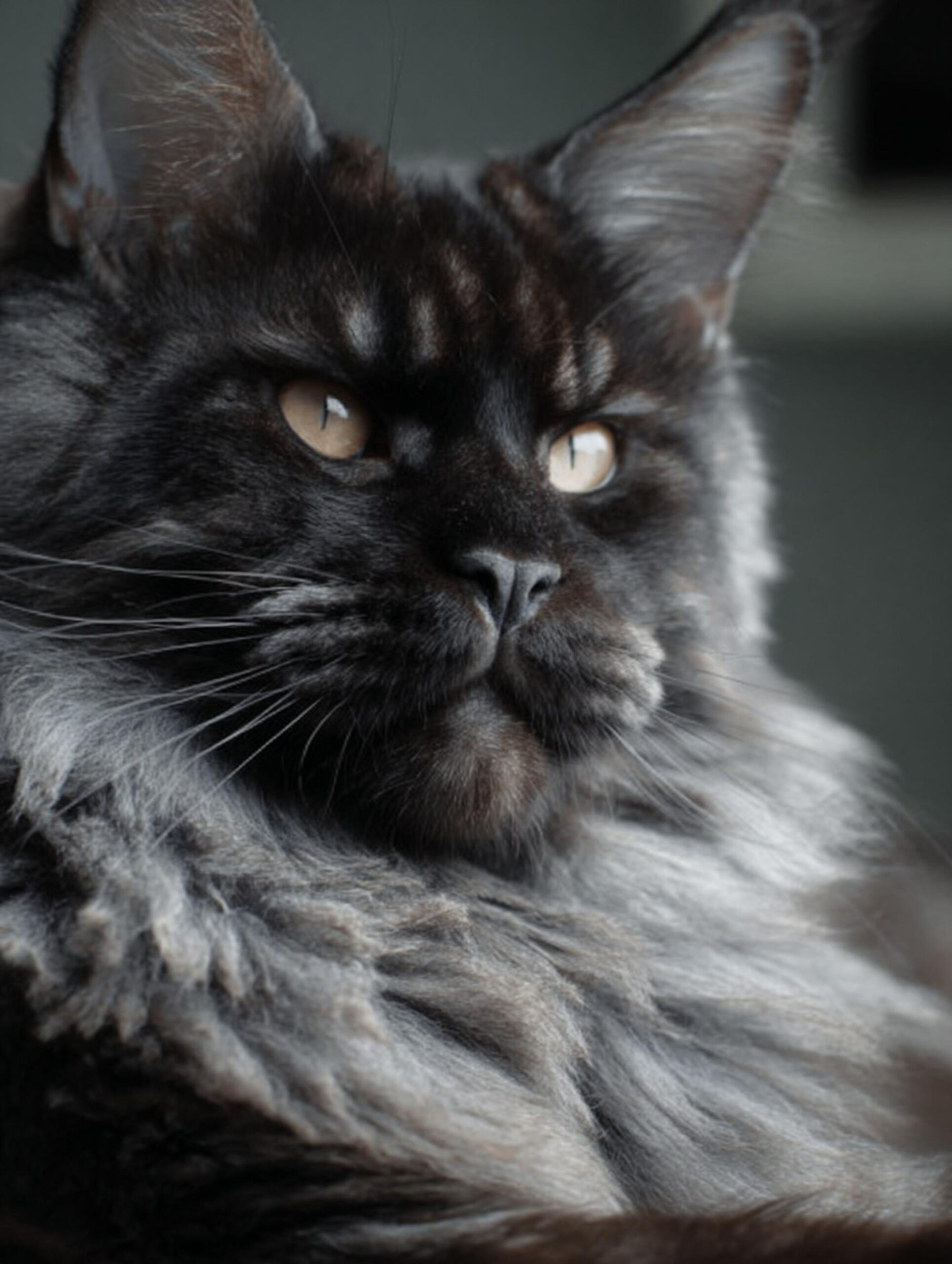
How to Find a Maine Coon Breeder You Can Trust
Knowing how to find a Maine Coon breeder you can trust is the single most important step in bringing home a healthy, well-bred Maine Coon kitten. With hundreds of websites advertising “purebred Maine Coon kittens for sale,” it can be hard to tell the difference between a reputable Maine Coon breeder who invests in genetic health and socialization, and an unethical seller cutting corners for quick profit.
In this guide, we’ll show you how to spot ethical Maine Coon breeders, what documentation to ask for, and how to avoid scams while searching for your perfect kitten in 2025. Whether you’re new to the breed or upgrading from a rescue cat, this checklist will help you make confident and informed choices that protect both your heart and your wallet.
Finding a Maine Coon breeder you can truly trust means looking past the cute factor and focusing on transparency, health, ethics, and how the kittens are raised.
In this article, you’ll learn exactly how to recognize ethical breeders, what red flags to avoid, and how to protect yourself from scams.
How to Find a Maine Coon Breeder You Can Trust — Quick Summary
| What to Look For | Trusted Maine Coon Breeder | Reason It Matters |
|---|---|---|
| Website | Basic, stable site with program info and contact details | Shows legitimacy and consistency over time |
| Photos | Real, representative photos of cats (not constantly updated) | Confirms an actual breeding program without unrealistic expectations |
| Health Testing | Clear explanation of what is tested and why | Demonstrates responsible breeding practices |
| Communication | Calm, informative, no pressure or urgency | Ethical breeders prioritize fit over fast sales |
| Availability | Waitlists or planned litters | Indicates intentional breeding, not volume |
| Pricing | Transparent ranges or clear process | Signals organization and respect for buyers |
| Contracts | Written agreement outlining terms | Protects both breeder and buyer |
| Payment Methods | Cash, bank transfer, Zelle, Stripe, or Square | Matches how reputable breeders operate legally |
| Social Presence | Optional, consistent when present | Helpful context but not required |
| Red Flags | No contact info, stock images, “available now” focus | Common signs of unreliable sellers |

The Problem: Popularity Attracts Scammers
Maine Coons have become one of the most sought-after cat breeds in the world. Their size, gentle temperament, and dramatic coats make them incredibly appealing to families, and that popularity has brought a downside.
Where demand grows, misuse follows.
Social media platforms and online marketplaces are now crowded with listings for “purebred Maine Coons,” often at prices that seem too good to be true. In reality, many of these listings fall into one of a few categories:
- Mixed-breed kittens marketed as purebred Maine Coons
- Cats imported from large-scale operations with little or no health testing
- Fake accounts using stolen photos and fabricated availability
This is why learning what a legitimate breeder looks like matters. Once you understand how responsible programs operate and what proof they can reasonably provide, it becomes much easier to tell the difference between ethical breeders and misleading listings.
If you are also researching pricing, our Maine Coon Kitten Prices and State-by-State Price Breakdown explain what typical price ranges look like when health testing, care, and long-term support are done properly.
What a Trustworthy Maine Coon Breeder Looks Like
A reputable Maine Coon breeder does not operate like a storefront or a volume-based business. Most ethical programs function more like small preservation programs, focused on health, temperament, and long-term breed quality rather than quick placements.
There are a few consistent qualities you will see across trustworthy breeders.
Transparency
Reputable breeders share real photos, videos, and updates of their cats and kittens. You can see how the cats live, how kittens are raised, and how the environment looks. The goal is clarity, not perfection. You will never see stacked cages, outdoor kennels, or vague stock imagery used to avoid showing daily life.
Health Testing Proof
Ethical breeders provide written documentation of health testing on breeding cats, including tests for conditions relevant to Maine Coons such as HCM, PKD, and SMA. Many programs also include ongoing cardiac screening or additional evaluations as part of their long-term health strategy. This information is shared openly because it reflects planning, not marketing.
Registration
Kittens are registered with recognized organizations such as TICA or CFA. Registration confirms lineage and breed, not quality, and reputable breeders are clear about what registration does and does not mean. Pedigree paperwork is handled properly and released according to the terms of placement.
Limited Litters
Responsible breeders limit the number of litters per cat and per year. This protects the health of their queens and ensures kittens receive appropriate attention, socialization, and care. A smaller number of thoughtfully planned litters is a sign of prioritizing the cats, not maximizing output.
Lifetime Support
Ethical breeders do not disappear after placement. They remain available for questions, guidance, and updates throughout the cat’s life. Many stay in touch with families for years, which creates continuity and accountability that short-term sellers simply do not offer.
Understanding these patterns makes it easier to filter out misleading listings and focus your search on breeders who value the breed, their cats, and the families they place with.
Understanding Maine Coon Health Testing
Genetic testing forms the foundation of responsible Maine Coon breeding. When a breeder says “our cats are healthy” but cannot provide clear documentation, that should prompt further questions. Health claims only matter when they are supported by verifiable testing.
Core tests every Maine Coon breeder should perform include:
- HCM (Hypertrophic Cardiomyopathy) through DNA testing and, in many programs, echocardiograms
- PKD (Polycystic Kidney Disease) through DNA testing
- SMA (Spinal Muscular Atrophy) through DNA testing
These tests screen for the most significant inherited conditions seen in the breed and help breeders make informed pairing decisions over time.
Some programs go further by adding additional screening, such as:
- Regular echocardiograms performed by board-certified cardiologists
- Renal ultrasounds to monitor kidney health
- Patellar and hip evaluations to assess joint soundness
These steps are not about perfection. They demonstrate a breeder’s willingness to document risk, track outcomes, and make responsible decisions rather than relying on assumptions.
If you want a comprehensive explanation of how testing works, what results actually mean, and how to read them, see our complete Maine Coon Health Testing Explained article. This level of testing also directly impacts cost. We explain that relationship in Why Are Maine Coon Kittens So Expensive?
How Reputable Maine Coon Breeders Raise Their Kittens
A reputable Maine Coon breeder raises kittens inside the home, where they experience normal household life from the beginning. Kittens grow up around people, routine sounds, and daily handling rather than being isolated in barns, outdoor enclosures, or separate kennel buildings. This early environment plays a major role in temperament, confidence, and long-term adaptability.
Early Maine Coon Kitten Development and Socialization Timeline
0–3 weeks
During the neonatal stage, kittens remain with their mother in a warm, quiet space. Breeders monitor weight gain daily, ensure proper nursing, and begin gentle handling. Early human contact during this phase supports neurological development and stress tolerance later in life.
3–6 weeks
As kittens open their eyes and begin moving around, they start litter box exposure, light play, and exploration. They meet different household members, hear normal noises, and experience short, positive handling sessions. Breeders introduce basic grooming contact, such as gentle brushing and nail touches.
6–12 weeks
This is the most important socialization window. Kittens interact with people of different ages, encounter common household sounds, and play with a variety of toys and textures. Breeders continue grooming exposure, carrier introduction, and short periods of separation from the mother to build independence. Confident breeders also expose kittens to dogs or other cats when appropriate and safe.
Health Care and Veterinary Foundations
Responsible breeders pair socialization with structured health care. Kittens receive:
- Age-appropriate core vaccinations on a proper schedule
- Routine deworming and parasite prevention
- Ongoing health monitoring for appetite, digestion, and development
- Veterinary exams before placement
Breeders track growth carefully and avoid rushing kittens into new homes before they are physically and emotionally ready. This is especially important for Maine Coons, which mature more slowly than many other breeds.
Preparation for Life in a New Home
Before placement, kittens learn:
- Litter box reliability
- Basic grooming tolerance
- Comfort with handling and being picked up
- Confidence in new environments
Many ethical breeders follow structured socialization frameworks, sometimes adapted from programs like Puppy Culture, to support emotional stability and resilience. The goal is not perfection, but a well-adjusted kitten who transitions smoothly into family life.

Questions to Ask a Maine Coon Breeder
The goal of these questions is to help you a find a Maine Coon breeder you can trust. Ethical breeders invest years into their programs and generally appreciate thoughtful, well-intentioned questions that show you are preparing seriously for a Maine Coon, not shopping impulsively.
These questions are designed to feel natural, appropriate, and professional, while still giving you the clarity you need.
Questions About the Breeding Program
- How long have you been working with Maine Coons, and what drew you to the breed?
- What do you focus on most in your program (health, temperament, structure, family placement)?
- How many litters do you typically raise in a year?
Health and Care Questions
- What health testing do you perform on your breeding cats?
- Are parents screened for common Maine Coon conditions like HCM, PKD, and SMA?
- Do kittens receive age-appropriate vaccinations and veterinary care before going home?
Questions About Registration and Documentation
- Are your cats registered, and through which organization (such as The International Cat Association or Cat Fanciers’ Association)?
- What documentation goes home with the kitten?
Temperament and Daily Life Questions
- How are kittens raised in your home?
- What kind of socialization do they experience before placement?
- How do your kittens typically adjust to new homes?
Questions About Placement and Support
- What does your placement process look like?
- Do you use a contract, and what does it generally cover?
- Do you remain available if questions come up after the kitten goes home?
A Final Thought
Ethical breeders tend to gravitate toward prepared, kind, and communicative families. Asking questions thoughtfully sets the tone for a positive relationship and shows that you understand you are adopting a living animal, not completing a transaction.
Contracts, Registration, Waitlists, and Cost: What to Expect From a Reputable Maine Coon Breeder
These topics come up constantly in buyer forums, often framed as red flags when they are actually normal parts of ethical breeding. Understanding how they fit together helps you recognize legitimate programs without turning the process into an interrogation.
The Role of Contracts
A responsible Maine Coon breeder uses a written sales contract. This is not about control or distrust. It exists to protect the kitten, the buyer, and the breeder by clearly outlining expectations on both sides.
A well-structured contract typically covers:
- A defined health guarantee period
- A required veterinary exam shortly after pickup
- A spay or neuter agreement for pet kittens
- A clear return or rehoming policy if circumstances change
- An explanation of when registration papers are released
Contracts are standard practice in ethical programs. If a breeder avoids written agreements entirely, that usually signals inexperience rather than flexibility.
Registration and Pedigrees
Reputable Maine Coon breeders register their cats with recognized organizations such as TICA or CFA. Registration confirms that the kitten is a pedigreed Maine Coon, not simply a longhaired cat with a similar look.
Most breeders provide:
- Registration papers at pickup or
- Registration papers after proof of spay or neuter for pet kittens
Some breeders also share pedigree information showing several generations of lineage. This transparency helps preserve breed integrity and gives buyers confidence in what they are bringing home.
A reasonable question to ask sounds like:
“Are the parents registered, and how are papers released for pet kittens?”
Clear, calm answers are what you are listening for, not perfection.
What to Expect When Joining a Waitlist
Ethical breeders do not produce unlimited kittens. Because of that, waitlists are normal. Many Maine Coon programs book six to twelve months in advance.
Joining a waitlist often involves:
- A refundable or partially refundable deposit
- Clear communication about timelines
- Updates as kittens are born and grow
- Matching kittens to families thoughtfully, not first-come-first-served
Pressure to send full payment immediately or claims of constant “ready now” kittens usually signal a problem. Legitimate breeders place kittens carefully, not urgently.
The Cost of Doing It Right
One of the most misunderstood topics online is price. Ethical Maine Coon breeders typically charge $3,000–$6,000 or more per kitten, and that number reflects real costs, not markup.
That price supports:
- Comprehensive health testing and veterinary care
- High-quality nutrition for queens and kittens
- Limited litters to protect the cats’ wellbeing
- Time-intensive socialization and home raising
- Long-term responsibility for every kitten produced
Prices far below this range often indicate skipped health testing, minimal care, or volume breeding. Paying more upfront often means fewer surprises later.
If you want to explore this in depth, see our Maine Coon Kitten Prices (2025 Guide) for realistic comparisons.
How to Verify a Maine Coon Breeder Step by Step
This section exists to help families feel confident, not to turn the process into an investigation. Ethical breeders are people with full lives, responsibilities, and limits. Verification should feel clear and professional, not adversarial.
What to Check on the Website
A legitimate breeder website usually provides:
- Clear information about the breed and how kittens are raised
- A consistent cattery name, contact method, and location
- An explanation of how kittens are placed, not just what is for sale
- Education-focused content, not only sales language
A strong website does not need to be flashy. It should feel stable, informative, and intentional.
How Communication Should Feel
Communication with an ethical breeder is typically:
- Calm and direct
- Willing to answer questions without pressure
- Honest about timelines, availability, and limitations
- Focused on fit, not speed
You should feel informed, not rushed. A good breeder is evaluating fit just as much as you are.
What Answers Should Sound Like
Responsible breeders tend to answer questions with:
- Context instead of guarantees
- Clear explanations rather than one-word replies
- Comfort saying “I don’t know yet” or “that depends”
- Consistency between what they say and what appears on their website
Ethical answers often include nuance. Simple does not mean vague.
What Documentation Should Exist
While not every document is handed out immediately, most ethical programs have:
- A written contract
- Health records for kittens
- Health testing information for parent cats
- Clear placement terms
Breeders should be willing to explain what documentation exists and when it is shared.
What Questions Ethical Breeders Welcome
Good breeders generally welcome questions about:
- Temperament and lifestyle fit
- How kittens are raised and socialized
- Health testing practices
- Long-term expectations of ownership
These questions show preparation, not suspicion.
How to Verify a Breeder’s Reputation
Verifying a breeder’s reputation does not require interrogation or suspicion. It simply means confirming that the breeder exists within the cat fancy community, communicates consistently, and has a track record that others can recognize.
Here are respectful, practical ways buyers can do that.
Check Registry Listings
Many established breeders register their cattery name with organizations such as The International Cat Association (TICA) or Cat Fanciers’ Association (CFA). A listing helps confirm that the cattery name is real and used consistently over time. Registry presence alone does not guarantee quality, but it does verify identity and participation in the broader breeding community.
Attend Cat Shows When Possible
Cat shows offer a low-pressure way to meet breeders in person, see adult cats, and observe how breeders interact with their animals and with the public. Even if you are not ready to commit, attending shows can help you understand breed type, temperament, and breeder culture more clearly.
A Final Note on Respect
Verification does not require suspicion. Most ethical breeders care deeply about their cats and value respectful, prepared families. The goal is alignment, not interrogation. When communication feels mutual and transparent, you are usually on the right path. See Almonte Cats Maine Coon Breeder Reviews here.
Common Red Flags Buyers Miss (Because They Seem Convenient)
Not every red flag looks alarming. Some feel easy or appealing at first.
Instant Availability
High-demand breeds often involve waitlists. Immediate availability is not automatically wrong, but it should come with a clear explanation, not urgency.
Unrealistic Size Promises
Size varies, even in well-bred Maine Coons. Ethical breeders talk about ranges and genetics, not guarantees.
No Contracts
A lack of written agreement removes clarity for both sides. Contracts protect the kitten, the breeder, and the family.
Reluctance to Talk
Some breeders prefer email over phone, and that is reasonable. However, complete avoidance of meaningful communication is worth noting.
Vague Answers Framed as “Simple”
Responsible breeding is rarely simple. Answers that dismiss reasonable questions instead of explaining them may indicate a lack of depth or transparency.
Maine Coon Breeder Red Flag Summary
Not every “cattery” is what it claims to be. Watch for these major warning signs:
| Red Flag | Why It Matters |
|---|---|
| Prices under $1,000 | No legitimate breeder can cover costs that low |
| “No contract / no questions asked” | Shows lack of accountability |
| Won’t show health testing | Likely untested or falsified |
| Breeder won’t FaceTime / video call | Possible stolen photos |
| Constant availability of kittens | Suggests mass-production breeding |
| Requires payment via gift card, Venmo, or Western Union | Classic scam tactic |
👉 Read our full post on Cat Scams: How to Tell if the Kitten You’re Buying Is Real for a detailed guide to
Scams and Fake Catteries: What to Know
Most modern kitten scams do not come from professional-looking websites. They come from social media, especially Facebook and Instagram accounts advertising dozens or even hundreds of kittens at once. These pages often appear overnight, disappear just as fast, and rely on urgency rather than substance.
Scammers commonly copy photos from real breeders, rename accounts repeatedly, and present themselves as having endless availability. The goal is speed, not relationship. If something feels rushed, vague, or unusually easy, it usually is.
Common signs of a fake cattery or scam account include:
- Kittens priced under $1,500.
- Large numbers of kittens posted at the same time, often across many colors, ages, or “litters”
- Reused or stock photos that appear on multiple pages or websites
- Inconsistent kitten details (ages, parents, or locations change between messages)
- Language focused on “ready now,” “delivery today,” or “last chance”
- Refusal to video chat or show kittens live in real time
- Communication that stays entirely in DMs and avoids phone or email
- Requests for deposits through instant-transfer apps, gift cards, or cryptocurrency
Many scam pages look busy and convincing on the surface. High volume, frequent posts, and polished captions can create a false sense of legitimacy. In reality, ethical breeders rarely have constant availability and do not manage placements entirely through social media messages.
What careful buyers should look for instead:
- Clear, consistent communication that moves off social media into email or scheduled calls
- A website that explains the breeder’s program, values, and process in detail
- Real conversations about waitlists, timing, and preparation rather than instant pickup
- Transparency about how kittens are placed and how families are selected
- Payment methods that offer traceability and protection, never urgency or pressure
Legitimate breeders do not advertise “lots of kittens,” rotate stock weekly, or avoid direct conversation. They take time, answer questions clearly, and expect buyers to do the same.
If a page feels overwhelming, urgent, or too convenient, pause. Scammers rely on impulse. Ethical programs rely on communication, patience, and mutual trust.
International Breeders and Imports
Some ethical U.S. breeders work with European lines to maintain genetic diversity and preserve structure. That practice is legitimate when done by experienced programs with established relationships and documented health testing.
Problems arise when scammers misuse the idea of “European imports” to create urgency or justify unusual payment requests.
Common red flags to watch for include:
- Claims that a kitten is “imported from Europe” but no verifiable breeder name, registry records, or health documentation are provided
- Pressure to arrange shipping independently or quickly, often before contracts or vet records are shared
- Stock photos reused across multiple listings, sometimes appearing on different pages or platforms
- Vague explanations about quarantine, customs, or paperwork that avoid specifics
- Requests for payment methods that bypass traceable, standard processes
Legitimate imports involve clear timelines, documented parentage, health testing, and transparent communication. Ethical breeders explain the process openly and never rush families into decisions involving international transport.
If an international element is used mainly as a selling point rather than a carefully documented breeding decision, it deserves closer scrutiny.
What an Ethical Breeder’s Website Looks Like
An ethical Maine Coon breeder’s website does not need to be elaborate, always updated, or visually impressive. A basic, stable website with clear program information is enough. Most responsible breeders spend their time caring for their cats, not managing content or marketing.
At minimum, a trustworthy breeder website should explain who they are, what they breed, and how their program operates. This often includes a short overview of the cattery, the breeder’s goals, and the general philosophy behind their breeding decisions. Clear, representative photos of cats in the program are helpful, but constant updates are not required.
Health testing is typically addressed at a program level, outlining what is tested and why, rather than publishing individual documents online. Ethical breeders focus on education and transparency, not public disclosure for internet scrutiny.
You should also see clear next steps—whether that’s an application process, waitlist information, or guidance on how to make contact. Many reputable breeders include a simple FAQ or short educational section to set expectations and reduce repetitive inquiries.
A basic website that has remained consistent over time, includes real information about the breeding program, and provides a legitimate way to make contact is far more meaningful than a highly polished site designed to sell quickly. A breeder’s credibility comes from consistency and substance, not frequent updates or marketing effort.
Check out these posts for more information about Maine Coon Prices and avoiding scams.
- Why Are Maine Coon Kittens So Expensive?
- Maine Coon Kitten Prices (2025 Guide)
- State-by-State Price Breakdown
- Cat Scams: How to Tell if the Kitten You’re Buying Is Real
Why Choosing the Right Breeder Matters
Choosing an ethical Maine Coon breeder doesn’t just protect your investment — it protects the breed itself. The right Maine Coon breeder will help you find your dream kitten. The one you always wanted.
Responsible Maine Coon breeders:
- Reduce inherited disease risk
- Improve temperament and longevity
- Educate owners
- Support rescues and breed clubs
When you support them, you’re preserving generations of careful work.
Summary Checklist: Signs of a Trustworthy Maine Coon Breeder
✅ Registered with TICA or CFA
✅ DNA tested for HCM, PKD, and SMA
✅ Written contract with health guarantee
✅ Kittens raised indoors with early socialization
✅ Transparent communication and photos
✅ Lifetime breeder support
✅ Waitlist or application process
✅ Fair, realistic pricing
If you can check these boxes, you’re in good hands.
If you are still exploring whether a Maine Coon is right for your household, you can review the Maine Coon breed overview on Petfinder. It provides a clear look at the breed’s size, temperament, and care needs before you begin your breeder search.
Frequently Asked Questions About Finding a Trustworthy Maine Coon Breeder
1. How do I know if a Maine Coon breeder is reputable?
A reputable breeder provides proof of health testing, registration with TICA or CFA, clean living conditions, and transparent communication. They welcome questions, offer contracts, and show kittens raised in the home. See Almont Maine Coon breeder reviews here.
2. What should I ask a Maine Coon breeder before buying a kitten?
Ask for DNA test results for HCM, PKD, and SMA; registration numbers; vaccination records; and details about socialization and contracts. Honest breeders answer everything confidently.
3. How can I verify a Maine Coon breeder’s registration?
Check the TICA or CFA breeder directories and confirm the cattery name matches the breeder’s paperwork. You can email the registry directly for verification.
4. Are there fake Maine Coon breeders online?
Yes. Many fake sites steal photos from real catteries and request deposits through untraceable apps. Always video-chat with the breeder and verify registration before paying.
5. What red flags should I look for when choosing a breeder?
Prices under $1,000, no contract, vague health claims, refusal to FaceTime, or constant kitten availability are major warning signs of unethical or fake breeders.
6. How much does a reputable Maine Coon breeder charge in 2025?
Expect $3,000–$6,000 for pet-quality kittens and up to $8,000 for show or imported lines.
👉 Compare averages in our Maine Coon Kitten Prices (2025 Guide).
7. Do real breeders require deposits?
Yes. Ethical breeders typically request a $500–$1,000 deposit applied to your total balance, with a written receipt and contract.
8. Can I visit a Maine Coon cattery in person?
Most reputable breeders allow scheduled visits or virtual tours after kittens are old enough. Expect to see clean spaces and friendly, socialized cats.
9. What does health testing mean for Maine Coon breeders?
Health testing includes DNA panels for HCM, PKD, and SMA, plus periodic heart and kidney ultrasounds. These prevent inherited disease and ensure long-term health.
10. Why do ethical breeders have waiting lists?
Because they produce limited litters each year and carefully match kittens to homes. A waiting list shows strong demand and responsible breeding practices.
11. Are Maine Coon breeders who ship kittens safe to use?
Yes, if shipping is done through licensed airlines or professional pet transporters and accompanied by veterinary certificates. Always confirm the breeder handles travel ethically.
12. What’s the difference between a backyard breeder and a preservation breeder?
Backyard breeders focus on quick profit with little to no testing. Preservation breeders protect the breed’s genetics, health, and temperament through education and careful selection.
13. How can I spot a Maine Coon kitten scam?
Beware of sellers pushing urgency, offering unrealistic prices, or refusing to video-chat. Reverse-image-search their photos—scammers often reuse pictures from legitimate catteries.
👉 Read our full guide: Cat Scams: How to Tell if the Kitten You’re Buying Is Real.
14. What is a cattery name, and why does it matter?
A registered cattery name proves the breeder is recognized by a cat association. It appears on your kitten’s registration papers and identifies the line’s origin.
15. Should a breeder provide a written contract?
Always. Contracts outline health guarantees, spay/neuter terms, and buyer responsibilities. Refusal to provide one is a serious red flag.
16. Do Maine Coon breeders give registration papers right away?
Most send registration papers after proof of spay or neuter. This ensures pet kittens aren’t used for breeding without approval.
17. What questions separate ethical breeders from average ones?
Ask about their breeding goals, how they select pairings, and what health data they track over generations. True preservation breeders can explain their program in depth.
18. Are imported Maine Coon kittens trustworthy?
Imports can be legitimate if sourced through verified European breeders with full health documentation. Avoid individuals selling “imported kittens” without references or proof.
19. How can I report a fraudulent Maine Coon breeder?
You can file complaints with CFA, TICA, and online fraud portals like the IC3 (FBI Internet Crime Complaint Center). Share documentation and screenshots for verification.
20. What’s the safest way to pay a Maine Coon breeder?
The safest way to pay a Maine Coon breeder is to use established, documented payment methods that align with how legitimate breeding programs operate. Reputable breeders typically accept cash, bank transfer, Zelle, or professional payment processors such as Stripe or Square, often paired with a written contract and clear payment terms.
Final Thoughts
Finding a Maine Coon breeder you can trust takes time, research, and a little patience — but the reward is a healthy, confident, and well-socialized companion who will share your life for years to come.
If you are interested in applying for one of our Maine Coon Kittens go here.
Related Articles From Almonte Cats
If you are researching Maine Coons, the following posts may also be helpful. These posts explain our standards, expectations, and long-term approach in more depth.
- Maine Coon Size, Growth, and Weight: What’s Normal and What’s Not
A detailed breakdown of realistic size ranges, growth timelines, and how to tell healthy structure from excess weight. - How to find a Maine Coon Breeder You can Trust
A practical guide explaining common scam patterns, verification steps, and what ethical programs do differently. - Maine Coon Health Overview: What Responsible Owners Should Know
Covers genetic screening, lifespan expectations, preventive care, and early warning signs owners should never ignore. - Why Maine Coons are Not for Everyone
An honest look at temperament, grooming, space needs, and daily life with a Maine Coon. - Maine Coon Kitten Growth Stages: What to Expect From 8 Weeks to Adulthood
Explains normal development, awkward phases, and why slow growth is a feature of the breed.
These resources reflect how we approach breeding, placement, and long-term support, and they are written to help families make informed decisions rather than rushed ones.
Sources
- The International Cat Association (TICA) – Finding a Breeder & Buyer Education
https://tica.org/find-a-cat/find-a-cat-breeder-listings/
https://tica.org/pet-buyers-guide/ - Cat Fanciers’ Association (CFA) – Breeder Directory & Breed Information
https://cfa.org/
https://find-a-breeder.cfa.org/ - Cornell University College of Veterinary Medicine – General Cat Health & Breeding Ethics
https://www.vet.cornell.edu/departments-centers-and-institutes/cornell-feline-health-center - American Veterinary Medical Association (AVMA) – Selecting a Pet & Avoiding Scams
https://www.avma.org/resources-tools/pet-owners/how-select-pet - ASPCA – How to Find a Responsible Breeder
https://www.aspca.org/pet-care/general-pet-care/choosing-right-pet-you/how-find-responsible-breeder - UC Davis Veterinary Genetics Laboratory – Genetic Testing in Cats
https://vgl.ucdavis.edu/cat-health





Read the Comments +