
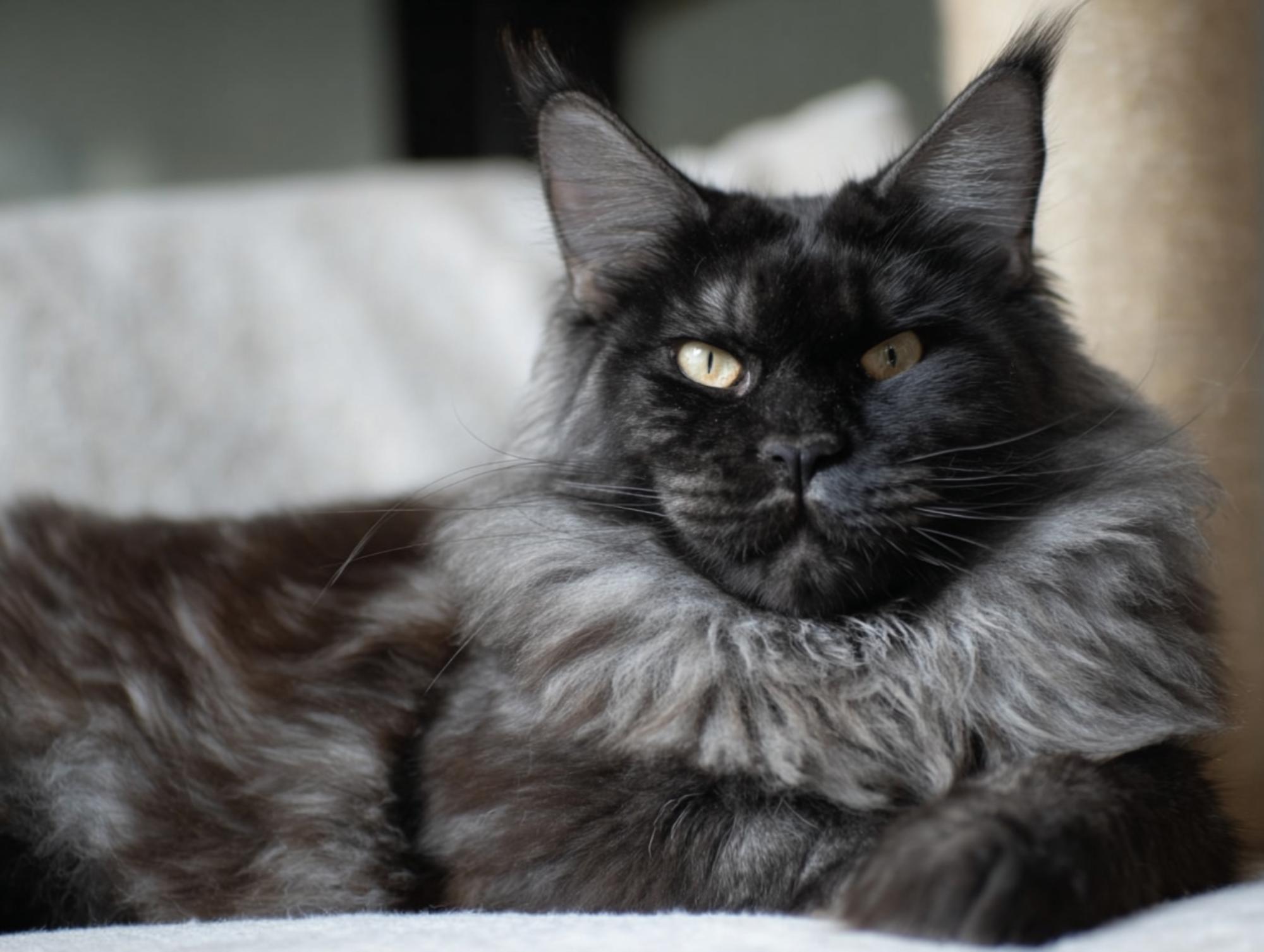
How to Trim a Maine Coon’s Nails (Safely, Calmly, and Without Stress)
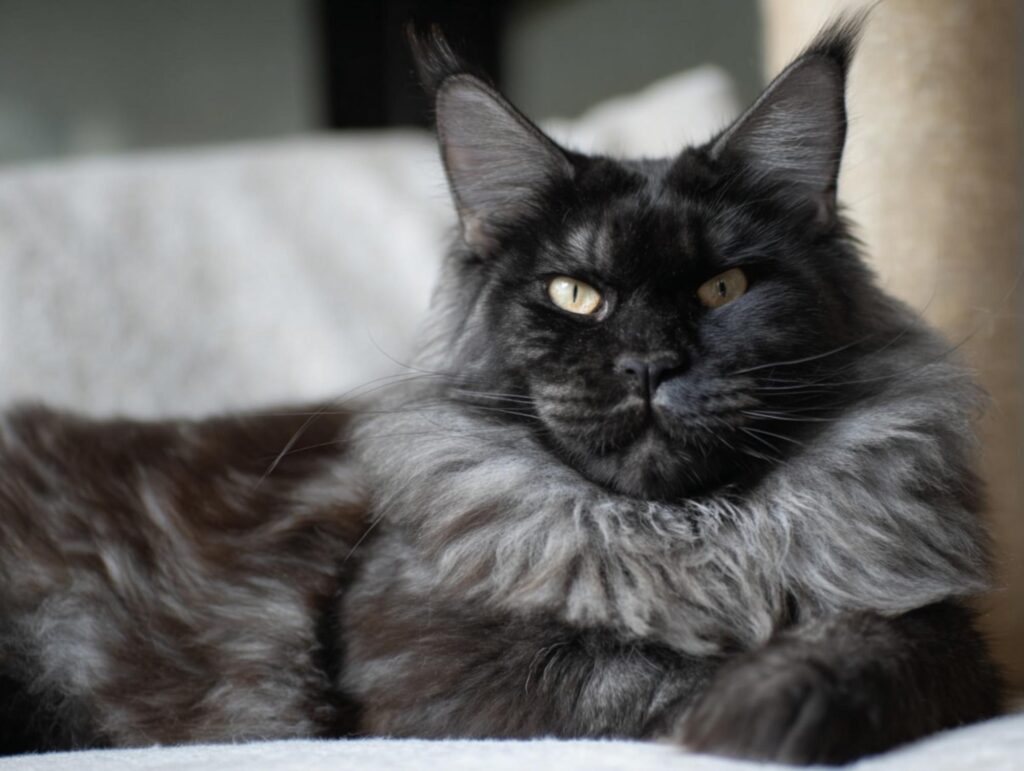
Maine Coon nails need regular trimming because they grow thick, sharp, and fast, especially in large or indoor cats. Nail trimming is safe and manageable at home when done correctly, and most problems come from technique and handling errors, not the cat.
Nail trimming causes panic on forums because people wait until the nails snag, the cat fights it, or someone clips too close and then the whole process becomes a “thing” instead of a routine. Reddit advice often escalates stress because it jumps straight to restraint, towels, and forcing compliance, which teaches the cat that nail trims predict pressure and conflict. This guide shows you how to trim Maine Coon nails in a calm, repeatable way, including what tools to use, how to hold the paw correctly, where to cut, and how to build cooperation over time so it gets easier every month.
Maine Coon Nail Trimming: Quick Summary
| Topic | What Owners Should Know |
|---|---|
| Do Maine Coons need nail trims? | Yes, regularly. Their nails grow thick, sharp, and fast |
| Does trimming hurt? | No, when you trim only the tip |
| Best trimming schedule | Kittens: every 1–2 weeks; Adults: every 2–4 weeks |
| Best clippers to use | Scissor-style clippers sized for thick nails |
| Biggest mistake owners make | Forcing trims or waiting too long |
| How many nails per session? | As many as the cat allows calmly |
| Why cats resist trims | Handling errors and past stress, not aggression |
| Polydactyl cats | Extra toes mean extra nails that hide easily |
| When to get help | Nails curl into pads, repeated snagging, limping |
| Key takeaway | Calm, consistent trimming prevents nearly all problems |
Short Answer: Can You Trim a Maine Coon’s Nails at Home?
Yes, you can trim a Maine Coon’s nails at home, and most owners should. Maine Coons are not harder to trim than other cats. They just have thicker nails and bigger paws, so they require steadier handling and the right clipper.
Size and nail thickness change technique, not difficulty. When you use a clipper that can handle thick nails and you trim only the sharp tip, the process stays simple. When nail trims go badly, the cause almost always comes down to rushing, gripping too tightly, cutting too much at once, or trying to force a full set of nails in one session.
Explicit clarification: trimming the nail does not hurt when you cut the tip only. Your cat fights the process because the handling feels stressful or unfamiliar, not because nail trimming itself hurts.
Trimming Does Not Hurt When Done Correctly
Nail trimming does not hurt when you cut only the sharp tip of the nail. The nail itself has no sensation at the end, and a proper trim removes the part that catches on fabric and skin without touching sensitive tissue. Cats do not react because trimming hurts. They react when the handling feels unfamiliar, rushed, or restrictive.
When owners trim small amounts regularly, cats usually remain calm. Pain only enters the picture when someone cuts too far and hits the quick, which is a technique error, not an unavoidable risk. Correct trimming stays well away from that area.
Resistance Usually Comes From Handling Mistakes, Not Aggression
Most Maine Coons resist nail trims because of how they get held, not because they act aggressive or difficult by nature. Tight grips, full-body restraint, chasing the cat, or forcing all four paws in one session teach the cat that nail trimming equals stress.
When handling stays calm, predictable, and brief, resistance drops over time. Cats learn through repetition. If every trim feels controlled and uneventful, the behavior improves. When every trim turns into a struggle, the behavior escalates.
Why Maine Coon Nails Need Regular Trimming
Maine Coon nails grow quickly and carry more weight than those of smaller cats. Regular trimming prevents problems before they show up.
Large body weight increases nail pressure
Maine Coons place more force on their nails when they walk, jump, and land. Long nails bear that pressure unevenly, which causes them to curve sooner and catch more easily.
Indoor lifestyles reduce natural wear
Indoor cats do not wear nails down naturally the way outdoor cats once did. Scratching posts help but do not replace trimming. Nails continue to grow even with regular scratching.
Thick nails curve and snag faster
Maine Coon nails grow thicker than average. As they lengthen, they curve inward and hook more easily. This leads to snagging on carpet, blankets, and furniture before the nails look obviously long.
Problems start before nails look “too long” because curvature happens early. By the time nails visibly extend, they already cause discomfort or snagging. Waiting creates stress later because overgrown nails require bigger cuts, which increases tension for both the cat and the owner.
How Often Should You Trim a Maine Coon’s Nails?
Typical schedule for kittens
Kittens benefit from trims every one to two weeks. Their nails grow fast, and frequent light trims help them get used to the process without stress.
Typical schedule for adults
Most adult Maine Coons need trimming every two to four weeks. Growth rate varies by activity level and indoor setup, but regular checks keep nails from reaching problem length.
How growth rate changes with age
Young cats grow nails quickly. Adults slow slightly but still need routine care. Seniors often grow nails faster again because activity decreases.
Frequent light trims work best because they remove only the sharp tip and keep the quick short. Waiting too long makes trims harder because the nail curves more, the quick extends farther, and the cut feels more invasive. Regular trimming keeps the process simple and low-stress.
Tools You Need to Trim Maine Coon Nails
Trimming a Maine Coon’s nails does not require a drawer full of tools or special equipment. It requires the right clipper, calm handling, and realistic expectations. Most problems people describe online come from using tools that are too small, too dull, or simply wrong for thick cat nails.
Nail Clippers That Work Best for Thick Nails
Maine Coon nails are thicker and denser than those of most cats. Clippers designed for small kittens or lightweight cats often crush the nail instead of cutting it cleanly, which feels uncomfortable and makes the cat pull away.
Scissor-style clippers tend to work best for Maine Coons. They offer better control, allow a clean cut, and handle thick nails without splitting them. The blades open wider and apply even pressure, which reduces resistance and improves accuracy.
Guillotine-style clippers can work, but only if they are large enough and kept sharp. Smaller guillotine clippers often struggle with thick nails and increase the risk of squeezing instead of cutting. When cats react strongly during trims, the clipper itself often contributes to the problem.
Why size matters
Using a clipper that matches the size of the nail changes the entire experience. Properly sized clippers cut smoothly and quickly, which keeps the trim calm and uneventful. Undersized clippers drag the process out and create tension for both cat and handler.
What You Do NOT Need
Many tools get recommended online because they look professional or promise easier trims, but they rarely improve results with cats.
Grinders
Grinders take longer, create noise and vibration, and require restraint to use properly. Most cats tolerate quick clipping better than prolonged grinding, especially Maine Coons with thick nails.
Sedation
Sedation should not play a role in routine nail care. If trimming requires sedation, the problem lies in handling, timing, or desensitization rather than the cat’s temperament.
Heavy restraint methods
Towels, burritos, scruffing, or pinning teach the cat that nail trims predict force. These methods create long-term resistance and make future trims harder, not easier.
Kitten Nail Trimming and Desensitization (Start Here)
Starting nail care correctly in kittenhood prevents nearly every nail-trimming problem seen in adult Maine Coons. Early exposure builds tolerance, not fear.
When to Start Trimming Kitten Nails
You can start trimming kitten nails as soon as the kitten settles into its new home. Early exposure matters because kittens accept handling as normal before habits form.
There is rarely a kitten that is “too young” to begin gentle nail handling. What matters is keeping sessions short, calm, and predictable. Waiting months to start often creates unnecessary resistance later.
Paw Handling Before Clippers Ever Come Out
Before you ever trim a nail, handle paws daily. Touching paws teaches the kitten that foot handling is normal and safe.
Gently press the toes to extend the nails without cutting. Release immediately. This motion alone prepares the kitten for trimming later.
End every session before the kitten resists. Stopping early teaches the kitten that calm behavior ends the interaction, not struggle.
Introducing Clippers Without Trimming
Let the kitten see and smell the clippers during calm moments. Place them nearby while you handle paws without using them.
Pair the presence of clippers with relaxed handling. This removes novelty and prevents fear from developing.
“Pretend trims” work because they build familiarity without pressure. Holding the paw, extending the nail, touching the clipper to the nail, and then stopping teaches the kitten what to expect without creating stress.
First Trims Should Be Tiny and Short
Trim one or two nails at a time during early sessions. Do not aim to finish all paws. Success matters more than completion.
Short sessions keep stress low and confidence high. Many kittens accept trims easily when owners resist the urge to push for more.
Tolerance builds through positive repetition. Each calm experience makes the next one easier.
What Desensitization Actually Looks Like
Desensitization looks boring. It involves calm repetition over days and weeks, not dramatic breakthroughs in a single session.
Forcing progress sets training back. Each stressful trim reinforces resistance and teaches avoidance.
Kittens learn nail trims are routine when every experience stays predictable and brief. Over time, nail trimming becomes just another part of normal handling rather than an event.
Step-by-Step: How to Trim a Maine Coon’s Nails
Set Up the Environment
Choose a quiet space with minimal movement and noise. Close doors, silence distractions, and position yourself comfortably so you can work without rushing. Sit in a chair or on the floor where the cat already relaxes rather than forcing a new setup.
Pick your timing carefully. Trim nails when your Maine Coon feels calm or sleepy, not during play or excitement. Timing matters more than technique because a relaxed cat tolerates handling far better than an alert or overstimulated one. Don’t trim nails in the middle of a zoomie session.
How to Hold the Paw Correctly
Support the paw gently without squeezing. Place your fingers around the paw so you control movement without applying pressure. Keep your grip steady and light to avoid triggering resistance.
Press the toe pad gently with your thumb to extend the nail. Use smooth, deliberate motion. Release between nails so the cat never feels trapped. This handling builds trust and keeps the cat relaxed throughout the session.
Where to Cut
Locate the quick before you cut. On light nails, look for the pink area inside the nail. On dark nails, cut only the sharp, curved tip and avoid cutting deep.
Remove a small amount of nail at a time. Focus on blunting the sharp edge rather than shortening the nail aggressively. Small cuts protect the quick and keep trimming painless and predictable.
How Many Nails to Trim per Session
Trim only as many nails as the cat allows calmly. You do not need to finish all four paws in one session. One paw or even one or two nails counts as progress.
Partial trims reduce stress because they end on a positive note. Frequent, light trims work better than infrequent full trims and make each session easier than the last.
What NOT to Do When Trimming Maine Coon Nails
Do not force compliance.
Forcing a cat to submit teaches them that nail trims involve loss of control. This creates resistance that grows stronger with each attempt. Calm cooperation builds over time. Force destroys it instantly.
Do not chase the cat.
Chasing turns nail trimming into a threat. The cat learns to run earlier and hide longer the next time. Always bring the trim to a calm moment instead of trying to create one through pursuit.
Do not cut too much at once.
Large cuts increase tension and raise the risk of hitting the quick. Cutting aggressively to “get it over with” makes the experience stressful and unpredictable. Small, precise cuts keep trims painless and repeatable.
Do not turn trimming into restraint.
Wrapping, pinning, scruffing, or immobilizing the cat teaches fear. These methods escalate stress and damage trust. Nail trimming should feel controlled, not restrictive.
Why Maine Coons React Poorly to Nail Trims
Handling sensitivity
Maine Coons feel pressure quickly through their large paws. Rough handling, squeezing, or holding too tightly triggers resistance even in calm cats. Gentle, confident handling keeps them relaxed.
Learned fear from rushed trims
Cats remember negative experiences. One rushed trim that involves force or pain can teach a cat to expect the worst every time. Repetition reinforces that expectation until resistance becomes automatic.
Owner tension transferring to the cat
Cats read body language instantly. Hesitation, anxiety, or frustration from the handler signals danger. When the owner stays calm and decisive, the cat mirrors that energy.
Clear clarification:
Resistance comes from learning, not personality. Maine Coons do not resist because they act stubborn or aggressive by nature. Calm repetition rewires the response and replaces fear with familiarity.
Special Considerations for Polydactyl Maine Coons
Polydactyl Maine Coons require extra attention during nail care because extra toes always mean extra nails. These additional nails often grow in slightly different directions and do not wear down naturally.
Extra nails hide easily between toes or along the inside of the paw. Owners miss them more often, especially the small nails tucked higher up, which allows them to overgrow without obvious signs.
Missed nails cause problems faster because they curve sooner, snag more easily, and can grow into pads if left unchecked. Regular paw checks matter more than trim frequency in polydactyl cats.
For toe structure, nail placement, and long-term care considerations, link here to your polydactyl Maine Coon care post.
Trimming Kittens vs Adult Maine Coons
Kittens
Start with desensitization before worrying about perfect trims. Handle paws daily, extend nails gently, and keep sessions short.
Trim tiny amounts. One or two nails per session builds familiarity without stress.
Early exposure builds lifelong tolerance. Kittens that experience calm, predictable trims grow into adults who accept nail care as routine rather than a struggle.
Adults
Focus on resetting past experiences. Many adult Maine Coons resist trims because previous handling felt rushed or forceful.
Slow progress beats force every time. Trim fewer nails, end sessions early, and repeat calmly.
Trust rebuilding works because cats learn through repetition. Each calm session replaces old expectations with new ones and gradually changes the response to nail trimming.
When Nail Trimming Becomes a Problem
Most nail issues stay manageable with regular trims, but some signs indicate the situation has moved beyond routine care and needs extra attention.
Nails curling into pads
When nails grow long enough to curl back toward the paw pad, they can press into the skin and cause pain or infection. This problem develops gradually and often goes unnoticed until the cat shows discomfort.
Repeated snagging
Nails that catch frequently on carpet, blankets, or furniture signal overgrowth. Repeated snagging increases the risk of torn nails and creates stress during normal movement.
Limping or paw sensitivity
Changes in how your cat walks, avoids jumping, or reacts when paws are touched often point to nail-related discomfort. These signs deserve prompt attention.
Home trimming is no longer enough when nails embed into pads, break repeatedly, or cause visible pain. In these cases, professional trimming allows the issue to be addressed safely and thoroughly.
Professional help makes sense when the cat shows strong distress, when nails grow abnormally, or when medical issues affect the paws. Groomers experienced with cats or veterinarians can correct the problem and help reset a healthy trimming routine.
Maine Coon Nail Trimming FAQ
How often should I trim my Maine Coon’s nails?
Most adult Maine Coons need nail trims every 2 to 4 weeks. Kittens usually need trims more often, about every 1 to 2 weeks, because their nails grow quickly and stay very sharp.
Does trimming a Maine Coon’s nails hurt?
No. Trimming does not hurt when you cut only the sharp tip of the nail. Pain only happens if the quick gets cut, which comes from trimming too much at once or using the wrong angle.
Why does my Maine Coon fight nail trims?
Most resistance comes from handling mistakes, not aggression. Tight gripping, restraint, rushing, or previous bad experiences teach cats to resist. Calm handling and short sessions usually change this over time.
Can I trim just the tips of the nails?
Yes, and you should. Trimming just the tips keeps nails blunt without risking the quick. Frequent light trims work better than infrequent deep cuts.
What if my Maine Coon won’t let me trim all their nails at once?
That is normal. You do not need to finish all nails in one session. Trimming one paw or even one or two nails still counts and reduces stress long term.
What type of nail clippers work best for Maine Coons?
Scissor-style clippers usually work best because they handle thick nails cleanly. Guillotine-style clippers can work if they are large and sharp enough, but small clippers often crush the nail instead of cutting it.
Should I use a nail grinder instead of clippers?
Most Maine Coons tolerate clippers better than grinders. Grinders take longer, create vibration and noise, and often increase stress rather than reduce it.
When should I start trimming a Maine Coon kitten’s nails?
Start once the kitten settles into your home. Early exposure matters more than perfect technique. Handling paws and trimming tiny amounts builds tolerance quickly.
How do I desensitize a kitten to nail trimming?
Handle paws daily, press toes gently to extend nails, and end sessions before resistance. Introduce clippers gradually and start with very small trims. Calm repetition over time builds comfort.
Do polydactyl Maine Coons need special nail care?
Yes. Polydactyl Maine Coons have extra nails that hide easily and grow faster. Missed nails cause problems sooner, so regular paw checks matter as much as trimming.
What are signs my Maine Coon’s nails are too long?
Frequent snagging, clicking sounds on hard floors, curling nails, paw sensitivity, or limping all indicate nails need attention.
When should I get professional help for nail trimming?
Professional help makes sense if nails curl into pads, break repeatedly, or cause pain, or if handling at home becomes too stressful. A groomer experienced with cats or a veterinarian can reset the situation safely.
Is it ever too late to teach a Maine Coon to accept nail trims?
No. Adult cats can learn new routines. Progress may take longer than with kittens, but calm, consistent sessions rebuild trust and improve tolerance over time.
Related Maine Coon Cat Posts
If you are reading about the Maine Coon Breed see these posts next:
- Do Maine Coons Talk A Lot: And What They Sound Like
- Maine Coon Grooming Guide: How Often to Brush, What Tools Actually Work, and Common Mistakes
- Do Maine Coons Need Professional Grooming: When and how often.
- Maine Coon Shedding Explained: Seasonal Coat Blow, What’s Normal, and When to Worry
- How Spaying and Neutering Affect the Maine Coon Coat: Why they get fluffier.
- Maine Coon Lion Cuts: What Works, What Fails, and What Can Make Matting Worse
- Maine Coon Matting: How to prevent them before they start.
- Maine Coon Polydactyl Care: Extra love for the extra toes.
- Maine Coon Diet and Coat Health: How Nutrition Affects Shedding, Dryness, and Mat Formation
- Maine Coon Kitten vs Adult Coat: How the Adult Coat Develops
- Maine Coon Cat Care: Environmental Factors That Affect Coat Condition and Grooming Needs
- Do Maine Coons Get Lonely: And How to Fix it.
Sources
- International Cat Care (iCatCare) – Trimming your cat’s claws icatcare.org
https://icatcare.org/articles/trimming-your-cats-claws/ - VCA Animal Hospitals – How to Trim a Cat’s Nails Vca
https://vcahospitals.com/know-your-pet/how-to-trim-a-cats-nails - VCA Animal Hospitals – Handling exercises for trimming nails (desensitization) Vca
https://vcahospitals.com/know-your-pet/handling-exercises-for-trimming-nails-and-brushing-teeth - Veterinary Partner (VIN) – Nail Trims for Adult Cats Veterinary Partner
https://veterinarypartner.vin.com/default.aspx?id=10561093&pid=19239 - ASPCA – Cat grooming tips (includes nail trimming frequency + “don’t trim all at once”) ASPCA
https://www.aspca.org/pet-care/cat-care/cat-grooming-tips - ASPCA – General cat care (nail trimming every 2–3 weeks guidance) ASPCA
https://www.aspca.org/pet-care/cat-care/general-cat-care - Cat Care Society – Cat Claw 101: A guide to trimming kitty nails Cat Care Society
https://www.catcaresociety.org/cat-claw-101-a-guide-to-trimming-kitty-nails/








Read the Comments +