

Indoor vs Outdoor Siberian Cat: What Living Arrangements Work Best for This Breed?
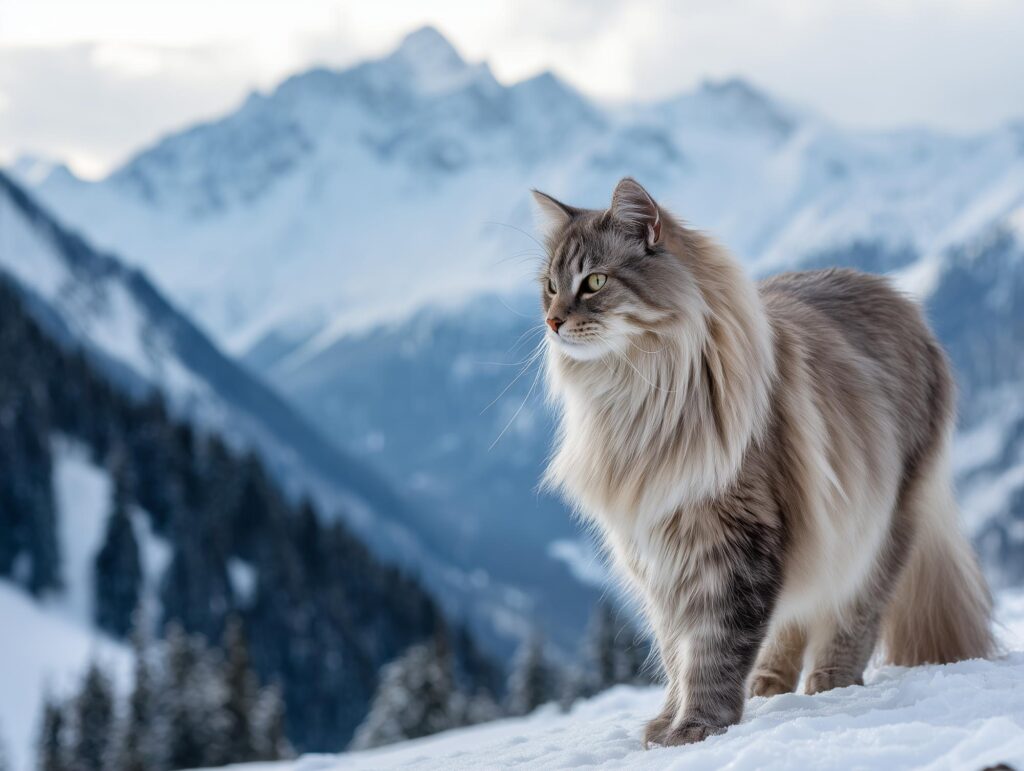
Indoor vs outdoor Siberian cats thrive or struggle based on environment design, not breed labels. Siberians adapt well to indoor living when enrichment, structure, and routine support their needs, while outdoor access changes risk exposure rather than personality or temperament. This article explains how Siberians respond to different living arrangements, why climate tolerance does not equal outdoor suitability, and how management choices shape long-term behavior and wellbeing.
Indoor vs Outdoor Siberian Cat Summary
| Topic | Key Takeaway |
|---|---|
| Indoor Living | Siberian cats adapt well indoors when enrichment, structure, and routine are provided |
| Outdoor Access | Outdoor access changes risk exposure, not personality or breed needs |
| Climate Tolerance | Cold tolerance reflects coat function, not outdoor suitability |
| Behavior & Health | Many issues arise from environment mismatch rather than breed traits |
| Controlled Options | Catios, harness training, and supervised time offer middle-ground solutions |
| Best Setup | The right arrangement depends on management, consistency, and local conditions |
Siberian Indoor vs Outdoor Quick Facts
- Siberian cats adapt well to indoor life when their environment supports movement, mental stimulation, and routine
- Outdoor access changes risk, not personality—the same cat behaves differently under different conditions
- Climate tolerance does not equal outdoor suitability
- Many behavior and health concerns trace back to environment mismatch, not breed traits
- The right setup depends on management and consistency, not ideology
Are Siberian Cats Indoor or Outdoor Cats by Nature?
Siberians developed in cold climates and show strong environmental adaptability, which often gets misinterpreted as a requirement for outdoor living. Physical capability, however, does not dictate lifestyle suitability.
Historical context matters. Early Siberian cats existed as regional landrace cats with access to outdoor spaces because of human living patterns at the time—not because outdoor exposure defined their wellbeing. Modern Siberians differ significantly from those assumptions. Selective breeding emphasized temperament, social engagement, and adaptability to home environments, not survival traits tied to free roaming.
The key distinction lies between physical capability and lifestyle need. Siberians possess the coordination, awareness, and coat density to tolerate varied conditions, but they do not require outdoor exposure to remain balanced or fulfilled.
Modern Siberians thrive in structured environments. Predictable routines, enrichment, and social interaction shape outcomes far more than access to open territory.
Siberian Cats as Indoor Cats
Siberians commonly do well indoors because their core traits align with indoor living when the environment supports them.
Why Siberians Do Well Indoors
Siberians show high intelligence and environmental awareness. They observe routines, respond to changes, and engage with their surroundings rather than pacing aimlessly.
They also form strong social bonds with people. Many choose proximity over constant contact, preferring to stay near household activity. This engagement supports indoor adjustment without dependence on roaming.
Their adaptability to routine and structure further supports indoor living. When daily rhythms remain consistent, Siberians settle easily and show stable behavior patterns.
Indoor Space Needs
Indoor success depends more on vertical territory than on square footage. Siberians climb, perch, and observe. Shelves, cat trees, and window access expand usable space without enlarging the footprint.
Windows provide visual stimulation and orientation. Perches and climbing options allow movement that mimics natural behaviors in a controlled setting.
Enrichment matters more than size. A thoughtfully arranged smaller space often supports a Siberian better than a large, empty one.
Indoor Energy and Play Requirements
Siberians balance mental stimulation with moderate physical activity. They do not require constant motion, but they respond strongly to interactive engagement.
They often prefer:
- puzzle toys
- wand play that involves tracking and timing
- climbing and jumping games that engage coordination
Boredom-related behaviors usually appear when environments lack engagement rather than when cats lack outdoor access. Structured play, rotation of enrichment, and predictable interaction prevent those patterns from developing.
Siberian Cats as Outdoor Cats
(Contextual, not promotional)
Siberian cats possess physical traits that allow them to tolerate outdoor conditions, but tolerance does not equal suitability. Outdoor access introduces variables that change risk profiles, care demands, and long-term predictability.
Physical Traits That Make Siberians Capable Outdoors
Siberians carry a dense triple-layer coat that insulates against cold and moisture. This coat developed for climate resilience, not for unmanaged roaming, but it does allow Siberians to tolerate a wide range of temperatures.
They also have strong musculature and coordination. Siberians move with power and balance, climb efficiently, and navigate uneven terrain with confidence.
Their situational awareness stands out. Many Siberians observe before acting and register changes in their environment quickly. This awareness supports adaptability, but it does not eliminate risk.
Risks Associated With Outdoor Access
Outdoor access introduces traffic exposure, predators, and territorial conflict. These risks exist regardless of breed size, coat thickness, or intelligence.
Disease exposure and parasites increase with outdoor contact. Fleas, ticks, intestinal parasites, and communicable illnesses appear more frequently in cats with unmanaged outdoor access.
Studies across breeds consistently show an impact on lifespan statistics when cats roam freely outdoors. This trend reflects exposure risk rather than breed-specific vulnerability.
Why Outdoor Access Changes Management Expectations
Outdoor access shifts veterinary care needs. Preventive treatments, parasite control, and health monitoring require higher frequency and vigilance.
Grooming and coat condition also change. Dirt, debris, matting, and seasonal shedding intensify with outdoor exposure, especially in dense-coated breeds.
Outdoor access reduces predictability of behavior and health. Injuries, stress responses, and environmental exposures occur without warning, which alters long-term management expectations.
Indoor vs Outdoor Siberian Cats — Key Differences
| Aspect | Indoor Siberian | Outdoor / Free-Roaming Siberian |
|---|---|---|
| Lifespan Trends | Generally longer and more predictable | Shorter on average due to exposure risks |
| Health Risk Exposure | Lower, controlled | Higher, variable |
| Behavioral Stability | More consistent routines and responses | Influenced by external stressors |
| Coat Maintenance | Predictable shedding and grooming needs | Increased matting, debris, and seasonal impact |
| Human Bonding Patterns | Strong, consistent engagement | Often more fragmented or variable |
These differences reflect environmental management, not differences in the cats themselves. Siberians respond to the conditions they live in; outcomes follow structure, supervision, and consistency rather than breed capability alone.
Controlled Outdoor Options for Siberian Cats
(Middle-ground section)
Many households choose controlled outdoor access as a compromise between indoor safety and environmental stimulation. These options change exposure without removing structure.
Catios and enclosed patios allow Siberians to experience fresh air, scents, and visual stimulation while remaining protected from traffic, predators, and territorial encounters. Secure enclosures preserve routine and reduce unpredictability while still expanding the cat’s sensory world.
Harness and leash training provides another controlled option. Some Siberians adapt well to structured walks, especially when introduced gradually and consistently. This approach keeps movement supervised and limits exposure to unknown animals and hazards.
Supervised outdoor time in fenced or familiar areas can also work when supervision remains constant. This differs fundamentally from free roaming because the human presence controls duration, location, and interaction.
“Some access” differs from free roaming because risk remains managed. Boundaries stay intact, veterinary care stays predictable, and behavioral patterns remain stable. Controlled access supplements indoor life rather than replacing it.
Climate Tolerance vs Lifestyle Fit
Siberians tolerate cold weather well, which often leads to the assumption that they belong outdoors. Cold tolerance, however, reflects coat function—not lifestyle need.
Cold climates do not eliminate risks such as vehicles, wildlife, or disease exposure. Climate alone does not address the variables that shape safety and predictability.
Heat sensitivity presents a different challenge. Dense coats insulate against cold but also retain warmth. Hot or humid environments increase stress and dehydration risk, especially without access to shade and cooling.
Lifestyle fit depends on management, routine, and supervision, not temperature. A well-enriched indoor environment supports Siberians across climates far more consistently than outdoor exposure based solely on weather assumptions.
Neva Masquerade Considerations (If Applicable)
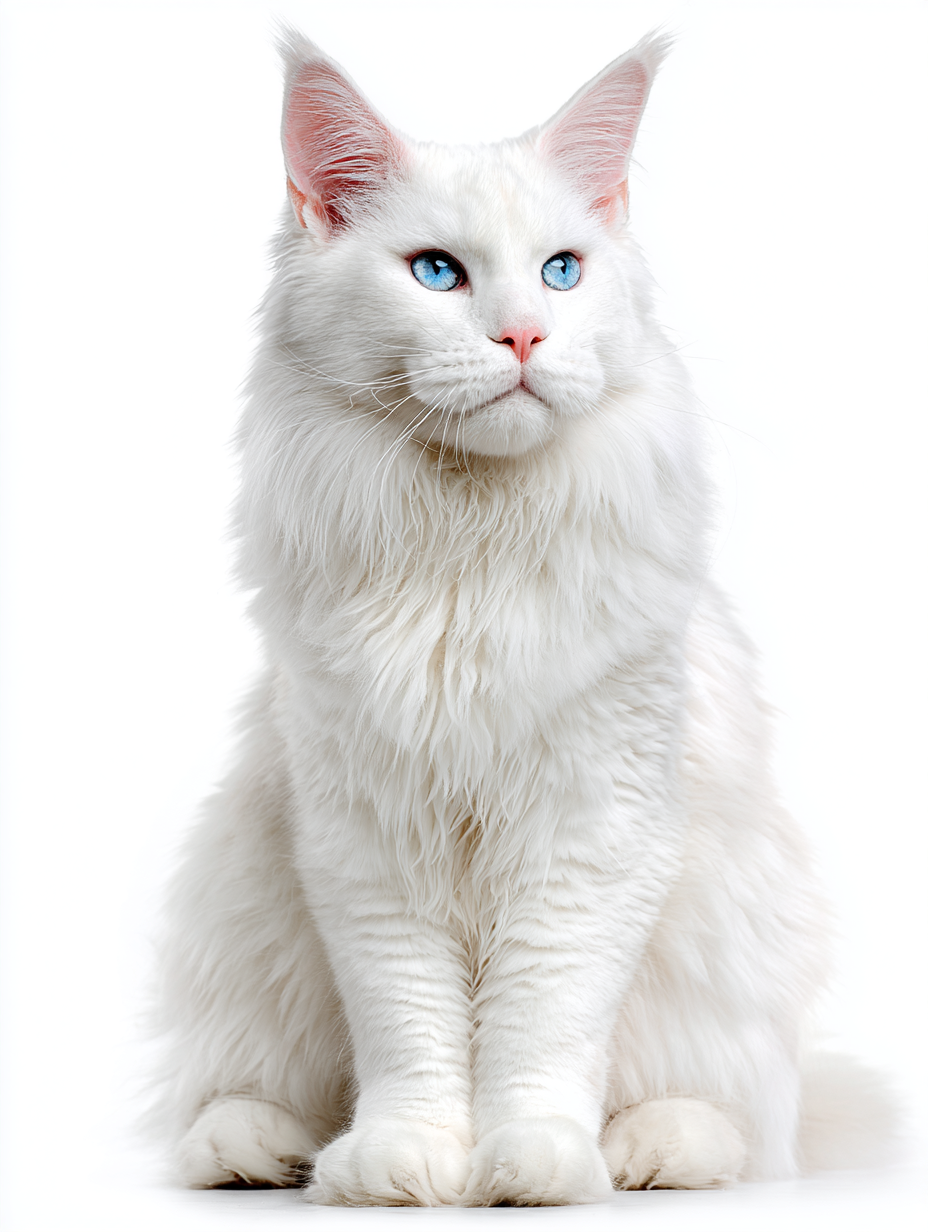
Neva Masquerades share the same environmental needs as other Siberians because they are colorpoint Siberians, not a separate breed.
Coat color and sun exposure matter slightly more for Nevas. Lighter body color and points can show sun-related coat changes, especially with prolonged outdoor exposure.
Visibility and outdoor risk also increase. Blue eyes and high-contrast points make Nevas more noticeable to predators and humans alike, which can affect safety in uncontrolled settings.
Despite these visual differences, environmental needs remain the same. Neva Masquerades respond to structure, enrichment, and consistency in the same way as other Siberians. Appearance changes how they look in an environment, not how they function within it.
Common Myths About Indoor and Outdoor Siberian Cats
“They need to be outside to be happy.”
Happiness in Siberians comes from engagement, predictability, and stimulation—not from unrestricted territory. Siberians show contentment when their environment supports movement, curiosity, and social interaction, whether that space is indoors or controlled outdoors.
“Cold-weather breeds belong outdoors.”
Cold tolerance reflects coat function, not lifestyle preference. A dense coat protects against temperature, but it does not address traffic, predators, disease exposure, or stress. Climate capability does not define where a cat thrives.
“Indoor cats get bored.”
Boredom results from under-enrichment, not from being indoors. Siberians respond strongly to vertical space, interactive play, puzzles, and routine. When those elements exist, indoor environments remain stimulating and stable.
“Outdoor cats are more natural.”
Modern Siberians differ from historical landrace cats. Selective breeding emphasized adaptability to home environments and human interaction. What feels “natural” today reflects management and structure, not free roaming.
How Breeders Typically Raise Siberian Kittens
Breeders raise Siberian kittens indoors to support early development, health monitoring, and social stability. Indoor rearing allows consistent observation during critical growth stages.
Early indoor socialization exposes kittens to household sounds, handling, routine changes, and human interaction. These experiences build confidence and adaptability long before placement.
Most kittens remain indoors because controlled environments support predictable outcomes. Indoor rearing reduces disease exposure, simplifies veterinary oversight, and supports consistent behavior development.
Early environment shapes expectations. Kittens raised indoors learn to navigate human spaces, routines, and boundaries. That foundation influences how easily they transition into new homes later.
How to Decide What Works for Your Household
Choosing between indoor, controlled outdoor, or mixed setups depends on practical realities, not ideals.
Lifestyle and schedule factors shape outcomes. Time availability, consistency, and daily routines influence how much enrichment and supervision a household can provide.
Local environment considerations matter. Traffic density, wildlife presence, climate extremes, and neighborhood layout change risk profiles significantly.
Risk tolerance vs enrichment capacity defines balance. Some households manage risk through enrichment and structure; others supplement with controlled outdoor access. Outcomes depend on how well management aligns with expectations.
Long-term consistency matters. Siberians respond best when routines remain stable over time. Frequent changes in access or structure create confusion and stress, regardless of setting.
When an Outdoor or Indoor Setup May Not Work
Some environments create challenges regardless of whether a Siberian lives indoors or has outdoor access. Outcomes depend less on the label and more on how well the setup supports the cat’s needs.
Homes without enrichment often struggle. A lack of climbing options, play, and mental stimulation leads to frustration and under-engagement. This issue appears indoors and outdoors when the environment fails to meet the cat’s need for interaction and activity.
High-risk outdoor environments limit safe options. Heavy traffic, wildlife presence, dense neighborhoods, and uncontrolled territories increase unpredictability. In these settings, outdoor access introduces more risk than benefit.
Inconsistent routines undermine stability. Siberians respond to predictable schedules and boundaries. Frequent changes in access, play patterns, or supervision create confusion and stress regardless of setting.
Expectation mismatch creates the most difficulty. When households expect outdoor access to solve behavioral issues or assume indoor living requires no effort, outcomes fall short. Matching environment design to realistic expectations prevents frustration on both sides.
Indoor vs Outdoor Siberian Cat FAQ
Are Siberian cats happy living indoors?
Yes. Siberian cats adapt well to indoor life when their environment includes enrichment, vertical space, routine, and regular interaction. Indoor living does not limit wellbeing when management meets their needs.
Do Siberian cats need to go outside?
No. Siberians do not require outdoor access to remain healthy or content. Outdoor access changes exposure and risk, not core temperament or satisfaction.
Are Siberian cats meant to be outdoor cats because of their coat?
No. The Siberian’s dense triple coat provides climate tolerance, not a lifestyle requirement. Coat function does not determine whether a cat thrives indoors or outdoors.
Does outdoor access improve a Siberian cat’s behavior?
Outdoor access does not inherently improve behavior. Many behavior issues relate to under-enrichment or inconsistent routines rather than lack of outdoor exposure.
Is it safe to let a Siberian cat roam freely outside?
Free roaming increases exposure to traffic, predators, disease, and territorial conflict. Breed traits do not eliminate these risks.
Are indoor Siberian cats more likely to get bored?
Boredom depends on environment quality, not indoor living itself. Siberians respond well to climbing, interactive play, puzzles, and structured routines.
What is the safest way to give a Siberian outdoor access?
Controlled options such as catios, enclosed patios, harness training, or supervised outdoor time allow stimulation while maintaining predictability and safety.
Do Siberian cats live longer indoors or outdoors?
On average, indoor Siberian cats show longer and more predictable lifespans due to reduced exposure to external risks.
Are Neva Masquerade Siberians different when it comes to indoor or outdoor living?
No. Neva Masquerades are colorpoint Siberians and share the same environmental needs. Appearance does not change lifestyle suitability.
How do breeders typically raise Siberian kittens?
Most breeders raise Siberian kittens indoors to support early socialization, health monitoring, and adaptation to home environments.
Can a Siberian switch from indoor to outdoor living later?
Changes in access require gradual adjustment. Sudden shifts in routine or boundaries often create stress regardless of direction.
What matters most when deciding indoor vs outdoor for a Siberian?
Consistency, enrichment capacity, local environment risk, and long-term management matter more than climate or breed assumptions.
What we recommend for Siberian Cats:
Siberian cats do best living indoors, where their environment stays predictable, safe, and enriched. Indoor living supports longer lifespans, stable behavior, and consistent health outcomes. Outdoor access introduces risks that do not improve temperament or wellbeing. When outdoor access is provided, it works best in a fully enclosed, predator-proof catio or similarly secure space with temperature control, shade, and supervision. This approach allows stimulation without exposing the cat to unnecessary risk.
Looking to Adopt a Siberian Kitten?
Our kittens are placed with families who understand that color affects appearance—not temperament, health, or allergies. Learn how our program approaches color genetics honestly, raises kittens for long-term success, and helps buyers choose based on fit rather than trends.
See Siberian Kittens Available
See More About Siberian Cats
If you’re continuing your research, these related posts cover Siberian cat care, development, and ownership considerations:
- Are Siberian Cats Hypoallergenic?
- Siberian Cat Grooming
- Siberian Cat Lifespan
- Male vs Female Siberian Cats and Allergies
- Siberian Cat Size, Growth, and Maturity Timeline
- Siberian Kitten Growth: What to Expect Month by Month
- Living With a Siberian Cat When You Have Allergies
- Siberian Cat Diet and Nutrition
- Siberian Cat Fel d 1 Explained
- Do Siberian Kittens Trigger Allergies More then Adults?
- Siberian Cat Complete Overview
- Siberian Cats vs Other Hypoallergenic Breeds
Sources & References
- International Cat Care (ISFM / iCatCare)
Evidence-based guidance on indoor cat wellbeing, enrichment, environmental needs, and managed outdoor access (catios, supervised time).
https://icatcare.org - American Association of Feline Practitioners (AAFP)
Clinical guidelines on feline lifestyle management, preventive care, indoor housing benefits, and risk reduction.
https://catvets.com - The International Cat Association (TICA)
Official Siberian breed information, including temperament, adaptability, and suitability for indoor living.
https://tica.org - Cat Fanciers’ Association (CFA)
Breed overview and care expectations relevant to indoor environments and long-term wellbeing.
https://cfa.org/siberian/ - Cornell Feline Health Center
Research-based information on feline behavior, environmental stressors, health risks, and lifespan factors.
https://www.vet.cornell.edu/departments-centers-and-institutes/cornell-feline-health-center - UC Davis School of Veterinary Medicine
Resources on feline health, parasite exposure, and disease risk associated with outdoor access.
https://www.vetmed.ucdavis.edu - ASPCA
General guidance on indoor vs outdoor cats, safety considerations, and managed outdoor alternatives.
https://www.aspca.org
Editors Note:
Veterinary and feline welfare organizations consistently report longer lifespans, lower injury rates, and more predictable health outcomes in indoor cats, with controlled outdoor access recommended when provided.





Read the Comments +