
Is a British Longhair Right for Me?
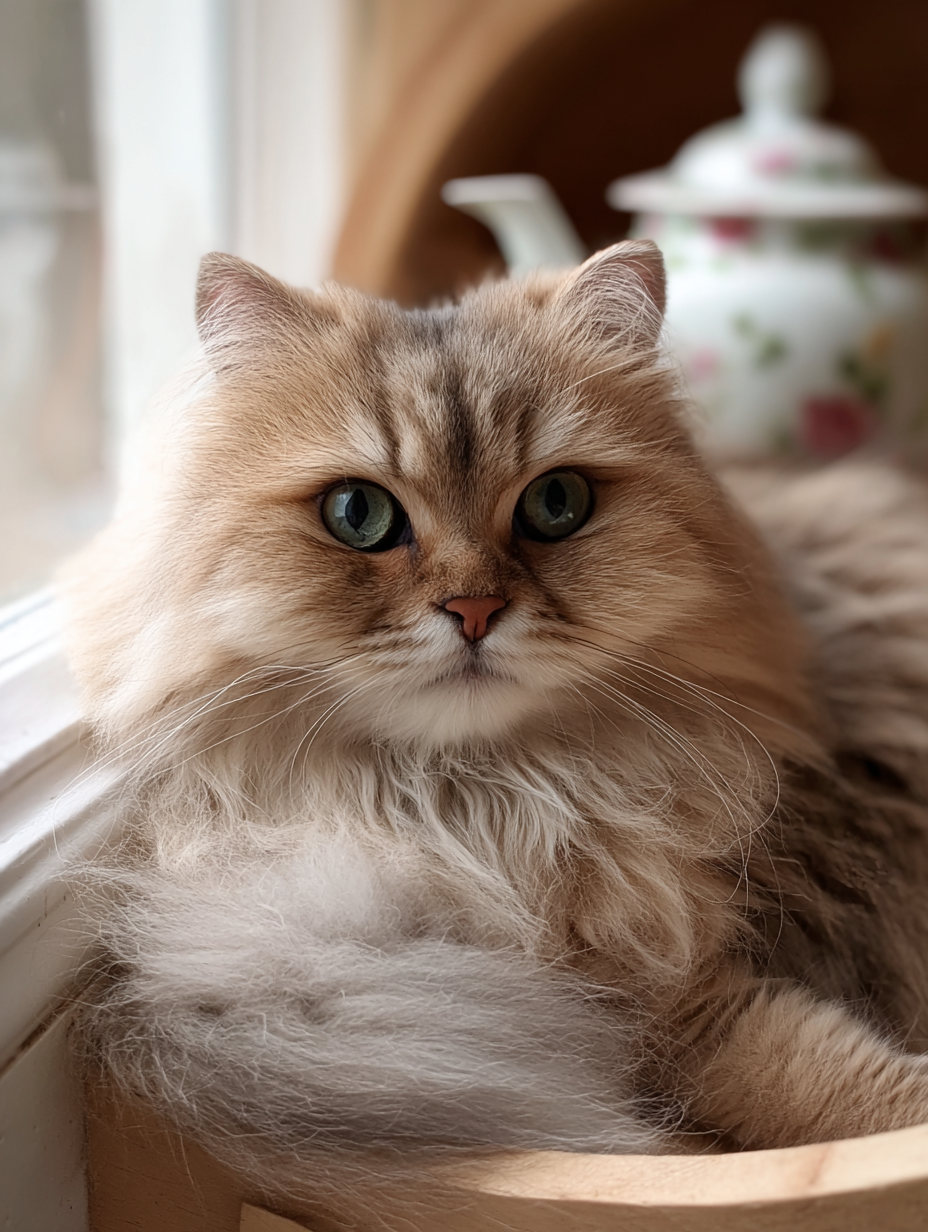
Is a British Longhair right for me?
This in-depth guide explains the British Longhair’s temperament, grooming needs, lifestyle fit, and long-term commitment so you can decide if this calm, plush breed suits your home. Learn what living with a British Longhair is really like, who the breed is best for, and when it may not be the right choice before making a decision.
Why This Question Matters
British Longhairs are often chosen for their beauty, calm presence, and plush coats—but no cat, regardless of breed, is a low-effort commitment. Cats are frequently assumed to be “easy” pets, yet they require consistent care, emotional awareness, and long-term planning.
Choosing a British Longhair means committing not just to a kitten, but to:
- 14–18+ years of responsibility
- Ongoing financial investment
- A relationship built on trust, routine, and respect
Before focusing on coat color or appearance, it’s essential to ask whether a cat—and specifically a calm, emotionally steady breed like the British Longhair—fits your lifestyle and expectations.
British Longhair at a Glance
| Category | British Longhair Overview |
|---|---|
| Temperament | Calm, emotionally steady, quietly affectionate |
| Affection Style | Enjoys proximity and shared space rather than constant handling |
| Activity Level | Low to moderate; prefers calm routines |
| Noise Level | Very quiet, soft vocalizations |
| Grooming Needs | Moderate; brushing 2–4× per week |
| Shedding | Moderate, mostly seasonal |
| Good for Apartments | Yes, adapts very well indoors |
| Good for Families | Yes, especially with respectful children |
| Time Alone | Handles workday absences well |
| First-Time Owner Friendly | Yes, with realistic expectations |
| Average Lifespan | 14–18+ years |
| Best Fit For | Calm homes, professionals, families wanting quiet companionship |
| May Not Suit | Very noisy homes or owners wanting constant physical attention |
What Living With a British Longhair Is Actually Like
British Longhairs are quiet, observant companions who integrate into daily life rather than dominate it. Living with one involves predictable routines and subtle emotional communication.
Daily life typically includes:
- Consistent feeding schedules and fresh water
- Daily litter box maintenance
- Calm interaction throughout the day
- Shared space rather than constant physical contact
British Longhairs are sentient companions, not decorative pets. They notice changes in routine, tone, and household energy. While they value independence, they also form deep bonds and prefer being near their people.
They communicate affection and stress subtly:
- Sitting nearby instead of demanding laps
- Slow blinking, relaxed posture, and quiet presence
- Withdrawal or reduced engagement when overstimulated
First-time owners are often surprised by how emotionally perceptive British Longhairs are—and how much they thrive on stability.
Time Commitment — More Than People Expect
While British Longhairs are not demanding, they are not hands-off pets. Their needs are moderate but consistent.
Expect to invest time in:
- Daily interaction, even if brief and low-key
- Mental stimulation through gentle play or environmental enrichment
- Regular grooming to maintain their dense, plush coat
(more than a shorthair, less than high-maintenance longhairs) - Routine veterinary care, including annual exams and preventive screenings
- Planning for travel, pet sitters, or boarding—British Longhairs prefer familiar environments and routines
They do best in homes where their needs are met predictably, not sporadically. British Longhairs thrive when care is steady rather than intense.
In Simple Terms
A British Longhair may be right for you if:
- You value calm companionship over constant attention
- You appreciate subtle affection and shared space
- You can commit to routine care for many years
- You want a cat that adds peace, not chaos, to your home
Emotional Fit — What Kind of Relationship Do You Want?
Not all cats offer the same type of emotional connection, and British Longhairs have a very distinct relationship style. Understanding what you want emotionally from a companion is critical before choosing this breed.
Some cats bond intensely and seek constant physical contact. Others prefer presence over touch. British Longhairs fall squarely into the second category.
They tend to:
- Form deep, steady bonds rather than intense dependency
- Prefer sitting nearby instead of staying on laps for long periods
- Show affection through proximity, quiet observation, and routine
- Remain emotionally regulated rather than reactive
British Longhairs are also highly sensitive to household energy. Loud, chaotic environments or frequent routine changes can cause them to withdraw rather than act out. When stressed, they may:
- Become more reserved
- Reduce interaction
- Seek quiet, elevated resting places
This breed excels with owners who appreciate:
- Calm companionship
- Emotional consistency
- Mutual respect for space
Ask yourself:
- Do I want a cat that constantly seeks physical affection, or one that shares space quietly?
- Do I enjoy peaceful routines, or do I prefer high interaction?
- Am I looking for emotional comfort, gentle companionship, or independence?
British Longhairs offer comfort and stability, not emotional intensity.
Lifestyle Check — Does a Cat Fit Your Home?
British Longhairs adapt well to many living situations, but they thrive best in environments that support predictability and calm.
Housing Environment
- Apartments: Excellent fit due to low activity level and quiet nature
- Houses: Also suitable, especially when they can claim consistent indoor territory
Household Energy
British Longhairs do best in:
- Quiet or moderately active homes
- Predictable schedules
- Spaces where they can retreat when needed
Very busy households with constant noise, visitors, or unpredictable activity may overwhelm them.
Work Schedules & Time Away
- British Longhairs tolerate time alone better than clingy breeds
- They still need daily interaction and routine care
- Long workdays are manageable when evenings and weekends include calm connection
Children & Guests
- Patient with respectful children
- Not ideal for rough handling or constant stimulation
- Prefer guests who allow them to approach on their own terms
Other Pets
- Generally coexist well with calm dogs and other cats
- Do best with thoughtful introductions
- Not suited for high-prey-drive animals or chaotic multi-pet environments
A British Longhair fits best in a home that values peace, structure, and emotional steadiness.
Financial Responsibility — Can You Budget for a Cat?
British Longhairs are not impulse pets. They represent a long-term financial commitment that should be planned in advance.
Initial Costs
- Purchase from an ethical breeder typically ranges from $3,000–$7,000+
- Rare colors may cost more
- Initial supplies (litter boxes, scratching posts, grooming tools) add up quickly
Ongoing Annual Costs
- Premium nutrition
- Routine veterinary care
- Grooming supplies
- Litter and household maintenance
Average annual costs often fall between $1,600–$3,000.
Emergency Care & Insurance
- Unexpected veterinary emergencies can cost thousands
- Pet insurance helps manage risk and long-term affordability
- Calm breeds still age and require medical support
Long-Term Financial Reality
Over a 14–18+ year lifespan, total ownership costs can realistically reach $25,000–$40,000+.
Ask yourself:
- Can I comfortably budget for care every year, not just the first?
- Am I prepared for emergency expenses?
- Does this fit my long-term financial priorities?
Are You Prepared for a Long Commitment?
British Longhairs are companions for nearly two decades, not temporary lifestyle accessories.
Lifespan & Responsibility
- Many live well into their late teens
- Care needs increase with age
- Senior cats require more veterinary monitoring and environmental support
Life Changes
Consider:
- Moves or relocations
- Career shifts
- Family expansion
- Changes in time availability
British Longhairs rely on stability. Rehoming is emotionally difficult for them and should never be part of the plan.
Senior & End-of-Life Care
As British Longhairs age, they may need:
- Dietary adjustments
- Mobility accommodations
- Increased medical care
- Emotional presence during decline
End-of-life decisions require emotional maturity and compassion. Bringing a cat home means committing to them for their entire life, including its final chapter.
Final Reflection
A British Longhair is right for you if:
- You value calm companionship over constant stimulation
- You can provide consistency, routine, and emotional steadiness
- You understand the financial and emotional realities of long-term care
- You are prepared to commit fully, without conditions
Cats Are Not Low-Maintenance — Just Different
British Longhairs are often chosen because they appear calm and self-contained, but that does not mean they require little care. Cats are low drama, not low responsibility.
One of the most common myths is that cats are fully self-sufficient. In reality, British Longhairs depend on their owners for:
- Daily litter box management to maintain hygiene and prevent stress
- Routine grooming to manage shedding and prevent coat buildup
- Environmental structure, including scratching posts and resting areas
- Mental stimulation, even if delivered in short, gentle sessions
Shedding is manageable but present, especially seasonally. Their dense coat needs consistent brushing, not occasional attention.
British Longhairs can also be trained:
- To use scratching posts instead of furniture
- To follow feeding routines
- To tolerate grooming and handling calmly
Training success relies on patience, repetition, and observation, not force. British Longhairs respond best to quiet consistency rather than correction.
When a British Longhair May Not Be the Right Choice
While adaptable, British Longhairs are not suited to every lifestyle. This breed may not be a good fit if:
- You travel very frequently and cannot maintain routine care
- You want constant physical interaction or a clingy companion
- You have low tolerance for shedding, grooming, or litter maintenance
- Your home environment is highly unpredictable or chaotic
- You expect dog-like obedience or responsiveness
British Longhairs do not thrive on constant stimulation. They prefer predictability and may withdraw if overwhelmed rather than vocalize discomfort.
Signs a British Longhair Is Right for You
This breed is an excellent match if:
- You enjoy quiet, steady companionship
- You appreciate subtle affection and non-intrusive presence
- You want a cat that shares space rather than demands attention
- You value routine, structure, and emotional consistency
- You are willing to adapt your home to support a cat’s comfort
British Longhairs bring a grounding presence to the home. They suit owners who notice small behaviors and enjoy a relationship built on mutual respect.
Choosing the Right Type of Cat (If the Answer Is Yes)
Once you’re confident a cat fits your life, the next step is choosing the right kind of cat—not just the most visually appealing one.
Shelter Adoption vs Breeder Placement
- Shelter adoption offers wonderful companions, but breed identification is often inaccurate
- Breeder placement ensures known lineage, temperament, and health screening
- True British Longhairs are rarely available in shelters
Kittens vs Adults
- Kittens require more time, training, and patience
- Adults or retired breeders may suit quieter households better
Shorthaired vs Longhaired Cats
- Longhaired cats like British Longhairs require grooming consistency
- Shorthaired cats may suit owners seeking minimal coat care
Calm Breeds vs Highly Social Breeds
- British Longhairs are emotionally steady and reserved
- Highly social breeds demand more interaction and stimulation
Why Temperament Matters More Than Looks
A beautiful coat does not guarantee a good match. Temperament determines:
- Daily compatibility
- Stress levels for both cat and owner
- Long-term relationship satisfaction
Choosing a British Longhair should be a decision rooted in lifestyle fit, emotional alignment, and long-term readiness, not just appearance.
Next Steps — Moving Forward Thoughtfully
Choosing a British Longhair should be a deliberate decision, not an impulse based on appearance or availability. This breed rewards owners who move slowly and plan carefully.
Before committing:
- Spend time with cats whenever possible to observe different temperaments and interaction styles
- Research daily care and long-term needs, not just coat color or aesthetics
- Prepare your home in advance, including litter setup, grooming tools, and quiet resting spaces
- Ask thoughtful questions of breeders or shelters and allow time for clear answers
- Avoid rushing simply because a kitten is available—waiting for the right fit matters
British Longhairs thrive when placed with owners who value routine, patience, and stability. Thoughtful preparation sets the foundation for a smooth transition and a confident, relaxed cat.
Expectations Matter — Why Ethical Breeders Are Selective
Responsible British Longhair breeders are not focused on placing kittens quickly. Their priority is placing them correctly, with families whose expectations align with the realities of living with a cat.
British Longhairs are calm, affectionate, and emotionally steady—but they are not predictable in the way machines are. They are individuals who need time, routine, and respectful interaction to develop confidence and trust.
Expectations Ethical Breeders Pay Close Attention To
Ethical breeders become cautious when prospective owners expect:
- A cat to behave like a dog
- Constant physical closeness without allowing personal space
- Immediate bonding with no adjustment period
- A kitten to fit seamlessly into any household routine without transition
- No need for boundaries, training, or environmental preparation
- A cat that never withdraws, hides, or signals discomfort
These expectations often indicate a mismatch between owner lifestyle and cat needs, rather than a lack of good intentions.
Why These Expectations Influence Placement Decisions
When expectations don’t align with reality, it can lead to:
- Stress during normal adjustment phases
- Pressure placed on the cat to perform or behave a certain way
- Frustration when natural feline behavior appears
- Increased risk of rehoming later
Ethical breeders decline placements not to exclude people, but to protect their cats from preventable stress and instability.
What Ethical British Longhair Breeders Look For Instead
Breeders prioritize homes that:
- Understand that temperament develops over time
- Respect a cat’s autonomy and need for routine
- Allow space during transitions and growth stages
- Are open to guidance and ongoing communication
- Plan for care across the cat’s full lifespan
British Longhairs thrive in homes where expectations are flexible, patient, and grounded.
When Expectations Are Aligned, Everyone Benefits
The strongest placements happen when owners:
- Let the relationship develop naturally
- Observe behavior instead of trying to control it
- Adjust their environment to support calm and confidence
- Accept individuality as part of companionship
These homes experience smoother transitions, deeper bonds, and long-term success.
Bottom Line
Ethical breeders are not screening for perfection — they are screening for readiness.
Their responsibility is to place British Longhairs in homes where they will be:
- Understood
- Respected
- Supported at every life stage
When expectations are realistic and rooted in care, everyone is happy.
Final Thought — A British Longhair Is a Relationship, Not a Purchase
Bringing a British Longhair into your life is the beginning of a long-term relationship, not a transaction.
The strongest matches happen when:
- Both cat and owner benefit from the same lifestyle rhythm
- Expectations are realistic and grounded
- Decisions are made with honesty rather than urgency
Choosing well reduces stress, prevents rehoming, and protects the emotional wellbeing of both cat and family. A British Longhair should add peace, comfort, and quiet companionship—never pressure or regret.
When the fit is right, the relationship feels natural, steady, and deeply rewarding for years to come.
Frequently Asked Questions: Is a British Longhair Right for Me?
Is a British Longhair a good cat for first-time owners?
Yes, British Longhairs can be an excellent choice for first-time owners who appreciate calm companionship and routine. They are emotionally steady, tolerant, and not overly demanding. However, first-time owners should be prepared for regular grooming and understand that affection is often shown quietly rather than through constant physical contact.
Are British Longhairs affectionate or independent?
British Longhairs are affectionate in a measured, balanced way. They enjoy being near their people, sharing space, and participating in daily routines, but they rarely demand attention. This makes them ideal for owners who want closeness without clinginess.
Do British Longhairs like being held or carried?
Some tolerate brief handling, but most British Longhairs prefer sitting beside their owners rather than being held for long periods. They are not typically “pick-me-up” cats. Respecting this preference helps build trust and long-term bonding.
Can a British Longhair be left alone during the workday?
Yes. British Longhairs handle standard workdays well when their needs are met. They do best with predictable routines, access to quiet resting areas, and calm interaction before and after time alone. They are generally more independent than highly people-dependent breeds.
Are British Longhairs good for apartments?
Very much so. Their low to moderate activity level, quiet nature, and emotional stability make them excellent apartment cats. They do not require large spaces as long as their environment is enriched and consistent.
Do British Longhairs do well in busy or noisy households?
They can adapt to moderate activity, but constant noise, chaos, or unpredictable schedules may cause stress. British Longhairs thrive best in homes that value calm, structure, and routine. They prefer stability over stimulation.
How much daily interaction does a British Longhair need?
They benefit from daily interaction, but it does not need to be intense or lengthy. Short play sessions, calm conversation, grooming, or simply sharing space is often enough. Quality and consistency matter more than quantity.
Are British Longhairs good with children?
Yes, when children are respectful and gentle. British Longhairs are patient and tolerant but do not enjoy rough handling. They do best in homes where children are taught to let the cat approach on its own terms.
Are British Longhairs good with other pets?
Generally yes, especially with calm dogs or other cats. Introductions should be slow and thoughtful. British Longhairs prefer peaceful coexistence rather than high-energy play from other animals.
Is a British Longhair a good choice if I travel frequently?
Frequent or extended travel may not be ideal. While British Longhairs tolerate alone time, they rely on routine and familiarity. Regular disruptions or inconsistent care can increase stress unless a stable, familiar caregiver is consistently available.
How long does it take for a British Longhair to settle into a new home?
Most British Longhairs need several weeks to a few months to fully settle. They adjust gradually, building confidence as routines become predictable. Patience during this period is key to developing a strong bond.
What kind of owner is not a good match for a British Longhair?
This breed may not be a good fit for owners who want constant physical affection, very high activity, or immediate emotional feedback. They are also not ideal for people with low tolerance for grooming, shedding, or routine care.
What do ethical British Longhair breeders look for in approved homes?
Breeders prioritize homes that demonstrate patience, realistic expectations, and long-term commitment. They look for owners who value stability, respect feline boundaries, and understand that temperament develops over time. The goal is a lifelong match, not a quick placement.
Summary
A British Longhair is right for people who want quiet companionship, emotional balance, and a peaceful presence in their home. When expectations align with the breed’s nature, the relationship is deeply rewarding and long-lasting.
If you’ve taken the time to decide a British Longhair is right for you, you can learn more about our program and upcoming litters here.
Related British Longhair Posts
If you’re still learning about the breed, these in-depth guides explore different aspects of British Longhair ownership:
- British Longhair Personality & Temperament – what living with the breed is actually like day to day
- British Longhair Shedding – brushing routines, shedding patterns, and coat maintenance
- British Longhair Health & Lifespan – genetic considerations, screenings, and long-term wellbeing
- British Longhair Cost & Ownership Expenses – realistic pricing, lifetime costs, and what influences kitten price
- British Longhair Breed Overview – Everything to know about the breed.
- British Longhair vs British Shorthair – choosing between the longhaired and shorthaired British types
- British Longhair vs Ragdoll – temperament, care needs, and lifestyle fit compared side by side
- Preparing Your Home for a British Longhair Kitten – environment setup, routines, and transition tips
- Grooming your British Longhair– best tools, brushing and bath routines.
These resources are designed to help you make a thoughtful, informed decision before choosing a breed or applying for a kitten.
Sources & References
- The International Cat Association (TICA)
British Longhair & British Shorthair breed standards, temperament descriptions, and registration guidelines.
https://tica.org - Governing Council of the Cat Fancy (GCCF)
British Longhair breed recognition, structural standards, and welfare guidance.
https://www.gccfcats.org - Fédération Internationale Féline (FIFe)
Breed descriptions, coat types, and general feline welfare principles.
https://fifeweb.org - International Cat Care (iCatCare / ISFM)
Evidence-based guidance on feline behavior, emotional needs, environmental stress, and owner expectations.
https://icatcare.org - American Association of Feline Practitioners (AAFP)
Resources on feline behavior, preventive care, stress management, and long-term ownership considerations.
https://catvets.com - Cornell University College of Veterinary Medicine – Feline Health Center
Research and educational material on cat behavior, lifespan, stress, and human–cat relationships.
https://www.vet.cornell.edu/departments-centers-and-institutes/cornell-feline-health-center - UC Davis Veterinary Genetics Laboratory
General information on feline genetics, inheritance, and responsible breeding principles.
https://vgl.ucdavis.edu - Rochlitz, I. (2005). The Welfare of Cats. Springer.
Foundational text on cat behavior, environmental needs, and human expectations.









Read the Comments +