
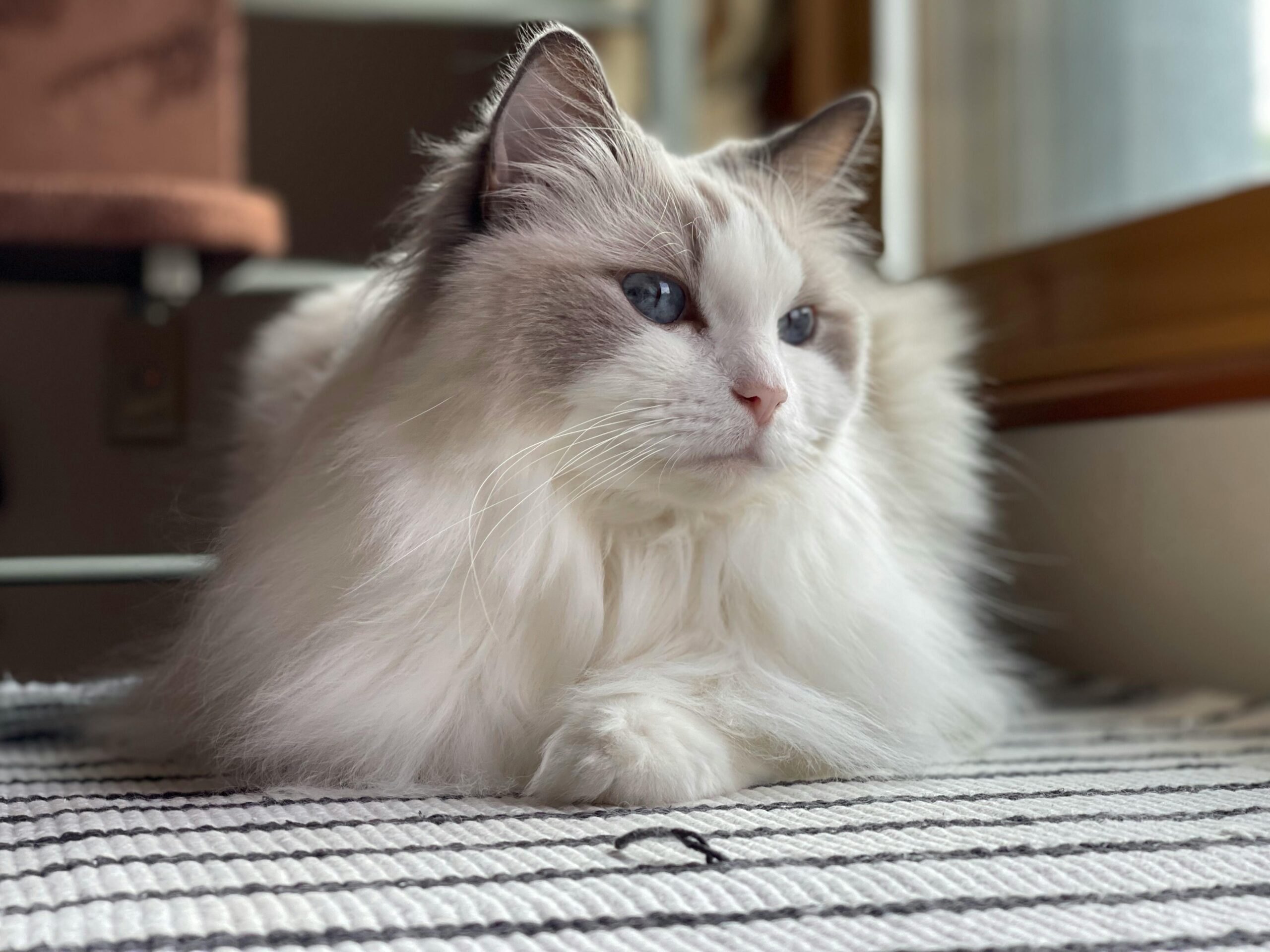
Is a Ragdoll Right for You?
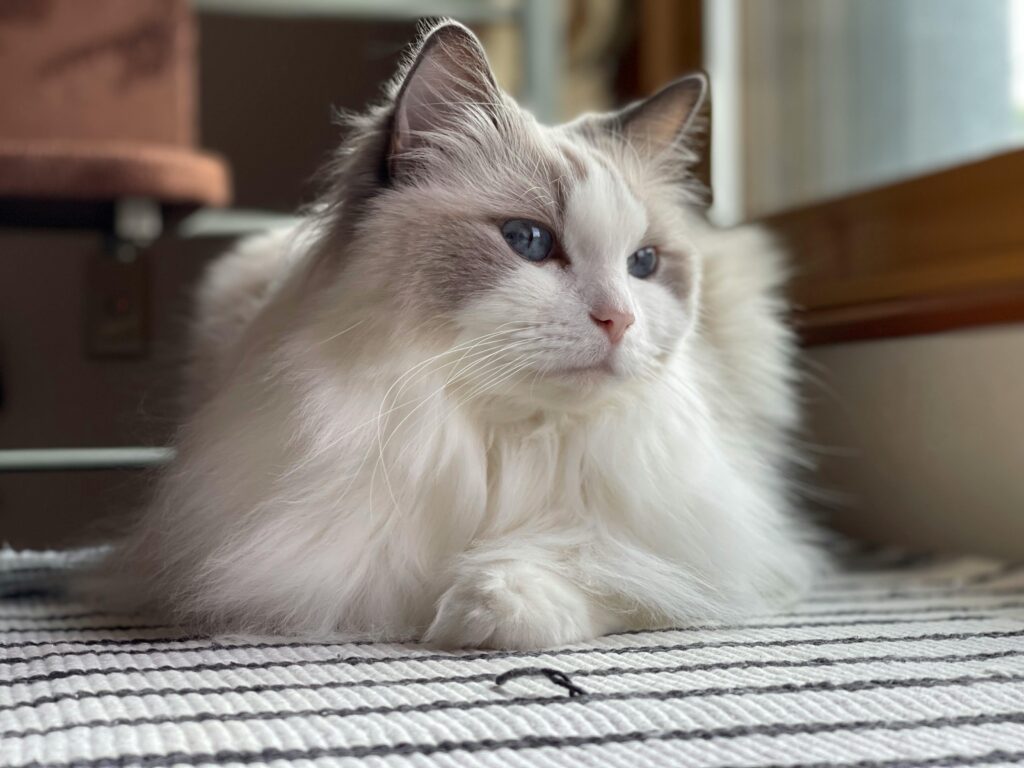
A Lifestyle, Expectation, and Fit-Based Post
A Ragdoll may be right for you if you want a calm, people-oriented cat that thrives on routine, presence, and gentle engagement. They are not ideal for hands-off ownership or highly chaotic environments where schedules, attention, and household energy change constantly.
Many people choose Ragdolls for the idea of the breed—soft coats, blue eyes, and a reputation for calm—without understanding the daily reality of living with one. A Ragdoll can be a wonderful companion, but only when expectations match how the breed actually lives and relates to people.
A “good breed” does not automatically equal a “good fit.” Breed traits describe tendencies, not guarantees. Lifestyle, time availability, emotional expectations, and long-term responsibility matter far more than appearance or popularity.
This post focuses on:
- lifestyle alignment rather than surface traits
- emotional expectations instead of stereotypes
- daily reality, not marketing descriptions
- long-term responsibility, not short-term appeal
Is a Ragdoll Right for You? — Summary Table
| Consideration | Ragdoll Reality | What This Means for You |
|---|---|---|
| Temperament | Calm, gentle, emotionally steady | Ideal if you want a relaxed companion, not a high-energy pet |
| Social Needs | People-oriented, prefers shared space | Best for owners who enjoy presence over independence |
| Interaction Style | Affectionate without being demanding | Not clingy, but not hands-off either |
| Daily Routine | Thrives on predictability | Works best with consistent schedules |
| Energy Level | Low to moderate as adults | Not constant entertainment; calm daily rhythm |
| Training & Boundaries | Responds well to gentle structure | Calm breeds still need clear expectations |
| Grooming Needs | Regular brushing required | Must be comfortable with ongoing coat care |
| Health Commitment | Needs routine monitoring and preventive care | Requires engaged, observant ownership |
| Best Home Fit | Calm or moderately busy households | Poor fit for constant chaos or unpredictability |
| Poor Fit For | Low-interaction or trend-driven owners | Choosing for looks alone often leads to regret |
| Kitten vs Adult Choice | Kittens need time and training; adults offer predictability | Lifestyle fit matters more than age |
| Overall Match | Lifestyle-driven, relationship-focused breed | Choose if your daily life aligns with their needs |
A Ragdoll is right for you if you want calm companionship, routine, and emotional presence—not a hands-off or chaotic pet experience.
What Living With a Ragdoll Actually Feels Like
Living with a Ragdoll feels less like managing a pet and more like sharing space with a calm, emotionally aware companion. This breed integrates into daily life quietly and consistently, rather than demanding attention or disappearing into independence.
Daily rhythm
Ragdolls bring a calm presence rather than constant entertainment. They do not need nonstop stimulation to feel content. Instead, they settle into the natural flow of the household and participate without interrupting it.
They thrive on predictable routines. Regular feeding times, familiar interaction patterns, and consistent rest periods help Ragdolls remain relaxed and emotionally steady. Frequent schedule changes or unpredictable household rhythms can create stress, even if the cat appears outwardly calm.
Ragdolls also show a strong preference for shared space over independence. They often choose to be in the same room as their people, resting nearby rather than isolating themselves. This presence-based companionship defines much of the breed’s appeal—and responsibility.
Emotional relationship
The emotional relationship with a Ragdoll centers on affection without intensity. They enjoy closeness, gentle interaction, and physical proximity, but they rarely demand constant attention or stimulation.
Ragdolls form attachment without anxiety. They bond deeply without becoming clingy or distressed when left alone for reasonable periods. This balance makes them appealing to people who want connection without emotional pressure.
Living with a Ragdoll feels like a partnership rather than control. They respond well to gentle boundaries, routine, and calm interaction. Owners who prefer cooperative relationships over dominance or micromanagement tend to thrive with this breed.
How this differs from more independent cats
People who expect traditional “catlike distance” sometimes struggle with Ragdolls. This breed does not seek isolation or emotional detachment. If you want a cat that interacts briefly and spends most of the day alone, a Ragdoll may feel too present.
At the same time, people expecting “doglike obedience” also struggle. Ragdolls are gentle and cooperative, but they are not eager-to-please performers. They engage on their own terms and value mutual respect over commands.
Ragdolls sit in the middle ground: socially engaged, emotionally steady, and quietly connected. This balance is exactly what many owners love—but only when they expect it going in.
Choosing a Ragdoll works best when you value presence, predictability, and shared routine over novelty, independence, or control.
What Ragdolls Need From Their Humans
This section exists to filter out the wrong buyers as much as it attracts the right ones. Ragdolls thrive in certain human environments—and quietly struggle in others.
Presence over activity
Ragdolls value availability more than play quantity. They do not need constant entertainment, but they do need to know their people are emotionally and physically present. Sitting nearby, sharing space, and maintaining daily touchpoints matter more than high-energy interaction.
Long daily absences can be challenging for this breed. While Ragdolls tolerate alone time better than highly anxious cats, extended or unpredictable absences reduce their sense of connection. Owners who work long hours without consistent routines may find the breed disengages or becomes unsettled.
Routine and predictability
Ragdolls regulate emotionally through predictable rhythms. Consistent feeding times, regular interaction windows, and reliable rest periods help them remain calm and balanced.
Frequent schedule changes cause stress, even when the cat appears outwardly relaxed. Inconsistent routines disrupt trust and predictability, which this breed relies on to feel secure.
Gentle but consistent boundaries
Gentle temperament does not mean limitless tolerance. Ragdolls still need clear, consistent boundaries to understand expectations.
Permissiveness backfires when owners allow behaviors during kittenhood that will not work long-term. Calm breeds still require structure. Without it, confusion replaces cooperation, and frustration builds on both sides.
Homes That Tend to Thrive With Ragdolls
Ragdolls do best in homes that align with their emotional and practical needs.
These environments typically offer:
- predictable schedules and daily rhythms
- calm or moderately busy households rather than constant chaos
- owners who enjoy quiet companionship instead of high-intensity interaction
- people who value emotional presence over novelty or performance
- homes willing to manage grooming and routine care
Ragdolls reward these environments with steadiness, affection, and long-term ease.
👉 For choosing the right life stage, see: Ragdoll kitten vs adult
Homes That Often Struggle With Ragdolls
This section corrects expectations without shaming. Many mismatches happen not because Ragdolls are difficult, but because their needs do not align with certain lifestyles.
Highly chaotic or constantly changing households often struggle with this breed. Ragdolls rely on routine and emotional predictability. Frequent schedule shifts, unpredictable noise, or constant activity can quietly stress them, even when they appear outwardly calm.
Owners wanting a truly low-interaction pet may also feel disappointed. Ragdolls do not demand nonstop attention, but they do expect presence and engagement. They prefer shared space and emotional availability over independence.
People expecting automatic calm without training frequently struggle. Gentle temperament does not replace structure. Without routines and boundaries, Ragdolls become confused rather than relaxed.
Homes unwilling to manage grooming or weight often experience long-term challenges. This breed requires regular coat care and mindful feeding. Neglecting these responsibilities affects comfort, health, and overall wellbeing.
Buyers choosing based on aesthetics alone—coat, eye color, or reputation—often discover that beauty does not equal compatibility. Lifestyle fit matters far more than appearance.
👉 For a Ragdoll trait-level breakdown, see: Ragdoll pros and cons
Temperament Expectations — Calm Does Not Mean Passive
What calm actually looks like
Calm in a Ragdoll means low reactivity, not inactivity. They respond to their environment without panic, dramatics, or constant vigilance.
It also means emotional steadiness, not indifference. Ragdolls notice changes, people, and routines—they simply process them quietly rather than reacting intensely.
Common temperament misunderstandings
Calm does not mean no needs. Ragdolls still require attention, structure, grooming, and care. Their quiet nature makes unmet needs easier to miss, not less important.
Gentle does not mean no boundaries required. Ragdolls respond best when expectations remain clear and consistent. Structure supports their calmness rather than undermines it.
Understanding this distinction helps owners appreciate the breed for what it truly is—steady, connected, and quietly engaged—rather than what marketing stereotypes suggest.
Time, Energy, and Life Stage Fit
This section helps align expectations without duplicating a full kitten-versus-adult comparison. The goal is to clarify responsibility, not to re-argue which stage is “better.”
If you’re considering a kitten
Choosing a Ragdoll kitten means committing to a developmental phase, not just a smaller version of the adult cat.
Kittens move through normal growth stages that include curiosity, limited impulse control, and frequent interaction needs. This developmental reality requires patience and structure rather than immediate calm.
The time commitment is significant. Kittens need daily supervision, scheduled play, routine reinforcement, and active guidance during the first year. Busy households without flexibility often underestimate this demand.
Training responsibility rests with the owner. Litter habits, scratching behavior, grooming tolerance, and daily routines form during kittenhood. Early structure shapes long-term behavior.
👉 For a detailed breakdown of stage differences, see: Ragdoll kitten vs adult
If you’re considering an adult
Choosing an adult Ragdoll offers predictability. Personality, energy level, and daily rhythm are already established, reducing uncertainty.
Adults integrate more easily into existing routines. They require less supervision, adapt quickly to stable environments, and rarely need foundational training.
Adult Ragdolls also offer strong bonding potential. Emotional maturity allows them to form secure, calm attachments without anxiety or constant demand.
Health, Grooming, and Long-Term Responsibility
This breed rewards thoughtful care. Ragdolls are not high-maintenance, but they are not hands-off.
What owners must commit to
Ragdoll ownership requires consistent, long-term responsibility:
- Weight management through portion control and routine monitoring
- Grooming routines to maintain coat comfort and skin health
- Observation and preventive care to catch subtle changes early
These commitments matter more over time than any single purchase decision.
👉 For more health info, see: Ragdoll health and Ragdoll health testing explained
Owning a Ragdoll works best when care expectations feel sustainable—not aspirational.
Questions to Ask Yourself Before Choosing a Ragdoll
This section serves as a decision checkpoint. Answering these questions honestly prevents regret and helps ensure the breed fits your real life—not an idealized version of it.
Do I want presence or independence?
Ragdolls prefer shared space and quiet companionship. If you want a cat that interacts briefly and spends most of the day alone, this breed may feel too present.
Can I offer routine and predictability?
Ragdolls regulate emotionally through consistent rhythms. If your schedule changes daily or your household lacks structure, the breed may struggle quietly.
Am I comfortable with grooming and coat care?
Ragdolls require regular brushing and coat maintenance. If grooming feels like a burden rather than a routine, long-term ownership may become frustrating.
Do I want a companion or a decoration?
Ragdolls form relationships. They are not display pets. If your interest centers on appearance rather than interaction, expectations may clash with reality.
Am I choosing this breed for lifestyle fit or image?
Choosing based on image leads to mismatches. Choosing based on how you live creates satisfaction for both cat and owner.
Common Reasons People Regret Choosing a Ragdoll
These regrets appear frequently in forums and discussions—not because Ragdolls are difficult, but because expectations were misaligned.
Expecting instant calm
Calm develops with maturity and structure. Kittens do not arrive emotionally settled, even in calm breeds.
Underestimating emotional needs
Ragdolls need presence, routine, and connection. They tolerate neglect quietly, which can mask dissatisfaction until behavior changes appear.
Disliking grooming reality
The coat requires maintenance. Owners who resist grooming often experience frustration or health issues later.
Wanting novelty over stability
Ragdolls offer steadiness, not constant entertainment. Owners seeking novelty often lose interest once the routine sets in.
Understanding these common pitfalls helps buyers choose intentionally—and enjoy the breed for what it truly offers.
s a Ragdoll Right for You? — Frequently Asked Questions
Are Ragdoll cats good pets for most people?
Ragdolls make excellent pets for people whose lifestyles align with the breed’s needs. They thrive in homes that value routine, emotional presence, and calm companionship. They are not ideal for owners seeking a hands-off or highly independent cat.
Are Ragdoll cats low maintenance?
Ragdolls are not high maintenance, but they are also not low effort. They require regular grooming, mindful feeding, and consistent interaction. Their calm temperament makes care feel manageable, but it does not remove responsibility.
Do Ragdolls need a lot of attention?
Ragdolls need presence more than constant activity. They enjoy shared space and gentle interaction but do not require nonstop play. Long periods of daily absence or emotional disengagement can be challenging for the breed.
Are Ragdoll cats good for busy households?
Ragdolls do best in predictable, moderately busy homes. Constant chaos, frequent schedule changes, or loud environments can quietly stress them. They adapt better to consistency than to unpredictability.
Is a Ragdoll a good first cat?
A Ragdoll can be a good first cat for someone who wants calm companionship and is willing to maintain routine care and grooming. First-time owners expecting total independence or zero maintenance may struggle.
Do Ragdolls bond strongly with their owners?
Yes. Ragdolls form deep, secure bonds with their people. They express attachment calmly rather than intensely, preferring proximity and shared routines over constant physical contact.
Are Ragdolls clingy?
Ragdolls are people-oriented but not typically clingy. They enjoy being near their humans without demanding attention. Their attachment style feels steady rather than anxious.
Can Ragdolls be left alone during the day?
Ragdolls tolerate reasonable alone time, especially in stable routines. However, long or unpredictable absences every day can reduce engagement and emotional wellbeing over time.
Do Ragdolls get along with families and children?
Ragdolls often do well in families that teach respectful handling and maintain routine. They tolerate gentle interaction well but still need boundaries and supervision, especially during kittenhood.
Are Ragdolls good with other pets?
Many Ragdolls integrate well with other calm pets when introductions happen gradually. They prefer low-conflict environments and may withdraw rather than compete. See Do Ragdolls Get Along With Dogs for more details.
Is grooming a big commitment with Ragdolls?
Yes, grooming is a real commitment. Ragdolls require regular brushing to maintain coat comfort and prevent matting. Owners who dislike grooming often struggle long-term.
Do Ragdolls have a lot of health problems?
Ragdolls are generally healthy when responsibly bred, but they require routine monitoring like any purebred cat. Weight management, dental care, and preventive veterinary care matter more than breed stereotypes.
Are Ragdolls expensive to care for?
Ragdolls cost more to maintain than short-haired, highly independent cats due to grooming, diet quality, and preventive care. They are not the cheapest breed to own, but costs are predictable.
Is a Ragdoll better than other cat breeds?
Ragdolls are not “better” than other breeds—they are different. They suit people who want emotional presence and calm companionship. They are a poor fit for owners who value independence or novelty.
Why do people regret getting a Ragdoll?
Most regret comes from mismatched expectations. Common reasons include expecting instant calm, underestimating grooming needs, or choosing the breed for looks rather than lifestyle compatibility.
Should I choose a Ragdoll kitten or an adult?
That depends on your time, patience, and desire to shape behavior. Kittens require more involvement and training, while adults offer predictability and easier integration. Fit matters more than age.
What kind of person should not get a Ragdoll?
People seeking a low-interaction pet, those unwilling to groom regularly, or households with constant chaos often struggle with this breed. Ragdolls need engagement, not neglect.
Is choosing a Ragdoll based on appearance a mistake?
Choosing any breed based on appearance alone increases the risk of mismatch. Ragdolls offer emotional connection, not decoration. Lifestyle fit should drive the decision.
What is the most important factor in deciding if a Ragdoll is right for me?
Honest self-assessment. When owners choose a Ragdoll because their daily life aligns with the breed’s needs—not because of trends or aesthetics—the relationship tends to be mutually rewarding.
Final Answer — Is a Ragdoll Right for You?
A Ragdoll may be right for you if you want a calm, people-oriented companion that thrives on routine, shared space, and gentle interaction. This breed suits owners who value presence over performance and stability over novelty. Ragdolls reward consistency, emotional availability, and predictable care with long-term ease and quiet connection.
A Ragdoll may not be right for you if you want a truly independent pet, a hands-off ownership experience, or a cat that entertains itself without routine or structure. Calm temperament does not remove the need for engagement, boundaries, or care—it simply changes how those needs express.
The right answer is not “yes” or “no,” but who this breed fits best. Owners who align their lifestyle with the Ragdoll’s needs tend to enjoy a smooth, deeply satisfying relationship. Those who choose based on trend, image, or assumption often experience frustration—despite the breed’s gentle nature.
Choosing a Ragdoll works best when the decision comes from honest self-assessment rather than popularity. When fit guides the choice, both the cat and the household thrive.
Continued Ragdoll Reading
If you’re still deciding whether a Ragdoll fits your home, these guides expand on temperament, care, and long-term ownership realities:
- Ragdoll Cats Explained by a Breeder
A complete breakdown of temperament, care needs, health realities, and who the breed is truly suited for. - Ragdoll Cat Health Complete Health review of Ragdoll cats.
- Are Ragdoll Cats Easy Pets?
What “easy” really means, where owners struggle, and how expectations shape the experience. - Ragdoll Temperament Explained (Beyond the Stereotypes)
A deeper look at affection, independence, emotional sensitivity, and social behavior. - Do Ragdoll Cats Shed? Grooming & Coat Care Reality
What shedding looks like in real homes and how to manage coat care long-term. - How Ragdoll Kittens are Raised Our Ragdoll kittens are raised through a structured, stage-based process that supports confidence, handling tolerance, and adaptability.
- Are Ragdoll Cats Hypoallergenic?
A realistic explanation of allergies, Fel d 1, and why coat type doesn’t equal allergy safety. - What Living With A Ragdoll is Like
Living with a Ragdoll doesn’t match the extremes you see online. - Ragdoll Cat Lifespan: Lifespan and health tips.
- Ragdoll Health Testing Explained
What breeders test for, what results actually mean, and why testing reduces risk but never guarantees outcomes.
Sources & References
- International Cat Care (iCatCare)
Evidence-based guidance on feline behavior, emotional needs, routine, and household fit
https://icatcare.org - International Society of Feline Medicine (ISFM)
Standards for feline welfare, stress management, routine, and owner–cat relationships
https://icatcare.org/our-affiliations/international-society-of-feline-medicine/ - American Association of Feline Practitioners (AAFP)
Life-stage guidelines, preventive care, and expectations for responsible cat ownership
https://catvets.com/guidelines - Cornell University College of Veterinary Medicine – Feline Health Center
Owner education on feline behavior, lifestyle needs, and long-term care
https://www.vet.cornell.edu/departments-centers-and-institutes/cornell-feline-health-center - Merck Veterinary Manual (Cat Owner Edition)
Authoritative reference on cat behavior, care routines, grooming, and environmental needs
https://www.merckvetmanual.com/cat-owners - Tufts University Cummings School of Veterinary Medicine – Companion Animal Behavior
Research-based insights on feline attachment, routine, and human–animal interaction
https://vet.tufts.edu/behavior - Journal of Feline Medicine and Surgery (JFMS)
Peer-reviewed research on feline temperament, stress, behavior, and welfare
https://journals.sagepub.com/home/jfm





Read the Comments +