
Maine Coon Cat History: Origins, Myths, and How the Breed Became America’s Iconic Cat
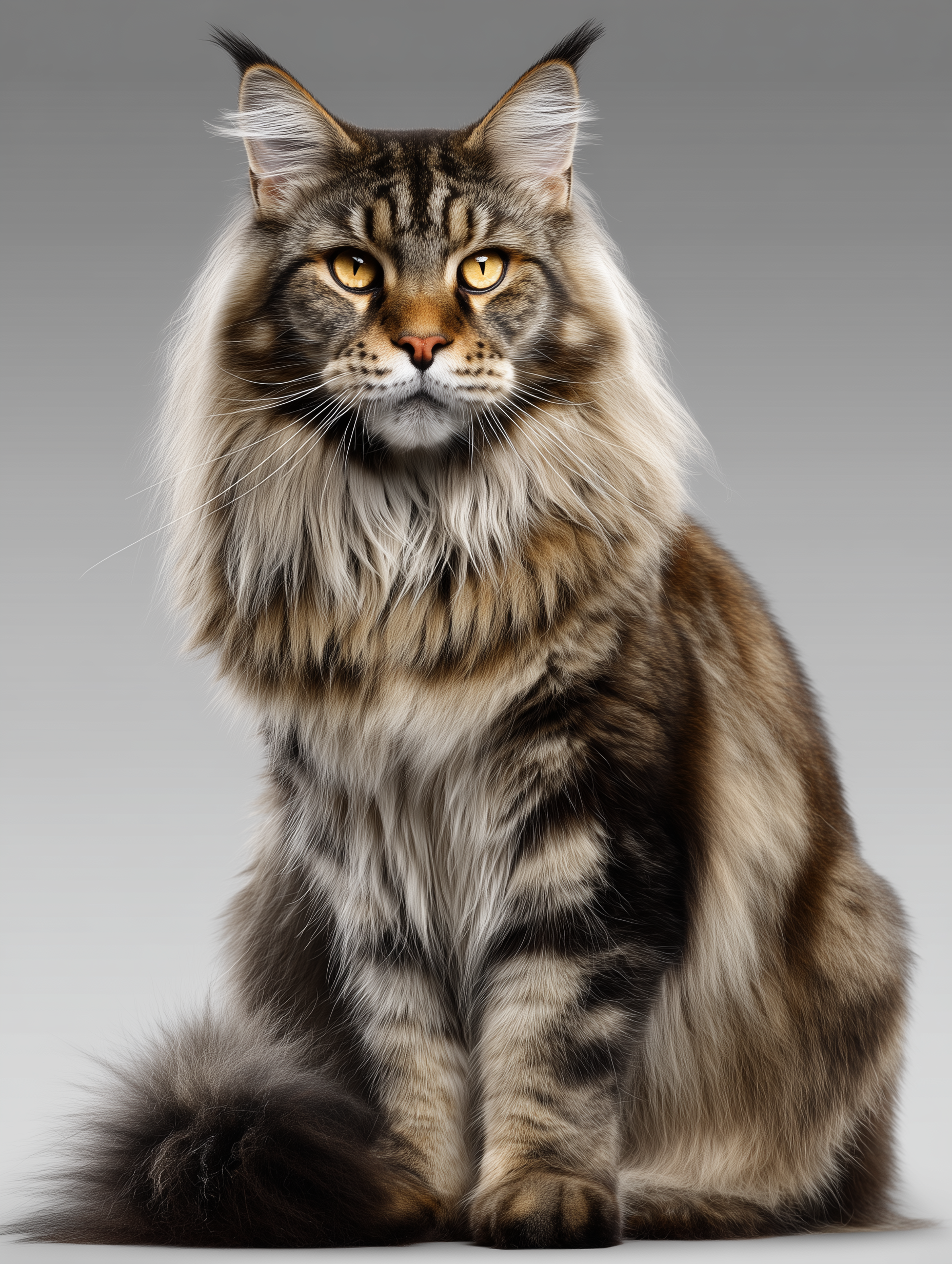
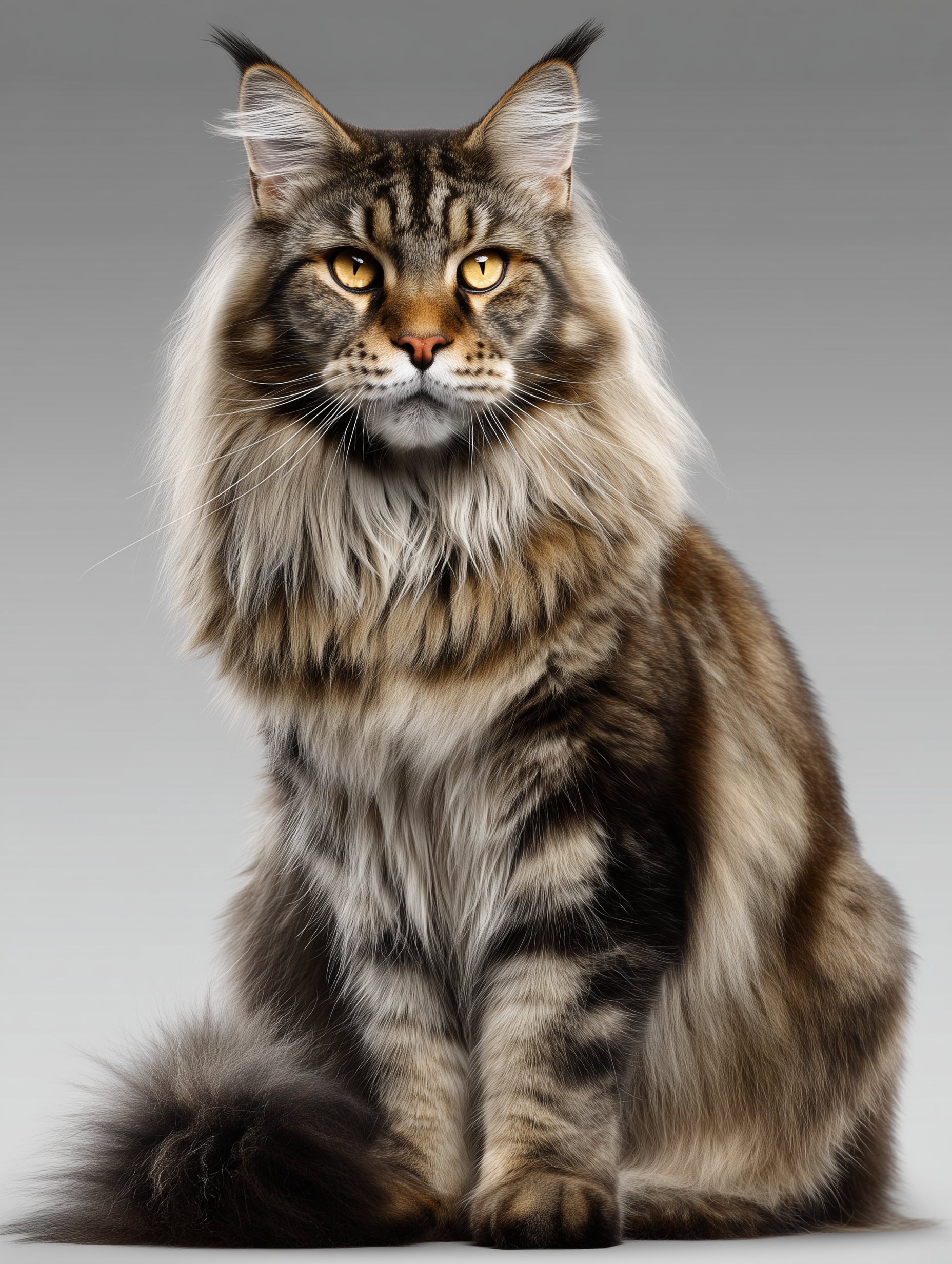
The Maine Coon is one of the oldest natural cat breeds in North America and a true symbol of American cat history. Their large size, bushy tail, tufted ears, and winter-resistant coat made them perfectly adapted to the harsh New England climate long before they became a recognized breed. The true Maine Coon cat origin is a blend of history, folklore, environmental adaptation, and centuries of selective survival.
Below is the complete history of the Maine Coon, with myths, fun facts, and breed info.
Maine Coon Cat History Quick Facts
| Topic | Short Answer | Why It Matters |
|---|---|---|
| Where did Maine Coon cats come from? | New England, especially Maine | Natural American breed shaped by climate and early settlers |
| Maine Coon cat origin story | Descended from longhaired cats brought by European sailors in the 1600s and 1700s | Explains their thick coat and strong build |
| Are Maine Coons part lynx or raccoon? | No, they are fully domestic cats | Ear tufts and tail shape come from cold-weather adaptation |
| When did Maine Coons become show cats? | 1860s–1890s, with major wins in early U.S. cat shows | Cosey won the 1895 Madison Square Garden show |
| Why are Maine Coons so big? | Slow growth over 3–4 years and natural selection | Climate, genetics, and working-cat history shaped their size |
| Did the breed almost disappear? | Yes, during the early 1900s | Revival in the 1960s–1970s saved the breed |
| Current status | One of the most popular cats in the U.S. and worldwide | Now a fully recognized, globally loved breed |
Searching for a Maine Coon Kitten for Adoption?
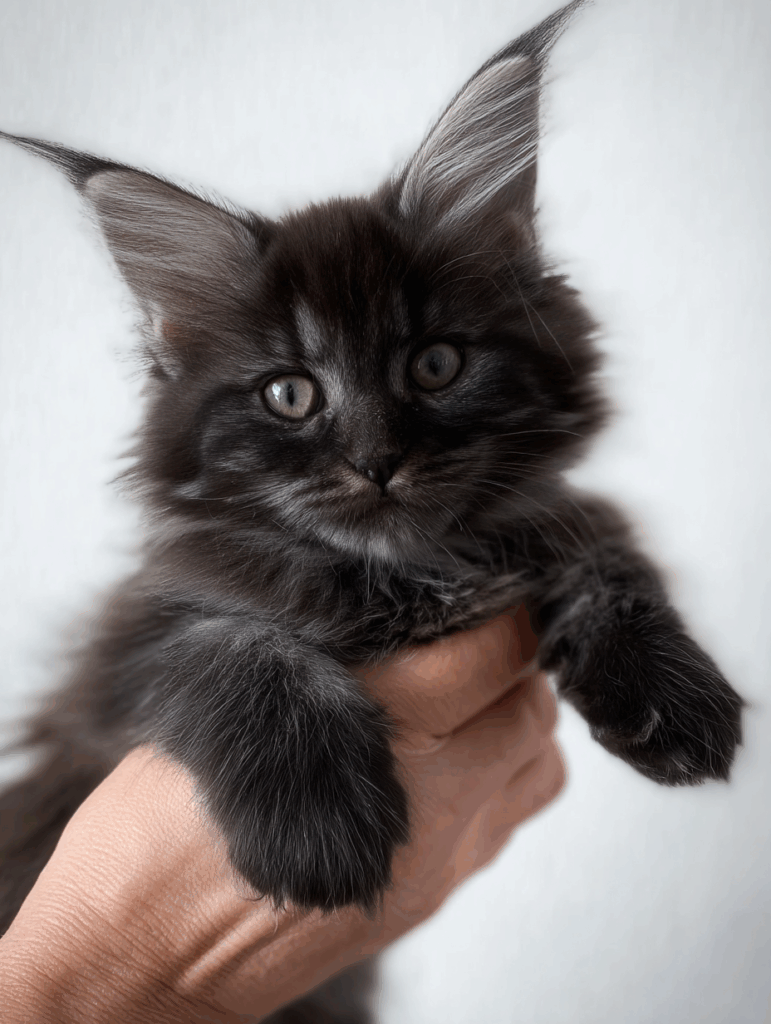
If you are here to find your very own Maine Coon baby check out our Purebred Maine Coon Kittens for Sale.
At Almonte Cats, every kitten is:
- TICA / CFA registered from fully health-tested parents
- Raised in-home for confident, affectionate temperaments
- Vet-checked, vaccinated, and microchipped before going home
We advise our families to reserve early — our litters are produced in limited numbers each year to preserve quality and true Maine Coon type.
View Available Kittens & Apply Here
Where Did Maine Coon Cats Come From
Maine Coon cats developed naturally in the northeastern United States, especially in Maine. These cats were farm cats, barn cats, and working mousers long before they were a recognized breed. They evolved naturally through survival, adapting to cold winters, rugged terrain, and the New England farming lifestyle.
Their thick triple coat, long tail, and strong structure are the result of natural selection, not intentional breeding. Early settlers and traders likely brought longhaired cats with them, and over generations, these cats adapted to the local environment, forming the foundation of what we now call the Maine Coon.
Where Did Maine Coon Cats Originate
The specific origin of the Maine Coon is unknown, but the most accepted explanation is that the breed originated from a mixture of European longhaired cats brought by seafarers, traders, and settlers in the 1600s and 1700s. Over many generations, these cats interbred with local shorthaired cats, resulting in the long-bodied, tufted-eared, winter-ready cat we recognize today.
By the 1800s, large longhaired cats were common in Maine and surrounding states, especially on farms. They were famous for their hunting ability and became treasured American working cats.
Maine Coon Cat Origin
The Maine Coon cat origin is rooted in natural adaptation rather than planned breeding. Characteristics such as their long plumed tail, strong legs, tufted paws, and dense winter coat were shaped by harsh northeast winters. The breed became a stable, distinct population long before cat registries existed. When shows began in the late 1800s, Maine Coons were already known as a recognizable regional breed.
Maine Coon Cat History America
Maine Coons became popular in American cat shows as early as the 1860s. In 1895, a Maine Coon named Cosey won “Best Cat” at one of the first major cat shows in the United States held at Madison Square Garden. Their popularity dipped when Persian and Siamese cats arrived in the early 1900s, but Maine Coons made a strong comeback mid-century when breed clubs revived interest in America’s native longhair cat.
Today, the Maine Coon is one of the most popular breeds in the United States and worldwide.
Are Maine Coon Cats Descendants of Lynx
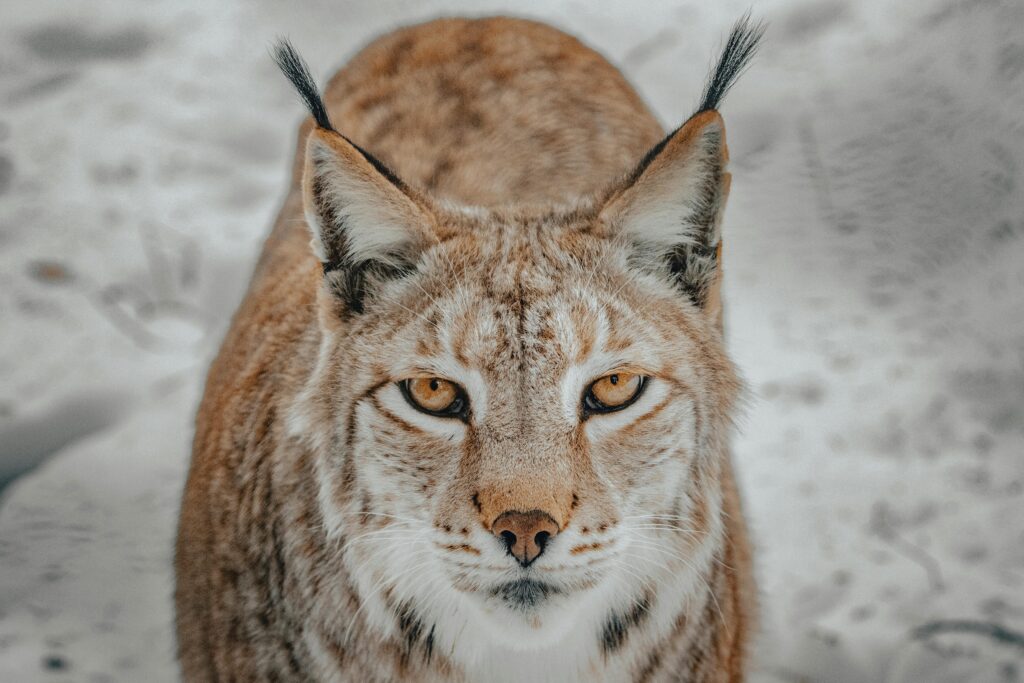
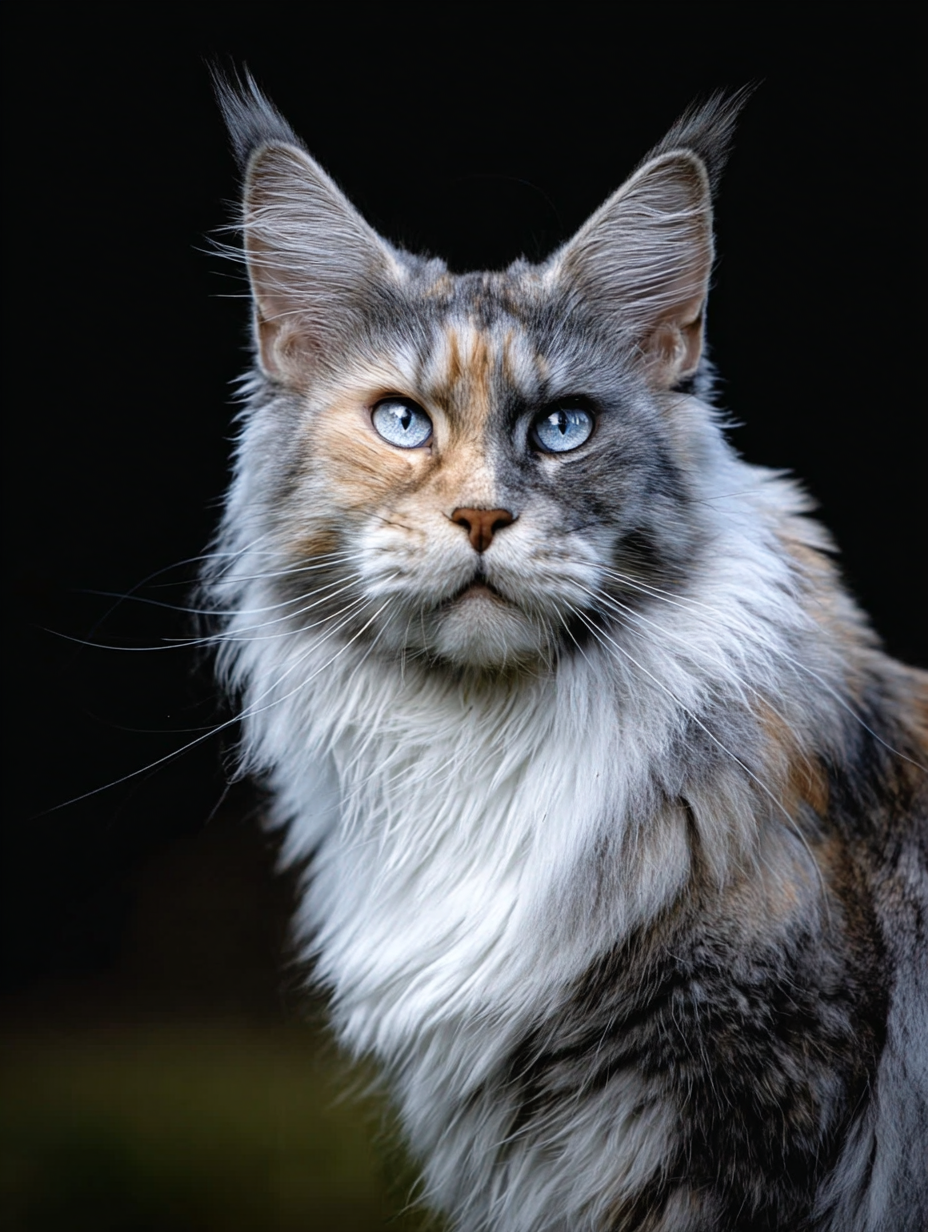
Maine Coons are not descendants of the lynx. They share some physical similarities such as ear tufts, strong facial structure, and long legs, which leads to this common myth. These features developed naturally as cold-climate adaptations. Despite the “wild” look, Maine Coons are fully domestic cats with no wild ancestry.
The lynx myth continues because Maine Coons have:
- Lynx-like ear tips
- Winter-ready fur
- A strong muzzle
- A long, thick tail
But genetically, there is no link to lynx or any wildcat species.
Are Maine Coon Cats From Russia
No. Maine Coons are not from Russia. They developed in North America. The confusion likely comes from the Siberian (a Russian breed) which looks somewhat similar due to similar cold-climate evolution. The similarities are the result of parallel environmental adaptation, not shared origin.
While longhaired cats brought by European sailors may have included some Russian cats centuries ago, the Maine Coon is considered an American breed. See American vs European Maine Coons here.
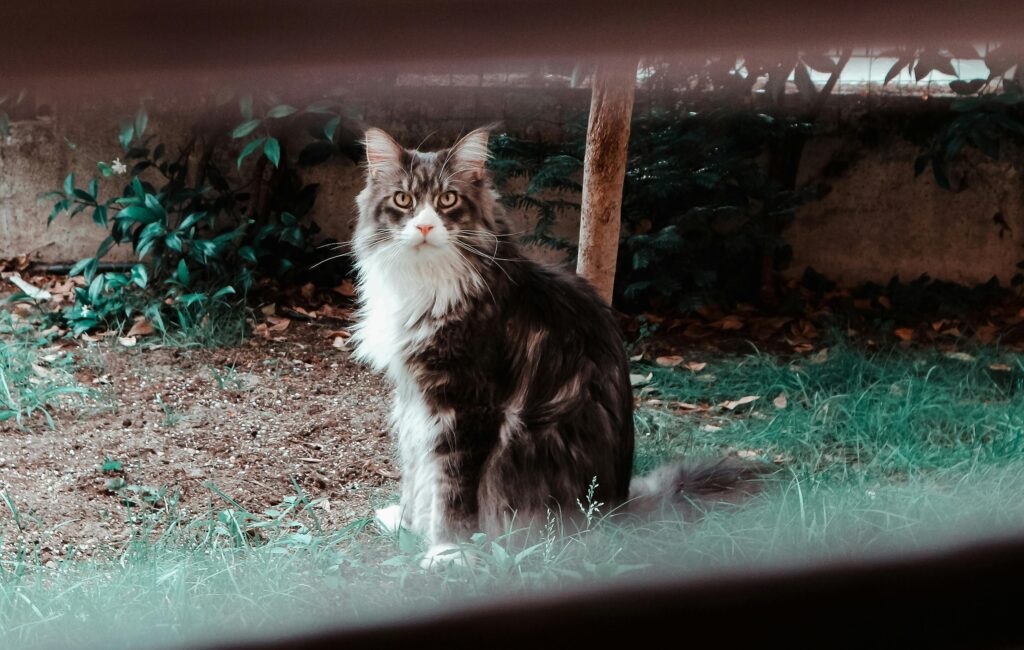
Myths About Maine Coon Cats
Maine Coons are surrounded by more myths than almost any domestic breed. Popular myths include:
Myth 1: They are part raccoon
This is genetically impossible. The rumor started because Maine Coons have ringed tails and similar coloring, but raccoons and cats cannot interbreed.
Myth 2: They are part lynx
Their ear tufts and rugged look fuel this myth, but there is no wild DNA in Maine Coons.
Myth 3: Vikings brought them to America
This is a fun legend. Vikings did bring longhaired cats to Norway, but there is no proof they brought cats to North America. Still, the Norwegian Forest Cat and Maine Coon look similar because both evolved in cold forests.
Myth 4: Maine Coons were created intentionally
They evolved naturally through survival, not breeding programs.
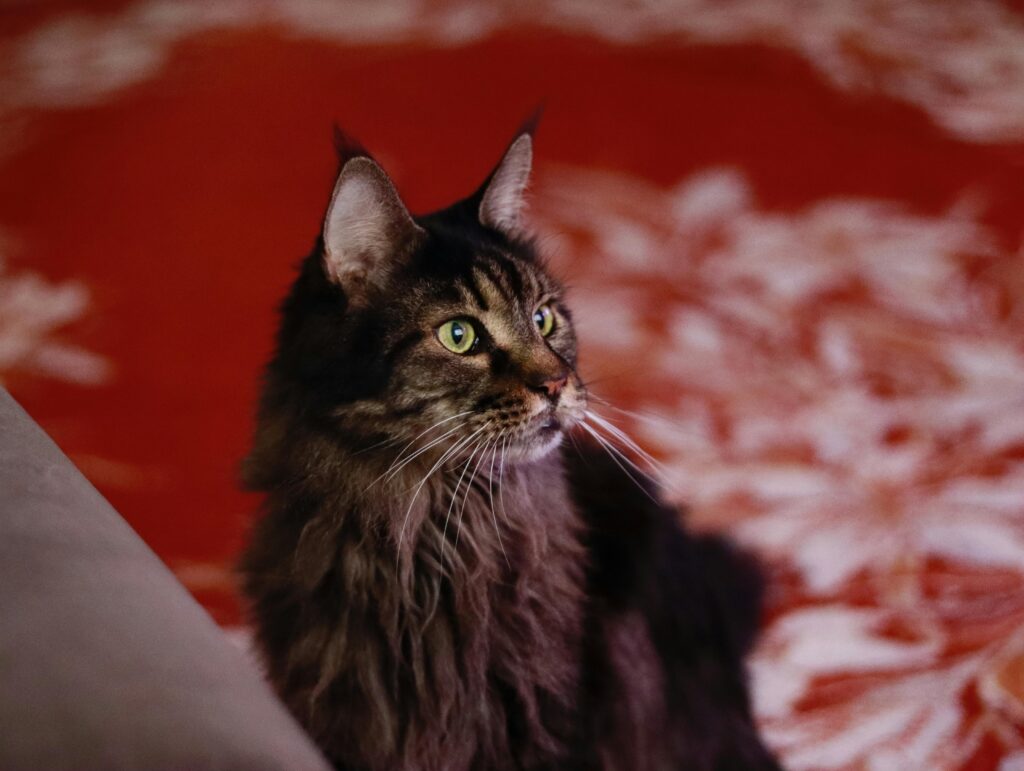
Facts About Maine Coon Cats
Here are some verified Maine Coon cat history facts:
- Maine Coons are America’s oldest natural longhair breed.
- They are the official state cat of Maine.
- They won early cat shows before modern registries existed.
- Their coat is water-resistant.
- The tail is as long as the body for balance and warmth.
- They grow slowly and reach full size at age 3 to 4.
- Early sailors valued them for rodent control on ships.
- Their tufts protect them from snow and cold weather.
These facts show how uniquely adapted Maine Coons are to their environment and how closely tied they are to American history.
Maine Coon Fun Facts
- Their paws are naturally large and often tufted, acting like snowshoes.
- Their tail can wrap fully around their body for warmth.
- Maine Coons chirp rather than meow.
- They were called “Maine cats” long before “Maine Coon” was a breed name.
- Many Maine Coon lines can be traced to old New England farm cats.
- They have one of the slowest growth rates of any cat breed.
- They were celebrity show cats in the 1800s.
Why Are Maine Coon Cats So Big
Maine Coons are large because their size evolved naturally to survive cold climates. Larger bodies retain heat better and handle snowy terrain more efficiently. Their size also comes from:
- Strong bone density
- Wide chest structure
- Long rectangular body
- Long growth period
- Natural selection for strong hunting cats
Selective breeding in modern times has kept this large structure consistent.
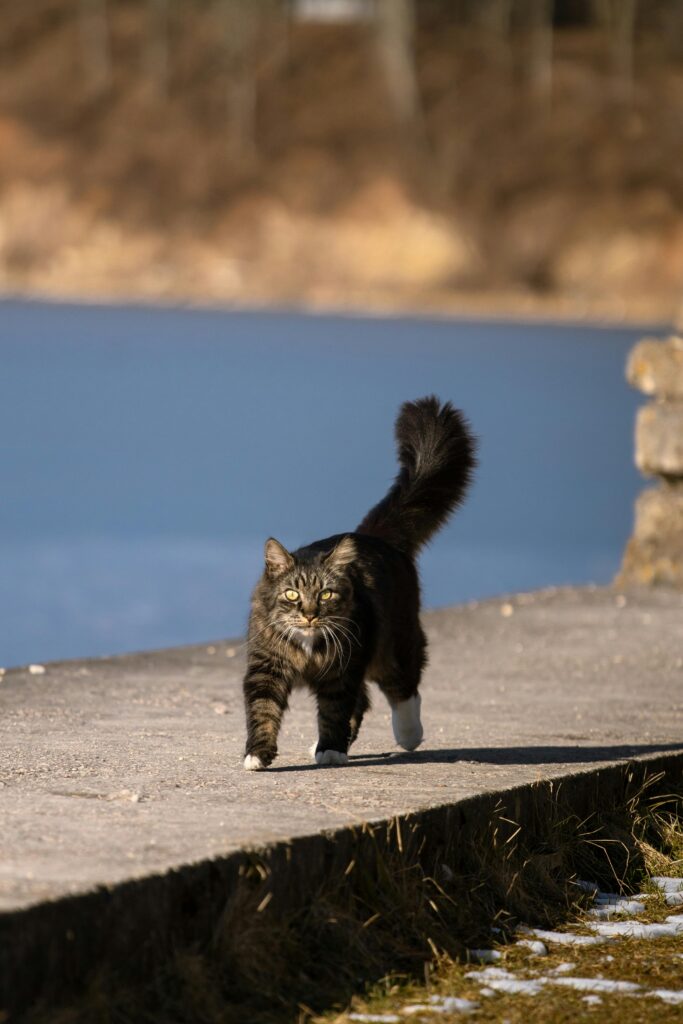
Maine Coon Cat History Timeline
1600s–1700s: Longhaired Cats Arrive in North America
During the 1600s and 1700s, European traders, fishermen, and settlers brought longhaired cats with them on ships traveling to the New World. These cats were essential for controlling rodents on board and were often selected for their sturdiness and strong hunting instincts. When they reached the northeastern coast, many of these longhaired ship cats interbred with local shorthaired cats, creating the foundation for the earliest Maine Coon ancestors.
1700s–1800s: Natural Adaptation Creates a Distinct Population
Throughout the 1700s and 1800s, these cats adapted to the cold winters, snowy forests, and rugged farm landscapes of Maine and surrounding regions. Only the strongest, thick-furred cats survived the climate and thrived on farms, where they worked as mousers and companions. Over many generations, these naturally selected traits became consistent, forming a stable cat population recognizable for its large size, tufted ears, powerful build, and winter-proof coat.
1860s–1890s: Maine Coons Enter America’s Earliest Cat Shows
By the mid-1800s, Maine Coons were widely known throughout New England as exceptional working cats and beloved family companions. As organized cat shows began to grow in popularity in the United States, Maine Coons quickly became stars in the show ring. They were frequently exhibited at agricultural fairs and early cat competitions, admired for their impressive size and friendly nature. Their reputation as America’s native longhaired breed began to take shape during this era.
1895: Cosey Wins at Madison Square Garden
In 1895, a brown tabby Maine Coon named Cosey won “Best Cat” at one of the first major U.S. cat shows held at Madison Square Garden in New York City. Her win established the Maine Coon as one of the earliest recognized show cats in America. Cosey’s silver collar and engraved medal survive today as treasured pieces of cat show history and concrete evidence of the breed’s early prominence.
1900–1950: Decline in Popularity with Persian and Siamese Arrival
Between 1900 and 1950, interest in Maine Coons declined sharply as imported breeds like Persians and Siamese became fashionable in show rings and homes. These new exotic breeds captured national attention, and the Maine Coon was gradually overshadowed. For several decades, the breed nearly disappeared from competition, appearing only in small regional shows or continuing quietly as farm cats on rural properties.
1960s–1970s: Breed Enthusiasts Revive the Maine Coon
In the 1960s and 1970s, a small group of passionate breeders and cat enthusiasts recognized that the Maine Coon breed was at risk of being lost. They began forming breed clubs, tracking pedigrees, and developing a formal breed standard. Through their efforts, the Maine Coon gained official recognition from major cat associations and returned to show rings with renewed interest. This revival solidified the Maine Coon as a legitimate, standardized breed within the modern pedigree world.
1980s–Today: The Maine Coon Becomes a Global Favorite
From the 1980s to the present day, Maine Coons have risen to become one of the most popular and beloved cat breeds in the United States and around the world. Their gentle personality, impressive size, intelligence, and easygoing temperament have made them favorites in homes, catteries, and cat shows. Today, Maine Coons are recognized internationally, registered by every major cat association, and celebrated as America’s iconic native longhair breed.
MAINE COON HISTORY & ORIGINS FAQ
1. Where did Maine Coon cats come from?
Maine Coon cats developed naturally in the northeastern United States, especially in rural Maine, where early longhaired cats brought by European settlers adapted to the harsh climate. Over many generations, these hardy farm cats evolved into the large, winter-ready cats we now recognize as Maine Coons.
2. Where did Maine Coon cats originate?
The breed originated in New England, most notably Maine, during the 1600s and 1700s. Longhaired cats that arrived on ships interbred with local cats, and the challenging weather created a naturally occurring cat population with thick fur, strong bone structure, and exceptional hunting skills.
3. What is the true Maine Coon cat origin story?
The most widely accepted history is that Maine Coons descended from European longhaired cats that adapted to the cold forests of New England. Their appearance, temperament, and physical traits were shaped not by human breeding but by survival, environment, and natural selection.
4. Are Maine Coon cats descended from lynx?
Maine Coons are not descended from lynx, although their ear tufts and rugged features often lead people to believe otherwise. Genetic studies confirm that Maine Coons are fully domestic cats, and their “wild” look is simply the result of natural adaptation to cold winters. See Maine Coon Cat photos here.
5. Are Maine Coon cats from Russia?
Maine Coons are not from Russia; they are a native American breed. The confusion comes from their visual similarity to the Siberian cat, a Russian forest breed. Both cats evolved in cold climates, which produced comparable coats and features, but their origins are completely separate.
6. Why are Maine Coon cats so big?
Maine Coons are large because they evolved in a climate that favored strong, powerful cats capable of surviving cold conditions. Their size also comes from slow maturation, as they grow steadily for three to four years, allowing their bones, muscles, and frame to develop gradually and evenly. See Maine Coon Cat Size Comparisons here.
7. How did the Maine Coon become a unique breed?
The Maine Coon became a distinct breed through natural evolution. The cold weather, rugged terrain, and heavy demand for effective barn cats ensured that only the most resilient and adaptable cats survived. Over time, these survival traits solidified into the consistent look and temperament we associate with the breed.
8. What myths exist about Maine Coon history?
Maine Coons are surrounded by several persistent myths, including the idea that they are part raccoon, part lynx, or descendants of Viking ship cats. While these stories are entertaining, none of them are supported by genetics. Maine Coons developed naturally, not through crossbreeding with wild animals or ancient voyages.
9. Did Vikings bring Maine Coon ancestors to America?
There is no historical or genetic evidence that Vikings brought the ancestors of Maine Coons to North America. The legend likely emerged because Maine Coons resemble the Norwegian Forest Cat, a Viking-era breed. Their similarities, however, are the result of evolving in similar cold, forested environments rather than shared ancestry.
10. Is the Maine Coon related to the Norwegian Forest Cat?
Maine Coons and Norwegian Forest Cats are not directly related, although they share many features such as long fur, tufted ears, and strong bodies. These similarities come from parallel evolution in cold climates, not from a common origin. The Maine Coon developed in America, while the Norwegian Forest Cat developed in Scandinavia. How to Tell if Your Cat is a Maine Coon Hybrid
11. How did Maine Coons become popular in early America?
Maine Coons became popular in early America because they were exceptional farm cats and skilled mousers. Their large size, intelligence, and winter-proof coat made them extremely valuable to settlers who relied on cats to protect grain and food supplies from rodents. As cat shows gained traction in the late 1800s, Maine Coons quickly captured public attention, and by 1895, a Maine Coon named Cosey won one of the first major American cat shows at Madison Square Garden. This early recognition helped establish the Maine Coon as a beloved American breed.
12. What is the Maine Coon cat history timeline?
The Maine Coon history timeline starts in the 1600s when longhaired cats first arrived with European sailors and settlers. Throughout the 1700s and 1800s, these cats adapted to the cold climate of New England and became known as hardy barn cats. By the late 1800s, Maine Coons appeared in some of America’s earliest cat shows. The breed experienced a decline in the early 1900s due to the rising popularity of exotic breeds but saw a revival in the 1960s when breed clubs and enthusiasts restored their place in American cat history.
13. Why did Maine Coons lose popularity in the early 1900s?
Maine Coons lost popularity in the early 1900s because exotic breeds like Persians and Siamese began dominating American cat shows. Their unique features and imported origins attracted attention, which overshadowed the Maine Coon’s more rugged, natural look. During this time, breeding programs shifted toward these newer breeds, causing the Maine Coon to nearly disappear from show circuits. Thankfully, dedicated breeders revived the breed in the mid-20th century and brought it back to prominence.
14. Is the Maine Coon really America’s oldest natural cat breed?
Yes, the Maine Coon is widely considered one of America’s oldest natural cat breeds. Unlike many modern breeds that were created through selective breeding, the Maine Coon developed naturally from cats brought by settlers. Their long history as working farm cats, along with their deep cultural ties to Maine, makes them an essential part of American cat heritage.
15. How did Maine Coons develop their thick winter coats?
Maine Coons developed their thick, layered winter coats through natural selection. Cats with longer, water-resistant fur survived New England winters more successfully and passed these traits on. Over generations, the breed developed a dense undercoat, a shaggy outer coat, and a long, protective ruff around the neck. Their fur is designed to shed snow and repel moisture, making it ideal for cold climates.
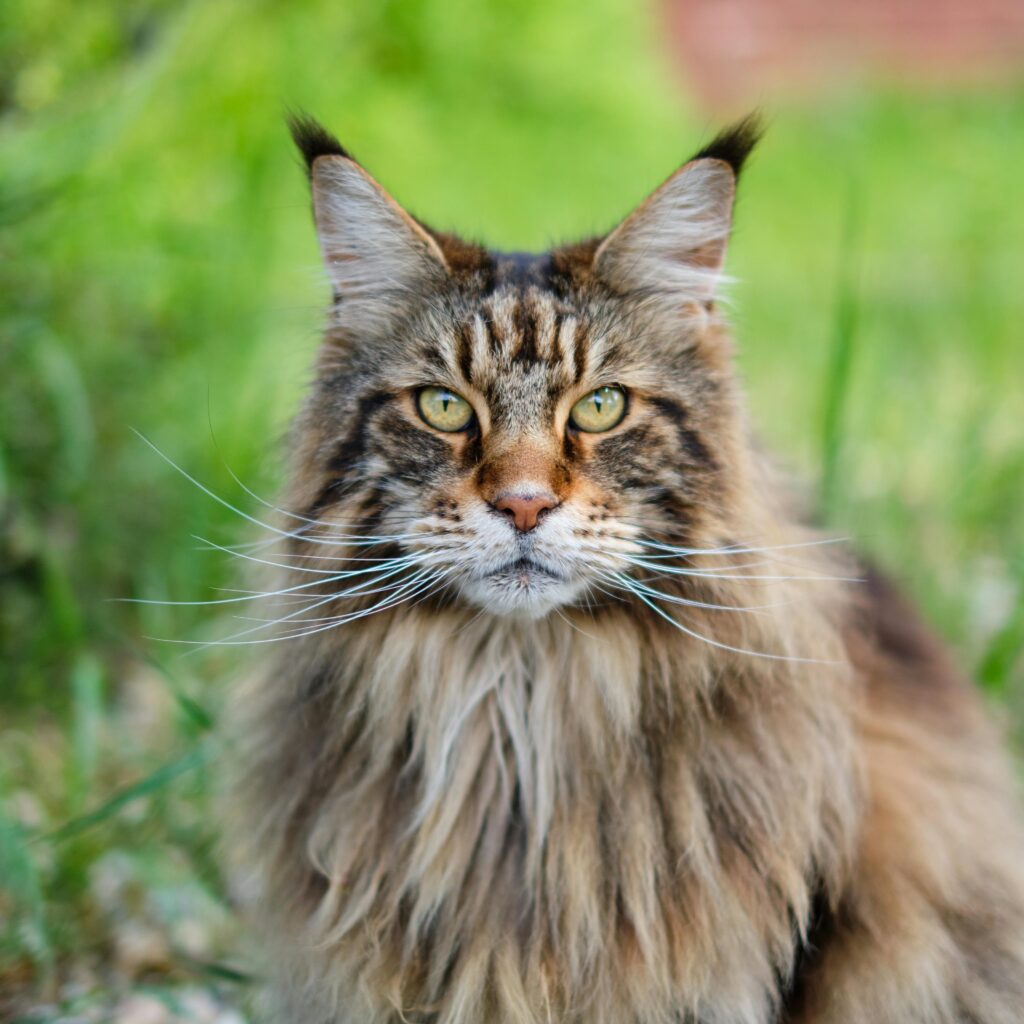
16. Why do Maine Coons have tufted ears?
Maine Coons have tufted ears because ear tips and inner-ear furnishings protect the ears from snow, wind, and cold air. These tufts help prevent debris and moisture from entering the ear canal, which was essential for survival in harsh winters. While the ear tufts give them a wild, lynx-like appearance, they are simply a natural adaptation to their environment.
17. Why do Maine Coons have such large paws?
Large paws help Maine Coons move through snow and rough terrain more easily. Their broad, tufted paws act like natural snowshoes, providing traction and insulation. This trait was extremely useful for early Maine Coons living on farms, where they needed to hunt rodents in all kinds of weather. Today, these large paws remain one of the breed’s signature physical features.
18. Did Maine Coons originally work as ship cats?
Many historians believe Maine Coons were used as ship cats by early sailors because of their hunting ability and adaptable nature. Longhaired cats likely traveled with European merchants, keeping ships free of mice and rats. When these cats reached American shores, they interbred with local cats and contributed to the foundation of the Maine Coon breed.
19. What role did Maine Coons play on early American farms?
Maine Coons were valued as working cats on early American farms because they were strong, alert, and efficient hunters. They protected food stores, barns, and grain supplies by controlling rodent populations. Their dependable work ethic, combined with their friendly personality, made them indispensable companions to New England families long before the breed was formally recognized.
20. Why do Maine Coons chirp instead of meow?
Maine Coons chirp instead of meow because their vocal patterns developed from their working-cat background. Chirping and trilling may have helped them communicate while hunting or interacting with humans. These soft, expressive sounds are now considered one of the breed’s most charming and distinctive traits, and they remain a natural part of Maine Coon communication.
21. Are Maine Coons part raccoon?
Maine Coons are not part raccoon, even though the myth has circulated for more than a century. Their long, bushy tail and occasional tabby pattern made early farmers joke that they resembled raccoons, but scientifically, it is impossible for cats and raccoons to interbreed. The resemblance is purely visual and has no genetic basis. Maine Coons are entirely domestic cats with traits shaped by climate, not by wild ancestry.
22. What early breed clubs helped save the Maine Coon?
In the 1960s and 1970s, several Maine Coon breed clubs formed to preserve and protect the breed, which at the time was dangerously close to disappearing from show rings. These clubs worked to standardize the breed, promote responsible breeding, and reintroduce Maine Coons to cat shows. Their dedicated efforts played a major role in restoring the Maine Coon’s popularity and securing its recognition with major cat associations.
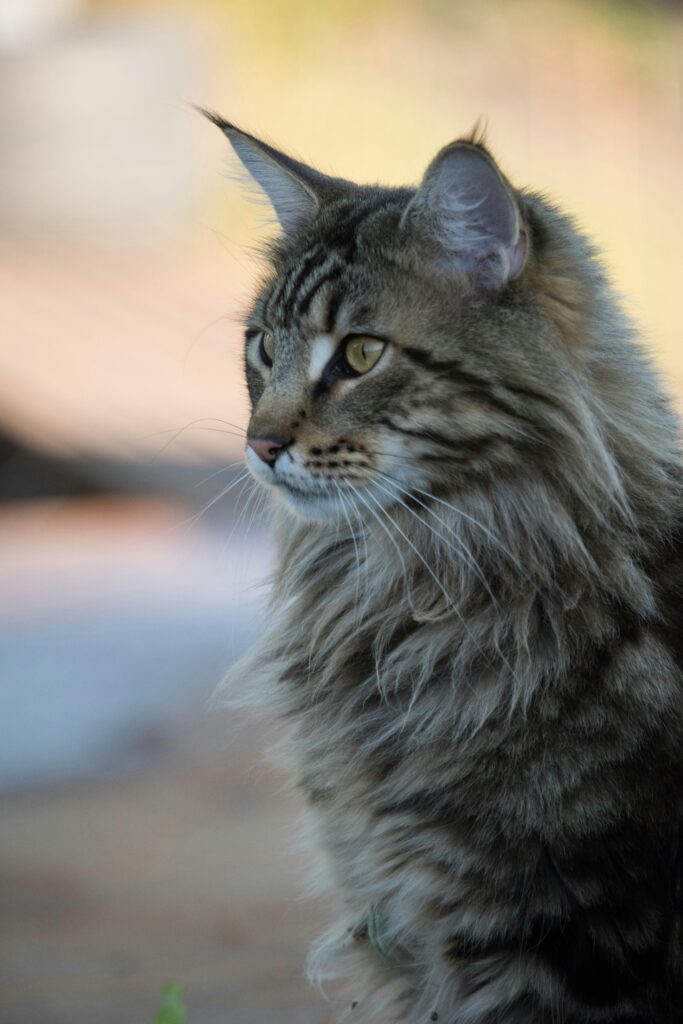
23. What colors were early Maine Coon cats?
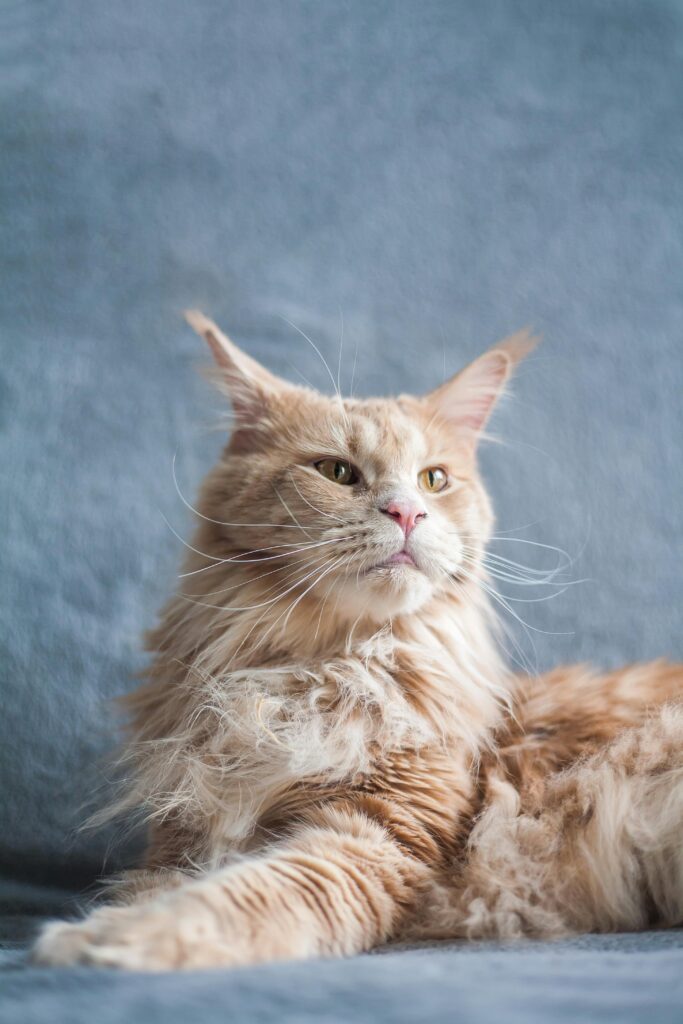
Early Maine Coon cats were most commonly brown tabbies because this color provided camouflage in wooded, rural environments. Over time, naturally occurring variations such as black, white, and bi-color began appearing, but the classic brown tabby remained the dominant pattern among New England barn cats. Today the breed exists in nearly every color, yet the traditional tabby remains an iconic part of its history. See Orange Maine coons here.
24. Did people originally intend to create the Maine Coon breed?
No one intentionally set out to create the Maine Coon breed. These cats evolved naturally without selective breeding programs. Their traits developed through survival, climate, and local adaptation rather than human design. The breed only became “official” once cat shows and registries recognized how unique this naturally occurring population of longhaired American cats had become. See Maine coon Lifespan info here.
25. Why do Maine Coons have such long tails?
Maine Coons have long, full tails because they needed them for warmth and balance in their early environment. Their tail could wrap around their body like a blanket in winter, providing insulation during cold nights or while resting in barns. The tail also helped them maintain balance while climbing or navigating uneven, snowy terrain. This feature became a permanent and defining part of the breed’s appearance.
26. What is the earliest documented Maine Coon in history?
One of the earliest recorded Maine Coons is a cat named Cosey, who won the 1895 cat show at Madison Square Garden. Cosey was described as a large brown tabby female with the classic Maine Coon look, and her victory helped cement the breed’s place in American show history. Her silver collar and medal still exist today and represent one of the first formal acknowledgments of the breed.
27. Did Maine Coons come from specific European longhaired cats?
It is likely that Maine Coons descended from a mix of longhaired cats brought from England, France, and other parts of Europe. Ships commonly carried cats to control rodents, and these cats interbred with local New England cats. Over time, the combination of mixed genetics and intense winter adaptation created a new, recognizable breed that differed from its European ancestors.
28. Why are Maine Coons called “gentle giants”?
Maine Coons earned the nickname “gentle giants” because of their unusually large size paired with their calm, affectionate nature. Even though they have a powerful build, they tend to be gentle, social cats that bond closely with families. Their history as farm companions required a stable and even-tempered personality, and those traits remain a key part of the breed today.
29. How did the Maine Coon become Maine’s official state cat?
The Maine Coon was named the official state cat of Maine in 1985 because of its deep historical connection to the region. For centuries, these cats helped farmers, fishermen, and families by controlling rodents and surviving the state’s harsh winters. As the breed grew in popularity nationwide, Maine chose to honor its local heritage by formally recognizing the Maine Coon as part of its cultural identity.
30. What makes the Maine Coon different from other historic breeds?
The Maine Coon differs from other historic breeds because it developed entirely through natural processes rather than through planned breeding. Its size, coat, temperament, and rugged features were shaped by New England’s climate and lifestyle. While many breeds trace their history to royal courts or selective breeding programs, the Maine Coon’s origin is rooted in American farms, frontier survival, and regional adaptation, making it one of the most authentically natural breeds in modern cat history.
More Articles from Almonte Cats
- White Maine Coon Cats
- Maine Coon Tassel Ears
- Polydactyl Maine Coon Care
- Domestic Maine Coon Cat Info
- Maine Coon Kitten Growth Stages
- Maine Coon M on Forehead Genetics
- Maine Coon Cat Eye Color
Sources and References
1. Cat Fanciers’ Association (CFA) – Maine Coon Breed History
Provides official breed background, recognition history, and breed development details.
https://cfa.org/maine-coon/
2. International Cat Association (TICA) – Maine Coon Breed Information
Documents the breed standard, origin theories, and historical context.
https://tica.org/breeds/browse-all-breeds?view=article&id=860:maine-coon-longhair-cat&catid=120
3. Encyclopaedia Britannica – Maine Coon Overview
Offers general historical insight and classification of the Maine Coon as an American natural breed.
https://www.britannica.com/animal/Maine-Coon-cat
4. University of Missouri – Veterinary Genetics Laboratory
Publishes research on domestic cat ancestry, breed development, and genetic traits relevant to Maine Coon origins.
https://vgl.ucdavis.edu/dna-tests/cat
5. Smithsonian Magazine – Early American Cat History Articles
Covers the ecological and cultural role of cats brought by settlers in early American history.
https://www.smithsonianmag.com/
6. The Maine Coon Cat Club (GCCF – UK) – Breed Background and Historic Notes
Provides early breed folklore, origin stories, and timeline records maintained by historic breed clubs.
https://www.maine-coon-cat-club.com/
7. Journal of Feline Medicine and Surgery – Research on Domestic Cat Lineages
Supports the scientific understanding that Maine Coons are domestic cats with no wildcat ancestry.
https://journals.sagepub.com/home/jfm
8. Madison Square Garden Cat Show Records (1895)
Documented history of “Cosey,” the Maine Coon who won Best Cat in 1895.
Historical summary: https://www.felinehistoricalfoundation.org/cosey.html





Read the Comments +