
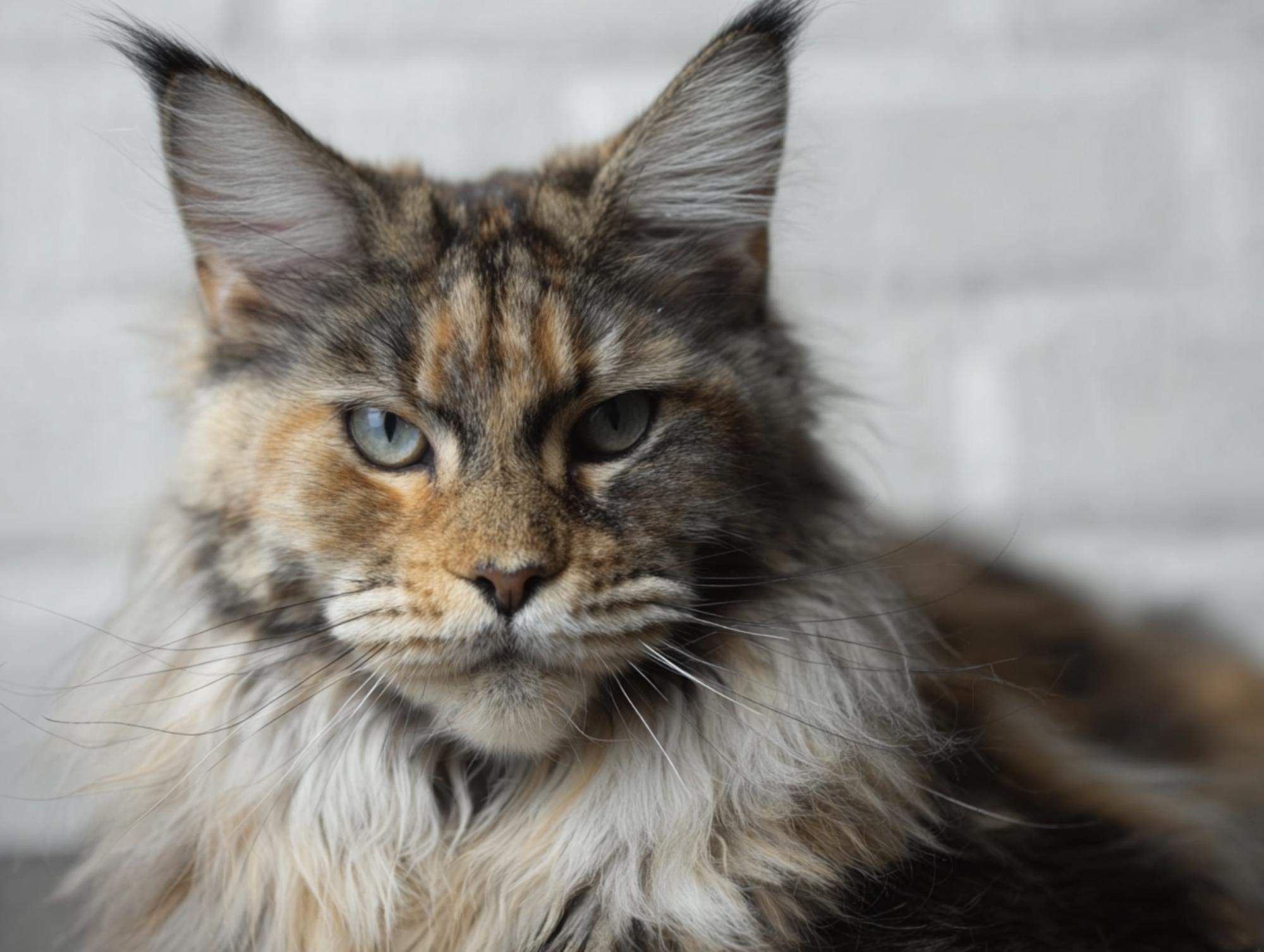
Maine Coon Diarrhea: Common Causes, What Actually Helps, and When to Worry
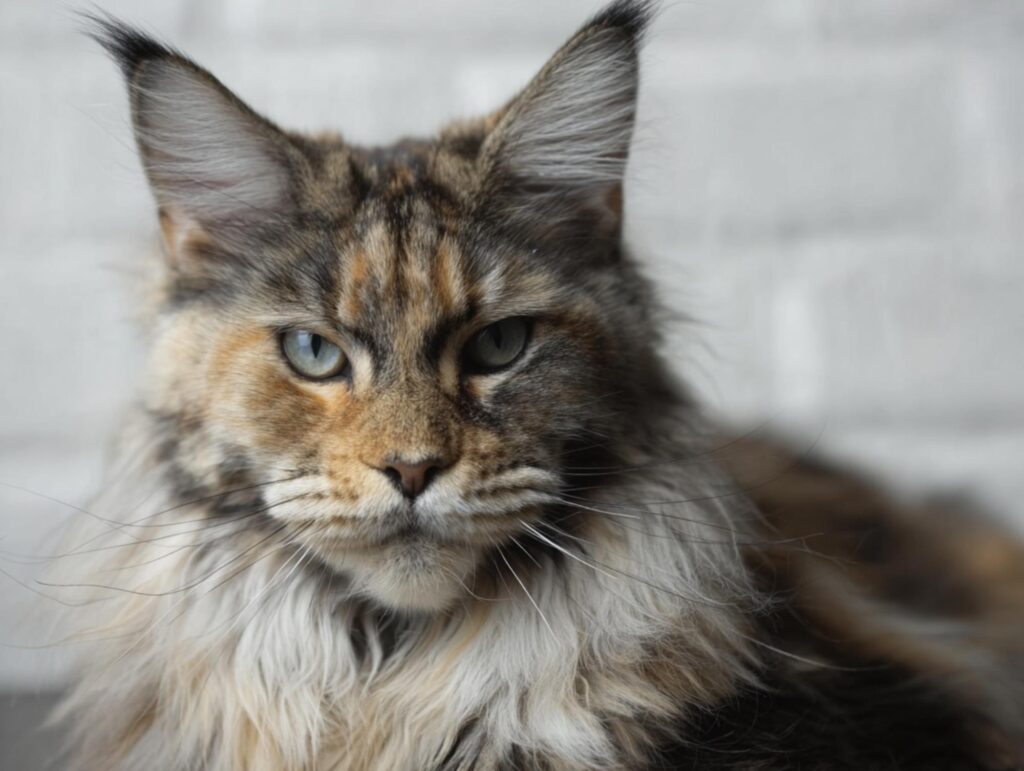
Do Maine coons get diarrhea easily? Yes, Maine Coons can struggle with diarrhea or loose stools, and most cases trace back to diet changes, food sensitivity, or digestive imbalance rather than serious illness. Most cats improve once owners identify the trigger and give the digestive system time to settle.
Stomach issues appear constantly on Reddit because owners panic when loose stools persist and crowdsource answers without context. Most online advice creates confusion because it piles on fixes, swaps foods too quickly, and treats every case as an emergency. This guide explains what actually causes diarrhea in Maine Coons, which steps help, and how to respond calmly and effectively instead of reacting blindly.
Maine Coon Diarrhea: Quick Summary
| Topic | What Owners Need to Know |
|---|---|
| Is diarrhea common in Maine Coons? | Yes, especially in kittens and during stress or diet changes |
| Most common causes | Food changes, overfeeding, stress, digestive sensitivity |
| Is it usually serious? | No, most cases are mild and resolve with consistency |
| Biggest mistake owners make | Switching foods too often and adding too many supplements |
| First steps that help | Keep food consistent, simplify diet, reduce stress |
| Helpful supports | Probiotics, pumpkin, olive leaf powder |
| When to worry | Diarrhea lasting several days, weight loss, appetite changes |
| When to see a vet immediately | Blood in stool, not eating, dehydration |
| Kittens vs adults | Kittens commonly have loose stools after moving homes |
| Parasites to rule out | Giardia, coccidia, roundworms, hookworms, Tritrichomonas |
| Key takeaway | Calm, consistent management fixes most cases |

Short Answer: Is Diarrhea Common in Maine Coons?
Yes. Diarrhea occurs commonly in Maine Coons, and most cases resolve once owners address the underlying cause. Loose stools alone do not signal poor health or a weak digestive system.
Maine Coons do not struggle because they are fragile. They grow slowly, eat larger portions, and often consume richer diets than smaller cats. These factors place higher demands on digestion, especially during kittenhood, adolescence, and early adulthood. As a result, mild digestive upset shows up more often than many owners expect.
Digestive sensitivity appears frequently in large, slow-maturing cats because the gut takes longer to stabilize. Changes in food, feeding amounts, treats, stress, or routine often disrupt stool quality before the digestive system adapts. This does not mean the cat cannot tolerate food. It means the digestive system needs consistency.
Explicit clarification:
- Occasional loose stools happen and usually resolve with simple adjustments.
- Persistent diarrhea does not improve through guesswork or constant food changes.
- Calm, targeted changes work better than rapid reactions or extreme interventions.
Occasional Loose Stools Do Not Mean Something Is Wrong
Loose stools happen from time to time in Maine Coons, and most cases resolve on their own. A single episode after a food change, a new treat, stress, or routine disruption does not signal illness. The digestive system reacts to change before it adapts. When owners hold steady and avoid overcorrecting, stool quality often normalizes within a few days.
Many cats experience brief digestive upset during growth, seasonal shifts, or schedule changes. In these situations, the gut needs consistency, not intervention. Calm observation matters more than immediate action.
Ongoing or Worsening Diarrhea Should Not Be Ignored
Diarrhea that persists, worsens, or repeats frequently deserves attention. When loose stools continue for several days, return repeatedly, or accompany other changes, the issue no longer falls into the category of normal adjustment.
Ongoing diarrhea can lead to dehydration, weight loss, and nutrient imbalance over time. Ignoring patterns delays resolution and often makes the problem harder to correct. The goal is not panic. The goal is recognizing when the digestive system needs support rather than patience alone.
Why Maine Coons Get Stomach Issues More Often
Maine Coons experience digestive issues more often than many breeds because their bodies place greater demands on the gut. Size, growth rate, diet, and feeding habits all play a role. These factors explain why loose stools show up frequently without indicating disease.
Large Body Size and Slow Digestive Maturity
Maine Coons grow for several years. Their bodies develop gradually, and their digestive systems follow the same timeline. During this extended growth period, digestion remains more sensitive to change.
Digestive systems often mature more slowly in large breeds. Food transitions, portion increases, and developmental stages place added strain on the gut. Loose stools commonly appear during these phases, especially in kittens and adolescents.
Growth and transition periods challenge digestion. When owners adjust food slowly and maintain consistency, stools usually improve as the cat matures.
Diet Richness and Overfeeding
Large cats often receive more food than they need. Owners frequently increase portions based on size alone without considering calorie density. This leads to overfeeding even with high quality diets.
Rich foods stress digestion. High fat content, excessive calories, and frequent treats overwhelm the gut and soften stools. Maine Coons tolerate steady, moderate nutrition better than rich or indulgent feeding plans.
Portion control matters. Feeding slightly less often improves stool quality more effectively than switching foods repeatedly.
Food Sensitivities Versus True Allergies
Food sensitivities occur commonly in Maine Coons. These reactions depend on quantity and consistency rather than immune response. A cat may tolerate a food in small amounts but develop loose stools when portions increase or when owners mix multiple proteins.
True food allergies occur far less often. Allergies usually involve additional symptoms such as skin irritation, itching, or chronic inflammation. Diarrhea alone rarely points to an allergy.
Reddit treats every loose stool as an allergy because symptoms look similar on the surface. This leads owners to chase novel proteins and exotic diets instead of addressing feeding habits, portion size, and consistency.
The Most Common Causes of Maine Coon Diarrhea
Diarrhea in Maine Coons rarely comes from a single dramatic cause. In most cases, everyday feeding and routine choices stack together until the digestive system loses stability. Understanding these causes helps owners stop chasing fixes and start correcting the real problem.
Sudden Food Changes
Cats rely on a stable gut microbiome. When owners switch foods abruptly, the digestive system does not have time to adapt. Even high-quality foods can trigger diarrhea if the change happens too quickly. Maine Coons feel this more strongly because of their size and slower digestive maturity.
A food that works well eventually can still cause loose stools during the transition period. The issue lies in timing, not quality.
Switching Brands Too Frequently
Frequent brand switching keeps the gut in a constant state of adjustment. Each formula contains different fat levels, fibers, and protein sources. The digestive system never settles when owners rotate foods every few weeks trying to “fix” stool quality.
This cycle often creates the very problem owners try to solve. Stability matters more than novelty.
Mixing Multiple Proteins
Many Maine Coons tolerate a single protein well but struggle when owners mix chicken, beef, fish, and novel proteins together. Each protein digests differently and places different demands on the gut.
When stools loosen, owners often add more variety instead of reducing it. That approach overwhelms digestion and masks which ingredient causes the issue.
Overfeeding or Free Feeding
Large cats often receive more food than their digestive systems can process efficiently. Overfeeding stretches digestion and speeds stool passage, which results in loose stools.
Free feeding worsens this problem. Without defined meals, the gut never rests or regulates properly. Maine Coons respond better to measured portions than constant access to food.
Too Many Treats or Toppers
Treats, toppers, and extras disrupt digestion quickly. Even small amounts add fat, sugar, or unfamiliar ingredients. Owners often underestimate how much these extras affect stool quality.
Digestive upset improves quickly when owners remove treats temporarily and focus on the base diet alone.
Stress and Routine Disruption
Stress affects digestion directly. Schedule changes, new pets, travel, or household disruption can trigger diarrhea even when diet stays the same. Maine Coons notice routine changes acutely because they track daily patterns closely.
Digestive upset tied to stress often resolves once routines stabilize.
Medications, Including Antibiotics
Antibiotics and certain medications disrupt gut bacteria. This disruption frequently causes loose stools during or after treatment. Even when medication treats a separate issue successfully, digestion may lag behind.
Owners often misinterpret medication-related diarrhea as food failure instead of a temporary imbalance.
Important clarification:
Multiple causes often overlap. A mild food sensitivity combined with overfeeding and stress can produce ongoing diarrhea. Fixing diarrhea requires simplifying the situation, not layering solutions on top of each other.
How to Fix Mild Diarrhea in Maine Coons
Most mild diarrhea improves with calm, deliberate steps. The goal is not to eliminate every possible trigger at once. The goal is to give the digestive system a stable environment so it can recover.
Stop Switching Foods
Constant food changes prevent gut stabilization. Every new formula resets the adjustment process and prolongs diarrhea. Owners often switch foods every few days out of frustration, which keeps stools loose indefinitely.
Digestion needs time to settle. In many cases, stools improve within several days once owners stop changing foods. Full stabilization can take one to two weeks depending on the cat.
Patience matters more than perfection. A good food fed consistently works better than chasing an ideal food through constant changes.
Simplify the Diet
A simple diet allows digestion to reset.
Feed one protein at a time. Remove variety until stools firm up. This approach makes it easier to identify sensitivities and reduces digestive workload.
Remove treats temporarily. Treats often contain ingredients that soften stools even when the main food works well.
Avoid mixing dry, wet, raw, and toppers together. Mixing textures and formulas complicates digestion and makes it harder to see what helps or hurts.
Feed Consistently
Consistency supports digestive regulation.
Feed the same food every day.
Serve the same portions at each meal.
Follow the same schedule daily.
Regular meals allow the gut to anticipate digestion and regulate stool formation more effectively than unpredictable feeding patterns.
Support Hydration
Diarrhea increases dehydration risk, even when it seems mild. Water loss through loose stools adds up quickly.
Wet food supports hydration during digestive upset and often improves stool quality by slowing digestion slightly. Cats also absorb nutrients more efficiently when hydration stays adequate.
Encourage water intake through clean bowls, multiple water stations, or fountains. Hydration supports recovery and prevents secondary issues while the gut stabilizes.
Mild diarrhea improves when owners slow down, simplify feeding, and allow the digestive system to reset. Calm consistency resolves far more cases than constant intervention ever do.
Best Foods for Maine Coons With Diarrhea
(Choosing the right food during a bout of diarrhea focuses on reducing digestive workload rather than upgrading ingredients. The goal is to give the gut fewer variables so it can regain balance.
Single Protein Formulas
Single protein diets simplify digestion. When the gut only processes one protein source, inflammation decreases and stool quality often improves. This approach also helps identify sensitivities without confusion.
Chicken, turkey, or rabbit often digest more easily than mixed or exotic proteins. The specific protein matters less than keeping it consistent.
Limited Ingredient Diets
Limited ingredient diets reduce exposure to unnecessary fillers, flavorings, and additives. Fewer ingredients mean fewer triggers for digestive upset.
These formulas work best when owners resist adding toppers or rotating proteins. The benefit comes from simplicity, not novelty.
Moderate Fat, Not Rich
High fat content softens stools and speeds digestion. Many premium foods lean rich to support growth, which does not always suit sensitive digestion.
Moderate fat levels support energy needs without overwhelming the gut. Rich foods often worsen diarrhea even when the ingredient quality remains high.
Easily Digestible Proteins
Proteins that break down easily reduce strain on digestion. Complex blends and heavily processed proteins increase stool looseness.
Digestibility matters more than protein percentage during digestive upset.
Wet Food Versus Dry Food Considerations
Wet food supports hydration and often slows digestion slightly, which helps firm stools. Dry food concentrates calories and can worsen loose stools when portions creep upward.
Some cats tolerate a single format better than mixed feeding. During diarrhea, sticking to one texture often improves results.
Note: There is no universal best food for diarrhea. Consistency matters more than brand hopping. Improvement takes days, not hours.
Best Supplements for Maine Coon Diarrhea
Supplements work best when they target a specific digestive problem instead of trying to cover everything at once. When used intentionally, they can stabilize stools and support long-term digestive consistency in Maine Coons.
Probiotics
Probiotics support stool quality by improving the balance of gut bacteria. They help most when diarrhea follows antibiotics, stress, travel, illness, or long periods of digestive instability. In these situations, restoring bacterial balance often leads to firmer, more predictable stools.
Probiotics tend to work best when the diet already remains stable. When owners stop switching foods and portions stay consistent, probiotics help the gut settle instead of constantly reacting.
How to use them
Add a single probiotic source daily and mix it directly into the food so the cat consumes the full dose. Many Maine Coons respond well within several days once the gut environment stabilizes.
Digestive Enzymes
Digestive enzymes improve how efficiently food breaks down in the gut. Large cats like Maine Coons sometimes struggle to fully process calorie-dense meals, which leads to faster stool passage and loose consistency. Enzymes slow digestion by improving absorption rather than pushing food through.
Enzymes work particularly well for cats that eat well but still produce loose stools, especially when stools improve slightly with portion reduction but never fully firm up.
How to use them
Mix digestive enzymes into each meal according to the product’s dosing instructions. Consistent use with the same food and portions allows digestion to normalize over time.
Soluble Fiber (The Kind That Actually Firms Stools)
When fiber helps Maine Coon diarrhea, it is soluble fiber, not generic “fiber” and not roughage. Soluble fiber absorbs excess water in the gut and slows digestion just enough for stools to form properly. This is the opposite of what insoluble fiber does.
The two soluble fibers that actually work for loose stools are pumpkin and psyllium husk.
Soluble fiber helps most when stools are soft, loose, or inconsistent rather than fully liquid. It stabilizes digestion instead of stimulating it.
Psyllium husk
Psyllium husk works by binding water and slowing intestinal transit. It firms stools without irritating the gut and helps normalize stool shape when digestion moves too quickly. Many Maine Coons respond well to psyllium when pumpkin alone does not fully resolve loose stools.
Psyllium works best when used consistently and in small amounts rather than adjusted daily.
Why other fibers make diarrhea worse
Insoluble fibers such as wheat bran, cellulose, beet pulp, or oat hulls add bulk and push food through the digestive tract faster. That action helps constipation, not diarrhea. In cats with loose stools, these fibers often increase stool volume and looseness instead of improving consistency.
Pumpkin
Pumpkin works extremely well for Maine Coons with loose stools because it directly improves stool structure. The soluble fiber absorbs excess water in the gut and slows digestion just enough to allow stools to form properly. Many Maine Coons respond quickly, especially when stools are soft, loose, or inconsistent rather than fully liquid.
Pumpkin also supports smoother digestion without irritating the gut, which makes it useful even for cats with ongoing sensitivity.
How to use it
Mix 2 tablespoons of plain canned pumpkin per meal into the cat’s regular food. Use plain pumpkin only, not pie mix.
Pumpkin often firms stools within a short period and works well as part of a regular feeding routine for cats prone to digestive upset.
Olive Leaf Powder
Olive leaf powder is extremely effective for diarrhea linked to gut imbalance. It supports a healthier intestinal environment and often resolves loose stools that do not respond to food changes alone. Many Maine Coons show clear improvement once olive leaf becomes part of the routine.
Olive leaf pairs especially well with pumpkin because it addresses the underlying gut environment while pumpkin handles stool consistency.
How to use it
Mix ½ teaspoon to 1 teaspoon of olive leaf powder per meal directly into the food, ideally blended with the pumpkin so it distributes evenly.
This combination works well for both short term flare ups and long term digestive sensitivity. We like to add olive leaf to our cats diet regularly as it also boosts immune systems and the fiber helps with hairball issues.
Kitten vs Adult Maine Coon Diarrhea
Digestive issues look different in kittens than they do in adults. Treating them the same causes confusion and leads owners to overreact or miss important context.
Kittens
Kittens have immature digestion. Their guts are still developing, which makes them more sensitive to change. Loose stools show up often during growth and do not automatically signal a problem.
Diet transitions happen frequently in kittens. Moving from breeder food to a new home diet, introducing wet food, adjusting portions, or adding treats all stress digestion. Even well planned transitions can produce soft stools for a period of time.
Parasites occur more often in kittens. Exposure happens easily, even in clean environments. Parasites contribute to loose stools more commonly in young cats than adults, which is why monitoring matters.
Loose stools remain common in kittens, but owners should still track patterns. When stools stay loose, worsen, or affect weight gain, the issue needs attention rather than patience alone.
Adults
In adult Maine Coons, food sensitivity becomes more common than immature digestion. Adults usually tolerate stable diets well but react when owners introduce variety, rich foods, or excessive portions.
Stress and routine changes matter more for adults. Travel, schedule shifts, new pets, or environmental disruption often trigger digestive upset even when diet stays the same.
Sudden diarrhea in adults deserves closer attention than in kittens. When an adult cat with previously stable digestion develops ongoing loose stools, the cause usually lies in diet consistency, stress, medication, or an underlying imbalance rather than normal adjustment.
Digestive Upset Is Normal When Maine Coon Kittens first Go Home
It is very normal for kittens to experience diarrhea or constipation when they arrive in a new home. This change does not mean the kitten is sick or poorly bred. The move itself creates enough stress to disrupt digestion, especially in young cats whose systems are still developing.
Most kittens settle once their environment becomes predictable. Stool quality often improves on its own when owners focus on stability instead of reacting to every change.
Why Moving Causes Diarrhea or Constipation
Relocation triggers stress hormones that directly affect gut movement. In some kittens, digestion speeds up and causes loose stools. In others, digestion slows down and leads to constipation. Both responses are common and expected during the adjustment period.
New smells, new routines, new people, and new sounds all contribute. The digestive system reacts before the kitten shows stress in other ways.
Keep the Kitten on the Breeder’s Food
The single most important step during this period is keeping the kitten on the same food the breeder was feeding. Familiar food gives the digestive system one stable factor while everything else changes.
Even excellent food can cause digestive upset if introduced during this transition. Consistency matters more than upgrading diet quality in the first weeks.
Why Changing Food Makes Stool Issues Worse
Food changes force the gut to adapt again before it has recovered from relocation stress. Switching brands, proteins, or textures compounds the problem and often prolongs diarrhea or constipation.
Many cases that seem stubborn resolve simply by stopping food changes and allowing digestion to normalize.
Support Digestion During the Adjustment Period
Gentle digestive support helps the gut stabilize without overwhelming it. The goal is to assist recovery, not to fix everything at once.
Probiotics for Gut Balance
Probiotics help stabilize gut bacteria during stress. They support more consistent stool formation and help digestion settle faster in many kittens.
Adding probiotics during the first days home often smooths the transition and reduces the length of digestive upset.
Olive Leaf Powder for Digestive Support
Olive leaf powder supports gut balance and helps calm digestive disruption related to stress.
Dosage:
Use ½ teaspoon per day, mixed into the kitten’s food.
Many kittens show improvement once olive leaf becomes part of the routine, especially when loose stools persist despite food consistency.
Reduce Stress With a One-Room Setup
Limiting space helps kittens feel safe and lowers overall stress. Less stimulation allows the digestive system to recover more quickly.
Keep the Kitten Confined With Its Litter Box
Set up one quiet room with the litter box, food, water, and bedding. This arrangement prevents overwhelm and helps the kitten establish routines without distraction.
Easy access to the litter box also prevents accidents and supports normal elimination patterns.
Maintain This Setup for at Least One Week
Keep the kitten in this environment for at least one full week, and longer if needed. Watch behavior and stool quality rather than the calendar. Once the kitten appears relaxed and digestion stabilizes, gradual expansion of space works well.
Most digestive issues resolve during this period when owners prioritize calm, consistency, and patience.
What NOT to Do When Your Maine Coon Has Diarrhea
Panic switching foods every few days
Rapid food changes prevent the gut from stabilizing. Each new food resets digestion and prolongs diarrhea instead of fixing it.
Adding supplements all at once
Stacking probiotics, fiber, enzymes, and herbal supports overwhelms digestion and makes it impossible to know what helps. One change at a time works better.
Assuming grain free solves everything
Grain free does not mean digestible. Fat content, protein type, and portion size matter far more than the presence or absence of grains.
Ignoring hydration
Loose stools increase fluid loss. Hydration supports digestion and recovery, especially during prolonged diarrhea.
Treating every loose stool as an emergency
Overreacting creates more problems than it solves. Pattern, duration, and context matter more than a single episode.
When Diarrhea Is NOT Normal
(Trust building, not fear based)
Most loose stools resolve with time and consistency, but some patterns signal the need to take the situation more seriously. This does not mean panic or emergency thinking. It means recognizing when normal adjustment crosses into something that needs closer attention.
Diarrhea lasting more than several days
When loose stools continue without improvement despite stable feeding and routine, the digestive system needs support beyond patience alone. Duration matters more than intensity.
Weight loss
Any ongoing diarrhea paired with weight loss deserves attention. Weight loss shows that nutrients are not absorbing properly, even if the cat still eats.
Appetite changes
A reduced appetite, skipped meals, or sudden food refusal alongside diarrhea suggests the issue affects more than stool consistency.
Lethargy
Lower energy, withdrawal, or reduced interest in normal activities points to a broader impact on wellbeing.
Blood or mucus in the stool
Occasional mucus can appear with irritation, but repeated blood or heavy mucus indicates inflammation that should not be ignored.
Kittens failing to gain weight
Kittens should gain steadily. Diarrhea that interferes with growth needs timely intervention to protect development.
Clear framing:
This section exists for escalation, not panic. Patterns and persistence matter far more than a single episode.
When to See a Veterinarian Immediately
Some symptoms move beyond home management and need prompt veterinary care. Do not wait or try to manage these situations on your own.
Take your cat to a veterinarian immediately if you see any of the following:
- Blood in the stool
Fresh blood, dark stools, or repeated bloody diarrhea signal intestinal irritation or injury that needs medical evaluation. - Not eating or refusing food
When a cat stops eating, especially alongside diarrhea, the risk of rapid decline increases. Appetite loss combined with digestive upset requires urgent attention. - Signs of dehydration
Dehydration develops quickly with diarrhea. Dry gums, sunken eyes, lethargy, or reduced urination indicate the body is already under stress.
These signs point to more than routine digestive upset. Acting quickly protects your cat’s health and prevents complications.
Can Maine Coons Have Chronic Digestive Sensitivity?
Yes, some Maine Coons live with ongoing digestive sensitivity. This does not mean poor health or a limited life. It means their digestion responds best to stability.
Why consistency matters long term
Cats with sensitive digestion do better when food, portions, and routines remain predictable. Consistency allows the gut to regulate and maintain balance instead of constantly reacting.
Why constant intervention makes things worse
Frequent food changes, rotating supplements, and reactive adjustments keep the digestive system in a permanent state of transition. Each change resets progress and prolongs instability.
Managing sensitivity without restricting quality of life
Long term management focuses on simple, repeatable habits. A stable diet, measured portions, and calm routines allow sensitive cats to thrive without constant monitoring or restriction. Many Maine Coons with digestive sensitivity live full, active lives once owners stop chasing fixes and commit to consistency.
Common Parasites That Can Cause Diarrhea in Maine Coons
What parasites cause diarrhea in Maine Coons? These are the ones most often seen in kittens and in cases of ongoing or recurring loose stools.
Giardia
Giardia appears frequently in kittens and young cats. Exposure happens easily, even in clean environments. Giardia often causes soft, pale, or foul-smelling stools that fluctuate rather than fully resolve.
Diarrhea linked to Giardia often improves briefly and then returns, which leads owners to suspect food issues instead of an underlying cause. Testing matters when loose stools persist despite diet stability.
Coccidia
Coccidia commonly shows up in multi-cat environments, including catteries, foster homes, and households with multiple kittens. It can cause intermittent diarrhea that comes and goes rather than constant loose stools.
Because symptoms fluctuate, coccidia often flies under the radar. Kittens may otherwise act normal while stool quality remains inconsistent.
Roundworms and Hookworms
Roundworms and hookworms appear more often in kittens than adults. These parasites interfere with nutrient absorption and can affect both stool consistency and weight gain.
Loose stools, bloating, and slower growth sometimes accompany these infections. Regular screening plays an important role during kittenhood.
Tritrichomonas foetus
Tritrichomonas foetus deserves special emphasis. Any kitten with recurrent diarrhea, especially one that has been imported or moved through multiple environments, needs specific testing for tritrich.
This parasite causes chronic loose stools that often do not respond to food changes, probiotics, or routine deworming. Many owners spend months adjusting diet before identifying the real issue.
Tritrich does not show up on standard fecal tests. It requires targeted testing. This is why it gets missed so often and why it comes up repeatedly in Maine Coon discussions.
When diarrhea persists despite consistent feeding and low stress, ruling out tritrich becomes an essential step rather than a last resort. Do make sure your veterinarian is testing for this, if nothing else seems to be working.
Key point:
Parasites are not a reflection of poor care. They are common, especially in kittens, imported cats, and multi-cat settings. Testing provides clarity and prevents endless trial-and-error with diet changes. All mammals are susceptible to parasites. Speak to your Veterinarian about a parasite prevention plan for your Maine Coon cat or kittens.
Parasites That Commonly Cause Diarrhea in Maine Coons
| Parasite | Most Common In | Typical Stool Signs | Most Common Medications Used |
|---|---|---|---|
| Giardia | Kittens, young cats, multi-cat homes | Soft, pale, foul-smelling diarrhea that comes and goes | Metronidazole, Fenbendazole (Panacur) |
| Coccidia | Kittens, catteries, multi-cat environments | Intermittent diarrhea, sometimes watery | Ponazuril, Sulfadimethoxine (Albon) |
| Roundworms | Kittens | Loose stools, bloating, poor weight gain | Pyrantel pamoate, Fenbendazole |
| Hookworms | Kittens, outdoor exposure | Diarrhea, weight loss, weakness | Pyrantel pamoate, Fenbendazole |
| Tritrichomonas foetus | Kittens, imported cats, chronic cases | Chronic loose stool, strong odor, no response to diet changes | Ronidazole (requires specific dosing and monitoring) |
How to Use This Table
- If diarrhea does not improve with diet, stress reduction, and consistency, parasites should be discussed
- Imported kittens or cats with recurring diarrhea should always be tested for Tritrichomonas foetus
- Standard dewormers do not treat tritrich, which is why testing matters
Maine Coon Diarrhea FAQ
Help, my Maine Coon has diarrhea. What should I do first?
First, stop making changes. Do not switch foods, add new treats, or introduce multiple supplements at once. Pick one stable food, feed measured portions, and observe for a few days. Most diarrhea worsens because owners react too quickly and keep resetting digestion.
How long is diarrhea normal in a Maine Coon?
Short-term diarrhea that lasts one to three days often resolves on its own, especially after stress, food transitions, or routine changes. Diarrhea that continues beyond several days, keeps returning, or worsens instead of improving needs a more structured approach.
Is diarrhea common in Maine Coon kittens?
Yes. Diarrhea and constipation are very common in Maine Coon kittens, especially after coming home to a new environment. Stress, immature digestion, diet transitions, and parasites all play a role. Most cases improve with food consistency, low stress, and time.
My Maine Coon kitten just came home and has diarrhea. Is this normal?
Yes. This is extremely common. Moving homes causes digestive upset in many kittens. Keep the kitten on the breeder’s food, reduce stress, limit space to one room, and support digestion with probiotics. Stool quality often improves once the kitten settles.
Should I change my Maine Coon’s food because of diarrhea?
Not immediately. Constant food switching is one of the most common reasons diarrhea does not resolve. If your cat eats a reasonable food and stools suddenly change, stability usually helps more than switching brands.
Can overfeeding cause diarrhea in Maine Coons?
Yes. Maine Coons often receive larger portions because of their size, but excess calories and fat speed digestion and soften stools. Reducing portions slightly often improves stool quality without changing food.
Does grain-free food fix Maine Coon diarrhea?
No. Grain-free food does not automatically improve digestion. Fat content, protein source, and portion size matter far more. Many grain-free foods are rich and worsen loose stools.
Why does my Maine Coon have diarrhea but still acts normal?
Digestive upset often appears before other signs. A cat can eat, play, and behave normally while stool quality remains poor. This is common with food sensitivity, parasites, or stress-related diarrhea.
Can stress alone cause diarrhea in Maine Coons?
Yes. Stress directly affects gut movement. Schedule changes, new pets, travel, noise, or relocation commonly cause loose stools, even when diet stays the same.
What supplements actually help Maine Coon diarrhea?
Probiotics, pumpkin, olive leaf powder, digestive enzymes, and soluble fiber like psyllium help many Maine Coons when used intentionally. Supplements work best alongside a stable diet, not as replacements for consistency.
How long does it take for diarrhea to improve once I fix the cause?
Improvement usually takes several days, not hours. The digestive system needs time to rebalance. Expect gradual changes rather than instant results.
When should I worry about diarrhea in a Maine Coon?
Diarrhea deserves closer attention when it:
- lasts more than several days
- causes weight loss
- affects appetite or energy
- contains blood or large amounts of mucus
- interferes with growth in kittens
This is about escalation, not panic.
Can parasites cause diarrhea in Maine Coons?
Yes. Parasites commonly cause diarrhea, especially in kittens, imported cats, and multi-cat environments. Some parasites cause intermittent diarrhea that comes and goes, which delays diagnosis.
What parasites cause diarrhea in Maine Coons?
The most common include:
- Giardia
- Coccidia
- Roundworms
- Hookworms
- Tritrichomonas foetus
Each affects digestion differently, and not all show up on basic fecal tests.
What is Tritrichomonas foetus and why does it matter?
Tritrichomonas foetus causes chronic, recurring diarrhea that often does not respond to food changes or probiotics. It requires specific testing. Any kitten with ongoing diarrhea, especially imported kittens, should be tested for tritrich.
My Maine Coon’s diarrhea keeps coming back. Why?
Recurring diarrhea usually means the underlying cause never resolved. Common reasons include:
- constant food changes
- unrecognized food sensitivity
- chronic stress
- parasites that were never tested for
- inconsistent feeding patterns
Fixing recurring diarrhea requires simplification, not more interventions.
Can Maine Coons have chronic digestive sensitivity?
Yes. Some Maine Coons have long-term sensitive digestion. These cats thrive on consistent food, portions, and routines. Constant experimentation often makes symptoms worse.
Can a Maine Coon live a normal life with digestive sensitivity?
Absolutely. Most cats with sensitive digestion live full, active lives once owners stop chasing fixes and commit to stability. Management matters more than perfection.
What is the biggest mistake owners make with Maine Coon diarrhea?
Overreacting. Switching foods too often, stacking supplements, and treating every loose stool as a crisis prolongs digestive upset. Calm consistency resolves more cases than aggressive intervention.
Final thoughts:
Maine Coon diarrhea is common and usually manageable once you understand the cause. Most cases come down to diet consistency, portion control, stress, or digestive sensitivity rather than serious illness. Calm, steady changes work better than constant food switching or stacking supplements. When owners focus on stability and recognize when symptoms escalate, most Maine Coons recover quickly and go on to live healthy, normal lives.
Related Maine Coon Articles
If you’re researching Maine Coons seriously, these posts expand on the topics covered above:
- Maine Coon Health Testing: What Owners Should Know
- Maine Coon Lifespan: How Long They Live and What Affects Longevity
- HCM in Maine Coons: Risks, Testing and Genetics
- Why Maine Coons are not for Everyone: An Honest Compatibility Breakdown
- Hip Dysplasia in Maine Coons: Screening, Genetics and Lifestyle
- Maine Coon Health Genetics: Testing, Carriers and More
- How to Increase a Maine Coons Lifespan
- What Makes an Ethical Maine Coon Breeder (and What Doesn’t)
- Maine Coon Size, Growth, and Weight: What’s Normal and What’s Not
Sources
- Cornell University College of Veterinary Medicine – Feline Health Center
Digestive disorders, diarrhea causes, stress effects, and when to seek veterinary care
https://www.vet.cornell.edu/departments-centers-and-institutes/cornell-feline-health-center/health-information/feline-health-topics/diarrhea-cats - International Cat Care (iCatCare)
Cat digestion, stress-related diarrhea, environmental management, and kitten transitions
https://icatcare.org/advice/diarrhoea-in-cats/ - American Association of Feline Practitioners (AAFP)
Feline gastrointestinal health, parasites, stress, and management guidelines
https://catvets.com/guidelines/practice-guidelines/feline-behavior-guidelines - VCA Animal Hospitals
Practical overview of feline diarrhea, causes, parasites, and treatment timelines
https://vcahospitals.com/know-your-pet/diarrhea-in-cats - Companion Animal Parasite Council (CAPC)
Information on common feline parasites including Giardia, roundworms, hookworms, and coccidia
https://capcvet.org/guidelines/feline/ - Journal of Feline Medicine and Surgery
Tritrichomonas foetus in cats, chronic diarrhea, testing, and management
https://journals.sagepub.com/doi/10.1177/1098612X13489299 - The International Cat Association (TICA)
Maine Coon breed overview and general health considerations
https://tica.org/breeds/browse-all-breeds?view=article&id=819
This information is educational only and not a substitute for veterinary advice. Always consult your veterinarian.





Read the Comments +