

Maine Coon Diet and Feeding Guide: Portions, Life Stages & Nutrition
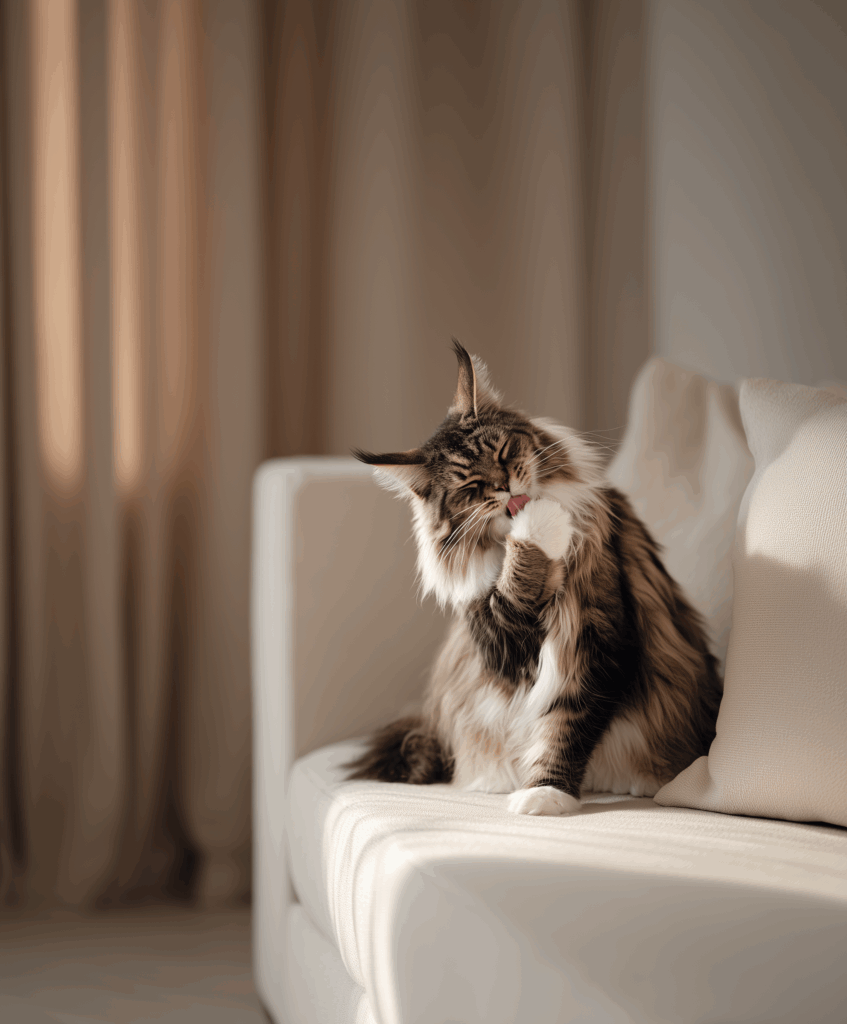
Feeding a Maine Coon requires a different approach than feeding an average-size cat. Their slow growth, high muscle mass, large frame, and long kittenhood mean they need more protein, more moisture, and more controlled portioning at every stage of life. This nutrition guide explains exactly how to feed Maine Coon kittens, adolescents, adults, and seniors; how much they should eat; what diet mistakes to avoid; how to manage digestion, joint health, hydration, and supplements; and how to adjust portion sizes by age, weight, and activity level. If you want a feeding plan built specifically for a giant-breed cat, this resource gives you the structure you need to support healthy growth, strong joints, and ideal weight throughout life.
Maine Coon Diet Summary Table
Life Stage Feeding
| Life Stage | Key Needs |
|---|---|
| Kittens (0–12 months) | High-protein kitten food; 3–5 meals/day; access to wet food; DHA and growth nutrients; prevent underfeeding during rapid-bone growth. |
| Adolescents (12–48 months) | Slow transition off kitten food; muscle-building proteins; hydration support; portion control to avoid early obesity. |
| Adults (4–8 years) | Balanced maintenance diet; wet + dry or wet-only feeding; adjust calories for seasonal changes and activity. |
| Seniors (8+ years) | More moisture, joint support (Omega-3s, glucosamine), lower calories if activity drops; smaller meals more often. |
Daily Diet Structure
| Component | Notes |
|---|---|
| Protein | 35–50% of calories; animal-based proteins preferred. |
| Fat | Moderate fat for energy; avoid high-fat formulas for indoor cats. |
| Carbohydrates | Keep low; unnecessary fillers can trigger weight gain. |
| Hydration | Wet food, broths, fountains; essential for kidney longevity. |
Portion Guidelines
| Weight/Stage | Daily Calories |
|---|---|
| Kittens | 90–130 kcal per pound (varies by growth rate). |
| Adults | 35–45 kcal per pound depending on activity. |
| Seniors | Adjust downward unless underweight or losing muscle. |
Common Diet Problems
| Issue | Cause |
|---|---|
| Soft stool | Fast diet changes, low-quality proteins, sensitivity. |
| Weight gain | Too much dry food, free-feeding past kitten stage. |
| Poor coat | Low protein or lack of Omega-3s. |
Maine Coon Feeding Foundations: What Makes This Breed Different
Large-Breed Growth Pattern
Maine Coons do not grow like standard cats. Their growth phase lasts 3–4 years, with steady weight gain, slow skeletal development, and extended muscular maturation. Because of this prolonged growth window, they require:
• sustained high-quality protein
• controlled calcium-to-phosphorus ratios
• joint-supportive nutrients
• steady caloric intake without overfeeding
Feeding a Maine Coon the same way you would feed a typical domestic cat often results in early obesity, uneven growth, or gastrointestinal sensitivity. Their calorie needs are higher, but their growth must remain slow and supported, not rushed.
Muscle-Dominant Body Structure
Unlike lightweight breeds, Maine Coons develop dense bone, heavy muscle mass, and broad torsos. Their diet must support:
• lean mass development
• gradual bone density increases
• stable metabolism
• healthy connective tissue
A protein-forward diet is not optional—it is foundational for maintaining their size, mobility, and long-term orthopedic health.
Activity-Driven Caloric Needs
Although many Maine Coons appear relaxed, they have:
• strong hunting instincts
• bursts of athletic play
• high vertical movement needs
This means they burn more calories daily than many indoor breeds of similar weight. Diet must fuel both resting metabolism and high-output play sessions.
Understanding Maine Coon Nutritional Requirements
Protein: The Central Building Block
Maine Coons require a diet where animal-based protein is the highest quantity ingredient. Protein builds muscle, supports bone density, strengthens joints, and helps maintain slow, even growth.
Ideal protein sources include:
• turkey
• chicken
• rabbit
• quail
• beef
• salmon or trout (limited due to mercury + GI sensitivity in some cats)
Plant protein is biologically incomplete and should never be a primary source.
Fat: Controlled but Essential
Fat provides:
• sustained energy
• coat support
• joint lubrication
• calorie density for long-term growth
Maine Coons do not benefit from extremely low-fat diets; instead, they thrive on moderate fat, paired with high-quality omegas.
Carbohydrates: Minimal but Functional
Carbs should be limited, but not entirely absent. High-carb diets lead to:
• weight gain
• blood sugar instability
• reduced muscle mass
• increased inflammation
Small amounts of digestible carbs (pumpkin, limited grains, potato, or lentils) may help stabilize stool, but should not compete with proteins or fats.
Best Food Types for Maine Coons: Wet, Dry, Freeze-Dried, Raw
High-Quality Wet Food
Wet food is the strongest baseline diet for Maine Coons because it provides:
• moisture (critical for kidney and urinary health)
• high protein levels
• fewer fillers
• easy digestion
Wet food should form at least 50–70% of the diet.
Premium Dry Kibble
Dry kibble can be used strategically for:
• dental friction
• free-feeding in kittens
• calorie supplementation
However, dry food should not replace wet food. Maine Coons thrive on moisture-rich diets. Choose formulas with:
• meat-based first ingredients
• low carbohydrate percentages
• controlled mineral levels
Freeze-Dried Raw
Excellent for:
• high protein intake
• stool improvement
• coat quality
• muscle development
Must be reconstituted with water to avoid dehydration.
Commercial Raw or Homemade Raw
Raw diets benefit many Maine Coons if:
• balanced correctly
• calcium levels are precise
• taurine requirements are met
• sourcing is safe
Unbalanced homemade raw is dangerous; if offered, it must follow a veterinary nutritionist-approved recipe.
Protein Requirements for Maine Coons
Maine Coons rely on protein as the foundation of their diet, but their needs differ slightly from smaller or lower-activity breeds. Their slower growth curve, larger body mass, and muscular structure all influence how much protein they require and what types work best.
Why High-Quality Protein Matters for Maine Coons
Protein supports muscle development, bone growth, immune strength, and metabolic stability. Because Maine Coons remain in a growth phase for up to three to four years, the quality and digestibility of their protein sources directly affect long-term development. Poor-quality proteins or fillers can lead to loose stool, unpredictable weight gain, weak muscle tone, or coat dullness.
Ideal Protein Sources
Maine Coons digest animal-based proteins most efficiently. Their diet should prioritize:
- Poultry (chicken, turkey, quail)
- Rabbit
- Duck
- Lamb in moderate rotation
- Salmon or whitefish (used sparingly due to fat content)
Plant proteins such as peas, lentils, or soy are less digestible and should not make up a significant percentage of their diet.
Protein Percentage Targets
For Maine Coons (kittens and adults), ideal ranges fall between:
- Wet Food: 10–15% (as fed)
- Dry Food: 35–50% (because kibble percentages appear higher)
- Raw/Fresh Diets: 90–99% animal protein depending on formulation
Kittens require the highest amount, especially during rapid growth windows.
Recognizing Poor Protein Quality
Even expensive foods can hide lower-grade protein. Red flags include:
- Generic terms like “meat meal” with no species listed
- Overuse of pea protein to inflate numbers
- Frequent stool odor or loose stool
- Excessive shedding or coat dryness
Maine Coons show dietary responses clearly — coat changes, stool quality, muscle tone, and overall energy indicate whether a protein source is working for them.
Fat & Omega Needs for Maine Coons
Maine Coons benefit greatly from well-balanced dietary fats. Their coat, skin, brain development, and joint health all relate back to the fat quality in their diet.
Why Fat Is Important
Unlike many shorthaired breeds, Maine Coons have:
- A long, uneven semi-shag coat
- Dense undercoat in winter
- High caloric demands during growth
Fat supports energy, coat health, and metabolic stability without the digestive issues that high carbohydrate diets can trigger.
Ideal Fat Sources
Healthy fats for Maine Coons include:
- Chicken fat
- Salmon oil
- Sardine oil
- Anchovy oil
- Duck fat
- Egg yolk
These provide both energy and essential fatty acids.
Omega-3 vs Omega-6 Balance
Maine Coons do best with diets that balance these omegas:
Omega-3 Supports:
- Skin hydration
- Reduced shedding
- Joint health (important for a large breed)
- Cognitive development
Omega-6 Supports:
- Skin integrity
- Coat thickness
- Overall growth
Excess Omega-6 from low-quality kibble can cause inflammation. Many Maine Coon breeders add a small amount of salmon or sardine oil to balance commercial diets.
Fat Percentage Targets
- Kittens: 20–25% fat (dry matter)
- Adults: 15–22% fat
- Seniors: 12–18% fat depending on weight and activity
Maintaining healthy fat levels helps prevent joint strain from extra weight, a common issue in overfed Maine Coons due to their slow metabolism.
Carbohydrates & Fiber for Maine Coons
Carbohydrates are not essential for cats, but they appear in almost all commercial diets. For Maine Coons, the source and percentage of carbohydrates are critical.
Understanding Carbohydrates in Feline Diets
Cats lack the enzymes to process large amounts of carbs, meaning:
- They use carbs for quick energy
- They cannot utilize carbs as efficiently as protein or fat
- Excess carbs lead to digestive issues, weight gain, or unstable stool
Large breeds like Maine Coons are especially prone to weight gain if their diet includes too many starches.
Carbohydrates to Avoid
Maine Coons do poorly on diets high in:
- Pea fiber
- Lentils
- Beans
- Chickpeas
- Corn
- Wheat
- Large amounts of potato or tapioca
These ingredients can cause bloating, stool problems, or excessive hunger.
Healthy Fiber Sources
Fiber helps regulate digestion and prevent hairballs, which is especially important for longhaired breeds. The best fiber sources for Maine Coons include:
- Pumpkin
- Psyllium husk (small amounts)
- Beet pulp (moderate amounts)
- Oat fiber (low amounts)
Avoid synthetic fibers or fillers that pass through the system without benefit.
Carbohydrate Limits
Aim for:
- Wet Food: Under 10% carbs
- Dry Food: Under 25% carbs
- Raw/Fresh Diet: Under 5% carbs
Maine Coons thrive on diets lower in starch, especially during adolescence when digestive sensitivity is highest.
Signs of Carbohydrate Intolerance
- Gassy or bloated abdomen
- Soft stool or diarrhea
- Excessive shedding
- Persistent hunger despite adequate calories
- Sudden weight gain
Switching to a lower-carb diet often stabilizes digestion rapidly.
Hydration Needs for Maine Coons
Why Hydration Matters for the Breed
Maine Coons are large, slow-maturing cats with dense muscle mass, long coats, and high play drive. Proper hydration supports:
- urinary tract health
- kidney function
- digestion
- temperature regulation
- coat quality
- joint lubrication
Because many cats rely heavily on moisture content in food rather than drinking behavior, Maine Coons—especially males—benefit from intentional hydration strategies to prevent urinary crystals or concentrated urine.
Water Intake Expectations
A typical adult Maine Coon should consume 3.5–4.5 ounces of water per 5 pounds of body weight daily, including moisture from food. Wet food contributes significantly to this requirement, while kibble-fed cats must drink more from external sources.
Maine Coons tend to drink more than smaller breeds due to their size, but they also lose more moisture through grooming and activity, so consistent access to fresh water is essential.
Hydration Challenges in Maine Coons
Maine Coons may experience:
- mild dehydration from heavy coat grooming
- disinterest in stagnant bowl water
- insufficient water intake on dry-food-only diets
- urinary concentration during warm months
- stress-related dehydration after travel or household disruption
Monitoring hydration—especially in intact males, large toms, and long-haired individuals—is crucial.
Hydration Strategies That Work
To consistently support hydration, Maine Coon families should use:
Water Fountains
Flowing water encourages drinking and keeps the water oxygenated. Maine Coons often prefer fountains because they enjoy interaction with moving elements.
Wet Food as a Foundation
Wet meals provide 70–80% moisture. Adding a tablespoon of warm water to each portion boosts hydration further without impacting nutrition.
Multiple Water Stations
Place bowls on different levels of the home. Maine Coons use vertical spaces; water availability should reflect that.
Wide, Shallow Bowls
Prevent whisker stress and encourage drinking.
Hydration Add-Ins (If Needed)
Bone broth made for cats (no salt, onion, or garlic), water from canned tuna, or hydration toppers can be used occasionally.
Signs a Maine Coon Needs More Water
- thick saliva
- strong urine odor
- sandy litter clumping
- dry nose and gums
- reduced energy
- increased shedding or dull coat
Hydration is one of the most overlooked parts of Maine Coon diet management. Proper moisture intake helps maintain health throughout their long lifespan.
Feeding Schedule & Portion Control for Maine Coons
Why Maine Coons Need Structured Meal Timing
Maine Coons are slow to mature and can take 3–5 years to reach full size. Their metabolism remains active longer than smaller breeds. Free-feeding kibble often leads to overeating, obesity, and digestive inconsistency.
A structured feeding plan:
- stabilizes digestion
- supports steady muscle development
- prevents overeating
- reduces begging and food anxiety
- helps owners monitor changes in health
Portion Guidelines by Age and Life Stage
Kittens (8 weeks – 6 months)
- 3–4 meals per day
- High-protein wet food as the base
- Unlimited caloric intake within reasonable boundaries
- Transition to a mix of wet + dry only if digestion is stable
Maine Coon kittens burn calories rapidly and require nutrient-dense diets.
Adolescents (6 months – 18 months)
- 2–3 meals per day
- Larger portions due to growth spurts
- Incorporate higher-fat proteins to support muscle growth
- Monitor stool quality as the digestive system matures
This stage is when Maine Coons appear lanky and grow in sudden bursts.
Adults (18 months – 5 years)
- 2 structured meals per day
- Optional third small meal for high-energy cats
- Balanced macros with emphasis on animal protein
Adult Maine Coons must maintain strong muscle mass without accumulating excess fat.
Seniors (7+ years)
- 2 meals per day
- Lower phosphorus options if kidney function changes
- Hydration becomes more important
- Consider joint-supportive proteins such as sardines or omega-rich fish
How Much Should a Maine Coon Eat Per Day?
General guideline:
- Wet food: 6–12 ounces daily depending on size
- Dry food (optional): ¼–½ cup daily
- Mixed feeding: adjust portions to avoid overconsumption
Large intact males may require more. Spayed/neutered adults may require slightly less.
Signs Your Maine Coon Is Eating the Right Amount
- steady weight
- visible waist but strong muscle mass
- consistent stool quality
- stable energy without excessive hunger
- healthy coat
Portion Control Mistakes to Avoid
- relying on free-fed kibble
- feeding high-carb diets that encourage overeating
- irregular meal times
- switching foods abruptly
- not adjusting portions during growth spurts
A predictable schedule supports long-term stability in Maine Coon health and behavior.
Protein, Fat, and Carbohydrate Requirements for Maine Coons
Why Macronutrient Balance Matters
Maine Coons develop large frames, dense musculature, and high activity levels when properly nourished. Macronutrient balance determines:
- muscle density
- coat condition
- digestive function
- energy regulation
- risk of obesity or metabolic stress
Protein Requirements for Maine Coons
Maine Coons thrive on high-animal-protein diets, ideally:
- 40–60% protein (dry matter basis) for wet or raw food
- 32–40% protein for high-quality kibble
Animal-based proteins provide essential amino acids such as taurine, lysine, and methionine—critical for muscle development and heart health.
Best protein sources include:
- chicken
- turkey
- rabbit
- beef (if digestively tolerated)
- sardines and salmon (rotation, not daily)
Avoid heavy reliance on pea or soy proteins, which are less digestible.
Fat Requirements
Fat fuels the Maine Coon’s large body and supports:
- joint health
- skin and coat condition
- brain function
- sustained energy
Ideal fat range:
- 20–35% fat (dry matter basis) in wet or raw diets
- 14–20% fat in kibble
Omega-3 fatty acids (EPA and DHA) are helpful for large breeds prone to joint issues.
Carbohydrates
Cats are obligate carnivores, and Maine Coons are no exception.
Carbohydrates should be:
- minimal
- easily digestible
- from low-glycemic sources
Excessive carbs lead to:
- weight gain
- bloating
- stool irregularities
- insulin stress
Good formulas have <15% carbs. Most kibble exceeds 30–40%, so portion control becomes especially important if dry food is part of the diet.
Macronutrient Ratio Summary for Maine Coons
An ideal Maine Coon diet:
- High protein
- Moderate fat
- Low carbohydrate
- High moisture
This combination supports their size, energy, and long-term joint and organ health.
Feeding Maine Coon Kittens (0–12 Months)
Unique Growth Needs of Giant-Breed Kittens
Maine Coon kittens grow longer and more steadily than most breeds. While an average domestic kitten reaches adult size around 12 months, Maine Coons continue developing bone, muscle, and coat quality well past age four. During the first year, their calorie needs fluctuate rapidly, and their protein requirements are higher than smaller breeds.
Strong early nutrition supports:
• slow-and-steady skeletal development
• dense muscle formation
• a healthy adult frame
• stable energy without spikes or crashes
Because they are a giant breed, their joints, ligaments, and soft tissues rely on consistent nutritional intake—not restricted feeding—to develop correctly.
Why Maine Coons Need Longer Access to Kitten Food
Most kittens transition to adult food at 10–12 months. Maine Coons should remain on kitten formulas until 18 months minimum, and many benefit from kitten diets until 24 months.
Kitten diets supply:
• higher protein
• higher fat for sustained growth
• DHA for brain development
• additional minerals for bone formation
These nutrients match the extended growth curve of the breed and help reduce the risk of underdevelopment during their rapid adolescent phases.
Feeding Frequency Chart by Age
Maine Coons eat smaller, more frequent meals best during their early months because of fast metabolism and sustained growth.
Recommended schedule:
• 0–3 months: 4–5 meals/day
• 3–6 months: 3–4 meals/day
• 6–12 months: 3 meals/day, with optional free-choice dry
• 12–18 months: 2–3 meals/day
Young Maine Coons burn calories quickly. Skipping meals or feeding too infrequently can cause energy dips, stomach upset, or overeating later in the day.
Portion Guide Based on Weight
Portions should be based on growth curves and individual metabolism, not bag instructions alone.
General guideline:
• 2–3 lbs: 180–220 calories/day
• 4–6 lbs: 220–300 calories/day
• 7–10 lbs: 300–400 calories/day
Because Maine Coons vary widely in growth speed, regular body-condition scoring ensures you are feeding enough without overfeeding.
Wet vs. Dry for Kittens
Wet food supports hydration and provides highly digestible protein. Dry food supports dental wear and stable grazing behavior.
For Maine Coon kittens, both have value:
Wet food benefits:
• supports hydration
• easier digestion
• stabilizes appetite
Dry food benefits:
• available for free feeding
• supports slow nibbling behaviors
• helps maintain weight between meals
Most breeders recommend a combination of both throughout the first year.
Common Growth Problems from Underfeeding
Underfeeding a Maine Coon kitten can lead to:
• poor muscle mass
• slower skeletal development
• dull coat
• lethargy
• overeating later in life
• increased stress behaviors
Giant-breed kittens should never appear thin or ribby. Controlled, consistent calories are essential.
Why “Free Feeding” Can Be Helpful in Early Months
While free feeding does not work for all breeds, it is often beneficial for Maine Coon kittens because:
• their metabolism is extremely fast
• they grow in cycles and need constant energy availability
• they are not typically overeaters as youngsters
• it prevents hunger-related stomach upset
Free feeding dry paired with scheduled wet food meals offers the best balance for most homes.
DHA & Brain Development Nutrients
DHA, taurine, and omega-3 fatty acids during the first year support:
• brain development
• eye development
• early neural connections
• long-term learning and trainability
Kitten diets rich in marine-sourced omega-3s offer measurable developmental advantages.
Feeding Adolescent Maine Coons (12–48 Months)
The “Teenage Stage” Appetite Surge
Between 12–24 months, Maine Coons enter their largest growth jump. Appetite often increases, not decreases.
During this time, many need more calories than they did at 8 months, especially males who are building mass.
Transitioning Away from Kitten Food
Most Maine Coons should gradually shift to an adult or all-life-stages diet between 18–24 months. Transition too early, and you risk stalling muscle development. Transition too late, and excessive calories may lead to early fat gain.
A 2–4 week transition is ideal:
• week 1: 75% kitten / 25% adult
• week 2: 50/50
• week 3: 25/75
• week 4: 100% adult
Building Lean Muscle
Protein is the foundation of adult Maine Coon structure. Adolescent cats benefit from:
• 35–45% protein (dry matter)
• quality meat-based ingredients
• stable calorie intake
Weight training toys (wand play, climbing, resistance toys) help convert calories into muscle rather than fat.
Avoiding Early Obesity
Adolescent Maine Coons often gain weight rapidly. This is normal, but excess fat deposits can develop if calories remain too high after the major growth phase.
Monitoring:
• waist from above
• abdominal tuck
• rib coverage with light pressure
Adjust intake if the rib layer becomes thick or the waist disappears.
Hydration During High-Activity Stages
Adolescent Maine Coons are highly active. Hydration supports:
• kidney health
• muscle function
• joint lubrication
• digestion
Wet food remains beneficial during this time. Consider hydration boosters such as broth, fountains, or adding water to meals.
Behavioral Feeding Needs (Puzzles, Slow Feeders)
As intelligent working-type cats, adolescent Maine Coons benefit from feeding enrichment:
• puzzle feeders
• slow bowls
• scattering kibble for hunting behavior
• lick mats
These reduce boredom and prevent inhaling food too quickly.
Feeding Adult Maine Coons (4–8 Years)
Establishing a Maintenance Diet
Adult Maine Coons need steady calories that match their muscle mass and moderate daily activity. A maintenance diet should contain:
• high-quality animal protein
• moderate fat
• controlled carbohydrates
• joint-support nutrients (glucosamine, MSM, omega-3s)
Consistency is the key to stable weight and healthy digestion.
Ideal Meal Frequency
Most adults do well on:
• two scheduled meals daily
• optional dry food available in small amounts for grazers
Maine Coons regulate intake well compared to smaller breeds, but structured meals still help with weight management.
Seasonal Appetite Variations
Many Maine Coons eat more in winter and slightly less in summer.
Monitor portions seasonally, adjusting by 5–10% rather than making large changes.
Adjusting Protein Based on Activity
High-energy households, multi-pet play environments, and outdoor enclosures require:
• slightly higher protein
• increased hydration
• periodic calorie boosts
Lower-activity indoor homes may require fewer calories but should maintain strong protein levels for muscle preservation.
Monitoring Body Condition Score
BCS (Body Condition Score) should be evaluated monthly:
Ideal:
• ribs felt but not seen
• visible waist
• slight abdominal tuck
Any deviation toward obesity or thinness should prompt a diet review.
Why Many Adults Benefit from Mixed Diets
Combining wet and dry supports:
• hydration
• dental wear
• consistent appetite
• long-term kidney and digestive health
Many Maine Coons thrive on 50/50 formats, adjusting based on calorie needs.
Feeding Senior Maine Coons (8+ Years)
Muscle Preservation
Senior Maine Coons naturally begin losing lean muscle mass as they age, especially because they are a giant breed with a long growth curve and a long plateau phase. After age eight, muscle preservation becomes one of the most important nutritional priorities.
Seniors benefit from high-quality animal protein, not reduced protein. The goal is to offer proteins that are easy to digest and do not strain the kidneys—poultry, rabbit, salmon, and other clean, digestible meats. Maintaining muscle supports mobility, prevents frailty, stabilizes metabolism, and reduces joint stress. Older Maine Coons should have their muscle condition scored regularly so their diet can be adjusted before weakness develops.
Joint Support Nutrients (Glucosamine, MSM, Omega-3s)
Maine Coons are structurally large and carry significant bone mass, so joint supplementation becomes valuable earlier than in smaller breeds. By age eight, most benefit from foods or toppers containing glucosamine, chondroitin, MSM, and omega-3 fatty acids (EPA/DHA).
These nutrients help maintain cartilage, reduce inflammation, and support long-term mobility, especially in cats with early stiffness or reduced willingness to jump. Omega-3s also help cognitive function, skin health, and appetite stability—three areas that often change in seniors.
Kidney-Support Nutrition (Moisture-Heavy Diets)
Senior cats, including Maine Coons, are more prone to kidney sensitivity over time. Moisture is the most important nutritional tool to support kidney function.
This means seniors should receive:
• wet food as at least 50–75% of their diet
• added hydration from broth or water mixing
• low-sodium meals
• controlled phosphorus levels when recommended by a veterinarian
Moisture helps maintain kidney filtration efficiency and improves overall comfort. Many seniors also drink less naturally, making wet food essential rather than optional.
Lower-Calorie Diets (When Appropriate)
Some senior Maine Coons slow down and burn fewer calories. Others remain active and require the same intake they always have. The decision to lower calories should be based on body condition, not age alone.
Maine Coons that gain mid-section fat or lose abdominal tuck may need reduced-calorie meals or adjusted portions. Cats that maintain lean shape and strong activity often do better on higher-protein, moderate-fat senior diets rather than calorie-restricted plans.
When Seniors Need Smaller, More Frequent Meals
Older Maine Coons often experience:
• smaller appetite windows
• slight nausea at long intervals
• reduced stomach capacity
• better digestion with frequent, smaller meals
Dividing food into 3–4 smaller meals per day stabilizes energy, supports digestion, and prevents vomiting from empty-stomach acid (common in older cats).
Appetite Changes to Monitor
Sudden or gradual appetite shifts should always be taken seriously in seniors. Watch for:
• interest in food but inability to eat
• preference for soft textures
• reduced chewing ability
• weight loss despite normal feeding
• increased thirst
• avoidance of previous favorite foods
Any persistent change should prompt a vet visit to rule out dental disease, kidney decline, hyperthyroidism, or gastrointestinal issues.
Portion Sizes: How Much Should a Maine Coon Eat?
Calorie Formula by Weight
A general guideline for Maine Coons uses this formula:
Daily Calories = 20–25 calories per pound of ideal body weight
Examples:
• 15-lb active male → 300–375 calories/day
• 12-lb female → 240–300 calories/day
• seniors → 18–22 cal/lb depending on activity and muscle mass
Giant cats with higher muscle percentage may sit at the upper end.
Portion Chart for Maine Coon Kittens
Maine Coon kittens grow longer and faster than standard breeds. They require more frequent meals and higher calorie density.
Suggested daily portions (all breeds vary; these ranges are typical):
8–12 weeks
• 4–6 small wet meals/day
• Free-choice dry food if tolerated
• 250–350 calories/day
3–6 months
• 3–4 meals/day
• 300–450 calories/day
6–12 months
• 3 meals/day
• 350–550 calories/day depending on growth rate
Kittens should never appear “too thin” at this stage—consistent calories support bone, muscle, and structural development.
Portion Chart for Adult Maine Coons
Adult feeding amounts depend on activity:
Indoor moderate-activity adults
• 250–350 calories/day
Large, high-energy males
• 350–500 calories/day
Outdoor leash-walked or highly playful cats
• 400–550 calories/day
Wet food increases satiety without excessive calories and should be included daily.
Activity-Based Adjustments
Increase portions if your Maine Coon:
• jumps frequently
• plays for long intervals
• has a naturally lean, muscular build
• loses weight despite eating normally
Decrease portions if your cat:
• gains abdominal fat
• slows down in activity
• free-feeds without self-regulation
Always adjust gradually to avoid stomach upset.
Preventing Overfeeding in Neutered Males
Neutered males have a naturally reduced metabolism and higher appetite signaling. Maine Coon males, being large and food-driven, are especially prone to creeping weight gain.
Prevent overfeeding by:
• using measured meals
• limiting calorie-dense treats
• incorporating puzzle feeders
• ensuring high moisture content
• maintaining daily play sessions
Obesity is one of the fastest ways a Maine Coon can develop joint stress and shortened lifespan.
Underfeeding Signs in Large-Breed Cats
Underfeeding is just as harmful as overfeeding, especially for a slow-growing giant breed.
Watch for:
• visible spine or hip bones
• slow growth in kittens
• lethargy
• excessive begging
• dull coat
• failure to build muscle tone
• increased irritability
Underfed Maine Coons often compensate with overactivity or food obsession. The goal is consistent, balanced intake—not restriction.
Treats, Snacks & Human Foods
Safe Treats for Maine Coons
Maine Coons tolerate high-protein, meat-based treats well because their digestive system is built around animal proteins. Safe options include cooked chicken, turkey, freeze-dried single-protein treats, cooked salmon (no bones), and low-sodium broth. These treats support lean muscle and satisfy natural hunting instincts without overwhelming the stomach. Always avoid treats with flavorings, fillers, or artificial colors, as they offer no nutritional value.
High-Protein Training Treats
Maine Coons are intelligent and motivated by small food rewards. High-protein training treats such as freeze-dried chicken hearts, liver pieces, or rabbit bites work well because they are nutrient-dense and can be broken into tiny pieces. Keeping treat size minimal helps prevent excessive calorie intake while maintaining engagement during training or enrichment sessions.
Unsafe Human Foods
Certain foods are toxic or hard for Maine Coons to digest. Never offer onions, garlic, chocolate, caffeine, alcohol, grapes, raisins, xylitol-containing foods, raw dough, or heavily seasoned meats. Avoid dairy — many Maine Coons are lactose-intolerant and may develop stomach upset. Processed foods like deli meats contain preservatives and high sodium levels that do not support long-term health.
Treat Portion Rules
Treats should make up no more than 5–10% of daily calories. Because Maine Coons are large and active, owners often overestimate appropriate treat sizes. Stick to small portions and calculate calories if using commercial treats. Treats are tools for bonding and training but should never replace balanced meals.
Freeze-Dried Meat Treats: Pros & Cons
Pros:
• Single-protein and minimally processed
• Great for picky eaters
• Easy to break into training-sized pieces
• Low carbohydrate content
Cons:
• High calorie density — easy to overfeed
• Some cats drink less water when given too many dried treats
• Strong flavors may encourage begging behaviors
Use freeze-dried treats strategically, especially with indoor Maine Coons who need calorie monitoring.
Avoiding High-Calorie Snacks
Large breeds like Maine Coons can gain weight subtly. Avoid cheese, bread, processed meats, tuna packed in oil, and commercial “junk food” treats high in carbs. These foods contribute to unnecessary weight gain and do not support muscle-building or joint health.
Digestive Issues in Maine Coons
Soft Stool Causes
Soft stool in Maine Coons is often linked to rapid food changes, diets too high in carbohydrates, or sensitivity to certain proteins. Overfeeding can also cause loose stool because the digestive system becomes overwhelmed. Kittens, with their fast metabolism, are especially prone to digestive fluctuations if portions are inconsistent.
Fast-Eating and Vomiting
Maine Coons eat enthusiastically, and fast eaters often swallow air, leading to regurgitation. Using slow-feeder bowls, puzzle feeders, or spreading food on a flat plate slows their pace. Elevated feeding stations also help some cats reduce gulping behaviors.
Food Allergies (Protein-Based, Not Grain-Based)
Most feline food allergies involve proteins — chicken, beef, or fish are the most common triggers. Maine Coons rarely have true grain allergies. Symptoms include itching, chronic ear debris, anal gland irritation, and soft stool. When allergies are suspected, rotating proteins or conducting a controlled elimination diet is more effective than switching between grain-free formulas.
Sensitivity to Rich Foods
Maine Coons often struggle with high-fat, overly rich diets or sudden access to fatty human foods. Rich foods may cause diarrhea, vomiting, or refusal to eat at the next meal. Maintaining consistent protein sources and avoiding abrupt dietary changes helps maintain stable digestion.
Sudden Diet Changes
Switching foods abruptly can cause gas, bloating, or diarrhea. Maine Coons do best with a 7–10 day transition, gradually increasing the percentage of new food. Kittens, especially, may react strongly to rapid changes due to their sensitive digestive systems.
When to Try a Limited-Ingredient Diet
A limited-ingredient diet is useful when:
• Stool consistently fluctuates
• The cat develops chronic itching
• There is suspected protein sensitivity
• The cat overgrooms without clear cause
These diets simplify protein and carbohydrate sources, making it easier to identify food triggers.
Probiotics & Digestive Enzymes
Daily probiotics help balance gut bacteria and stabilize stool. Digestive enzymes can assist Maine Coons who struggle to break down fats or proteins efficiently. These supplements are especially helpful for kittens transitioning foods or adults recovering from digestive upset.
Joint Health Support Through Diet
Why Large Breeds Benefit from Joint Supplements
Maine Coons have heavier bone structure and longer growth phases than average cats. Their joints experience more load-bearing impact, especially during the teenage years and early adulthood. A diet rich in joint-support nutrients helps reduce inflammation and maintain mobility as they mature.
Omega-3 Dosages for Joint Health
EPA and DHA from fish oil support cartilage health and reduce inflammation. A typical maintenance dosage is one pump or ~100–150 mg combined EPA/DHA per day, adjusted to the cat’s weight. Omega-3s also support coat quality, brain health, and immune function.
Glucosamine & Chondroitin in Diet
These nutrients help maintain joint lubrication and cartilage resilience. Many veterinary diets include glucosamine and chondroitin, but they can also be supplemented. Maine Coons who are highly active, overweight, or entering senior years especially benefit from these nutrients.
Weight Control to Protect Joints
Excess weight is one of the strongest predictors of arthritis in Maine Coons. Keeping the cat at a lean body condition score reduces strain on hips, elbows, and the lower spine. A diet with controlled calories and high-quality protein helps maintain strong muscle mass that supports joint structure.
Anti-Inflammatory Food Additions
Adding anti-inflammatory foods such as sardines packed in water, small quantities of green-lipped mussel powder, or broth-based supplements can support mobility. These additions work best alongside balanced diets and moderate exercise.
Hairball Prevention Nutrition
High-Fiber Formulas
Maine Coons have long, dense coats, which makes them more prone to hair ingestion during grooming. A diet with moderate, targeted fiber can help move swallowed hair through the digestive tract instead of allowing it to compact in the stomach.
Useful fiber sources include:
• beet pulp
• cellulose
• psyllium husk
• pumpkin (small measured amounts)
Fiber should support motility, not overload the diet. Too much fiber decreases total calories and may cause weight loss in a slow-metabolizing breed. Maine Coons benefit from balanced formulas that use controlled fiber rather than high-fiber “hairball diets” that rely on excess fillers.
Wet Food for Healthy Cat Gut Movement
Adequate moisture plays a bigger role in hairball control than many owners realize. Cats who consume mostly dry food have slower gastrointestinal movement and thicker stomach contents, which can trap hair.
Wet food helps by:
• hydrating the GI tract
• softening ingested fur
• supporting smoother transit through the intestines
A portion of wet food daily is one of the most reliable prevention methods for longhaired breeds.
Omega Oils for Coat Movement
Omega-3 oils (fish oil, salmon oil, anchovy oil) reduce shedding, support skin health, and improve coat texture. A healthier coat means less loose fur for the cat to ingest.
Omegas also:
• reduce inflammation in the gut
• improve stool quality
• support natural lubrication
For Maine Coons, consistent low-dose omega support is more effective than intermittent high doses.
Grooming Frequency Impact
Diet and grooming work together. Even the best nutritional plan cannot prevent hairballs if the coat is not brushed regularly.
During shedding season:
• brush 3–4× weekly
• use a metal comb for the undercoat
• check armpits, chest, and tail base
Reduced shedding = reduced hair ingestion = fewer hairballs.
Hairball Gels: When Necessary
Hairball gels can help lubricate the GI tract when hairballs recur despite diet improvements.
Best used for:
• seasonal coat blows
• seniors with slower GI motility
• cats recovering from digestive upset
They should not replace long-term nutritional hairball management. Use sparingly and only when needed.
Maine Coon Cat Dental Health and Diet
Crunchy Food Myths vs Reality
Dry food does not clean teeth. Most cats swallow kibble whole, and the pieces that do break rarely generate enough scraping to remove plaque.
Crunchy food may help reduce tartar slightly in some cats, but it cannot prevent:
• plaque accumulation
• gum inflammation
• tooth resorption (common in Maine Coons)
Owners should not rely on kibble as a dental plan.
What Actually Helps Teeth
Effective dental methods include:
• daily toothbrushing with feline-safe toothpaste
• dental gels or enzyme pastes
• approved dental diets with large, abrasive kibble specifically engineered to scrub
• scheduled professional cleanings
For Maine Coons, who are prone to tartar and gingivitis, a multi-step approach works best.
How Raw Meaty Bones Contribute to Dental Strength (Optional)
Some owners choose to incorporate raw meaty bones such as:
• chicken wings
• chicken necks
• duck necks
These may encourage chewing that helps remove plaque. This should ONLY be done:
• with fully raw (never cooked) bones
• under supervision
• with veterinary approval
Not all cats tolerate raw bones, so this remains optional—not required.
Supplements That Support Oral Health
Dental supplements can help when brushing is not consistently possible:
• plaque-reducing seaweed (Ascophyllum nodosum)
• oral probiotics
• water additives that target bacteria
They support dental care but do not replace mechanical cleaning.
When to Use Dental Treats
Dental treats should:
• be low-calorie
• be used sparingly
• not replace brushing
They can help reduce soft plaque but do little for established tartar.
How to Transition Cats to Daily Toothbrushing
The key is slow desensitization:
- Start with finger-only mouth touches.
- Introduce toothpaste as a treat.
- Add a finger brush.
- Transition to a small cat toothbrush.
- Aim for 10–20 seconds per side.
Daily brushing is the single most important long-term dental habit for Maine Coons.
Supplements for Maine Coons
Joint Supplements
Large breeds benefit from early joint support. Maine Coons in particular carry a heavy frame that may stress the hips and elbows over time.
Common supplements include:
• glucosamine
• chondroitin
• MSM
• green-lipped mussel
These protect cartilage integrity and may reduce future stiffness.
Omega-3 Oils
Omega-3 fatty acids support:
• joint flexibility
• heart health
• immune balance
• coat and skin condition
Because Maine Coons are prone to dry skin and joint wear as they age, omega oils are a practical, widely recommended supplement.
Probiotics
Probiotics help stabilize digestion, especially in:
• kittens transitioning food
• adults with soft stool tendencies
• cats recovering from antibiotics
A stable gut microbiome reduces vomiting, diarrhea, and hairball frequency.
Taurine Support
Most commercial diets contain sufficient taurine, but supplemental taurine can be helpful for:
• cats on homemade or raw diets
• high-stress cats
• high-activity cats
Taurine supports heart, vision, and neurological health.
Immune Boosters
Helpful during:
• stress
• seasonal illness
• environmental allergies
Examples include L-lysine, beta-glucans, and colostrum. These are optional and should match the cat’s actual needs.
When Supplements Are NOT Needed
Avoid unnecessary supplementation when:
• the cat is on a complete, balanced commercial diet
• there are no signs of joint, skin, or digestive issues
• supplements duplicate ingredients already in the food
Over-supplementation can unbalance the diet and stress organs. Maine Coons benefit most from moderate, not excessive, supplementation.
How to Transition a Maine Coon to a New Diet
Transition Schedule (7–14 Days)
Maine Coons have sensitive digestion compared to smaller breeds, and rapid diet changes often cause loose stool, vomiting, or refusal to eat. A slow, structured transition prevents those issues.
A typical 7–14 day schedule:
• Days 1–3: 75% old food + 25% new food
• Days 4–6: 50% old food + 50% new food
• Days 7–9: 25% old food + 75% new food
• Days 10–14: 100% new food
Giant-breed cats do best with the 14-day version if the protein source or food format (dry → wet, kibble → raw) is changing.
What Problems Show Up During Fast Transitions
A transition done too quickly may cause:
• soft stool or diarrhea
• vomiting immediately after meals
• refusal to eat the new food
• gas or bloating
• increased hunger because nutrients aren’t absorbed well
• behavioral changes like pacing or restlessness
These issues signal the digestive tract is overwhelmed.
When to Pause a Food Switch
Stop increasing the new food portion if you see:
• stool that becomes watery
• mild vomiting more than once
• refusal to eat anything mixed with the new food
• signs of abdominal discomfort
Hold at the current ratio for 48–72 hours before increasing again. Most Maine Coons adjust well when given time.
Using Mix-Ins to Encourage Acceptance
If your Maine Coon is picky, you can use:
• warm water or broth
• freeze-dried toppers (salmon, chicken, turkey)
• a small amount of FortiFlora or similar flavor enhancer
• mixing wet food with kibble slowly
Avoid tuna water, gravy packets, or high-salt flavor enhancers—they create picky eating patterns and can lead to sodium overload.
Feeding Multi-Cat Households
Preventing Resource Guarding
Maine Coons are generally mellow, but food competition can create stress. Use:
• separate feeding stations
• feeding in different rooms
• raised feeding shelves for confident cats
• visual barriers to reduce pressure between cats
If one cat rushes the others, supervised mealtimes may be necessary.
Feeding Large & Small Cats Together
Maine Coons eat more than the average domestic cat. Smaller cats may overeat if sharing. Solutions:
• feed Maine Coons at higher bowls or platforms
• schedule feeding times rather than free-feeding
• use microchip feeders so each cat receives its own portion
• keep kitten food separate from adult food to avoid overeating
Portion Control with Multiple Cats
Portion mistakes happen when everyone “shares.” Instead:
• measure meals individually
• limit free-feeding to kittens only
• monitor each cat’s body condition weekly
• note which cat finishes first or steals extras
A large-breed cat staying hungry after meals often indicates underfeeding rather than gluttony.
Using Microchip Feeders for Special Diets
Microchip bowls are extremely useful for:
• overweight cats on calorie-restricted diets
• seniors on kidney diets
• Maine Coons needing high-protein formulas
• cats on medication-mixed meals
These prevent food stealing and keep long-term diet plans consistent.
Common Maine Coon Feeding Mistakes to Avoid
Overfeeding Dry Food
Maine Coons love kibble, but relying on dry food alone causes:
• weight gain
• dehydration
• inadequate moisture intake
• increased shedding and constipation
Dry food can be part of the diet, not the entire diet.
Changing Diets Too Quickly
Fast food switches cause soft stool and digestive upset. Maine Coons adjust slower than most breeds due to their size and slower GI transit time.
Ignoring Hydration
Low water intake increases risks of:
• urinary inflammation
• constipation
• kidney strain in later years
Wet food solves 80% of hydration problems.
Feeding Life Stages Incorrectly
Common mistakes include:
• taking kittens off kitten food too early
• leaving seniors on high-calorie adult formulas
• giving overweight adults “free choice” kibble
Life stage feeding matters more for large breeds than small breeds.
Low-Protein Diet Risks
Protein below 32% (dry matter) may cause:
• muscle loss
• dull coat
• decreased energy
• overeating to compensate
Maine Coons maintain lean mass best on high-protein formulas.
Treat Overuse
Too many treats cause:
• stomach upset
• weight gain
• refusal of balanced meals
Treats should not exceed 10% of daily calories.
Poor-Quality Ingredients
Avoid foods with:
• unnamed meat meals
• heavy plant fillers
• artificial colors
• soy-based proteins
Quality formulations reduce long-term GI problems.
Sample Maine Coon Feeding Plans
Below are practical, real-world examples you can offer clients.
Kitten Sample Menu (0–12 Months)
• 3–4 wet meals per day
• high-protein kitten kibble available between meals
• 1–2 tsp toppers if needed for appetite
• water bowls in multiple locations
Adult Sample Menu (4–8 Years)
• 2 wet meals per day (3–5 oz each)
• optional ¼–½ cup high-protein dry food daily
• added omega-3 oils 2–3x per week
• puzzle feeders for mental stimulation
Senior Sample Menu (8+ Years)
• 2–3 smaller, moisture-heavy meals per day
• kidney-support wet food if recommended
• glucosamine + omega-3s for joint support
• regular weight checks every 4–6 weeks
Raw-Based Sample Menu
• balanced commercial raw diet (not homemade unless formulated professionally)
• freeze-dried raw rehydrated with warm water
• rotate proteins (chicken, turkey, rabbit, beef)
• add taurine if needed
Budget-Friendly Feeding Plan
• quality mid-tier wet food twice daily
• controlled kibble portions
• seasonal protein rotation to avoid allergies
• bulk purchasing to reduce cost
High-Performance Feeding Plan for Active Maine Coons
• higher calorie wet food
• supplemental protein toppers
• higher omega-3 intake
• multiple small meals for energy stability
• scheduled hydration support (broth, wet snacks)
Maine Coon Diet Summary & Key Takeaways
The Maine Coon Nutritional Priorities
Maine Coons need diets built around consistent, high-quality animal protein, controlled carbohydrates, and reliable moisture. Because they mature slowly and carry substantial muscle mass, their nutrition must support long growth periods, joint integrity, and long-term metabolic stability. A strong feeding plan gives attention to digestive tolerance, coat health, body condition, and overall energy performance.
Daily Diet Structure
A typical daily food structure for a Maine Coon includes a protein-forward base diet, hydration through wet food or raw elements, and minimal fillers. Most Maine Coons benefit from meals divided throughout the day: predictable breakfast and dinner feedings with optional midday hydration-based snacks for high-activity households. Wet food or raw inclusion helps maintain urinary health and supports their naturally large, muscular bodies.
Feeding Frequency Summary
Kittens require frequent meals because they burn calories quickly during rapid growth. Adolescents maintain a high appetite as muscle builds, while adults stabilize closer to two meals daily. Seniors often return to smaller, more frequent feedings because of slower digestion and changing energy needs. Throughout every stage, consistency supports predictable digestion, steadier appetite, and better stool quality.
Hydration Summary
Hydration plays an important role in keeping Maine Coons comfortable and healthy, especially because of their size and activity level. Hydration-heavy diets — wet food, raw meals, broth supplementation, or water-enriched kibble — support kidney health, digestion, joint comfort, and overall energy. Access to multiple clean water sources, flowing fountains, and routine wet meals helps prevent dehydration and keeps the urinary system functioning well.
Maine Coon Diet & Feeding FAQ
What should a Maine Coon eat daily?
A Maine Coon should eat a high-protein, meat-first diet with controlled carbohydrates and consistent moisture intake. Their meals should prioritize animal proteins such as chicken, turkey, rabbit, or salmon. Most adults thrive on a mixed-feeding plan: two wet meals per day for hydration plus a measured portion of high-quality dry food for grazing. Active males often require higher calorie intake than typical cats, while females may need slightly less. Portion should always be adjusted based on body condition, not the label alone.
How often should I feed my Maine Coon?
Kittens need 3–5 meals per day because they burn calories rapidly during growth. Adolescents (1–3 years) do best with two structured meals plus optional free-choice dry food. Adults (4–8 years) typically thrive on two meals daily. Seniors often benefit from three smaller meals because their digestion slows and they may absorb calories less efficiently.
Do Maine Coons need kitten food longer than other breeds?
Yes. Because Maine Coons grow for up to 3–4 years, they benefit from kitten food—or a high-calorie growth formula—through the first 12–15 months. Their bones, joints, and muscles develop slowly, and early removal of kitten nutrition can lead to underweight frames or delayed muscle development.
How many calories does a Maine Coon need per day?
Calorie needs vary widely. A typical adult requires 300–500 calories per day, but large intact males or highly active cats may need 550–700 calories. Seniors or less active cats may only need 250–350 calories. Body condition scoring—not age—is the most accurate way to adjust daily calorie intake.
What foods should Maine Coons avoid?
Maine Coons should avoid onions, garlic, chocolate, grapes/raisins, cooked bones, artificial sweeteners (especially xylitol), ultra-high carbohydrate dry foods, dog food, and high-fat table scraps. Additionally, cow’s milk often causes digestive upset due to lactose intolerance.
Is wet food or dry food better for Maine Coons?
Wet food provides superior hydration and supports kidney, urinary, and joint health—especially important for a large breed. Dry food offers convenience and calorie density but should not be the primary source of hydration or nutrition. Most owners use a balanced combination of both.
Do Maine Coons need raw food?
No. Raw feeding is optional, not required. Some owners incorporate raw diets to boost protein quality or dental health, but balanced commercial diets—wet or dry—are perfectly adequate. Raw diets must be complete, balanced, and handled safely to avoid bacterial risk.
What signs indicate my Maine Coon is not eating enough?
Underfeeding signs include visible ribs, spine, or hip bones; lack of muscle along the back legs; dull coat quality; slowed growth in kittens; excessive begging; lethargy; or sudden weight plateaus in adolescents. Maine Coons should look muscular, not thin.
How do I know if I’m overfeeding my Maine Coon?
Overfeeding appears as a round belly, difficulty grooming, decreased jumping ability, thick layers over ribs, or weight gain after neutering. Maine Coons hide weight gain under their long coats, so hands-on body checks are essential.
Do Maine Coons need supplements?
Most Maine Coons do not need supplements if fed a complete and balanced diet. Exceptions include:
• Omega-3s for coat and joint support
• Glucosamine/chondroitin for large, active adults
• Probiotics during diet changes or digestive stress
Supplements should never replace proper nutrition.
Are Maine Coons prone to sensitive stomachs?
Some are. Many experience soft stool or vomiting when diets are too rich, contain excessive fillers, or are changed too quickly. A slow transition (7–14 days), high-quality protein sources, and a predictable meal routine help stabilize digestion. Limited-ingredient diets can help if true food sensitivities exist.
Should I free-feed my Maine Coon?
Free-feeding can work for kittens and naturally slender adults but must be done carefully with neutered males, who gain weight quickly. Many owners use partial free-feeding: wet meals at set times, plus a controlled dry portion for grazing.
Can Maine Coons eat grain-free cat food?
Yes, but they don’t need to. Grain-free diets are not inherently better. Protein quality and moisture content matter far more. Some grain-free formulas are too high in calories or potatoes, which may contribute to weight gain.
Do senior Maine Coons need special food?
Many seniors benefit from diets higher in moisture, moderate in calories, easier to chew, and supportive of kidney function. Increased omega-3s, glucosamine, and small, frequent meals can also improve mobility and appetite. Always adjust based on lab work, not age alone.
Why is hydration so important for Maine Coons?
Large breeds have higher metabolic demand and may be more prone to dehydration from low-moisture diets. Hydration supports kidney function, digestion, joint lubrication, and hairball reduction. Wet food, water fountains, and broth toppers help increase intake.
Searching for a Maine Coon Kitten?
If you’re researching Maine Coon nutrition because you’re preparing for a kitten, you can view our available babies here. Our kittens are raised in-home, come from fully health-tested parents, and receive structured socialization that supports confident temperaments and smooth transitions into their new families.
➡️ View our Maine Coon kittens for sale
➡️ Apply for upcoming litters
A well-fed Maine Coon grows into a strong, healthy, affectionate adult — and your kitten’s nutrition plan starts the moment they come home.
More Maine Coon Articles from Almonte Cats
- Maine Coon Kitten Prices Explained
- Maine Coon Cat Care
- Maine Coon Tassel Ears
- Polydactyl Maine Coon Care
- Domestic Maine Coon Cat Info
- Maine Coon Kitten Growth Stages
- Maine Coon M on Forehead Genetics
- How to Prepare Your Home for a Maine Coon Kitten
Maine Coon Diet Article Sources
- 1. Cornell University College of Veterinary Medicine – Feline Nutrition & Hydration
https://www.vet.cornell.edu/ - 2. UC Davis Veterinary Genetics Laboratory – Feline Metabolism, Growth, Nutritional Needs
https://vgl.ucdavis.edu/ - 3. American College of Veterinary Nutrition (ACVN) – Clinical Nutrition Guidance
https://acvn.org/ - 4. World Small Animal Veterinary Association (WSAVA) – Global Nutrition Guidelines
https://wsava.org/global-guidelines/global-nutrition-guidelines/ - 5. EveryCat Health Foundation (formerly Winn Feline Foundation) – Research on heart, digestive, and metabolic health in large breeds
https://everycat.org/ - 6. AAFCO (Association of American Feed Control Officials) – Growth & Adult Maintenance Nutrient Requirements
https://www.aafco.org/ - 7. FEDIAF European Pet Food Guidelines – Life-stage nutrient minimums for kittens, adults & seniors
https://www.fediaf.org/ - 8. Journal of Feline Medicine & Surgery – Peer-Reviewed Studies on Feline Nutrition, Obesity, & Digestive Health
https://journals.sagepub.com/home/jfm - 9. Pet Nutrition Alliance (Veterinary-Verified Data)
https://petnutritionalliance.org/ - 10. AVMA (American Veterinary Medical Association) – Feline Care Guidelines
https://www.avma.org/resources-tools/pet-owners/petcare/cat-care







Read the Comments +