

Maine Coon Downsides No One Mentions Until You Own One

What are the Maine Coon downsides? Maine Coons are wonderful cats — but they are not effortless.
Their size, coat, and personality come with real trade-offs that don’t always show up in kitten photos or social media reels. Many of the challenges owners experience only become obvious once the cat is fully grown, settled into the home, and past the novelty stage.
Understanding these realities early helps prevent frustration, regret, and — most importantly — rehoming. This post covers the downsides experienced owners often say they wish someone had explained sooner, so you can decide with clear expectations instead of surprises.
Maine Coon Downsides — Quick Reality Check
| Topic | What New Owners Often Don’t Expect |
|---|---|
| Overall Maintenance | Maine Coons are not low-maintenance cats; they require time, space, and ongoing care. |
| Adult Size | Much larger than kitten photos suggest, requiring oversized litter boxes, cat trees, carriers, and beds. |
| Shedding | Year-round shedding with heavy seasonal coat blow, especially in spring. |
| Grooming | Brushing is needed multiple times per week to prevent mats; skipped grooming compounds quickly. |
| Interaction Needs | Highly social and people-oriented; not ideal for hands-off owners or long daily absences. |
| Intelligence | Very smart, which often leads to problem-solving mischief without proper enrichment. |
| Food Costs | Larger bodies eat more; monthly food costs are higher than average cats. |
| Health Planning | Higher risk for issues like HCM, joint problems, and dental disease; insurance is strongly recommended. |
| Allergies | Not hypoallergenic; large size increases allergen load in the home. |
| Maturity Timeline | Slow to mature emotionally; high energy can last 3–5 years. |
| Breeder Challenges | Popularity attracts scammers; responsible breeders often have waitlists and higher prices. |
Why People Rarely Talk About Maine Coon Downsides
Maine Coons are one of the most loved and heavily promoted cat breeds in the world. That popularity creates a gap between how the breed is marketed and what daily life can actually look like.
Breed hype vs lived experience
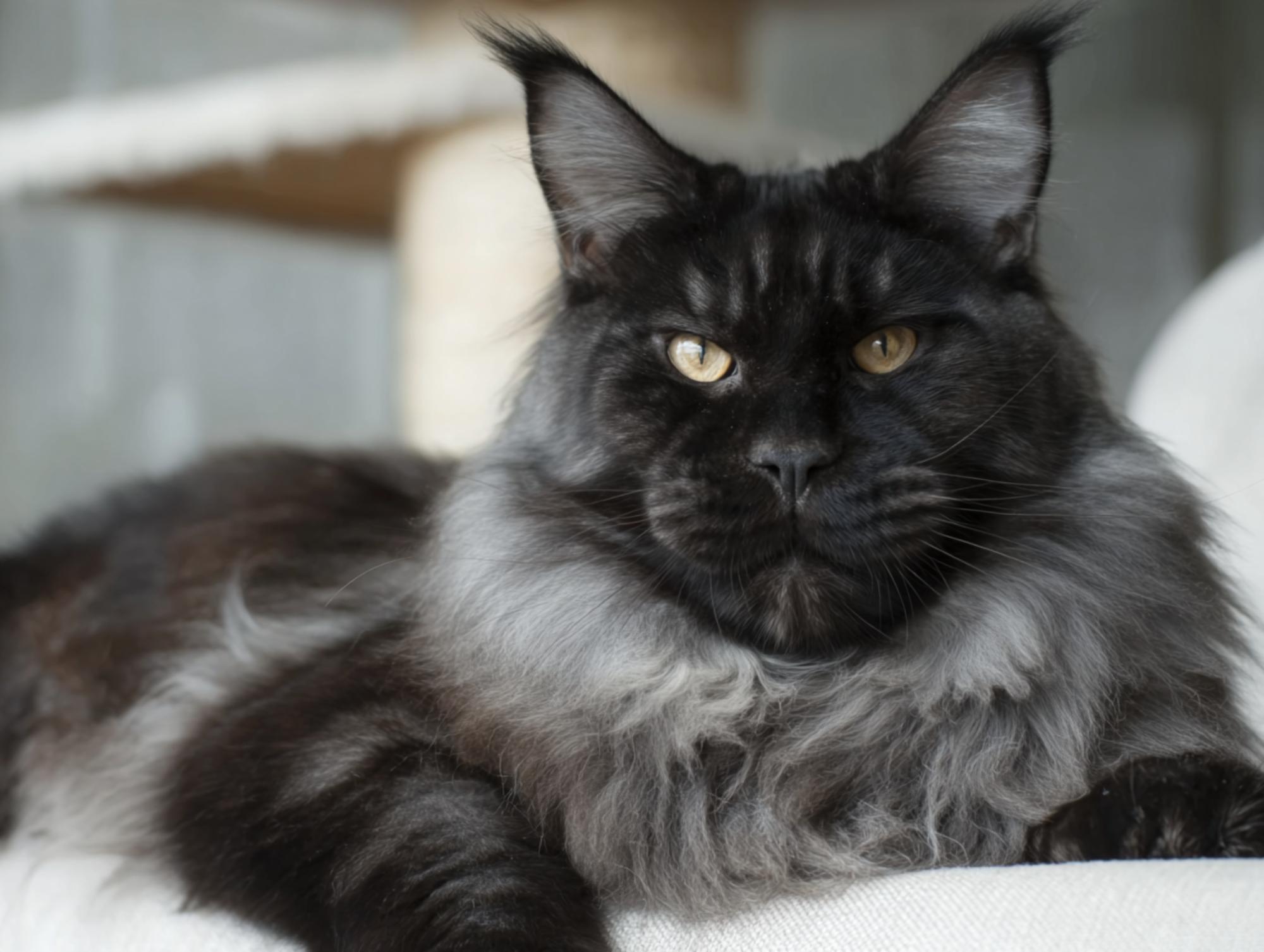
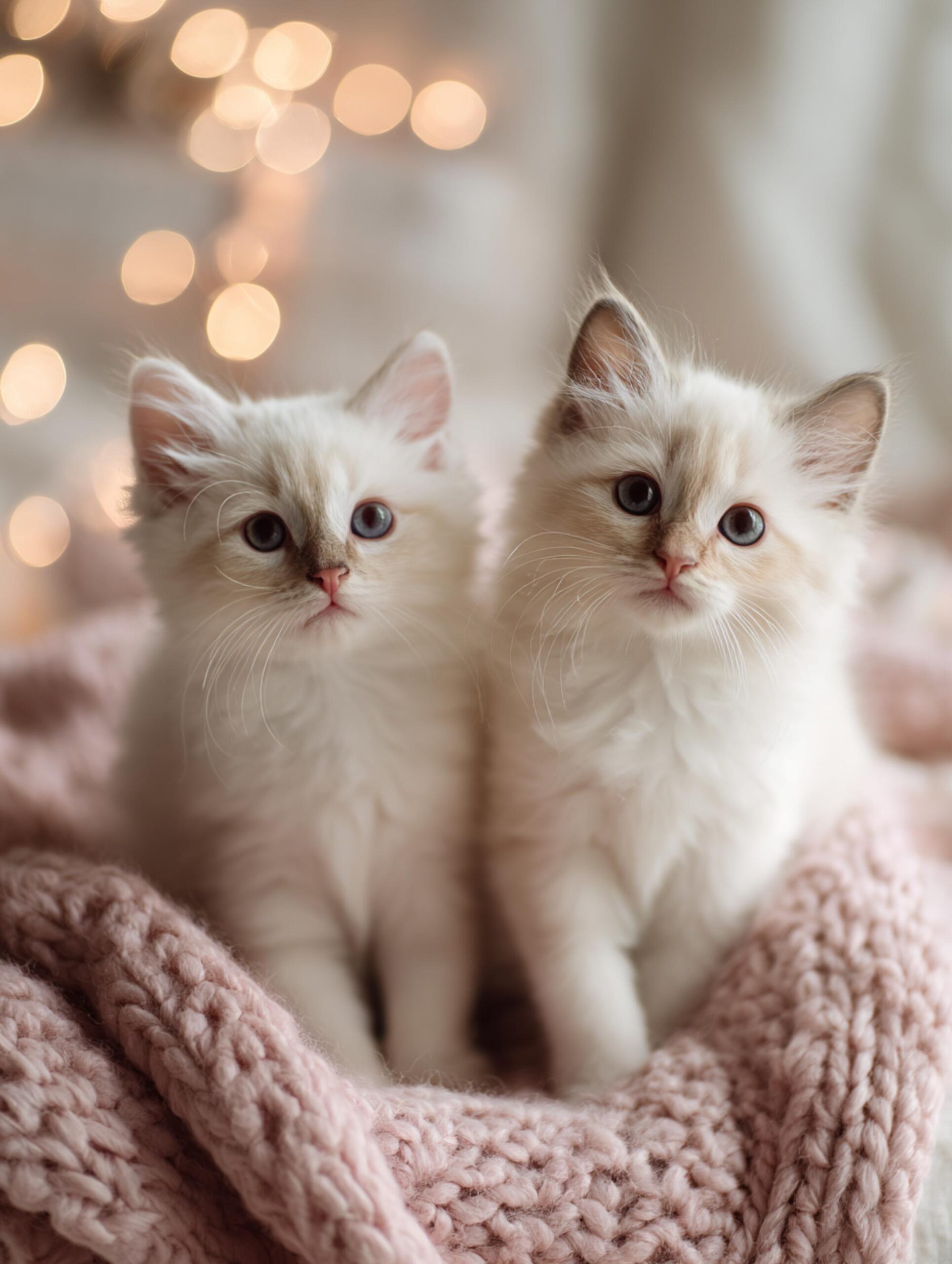
Most people encounter Maine Coons through curated images: oversized kittens, dramatic ear tufts, gentle giants lounging peacefully. What’s rarely shown is the ongoing reality — the grooming, the space requirements, the cost, and the behavioral needs that come with owning a very large, highly social cat.
When expectations are built on appearance alone, the adjustment period can be jarring.
Social media glamorization
Platforms reward aesthetics, not honesty. A Maine Coon stretched across a couch looks impressive; a Maine Coon shedding on every surface, vocalizing for attention, or knocking things over doesn’t make the highlight reel.
As a result, many new owners are emotionally prepared for the look of the breed but not the lifestyle.
Why breeders and blogs often gloss over challenges
Not all breeders or writers intentionally hide downsides, but there is pressure to:
- Keep content positive
- Avoid discouraging buyers
- Compete in a crowded market
This often leads to soft language like “low maintenance for a long-haired cat” or “easygoing personality,” without explaining what those terms actually mean day to day.
Why honest expectations lead to better homes
When owners understand the full picture, they:
- Prepare their space correctly
- Budget realistically
- Adjust routines early
- Feel less overwhelmed when challenges arise
Honest education doesn’t reduce love for the breed — it protects it. Maine Coons thrive best in homes that chose them with clarity, not just admiration.
They Are Much Bigger Than You Expect
Nearly every first-time Maine Coon owner says some version of the same thing: “I knew they were big — I just didn’t realize how big.”
Adult size vs kitten photos
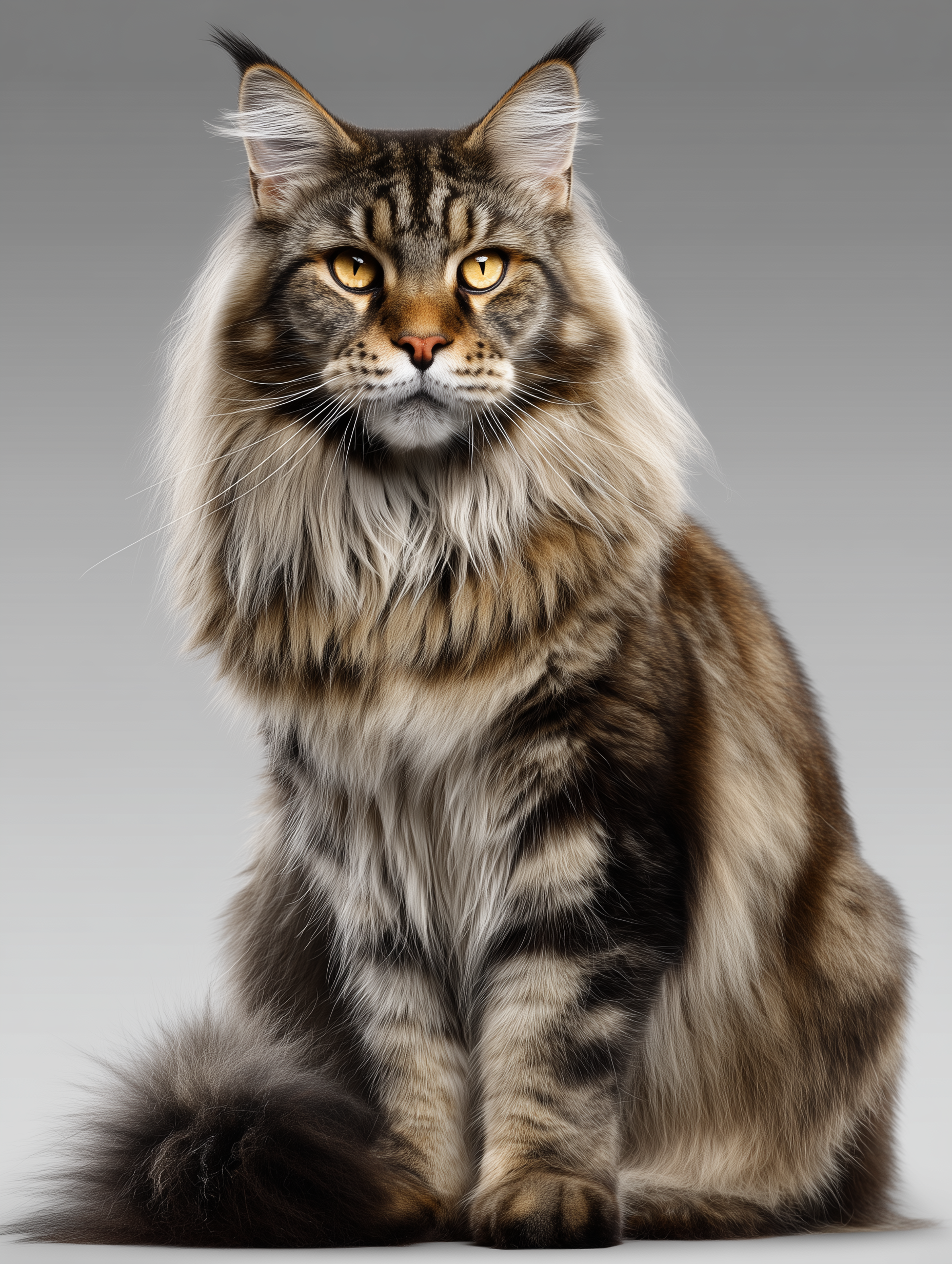
Maine Coon kittens look fluffy and oversized compared to average kittens, but their true scale doesn’t become obvious until adulthood. Fully grown Maine Coons are:
- Longer than most cats
- Heavier-boned
- Broader through the chest and shoulders
What looks “large but manageable” at six months can feel surprisingly substantial at three or four years.
Space requirements in apartments and homes
Maine Coons need room to move comfortably. Tight spaces can feel cramped once the cat reaches full size, especially if there are:
- Narrow walkways
- Small rooms
- Limited vertical space
In apartments, this often means being more intentional about layout, climbing areas, and clear pathways so the cat can move without constantly bumping into furniture.
Furniture, cat trees, and litter box sizing issues
Standard cat products are often too small for adult Maine Coons.
Owners are frequently caught off guard by the need to upgrade:
- Cat trees (must support more weight and larger platforms)
- Beds (many are simply too short or narrow)
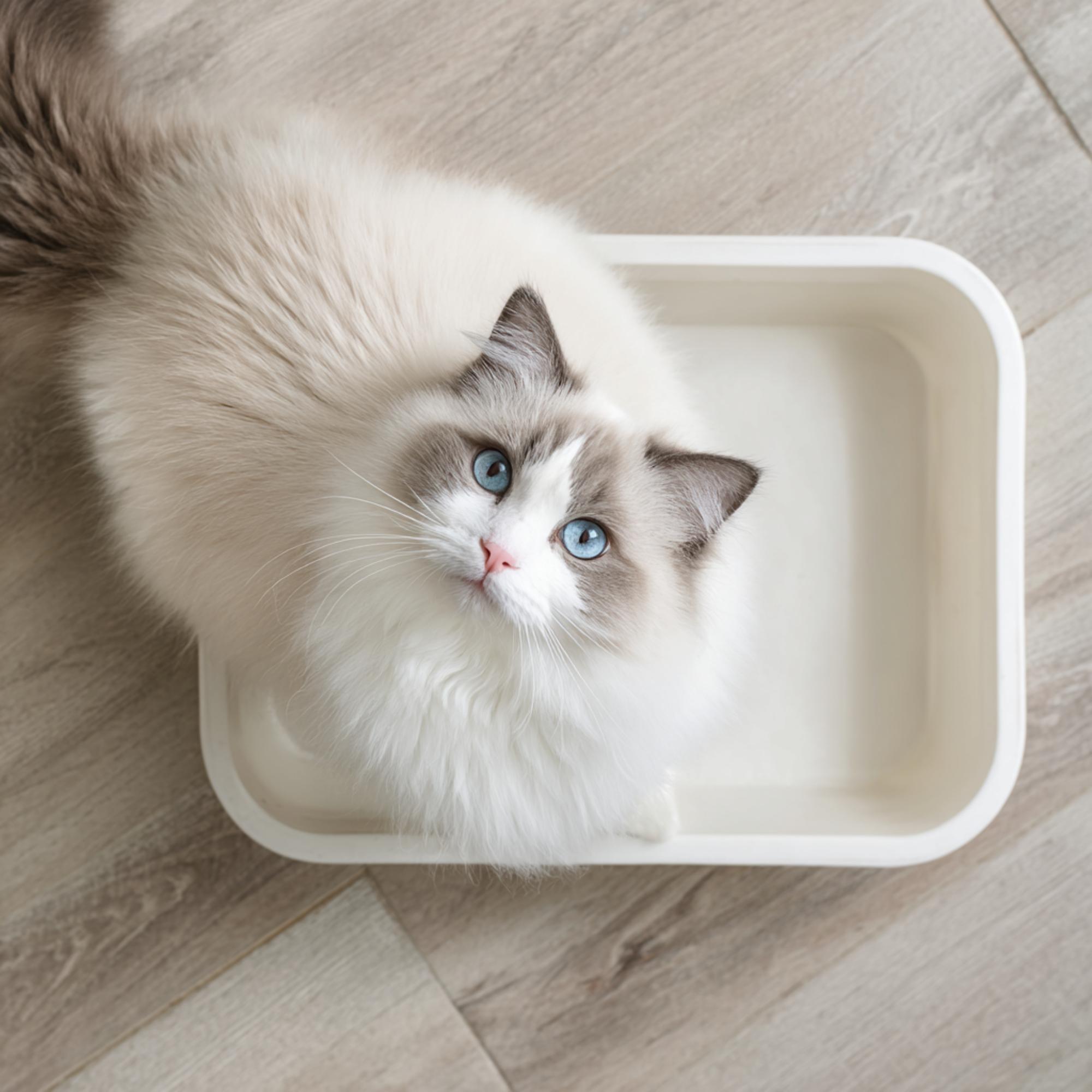
- Litter boxes (extra-large or custom options are often required)
Using undersized equipment can lead to discomfort, avoidance behaviors, or accidents — not because the cat is difficult, but because the setup doesn’t fit their body.
Travel carriers and vet visits become more difficult
A fully grown Maine Coon doesn’t fit comfortably in many “large” cat carriers. Transport requires:
- Extra-large or reinforced carriers
- More physical effort to lift and carry
- Vet clinics that are comfortable handling large cats
Routine tasks like nail trims, exams, or travel can take more planning and more physical effort than owners expect when they first bring home a kitten.
Recap:
Maine Coons don’t just grow bigger — they change how your space, routines, and equipment need to function. For owners who enjoy adapting their environment, this is manageable. For those expecting a standard cat experience, it can feel unexpectedly demanding.
Health Risks Many Maine Coon Owners Don’t Expect
Maine Coons are generally considered a healthy breed, but their size, growth rate, and genetics create a set of risks that many owners don’t fully understand until they’ve lived with the breed. These aren’t reasons to avoid Maine Coons—but they are reasons to plan carefully.
Increased Risk of Heart Disease (HCM)
One of the most significant breed-associated risks in Maine Coons is hypertrophic cardiomyopathy (HCM), a heart condition that causes thickening of the heart muscle.
What owners often don’t realize:
- HCM can develop later in life, even in cats that seemed healthy as kittens
- A genetic mutation associated with HCM exists in the breed, but not all cases are genetic, and not all genetic cases test positive
- Symptoms can be subtle or absent until the disease is advanced
Responsible breeders screen breeding cats with echocardiograms, not just DNA tests, but even with good breeding practices, the risk is not zero. Owners should be prepared for:
- Periodic cardiac screening
- Possible long-term medication
- The emotional and financial realities of heart disease management
This is one reason pet insurance is often recommended for Maine Coons.
Sensitive Stomachs and Digestive Issues
Many Maine Coon owners are surprised by how digestively sensitive the breed can be.
Common issues include:
- Loose stools or intermittent diarrhea
- Food intolerances
- Sensitivity to sudden diet changes
Because Maine Coons grow large and mature slowly, they often require carefully balanced nutrition. Low-quality foods, abrupt switches, or overly rich diets can cause ongoing digestive upset.
Some Maine Coons do best with:
- Limited-ingredient diets
- Consistent protein sources
- Slow, deliberate food transitions
This sensitivity isn’t universal, but it’s common enough that new owners should expect some trial and error with diet—especially during kittenhood and adolescence.
High Sensitivity to Stress and Environmental Change
Despite their confident appearance, many Maine Coons are emotionally sensitive cats.
They often react strongly to:
- Household tension or frequent visitors
- Loud environments
- Changes in routine
- Moves, renovations, or long absences
Stress in Maine Coons can show up as:
- Digestive upset
- Overgrooming
- Litter box avoidance
- Withdrawal or clingy behavior
Their strong bond with people means they often internalize stress, rather than acting out immediately. Owners who expect a fully independent, emotionally detached cat may find this surprising.
Stable routines, predictable schedules, and enrichment are especially important for this breed.
Eye Issues Including Possible Ectropion
Because Maine Coons have large heads, broad facial structure, and heavy bone, some individuals are prone to eye-related issues, including ectropion—a condition where the lower eyelid turns outward.
While not extremely common, it can occur due to:
- Facial structure and skin tension
- Size and weight pulling on delicate tissue
Mild cases may only require monitoring, but more severe cases can lead to:
- Chronic eye irritation
- Excessive tearing
- Increased risk of infection
This is another reason careful breeding and regular veterinary exams matter, particularly as cats mature.
Joint and Mobility Problems Due to Size
Maine Coons are heavy-boned, muscular cats, and that size comes with extra stress on joints over time.
Potential concerns include:
- Hip dysplasia
- Arthritis developing earlier than expected
- Reduced mobility in senior years
Contributing factors often include:
- Rapid growth as kittens
- Excess weight
- Poor nutrition during development
Owners can reduce risk by:
- Maintaining lean body condition
- Supporting joint health early with proper diet
- Providing ramps or low-impact climbing options as cats age
Joint issues don’t affect every Maine Coon, but they are far more common than in average-sized cats.
Why These Risks Matter for Owners
None of these issues mean Maine Coons are fragile or unhealthy—but they do require informed ownership.
Many first-time Maine Coon owners assume:
- Bigger cat = sturdier cat
- Calm temperament = low stress
- Expensive kitten = no health concerns
In reality, Maine Coons thrive best with owners who:
- Budget for preventive care
- Choose breeders carefully
- Pay attention to subtle health changes
- Are proactive, not reactive
Understanding these risks early allows owners to support the cat properly—and often prevent minor issues from becoming major ones later.
The Shedding Is Real (and Seasonal)
One of the most common surprises for new Maine Coon owners is just how much shedding actually occurs—not occasionally, but as a normal part of life with the breed.
Year-round shedding reality
Maine Coons shed continuously. Even outside of seasonal coat changes, loose hair is part of daily life. This isn’t a flaw or poor coat quality—it’s the natural result of a dense, insulating coat designed for harsh climates.
Owners expecting “minimal shedding for a long-haired cat” often feel caught off guard once the cat reaches maturity.
Heavy spring coat blow
The most intense shedding period is spring. During coat blow, Maine Coons shed large amounts of undercoat in a relatively short window. Hair loss increases dramatically, and grooming needs must increase with it.
If grooming routines don’t adjust during this phase, fur buildup happens quickly.
Hair on clothes, furniture, and floors
Shedding isn’t subtle. Owners frequently notice:
- Fur on clothing, even after brief contact
- Hair collecting on furniture and bedding
- Floors requiring more frequent vacuuming
This is manageable for people who are comfortable cleaning regularly, but frustrating for those who prefer a low-maintenance home environment.
Why “they don’t shed that much” is misleading
Maine Coons may shed differently than some short-haired cats, but that doesn’t mean they shed less. The hair is longer, more visible, and tends to cling to surfaces.
What people often mean is that shedding feels more predictable—but predictable does not mean minimal.
Grooming commitment over time
Shedding demands evolve as the cat ages. Adult Maine Coons require more consistent grooming than kittens, especially once the full coat develops. Owners who stay ahead of grooming generally find shedding manageable. Those who don’t often feel overwhelmed later.
Grooming Takes More Time Than Most Owners Expect
Maine Coon coats are beautiful—but they require ongoing maintenance, not occasional brushing.
Coat texture vs matting risk
The Maine Coon coat is not woolly, but it is dense and layered. This makes it resilient, but also prone to tangling in high-friction areas. Mats can form gradually and go unnoticed until they become uncomfortable or painful.
Problem areas owners often underestimate
Certain areas require special attention:
- Armpits
- Belly
- Behind the ears
- Britches and rear legs
These spots mat faster due to movement, moisture, and friction, even in cats that are brushed regularly elsewhere.
Frequency needed to stay ahead of mats
Most adult Maine Coons need:
- Regular brushing multiple times per week
- Daily attention during coat blow
- Occasional combing to reach the undercoat
Skipping sessions doesn’t just pause progress—it allows mats to tighten and spread.
Why skipped grooming compounds quickly
Mats don’t reset on their own. Once they begin, they:
- Trap more loose hair
- Tighten with movement
- Become harder to remove without cutting
What could have been a few minutes of brushing can turn into a grooming problem that requires professional intervention.
Cost of professional grooming if needed
Some owners choose periodic professional grooming, especially during heavy shedding seasons. While helpful, this adds recurring cost and requires finding groomers experienced with large, long-haired cats.
Grooming is not “set it and forget it” with this breed—it’s an ongoing responsibility.
Maine Coons Are Not Low-Interaction Cats
Despite their calm appearance, Maine Coons are highly social and people-oriented. This is a major part of their charm—but also a potential downside for the wrong household.
Highly social, people-oriented nature
Maine Coons form strong bonds with their people. They prefer being near you, involved in daily routines, and aware of what’s happening in the household.
They are not background pets.
Demand for attention and companionship
Many Maine Coons actively seek interaction through:
- Sitting near or on their owners
- Initiating play
- Vocalizing to gain attention
This isn’t constant, but it is consistent. They notice when attention drops.
Vocal communication and following behavior
Maine Coons are known for expressive vocalizations—chirps, trills, and soft meows. Many also follow their owners from room to room, observing and participating rather than isolating themselves.
For people who enjoy engagement, this is a positive trait. For others, it can feel intrusive.
Why they struggle with long absences
Extended time alone can be challenging, especially for single-cat households. Some Maine Coons become bored, anxious, or overly dependent when left alone too often or without enrichment.
This makes them less suited to homes where:
- Owners are gone most of the day
- Interaction is minimal
- Companionship needs are underestimated
Not ideal for “hands-off” cat owners
Maine Coons thrive with owners who enjoy interaction, routine, and engagement. They are not the best fit for people who want a largely independent, low-touch pet.
They Are Smart — Sometimes Too Smart
Maine Coons are frequently described as intelligent, and that description is accurate — but intelligence isn’t always low-effort. In daily life, a very smart cat often creates more work, not less.
Problem-solving behavior
Maine Coons are observant and persistent. They watch routines, test boundaries, and remember what works. This problem-solving ability is impressive, but it also means they quickly learn how to access things they shouldn’t.
Opening doors, cabinets, and food containers
Many owners are surprised to find their Maine Coon:
- Opening cabinets and drawers
- Knocking over or prying open food containers
- Learning how door handles work
What begins as curiosity can turn into repeated behavior if the environment isn’t secured. Owners often need to childproof cabinets or rethink food storage in ways they never had to with other cats.
Boredom-driven mischief
When under-stimulated, Maine Coons don’t simply nap it off. Boredom often shows up as:
- Knocking items off surfaces
- Chewing or clawing inappropriate objects
- Persistent vocalizing for attention
This isn’t misbehavior — it’s unmet mental stimulation.
Need for mental stimulation and enrichment
To stay balanced, Maine Coons typically need:
- Interactive play
- Puzzle feeders or food games
- Rotating toys and climbing opportunities
Mental enrichment isn’t optional with this breed; it’s part of maintaining good behavior and emotional health.
Why intelligence increases workload
A smart cat requires engagement, planning, and ongoing novelty. Owners who enjoy interactive pets often love this aspect of Maine Coons. Those expecting a passive companion may find it unexpectedly demanding.
Food Costs Add Up Quickly
Another downside many owners underestimate is the ongoing cost of feeding a large, slow-maturing cat.
Larger bodies require more food
Maine Coons simply eat more than average-sized cats. As they grow, daily intake increases to support:
- Muscle mass
- Bone structure
- Energy needs
This is especially noticeable during adolescence and early adulthood.
Quality diet expectations
Because of their size and long-term health risks, Maine Coons generally do best on higher-quality diets. Many owners choose foods with:
- Higher protein content
- Fewer fillers
- Better digestibility
Lower-quality foods may lead to digestive upset, poor coat condition, or weight issues over time.
Finicky eaters in some lines
Some Maine Coons are not picky at all — others are extremely selective. Owners may need to:
- Rotate proteins
- Trial different textures
- Transition foods slowly
This experimentation can increase food waste and cost, particularly in multi-cat households.
Cost difference vs average cats
Compared to a typical domestic cat, Maine Coons often cost noticeably more to feed each month. The difference adds up gradually, but over years of ownership, it becomes significant.
Long-term feeding expense reality
Because Maine Coons mature slowly and live long lives, feeding costs aren’t short-term. Owners should plan for 15–20 years of higher-than-average food expenses, not just the kitten phase.
Health Risks You Need to Plan For
Maine Coons are often described as a hardy breed, but they are not immune to health issues. Their size and genetics come with specific risks that require proactive planning.
Breed-associated conditions
Some health concerns occur more frequently in Maine Coons, including:
- Hypertrophic cardiomyopathy (HCM)
- Joint issues such as hip dysplasia or early arthritis
- Dental disease, especially in large, heavy-jawed cats
Not every Maine Coon will develop these issues, but the risk is higher than in average-sized cats.
Importance of health testing
Responsible breeders invest in:
- Cardiac screening (echocardiograms)
- Orthopedic evaluations
- Genetic testing where applicable
Even with excellent breeding practices, no breeder can eliminate risk entirely. Owners should still plan for ongoing monitoring.
Why insurance is strongly recommended
Veterinary care for large cats can be more expensive due to:
- Specialized diagnostics
- Long-term medication needs
- Advanced imaging or surgery
Pet insurance often makes the difference between manageable care and difficult financial decisions later in life.
Emotional and financial preparedness
Health issues don’t just affect budgets — they affect emotions. Owners should be prepared for:
- Unexpected diagnoses
- Long-term management rather than quick fixes
- The responsibility of medical decision-making
Planning ahead allows owners to focus on care, not crisis, when health challenges arise.
Allergies Are Often Worse Than Expected
Many people assume Maine Coons are easier on allergies because of their temperament or coat quality. In reality, allergies are one of the most underestimated downsides of the breed.
Not hypoallergenic
Maine Coons are not hypoallergenic. They produce normal levels of Fel d 1, the primary cat allergen found in saliva, skin oils, and dander. No amount of good breeding, coat quality, or grooming changes this biological reality.
Owners who go in expecting “manageable allergies” are often surprised when symptoms persist or worsen.
Large size = higher allergen load
Because Maine Coons are physically large cats, they naturally produce and distribute more allergens overall. More skin, more fur, and more surface area mean allergens accumulate faster in the home compared to smaller breeds.
This doesn’t mean they are more allergenic per molecule — it means exposure levels are higher.
Grooming and cleaning demands
Living with a Maine Coon while managing allergies requires consistent effort:
- Frequent brushing to reduce loose fur and dander
- Regular vacuuming and laundering of soft surfaces
- Air filtration to manage airborne allergens
For households that are not prepared for this level of upkeep, allergies can quickly feel overwhelming.
Why allergies sometimes appear after adoption
A common and confusing experience is delayed allergy onset. Some owners tolerate a Maine Coon kitten initially, only to develop symptoms months later.
This happens because:
- Allergen production increases as cats mature
- Coat density and shedding increase with age
- Environmental allergen buildup takes time
By the time symptoms become noticeable, emotional attachment is already strong — making the situation far more difficult. See Are Maine Coon Cats Hypoallergenic for more details.
They Take Longer to Mature Emotionally
Maine Coons are slow-growing cats, both physically and mentally. This extended development is charming — but it also requires patience many owners don’t anticipate.
Slow physical and mental development
Unlike many cats that mature quickly, Maine Coons take three to five years to fully develop. Their behavior continues to evolve long after kittenhood ends.
This means expectations based on typical cat timelines often don’t apply.
Extended kitten and “teen” phase
Maine Coons tend to remain playful, impulsive, and energetic far longer than most breeds. The adolescent phase can include:
- High activity levels
- Boundary testing
- Short attention spans
Owners expecting a calm adult cat at one year are often surprised.
High energy lasting longer than expected
While many cats mellow early, Maine Coons often stay energetic well into adulthood. Without proper outlets, this energy can turn into frustration or mischief.
Enrichment, routine, and patience are essential during these years.
Why patience is required the first few years
Maine Coons eventually settle into their well-known gentle, balanced temperament — but they take their time getting there. Owners who understand this timeline tend to enjoy the process. Those who don’t may feel overwhelmed or disappointed early on.
Finding a Responsible Breeder Is Harder Than It Looks
The popularity of Maine Coons creates another downside many buyers don’t anticipate: finding a truly responsible breeder is difficult.
Popularity attracts scammers
High demand makes Maine Coons a prime target for:
- Fake breeder websites
- Stolen photos
- Too-good-to-be-true pricing
New buyers are especially vulnerable when they’re emotionally invested and eager to secure a kitten.
Overbreeding and poor practices
Not all breeders prioritize health, temperament, or long-term welfare. Overbreeding can lead to:
- Poor socialization
- Inadequate health testing
- Increased risk of genetic issues
These problems often don’t surface until months or years later.
Red flags new buyers miss
First-time buyers may overlook warning signs such as:
- No proof of health testing
- Reluctance to answer detailed questions
- Pressure to send deposits quickly
- Limited transparency about breeding cats
These red flags are easy to miss without guidance.
Why waitlists are common
Ethical breeders limit litters, screen homes carefully, and breed thoughtfully. As a result, waitlists are common — and often unavoidable if you want a well-bred cat.
Waiting is frustrating, but it’s usually a sign of quality, not scarcity.
Cost vs quality reality
Well-bred Maine Coons are expensive, and that cost reflects:
- Health testing
- Proper nutrition and care
- Time invested in socialization
Cheaper kittens often cost more in the long run — financially and emotionally.
What Maine Coon Owners Say About Owning a Maine Coon
One of the best ways to understand Maine Coons is to listen to people who actually live with them. When owners talk candidly — not in polished breed descriptions — the same themes come up again and again.
Here’s what experienced Maine Coon owners consistently share.
“We invested in a secure catio early on, and it was one of the best decisions we made. He’s completely content having outdoor space that’s safe, and you can tell it makes him happier.”
“They really don’t fit into ‘normal cat’ setups. Regular litter boxes and carriers are just too small. Once we upgraded everything, daily life got much easier.”
“Brushing isn’t optional in our house. Skip a few days and the knots start forming fast. In summer we sometimes do a shorter trim just to keep everyone sane.”
“The prey drive surprised me. He’s always watching, stalking, planning. It’s fascinating, but you definitely need to manage it if they go outdoors.”
“Ours absolutely refused leash training and confinement. He’s confident, curious, and very independent. Once we figured out what he needed, everything clicked.”
“The biggest shock was how expensive they are to maintain properly — food, grooming, insurance. It adds up fast, but cutting corners always shows later.”
“They’re incredibly smart… and also stubborn enough to ignore that intelligence when it suits them. Sometimes they choose chaos just because they can.”
“Food costs are no joke. We easily spend what some people spend on a medium-sized dog. But when you see how much they eat and how big they get, it makes sense.”
“Grooming, vacuuming, washing clothes — it’s part of life now. The fur gets everywhere. But he’s so affectionate and present that we wouldn’t trade him for anything.”
“Once fully grown, everything needs to be bigger — beds, trees, litter trays. If you plan for that early, it’s manageable. If not, it’s frustrating.”
What These Experiences Have in Common
Across different homes and personalities, Maine Coon owners tend to agree on a few things:
- These cats are not low-effort companions
- Proper care requires time, space, and money
- Intelligence and size amplify both the joys and the challenges
- When expectations are realistic, owners remain deeply satisfied
This is why Maine Coons are often described as extraordinary cats for prepared owners — and overwhelming for those who weren’t warned.
Are These Dealbreakers or Just Trade-Offs?
Whether these downsides feel like dealbreakers or manageable trade-offs depends less on the breed itself and more on the fit between the cat and the household.
Downsides vs strengths
Nearly every Maine Coon downside is directly connected to a strength.
- Their size brings presence and beauty, but also higher costs and space needs.
- Their intelligence makes them engaging, but also demanding.
- Their social nature creates deep bonds, but requires time and attention.
When expectations match reality, these traits feel intentional. When they don’t, they feel overwhelming.
Who Maine Coons are not ideal for
Maine Coons are often a poor fit for people who:
- Want a very low-maintenance pet
- Are away from home for long hours consistently
- Are uncomfortable with shedding or grooming
- Prefer a quiet, hands-off companion
- Are on a tight or inflexible budget
In these situations, even a well-bred, well-adjusted Maine Coon can feel like “too much cat.”
Who thrives with the breed
Maine Coons tend to thrive with owners who:
- Enjoy interaction and routine
- Don’t mind grooming as part of bonding
- Appreciate a cat that is present and expressive
- Are patient with long development timelines
- Budget comfortably for food, grooming, and vet care
For these households, the same traits others struggle with become the reason they love the breed.
Why informed owners are happiest
The happiest Maine Coon owners aren’t those who encountered no challenges — they’re the ones who expected them. Knowing what’s coming removes resentment and replaces it with preparation. When owners choose the breed with clarity, the trade-offs feel purposeful, not surprising. See Are Maine Coon Cats Good with Dogs for pet compatibility tips.
How to Decide If a Maine Coon Is Right for You
Choosing a Maine Coon should be a deliberate decision, not an emotional one. Asking the right questions early prevents regret later.
Lifestyle compatibility checklist
A Maine Coon may be a good fit if you can realistically say yes to most of the following:
- I have time daily for interaction and play
- I’m comfortable with regular grooming
- My living space can accommodate a large cat
- Shedding won’t be a major source of stress
- I enjoy an engaged, communicative pet
If several of these feel like compromises, another breed may be a better match.
Time, budget, and space considerations
Beyond affection, Maine Coons require:
- More food than average cats
- Larger, sturdier equipment
- Consistent grooming
- Proactive veterinary care
These needs persist for the cat’s entire life, not just during kittenhood.
Honest self-assessment questions
Before committing, it helps to ask:
- How do I feel about routine responsibilities long-term?
- Am I choosing this breed for looks, lifestyle, or both?
- How do I handle mess, noise, or unpredictability?
- Would I still enjoy this cat on its hardest days?
Honest answers lead to better outcomes than optimistic assumptions.
Comparing Maine Coons to other breeds
For some households, another breed offers a better balance of traits. Comparing Maine Coons honestly against breeds with:
- Lower grooming needs
- Smaller size
- More independent temperaments
can help clarify whether the Maine Coon’s specific combination of traits truly fits your life.
FAQ: Maine Coon Downsides & Ownership Realities
Are Maine Coons high maintenance cats?
Maine Coons are moderate to high maintenance compared to average cats. Their large size, dense coat, grooming needs, social nature, and higher food and veterinary costs require ongoing time, planning, and financial commitment.
Do Maine Coons shed a lot?
Yes. Maine Coons shed year-round and experience a heavy seasonal coat blow, especially in spring. Regular grooming is necessary to keep shedding manageable.
How often do Maine Coons need grooming?
Most adult Maine Coons need brushing several times per week, with daily brushing during coat blow. Areas like the armpits, belly, and britches mat quickly if grooming is skipped.
Are Maine Coons good for people with allergies?
No. Maine Coons are not hypoallergenic. Their large size and dense coat can increase allergen buildup in the home, and some owners develop allergy symptoms after adoption as exposure increases.
Do Maine Coons need a lot of attention?
Yes. Maine Coons are highly social and people-oriented. They enjoy companionship, interaction, and routine, making them a poor fit for owners who want a hands-off pet.
Are Maine Coons very vocal or clingy?
They can be. Many Maine Coons communicate with chirps and trills and follow their owners from room to room. This is normal breed behavior, not separation anxiety by default.
How big do Maine Coons really get?
Larger than most people expect. Adult Maine Coons require extra-large litter boxes, sturdy cat trees, and reinforced carriers. Space planning is especially important in apartments.
Are Maine Coons destructive or mischievous?
They can be if bored. Maine Coons are intelligent problem-solvers and may open cabinets, knock items over, or get into food without proper mental stimulation.
Do Maine Coons take longer to calm down?
Yes. Maine Coons mature slowly and often remain playful and energetic for three to five years, resulting in a longer “teen” phase than most breeds.
Are Maine Coons expensive to feed?
Yes. Their size means higher monthly food costs, and many do best on higher-quality diets. Over a lifetime, feeding costs are noticeably higher than average cats.
Do Maine Coons have sensitive stomachs?
Some do. Digestive sensitivity and food intolerances are fairly common, especially during growth. Slow diet transitions and consistent nutrition help reduce issues.
What health problems are Maine Coons prone to?
Breed-associated risks include hypertrophic cardiomyopathy (HCM), joint issues such as hip dysplasia or arthritis, dental disease, and occasional eye issues related to size. Not every cat is affected, but planning is essential.
Is pet insurance recommended for Maine Coons?
Yes. Their size and health risks can make veterinary care more expensive, and pet insurance helps manage long-term costs.
Are Maine Coons good for first-time cat owners?
They can be, if expectations are realistic. First-time owners who enjoy interaction, grooming, and routine often do well. Those wanting a low-effort pet may struggle.
Why are responsible Maine Coon breeders hard to find?
High demand attracts scammers and overbreeders. Ethical breeders limit litters, perform health testing, and maintain waitlists. Quality takes time.
Is a Maine Coon worth it despite the downsides?
For the right household, yes. Maine Coons are deeply rewarding companions when their needs are understood and met. For the wrong fit, the downsides can feel overwhelming.
What’s the biggest mistake new Maine Coon owners make?
Choosing the breed for looks alone. The happiest owners choose Maine Coons for lifestyle compatibility, not just appearance.
Are the downsides dealbreakers?
Usually not. For informed and prepared owners, these downsides are trade-offs, not dealbreakers.
See the Pros and Cons of Maine Coon Cats for more breed information.
Final Thoughts — Loving a Maine Coon Means Accepting the Whole Cat
No cat breed is perfect, and Maine Coons are no exception. Their popularity sometimes hides the reality that they are complex, demanding, and deeply engaging animals.
The difference between disappointment and lifelong satisfaction is rarely the cat — it’s preparation. Owners who understand the full picture don’t feel blindsided when challenges arise. Instead, they recognize those moments as part of the experience they chose.
When chosen thoughtfully and supported properly, Maine Coons grow into extraordinary companions. Loving one means accepting the whole cat — not just the parts that photograph well.
See Available Maine Coon Kittens
If you’re ready to bring home a confident, social, easygoing companion, our Maine Coon kittens are raised in-home, health tested, and carefully matched to families.
More Maine Coon Articles from Almonte Cats
- Maine Coon Cat Diet
- Maine Coon Kitten Prices Explained
- Maine Coon Cat Care
- Maine Coon Tassel Ears
- Polydactyl Maine Coon Care
- Domestic Maine Coon Cat Info
- Maine Coon Kitten Growth Stages
- Maine Coon M on Forehead Genetics
- How to Prepare Your Home for a Maine Coon Kitten
Sources & References
- Cornell University College of Veterinary Medicine – Hypertrophic Cardiomyopathy in Cats
https://www.vet.cornell.edu/departments-centers-and-institutes/cornell-feline-health-center/health-information/hypertrophic-cardiomyopathy - American College of Veterinary Internal Medicine (ACVIM) – Cardiomyopathy in Cats
https://www.acvim.org/globalassets/pdfs/animal-owner-fact-sheets/cardiomyopathy-in-cats.pdf - UC Davis Veterinary Genetics Laboratory – Maine Coon HCM Mutation Information
https://vgl.ucdavis.edu/test/maine-coon-hcm - International Cat Care (iCatCare) – Longhaired Cat Grooming & Coat Care
https://icatcare.org/advice/grooming-long-haired-cats/ - International Cat Care (iCatCare) – Understanding Cat Behaviour
https://icatcare.org/advice/understanding-cat-behaviour/ - International Cat Care (iCatCare) – Stress in Cats
https://icatcare.org/advice/stress-in-cats/ - Mayo Clinic – Pet Allergy: Symptoms & Causes
https://www.mayoclinic.org/diseases-conditions/pet-allergy/symptoms-causes/syc-20352192 - American College of Allergy, Asthma & Immunology (ACAAI) – Pet Allergies
https://acaai.org/allergies/allergic-conditions/pet-allergies/ - Purina Institute – Cat Allergens: Fact vs. Fiction
https://www.purinainstitute.com/science-of-nutrition/neutralizing-allergens/fact-vs-fiction - VCA Animal Hospitals – Hip Dysplasia in Cats
https://vcahospitals.com/know-your-pet/hip-dysplasia-in-cats - VCA Animal Hospitals – Dental Disease in Cats
https://vcahospitals.com/know-your-pet/dental-disease-in-cats - The Cat Fanciers’ Association (CFA) – Maine Coon Breed Profile
https://cfa.org/maine-coon/ - The International Cat Association (TICA) – Maine Coon Breed Standard
https://tica.org/breeds/browse-all-breeds?view=article&id=845





Read the Comments +