
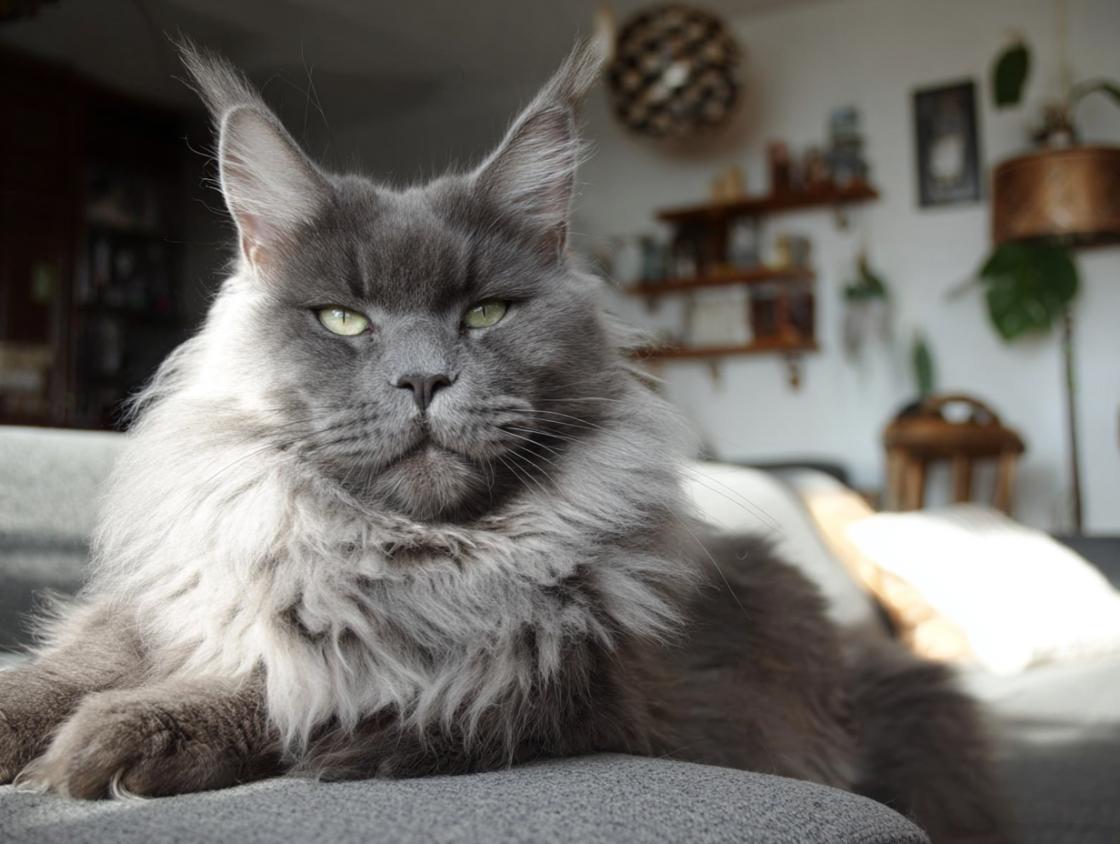
Maine Coon Indoor vs Outdoor: Are Maine Coons Happy Living Indoors?
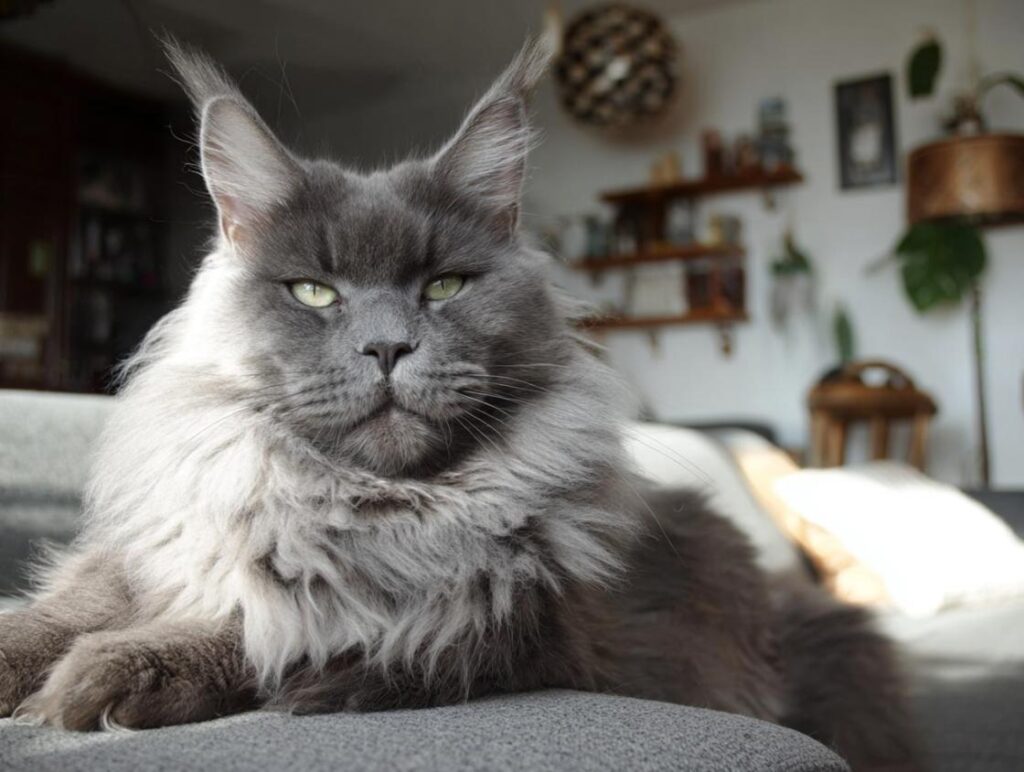
Yes, Maine Coons are very happy indoors. Maine Coons indoor vs outdoor are happy based on environment design and management, not whether they live indoors or outdoors. While their large size, intelligence, and rugged appearance often lead people to assume they “need” outdoor access, Maine Coons adapt extremely well to indoor living when their environment supports movement, mental stimulation, and predictable routine.
Outdoor access does not change a Maine Coon’s personality, intelligence, or social needs—it only changes risk exposure. This article explains how Maine Coons respond to indoor versus outdoor lifestyles, why coat thickness and size do not equal outdoor suitability, and how management choices shape long-term behavior, health, and wellbeing.
Maine Coon Indoor vs Outdoor Summary
| Topic | Key Takeaway |
|---|---|
| Indoor Living | Maine Coons adapt very well indoors when space, enrichment, and routine are provided |
| Outdoor Access | Outdoor access increases risk exposure but does not fulfill unique breed needs |
| Size & Coat Myths | Large size and thick coats do not make Maine Coons safer outdoors |
| Behavior & Health | Most issues stem from environmental mismatch, not the breed itself |
| Controlled Options | Catios, harness training, and supervised outdoor time offer safer alternatives |
| Best Setup | The ideal arrangement depends on management, consistency, and local conditions |
Maine Coon Indoor vs Outdoor: Quick Facts
- Maine Coons adapt exceptionally well to indoor life when their environment supports climbing, play, and mental engagement
- Outdoor access changes risk, not personality—the same Maine Coon behaves differently depending on structure and supervision
- Thick coats and cold tolerance reflect breed history, not outdoor suitability
- Many behavior and health concerns trace back to insufficient indoor enrichment rather than a need for outdoor roaming
- The right setup depends on thoughtful management and consistency, not ideology or appearance
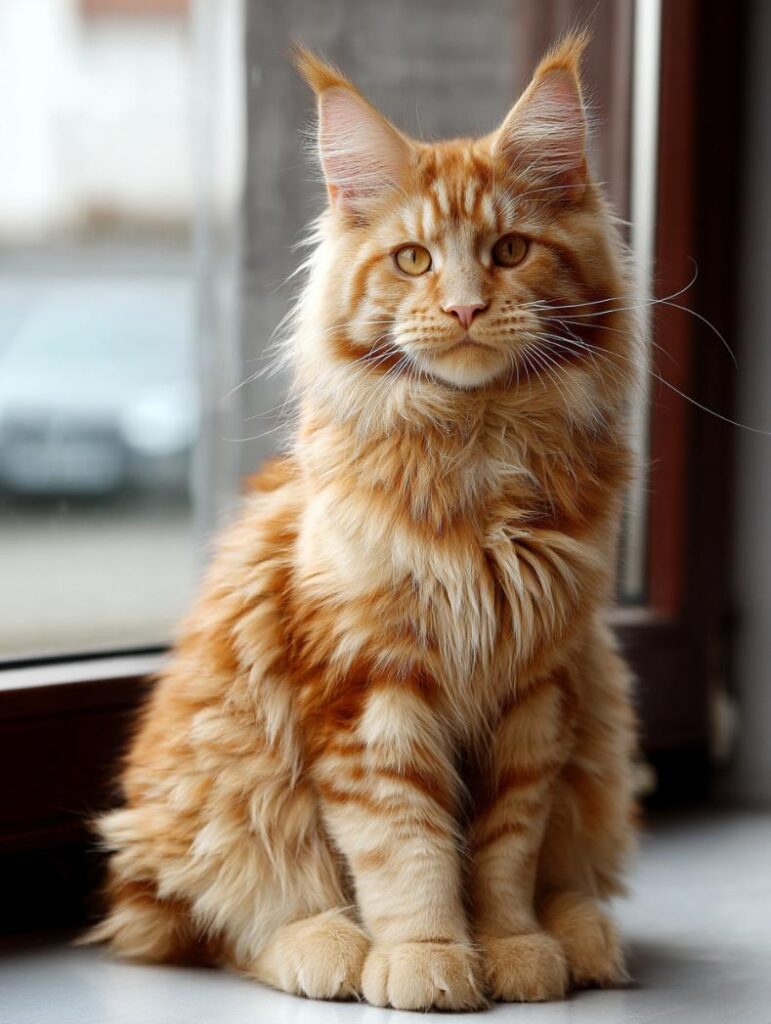
Are Maine Coons Indoor or Outdoor Cats by Nature?
Maine Coons are often assumed to be outdoor cats by nature because of their large size, thick coats, and rugged appearance. That assumption confuses physical capability with lifestyle need.
Historically, Maine Coons developed in harsh New England climates where cats had access to barns, homes, and surrounding land because of how people lived—not because roaming defined their wellbeing. Early Maine Coons existed as functional farm and household cats, shaped by proximity to humans rather than independence from them.
Modern Maine Coons are significantly different from those early assumptions. Selective breeding has emphasized temperament, sociability, and adaptability to family life. Today’s Maine Coons are bred for emotional steadiness, human engagement, and compatibility with indoor environments—not survival traits tied to free roaming.
The critical distinction is between what a Maine Coon can tolerate and what it needs. Maine Coons possess coordination, awareness, and coat density that allow them to handle varied conditions, but they do not require outdoor exposure to remain healthy, balanced, or fulfilled.
Modern Maine Coons thrive in structured environments. Predictable routines, meaningful interaction, and intentional enrichment shape long-term behavior far more than access to open territory.
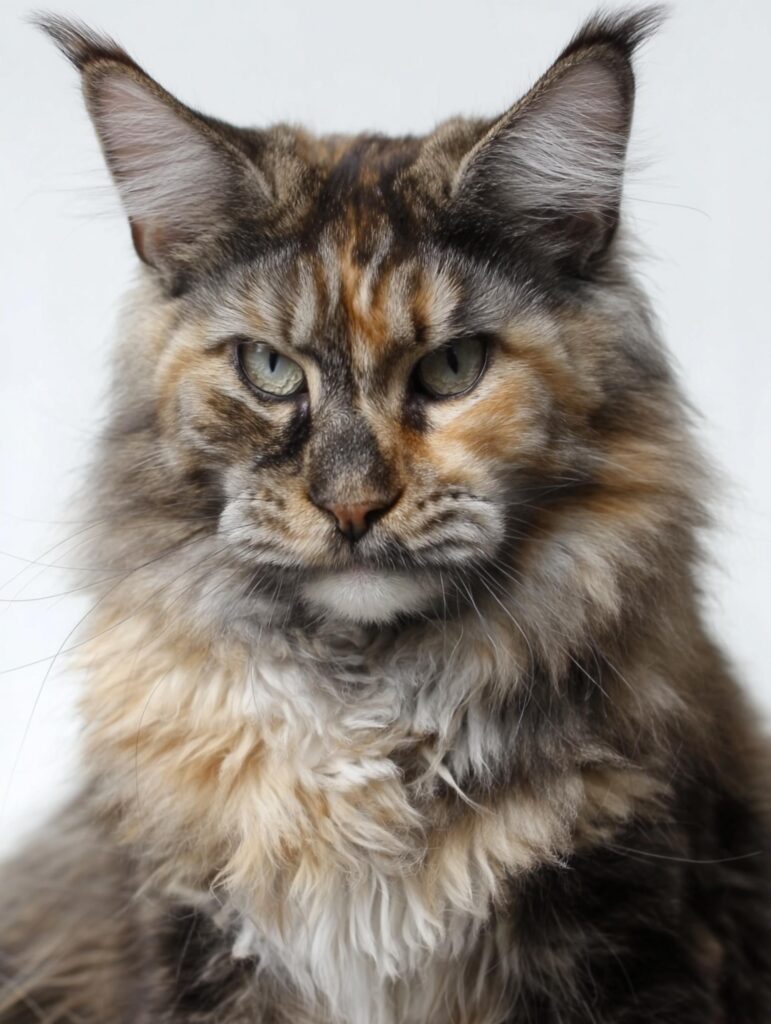
Maine Coons as Indoor Cats
Maine Coons commonly do very well indoors because their core traits align naturally with indoor living when the environment supports them.
Why Maine Coons Do Well Indoors
Maine Coons are highly intelligent and observant. They track household routines, notice changes in activity, and engage with their surroundings rather than acting impulsively or restlessly. This awareness supports calm indoor behavior when stimulation is appropriate.
They also form strong social bonds with people. Maine Coons are known for choosing proximity over constant physical contact—often following family members from room to room or positioning themselves nearby to observe. This social orientation reduces the drive to roam and supports emotional stability indoors.
Their adaptability to routine further reinforces indoor success. When daily rhythms remain consistent—feeding, play, rest—Maine Coons settle easily and display predictable, steady behavior patterns.
Indoor Space Needs for Maine Coons
Indoor success depends more on vertical territory and layout than on total square footage. Maine Coons are climbers, observers, and perch-seekers. Vertical space allows them to move, survey, and rest without feeling confined.
Cat trees, wall shelves, and window perches dramatically expand usable territory. These features allow Maine Coons to express natural behaviors—climbing, watching, and repositioning—within a controlled environment.
Windows provide visual stimulation and environmental orientation. A well-placed perch often satisfies curiosity more effectively than unrestricted outdoor access.
Enrichment matters more than size. A thoughtfully arranged smaller home frequently supports a Maine Coon better than a large but under-stimulating space.
Indoor Energy and Play Requirements
Maine Coons combine mental engagement with moderate physical activity. They do not require constant motion, but they respond strongly to interactive play that engages problem-solving and coordination.
They often prefer:
- puzzle feeders and treat-based challenges
- wand play that involves tracking, timing, and controlled movement
- climbing and jumping games that engage balance and spatial awareness
Boredom-related behaviors—such as restlessness, vocalizing, or destructive play—almost always stem from insufficient engagement, not from a lack of outdoor access.
Structured play sessions, rotating enrichment, and predictable interaction prevent these patterns and support long-term indoor satisfaction.
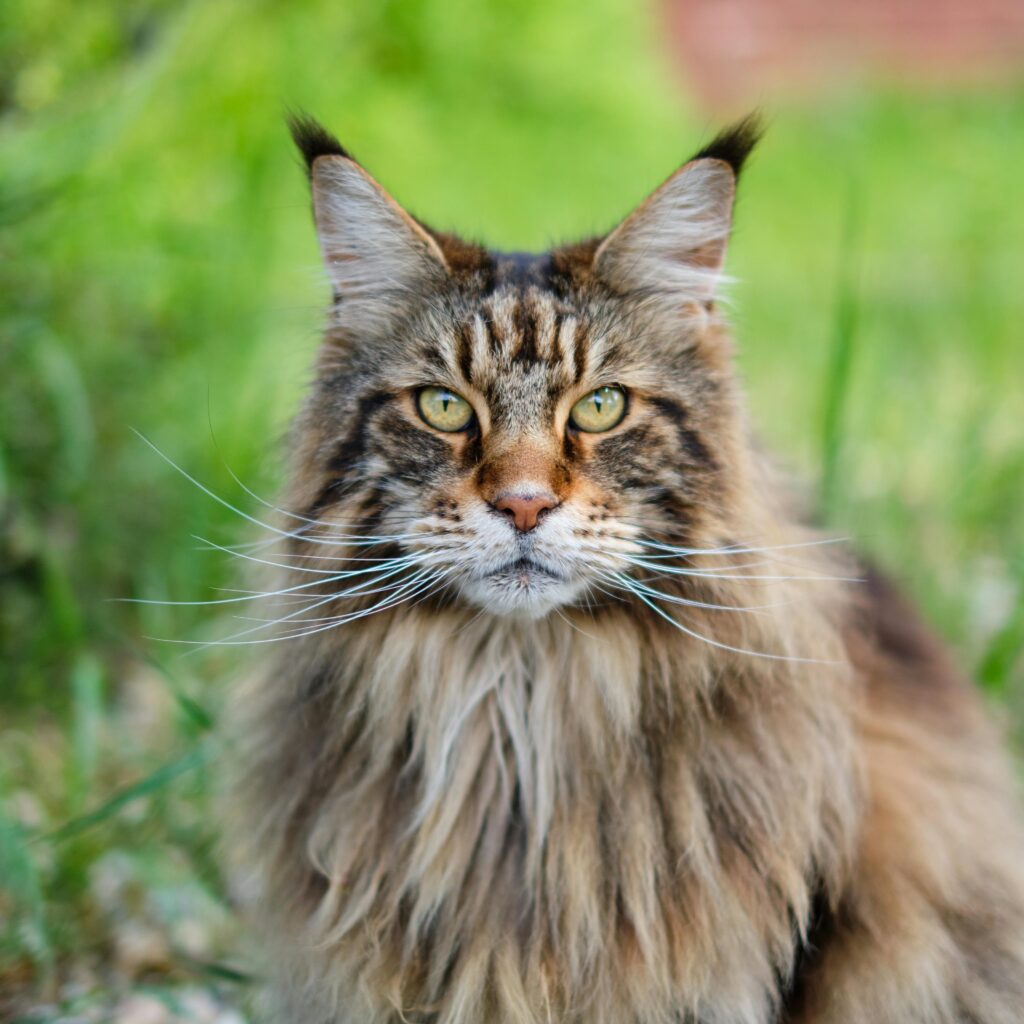
Maine Coons as Outdoor Cats
(Contextual, not promotional)
Maine Coons possess physical traits that allow them to tolerate certain outdoor conditions, but tolerance does not equal suitability. Outdoor access introduces variables that alter risk exposure, care demands, and long-term predictability—regardless of breed.
While Maine Coons are often described as “rugged” or “built for the outdoors,” outdoor living changes the management equation rather than fulfilling a specific breed need. The question is not whether a Maine Coon can go outside, but how outdoor exposure reshapes health, safety, and behavioral outcomes over time.
Physical Traits That Make Maine Coons Capable Outdoors
Maine Coons have a dense, semi-long coat with a water-resistant texture that provides insulation against cold and damp conditions. This coat developed in response to regional climate, not as an adaptation for unsupervised roaming, but it does allow Maine Coons to tolerate a wider temperature range than many short-haired breeds.
They also have substantial musculature and strong coordination. Maine Coons move deliberately rather than impulsively, climb effectively, and navigate uneven surfaces with balance and control.
Their situational awareness is often high. Many Maine Coons pause to observe before acting and register environmental changes quickly. This trait supports adaptability, but it does not eliminate external risk.
Physical capability improves tolerance—it does not neutralize hazards.
Risks Associated With Outdoor Access
Outdoor access introduces exposure to traffic, predators, territorial conflict, and human-related hazards. These risks apply regardless of a cat’s size, coat density, or intelligence.
Disease and parasite exposure increase significantly with outdoor contact. Fleas, ticks, intestinal parasites, and communicable illnesses occur more frequently in cats with unmanaged outdoor access, particularly in areas with dense wildlife or feral populations.
Across breeds, lifespan studies consistently show reduced average longevity for cats allowed to roam freely outdoors. This pattern reflects cumulative exposure risk rather than breed-specific fragility or resilience.
Maine Coons are not immune to these trends. Size and awareness do not prevent accidents, infections, or conflicts.
Common Outdoor Dangers for Maine Coons
| Danger | Why It’s a Risk for Maine Coons | Likelihood | Potential Impact |
|---|---|---|---|
| Vehicles & Traffic | Maine Coons are large and deliberate movers, not fast darting cats; drivers often misjudge their speed | High in suburban & urban areas | Severe injury or fatal trauma |
| Stray or Loose Dogs | Size does not protect against dog attacks; Maine Coons cannot reliably escape fenced yards | Moderate–High depending on area | Serious injury or death |
| Wildlife (Coyotes, Foxes, Bobcats) | Large cats are still prey or competition; visibility increases risk | Moderate in rural/suburban zones | Fatal attacks or severe trauma |
| Birds of Prey (Hawks, Eagles) | Adult Maine Coons are usually too heavy, but kittens and juveniles are vulnerable | Low–Moderate (age dependent) | Fatal for kittens, serious injury |
| Territorial Cat Fights | Maine Coons are visible and often non-aggressive; size attracts challenges | Moderate | Bite wounds, abscesses, FIV/FeLV risk |
| Running Away / Getting Lost | Curiosity + scent trails can override homing instincts | Moderate | Permanent loss |
| Human Threats | Theft, intentional harm, or “rescued” indoor cats mistaken as strays | Low–Moderate | Loss or injury |
| Poisons & Toxins | Antifreeze, rodent poison, lawn chemicals | Moderate | Organ failure, death |
| Parasites (Fleas, Ticks, Worms) | Dense coats hide infestations longer | High | Chronic illness, anemia, disease transmission |
| Infectious Diseases | Exposure to unvaccinated cats and wildlife | Moderate | Long-term health impact |
| Heat Stress & Dehydration | Dense coats retain heat | Moderate–High in warm climates | Heat exhaustion or organ stress |
Why Outdoor Access Changes Management Expectations
Outdoor access increases veterinary management demands. Preventive care—parasite control, vaccinations, and health monitoring—must occur more frequently and with greater vigilance.
Grooming requirements also intensify. Dirt, plant debris, matting, and seasonal shedding increase with outdoor exposure, especially in large, dense-coated cats. Coat maintenance becomes less predictable and more labor-intensive.
Behavioral and health predictability decrease as well. Injuries, stress responses, and environmental exposures can occur without warning, altering long-term expectations for stability and care planning.
Outdoor access does not make Maine Coons “happier” by default—it makes outcomes less controllable.
Indoor vs Outdoor Maine Coons — Key Differences
| Aspect | Indoor Maine Coon | Outdoor / Free-Roaming Maine Coon |
|---|---|---|
| Lifespan Trends | Generally longer and more predictable | Shorter on average due to exposure risks |
| Health Risk Exposure | Lower, controlled | Higher, variable |
| Behavioral Stability | Consistent routines and responses | Influenced by external stressors |
| Coat Maintenance | Predictable shedding and grooming needs | Increased matting, debris, and seasonal impact |
| Human Bonding Patterns | Strong, consistent engagement | Often more fragmented or variable |
These differences reflect environmental management, not differences in the cats themselves. Maine Coons respond to the conditions they live in. Outcomes follow structure, supervision, and consistency—not breed capability alone.
Controlled Outdoor Options for Maine Coons
Many households choose controlled outdoor access as a compromise between indoor safety and environmental stimulation. These options expand sensory experience without removing structure, which is especially important for large, slow-maturing breeds like Maine Coons.
Catios and enclosed patios allow Maine Coons to experience fresh air, scents, temperature variation, and visual activity while remaining protected from traffic, predators, and territorial encounters. Secure enclosures preserve routine and reduce unpredictability while still broadening the cat’s environment.
Harness and leash training offer another controlled option. Some Maine Coons adapt well to structured outdoor walks when introduced gradually and consistently. Their deliberate movement style and responsiveness to routine often support this approach, provided equipment fits properly and sessions remain calm and supervised.
Supervised outdoor time in fenced or familiar areas can also work when supervision is constant and active. This differs fundamentally from free roaming because the human controls duration, location, and interaction at all times.
“Some access” is not the same as free roaming. Risk remains managed, boundaries stay intact, veterinary care stays predictable, and behavioral patterns remain stable. Controlled access supplements indoor life rather than replacing it.
Maine Coon Lifespan: Indoor vs Outdoor Comparison
Lifespan differences between indoor and outdoor Maine Coons are driven by risk exposure, not by breed strength, size, or intelligence. Maine Coons do not age differently because of where they live—they age differently because of what they are exposed to over time.
Indoor living limits unpredictable hazards and allows health issues to be detected and managed earlier. Outdoor access increases exposure to cumulative risks that shorten average lifespan, even in large, resilient breeds.
Average Lifespan Ranges
| Living Arrangement | Typical Lifespan Range | Why the Difference Exists |
|---|---|---|
| Indoor Maine Coon | ~12–15+ years | Lower exposure to trauma, disease, parasites, and environmental toxins; consistent veterinary care and nutrition |
| Outdoor / Free-Roaming Maine Coon | ~7–10 years (average) | Higher risk of accidents, infections, parasites, conflicts, and delayed medical intervention |
| Indoor + Controlled Outdoor Access | Comparable to indoor-only when well managed | Risk remains limited through supervision, enclosure, or leash use |
These ranges reflect population-level trends, not guarantees for any individual cat. Some outdoor cats live long lives, and some indoor cats develop illness—but averages consistently favor controlled environments.
Why Indoor Maine Coons Tend to Live Longer
Indoor Maine Coons benefit from:
- Reduced risk of vehicle-related injuries
- Minimal exposure to wildlife, territorial fights, and bites
- Lower rates of infectious disease and parasites
- Faster detection of subtle health changes
- Consistent nutrition and hydration
- Stable routines that reduce chronic stress
Because Maine Coons are a slow-maturing, large-bodied breed, early detection of orthopedic issues, heart disease, and weight-related problems has a significant impact on longevity—something far easier to manage indoors.
Why Outdoor Access Lowers Average Lifespan
Outdoor and free-roaming Maine Coons face:
- Traffic and human-related hazards
- Increased exposure to parasites and infectious disease
- Territorial conflicts with other cats or animals
- Environmental toxins (antifreeze, pesticides, plants)
- Heat stress or dehydration in warm climates
- Delayed treatment for injuries or illness
Size and intelligence do not eliminate these risks. In some cases, a Maine Coon’s visibility and slower reaction time compared to smaller, feral-adapted cats can increase vulnerability.
Climate Tolerance vs Lifestyle Fit in Maine Coons
Maine Coons tolerate cold weather well, which often leads to the assumption that they are naturally suited for outdoor living. Cold tolerance, however, reflects coat function, not lifestyle need.
Cold climates do not eliminate risks such as vehicles, wildlife, toxins, or disease exposure. Weather alone does not address the variables that determine safety, longevity, or predictability.
Heat sensitivity introduces a separate challenge. Maine Coons’ dense, insulating coats retain warmth. Hot or humid environments increase the risk of overheating, dehydration, and heat stress—especially without reliable shade, airflow, and access to water.
Lifestyle fit depends on management, routine, and supervision, not temperature. A well-designed indoor environment supports Maine Coons across climates far more consistently than outdoor access based on weather assumptions alone.
Color-Specific Maine Coon Considerations (If Applicable)
Maine Coons of all colors share the same environmental needs; coat color does not change enrichment requirements, social tendencies, or lifestyle suitability.
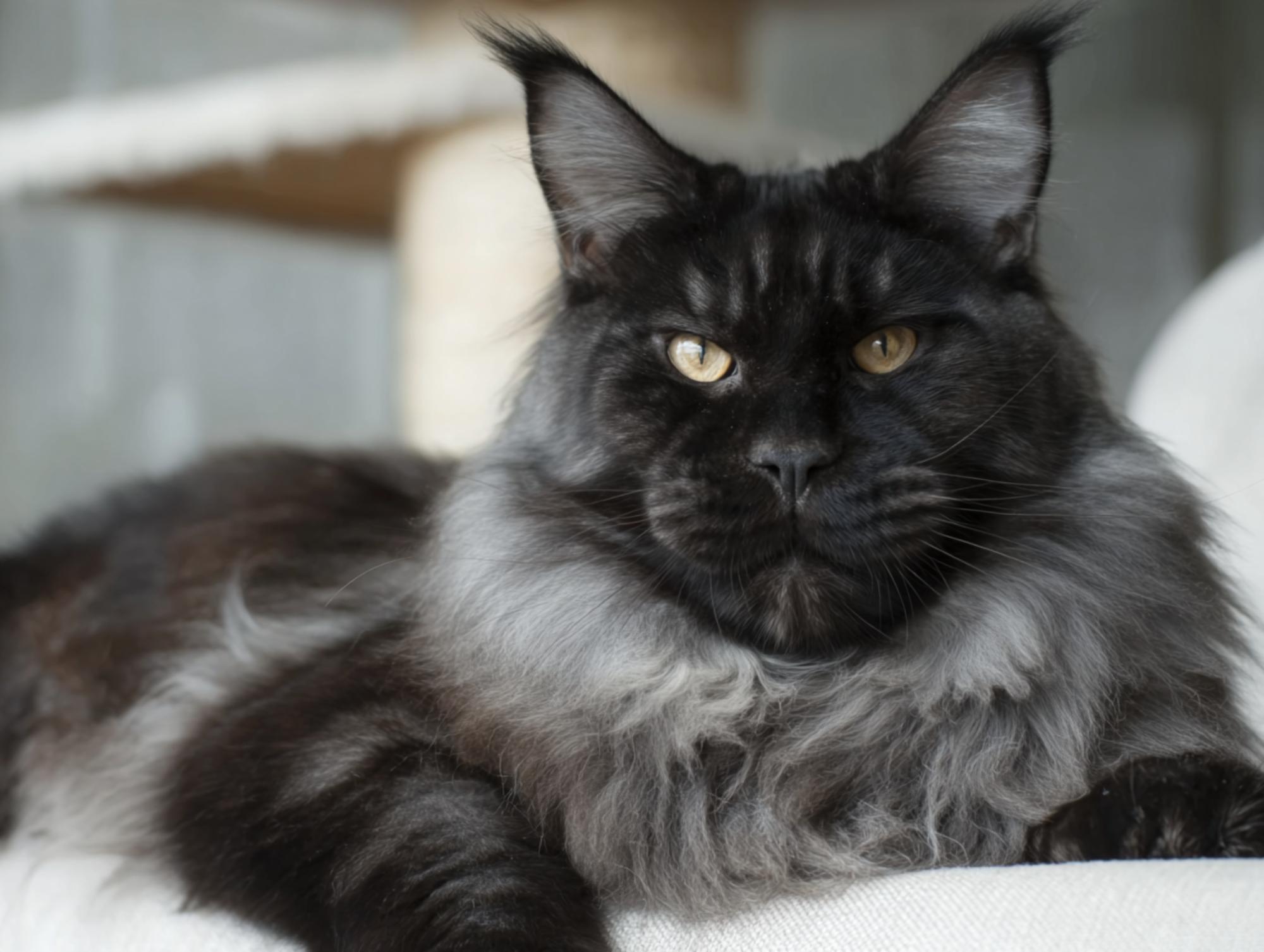
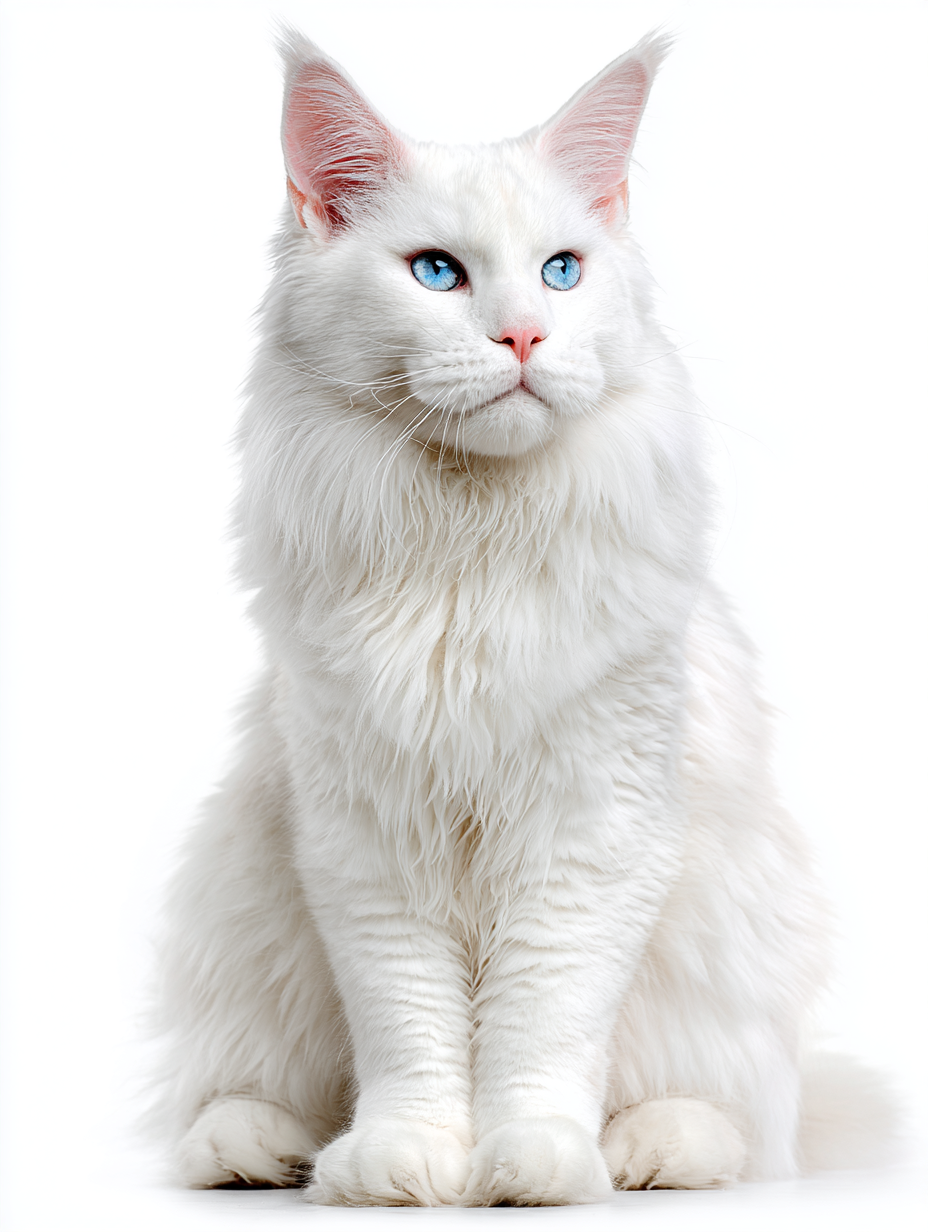
That said, lighter-colored Maine Coons may show more visible sun-related coat changes with prolonged outdoor exposure, including coat bleaching or texture changes. Darker colors may mask sun impact visually, but the underlying exposure remains the same.
Highly contrasting patterns and light eye colors can also increase visibility to humans and wildlife in uncontrolled outdoor settings, which may affect safety in some environments.
Despite these visual differences, environmental needs remain consistent. Maine Coons respond to structure, enrichment, and predictability regardless of color. Appearance affects how exposure looks—not how the cat functions within its environment.
Are Maine Coons Happy Indoors?
Yes—Maine Coons can be very happy living indoors when their environment is designed to meet their physical, mental, and social needs. Happiness in Maine Coons is not determined by access to outdoor territory, but by engagement, predictability, and interaction.
Maine Coons are highly people-oriented cats. Many show their contentment by staying near family members, following routines, and participating in daily household activity. This social connection is a core source of satisfaction and is fully supported in indoor settings.
Indoor happiness depends on environment quality, not square footage. Maine Coons thrive indoors when they have:
- Vertical space for climbing and observing
- Interactive play that engages hunting and problem-solving instincts
- Predictable routines for feeding, play, and rest
- Opportunities for visual stimulation (windows, perches, enrichment rotation)
When these needs are met, Maine Coons display relaxed body language, consistent behavior, healthy appetites, and stable sleep patterns—all strong indicators of wellbeing.
Problems sometimes attributed to “being stuck indoors,” such as restlessness or vocalizing, almost always trace back to under-enrichment or inconsistency, not unhappiness with indoor life itself. When stimulation and structure are improved, these behaviors typically resolve.
In short, Maine Coons are not happier because they go outside—they are happier because their environment supports who they are. A thoughtfully enriched indoor home, with optional secure and controlled outdoor access, supports long-term happiness far more reliably than free roaming ever does.
Common Myths About Indoor and Outdoor Maine Coons
“They need to be outside to be happy.”
Happiness in Maine Coons comes from engagement, predictability, and stimulation, not from unrestricted territory. Maine Coons show contentment when their environment supports movement, curiosity, and social interaction—whether that space is fully indoors or includes controlled outdoor access.
Following people from room to room, observing household activity, and participating in routines are all expressions of satisfaction. These behaviors do not depend on free roaming.
“Cold-weather breeds belong outdoors.”
Cold tolerance reflects coat function, not lifestyle preference. A thick, insulating coat helps manage temperature, but it does not address traffic, predators, toxins, disease exposure, or stress.
Climate capability does not determine where a Maine Coon thrives. Safety, predictability, and management do.
“Indoor cats get bored.”
Boredom results from under-enrichment, not from being indoors. Maine Coons respond strongly to vertical space, interactive play, problem-solving toys, and consistent routines.
When those elements are present, indoor environments remain mentally engaging and behaviorally stable. Restlessness is a signal of missing structure—not a need for outdoor roaming.
“Outdoor cats are more natural.”
Modern Maine Coons differ significantly from their historical counterparts. Selective breeding has emphasized sociability, adaptability to human environments, and emotional steadiness.
What feels “natural” today reflects management and structure, not free roaming. The modern Maine Coon is shaped for life alongside people, not independent outdoor survival.
How Breeders Typically Raise Maine Coon Kittens
Reputable breeders raise Maine Coon kittens indoors to support early development, health monitoring, and social stability. Indoor rearing allows consistent observation during critical growth stages.
Early indoor socialization exposes kittens to household sounds, handling, routine changes, and human interaction. These experiences build confidence and adaptability long before placement.
Most kittens remain indoors because controlled environments support predictable outcomes. Indoor rearing reduces disease exposure, simplifies veterinary oversight, and supports consistent behavior development.
Early environment shapes expectations. Kittens raised indoors learn how to navigate human spaces, routines, and boundaries—foundations that strongly influence how easily they transition into new homes.
How to Decide What Works for Your Household
Choosing between indoor-only, controlled outdoor, or mixed setups depends on practical realities, not ideals or appearance-based assumptions.
Lifestyle and schedule matter. Time availability, consistency, and daily routines determine how much enrichment and supervision a household can realistically provide.
Local environment matters as well. Traffic density, wildlife presence, climate extremes, and neighborhood layout significantly affect risk profiles.
The balance comes down to risk tolerance versus enrichment capacity. Some households manage stimulation entirely indoors through structure and engagement. Others supplement with controlled outdoor access. Outcomes depend on how closely management aligns with expectations.
Long-term consistency is critical. Maine Coons respond best when routines remain stable over time. Frequent changes in access or structure create confusion and stress—regardless of setting.
When an Indoor or Outdoor Setup May Not Work for Maine Coons
Some environments create challenges regardless of whether a Maine Coon lives fully indoors or has outdoor access. Outcomes depend far less on the label and far more on how well the setup supports the cat’s needs.
Homes without enrichment often struggle first. A lack of vertical space, interactive play, and mental stimulation leads to frustration and under-engagement. This problem appears in indoor-only homes and in homes with outdoor access when the environment fails to meet a Maine Coon’s need for interaction, observation, and movement.
High-risk outdoor environments limit safe options. Heavy traffic, wildlife presence, dense neighborhoods, and uncontrolled territories increase unpredictability. In these settings, outdoor access introduces more risk than benefit—regardless of the cat’s size, intelligence, or awareness.
Inconsistent routines undermine stability. Maine Coons respond best to predictable schedules and clear boundaries. Frequent changes in access, play patterns, or supervision create confusion and stress, whether the cat lives indoors, outdoors, or in a mixed setup.
Expectation mismatch creates the greatest difficulty. When households expect outdoor access to resolve behavioral challenges—or assume indoor living requires little effort—outcomes often fall short. Successful arrangements come from matching environment design to realistic expectations, not from relying on access alone.
Maine Coon Indoor vs Outdoor FAQ
Do Maine Coons need to go outside?
No. Maine Coons do not need outdoor access to be healthy or fulfilled. Their wellbeing depends on enrichment, routine, and social interaction—not free roaming. Indoor Maine Coons with adequate stimulation live stable, engaged lives.
Are Maine Coons happier as outdoor cats?
Happiness in Maine Coons comes from predictability, engagement, and bonding—not territory size. Outdoor access does not inherently improve mood or behavior and often introduces stress through unpredictability, conflict, and environmental exposure.
Is it cruel to keep a Maine Coon indoors?
No. Indoor living is not cruel when the environment supports movement, mental stimulation, and interaction. Lack of enrichment—not indoor housing—is what causes frustration or boredom.
Do Maine Coons get bored indoors?
They can, but boredom results from under-enrichment, not from being indoors. Maine Coons thrive with vertical space, interactive play, puzzle feeders, window perches, and consistent routines.
Are Maine Coons built for outdoor living because of their coat?
Their coat provides temperature tolerance, not lifestyle suitability. It does not protect against vehicles, predators, toxins, disease, or territorial conflict. Coat function should not be confused with safety.
Is it safer to let a Maine Coon out during the day only?
Daytime access still carries risks such as traffic, dogs, wildlife, human interference, and disease exposure. Time-limited access reduces exposure duration but does not eliminate hazard.
Can Maine Coons be leash trained?
Some Maine Coons adapt well to harness and leash training when introduced gradually and consistently. This offers supervised stimulation without the risks of free roaming.
Are catios a good option for Maine Coons?
Yes. Catios and enclosed patios provide fresh air, scents, and visual stimulation while preserving safety and routine. They are one of the safest ways to offer outdoor exposure.
Do outdoor Maine Coons live shorter lives?
On average, yes. Free-roaming cats—including Maine Coons—have shorter lifespans due to increased exposure to accidents, disease, parasites, and conflict. Indoor and controlled-access cats consistently live longer.
Are Maine Coons too big to be indoor cats?
No. Size does not determine lifestyle fit. Maine Coons use vertical space efficiently and often adapt better indoors than smaller, more reactive breeds when environments are designed thoughtfully.
Will my Maine Coon try to escape if kept indoors?
Curiosity does not equal dissatisfaction. Most escape attempts are driven by novelty or lack of stimulation, not unhappiness. Secure doors, enrichment, and routine reduce escape behavior.
Are male Maine Coons more likely to need outdoor access?
No. Sex does not determine outdoor suitability. Neutering status, enrichment, and routine have far more influence on behavior than gender.
Does outdoor access reduce behavioral problems like spraying or aggression?
No. Outdoor access often increases stress and territorial behavior rather than resolving it. Behavioral issues are more effectively addressed through enrichment, routine, and medical evaluation.
How do breeders usually raise Maine Coon kittens?
Reputable breeders raise Maine Coon kittens indoors. Indoor rearing supports health monitoring, disease prevention, and early socialization—foundations that prepare kittens for indoor family life.
Can I switch my Maine Coon from outdoor to indoor living?
Yes, especially with gradual transition and increased enrichment. Many Maine Coons adjust well when routines are stable and stimulation needs are met.
What’s the best setup for most Maine Coons?
Indoor living with strong enrichment, supplemented by controlled outdoor access if desired. The best outcomes come from consistency, supervision, and realistic expectations—not ideology.
Conclusion
Maine Coons thrive based on management and environment design—not on whether they live indoors or outdoors by default. Throughout this guide, the evidence shows that safety, predictability, enrichment, and routine matter far more than unrestricted access to open space.
For this reason, we advocate for Maine Coons to live indoors or with access to secure, escape-proof, and predator-proof outdoor areas that preserve structure while expanding sensory experience. When risks are managed and enrichment is intentional, Maine Coons live longer, healthier, and more stable lives—without the unpredictability that free roaming introduces.
Related Articles From Almonte Cats
If you are researching Maine Coons, the following posts may also be helpful. These posts explain our standards, expectations, and long-term approach in more depth.
- Maine Coon Size, Growth, and Weight: What’s Normal and What’s Not
A detailed breakdown of realistic size ranges, growth timelines, and how to tell healthy structure from excess weight. - How to find a Maine Coon Breeder You can Trust
A practical guide explaining common scam patterns, verification steps, and what ethical programs do differently. - Maine Coon Health Overview: What Responsible Owners Should Know
Covers genetic screening, lifespan expectations, preventive care, and early warning signs owners should never ignore. - Why Maine Coons are Not for Everyone
An honest look at temperament, grooming, space needs, and daily life with a Maine Coon. - Maine Coon Kitten Growth Stages: What to Expect From 8 Weeks to Adulthood
Explains normal development, awkward phases, and why slow growth is a feature of the breed. - Is A Maine Coon A Good First Cat Maine Coons tend to suit first-time owners who want a companion rather than a low-effort pet.
Sources
- American Humane Society — Indoor Cats vs Outdoor Cats
https://www.americanhumane.org/public-education/indoor-cats-vs-outdoor-cats/ - PetMD — How Long Do Cats Live?
https://www.petmd.com/cat/care/how-long-do-cats-live - Orchard Road Animal Hospital — Indoor vs Outdoor Cats: Health Risks and Benefits
https://www.orchardroadanimalhospital.com/services/cats/blog/indoor-vs-outdoor-cats-health-risks-and-benefits - CABI Digital Library — Indoor vs Outdoor Cats: Research Overview
https://www.cabidigitallibrary.org/do/10.5555/blog-research-spotlight-indoor-vs-outdoor-cats/abs/ - National Center for Biotechnology Information (NCBI) — Cat Ownership and Outdoor Access Studies
https://pmc.ncbi.nlm.nih.gov/articles/PMC7909512/ - Cornell University College of Veterinary Medicine — Feline Environmental Enrichment
https://www.vet.cornell.edu/departments-centers-and-institutes/cornell-feline-health-center/health-information/feline-environmental-enrichment - AVMA (American Veterinary Medical Association) — Free-Roaming Cats and Associated Risks
https://www.avma.org/resources-tools/pet-owners/petcare/cats-and-wildlife - Wikipedia — Maine Coon (for general breed background only)
https://en.wikipedia.org/wiki/Maine_Coon





Read the Comments +