
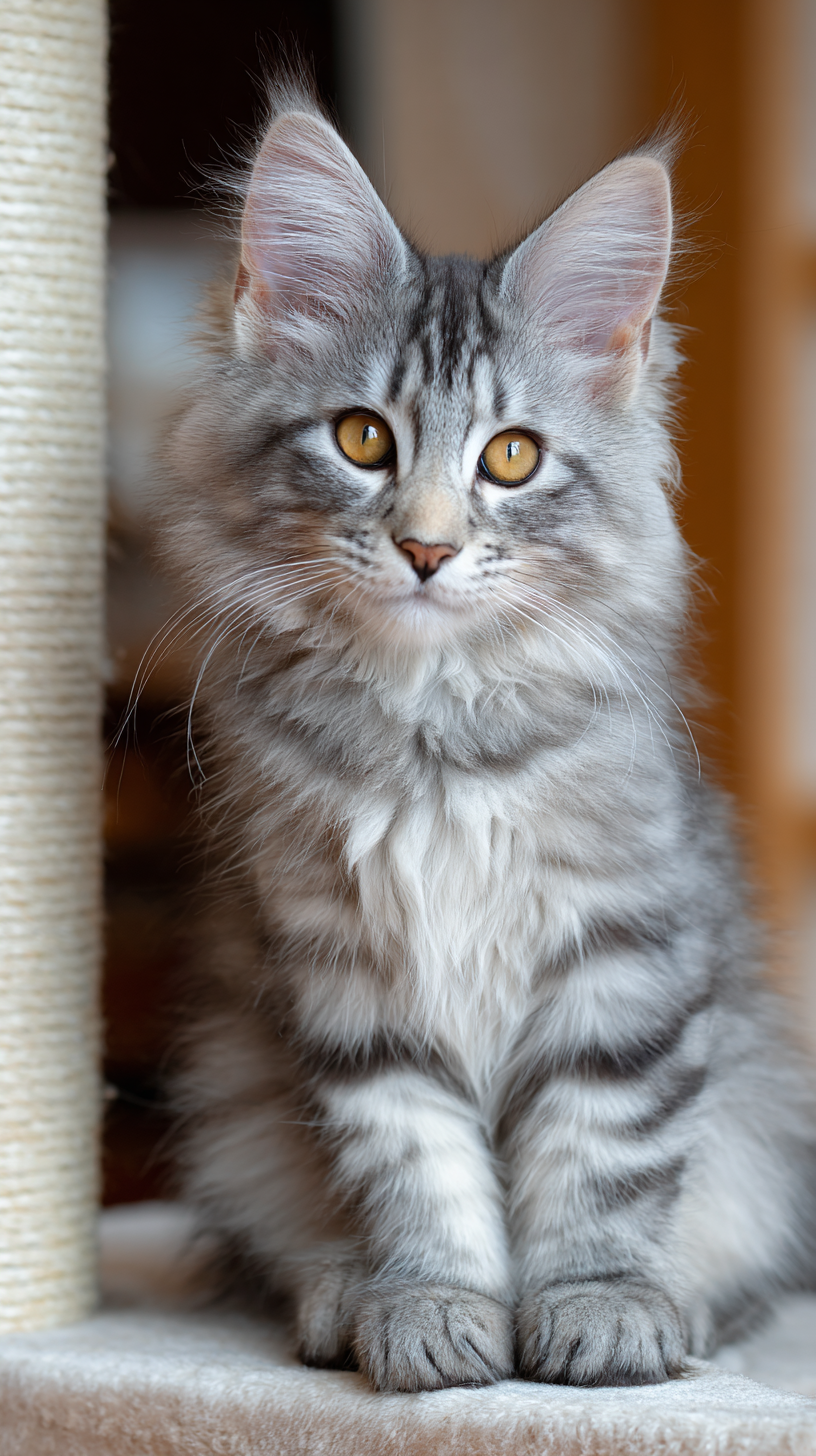
Maine Coon Kittens Price: What to Expect in 2026
If you’ve been researching Maine Coon kittens for sale, you’ve probably seen prices that range from under $1,000 to well over $6,000, and wondered what the real number should be.
Here’s the truth: in 2025, a well-bred, health-tested, registered Maine Coon kitten from a reputable breeder starts around $4,000 in the United States.
That price reflects not just the kitten itself, but the investment in genetic testing, careful socialization, and ethical breeding practices that preserve the integrity of the Maine Coon breed.
Maine Coon kitten prices typically reflect breeder ethics, health testing, lineage documentation, and long-term support rather than color, size promises, or marketing claims.
How Much Are Maine Coon Kittens in 2026?
The average Maine Coon kitten price in 2026 typically falls between $4,000 and $7,000, depending on the breeder’s program, location, and the kitten’s quality. Show-quality or breeding-rights kittens often exceed $8,000–$10,000, while older retired adults may be available for less.
| Quality Level | Average Price (USD) | Description |
|---|---|---|
| Backyard or mixed-breed “Maine Coons” | $800–$1,500 | No registration or testing, often misrepresented |
| Pet quality from casual breeders | $2,000–$3,500 | Some registration, minimal socialization |
| Health-tested, preservation-bred kittens (trusted breeders) | $4,000–$7,000 | Genetic testing, full registration, raised in-home |
| Show or breeding quality | $6,500–$10,000+ | Imported lines, exceptional conformation, full rights |
While $4,000 may sound like a lot for a kitten, it’s the realistic cost of doing things right — ensuring that your Maine Coon grows up healthy, well-tempered, and true to the breed’s majestic standard.
For a complete breakdown of national averages and what determines breeder pricing, visit our Maine Coon Kitten Prices by State. It covers testing costs, import expenses, and a list of ethical catteries across the United States.
Why Maine Coon Kitten Prices Are Rising
Over the past five years, the cost of raising a healthy, registered Maine Coon kitten has increased dramatically, and the largest driver has been the sharp rise in veterinary care expenses. In many regions, breeders are facing veterinary cost increases of 1,000 percent or more for routine services, emergency care, diagnostics, and reproductive support.
Ethical Maine Coon breeders who invest in comprehensive health testing, advanced reproductive care, prenatal monitoring, and early veterinary intervention are now paying exponentially more for services that once represented a small portion of kitten-rearing costs. Routine screenings, genetic testing, ultrasounds, C-sections, neonatal care, and ongoing veterinary oversight have all risen sharply, with no equivalent reduction in breeder responsibility.
At the same time, responsible breeders continue to limit litter frequency, invest in high-quality nutrition, maintain proper housing, and provide hands-on early care and socialization. These practices increase long-term health outcomes but also raise the real cost of producing a well-bred Maine Coon kitten. As a result, Maine Coon kitten prices are rising not because of trends or aesthetics, but because ethical breeding has become significantly more expensive to do correctly.
The Impact of Rising Veterinary Costs
Veterinary expenses have become the single largest factor influencing kitten prices. Between 2020 and 2025, most breeders have seen their medical and testing costs multiply tenfold.
| Service or Procedure | Average Cost in 2020 | Average Cost in 2025 | Increase |
|---|---|---|---|
| Spay/Neuter Surgery | $150 | $800 | +433% |
| HCM/PKD Genetic Testing | $60 | $350 | +483% |
| Echocardiogram (Heart Scan) | $300 | $1,800 | +500% |
| Routine Kitten Vaccines | $40 | $250 | +525% |
| Wellness Exam | $45 | $180 | +300% |
| Emergency Visit | $100 | $1,200 | +1100% |
| Average Total Veterinary Costs per Litter | ~$800 | $8,000+ | +1000% |
Even small litters now require thousands of dollars in medical and diagnostic care before a single kitten ever leaves for its new home. Breeders who continue to perform every test and maintain responsible veterinary oversight have no choice but to adjust their pricing to reflect these rising costs. Read more about the increasing costs of vet care here.
Maine Coon Health Testing and Responsible Breeding
For preservation breeders, cutting corners is not an option. Every Maine Coon breeding cat should be:
- DNA tested for Hypertrophic Cardiomyopathy (HCM) and Polycystic Kidney Disease (PKD)
- Screened for hip dysplasia and cardiac health through advanced imaging
- Regularly examined by licensed veterinarians for reproductive and overall health
These procedures ensure that kittens are born strong, genetically sound, and true to the breed standard but each step now carries a significantly higher financial commitment than ever before.
The Cost Ripple Effect
It is not just medical care that has gone up. The price of high-quality kitten food, litter, supplements, and sanitization supplies has also increased by 40–70 percent since 2020. Breeders who raise kittens in clean, enriched home environments face mounting operational costs as inflation touches every part of animal care.
Why Maine Coon Kitten Prices Reflect Quality
When you see Maine Coon kittens priced between $4,000 and $7,000, that number represents far more than profit. It reflects the breeder’s full investment in:
- Professional veterinary partnerships
- Proven bloodlines and imported genetics
- Small litter sizes and hands-on socialization
- Rising supply, food, and registration costs
These breeders are not inflating prices; they are simply covering the true cost of producing a healthy, well-socialized, and properly tested Maine Coon kitten.
In 2025, this is what it costs to do things the right way — and responsible breeders remain committed to that standard, even as expenses continue to rise.
Maine Coon Kitten Prices by Region
While prices vary slightly by location, the $4,000–$7,000 range is now consistent across most reputable U.S. breeders.
| Region | Average Price Range | Notes |
|---|---|---|
| Northeast (PA, NY, NJ) | $4,000–$6,000 | High demand and limited availability |
| Southeast (FL, GA, NC) | $3,800–$5,800 | Some lower-priced backyard listings — caution advised |
| Midwest (OH, IN, WI) | $4,000–$6,500 | Growing number of ethical breeders |
| West Coast (CA, WA, OR) | $4,500–$7,000 | Premium programs and imported lines common |
If you plan to purchase out of state, budget an additional $400–$600 for professional pet transport or flight nanny service. Always verify that the breeder is TICA or CFA registered and provides valid documentation.
Maine Coon Kittens Price by State (2026 Breakdown)
If you are wondering how Maine Coon kitten prices vary from one state to another, this breakdown gives you a realistic idea of what to expect. Prices reflect regional cost of living, breeder quality, and the availability of registered, health tested kittens. While every cattery sets its own pricing, most reputable breeders across the United States now begin at around $4000 dollars for a well bred kitten.
| State | Average Price Range | Notes |
|---|---|---|
| California | 4500–7000 | Strong demand and many imported European lines |
| Texas | 4000–6500 | Large market with several ethical breeders |
| Florida | 3800–6000 | Verify registration due to frequent online scams |
| New York | 4500–7000 | Urban demand keeps prices on the higher end |
| Pennsylvania | 4000–6000 | Limited breeders with long waitlists |
| Ohio | 3800–5500 | Balanced pricing with a mix of show and pet homes |
| North Carolina | 3800–5800 | Moderate prices, growing breeder community |
| Washington | 4500–7200 | High cost of transport and imported lines |
| Illinois | 4000–6000 | Midwest hub with reliable catteries |
| Georgia | 3800–5500 | Regional variation depending on lineage and testing |
| Colorado | 4200–6500 | Smaller number of breeders, high demand |
| Oregon | 4500–7000 | Prices reflect limited availability and imports |
| Massachusetts | 4200–6800 | Preservation breeders with health guarantees |
| Arizona | 4000–6000 | Rising interest and growing waiting lists |
Average prices stay consistent across the country because true Maine Coon breeders invest heavily in health testing, nutrition, and careful socialization. States with fewer breeders or higher transportation costs may run slightly higher.
If you find a listing far below these averages, it is often a sign of mixed breed kittens, backyard operations, or scams. Always ask to see registration proof with TICA or CFA, and request copies of genetic test results before sending a deposit.
Maine Coon kitten prices by state also fluctuate seasonally, especially in spring and early summer when litters are most common. Serious buyers often join waitlists six months or more in advance to secure a kitten from a trusted breeder.
If you want a deeper look at how prices vary across every region, visit our detailed guide on Maine Coon Kittens Price by State 2025. It includes updated averages, shipping costs, and breeder availability for each part of the United States.
Tip for Buyers
When searching “Maine Coon kittens for sale” followed by your state, focus on breeders who publish health information, parent photos, and clear pricing. Transparent breeders usually have detailed websites, updated social media pages, and clear contracts that explain what is included in the price.
This level of openness is a reliable indicator that the kitten truly comes from a preservation focused program rather than a reseller or scam account.
What Affects the Price of a Maine Coon Kitten?
Several key factors determine the price of each kitten:
1. Lineage and Pedigree
Imported bloodlines or kittens from titled parents (champions or grand champions) typically command higher prices. Reputable breeders maintain full pedigree records and can verify lineage through recognized cat associations.
2. Health Testing
Responsible breeders invest in DNA testing for Hypertrophic Cardiomyopathy (HCM), Polycystic Kidney Disease (PKD), and Spinal Muscular Atrophy (SMA) — genetic conditions that can affect the breed.
Testing costs, veterinary screenings, and record-keeping add significantly to the breeder’s expenses.
3. Registration and Paperwork
A legitimate Maine Coon kitten will be registered with organizations such as TICA (The International Cat Association) or CFA (Cat Fanciers’ Association). Registration confirms that your kitten is purebred and traceable to recognized lines.
4. Color and Rarity
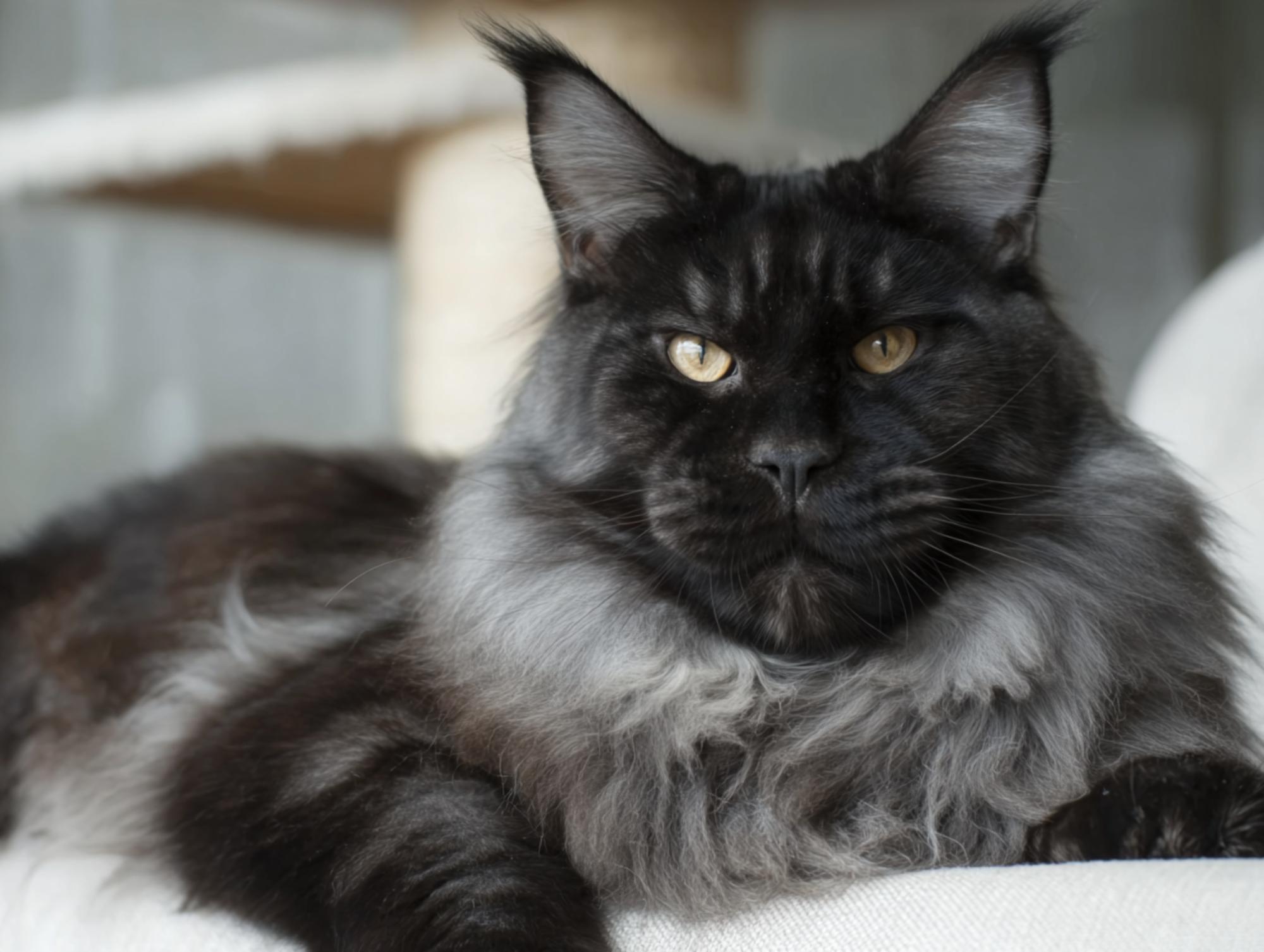
Certain colors, such as silver, blue smoke, shaded, or solid red, are highly prized and sometimes rarer, influencing the price. Standard brown tabby or black kittens may be on the lower end of the range.
5. Size and Type
European-type Maine Coons tend to have larger frames and more pronounced features. These lines are often imported, making their kittens more valuable due to limited access and shipping costs.
What’s Included in the Price of a Well-Bred Maine Coon Kitten
When you purchase from a responsible breeder, your kitten’s price usually includes much more than just the kitten itself:
- Up-to-date vaccinations and deworming
- Microchip and veterinary health certificate
- Spay/neuter or spay-neuter agreement
- Starter food, litter, and care instructions
- Health guarantee and contract
- Lifetime breeder support and mentorship
Ethical breeders also provide pedigree documentation and registration papers after proof of spay/neuter (for pet-quality kittens). This protects their lines and ensures continued breed integrity.
Read about Maine Coon Kitten Colors here.
Where Your Maine Coon Kitten Price Goes
Most buyers never see what goes on behind the scenes before a kitten is ready for its new home. The chart below shows a realistic breakdown of how a $5,000 Maine Coon kitten is priced.
| Expense Category | Average Cost per Kitten | Percentage of Total | Description |
|---|---|---|---|
| Veterinary & Health Testing | $1,800 | 36% | Exams, vaccines, DNA testing, heart scans, microchip, and spay/neuter procedures |
| Nutrition & Supplies | $700 | 14% | Premium kitten food, litter, supplements, enrichment items, and grooming supplies |
| Breeder Care & Labor | $1,200 | 24% | 24-hour supervision, socialization, bottle feeding, and daily cleaning during rearing |
| Registration & Import Costs | $600 | 12% | CFA/TICA registration, pedigrees, international transport fees for imported lines |
| Facility Maintenance & Utilities | $400 | 8% | Cleaning supplies, heating, air, and sanitation costs for safe kitten spaces |
| Emergency Fund & Loss Coverage | $300 | 6% | Veterinary emergencies, C-section costs, and replacement coverage for stillbirths |
| Total Estimated Investment | $5,000 | 100% | Reflects actual breeder costs before profit margin |
The Takeaway
When you purchase a Maine Coon kitten from a responsible breeder, your money supports ethical care, health testing, and preservation of the breed itself.
It ensures that kittens grow up healthy, well socialized, and ready to thrive for a lifetime.
A lower-priced kitten almost always means one or more of these critical steps were skipped, usually health testing or veterinary supervision. Choosing a preservation breeder guarantees that none of those corners were cut and that your Maine Coon Kitten had the best start possible.
Maine Coon Kitten Prices vs Other Popular Cat Breeds
Maine Coons belong to the luxury cat category, alongside Ragdolls, British Shorthairs, and Bengals. Here’s how they compare:
| Breed | Average Price Range | Known For |
|---|---|---|
| Maine Coon | $4,000–$7,000+ | Size, temperament, intelligence |
| Ragdoll | $2,500–$5,000 | Affectionate, relaxed “dog-like” cats |
| British Shorthair | $3,000–$5,500 | Calm, plush-coated companions |
| Bengal | $2,500–$6,000 | Exotic markings, high energy |
| Persian | $2,000–$4,000 | Long coats, quiet personalities |
When you compare lifespan, health, and personality, Maine Coons offer exceptional long-term value — especially when bred with care. Learn about Orange Maine Coons here.
How to Avoid Maine Coon Kitten Scams
As the demand for Maine Coons continues to rise, so do the number of fraudulent listings and fake breeders. Each week, families lose thousands of dollars to scam websites or social media pages offering “discounted” kittens that do not exist. Learning to recognize these warning signs can save you heartache and money.
1. Unrealistic Prices
If the price seems too good to be true, it usually is. Authentic Maine Coon breeders invest years of work and thousands of dollars in genetic testing, veterinary care, and responsible rearing. A well-bred Maine Coon kitten will rarely cost less than 4000 dollars in 2025. Scammers often list kittens for 800 to 1500 dollars to attract quick payments from unsuspecting buyers.
2. No Proof of Registration
Every legitimate Maine Coon breeder provides documentation from an official registry such as TICA (The International Cat Association) or CFA (The Cat Fanciers’ Association). Ask to see the registration number or the cattery prefix. Avoid anyone who refuses or claims they will “send papers later.” That is one of the oldest scam tactics in the book. See Best Maine Coon Breeders in the USA for more details.
3. Stock Photos and Stolen Images
Scammers commonly steal photos from real breeder websites or Instagram accounts. To test authenticity, ask the seller to send a photo or short video of the kitten holding a piece of paper with your name and the current date. Genuine breeders will do this gladly. Fraudsters often disappear the moment you ask.
4. Pushy or Rushed Communication
Reputable breeders take time to interview you, explain contracts, and answer questions. Scammers try to pressure you into a fast deposit, often claiming that “someone else is ready to buy.” This emotional urgency is meant to stop you from verifying details. Always slow the process down and verify before you pay.
5. Untraceable Payments
Never send money through gift cards, Western Union, or unverified cash apps. Ethical breeders use traceable payment methods such as Zelle, PayPal Goods and Services, or formal invoices through their websites. A scammer will always avoid methods that can be reversed or disputed.
6. Missing Contract or Health Guarantee
A real breeder provides a written contract outlining what is included in your purchase, spay and neuter requirements, health guarantees, and return clauses. The contract protects both sides. If someone refuses to send one before payment, walk away.
7. Do Your Research
Take a few minutes to search the breeder’s cattery name, email address, and phone number online. If it appears on scam warning lists or social media complaint groups, do not proceed. Reading reviews or checking if the website is recently created can also help identify new scam sites.
We’ve written a full article on Cat Scam Prevention to help you spot red flags.
What Maine Coon Kitten Price Alone Doesn’t Tell You
A listed price does not explain the most important factors that determine a Maine Coon kitten’s quality, health, or long-term outcome. Cost without context leaves buyers guessing.
Price alone does not tell you:
- Whether both parents were fully health tested for Maine Coon–specific conditions
- Whether the breeder limits litter frequency to protect queens and kittens
- Whether size expectations are realistic or exaggerated for marketing
- Whether temperament was evaluated for companion placement
- Whether registration and lineage are properly documented
- Whether post-placement breeder support is included
- Whether early veterinary care and nutrition were prioritized
This is why comparing Maine Coon kittens by price alone often leads to confusion. The practices behind the number matter more than the number itself.
Why Paying More Upfront Saves You Later
A cheap kitten can become very expensive later. Health issues such as HCM or hip dysplasia can cost thousands in veterinary care. Ethical breeders prevent this by screening their breeding cats long before kittens are ever conceived.
When you choose a preservation-minded program, you’re paying for health, predictability, and peace of mind.
That’s why $4,000–$7,000 is not just a price — it’s an investment in a healthy, well-adjusted companion who can live 12–15+ years.
Maine Coon Kitten Price: Myths vs Reality
Myth: Expensive Maine Coon kittens are priced for looks or trendiness.
Reality: Ethical breeders price Maine Coon kittens based on health testing, responsible breeding frequency, veterinary care, and long-term support rather than appearance or popularity.
Myth: A higher price guarantees a bigger Maine Coon.
Reality: Maine Coon size develops slowly and is influenced by genetics and maturity timelines, not price. Promising exaggerated size in exchange for a higher cost is a red flag.
Myth: Color determines the real value of a Maine Coon kitten.
Reality: Coat color does not determine quality or health. Ethical Maine Coon pricing prioritizes structure, temperament, and genetic soundness over color trends.
Myth: Cheaper Maine Coon kittens are a better deal.
Reality: Lower prices often reflect skipped health testing, limited breeder support, or higher-volume breeding practices that increase long-term risk for buyers.
Myth: All breeders include the same things in their kitten price.
Reality: Maine Coon kitten pricing varies widely because inclusions differ. Health records, contracts, registration, early care, and post-placement support are not universal.
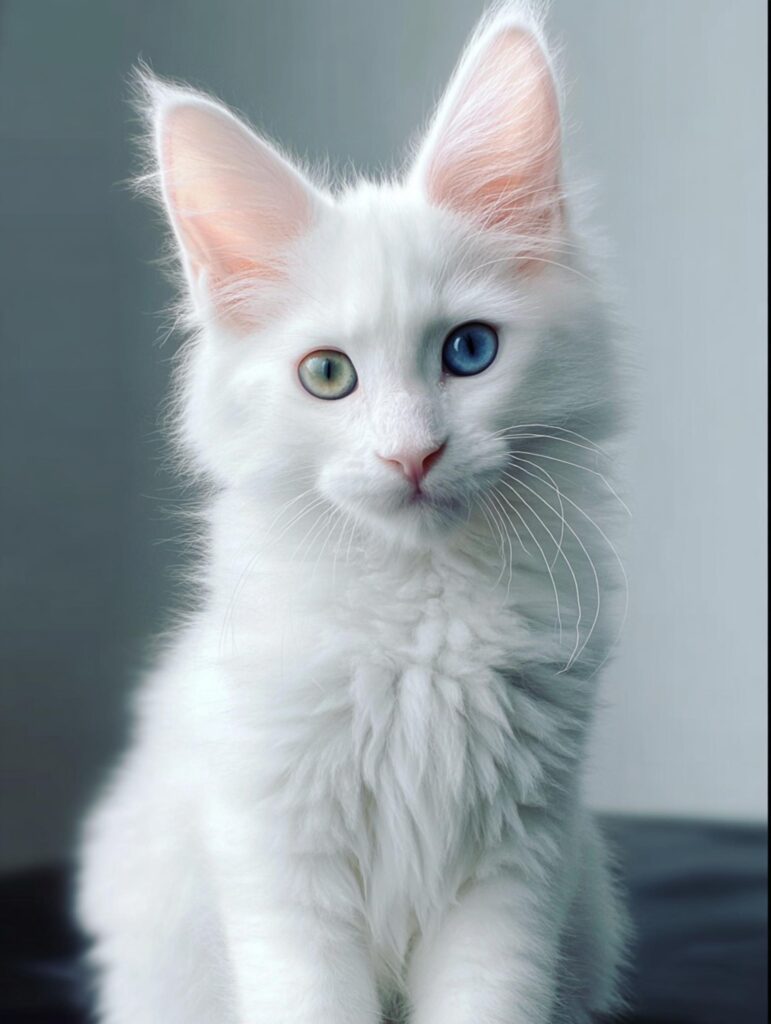
Getting Ready for Your Maine Coon Kitten
Bringing home a Maine Coon kitten is exciting, but preparation makes all the difference. These gentle giants grow quickly, form deep bonds with their families, and thrive when their new homes are ready for them. The weeks before pickup are the perfect time to set up your space, gather supplies, and review the breeder’s instructions so your kitten’s transition is smooth and stress free.
Setting Up Your Space
Choose one quiet room where your kitten can start life in your home. A spare bedroom or office works best. Place a cozy bed, litter box, scratching post, food and water bowls, and a few toys inside. Keep the room calm, limit visitors, and allow your kitten to explore at its own pace. Maine Coons are naturally curious but also sensitive to noise and sudden movement. A smaller starting space helps them feel secure.
Gradually expand their access to the rest of the house once they eat, use the litter box, and come to you confidently. Keep breakable or unsafe items out of reach because a playful Maine Coon kitten can leap higher than most expect.
Food and Nutrition
Follow your breeder’s feeding plan exactly for the first few weeks. Breeders know what diet keeps their kittens growing steadily and comfortably. Sudden food changes can upset digestion or trigger picky eating. After your kitten has settled in, you can transition slowly to your preferred diet if needed. High quality food designed for kittens or large breeds supports steady bone and muscle growth. Maine Coons need more calories than most cats but still benefit from measured portions to avoid excessive weight gain.
Health and Vet Care
Schedule a veterinary appointment within a few days of bringing your kitten home. Bring any vaccination and health records provided by the breeder. Establishing care early helps your vet build a baseline for growth and wellness. Keep all vaccines current and maintain regular parasite prevention.
Grooming should start early too. Brushing two or three times a week prevents tangles as their coat thickens and teaches your kitten to enjoy handling. Read the full post about Maine Coon shedding here.
Socialization and Routine
Your breeder has already begun socializing your kitten, so continue their good work. Handle your kitten daily, introduce new sounds and surfaces gently, and keep the experience positive. Maine Coons are people oriented and enjoy structured routines. Feed, play, and rest at consistent times. This stability builds trust and reduces stress.
Follow the Breeder’s Advice
Your breeder has raised your kitten from birth and knows its temperament, preferences, and family history. Always follow their guidance on feeding, litter type, and introductions. Ask questions freely; responsible breeders want lifelong success for their kittens. They can offer valuable insight about developmental stages, grooming tools, and training tips specific to Maine Coons.
The Transition Period
Remember that your kitten has just left its littermates and familiar environment. Expect a few days of adjustment. Keep playtime gentle, monitor appetite, and allow naps throughout the day. Within a week or two, your Maine Coon will recognize your voice, follow you from room to room, and start showing that famous affectionate personality.
Preparing thoughtfully and following the breeder’s advice ensures your Maine Coon grows into a confident, well mannered companion who fits beautifully into your family for years to come.
Ready to bring your Maine Coon home? Read our Post Go-home Kitten Guide.
Maine Coon Kitten Price FAQs
How much should a Maine Coon kitten cost from an ethical breeder?
Maine Coon kitten prices from ethical breeders typically reflect health testing, veterinary care, registration, responsible breeding frequency, and long-term breeder support. Prices that seem unusually low often indicate skipped steps rather than savings.
Why do Maine Coon kitten prices vary so much between breeders?
Price differences usually come from breeder practices, not the kitten itself. Health testing protocols, litter frequency, care standards, and post-placement support vary widely and directly affect cost.
Does a higher price mean a Maine Coon kitten is better quality?
Not automatically. A higher price should correlate with documented health testing, transparent lineage, and ethical breeding practices. Price without proof does not guarantee quality.
Are Maine Coon kittens more expensive because they are large cats?
Size alone does not determine price. Maine Coons grow slowly over several years, and exaggerated size claims are often marketing tactics rather than indicators of value.
Do Maine Coon kitten prices include registration and paperwork?
Some breeders include registration, contracts, and health records in the price, while others charge separately. Buyers should always confirm what documentation is included before comparing prices.
Is coat color responsible for higher Maine Coon kitten prices?
Color trends may influence demand, but ethical pricing prioritizes health, structure, and temperament over coat color. Color alone does not define a kitten’s quality.
Why are Maine Coon kittens cheaper online or through ads?
Lower prices often reflect reduced health testing, high-volume breeding, or limited breeder involvement after placement. These savings can lead to higher long-term costs for buyers.
Should price be the deciding factor when choosing a Maine Coon kitten?
Price should be considered alongside health standards, breeder transparency, and long-term support. Choosing based on price alone increases the risk of poor outcomes.
Understanding Maine Coon Kitten Pricing
Maine Coon kitten prices vary widely, and the reasons are not always obvious at first glance. Cost differences usually reflect breeder ethics, health testing, lineage, and the level of long-term support provided after a kitten goes home. If you are comparing prices or trying to understand what is included, these resources explain the factors that most directly influence value.
- How to Tell if a Maine Coon Breeder is Legitimate – What defines a true Maine Coon and why documented lineage matters.
- Health Testing for Maine Coon Cats – The screenings responsible breeders perform and how they affect cost.
- Maine Coon Size, Weight, and Growth Chart – Why slow development impacts care, nutrition, and pricing.
- Maine Coon Temperament and Personality – How temperament selection plays a role in ethical placement.
- How to Find a Maine Coon Breeder in the USA– Red flags, transparency standards, and buyer mistakes to avoid.
- Maine Coon Price by Age — Maine Coon price by age depends on whether you are buying a kitten, started kitten, adult, or retired breeder cat.
Final Thoughts: Understanding Maine Coon Kitten Price
Maine Coon kitten price should be evaluated in context, not in isolation. Ethical pricing reflects health testing, responsible breeding practices, documented lineage, and long-term breeder accountability rather than appearance or marketing claims.
Choosing a Maine Coon kitten is not about finding the lowest price available. It is about understanding what is included, how the kitten was raised, and whether the breeder provides transparency and support beyond the day the kitten goes home.
Well-bred Maine Coon kittens are intentionally produced, carefully placed, and supported for life. When comparing prices, buyers should focus on breeding standards, health practices, and ongoing responsibility rather than treating price as a standalone number.
A Maine Coon kitten’s price is best understood as a reflection of breeding quality, health investment, and long-term commitment, not just the cost listed on a page.
See More About Our Maine Coon Kittens
Still researching Maine Coon Cats? Dive deeper into our breed guides and resources:
- Are Maine Coons Hypoallergenic
- How Much Do Ginger Maine Coons Cost?
- Black Maine Coon Cats
- Why Ethical Cat Breeders Rarely Sell on Marketplaces
- How to Reserve Your Almonte Kitten
Each post is packed with facts, tips, and advice to help you choose the perfect kitten for your family.
Sources & References
- The International Cat Association (TICA) – Breed standards, registration, and ethical breeder guidelines
https://tica.org - Cat Fanciers’ Association (CFA) – Maine Coon breed recognition and pedigree standards
https://cfa.org - University of California Davis Veterinary Genetics Laboratory – Genetic testing and inherited disease screening
https://vgl.ucdavis.edu - American Veterinary Medical Association (AVMA) – Veterinary care costs and ethical breeding context
https://avma.org






Read the Comments +