
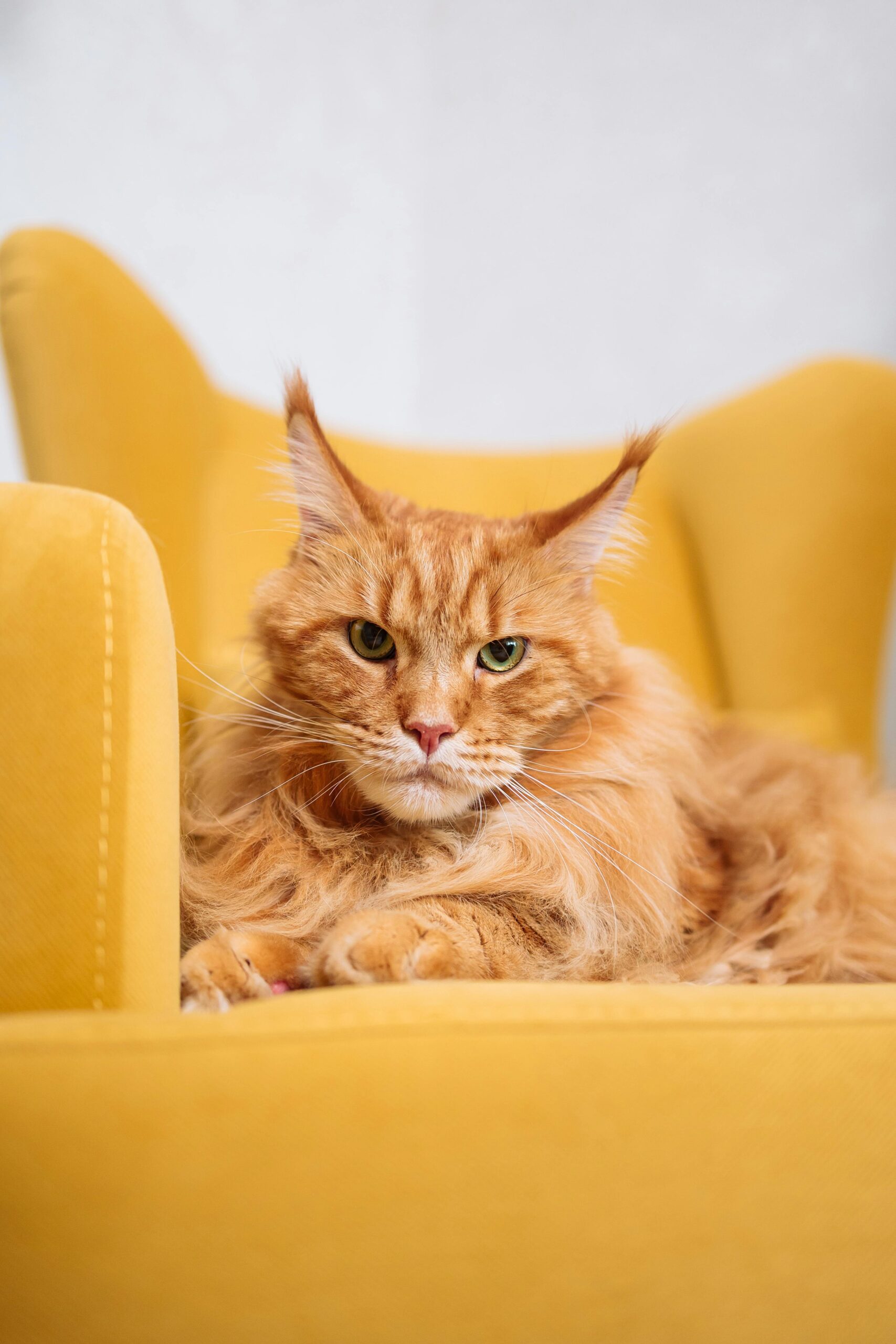
Maine Coon Matting: Why It Happens and How to Prevent It (Without Shaving)
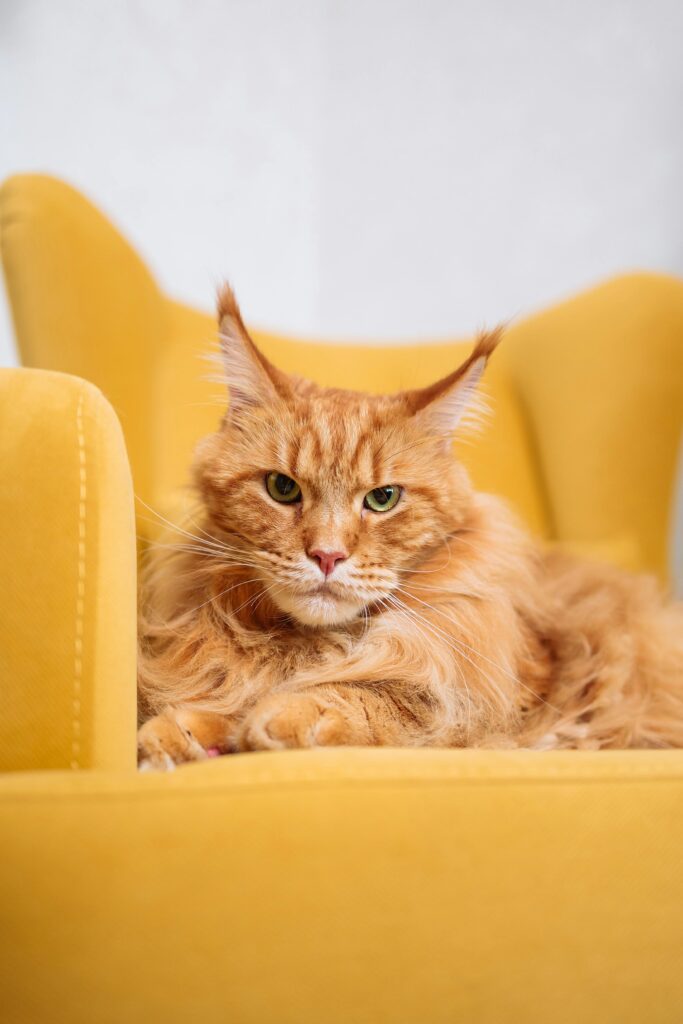
Maine Coon matting happens not because owners are careless, but because this breed’s coat is dense, mobile, and prone to friction. Simply brushing more often doesn’t solve the problem—and in some cases, it actually makes matting worse.
Matting is especially common in Maine Coons due to their thick undercoat, large body size, and seasonal shedding cycles. This guide explains why mats form, where they start, and what actually prevents them long-term, without defaulting to shaving or harsh grooming practices.
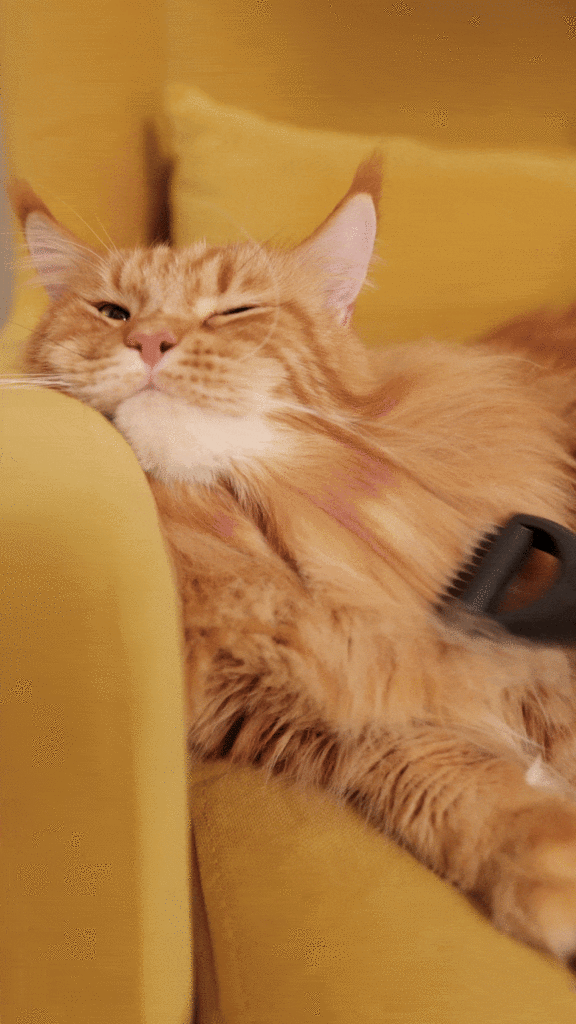
What Is Matting—and Why Maine Coons Are Prone to It
Matting occurs when loose undercoat, shed hair, moisture, and friction cause fur to tangle and compress into tight clumps. In Maine Coons, this process can happen quickly and silently—often forming beneath the surface before owners notice anything is wrong.
Understanding why their coat behaves this way is the first step to preventing mats effectively.
Maine Coon Matting: Quick Prevention & Common Experiences
| Topic | What Owners Experience | What Actually Helps |
|---|---|---|
| Why mats form | Mats appear “out of nowhere,” often overnight | Dense undercoat + friction + shedding cycles |
| Most common mat areas | Armpits, mane, belly, behind ears | Daily checks of high-friction zones |
| Brushing frequency | Brushing daily still isn’t enough | Consistent grooming + correct technique |
| Biggest mistake | Brushing over tangles | Comb first, brush second |
| Seasonal risk | Spring/fall shedding causes sudden matting | Daily or near-daily grooming during coat blow |
| Moisture impact | Water, saliva, drool make mats worse | Keep coat dry; never brush damp fur |
| Best prevention tool | Slicker brushes feel effective | Stainless steel comb removes undercoat |
| At-home removal | Fear of cutting skin | Finger separation + gentle combing only for early mats |
| Shaving | Seen as a “reset” | Only for severe or medical cases |
| When to seek help | Mats keep returning or cause pain | Professional groomer or veterinary shave |
Maine Coon matting is caused by coat structure and friction—not bad care—and prevention depends on technique, tools, and timing, not shaving.
Understanding the Maine Coon Coat Structure
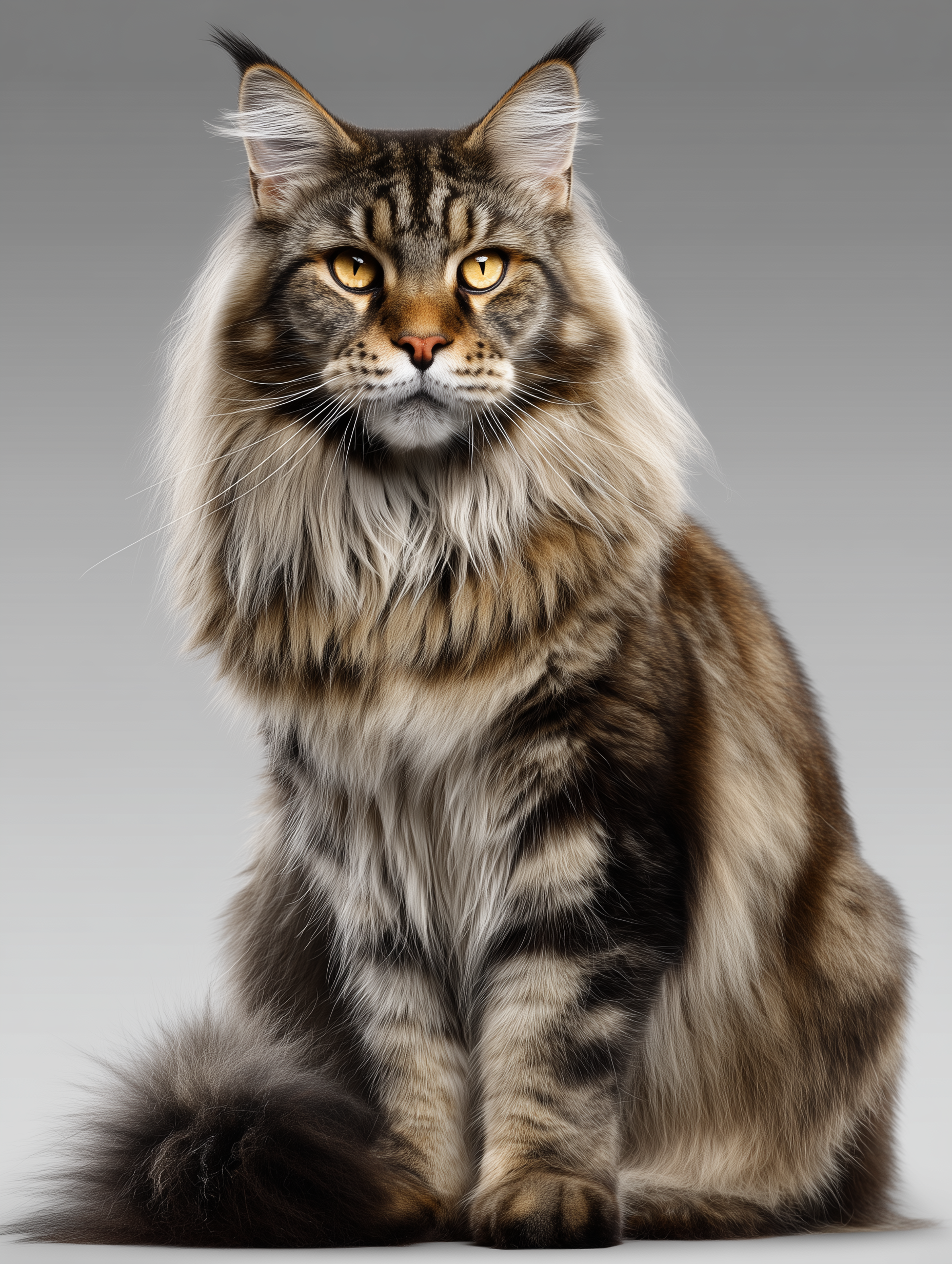
Maine Coons have a semi-long coat, not a fine, flowing single coat like some longhair breeds. This distinction matters.
Their coat is made up of:
- Longer guard hairs that repel dirt and moisture
- A dense, soft undercoat that provides insulation
The guard hairs often look smooth on top, which gives a false sense of security. Underneath, the undercoat can loosen, shed, and compact without being visible. This is why mats often feel sudden—even when brushing seems regular.
Friction matters more than length. Movement at the shoulders, chest, belly, and joints causes hair to twist and compress. Mats form where the coat rubs against itself, not simply where it’s longest.
Why Maine Coons Mat Faster Than Many Breeds
Several breed-specific factors make Maine Coons especially prone to matting:
- Thick undercoat + movement: Their insulating undercoat sheds continuously, especially in high-motion areas like armpits, chest, and hindquarters.
- Seasonal coat blow: During spring and fall, large amounts of undercoat release at once. If not removed properly, it tangles with remaining hair and forms mats quickly.
- Body size and joint movement: Maine Coons are large, muscular cats. As they walk, jump, and groom, their coat is constantly shifting—creating friction zones that smaller or lighter-coated cats don’t experience as intensely.
Matting in Maine Coons is rarely about neglect. It’s about coat physics, and preventing it requires the right technique—not just more brushing. See Maine Coon Downsides: What No One Tells You for more breed trait issues.

Common Areas Where Maine Coon Mats Form First
Mats don’t appear randomly. They form in predictable, high-friction zones where coat structure, movement, and moisture combine. Knowing where to look allows owners to catch mats early—before they tighten against the skin.
Behind the Ears and Neck Ruff
Friction + grooming blind spots
This is one of the most common—and most missed—areas for early matting. The dense ruff rubs constantly as the cat turns its head, and many cats resist brushing here. Because owners often focus on visible body fur, mats behind the ears can grow unnoticed until they’re already tight.
Armpits and Chest
Leg movement + moisture
Every step creates friction where the front legs meet the chest. Add saliva from grooming or residual moisture from water bowls, and the fine undercoat compresses quickly. These mats can become painful because the skin in this area is thin and mobile.
Belly and Inner Thighs
Low airflow + fine undercoat
The belly and inner thighs have softer, finer fur with less airflow. This area is also frequently licked, which introduces moisture. Mats here often form underneath smooth-looking topcoat, making them easy to miss until they’re advanced.
Tail Base and Pants
Density + oil buildup
The base of the tail and rear “pants” area is dense and prone to oil accumulation from natural skin secretions. This oil causes shed hair to cling rather than release, allowing mats to form even in cats that tolerate regular brushing elsewhere.
What Actually Causes Matting (It’s Not Just Skipping Brushing)
Many owners brush frequently and still struggle with mats. That’s because matting is usually caused by how grooming is done—and what’s happening in the coat—rather than how often a brush touches the fur.
Seasonal Shedding and Coat Blow
Why spring and fall are danger zones
During seasonal coat blow, large amounts of undercoat release all at once. If that loose undercoat isn’t fully removed, it tangles with remaining hair and compresses. Brushing the surface without reaching the undercoat often makes mats worse by tightening them.
Moisture, Humidity, and Saliva
Grooming after wet fur, drool, and food residue
Moisture is a major accelerator of matting. Brushing damp fur causes strands to twist together rather than separate. Saliva from grooming, drool, or food residue around the chest and belly acts the same way—binding loose hair into clumps that harden as they dry.
Inadequate Tools
Why slickers alone fail and de-shedding tools can worsen matting
Slicker brushes smooth the topcoat but often glide over dense undercoat, giving a false sense of progress. De-shedding tools, when used incorrectly, can break guard hairs and leave undercoat behind—creating the perfect conditions for mats to form later.
Preventing matting requires tools that separate and remove undercoat, not just brushes that make the coat look tidy on the surface.
How to Prevent Matting in Maine Coons (Step-by-Step)
Preventing matting isn’t about grooming harder or longer—it’s about frequency, order, and targeting the right areas. This routine is what actually keeps a Maine Coon coat mat-free long term.
How Often to Groom a Maine Coon
Normal season
Outside of heavy shedding periods, most Maine Coons do best with grooming 3–4 times per week. This keeps loose undercoat from accumulating without overworking the coat or irritating the skin.
Coat blow (spring and fall)
During seasonal shedding, grooming needs increase to daily or near-daily, even if sessions are brief. This is when most mats form, often within days if undercoat isn’t removed properly.
Short sessions vs long sessions
Short, consistent sessions (5–10 minutes) are far more effective than occasional long grooming attempts. Long sessions tend to:
- exhaust the cat’s tolerance
- cause rushed technique
- tighten existing tangles
Consistency prevents mats; intensity does not.
The Correct Brushing Order
Comb before brush
A stainless steel comb should always come first. The comb separates hair down to the skin and removes loose undercoat—the actual source of matting. If a comb cannot pass through an area, a brush will not fix it.
Why brushing over mats makes them tighter
Brushing on top of tangles smooths the surface while compressing the undercoat underneath. This is how small tangles turn into skin-tight mats. If resistance is felt, stop brushing and address the tangle directly with a comb or fingers before continuing.
Daily “High-Risk Area” Checks
A 2-minute daily check prevents the majority of mats before they form.
Focus only on:
- behind the ears
- armpits and chest
- belly and inner thighs
- tail base and rear pants
Run your fingers through these areas once a day. If you feel resistance or clumping, address it immediately. Early tangles separate easily; delayed ones rarely do.
Best Grooming Tools for Preventing Maine Coon Matting
Tools matter more than effort. The wrong tools give a false sense of grooming success while allowing mats to develop underneath.
Stainless Steel Comb (Why It’s Non-Negotiable)
A stainless steel comb with both wide and medium teeth is the most important grooming tool for a Maine Coon. It:
- reaches the undercoat
- separates hair instead of flattening it
- reveals tangles before they become mats
If you own only one grooming tool, this should be it.
Slicker Brush (When and How to Use It Safely)
Slicker brushes are useful after the coat has been fully combed. They help:
- remove remaining loose hair
- smooth the topcoat
- distribute natural oils
They should never be used to force through tangles. Light pressure only, and only on areas that pass the comb test first.
What to Avoid
Furminators
These tools can cut guard hairs and leave undercoat behind, increasing matting risk later—especially if overused.
Rakes on dry coats
Undercoat rakes can be harsh on dry fur and sensitive skin, pulling hair unevenly and encouraging tangles rather than preventing them.
Human brushes
Human hairbrushes are not designed for dense undercoat and do little more than smooth the surface while missing the problem entirely.
Preventing matting is about tool choice, order, and consistency, not force. When grooming is done correctly, Maine Coon coats stay manageable without shaving or stressful grooming sessions
How to Safely Remove Small Mats at Home
Removing mats at home can be safe—but only when they’re caught early and handled correctly. The goal is always to separate hair, not pull it. Knowing when to stop is just as important as knowing how to proceed.
When Mats Can Be Worked Out
Early mats are small, loose clumps that:
- sit above the skin
- can be gently separated with fingers
- do not cause visible discomfort
These are ideal candidates for at-home removal.
Advanced mats are dense, compacted, or felt-like. They often:
- sit flush against the skin
- involve multiple layers of hair
- tighten further with handling
Once a mat reaches this stage, home removal becomes risky.
Step-by-Step Gentle Removal
1. Finger separation
Start with clean, dry hands. Gently pull the mat apart from the ends, not the base. This loosens the outer fibers before any tool touches the coat.
2. Comb technique
Use a stainless steel comb and work from the tip of the mat toward the skin, a few millimeters at a time. Hold the hair at the base to prevent pulling the skin. If the comb doesn’t move easily, stop.
3. Cornstarch or detangler (when appropriate)
For dry, early mats, a small amount of cornstarch can reduce friction and help hair slide apart. Cat-safe detanglers can also help—but only on dry fur. Never brush wet or damp mats; moisture tightens them.
Progress should feel slow but steady. If tension increases, the mat is too advanced for home removal.
When NOT to Try at Home
There are situations where attempting removal causes pain or injury.
Do not attempt home removal if the mat is:
- skin-tight or immobile
- located in the armpits, groin, or belly folds
- causing flinching, vocalizing, or aggression
Behavior warning signs—hissing, sudden biting, freezing, or rapid breathing—mean the cat is stressed or in pain. At that point, stopping is the responsible choice.
Should You Ever Shave a Maine Coon for Matting?
Shaving is emotional for owners and often misunderstood. It is not a grooming shortcut, but in certain cases, it is the safest option.
When Shaving Is Medically Necessary
Shaving may be appropriate when:
- mats are tight against the skin
- multiple mats restrict movement
- skin irritation or infection is present
- the cat cannot tolerate handling safely
In these cases, shaving prevents pain, skin tearing, and long-term damage.
Risks of Routine Shaving
Shaving as a routine solution carries real downsides.
Coat texture changes
Repeated shaving can alter how the coat grows back, leading to uneven texture or increased matting risk later.
Skin exposure
The coat protects against temperature changes and minor trauma. Shaved skin is more vulnerable to irritation and injury.
Regrowth issues
Regrowth can be patchy or slow, especially in older cats or those with underlying health issues.
Shaving treats the symptom—not the cause.
Groomer vs Vet Shaves
Professional groomers
Best for cooperative cats with severe mats but no medical concerns. A groomer experienced with Maine Coon coats is essential.
Veterinary shaves
Necessary when:
- mats are extremely tight
- skin is compromised
- sedation is required for safety
A vet shave prioritizes comfort and health over appearance.
Used appropriately, shaving can be humane and protective. Used casually, it often creates long-term grooming problems. Prevention and early intervention are always preferable—but knowing when to escalate care is part of responsible ownership.
Professional Grooming: How Often Do Maine Coons Actually Need It?
Most Maine Coons do not need frequent professional grooming if home care is done correctly. However, professional grooming can be an important support tool—especially during seasonal coat blow, for senior cats, or for owners struggling with early matting.
For well-maintained coats, professional grooming is typically helpful every 8–12 weeks, with some cats only needing occasional visits during heavy shedding seasons. Cats prone to matting, with mobility issues, or with dense undercoats may benefit from more regular appointments.
What a Proper Grooming Visit Includes
A high-quality grooming visit for a Maine Coon should focus on coat health and comfort, not drastic cosmetic changes. A proper session usually includes:
- thorough comb-out to remove loose undercoat
- careful detangling of early mats
- sanitary trimming if needed (not full-body shaving)
- nail trimming and basic hygiene checks
An experienced groomer understands the difference between a semi-long, double-layer coat and a true longhair coat—and works patiently rather than aggressively.
Red Flags With Groomers
Not all groomers understand Maine Coon coat structure. Watch for these warning signs:
Over-shaving
Routine “lion cuts” or full-body shaves for mild matting often indicate poor technique or impatience. Shaving should never be the default solution.
Lack of coat knowledge
If a groomer cannot explain undercoat vs guard hairs, or relies heavily on de-shedding tools without combing, they may worsen matting long-term rather than prevent it.
A good groomer prioritizes preserving coat integrity, not removing it.
Diet, Health, and Matting Connection
Matting isn’t always a grooming failure. Sudden or worsening matting often reflects internal changes—either nutritional or medical—that affect coat quality and self-grooming ability.
Coat Quality and Nutrition
Healthy coats resist tangling better than dry, brittle ones.
Omega-3 fatty acids
Adequate omega-3 intake supports skin hydration and elasticity, helping hair slide rather than clump. Deficiencies often show up first as increased matting or dullness.
Protein quality
Hair is made of protein. Diets low in bioavailable animal protein can lead to weaker hair shafts that tangle and break more easily—even with good grooming habits.
Nutrition alone won’t eliminate matting, but poor nutrition makes prevention much harder.
Medical Causes of Sudden Matting
When matting appears suddenly or worsens despite consistent grooming, health should be considered.
Arthritis
Pain or reduced mobility limits a cat’s ability to groom high-friction areas like the belly, hips, and armpits.
Obesity
Excess weight restricts flexibility, making self-grooming difficult and increasing friction where skin folds trap hair.
Skin conditions
Inflammation, allergies, or infections change skin oils and coat texture, causing hair to cling and mat more easily.
In these cases, addressing the underlying issue is essential—no grooming routine alone will fully solve the problem.
Maine Coon Matting Myths (Debunked)
Matting is one of the most misunderstood grooming issues in Maine Coons. These myths often lead owners to over-groom, under-groom, or choose solutions that actually make matting worse over time.
“Mats Mean Bad Care”
Reality: Matting is not a moral failing or proof of neglect. Maine Coons have dense undercoats that shed continuously, and mats can form even in well-groomed cats—especially during seasonal coat blow, illness, or aging. What matters is how early mats are addressed, not whether they appear at all.
“Short Coats Don’t Mat”
Reality: Matting is caused by undercoat density and friction, not coat length alone. Maine Coons can mat in areas where fur is shorter—such as armpits, chest, and belly—because movement and moisture compress the undercoat. Even trimmed coats can mat if undercoat isn’t properly removed.
“Brushing Daily Fixes Everything”
Reality: Daily brushing with the wrong tools or in the wrong order can make matting worse. Brushing over tangles smooths the surface while tightening the undercoat underneath. Effective mat prevention depends on proper technique and tool choice, not frequency alone.
“Shaving Resets the Coat”
Reality: Shaving removes the symptom, not the cause. While shaving may be medically necessary in severe cases, routine shaving can alter coat texture, increase future matting risk, and expose sensitive skin. A shaved coat does not “reset” grooming needs—it often creates new ones.
Owner Experiences With Maine Coon Matting (What People Actually Say)
If you spend any time in Maine Coon Facebook groups or Reddit threads, one theme comes up again and again: owners who swear they’re doing everything right — and still wake up to mats overnight.
Here’s what real owners consistently say.
“We brush every single day… how is he matted again?”
One of the most common frustrations sounds like this:
“I literally don’t understand how this happens. We brush every day — back, tail, mane, stomach, armpits, everything — and I wake up to new mats like he went to war overnight.”
Many owners describe grooming once or even twice a day, only to find fresh tangles the next morning. This often happens during coat transitions, when kitten fluff and adult coat overlap and loose undercoat compacts faster than brushing can keep up.
“He’s fine while I’m awake… then overnight it’s a mess.”
Another pattern owners notice is overnight matting:
“I can’t keep him in one room because he gets sad, so I have no idea what he does while I sleep. I just wake up and he’s tangled again.”
People commonly mention:
- rubbing against cat trees
- rolling on carpets or boxes
- sleeping twisted in odd positions
- obsessively grooming certain spots
All of this creates friction while owners aren’t there to intervene.
“It’s always the same spots — armpits and mane.”
Owners almost universally report matting in the same areas:
“The armpits are the worst. I can deal with most mats, but those scare me.”
“His mane mats overnight no matter what I do.”
Armpits, chest, mane, belly, and behind the ears are repeatedly mentioned — even by owners whose cats enjoy brushing and ask for it daily.
“I’m terrified of cutting his skin.”
Fear of injury comes up constantly:
“I’m scared to cut the armpit ones when they’re close to the skin. I don’t want to nick him.”
Many owners admit they’ve tried scissors once and never again, turning instead to:
- small pet trimmers
- paw trimmers
- professional groomers
Safety — not laziness — is the reason many owners hesitate to remove mats themselves.
“Lion cuts didn’t go well for us.”
Shaving is emotionally charged, and experiences vary:
“We did a belly and armpit shave once because it got so bad — and he was depressed for a week.”
“We tried a bath once. Never again.”
Some owners say lion cuts helped temporarily, while others noticed behavior changes or increased stress afterward. Many end up choosing targeted trims (armpits, belly) instead of full shaves.
“Saliva and water make it so much worse.”
A detail that surprises many owners:
“It’s the saliva. It’s basically glue once it dries.”
“Mine is obsessed with the bathroom and keeps getting wet — I swear that’s half the problem.”
Cats that:
- over-groom
- drool
- play in sinks, tubs, or fountains
- go outside in damp conditions
are repeatedly described as matting faster, even with good grooming routines.
“Everyone says it gets better after the adult coat comes in.”
Reassurance from experienced owners shows up often:
“The coat usually normalizes after 15–24 months once they’re through a few molts.”
“Mine was a cotton generator until his adult coat fully came in.”
Many owners of young Maine Coons describe the 6–18 month stage as the hardest grooming period, with mixed textures, heavy shedding, and unpredictable matting.
“At some point, you just manage — not eliminate — mats.”
Perhaps the most honest takeaway:
“I’ve given up on preventing armpit knots entirely. I manage them.”
“Daily brushing helps, but it doesn’t stop everything.”
Long-time owners tend to shift from trying to be perfect to focusing on:
- early detection
- high-risk areas
- comfort over appearance
What These Owner Experiences Show
Across hundreds of similar conversations, one truth stands out:
Maine Coon matting is common, frustrating, and not a sign of bad ownership.
Most people dealing with it are attentive, educated, and trying hard — they’re just navigating a coat that changes, sheds heavily, and reacts to friction and moisture.
That’s why prevention isn’t about “brushing more” — it’s about brushing differently, checking smarter, and knowing when to intervene safely.
Biggest Complaints Owners Have About Maine Coon Matting
| Owner Complaint | What Owners Say (Real-Life Language) | What’s Actually Happening |
|---|---|---|
| “I brush every day and he still mats.” | “We brush morning and night and he still wakes up tangled.” | Brushing isn’t removing loose undercoat; friction tightens it underneath. |
| “Mats appear overnight.” | “He looks fine at bedtime and matted by morning.” | Rubbing, sleeping positions, grooming, and coat blow cause rapid compaction. |
| “It’s always the same spots.” | “Armpits, mane, belly—every single time.” | High-friction, low-airflow areas trap undercoat and moisture. |
| “I’m scared to cut them out.” | “They’re too close to the skin—I’m terrified I’ll nick him.” | Cat skin is thin and stretchy; home removal isn’t always safe. |
| “Lion cuts didn’t solve it.” | “He was depressed after shaving and the mats came back.” | Shaving removes hair but not the cause; regrowth can mat faster. |
| “His coat feels weird right now.” | “It’s fluffy, wispy, and different than before.” | Kitten coat transitioning to adult coat mats more easily. |
| “Water makes everything worse.” | “He plays in the sink and his coat turns into glue.” | Moisture + saliva bind loose hair as it dries. |
| “My cat hates grooming.” | “He fights brushing even though he needs it.” | Mats cause discomfort; bad experiences reduce tolerance. |
| “Professional grooming is expensive or hard to find.” | “The only cat groomer near me is far away.” | Cat-specific grooming access is limited in many areas. |
| “I feel like I’m failing.” | “Everyone else makes it look easy.” | Matting is common; social media often hides reality. |
Most Maine Coon matting complaints come from coat physics, not owner neglect. The frustration is real—and shared by many experienced owners. Read why Maine Coons are not for everyone if you are considering adopting a Maine Coon of your own.
Maine Coon Matting FAQ
This FAQ addresses the exact concerns, confusion, and conflicting advice that show up repeatedly in Facebook groups, Reddit threads, grooming forums, and owner groups—without shaming, oversimplifying, or pushing unsafe fixes.
1. Why does my Maine Coon keep getting mats even though I brush regularly?
Because brushing alone isn’t enough if it doesn’t remove loose undercoat. Many owners brush the surface of the coat, which looks tidy but leaves shedding undercoat behind. That undercoat compacts through movement and friction, forming mats underneath seemingly smooth fur.
2. How fast can mats form on a Maine Coon?
Surprisingly fast—sometimes in days during seasonal coat blow. Once loose undercoat is present, friction from walking, grooming, or sleeping can tighten it into mats quickly, especially in high-risk areas like armpits and behind the ears.
3. Are mats painful for Maine Coons?
Yes. As mats tighten, they pull on the skin, restrict movement, trap moisture, and can cause inflammation or sores. Cats often hide discomfort, so mats may be painful long before obvious signs appear.
4. Is matting my fault as an owner?
No. Matting is common in Maine Coons due to coat density, shedding cycles, and body size. What matters is how early mats are addressed and whether prevention improves over time, not whether mats ever appear.
5. Do Maine Coon kittens mat less than adults?
Kittens usually mat less at first, but matting often increases during coat transitions, adolescence, and adulthood. Many owners are caught off guard when a previously easy coat suddenly becomes prone to tangles.
6. Do indoor Maine Coons mat less than outdoor ones?
Not necessarily. Indoor cats still experience seasonal shedding and friction-related matting. Outdoor exposure can add debris and moisture, but indoor Maine Coons mat frequently if grooming technique is insufficient.
7. Can I cut mats out with scissors?
This is not recommended. Cat skin is thin and stretchy, and many injuries occur this way. If cutting is unavoidable, it should only be done by a professional using clippers designed for pets—not household scissors.
8. Is it better to shave than fight mats?
Only in severe or medical cases. Shaving should never be the default solution. It removes the symptom but not the cause, and repeated shaving can change coat texture, increase future matting, and expose sensitive skin.
9. Will shaving my Maine Coon once prevent future matting?
No. Shaving does not “reset” the coat. Without changes to grooming technique, tools, or routine, matting often returns—sometimes worse—once the coat grows back.
10. Why do mats keep forming in the same spots?
Because mats form where friction, movement, and moisture are highest. Common repeat areas include:
- behind the ears
- armpits
- chest and belly
- inner thighs
- tail base
These areas require targeted attention, not general brushing.
11. What’s the best single tool to prevent matting?
A stainless steel comb. It reaches the undercoat and separates hair down to the skin. Brushes alone—especially slickers—often miss the problem layer entirely.
12. Can diet really affect matting?
Yes. Poor coat quality from low protein intake, inadequate omega-3s, or underlying health issues makes hair more brittle and prone to tangling. Sudden matting can be an early sign that something internal has changed.
13. My Maine Coon hates grooming—what can I do?
Short, calm sessions work better than long battles. Focus on daily 1–2 minute checks of high-risk areas, use positive reinforcement, and stop before stress escalates. For some cats, professional grooming or veterinary-assisted care is the safest option.
14. When should I stop trying to remove a mat myself?
Stop immediately if:
- the mat is tight against the skin
- the cat flinches, growls, or freezes
- the mat is in the armpit or groin
- the comb won’t move easily
At that point, professional help prevents pain and injury.
15. Is matting worse as Maine Coons age?
Often, yes. Arthritis, weight changes, and reduced flexibility limit self-grooming and increase friction. Senior Maine Coons usually need more owner assistance, not less.
Maine Coon Matting Summary
If you are struggling with Maine Coon matting issues you are not alone: Maine Coon matting is common and frustrating.
Where it goes wrong is treating matting as a failure instead of a coat-management challenge that requires the right tools, timing, and expectations. If you need specific advice we are always happy to help you troubleshoot over videocall.
Related Maine Coon Care Posts
If you’re managing a Maine Coon coat, these guides will help you understand the bigger picture behind grooming, shedding, and long-term coat health:
- Maine Coon Grooming Guide: How Often to Brush, What Tools Actually Work, and Common Mistakes
- Maine Coon Shedding Explained: Seasonal Coat Blow, What’s Normal, and When to Worry
- Maine Coon Coat Types: Kitten Coat vs Adult Coat and Why Texture Changes Cause Matting
- Best Brushes for Maine Coons: What Works, What Fails, and What Can Make Matting Worse
- Maine Coon Lion Cuts: When Groomers Recommend Them and When They Do More Harm Than Good
- Maine Coon Polydactyl Care: Extra love for the extra toes.
- Maine Coon Diet and Coat Health: How Nutrition Affects Shedding, Dryness, and Mat Formation
- How to Prepare Your Home for a Maine Coon Kitten: details on starting good grooming habits
- Maine Coon Cat Care: Environmental Factors That Affect Coat Condition and Grooming Needs
Sources & References
- American Veterinary Medical Association (AVMA). Cat Grooming and Coat Care.
https://www.avma.org/resources-tools/pet-owners/petcare/grooming-your-cat - Cornell University College of Veterinary Medicine. Feline Skin and Coat Health.
https://www.vet.cornell.edu/departments-centers-and-institutes/cornell-feline-health-center/health-information/skin-and-coat-care - International Cat Care (iCatCare). Longhaired Cat Grooming and Mat Prevention.
https://icatcare.org/advice/grooming-your-cat/ - VCA Animal Hospitals. Why Cats Get Mats and How to Prevent Them.
https://vcahospitals.com/know-your-pet/grooming-cats - Tufts University Cummings School of Veterinary Medicine. Nutrition and Skin & Coat Health in Cats.
https://vetnutrition.tufts.edu/2019/03/skin-and-coat-health/ - Merck Veterinary Manual. Diseases of the Skin in Cats.
https://www.merckvetmanual.com/cat-owners/skin-disorders-of-cats/overview-of-skin-disorders-of-cats





Read the Comments +