
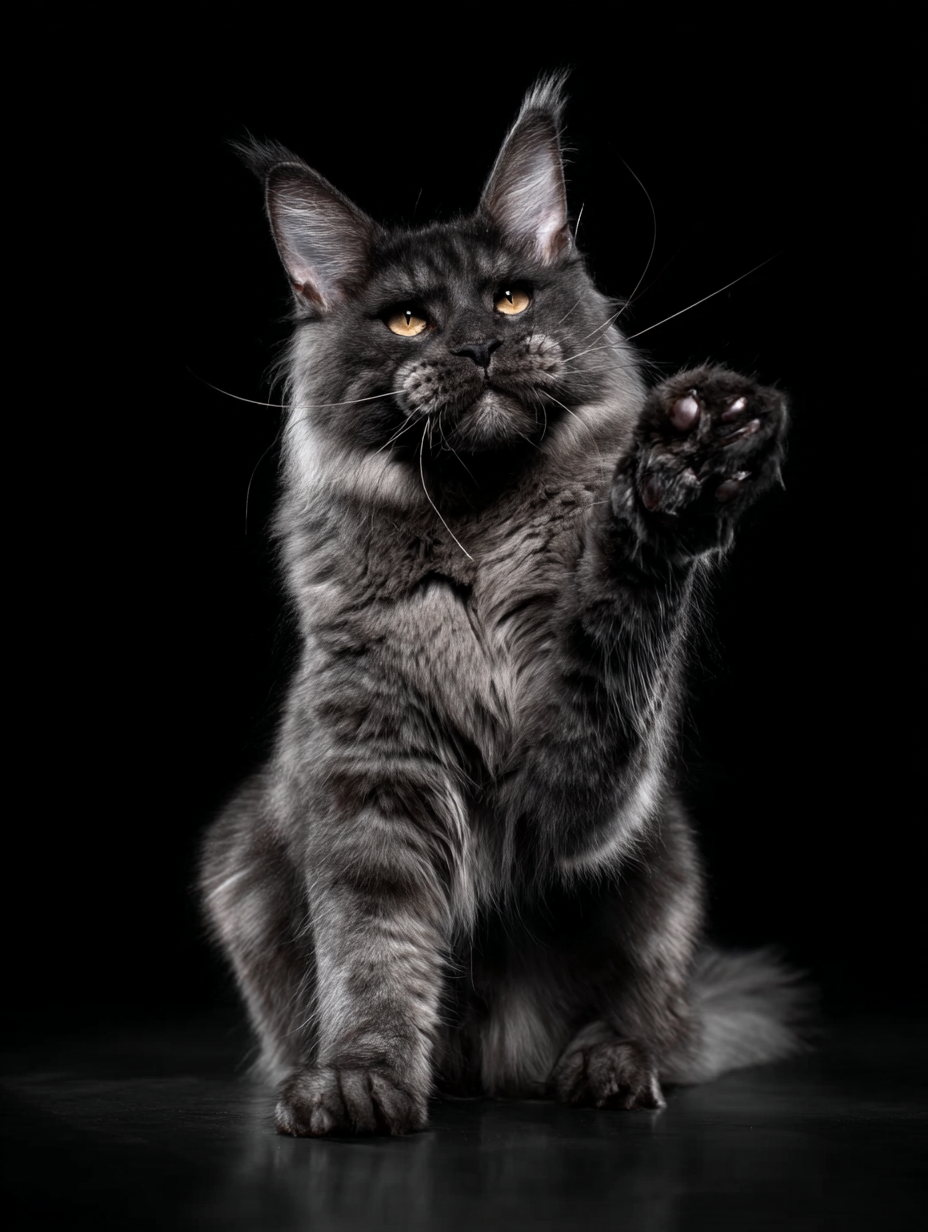
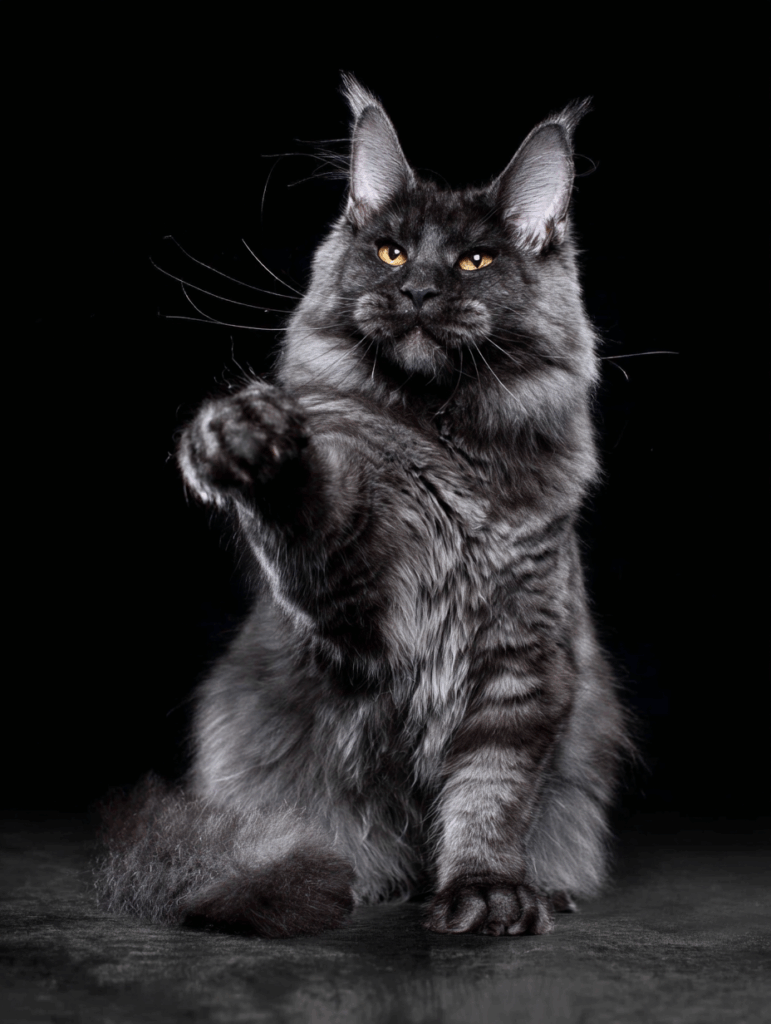
Maine Coon Tassel Ears and Ear Tufts
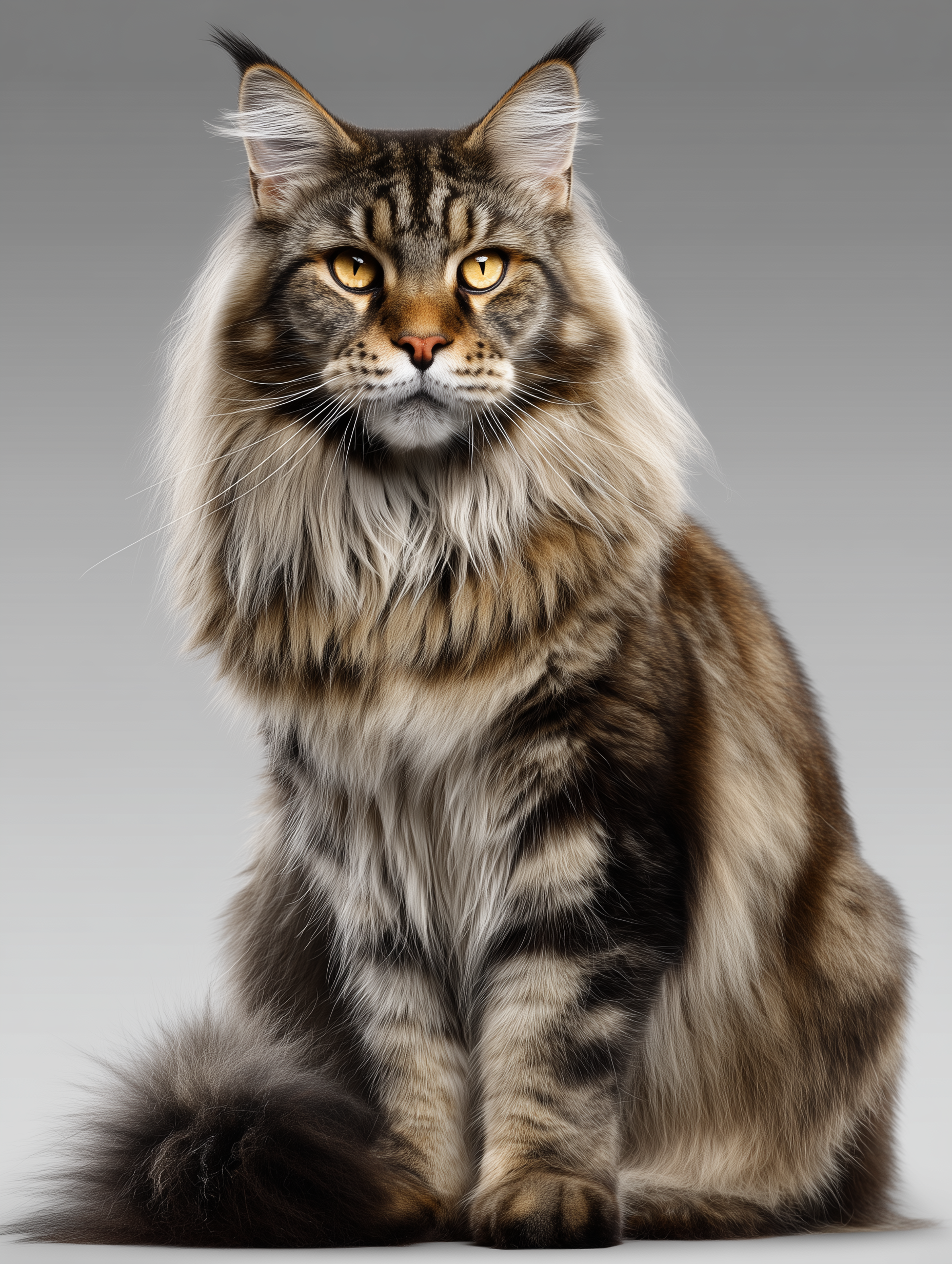
Maine Coon tassel ears are one of the most recognized features of the breed. New owners often search for “Maine Coon ears,” “Maine Coon ear tufts,” or “lynx tipped ears” because the tips of the ears help define the classic Maine Coon look. While not every kitten is born with full ear tassels, they are a natural and desirable trait in the breed standard.
This guide explains what tassel ears are, how they develop, and why they are so closely associated with the Maine Coon’s wild, majestic appearance.
Searching for a Maine Coon Kitten for Sale?
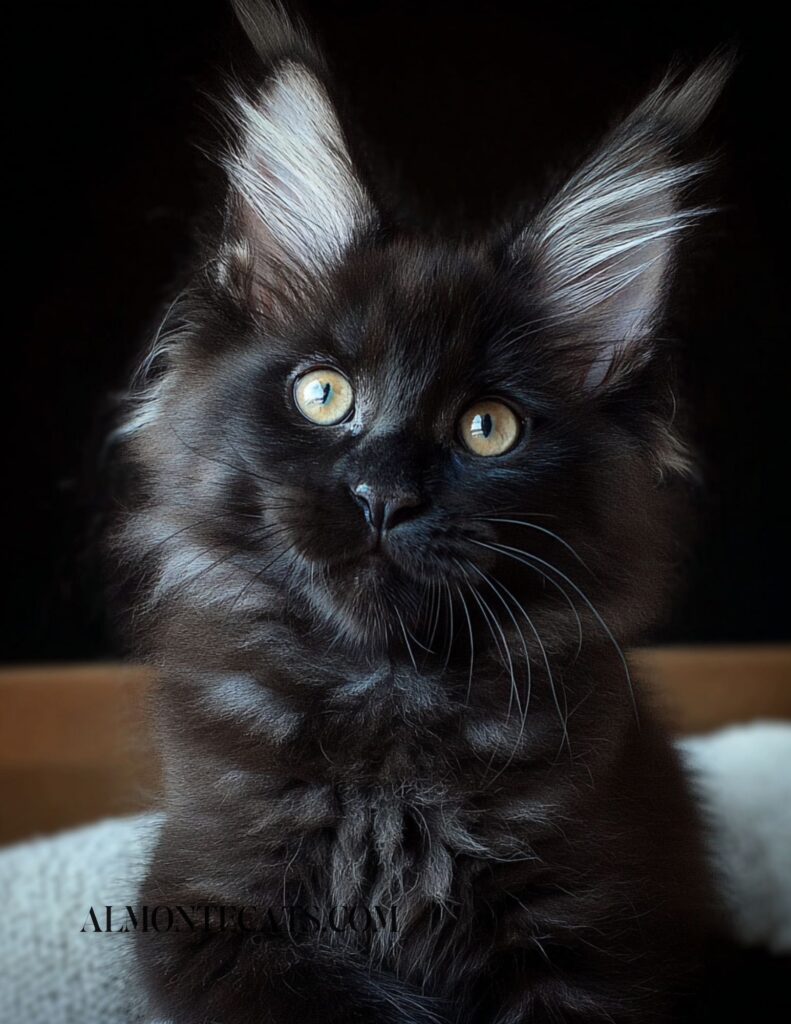
If you are here to find your very own Maine Coon baby check out our Purebred Maine Coon Kittens for Sale.
At Almonte Cats, every kitten is:
- TICA / CFA registered from fully health-tested parents
- Raised in-home for confident, affectionate temperaments
- Vet-checked, vaccinated, and microchipped before going home
We advise our families to reserve early — our litters are produced in limited numbers each year to preserve quality and true Maine Coon type.
View Available Kittens & Apply Here
Quick Summary: Maine Coon Tassel Ears
| Topic | Key Points |
|---|---|
| What Tassel Ears Are | Long hairs at the tip of the ear that create the classic lynx tipped look. Different from inner ear tufts and edge furnishings. |
| How They Develop | Kittens start with small tufts that grow slowly. Tassels become more visible between four months and one year. |
| History and Lynx Myth | Early New England cats developed thick ear hair for cold weather. Their look reminded people of the lynx, which created the myth but not the genetics. |
| American vs European Ears | American lines have moderate ears with soft expression. European lines have taller ears, stronger lynx tips, and sharper profiles. Both are purebred. |
| Why Tassels Vary | Genetics, coat type, line style, and maturity all affect tassel length. Not all purebred Maine Coons have long tassels as kittens. |
| Ear Care | Clean gently with cat safe solution, check weekly for wax or odor, and protect ears from moisture. Tassels need light grooming to stay tidy. |
| How to Identify Quality Ears | Look for tall ears with wide bases, high placement, inner tufts, and visible tassels. These traits signal strong breed type. |
| Where to Find the Best Tassel Ears | Our kittens come from health tested lines selected for tall ears, strong lynx tips, and excellent head structure. Many owners choose our cattery for predictable type and temperament. |
What Are Maine Coon Tassel Ears
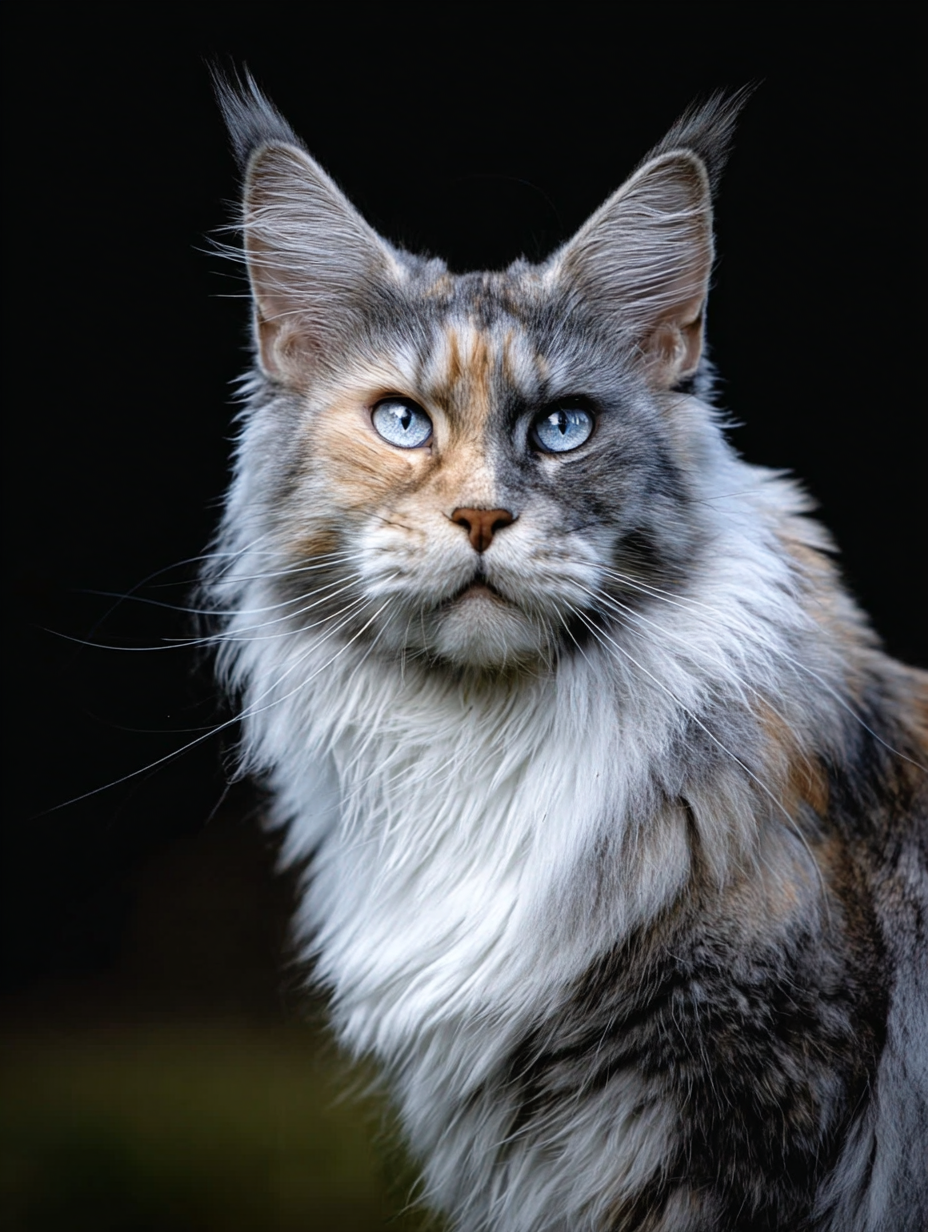
Tassel ears are the long, pointed hairs that grow from the tip of a Maine Coon’s ears. These hairs form a tiny “tassel” or “spike” shape at the peak of each ear. They are different from ear tufts, which grow inside the ear for protection and warmth.
A complete Maine Coon ear has three parts:
- Ear tufts inside the ear
- Furnishings around the edges
- Tassels or lynx tips at the very top
Tassel ears give the breed a distinct expression, often compared to wild lynx cats. While the Maine Coon is a fully domestic breed, the lynx-like look remains one of its defining traits.
History of the Maine Coon and the Lynx Ears
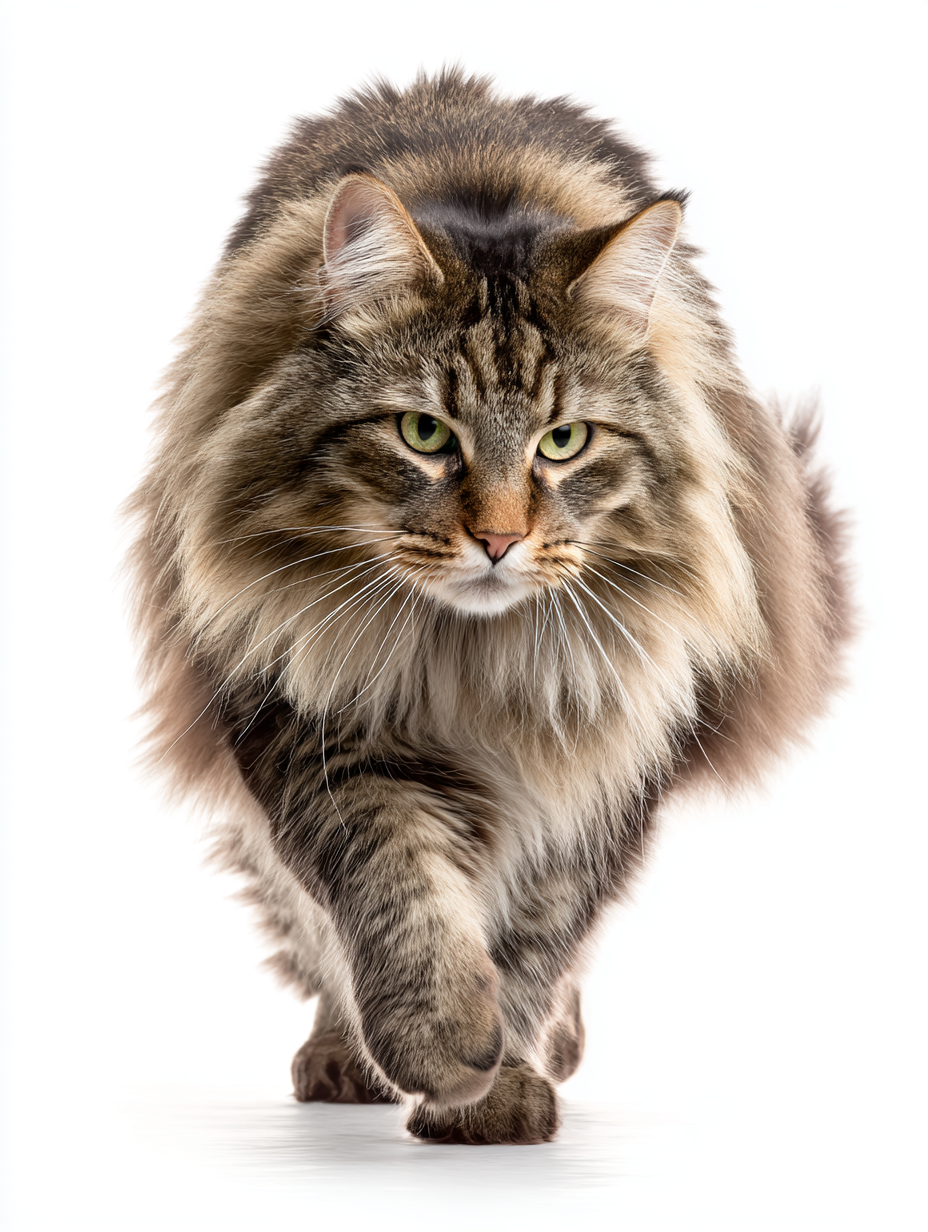
The Maine Coon has carried a wild and mysterious reputation since the earliest days of the breed. Long before the Maine Coon was recognized as a domestic cat, farmers and sailors in New England noticed that many local cats had tall ears with tips that looked strikingly similar to the ears of the North American lynx. The pointed tassels, strong muzzle, and impressive size made people believe the breed must have come from wild ancestry. This is where the famous lynx myth began.
Early settlers created stories to explain the appearance of these rugged farm cats. One popular tale claimed that a domestic cat had bred with a wild lynx, which would explain the long ear tassels and large body. Another legend suggested that the Maine Coon descended from royal cats brought by Viking explorers, whose cats also had tufted ears and thick coats. Although these stories were never true, they helped shape the Maine Coon’s identity as a powerful, hardy, almost mythical animal.
Did Maine Coon cat tassel ears come from the Lynx?
In reality, Maine Coons developed naturally from domestic cats that adapted to the cold New England climate. The lynx-like ear tips were not inherited from wild cats, but rather formed through natural selection. Cats with thicker ear tufts and hair on the tips were better protected from wind and snow, so those traits became more common over generations. Their appearance simply resembled the lynx because both animals evolved in similar environments.
By the 1800s, these striking farm cats became well known at local fairs and exhibitions, where their size, coat, and ear tips drew attention. People admired their wild expression, and the lynx myth only grew stronger. Even today, many new owners believe the Maine Coon must be part wild because of the way their tassels mimic the ear shape of wild cats.
Why Do Maine Coons Have Tassel Ears
Maine Coons developed in the cold climates of New England. Their ears evolved to:
- Protect against freezing temperatures
- Keep snow and moisture out
- Add warmth with inner tufts
- Direct sound more efficiently
The tassels themselves are a cosmetic expression of this adaptation, creating the distinctive silhouette many people love.
Do All Maine Coons Have Tassel Ears
Not all Maine Coons have long tassel ears. Tassels vary from cat to cat based on genetics, line type, and coat traits.
Factors that influence tassels:
- Parents with strong tassels are more likely to produce kittens with them
- European Maine Coon lines often have more dramatic tassels
- Age plays a role, as kittens develop tassels gradually
- Gender does not matter, both males and females can have strong tips
A Maine Coon without large tassels is still a purebred. Ear shape and head structure matter more in evaluating type.
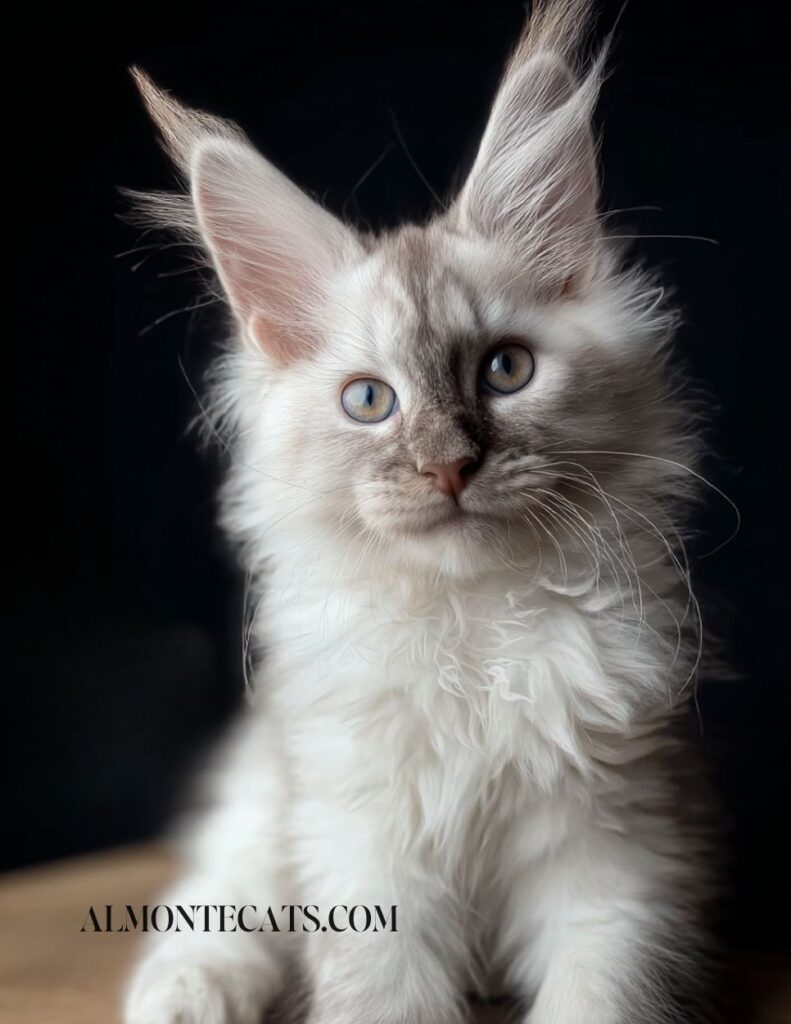
Where to Find Maine Coon Kittens with Tassel Ears
| Feature | Our Maine Coon Kittens | Typical Maine Coon Listings |
|---|---|---|
| Ear Tassel Length | Strong, visible tassels that continue to grow with age | Varies widely, often short or minimal |
| Ear Shape | Tall, upright ears with wide bases and correct placement | Moderate or inconsistent ear height |
| Lynx Tip Genetics | Selectively bred from lines with long lynx tips and strong profile type | Often unknown or low priority in breeding |
| Line Type | Balanced American and European lines to achieve dramatic but correct ears | Usually one style with limited selection for ear traits |
| Head and Ear Proportion | Square muzzle and tall ears for a classic Maine Coon look | Mixed type, rounder faces, lower ear placement |
| Kitten Evaluations | Each kitten evaluated early for tassel development and ear set | Rarely evaluated for type beyond color |
| In Home Raising | Ensures kittens develop confident posture and alert ear carriage | Stressful environments often lead to flattened ears in photos |
| Photo Transparency | Weekly photos and videos showing tassel growth over time | Many listings reuse internet photos with no development updates |
| Health and Genetics | Health tested parents with consistent, predictable traits | Mixed or untested lines with unpredictable ear type |
| Overall Ear Quality | Strong ear furnishings, inner tufts, and clear lynx tipped appearance | Mild furnishings, short tips, or no tassel growth |
If you love Maine Coons with tall ears and true lynx tipped tassels, explore our available kittens or join the waitlist for upcoming litters. See Maine Coon Kittens for Sale here.
When Do Tassel Ears Develop
Many new owners wonder why their kitten’s ears look plain at first. Tassels develop over time and usually follow this timeline:
8 weeks
- Short inner tufts
- No visible tassels yet
12 weeks
- Small beginnings of ear furnishings
- Soft hair starting to form on ear tips
4 to 6 months
- Noticeable tassels begin to appear
- Ears look more pointed and expressive
1 year and older
- Tassels reach their full length
- Head type matures
- Ear shape becomes more defined
If you want to guide readers further, link to your Maine Coon growth week by week post.
Maine Coon Ear Care: How to Clean and Check Their Ears
Maine Coons may have dramatic tassel ears and full inner tufts, but that also means their ears need regular maintenance. The additional hair around and inside the ears can trap debris, wax, and moisture. Because of this, routine ear checks are one of the simplest ways to keep your Maine Coon healthy and comfortable. Ear care does not have to be complicated. With a simple weekly routine, you can prevent most common issues before they start.
How to Check Your Maine Coon’s Ears at Home
Checking your cat’s ears takes only a minute and helps you catch problems early. Make it part of your grooming routine.
Here is what to look for:
Healthy ears look like this:
- Pale pink skin
- No odor
- No excessive wax
- No redness
- No discharge
- No scabs or irritation
- No swelling
- No scratching or discomfort
Things that may indicate a problem:
- Brown or black buildup
- A sour or yeasty smell
- Redness or inflammation
- Moisture or sticky residue
- Crust along the edges
- A cat shaking its head
- Excessive scratching
- Sensitivity when touched
If your cat reacts strongly to touch on one ear, that is often the earliest sign of infection or irritation. Checking once a week helps you stay ahead of this.
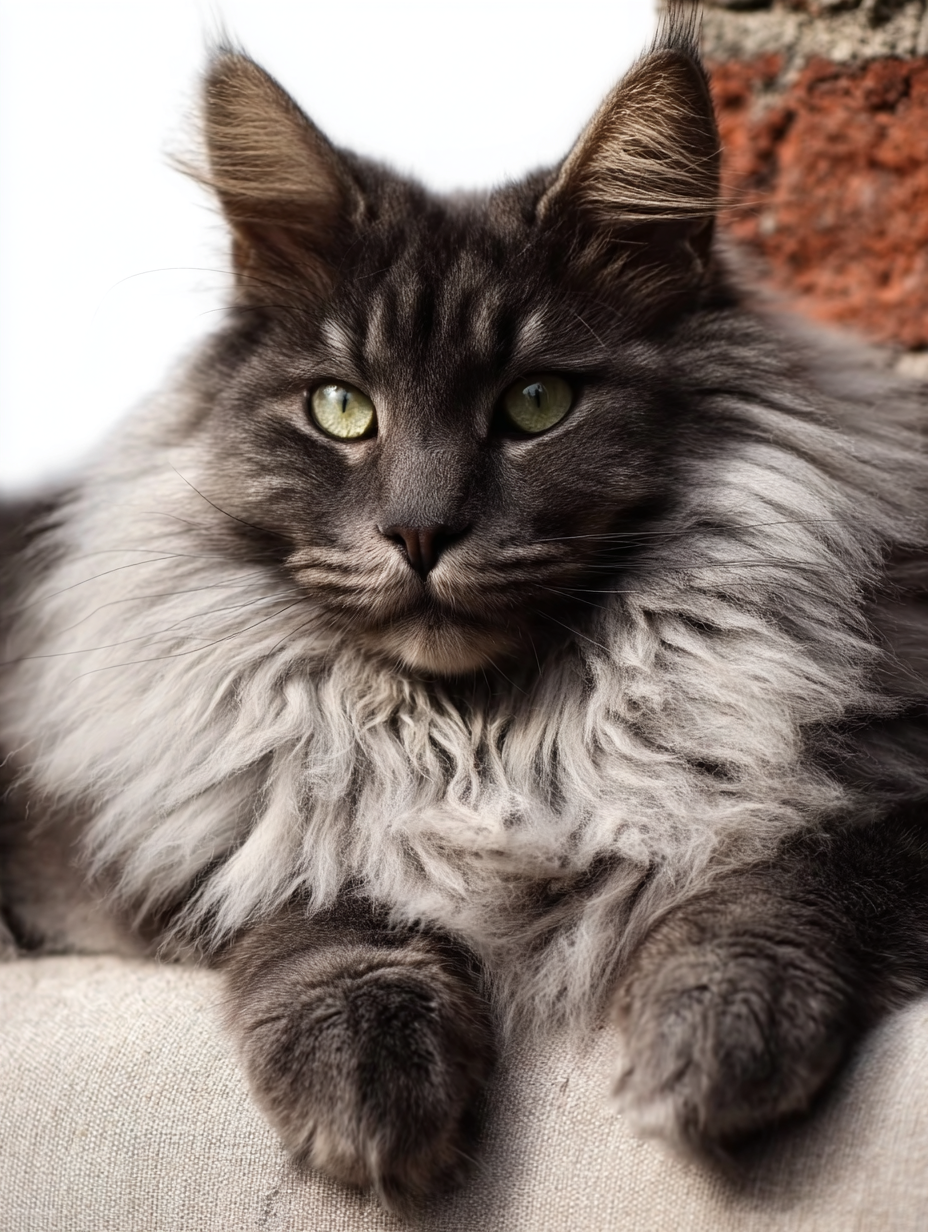
How to Clean Maine Coon Ears Safely
Cleaning your cat’s ears is simple when done correctly. Use products made for cats and avoid harsh cleaners.
What you will need:
- A cat safe ear cleaning solution
- Cotton pads or soft gauze
- A clean towel
- Treats for positive reinforcement
Avoid cotton swabs inside the ear canal because they can push debris deeper or harm the ear. You can, however, use them gently around the outer folds of the ear if needed.
Step by step cleaning:
- Prepare everything first
Cats respond better when handling is quick and calm. - Hold the ear gently between your fingers
Lift the ear flap so you can see inside clearly. Do not pull or stretch the ear. - Apply a few drops of ear cleaning solution
Follow the directions on the bottle. Most require only a small amount. - Massage the base of the ear for 5 to 10 seconds
This helps loosen wax and debris inside the canal. - Let your cat shake its head
This is normal and helps bring debris to the surface. - Wipe away loosened wax with a cotton pad or gauze
Gently clean the visible parts of the ear only. - Repeat on the other ear
Most cats tolerate the cleaning better over time once they learn the routine. - Give treats to create a positive experience
Maine Coons are smart, so building trust helps with future cleanings.
Do not over clean. Once every one to two weeks is usually enough unless your veterinarian recommends otherwise.
How to Prevent Ear Infections in Maine Coons
Maine Coons can develop ear infections if wax, moisture, or debris accumulates in the ear canal. Prevention is always easier than treatment.
Tips to reduce infection risk:
- Check ears weekly
- Keep inner ear dry during baths
- Do not let water drip into the ear canal
- Maintain good grooming habits
- Avoid over cleaning, which can irritate the skin
- Use only veterinarian approved cleaners
- Keep your cat’s living environment clean
Seasonal allergies can also cause inflammation in some cats, making regular checks important during spring and fall.
Common Causes of Ear Infections
Ear infections can develop for several reasons. Understanding these helps you address them quickly.
1. Yeast overgrowth
Warm, moist ears create a perfect environment for yeast.
2. Bacteria
Bacterial infections cause odor, redness, and discomfort.
3. Ear mites
These tiny parasites cause black debris that looks like coffee grounds.
4. Allergies
Food and environmental allergies can inflame the ears.
5. Excessive wax buildup
Too much wax traps debris and blocks air flow.
6. Moisture
Water in the ears after baths can lead to irritation or infection.
If your cat has chronic ear infections, your veterinarian may recommend allergy testing or a different long term care routine.
When to See a Veterinarian
Any of the following signs mean it is time for veterinary attention:
- Strong odor coming from the ear
- Persistent scratching
- Tilting the head to one side
- Red or swollen ears
- Discharge that is dark, sticky, or foul smelling
- A cat that cries or pulls away when the ear is touched
- Thick crust or scabbing
Cats hide discomfort well, so even mild symptoms should not be ignored.
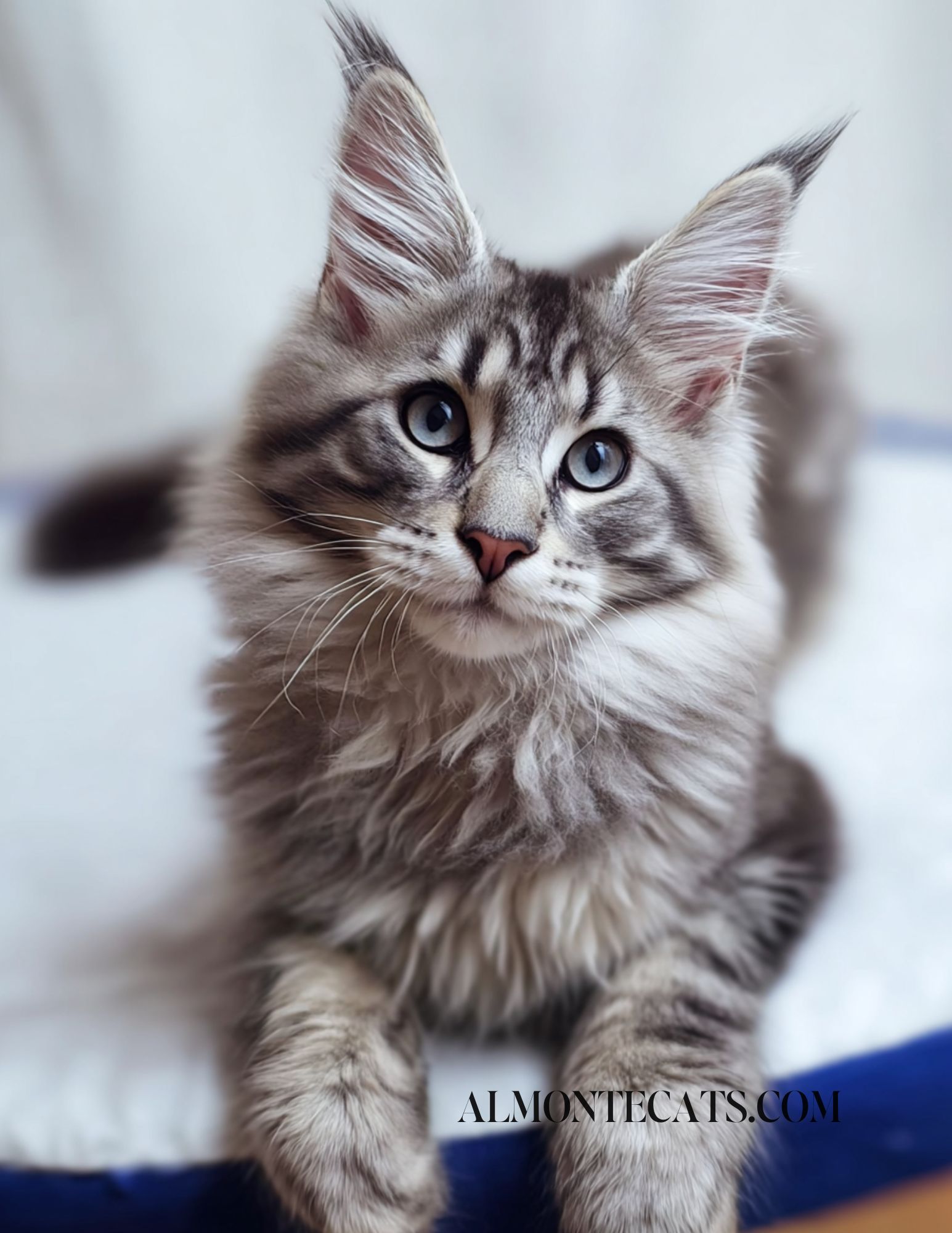
Why Ear Care Matters for Maine Coons With Tassel Ears
Those gorgeous tassels and inner ear tufts can trap dirt more easily than smooth coated breeds. Regular cleaning keeps the ear tips clean and prevents debris from collecting under the tufts. Kittens with developing tassels may not need heavy cleaning yet, but adult Maine Coons benefit from routine ear checks to protect both comfort and long term health.
How Long Should Maine Coon Tassel Ears Be
There is no exact measurement required for tassels, but longer, cleaner, pointed tassels are preferred in many show lines. Tassels can range from:
- A few millimeters
- Up to one inch in mature adults
Tassels do not determine the quality or purity of a cat, but they do contribute to the Maine Coon’s iconic look.
Are Tassel Ears the Same as Lynx Tips
Yes. Many people use the terms interchangeably.
- Lynx tips refer to the tuft of hair at the tip of the ear.
- Tassel ears refer to the same feature but emphasize the length and shape.
Both describe the dramatic ear tips that add to the cat’s unique expression.
Why Are Tassel Ears So Popular
Buyers love tassel ears because:
- They make the cat look larger
- They create a regal and powerful expression
- They highlight the breed’s wild aesthetic
- They photograph well for social media
- They signal strong Maine Coon type
Many families choose kittens with visible tassel potential because it gives them the mature look they associate with the breed. The polydactyl trait in Maine coons is another breed trait people adore along with the ear tufts. See Maine Coon toes for poly pics.
Difference Between Ear Tufts and Tassels
Ear tufts:
- Grow inside the ear
- Protect from cold and debris
- Are practical in function
Tassels:
- Grow at the very tip of the ear
- Add to the breed’s visual appeal
- Are cosmetic but iconic
A proper Maine Coon ear should ideally have both.
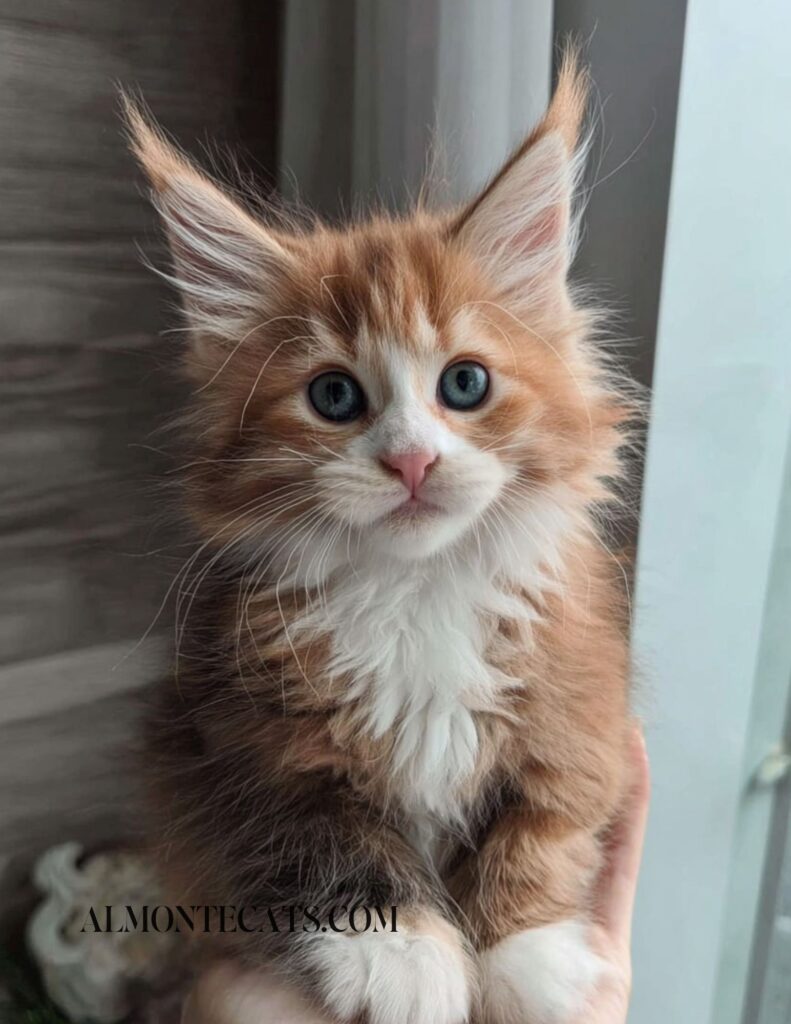
Why Do Some Maine Coon Kittens Have Small Tassels
It is normal for kittens to have small tassels because coat development is slow and gradual. Genetics, grooming, shedding cycles, and seasonal coat changes also influence tassel appearance. Some kittens that look plain at 12 weeks develop excellent tassels at maturity.
See our Maine coon kittens week by week post for more info.
Are Tassel Ears Only Seen in Purebred Maine Coons
Tassel ears can appear in domestic long haired cats, but the overall Maine Coon ear structure is unique.
True Maine Coon ears have:
- A tall, upright shape
- A wide base
- Strong inner tufts
- High ear placement on the head
- A rounded, intelligent expression
A mix might have tufts or tassels, but not the full combination.
You can link to your Maine Coon mix post here.
Do European Maine Coons Have Bigger Tassels
Many European lines are bred for more dramatic ear features, including:
- Larger ears
- Higher placement
- Longer tassels
- Sharper profiles
American lines are often more moderate. Both are correct, but the European look often photographs with more intensity.
How Tassel Ears Contribute to Breed Type
When breeders evaluate kittens, they look at:
- Ear height
- Ear width
- Tassel length
- Inner tuft coverage
- Placement on the head
- Shape that balances the muzzle
Tassels add finishing touches that elevate the blocky, rectangular head type Maine Coons are known for.
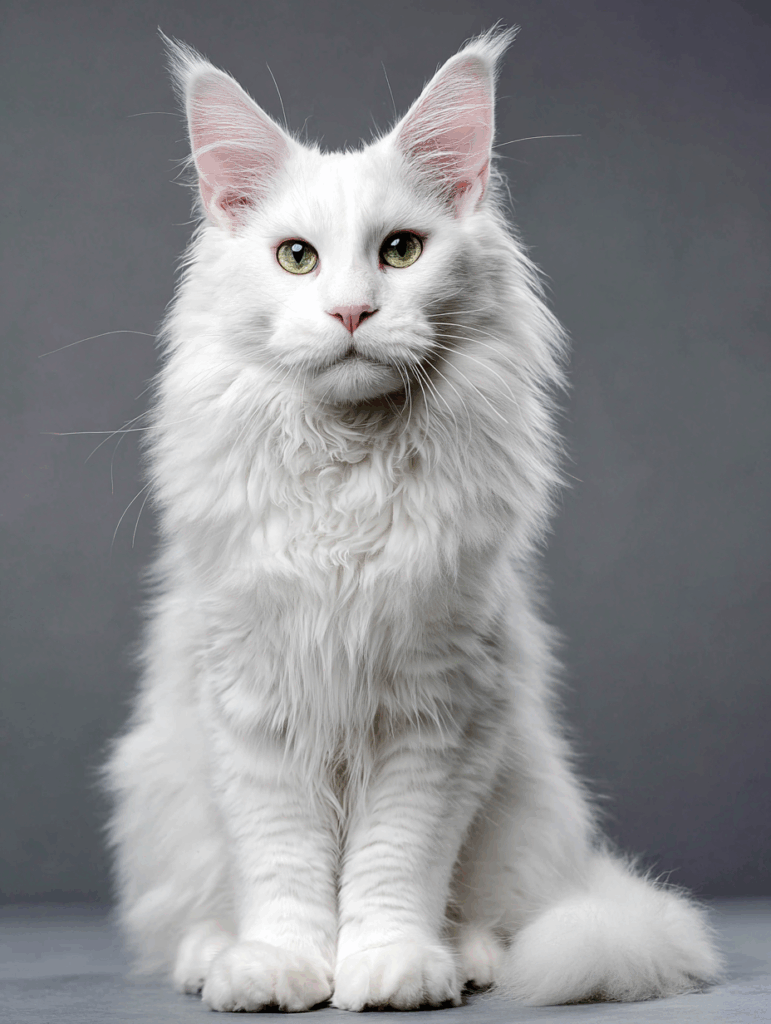
American vs European Maine Coon Ears
American and European Maine Coons share the same ancestry, but selective breeding has created small differences in the way their ears look. Both types are purebred Maine Coons, but each style has its own signature traits.
American Maine Coon Ears
American Maine Coons tend to have:
- Medium to large ears
- Softer ear shape
- Moderate tassel length
- Balanced placement that is neither too high nor too narrow
- A slightly rounder overall expression
The American style focuses on a natural, traditional look. The ears complement the rectangular head shape without being the main dramatic feature. Many owners prefer this softer appearance because it resembles the early New England style of the breed.
European Maine Coon Ears
The European Maine Coons often have:
- Larger and taller ears
- Higher ear placement
- Longer, more dramatic tassels
- Stronger inner ear tufts
- A more intense, angular expression
European breeders commonly prioritize prominent lynx tips and sharper head type, which results in larger, more upright ears. The taller placement gives the face a wild, alert look that many modern buyers admire. Tassels on European lines often appear earlier and grow longer as the cat matures.
Are Both Styles Purebred
Yes. Both American and European Maine Coons are fully recognized by TICA and CFA. The difference is simply breeder preference and the direction each line has taken over time. Some catteries combine both styles to create a balanced look with good ear height and clean head shape.
Which Ear Type Is Better
Neither style is better. Some families prefer the moderate, classic look of the American lines, while others love the dramatic lynx tipped appearance of European lines. What matters most is the overall health, temperament, and quality of the cat. See European vs American Maine coons here.
Can Tassel Ears Change With Age or Seasons
Yes. Coat density changes with:
- Winter coat growth
- Summer coat shedding
- Hormonal shifts in intact cats
- Maturity of the cat
Tassels often look longest in winter or during adulthood. Some cats naturally shed tassel length in summer. Check out more Maine Coon kitten characteristics here.
How to Photograph Maine Coon Tassel Ears
If you want strong images for your kitten listings or social media:
- Use natural light behind the cat
- Position the camera level with ear height
- Capture side angles that show tassel length
- Use feather toys to bring ears forward
Tassels show best when the cat is alert and focused.
Why Tassel Ears Matter to Buyers
Tassel ears are often associated with:
- Strong breed type
- Good genetics
- Impressive adult appearance
- Photogenic features
- Authentic Maine Coon lineage
Many NJ, PA, NY, and East Coast buyers specifically request kittens with ear tips because it is the first trait they recognize in photos. See Maine coon kittens for adoption in NJ.
FAQ: Maine Coon Tassel Ears, Lynx Tips, and Ear Tufts
1. Why do Maine Coons have tassel ears and long lynx tips?
Maine Coons have tassel ears because their ancestors lived in the cold climate of New England, where thicker hairs on the ears protected them from snow, wind, and moisture. Over generations, cats with longer lynx tips and inner ear tufts were naturally better suited to outdoor conditions, so the trait became more common. These tassel ears are now a defining feature of the breed and contribute to the classic Maine Coon lynx tipped look that many buyers prefer.
2. What are Maine Coon tassel ears compared to regular ear tufts?
Tassel ears are the long hairs that grow from the very tip of a Maine Coon’s ears, while ear tufts are the shorter hairs inside the ear canal that offer protection. Tassels give the cat a pointed, expressive appearance and are often the feature people associate with lynx tips. Ear tufts help insulate the ear, but tassel ears are the iconic shape that sets Maine Coons apart from most domestic longhaired cats.
3. At what age do Maine Coon kittens grow tassel ears?
Maine Coon kittens begin showing small tassels around 10 to 12 weeks, but full tassel development typically appears between four months and one year of age. Many kittens start with short tips that grow longer as the coat matures. Some of the longest lynx tips appear between 18 months and two years when the adult coat reaches full density.
4. Do all purebred Maine Coons have long lynx tipped ears?
Not all purebred Maine Coons have dramatic tassel ears. Tassel length varies due to genetics, coat density, line type, and individual development. Some lines produce stronger lynx tips, while others have a more moderate ear appearance. A Maine Coon without long tassels can still be completely purebred and meet breed standards.
5. Why do European Maine Coons have larger ear tassels than American Maine Coons?
European Maine Coons are often bred for a more exaggerated head type that includes taller ears, higher ear placement, and longer tassel tips. American Maine Coons typically have a softer, more traditional profile with moderate tassels. Both styles are purebred, but European lines tend to emphasize dramatic lynx tipped features that attract owners seeking a wilder look.
6. What do Maine Coon lynx tips look like as kittens?
Kitten lynx tips often appear as short, fuzzy spikes that slowly lengthen as the cat matures. Early tassels may be barely visible at first, but owners will notice them becoming more defined as ear furnishings and tufts grow in. A kitten with wide ear bases, tall ears, and inner tufts usually has strong potential for long adult tassels.
7. What causes tassel ears to be longer on some Maine Coons than others?
Genetics largely determine tassel length. Cats from lines with strong lynx tips, tall ear structure, and dense coat genetics tend to develop longer tassels. Environmental factors such as nutrition, grooming habits, and seasonal coat changes also contribute. European lines often show the most dramatic tassel length due to selective breeding.
8. Are Maine Coon tassel ears related to wild lynx cats?
No. Maine Coons have no wild lynx ancestry. The tassel ears resemble lynx ears because both species evolved in cold climates that favored thicker ear hair. The similarity is the result of natural selection, not hybridization. This is why the lynx myth persists even though the Maine Coon is a fully domestic breed.
9. What is the difference between lynx tips and furnishings on Maine Coon ears?
Lynx tips are the long hairs at the tip of the ear, while furnishings are the hairs that grow around the edges of the ear. Furnishings create a softer outline of the ear, while tassels add a pointed, dramatic appearance. Both contribute to the Maine Coon’s signature look and are highly desired features in breed type evaluation.
10. How can I tell if a Maine Coon kitten will have strong tassel ears?
Look for tall ears placed high on the head, a wide ear base, visible inner ear tufts, and early signs of hair growth on the ear tips. Kittens from parents with long tassels are more likely to inherit the trait. A strong muzzle and pronounced head shape also support the adult lynx tipped appearance.
11. Do long tassel ears mean a Maine Coon is high quality?
Long tassel ears are a desirable trait, but they are only one part of breed type. True Maine Coon quality includes a square muzzle, long rectangular body, strong bone structure, large paws, and a thick, uneven coat. A cat may have long tassels but poor overall type, or vice versa. Tassel length alone does not define quality.
12. Can tassel ears change throughout the year with seasonal shedding?
Yes. Maine Coons shed seasonally, and tassel length may appear shorter during heavy shedding periods. In winter, when the coat becomes thicker, tassels often look fuller and more dramatic. Summer coats can make tassels look lighter or thinner, especially on younger cats still developing their adult coat.
13. How do I care for Maine Coon tassel ears when grooming?
Gently brush the ear furnishings and tassels with a soft brush or comb to keep them clean and free of tangles. Avoid pulling or tugging on the ear tips. Light grooming helps prevent debris from building up around the base of the tassels and keeps the ears looking neat for photos or shows.
14. How often should I check a Maine Coon’s ears for infections?
Check the ears once a week. Because Maine Coons have thicker furnishings, debris and wax can accumulate more easily. Look for redness, odor, discharge, sticky residue, or excessive wax. Early detection helps prevent more serious infections and keeps the ears healthy.
15. How do I clean Maine Coon ears safely at home?
Use a cat safe ear cleaning solution. Apply a few drops to the ear canal, massage the base of the ear, allow the cat to shake its head, then wipe visible wax from the outer ear with a cotton pad or soft gauze. Avoid inserting cotton swabs into the ear canal. Gentle cleaning protects both the ear lining and the tassels.
16. What ear infection symptoms should Maine Coon owners watch for?
Symptoms include scratching, head shaking, dark debris, redness, swelling, odor, tenderness, or a cat pulling away when touched. These signs indicate yeast, bacteria, mites, or inflammation. Seek veterinary attention if symptoms persist or worsen.
17. Can Maine Coons develop ear mites because of their ear tufts and tassels?
Yes. The extra hair in and around the ears can trap debris, making mites easier to miss in the early stages. Regular cleaning and checks help detect mites before they cause discomfort. Treatment is simple when caught early.
18. Why do some Maine Coons have wide-set ears with smaller tassels?
Ear placement varies based on genetics. Some lines have larger, wider ear spacing which can reduce the dramatic appearance of tassels. This is typical of more moderate American lines. The cat is still purebred, but the style is different from the tall, upright ears seen in many European lines.
19. Are tassel ears more common in male or female Maine Coons?
Gender does not affect tassel growth. Both males and females can have strong, long lynx tips. Genetics from both parents play a larger role than sex. Many female Maine Coons have extremely dramatic tassel ears once their adult coat matures.
20. Where can I find Maine Coon kittens with dramatic lynx tipped ears?
Kittens with strong tassel ears come from lines that consistently produce tall ears, thick ear furnishings, and long adult tassels. Breeders who focus on balanced American and European type tend to produce the most predictable and photogenic lynx tips. Families who want dramatic ear type should choose kittens from programs that prioritize head structure, ear placement, and coat density.
Fill out our kitten application to get started.
See our available Maine Coon kittens and upcoming litters.
Conclusion
Maine Coon tassel ears are one of the most beloved features of the domestic Maine coon breed. Although not every kitten develops long tassels at a young age, most mature adults show the classic lynx tipped look that sets this breed apart. Understanding how tassels grow, what influences them, and how they relate to overall type helps buyers choose kittens with confidence.
Why choose a Maine Coon kitten from Almonte Cats?
At Almonte Cats, we breed Maine Coons from European and American champion lines. Our kittens are health-tested, registered, and raised in-home with love and socialization. We focus on producing large, healthy, affectionate companions with strong bone, sound temperament, and luxurious coats. See our Maine Coon Kittens for Sale here.
Sources & Related Reading
References and resources to learn more about Maine Coon breeding standards and care.
Breed Registries and Associations
- The International Cat Association (TICA) – Official registry for pedigreed cats and recognized Maine Coon breed standards.
- Cat Fanciers’ Association (CFA) – Oldest pedigree registry, providing breed descriptions and breeder listings.
- Maine Coon Breed Council – Maintains Maine Coon breed history, health updates, and educational materials.
Educational & Veterinary Resources
- Cornell Feline Health Center – Research and guidance on feline health, nutrition, and genetic conditions.
- American Association of Feline Practitioners – Best practices for veterinary care and early kitten wellness.
- Cat Friendly Homes Initiative – Tips for preparing homes for kittens and reducing stress during acclimation.
- Paw Print Genetics – DNA testing reference for breeders (educational overview only).
More Articles from Almonte Cats





Read the Comments +