
Maine Coon Toes and Paws: Complete Guide to Feet, Extra Toes, and Polydactyl Traits
Maine Coon paws are one of the most recognizable features of this iconic breed. Large, round, tufted, and often wider than other cats, Maine Coon cat feet play a major role in their balance, movement, personality, and overall structure. Some Maine Coons are polydactyl, meaning they have extra toes or what many families call double paws, Maine Coon thumbs, or Maine Coon poly. Whether you are researching the breed or preparing to adopt, understanding Maine Coon paws helps you appreciate how unique they really are.
This guide covers every question families ask, including how many toes a Maine Coon has, why some have extra toes, how polydactyl genetics work, and what normal Maine Coon feet look like.
Maine Coon Standard Paws vs Polydactyl Paws Comparison Graph
| Feature | Standard Maine Coon Paws | Polydactyl Maine Coon Paws |
|---|---|---|
| Toe Count | 18 toes total (5 front, 4 back). | 20 to 24 toes depending on expression. |
| Paw Size | Large, round, heavily tufted. | Wider, rounder, and more spread than standard. |
| Appearance | Balanced snowshoe-like paws with thick pads. | Mitten or patty paw appearance with thumb-like digits or expanded toe rows. |
| Genetic Cause | No polydactyl gene present. | Dominant gene inherited from one or both parents. |
| Functionality | Excellent balance, climbing, and movement. | Fully functional with enhanced grip and stability. |
| Historical Origin | Common in early Maine Coon lines but not guaranteed. | Strong ties to early foundation cats and the Hemingway variant. |
| Claw Count | Standard claws, easy to track. | More claws; requires careful trimming and checks. |
| Mobility | Smooth, confident stride; agile climbers. | Often stronger grip, improved climbing traction. |
| Rarity | Common in all bloodlines. | Less common; highly sought after by buyers. |
| Care Needs | Routine claw trimming and paw cleaning. | Regular inspection of extra digits and claws to prevent curling. |
| Buyer Appeal | Classic Maine Coon look. | Unique, adorable paws; highly requested by many families. |
| Registration | Accepted in all registries. | Accepted by TICA; CFA limits show eligibility. |
| Expression Variability | Consistent across cats. | Varies by kitten and litter; no two polys are identical. |
What Do Maine Coon Cat Feet Look Like
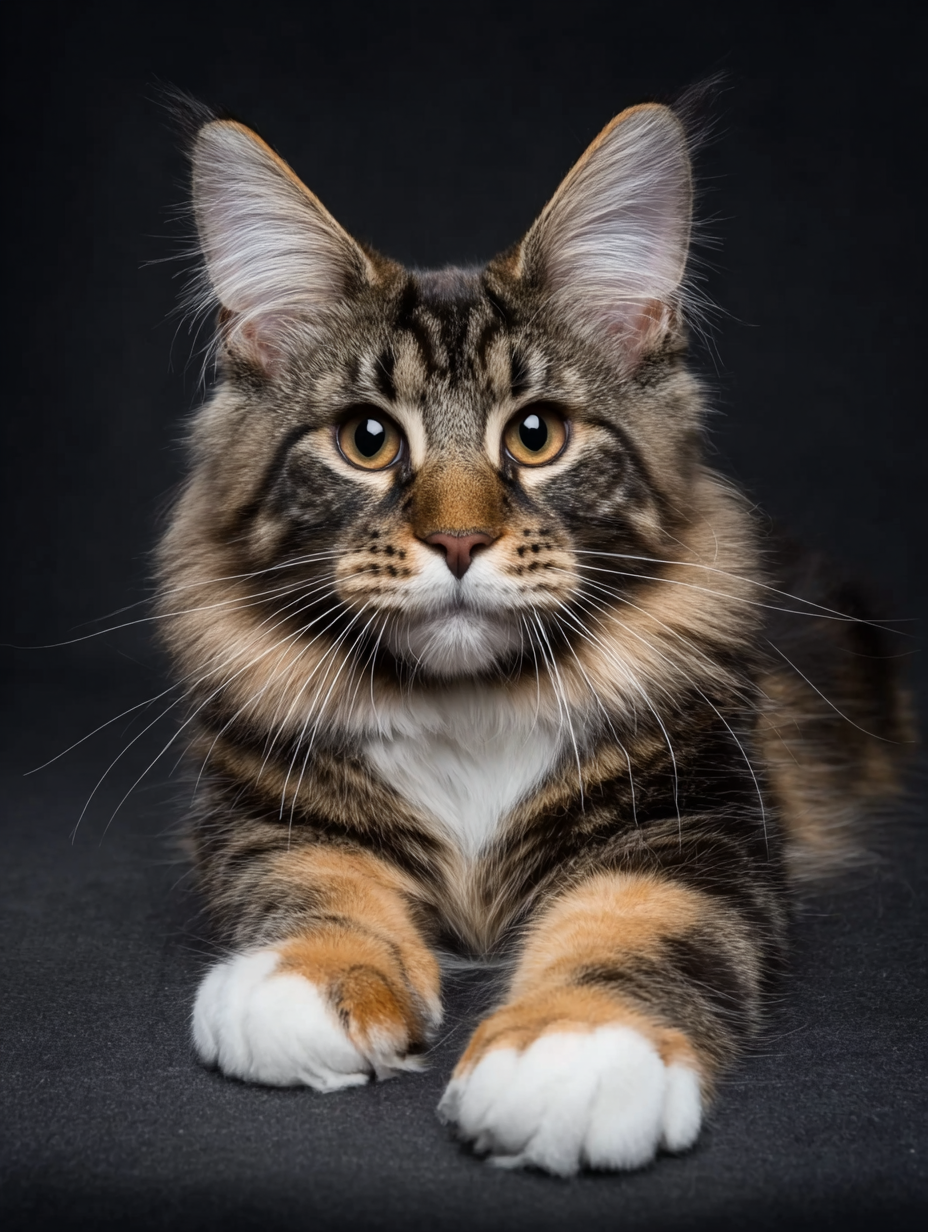
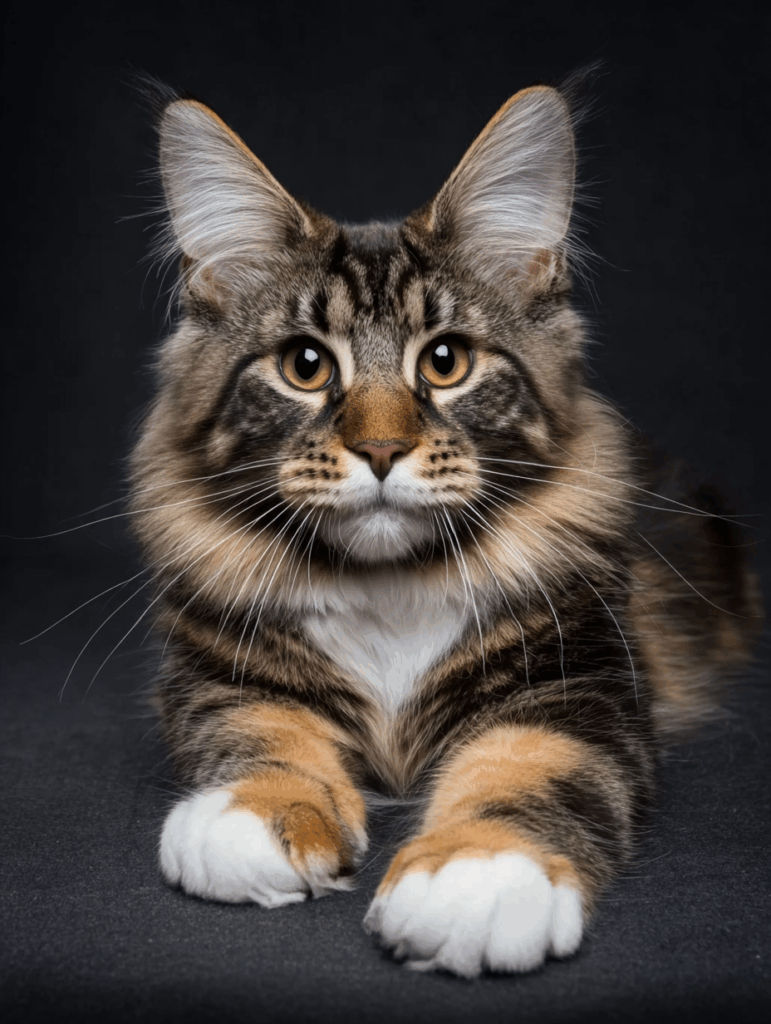
Maine Coon feet are large, round, and heavily tufted. Their paws are designed to support their big frame and help them move confidently across different surfaces. Because the breed originated in cold climates, their paws function like natural snowshoes, providing insulation, traction, and stability.
Typical features of Maine Coon paws include:
- wide, round pads
- thick, soft tufts between the toes
- large paw size even as young kittens
- strong grip and balanced movement
- expressive toes that spread when they walk or climb
These paw traits become even more impressive in cats that are polydactyl.
How Many Toes Does a Maine Coon Have
A standard Maine Coon has:
- 5 toes on each front paw
- 4 toes on each back paw
This adds up to 18 toes, which is the normal toe count for most domestic cats.
However, many families ask if Maine Coons always have extra toes. The answer is no. Extra toes are common in the breed, but not all Maine Coons are poly. Only cats carrying the polydactyl gene will have more than 18 toes.
Toe Count Chart: Standard vs Polydactyl Maine Coons
| Type of Paw | Front Toe Count | Back Toe Count | Total Toes | Notes |
|---|---|---|---|---|
| Standard Maine Coon | 5 per front paw | 4 per back paw | 18 total | Normal domestic cat toe count. |
| Polydactyl (Common) | 6–7 per front paw | 4 per back paw | 20–22 total | Most common poly expression. |
| Polydactyl (4WD) | 6–7 per front paw | 5–6 per back paw | 22–24 total | “Four wheel drive” extra toes on all paws. |
| Rare Poly Expressions | 7–8 per front paw | 5–7 per back paw | 24+ total | Rare; still healthy and functional. |
| Hemingway Variant | Thumb-like extra digits | Usually standard rear paws | 20–22 total | Produces classic mitten paws. |
Do Maine Coon Cats Have Extra Toes
Some do, but not all. Maine Coons with extra toes are called:
- double pawed Maine Coon cats
- polydactyl Maine Coon cats
- Maine Coon poly
- Maine Coon thumbs
A polydactyl Maine Coon can have 20, 22, or even 24 toes, depending on how many extra digits they inherit.
Polydactyl is not a random mutation in this breed. It is a long-standing part of early Maine Coon history.
What Is a Polydactyl Maine Coon
A polydactyl Maine Coon is a purebred Maine Coon with extra toes caused by a dominant genetic variant. These kittens inherit their extra toes from a parent who carries the polydactyl gene. The most common form, the Hemingway variant, adds extra digits on the inner side of the paw, creating a thumb-like appearance.
Polydactyl paws can appear on:
- just the front paws
- all four paws
- one paw more than the others
- matching pairs (“4 wheel drive” Maine Coons)
Every poly cat is slightly different in how the extra toes express themselves.
Polydactyl Genetics Summary Graph
| Genetic Feature | Description | Impact on Paws | Notes |
|---|---|---|---|
| Gene Type | Dominant autosomal trait. | Only one poly parent needed to produce poly kittens. | Very predictable inheritance. |
| Hemingway Variant (Hw) | Best-known and most common variant. | Produces thumb-like mitten paws. | Can be DNA tested. |
| Canadian Variant | Unidentified but documented variant. | Creates patty or snowshoe paws. | Not DNA testable yet. |
| Pre Axial Expression | Extra digits form on the inner paw side. | Results in clean, functional paw structure. | Most common in Maine Coons. |
| Digit Variation | Number varies by kitten. | Can appear on front paws or all paws. | Expression can differ even within littermates. |
| Health Impact | No link to joint or bone issues. | Paws fully functional and strong. | Considered completely safe. |
| Likelihood in Offspring | 50 percent chance per litter with one poly parent. | Consistent toe variation in kittens. | Two poly parents increase percentage. |
| Breeding Predictability | Highly stable trait. | Produces similar toe patterns in each generation. | Valuable for breeders who track lines. |
Double Pawed Maine Coon Cats
“Double pawed” is a common nickname for polydactyl cats. It refers to paws that look wider, rounder, or more spread out than standard paws. Double pawed Maine Coons may have:
- a strong thumb
- an extra claw
- multiple extra toes
- snowshoe-like paw structure
This gives them an adorable, oversized look that many buyers love.
Do Maine Coons Have 6 Toes
Some do, yes.
A standard Maine Coon has 5 toes on the front feet, but a polydactyl Maine Coon may have:
- 6 toes
- 7 toes
- very rarely 8 toes
Most commonly, polydactyl Maine Coons have 6 or 7 toes on each front paw, and the extra toes look like soft thumbs or rounded extensions of the paw.
Maine Coon Thumbs: What They Are
When a Maine Coon has the Hemingway-type polydactyl variant, the extra digit grows on the thumb side of the paw. This creates what many owners call “cat thumbs.”
Maine Coon thumbs are:
- fully functional
- strong and well formed
- capable of gripping toys
- part of healthy paw structure
They do not cause pain or mobility issues when responsibly bred.
Maine Coon Feet and How They Support the Breed
The paws of a Maine Coon do more than look impressive. They contribute directly to the breed’s abilities and movement. Maine Coon cat feet help them:
- balance on narrow surfaces
- climb tall cat trees
- walk gracefully across slippery floors
- jump with confidence
- move with their signature smooth, powerful stride
Even standard-pawed Maine Coons have strong, oversized feet that reflect their working origins.
How Many Toes Does a Polydactyl Maine Coon Have
A polydactyl Maine Coon can have:
- 20 toes
- 22 toes
- up to 24 toes
The most common pattern is:
- 6 or 7 toes on each front paw
- 4 or 5 toes on each back paw
However, expression varies widely from cat to cat. Some have extra toes only on the front paws, while others have them on all four.
Are Polydactyl Maine Coons Purebred
Yes.
Polydactyl Maine Coons are purebred and fully recognized within the breed. The polydactyl trait is historically tied to early foundation cats from the Northeast United States. Because the gene is dominant, it carries consistently through breeding lines and remains a natural part of the breed’s identity.
Are Maine Coon Poly Cats Healthy
Absolutely.
The dominant form of polydactyly seen in Maine Coons does not cause:
- arthritis
- joint issues
- bone deformities
- mobility problems
Most poly kittens have strong, fully functional paws. The extra digits grow naturally and do not interfere with movement.
Why Do Some Maine Coons Have Snowshoe-Like Feet
Certain polydactyl variants, such as the Canadian pattern, produce wide, patty-like paws. These are flattened, rounded feet with evenly spaced toes that resemble snowshoes. This type is rare but completely healthy. It creates an adorable oversized footprint and gives the kitten exceptional balance.
Paw Formation Graph (Mitten vs Patty)
| Feature | Mitten Paw Formation | Patty Paw Formation |
|---|---|---|
| Appearance | Clear thumb-like digit; paw looks like a mitten. | Wide, rounded row of evenly spaced toes; snowshoe-like. |
| Genetic Variant | Typically the Hemingway (Hw) variant. | Likely the Canadian variant, not yet isolated. |
| Digit Placement | Extra toes on the inner (thumb) side. | Extra toes form a broad expansion across the paw. |
| Functionality | Excellent grip, strong ability to hold toys. | Great traction and stability; flattened profile. |
| Toe Count | Usually 6–7 digits on each front paw. | Usually 6 digits; sometimes 7 in rare cases. |
| Buyer Appeal | Very high; the thumb look is charming. | High; wide-footed “snowshoe paw” is unique. |
| Expression Variability | Very consistent across lines. | More variation in spacing and shape. |
| Historical Connection | Linked to Hemingway cats in Key West. | First documented in Manitoba, Canada in Maine Coon lines. |
| Care Needs | Standard trimming plus attention to thumb claws. | Standard trimming; spacing makes nails easy to identify. |
Are Polydactyl Maine Coons Better Climbers
Many owners believe so. Wider feet can improve:
- grip
- traction
- balance
- climbing ability
Polydactyl kittens often use their thumb-like digits to hold toys, grip scratching posts, or climb play structures.
Do Maine Coon Cats With Extra Toes Need Special Care
Most do not, but owners should check:
- that each toe has a clear nail
- that nails grow correctly
- that no dewclaw curls inward
- that paw pads stay clean
Regular trimming keeps the paws healthy. Otherwise, their care is identical to standard-pawed Maine Coons.
Polydactyl vs Standard Paw Care Comparison
| Care Category | Standard Paws | Polydactyl Paws |
|---|---|---|
| Nail Trimming | Trim every 2–4 weeks. | Additional claws require careful trimming. |
| Toe Checks | Basic inspection of pads and spacing. | Check between extra digits for debris and growth. |
| Cleaning | Routine paw wiping when needed. | Ensure no buildup between extra toes. |
| Mobility | Excellent balance and climbing. | Often improved grip and traction. |
| Risk of Overgrowth | Low. | Slightly higher due to extra claws. |
| Vet Needs | Standard checkups. | Ask vet to check extra digits during exams. |
| Grooming | Trim long paw tufts. | Trim tufts to help visibility of nails and digits. |
| Daily Lifestyle | Normal indoor enrichment. | Same needs; no special accommodations. |
| Health Concerns | None associated with paws. | None; polydactyl paws are completely healthy. |
| Owner Experience | Easy maintenance. | Easy with regular nail trimming and checks. |
Maine Coon Toe & Paw FAQ
1. How many toes does a Maine Coon normally have?
A standard Maine Coon has eighteen toes, just like most domestic cats. This includes five toes on each front paw and four toes on each back paw. Not all Maine Coons have extra toes, so the normal toe count depends on whether the kitten inherited the polydactyl gene.
2. Why do some Maine Coons have extra toes?
Extra toes are caused by a dominant gene known as the polydactyl gene. A kitten only needs to inherit the gene from one parent to become polydactyl. The number of extra toes varies from cat to cat, depending on the genetic variant.
3. What is a double pawed Maine Coon?
A double pawed Maine Coon is simply a polydactyl cat with extra-wide paws that appear doubled in size. These cats may have thumb-like digits or extra claws, depending on the variant they inherited. The term “double pawed” is a nickname and not a separate breed or type.
4. Do polydactyl Maine Coons have better balance?
Many owners notice that polydactyl Maine Coons have excellent balance and climbing ability. The extra width of the paw gives them a larger contact surface, which can improve traction. While not scientifically proven, this is a widely observed trait.
5. What do Maine Coon thumbs look like?
Maine Coon thumbs are thumb-like extra digits that appear on the inner side of the front paws. They can be small or fully formed depending on the genetic variant. These digits are functional and often help the cat grip toys or climb.
6. Do Maine Coons have 6 toes?
Some Maine Coons have six toes on each front paw, especially if they are polydactyl. Six is the most common extra-toe count, though some may have seven. These extra toes do not affect the cat’s health or mobility.
7. Are extra toes harmful to Maine Coons?
No, extra toes are not harmful when they come from the dominant, healthy form of polydactyly found in Maine Coons. The digits grow normally and support the cat’s weight just like the standard toes. Responsible breeders monitor toenail growth to prevent curling. Read our care guide here: /polydactyl-maine-coon-care.
8. Are polydactyl Maine Coons purebred?
Yes. Polydactyl Maine Coons are 100 percent purebred when they come from registered lines. The trait is part of the breed’s history and was common in early foundation cats. Learn about the historical connection here: HW Polydactyl Effect in Maine Coons
9. What is the Hemingway variant in Maine Coons?
The Hemingway variant is the most well-known form of polydactyly and causes the classic mitten-style paw. It produces a thumb-like extra digit on the inner side of the foot. This variant is healthy, functional, and historically linked to Hemingway’s cats in Key West. Read the full breakdown here: /hemingway-effect-maine-coon-polydactyl.
10. What is a patty paw Maine Coon?
A patty paw is a flattened, wide paw with evenly spaced toes created by the Canadian polydactyl variant. These paws do not have a defined thumb but are large and snowshoe-like. Both mitten and patty paws are healthy and fully functional.
11. How many toes can a polydactyl Maine Coon have?
A polydactyl Maine Coon may have 20, 22, or even 24 toes depending on expression. The most common pattern is 6 or 7 toes per front paw. Rare cats may have extra toes on all four paws.
12. Do extra toes affect the way a Maine Coon walks?
No. Maine Coons with extra toes walk normally, climb normally, and play normally. The extra digits integrate well with the paw’s natural structure. Many owners say poly cats seem more coordinated on climbing structures.
13. Are polydactyl kittens more expensive?
Some breeders charge more for polydactyl kittens due to demand and rarity. Many families actively seek out polys because of their expressive paws and charming appearance. Pricing depends on breeder program and availability. Learn more about polydactyl kitten demand here: /polydactyl-maine-coon-kittens-for-sale.
14. Do Maine Coons use their extra toes?
Yes. Many use their extra toes to grip toys, hold treats, and stabilize themselves during play. The thumb-like digits on mitten paws are particularly functional. This adds personality and expressiveness to their movements. For more behavioral info: Maine Coon Kitten Characteristics
15. Can polydactyl Maine Coons be shown?
TICA allows polydactyl Maine Coons to compete in specific classes. CFA does not allow polys in the show ring, although they can sometimes be registered as pets. Polydactyl paws do not reduce quality or health.
16. Do Maine Coons with extra toes need different grooming?
Polydactyl cats may need nails trimmed more frequently because they have additional claws. Owners should check between the digits to ensure claws grow straight and do not curl. Otherwise, grooming is identical to standard-pawed cats. Full care guide here: /polydactyl-maine-coon-care.
17. Are polydactyl toes hereditary in Maine Coons?
Yes. The polydactyl gene is dominant, meaning only one parent needs to carry the trait. On average, fifty percent of kittens in a litter may inherit extra toes. This can vary depending on the parents involved. Learn more about Polydactyl Maine Coon kittens here.
18. Why do some people call Maine Coons “double-pawed”?
The term “double-pawed” comes from the wider, rounder appearance of polydactyl paws. These paws appear larger because of the added digits and expanded pad structure. Double paws are simply another name for polydactyl paws.
19. Do extra toes make Maine Coons better hunters or climbers?
Some owners believe polydactyl cats have an advantage because their wider paws offer better grip. While this has not been scientifically proven, many poly cats excel at climbing and toy-gripping activities. Their paws feel strong and secure during movement. See more about Maine coon characteristics here.
20. Should I adopt a polydactyl Maine Coon?
Polydactyl Maine Coons are healthy, charming, and full of personality. Their extra toes do not cause health issues and add to their expressive, oversized paw appearance. Families who love unique traits often prefer polys. View available kittens here: Maine Coon Kittens
How can I reserve a Maine Coon kitten?
Begin by completing our adoption application on the AlmonteCats.com website. Once approved, families are matched with kittens based on personality fit, lifestyle, and color preference. Because our litters are raised in small numbers for quality and socialization, early reservations are highly recommended.
See our Available Maine Coon Kittens for Sale Here.
Related Colors and Patterns
- Tuxedo Kitten for Sale
- Giant Maine Coon Cats
- Baby Maine Coon Kittens
- Maine Coon Personality
- How Much is a Maine Coon
- Black Smoke Maine Coon Cats
- Polydactyl Maine Coon Kittens for Sale
About the Author
At Almonte Cats, we raise Soul Cats for families who value beauty, temperament, and trust. Every kitten carries our promise of health, love, and lifelong support.
Sources & References
- Sources & Further Reading
- The International Cat Association (TICA) – Maine Coon Breed Standard
Official breed description, conformation standards, and accepted color categories.- Cat Fanciers’ Association (CFA) – Maine Coon Breed
Detailed overview of Maine Coon history, temperament, and show requirements.- Winn Feline Foundation / EveryCat Health Foundation – Genetic Health Research
Research on HCM, SMA, and PKD testing — the core genetic conditions Maine Coon breeders screen for.- Cornell University College of Veterinary Medicine – Feline Growth & Nutrition
Veterinary guidance on kitten growth, development, and diet.- PawPeds Maine Coon Database – Pedigree and Health Registry
Comprehensive, open-access database of pedigrees and health test results for responsible breeders.- American Veterinary Medical Association (AVMA) – Kitten Health & Early Care Guidelines






Read the Comments +