
Maine Coon vs British Shorthair: How to Tell These Two Iconic Breeds Apart
The Maine Coon and the British Shorthair are two of the world’s most recognizable cat breeds — one a massive, fluffy American forest cat, the other a plush, dignified British companion. While both are affectionate, intelligent, and family-friendly, they differ dramatically in appearance, personality, grooming needs, energy level, and ideal home type.
If you’re deciding between these two gentle giants (one literal, one figurative), this detailed guide explains every major difference — size, temperament, coat, shedding, adaptability, health, and price.
Searching for your Soul Cat?
If you’re ready for a healthy, in-home–raised kitten with exceptional temperament and type, explore our available kittens.
At Almonte Cats, every kitten is:
- TICA/CFA registered
- Raised in-home for confident, social temperaments
- From fully health-tested parents
- Vet-checked, vaccinated, and microchipped
We produce limited litters each year, so early reservation is recommended.
Maine Coon vs British Shorthair: Quick Overview
| Trait | Maine Coon | British Shorthair |
|---|---|---|
| Origin | Maine, USA | Great Britain |
| Coat | Long, shaggy, uneven, water-resistant | Short, dense, plush “teddy bear” coat |
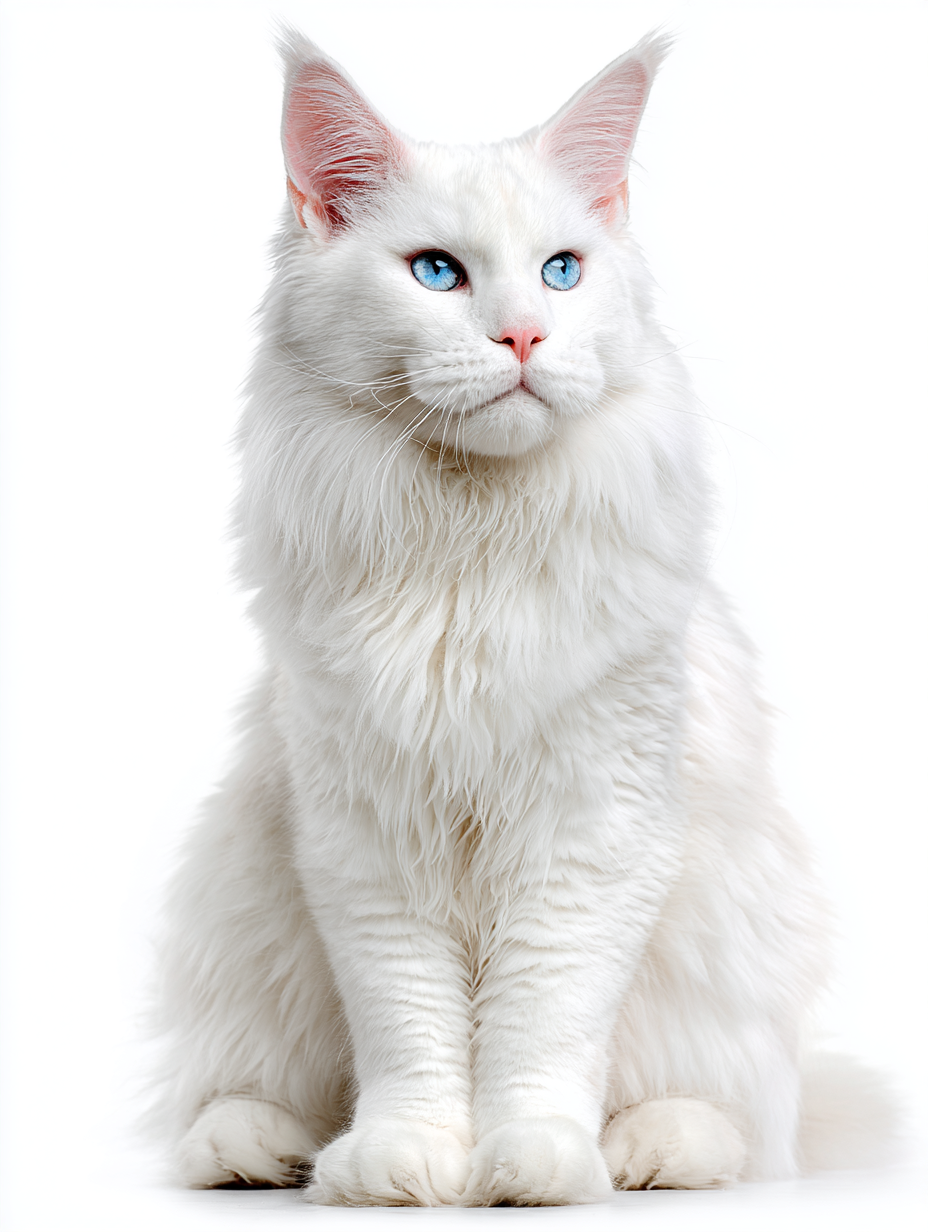
| Eye Color | Gold, green, copper | Copper, gold, amber, blue (in whites) |
| Body Type | Large, rectangular, muscular | Compact, cobby, round |
| Average Male Weight | 15–25 lbs | 12–17 lbs |
| Average Female Weight | 10–18 lbs | 8–14 lbs |
| Head Shape | Square muzzle, tall tufted ears | Round head, thick cheeks |
| Personality | Playful, curious, social | Calm, quiet, easygoing |
| Allergy Friendly | Standard | Standard |
| Average Lifespan | 12–15+ years | 12–18+ years |
Origins and History
Maine Coon History
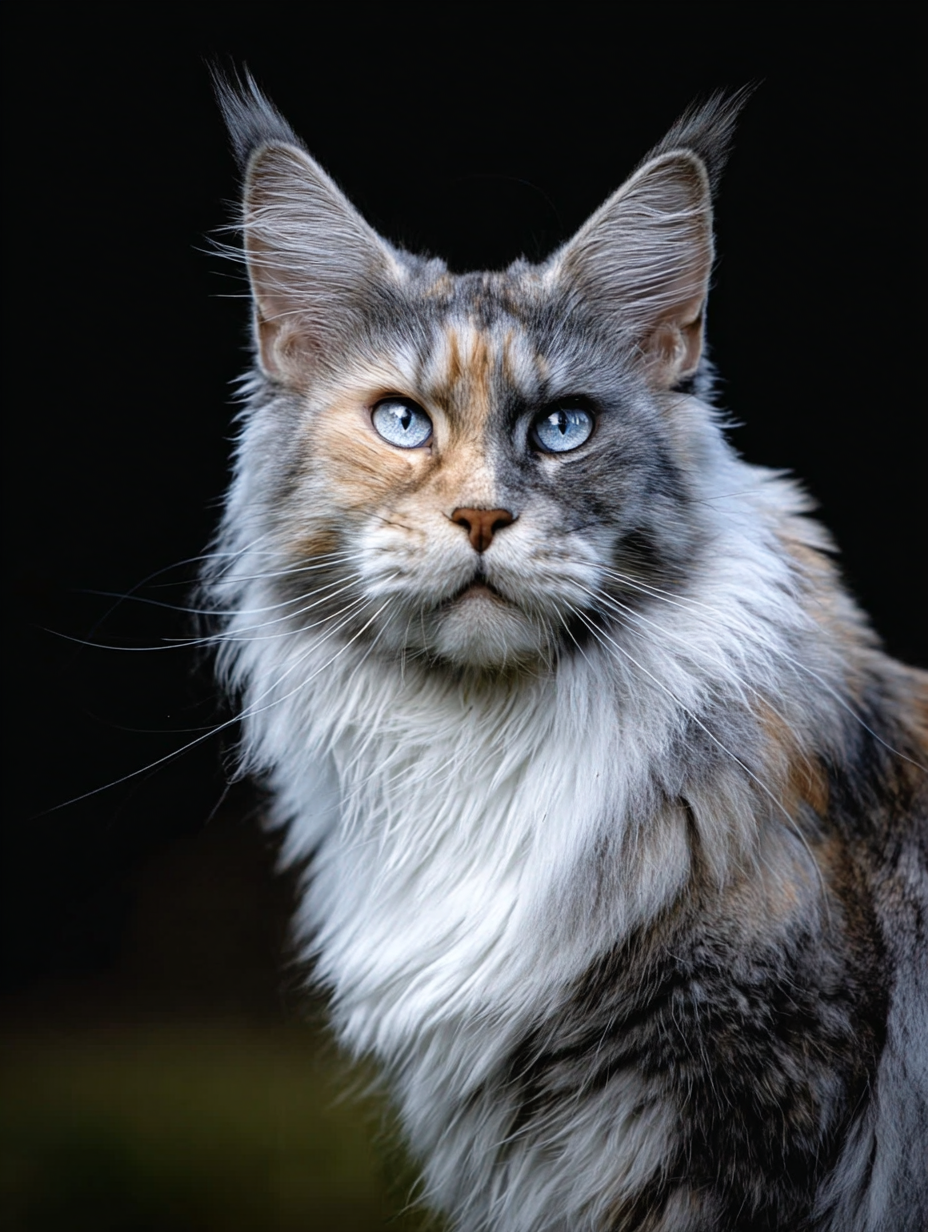
The Maine Coon is one of America’s oldest natural breeds, originating on New England farms where their thick coats and excellent hunting skills allowed them to thrive in harsh winters. Their tall, tufted ears, heavy bone structure, and shaggy coat evolved naturally as survival traits. Today, they remain one of the most beloved family breeds due to their dog-like personality and gentle, outgoing nature.
British Shorthair History
The British Shorthair is among the oldest cat breeds in the world, descending from Roman-era cats brought to Britain nearly 2,000 years ago. They became established as hardy street and farm cats across the British Isles before being refined during the Victorian era into the plush, round-faced companion recognized today. The blue color became so iconic that “British Blue” became shorthand for the entire breed.
Which breed is older?
The British Shorthair, by more than 1,000 years.
The Maine Coon is historic and naturally developed, but not nearly as ancient as the British Shorthair.
Coat and Texture Differences
These two coats could not be more different.
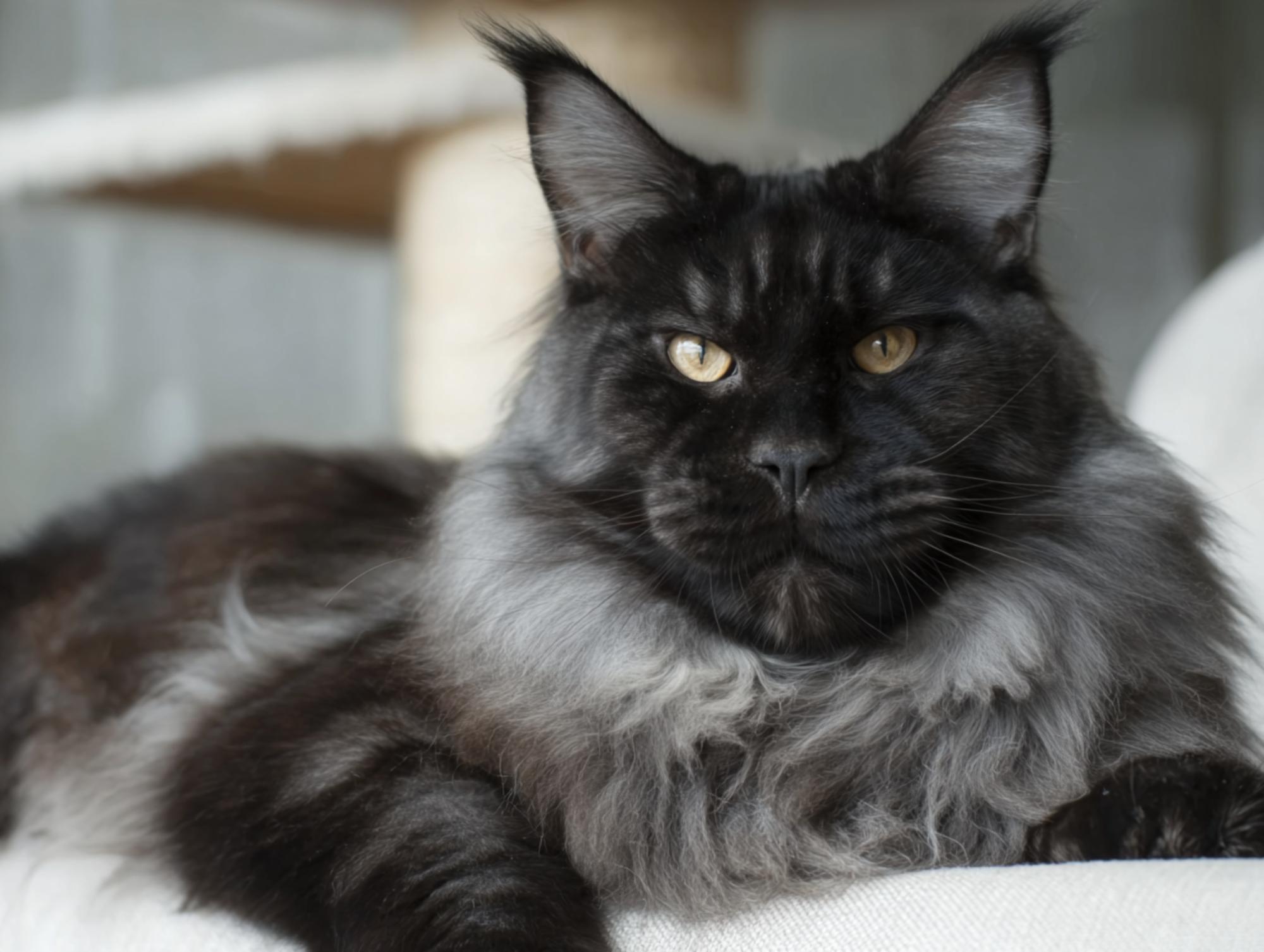
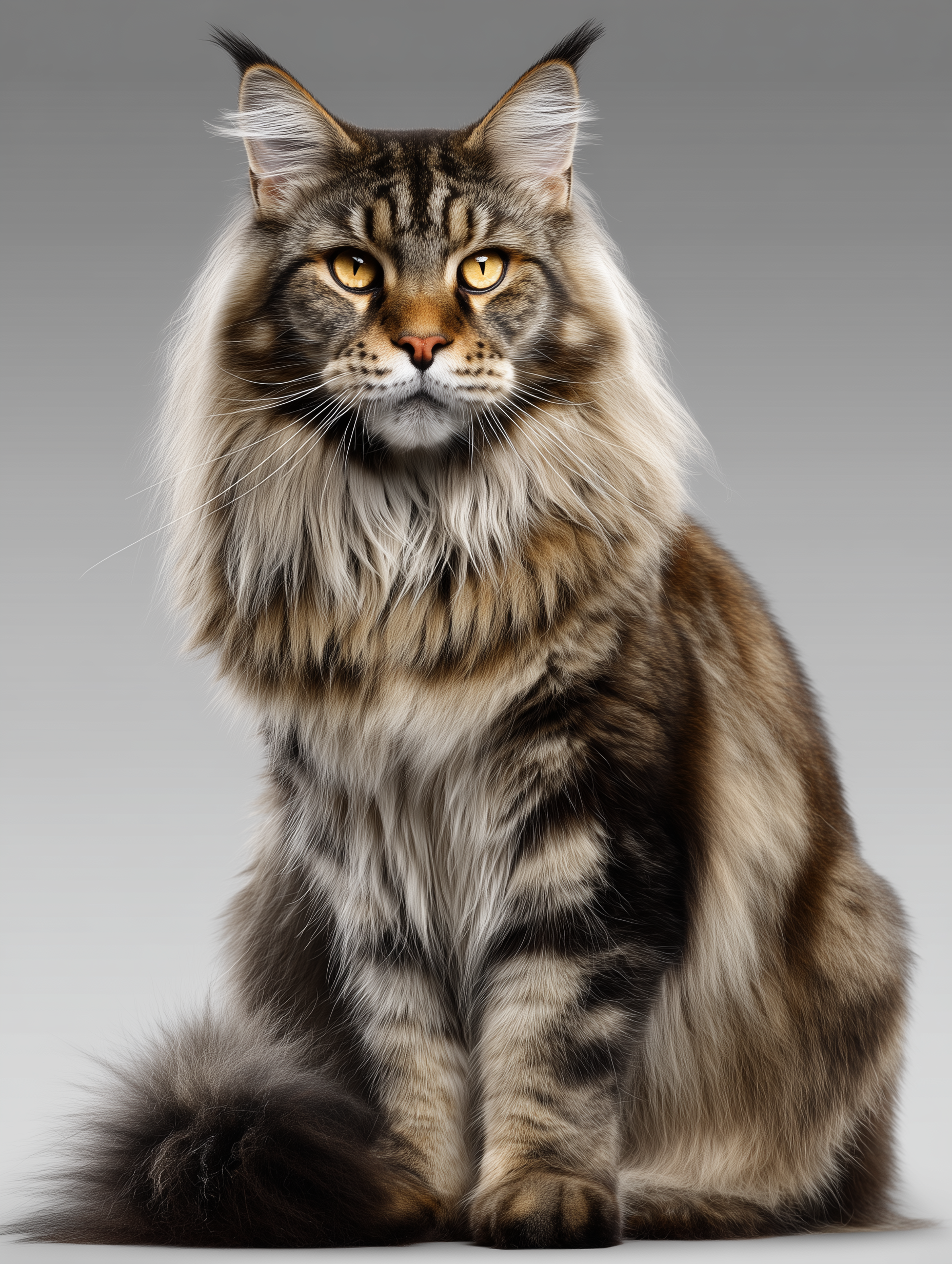
Maine Coon Coat
The Maine Coon coat is:
- Long and shaggy
- Uneven, with longer britches and belly fur
- Slightly coarse on top, silky underneath
- Designed to shed snow
- Full, dramatic, and lion-like
The Maine Coon’s ruff and tail give it a rugged, wild forest-cat appearance.
British Shorthair Coat
The British Shorthair coat is:
- Short and incredibly dense
- Plush like velvet or soft wool
- One of the thickest short coats in the cat world
- Evenly colored with no pattern bleed (in solids)
The “teddy bear” coat feel is a defining feature of the breed.
Side-by-side appearance
- Maine Coon = long, rugged, winter-adapted
- British Shorthair = short, plush, ultra-dense
Which Breed Has the Denser Coat?
The British Shorthair, despite being shorthaired.
Their coat contains:
- A thick, crisp undercoat
- Strong, firm guard hairs
- Even texture from root to tip
This creates a woolly, plush feel that stands off the body.
Maine Coons have more length, but British Shorthairs have more density per square inch.
Eye Color Differences
Maine Coon Eyes
Can be:
- Gold
- Green
- Copper
- Hazel
- Blue (in whites)
Their almond-to-round eyes give them a sweet, expressive look.
British Shorthair Eyes
Often:
- Copper
- Gold
- Amber
- Blue (only in whites or certain bi-colors)
- Green (especially in golden and silver lines)
British Shorthairs have large, round eyes that contribute to their teddy bear expression.
Easy visual clue
- Round, extremely full cheeks + round eyes = British Shorthair
- Square muzzle + tall ears + almond eyes = Maine Coon
Body Type and Structure
Maine Coon Build
- Huge, rectangular body
- Broad chest
- Heavy bone and muscle
- Square muzzle
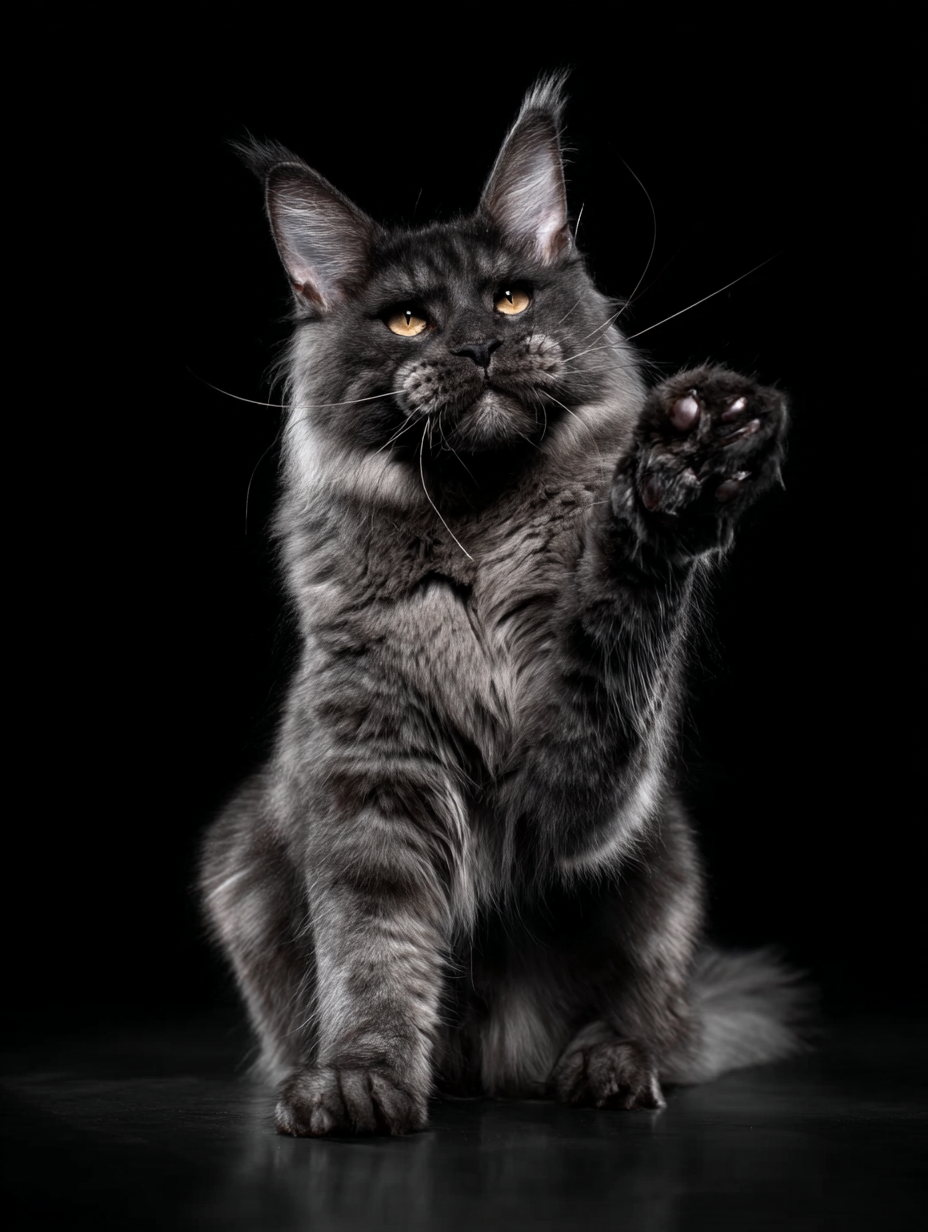
- Tall, tufted ears
- Very long plumed tail
Maine Coons have a dramatic “lynx-like” profile and a forest-cat silhouette.
British Shorthair Build
- Compact, cobby body
- Round head with thick cheeks
- Short, sturdy legs
- Thick neck and shoulders
- Plush, rounded overall shape
British Shorthairs look like plush toys brought to life — dense, round, and adorably thick.
Structure summary
- Maine Coon = long, tall, rectangular
- British Shorthair = short, thick, round
Which Breed Makes the Best Pet?
Both breeds make wonderful companions, but their personalities are dramatically different.
The Maine Coon is perfect for families, active homes, and anyone wanting an interactive, playful, dog-like cat. They follow people around, enjoy games, learn tricks, and love being part of household activity. Maine Coons are affectionate without being needy, making them excellent for kids, dogs, busy families, and owners who want a friendly, extroverted companion.
The British Shorthair is ideal for calm, predictable homes that want a quiet, dignified, affectionate-but-independent companion. They enjoy being near their people but rarely demand attention. British Shorthairs are famously gentle, polite, and easy to live with, making them perfect for apartments, seniors, professionals, and anyone wanting a low-maintenance, serene cat.
If you want high-engagement and playful energy → choose the Maine Coon.
If you want quiet companionship and a peaceful presence → choose the British Shorthair.
Lifestyle Comparison: Maine Coon vs British Shorthair
| Category | Maine Coon | British Shorthair |
|---|---|---|
| Best for Families | Excellent — outgoing and social | Excellent — calm, tolerant, gentle |
| Coat Density | Long, shaggy, winter-adapted | Ultra-dense short double coat |
| Shedding Level | High | Moderate to high |
| Grooming Needs | Regular brushing; prone to tangles | Weekly brushing; coat rarely mats |
| Energy Level | Moderate to high | Low to moderate |
| Affection Level | Affectionate, interactive | Quietly loving, not clingy |
| Adaptability | Very adaptable | Highly adaptable indoors |
| Social Behavior | Extroverted, friendly | Reserved but sweet |
| Noise Level | Chirps and trills | Quiet, soft meows |
| Ideal Environment | Families, multi-pet homes | Apartments, quiet homes |
| Allergy-Friendliness | Standard | Standard |
| Dominant Traits | Curiosity, intelligence | Calmness, stability |
Size and Weight Comparison
| Breed | Male Weight | Female Weight | Build |
|---|---|---|---|
| Maine Coon | 15–25 lbs | 10–18 lbs | Large, long, rectangular |
| British Shorthair | 12–17 lbs | 8–14 lbs | Compact, thick, round |
Maine Coons appear taller, longer, and more muscular.
British Shorthairs appear shorter, denser, and more teddy bear-like.
Coat Color Comparison
| Feature | Maine Coon | British Shorthair |
|---|---|---|
| Color Range | 75+ colors and patterns | 300+ colors and patterns |
| Texture | Shaggy, uneven, water-repellent | Short, plush, dense, crisp |
| Undercoat | Medium density | Very dense double coat |
| Special Colors | Silvers, smokes, shaded, tortie | Blue, lilac, black, white, silver, golden, cream, cinnamon |
| Shine | Matte to slight gloss | Matte in blues, glossy in silvers/goldens |
British Shorthairs have the widest color palette of any cat breed.
Maine Coons have fewer colors but are known for exceptional silver and shaded lines.
Maine Coon vs British Shorthair: Are They the Same?
No. They are completely unrelated breeds with different body types, histories, and temperaments.
- Maine Coons are American forest cats with long shaggy coats and a rectangular, athletic build.
- British Shorthairs are ancient British cats with plush short coats and round, cobby bodies.
They share gentle temperaments, but structurally and behaviorally they are opposites.
A quick glance at head shape and coat length is enough to tell them apart.
Personality Summary: Maine Coon vs British Shorthair
| Trait | Maine Coon | British Shorthair |
|---|---|---|
| Energy Level | Higher, playful, curious | Low to moderate, calm |
| Sociability | Very social, loves people | Friendly but reserved |
| Playfulness | Interactive, loves games | Enjoys gentle play |
| Noise Level | Chirps and trills | Quiet, gentle meows |
| Affection | Shows love through engagement | Shows love through presence |
| Behavior With Dogs | Excellent | Excellent |
| Adaptability | High | Very high indoors |
Maine Coons are extroverted and interactive.
British Shorthairs are introverted, steady, and deeply loyal.
Mixed-Breed Lookalikes and Misidentification
These breeds are frequently mislabeled online:
Maine Coon Lookalikes
- Domestic longhair mixes
- Large fluffy cats with bushy tails
- Cats with tall ears but lacking the square muzzle
Unless there is CFA/TICA documentation, most “Maine Coon mixes” are not purebred.
British Shorthair Lookalikes
- Round-faced domestic shorthairs
- Blue cats with thick fur
- Mixed-breed cats with stocky builds
British Shorthairs have distinctive traits that mixes rarely replicate, especially coat density and head shape.
Only pedigree registration confirms true lineage.
Health and Lifespan of Maine Coons vs British Shorthairs
Both breeds are healthy and long-lived, but each has different genetic considerations and lifestyle needs.
Maine Coon Health Overview
Maine Coons are large, athletic cats, but their size comes with some hereditary risks. Ethical breeders screen for:
- Hypertrophic cardiomyopathy (HCM) — the most common inherited heart condition in cats
- Hip dysplasia — more common in large breeds
- Spinal muscular atrophy (SMA) — rare but testable
- Joint strain or arthritis in senior years due to size
With proper screening and weight control, most Maine Coons enjoy robust health.
British Shorthair Health Overview
British Shorthairs are considered one of the healthiest breeds, with strong genetics and stable lines. They can be prone to:
- Hypertrophic cardiomyopathy (HCM) — less common than in Maine Coons, but still present
- Obesity — their calm temperament increases risk
- Dental issues in some lines
- Polycystic kidney disease (PKD) — uncommon but screened in responsible programs
Their sturdy frame and gentle lifestyle contribute to excellent longevity.
Average Lifespan
- Maine Coon: 12–15+ years
- British Shorthair: 12–18+ years
British Shorthairs often live longer due to their calmer lifestyle and lower genetic risk profile.
Price Comparison: Maine Coon vs British Shorthair
Both breeds are premium household names, but their pricing varies based on demand, bloodlines, and breeder practices.
| Breed | Average Kitten Price (USA) | Price Factors |
|---|---|---|
| Maine Coon | $2,500 – $6,000+ | European imports, polydactyl lines, silvers/smokes, health testing |
| British Shorthair | $3,000 – $6,500+ | Color rarity (golden/silver), eye color depth, coat quality, imported lines |
Why Maine Coons Can Cost More
- Larger breed → higher cost to raise
- Longer time to reach breeding maturity
- Polydactyl (extra-toed) lines
- Demand for European imports with wild type
Why British Shorthairs Can Cost More
- Goldens and silvers are extremely sought-after
- Short, dense coat takes generations to refine
- Importing high-quality lines is expensive
- The “British Blue” is a global premium color class
Both breeds hold strong value and have low supply relative to demand in the U.S.
How to Choose Between a Maine Coon and a British Shorthair
Your lifestyle determines which breed is the better match.
Choose a Maine Coon if you want:
- A playful, intelligent, dog-like companion
- A cat that follows you everywhere
- A friendly breed that thrives with children and dogs
- High engagement and interactive behavior
- A dramatic, fluffy forest-cat appearance
Maine Coons are energetic extroverts with huge personalities.
Choose a British Shorthair if you want:
- A calm, quiet, low-maintenance companion
- A cat that’s affectionate but independent
- A breed suited for apartments and relaxed homes
- A teddy-bear appearance with plush fur
- A dignified, gentle, polite temperament
British Shorthairs bring stability, serenity, and loyal companionship.
If both sound ideal
Many multi-cat homes choose one of each — one lively and interactive (Maine Coon) and one calm and plush (British Shorthair). Their temperaments complement each other beautifully.
Photos and Visual Comparisons for Your Gallery
High-quality comparison photos increase trust and reduce buyer confusion.
Buyer Guidance: Avoiding Mix-Ups & Mislabeled Cats
These breeds rarely get mixed up in person, but online sellers often misuse breed names to attract buyers.
Common Maine Coon Mislabels
- Long-haired domestic cats advertised as “Maine Coon mixes”
- Cats with long tails and tufted ears but lacking square muzzle
- No pedigree offered
Common British Shorthair Mislabels
- Round domestic shorthairs advertised as “British Blue”
- Cats with non-plush coats
- No TICA/CFA papers
- Goldens mislabeled without correct green eye development
What ethical breeders provide
- TICA or CFA registration
- Parent pedigrees
- HCM/PKD testing information
- Photos/videos of parent cats
- Clear documentation of coat color and eye color lines
- Transparent pricing and contract terms
Always ask for verifiable proof before placing a deposit.
Frequently Asked Questions: Maine Coon vs British Shorthair
Are Maine Coons and British Shorthairs the same breed?
No. Maine Coons and British Shorthairs are completely different breeds with entirely separate origins, body types, and coat structures. The Maine Coon is a longhaired American forest cat known for its giant size and rugged appearance, while the British Shorthair is an ancient British breed known for its plush short coat and teddy-bear roundness. Their personalities also differ significantly.
How can I tell a Maine Coon from a British Shorthair?
Look at the coat, head shape, and body length. Maine Coons have a long, shaggy coat, tall tufted ears, a square muzzle, and a long rectangular body. British Shorthairs have short, dense plush fur, a round head with full cheeks, and a compact, cobby body. Side-by-side, the Maine Coon looks wild and athletic, while the British Shorthair appears plush, thick, and teddy-bear-like.
Which cat is larger: Maine Coon or British Shorthair?
The Maine Coon is significantly larger. Males can reach 15–25 lbs, while British Shorthair males average 12–17 lbs. Maine Coons are taller, longer, and more muscular, with a rectangular build and long tail. British Shorthairs are dense and sturdy but much more compact.
Which breed has the fluffier coat?
The Maine Coon has the fluffier coat in terms of length and dramatic flow, especially around the ruff, tail, and belly. However, the British Shorthair has the denser coat per square inch — their short double coat is famously plush, crisp, and woolly. Maine Coons look fluffier; British Shorthairs feel thicker.
Do Maine Coons and British Shorthairs shed a lot?
Yes, both breeds shed, but in different ways. Maine Coons shed long hairs year-round and have heavier shedding seasons in spring and fall. British Shorthairs shed shorter hairs, but their dense undercoat means you’ll still see consistent hair loss, especially in warmer climates. Regular brushing helps control shedding for both.
Which cat is more affectionate?
Both are affectionate, but their affection styles differ. Maine Coons are outgoing, interactive, and social — they follow you around and enjoy being part of everything. British Shorthairs show affection through quiet presence, choosing to sit nearby but rarely demanding attention. If you want an engaged, playful partner, choose the Maine Coon; if you prefer low-maintenance companionship, choose the British Shorthair.
Which breed is calmer?
The British Shorthair is much calmer. They are famously relaxed, quiet, and easygoing, often preferring peaceful routines and gentle interactions. Maine Coons are calm too, but more curious, playful, and energetic. The Maine Coon can handle more activity, while the British Shorthair brings a serene, steady presence to the home.
Which cat is more playful?
The Maine Coon is the more playful breed. They enjoy high perches, climbing, fetch-like games, and puzzle toys, retaining kitten-like energy well into adulthood. British Shorthairs do enjoy play, but in shorter, slower sessions. They prefer gentle toys and low-impact games.
Do British Shorthairs like to be held?
Many British Shorthairs prefer not to be held for long periods. They love being near their people, enjoy gentle petting, and stay close by the family, but they are more “feet-on-the-ground” cats. Maine Coons also aren’t universally cuddly, but some tolerate being held more readily due to their relaxed, friendly nature.
Are British Shorthairs good for apartments?
Yes, they are one of the best apartment breeds. British Shorthairs are calm, quiet, and low-energy, making them ideal for smaller living spaces. Maine Coons can adapt to apartments too, but they typically appreciate more vertical space, activity, and environmental enrichment.
Which breed adapts better to change?
The Maine Coon adapts more readily to new homes, pets, and visitors. Their friendly, confident temperament helps them adjust quickly to change. British Shorthairs adapt well too, but they prefer stable environments and predictable routines. They may take a little longer to warm up in new settings.
Do these breeds get along with dogs?
Yes — both breeds do exceptionally well with dogs when properly introduced. Maine Coons enjoy playing with dog companions and tend to see them as part of the family. British Shorthairs coexist peacefully with dogs but are less interactive. They value calm, respectful dogs over hyperactive ones.
Are either breed hypoallergenic?
No. Both the Maine Coon and the British Shorthair produce normal levels of Fel d 1, the primary cat allergen. If you need a more allergy-friendly breed, Siberians are a better option. Grooming, HEPA filtration, and regular cleaning can reduce allergens but won’t eliminate them.
Which breed lives longer?
British Shorthairs generally live longer, averaging 12–18+ years. Maine Coons live around 12–15+ years on average, depending on genetics and care. British Shorthairs benefit from calmer lifestyles and fewer hereditary conditions, giving them excellent longevity.
Which breed is more expensive?
Prices vary, but British Shorthairs often cost slightly more due to their rarity in certain colors, especially golden and silver varieties. Maine Coons typically cost $2,500–$6,000+, while British Shorthairs cost $3,000–$6,500+, depending on color, eye color, health testing, and imported lines. Both breeds are premium and require ethical breeders.
Can Maine Coons and British Shorthairs interbreed?
They can physically, but responsible breeders never mix them. Their genetics, coat types, and breed standards are completely different. Crossbreeding leads to unpredictable coats, temperaments, and health outcomes, and mixed kittens cannot be registered as purebred.
Which breed is right for me?
Choose a Maine Coon if you want a friendly, interactive, adventurous cat who enjoys playing and participating in family life.
Choose a British Shorthair if you want a calm, quiet, independent companion with a plush, teddy-bear look and low-maintenance personality.
Both are loving, loyal, and beautiful cats — the best choice depends on your lifestyle and the energy level you prefer.
Final Thoughts: Which Breed Is Better?
Neither breed is better — they simply offer different styles of companionship.
The Maine Coon is the friendly, playful, adventurous companion who brings laughter, energy, and a forest-cat aesthetic to the home. They thrive in active households and love being in the center of activity.
The British Shorthair is the calm, dignified, quietly affectionate cat who enjoys peaceful environments, steady routines, and close but low-maintenance companionship. They fit beautifully into quiet homes, apartments, and relaxed lifestyles.
Both breeds are intelligent, loving, and iconic — the right choice depends entirely on your energy level and the type of presence you want in your home.
Related British Shorthair and Maine Coon Posts
- British Shorthair Lifespan
- Maine Coon vs Siberian
- Maine Coon vs Ragdoll Cat
- Russian Blue vs British Blue
- British Shorthair Kitten Growth Stages
- British Shorthair vs Ragdoll
Sources & References
Official Breed Registries
- Cat Fanciers’ Association (CFA). Maine Coon Breed Standard.
https://cfa.org/maine-coon/ - Cat Fanciers’ Association (CFA). British Shorthair Breed Standard.
https://cfa.org/british-shorthair/ - The International Cat Association (TICA). Maine Coon Breed Profile.
https://tica.org/breeds/browse-all-breeds/23-maine-coon - The International Cat Association (TICA). British Shorthair Breed Profile.
https://tica.org/breeds/browse-all-breeds/40-british-shorthair - GCCF (Governing Council of the Cat Fancy). British Shorthair Registration Policies and Standards.
https://www.gccfcats.org/ - GCCF. Maine Coon Registration Policies and Standards.
https://www.gccfcats.org/
Veterinary & Genetic Resources
- Cornell University College of Veterinary Medicine. Hypertrophic Cardiomyopathy in Cats.
https://www.vet.cornell.edu/ - EveryCat Health Foundation (formerly Winn Feline Foundation). Breed-specific health research for Maine Coons and British Shorthairs.
https://everycat.org/ - VCA Animal Hospitals. Maine Coon Characteristics & Health Overview.
https://vcahospitals.com/know-your-pet - VCA Animal Hospitals. British Shorthair Breed Overview.
https://vcahospitals.com/know-your-pet - PetMD Veterinary Library. Maine Coon Cat Breed Profile.
https://www.petmd.com/ - PetMD Veterinary Library. British Shorthair Breed Profile.
https://www.petmd.com/





Read the Comments +