
Maine Coon vs Normal Cat: Size, Weight, Temperament & Growth Differences
Quick Overview
Maine Coon vs normal cat — what’s the real difference?
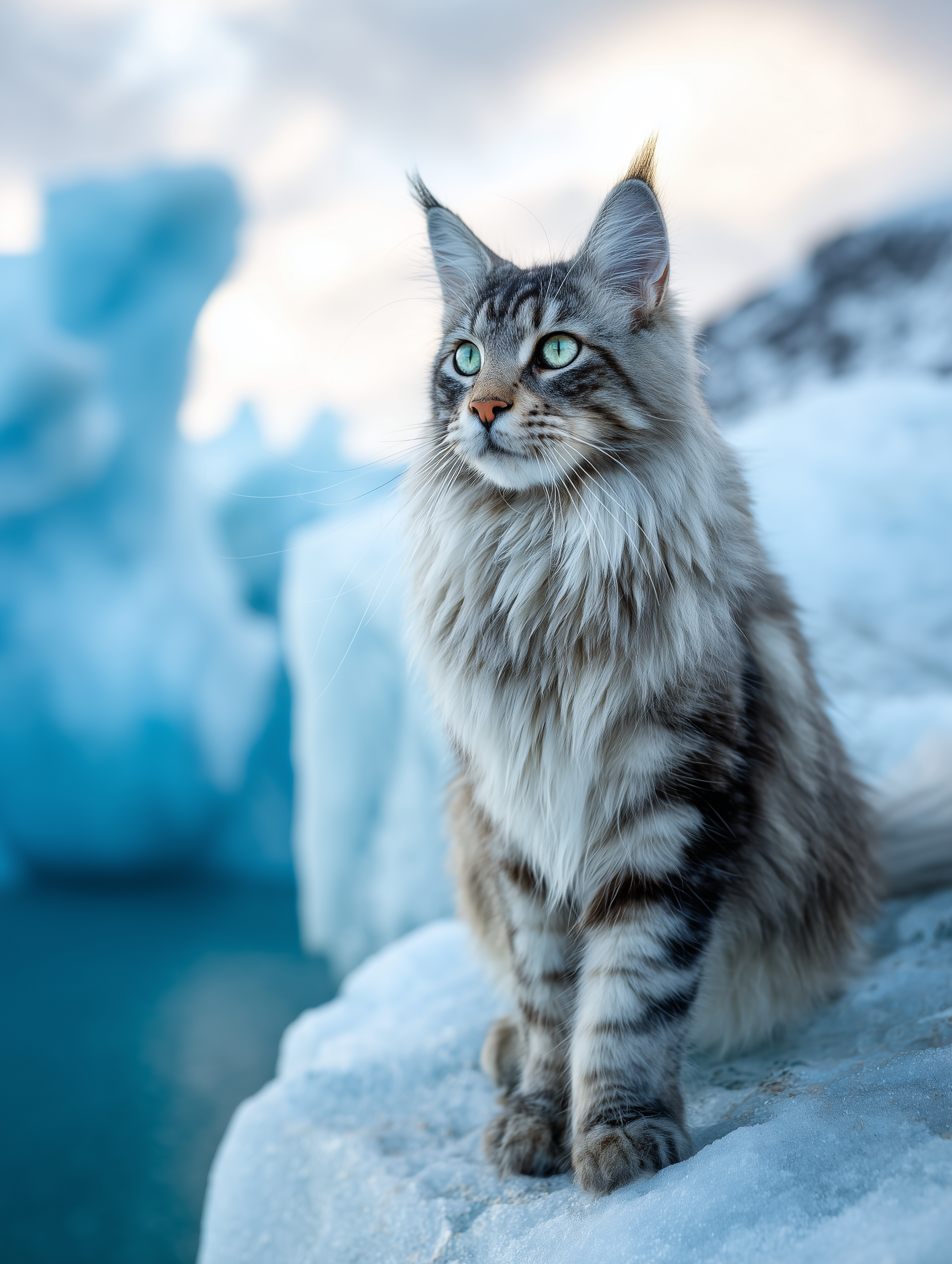
Families often compare the Maine Coon’s giant, fluffy appearance to the average domestic house cat, but the differences go far beyond size. Maine Coons mature more slowly, grow heavier bones, have distinct facial structure, thicker coats, and a dramatically different temperament that feels closer to a dog than a typical cat.
If you’re deciding between a Maine Coon kitten and a regular domestic cat, this guide breaks down everything: size, weight, behavior, coat, lifespan, grooming, and ideal home setups.
Maine Coon vs Normal Cat: Quick Comparison Table
| Feature | Maine Coon | Normal Cat |
|---|---|---|
| Size | 30–40 inches long; large rectangular body | 18 inches long on average; compact body |
| Weight | 15–25 lbs (males), 12–18 lbs (females) | 8–10 lbs typical |
| Growth Timeline | Grows for 3–4 years | Grows for 12–18 months |
| Coat Type | Long, double coat with ruff and fluffy tail | Short to medium coat; single or light double |
| Face Shape | Square muzzle, tall ears, lynx tips | Rounded face and ears |
| Temperament | Social, doglike, interactive | Independent, varies widely |
| Activity Level | High intelligence and playfulness | Moderate and predictable |
| Grooming Needs | Weekly brushing | Minimal unless long-haired |
| Price | $2,500–$4,500+ | $50–$150 adoption |
| Best For | Families, kids, multi-pet homes | Any home, low to moderate activity |
Maine Coon vs Normal Cat Size
Maine Coons are famous for being one of the largest domestic cat breeds in the world, and comparing them to a standard house cat makes the difference obvious.
Average Domestic Cat Size
Most regular house cats reach 9–10 inches tall at the shoulder and measure 18 inches long without the tail. Their bone structure is light to moderate, and their frame fills out quickly in the first year.
Maine Coon Size
Maine Coons routinely grow 10–16 inches tall with bodies reaching 30–40 inches long including the tail. Their legs are longer, their chest is broader, and their skeletal density is significantly heavier.
Key SEO Difference:
Owners searching “maine coon vs normal cat size” will find that a Maine Coon is up to twice the length and looks substantially bigger due to a massive tail plume, thick ruff, and heavy winter coat.
Maine Coons mature slower, too — which means they keep growing long after a normal cat has stopped.
Maine Coon vs Normal Cat Weight
This is where the difference becomes dramatic.
Average Domestic Cat Weight
A typical house cat weighs 8–10 lbs. Larger domestic shorthairs may reach 12 lbs, especially males.
Maine Coon Weight
A Maine Coon averages:
- Males: 15–25 lbs
- Females: 12–18 lbs
Exceptionally large lines can push even higher, but reputable breeders focus on health, bone density, and slow development rather than extreme sizes.
Compared side-by-side, Maine Coons are often double the weight of a normal cat. This is one of the most searched comparisons online — “maine coon vs normal cat weight” — because people want to know if Maine Coons are truly giant. And they are.
Maine Coon vs Normal Cat Size & Weight Chart
“maine coon vs normal cat size” and “maine coon vs normal cat weight” chart
| Category | Maine Coon | Normal Domestic Cat |
|---|---|---|
| Height | 10–16 inches at shoulder | 9–10 inches at shoulder |
| Body Length | Up to 40 inches (including tail) | Around 18 inches (including tail) |
| Weight Range | 15–25 lbs males; 12–18 lbs females | 8–10 lbs typical |
| Bone Structure | Heavy, large-boned | Light to medium |
| Tail Length | 12–18 inches, very bushy | 9–11 inches, thinner |
| Paw Size | Very large with toe tufts | Small to average paws |
Growth Rate — Why Maine Coons Grow So Much Longer
Normal domestic cats reach their adult size by 12 months, with some filling out by 16–18 months.
Maine Coons grow for 3–4 years, sometimes even longer in bone density and muscle. This slow developmental curve is what creates their:
- Massive paws
- Thick legs
- Broad chest
- Muscular hindquarters
- Extra-long tail
Their slow, steady growth requires high-protein nutrition and careful feeding during kittenhood to support their large frames.
This long growth timeline is also why Maine Coon kittens stay playful, lanky, and silly much longer than a typical house cat.
Personality Differences — Doglike vs Typical Cat Behavior
Maine Coons and normal cats are both wonderful — but their everyday behavior can feel completely different.
Normal Domestic Cat Temperament
Regular house cats are independent, affectionate on their own terms, and more solitary. They enjoy companionship but are often less interactive.
Maine Coon Temperament
Maine Coons are known as the “dogs of the cat world.” They tend to be:
- Extroverted
- Affectionate
- Loyal and people-focused
- Curious and observant
- Highly intelligent
- Playful into adulthood
A Maine Coon follows you from room to room, greets you at the door, and wants to participate in your daily activities — without being clingy or demanding. This temperament is a major reason families choose Maine Coons over regular cats.
Behavior & Temperament Comparison Table
| Trait | Maine Coon | Normal Cat |
|---|---|---|
| Sociability | Highly social; follows owners | Dependent on personality; sometimes aloof |
| Trainability | High; learns tricks easily | Moderate; varies widely |
| Vocalizations | Chirps, trills, soft meows | Standard meows, wide variation |
| Adaptability | Excellent with change | Can be sensitive |
| Dog Compatibility | Strongly dog-friendly | Mixed results |
| Kid Compatibility | Very patient and tolerant | Varies by temperament |
Maine Coon vs Normal Cat Coat, Fur Length, and Grooming Needs
The coat difference between a Maine Coon and a normal cat is visible at first glance.
Normal House Cat Coat
- Short or medium length
- Single coat or light double coat
- Minimal ruff or tail plume
- Low to moderate shedding
Maine Coon Coat
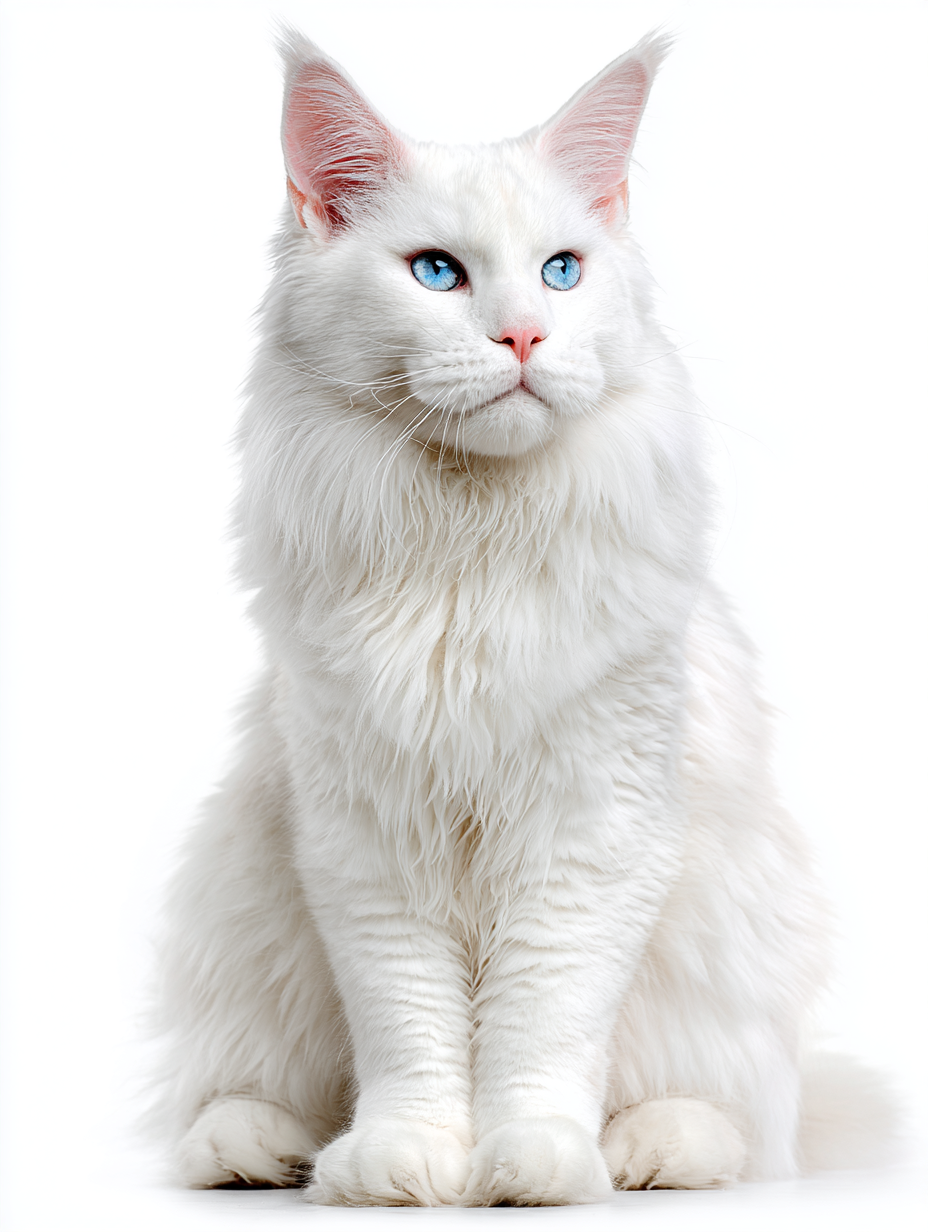
- Heavy double coat built for winter
- Long guard hairs with silky undercoat
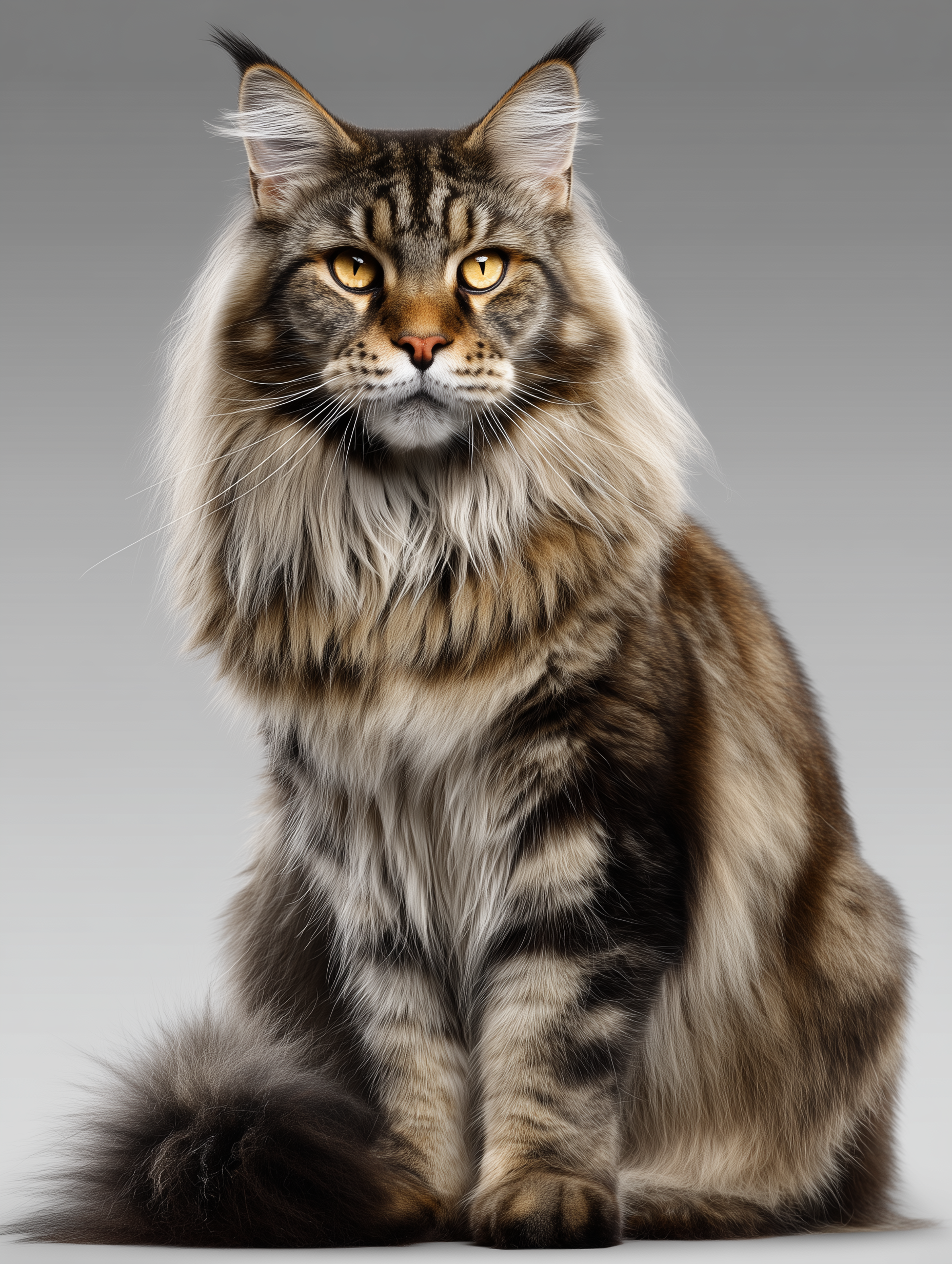
- Thick mane around the neck
- Extremely fluffy tail
- Large toe tufts and ear tips
Despite their size, Maine Coons do not require daily grooming. A weekly brushing keeps their coat healthy and prevents matting. Coat thickness varies by bloodline and climate — colder climates produce heavier coats.
Coat, Grooming, and Shedding Table
| Feature | Maine Coon | Regular House Cat |
|---|---|---|
| Coat Length | Long double coat | Short to medium |
| Shedding Level | Moderate to high seasonally | Low to moderate |
| Grooming Needs | Weekly brushing | Minimal unless longhair |
| Coat Texture | Silky guard hairs; thick undercoat | Smooth; less dense |
| Notable Traits | Mane, ear tufts, toe fluff | Standard coat; little fluff |
Facial Structure & Build — What Makes a Maine Coon Look So Distinct
Maine Coons have a very recognizable head shape. Compared to a normal cat, their features are more dramatic:
Normal Cat Facial Features
- Rounded head
- Small to medium ears
- Minimal ear furnishings
- Standard muzzle shape
Maine Coon Facial Features
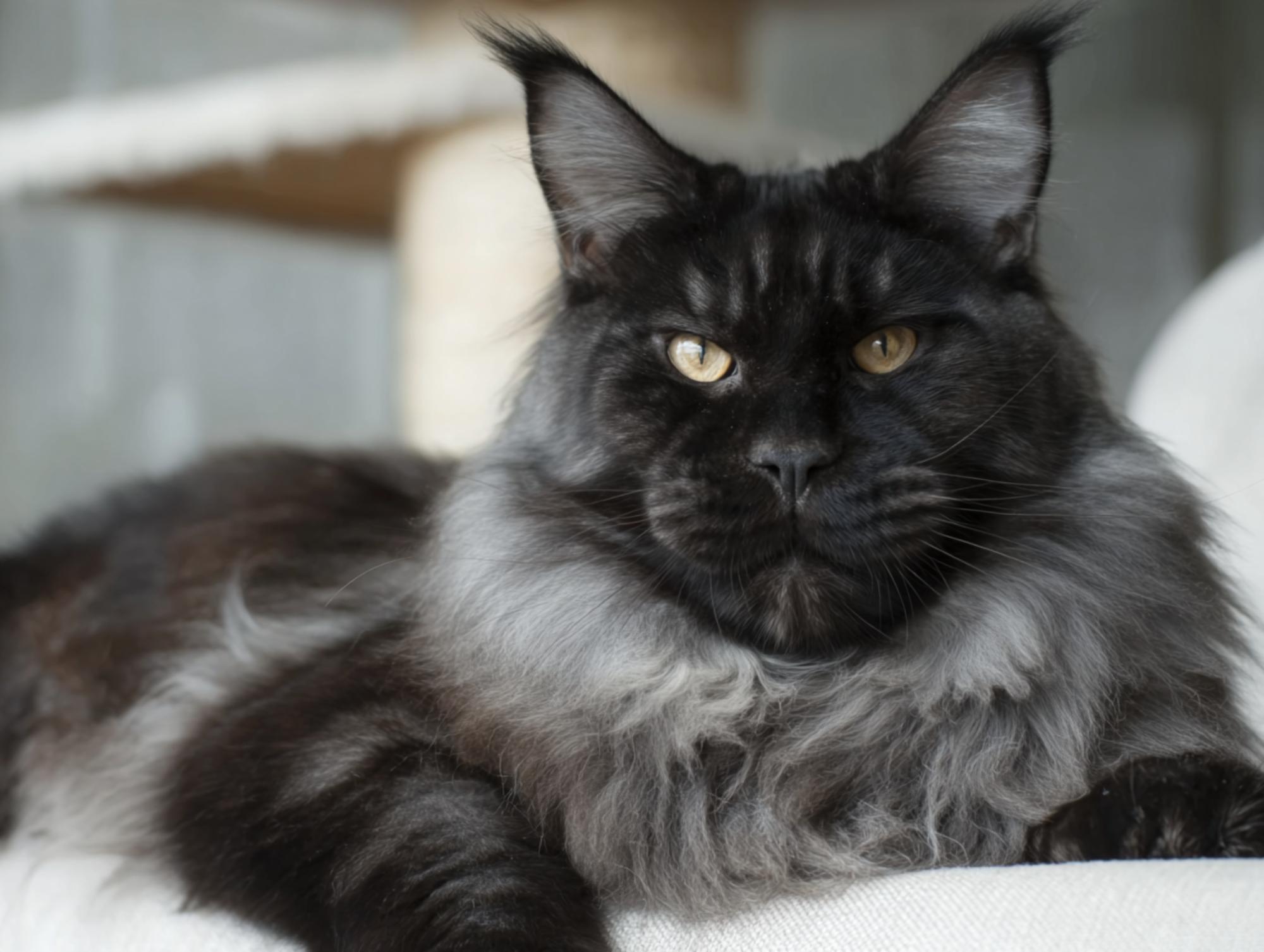
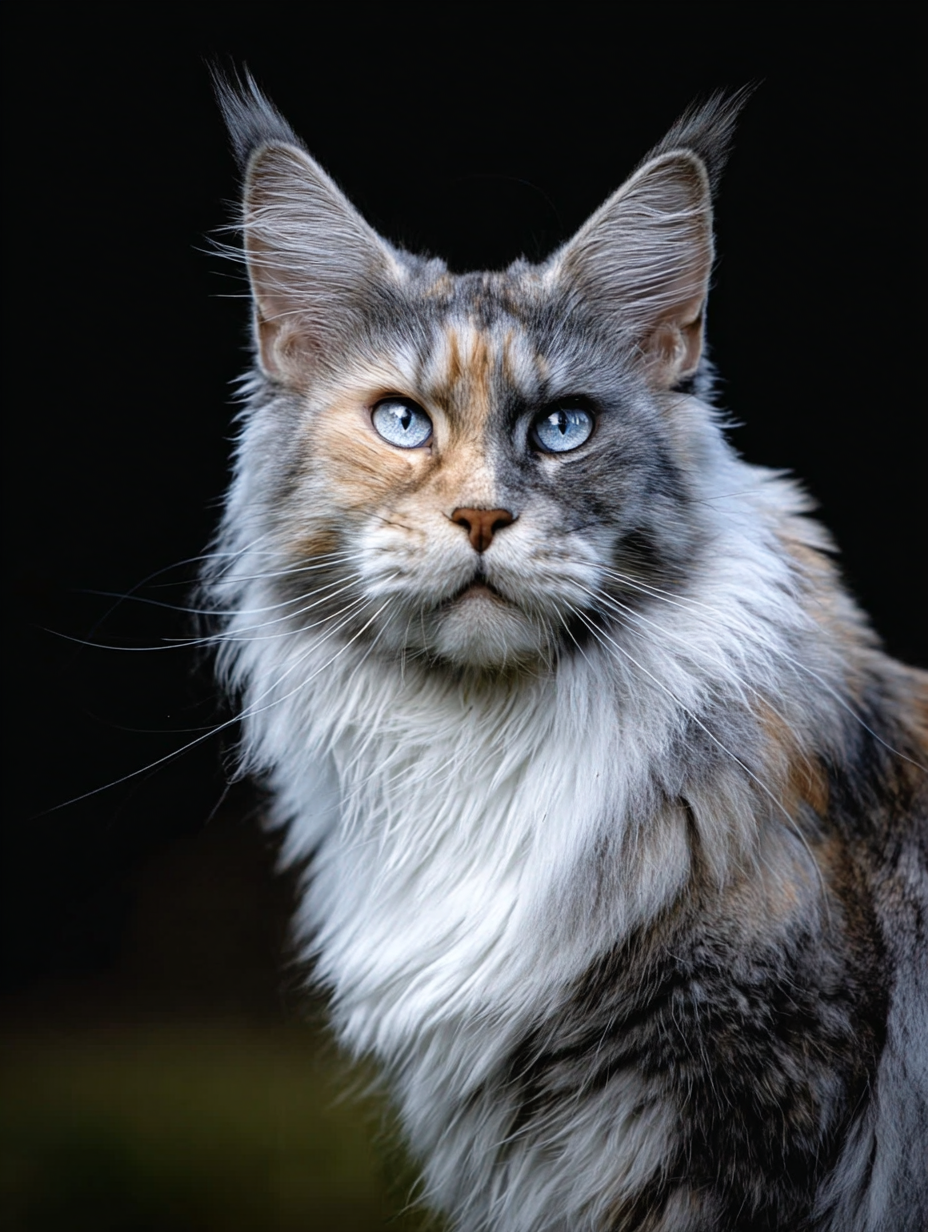
- Large ears with lynx tips
- Strong, square muzzle
- High cheekbones
- Large, expressive eyes
- Longer nose bridge
- Prominent whisker pads
Their wild, majestic appearance is one of the breed’s biggest attractions, and it’s a major reason people specifically search “maine coon vs normal cat” when trying to identify a cat’s breed.
Lifespan and Health Differences
When comparing a Maine Coon vs a normal cat, lifespan and health expectations are essential considerations. A typical domestic cat often lives 14–18 years, with many reaching their early twenties if kept indoors and provided routine vet care.
Maine Coons generally live 12–15 years, though well-bred lines with responsible genetic screening frequently reach 15–17 years. Their slightly shorter average lifespan comes from breed-specific risks such as hypertrophic cardiomyopathy (HCM), hip dysplasia, and spinal muscular atrophy (SMA). Ethical breeders screen their breeding cats yearly, and this dramatically improves long-term health outcomes.
In contrast, normal house cats are a genetic mix, which can sometimes mean greater hybrid vigor — but they also lack predictable health patterns. With Maine Coons, families benefit from a consistent health profile, transparent testing, and long-term support from reputable catteries.
Lifespan & Health Comparison Table
| Category | Maine Coon | Normal Cat |
|---|---|---|
| Average Lifespan | 12–15 years (some 17+) | 14–18 years (some 20+) |
| Genetic Conditions | HCM, SMA, hip dysplasia | Varies; typically fewer inherited issues |
| Health Predictability | Very predictable with testing | Unpredictable; mixed genetics |
| Preventive Care | Heart scans recommended | Standard vet care |
Activity Level and Play Style
While many people assume a giant cat will be lazy, Maine Coons are incredibly active and playful compared to the average domestic cat.
Maine Coons:
Their intelligence and athleticism make them interactive pets. They enjoy puzzle feeders, bird-watching, fetch-style games, and exploring vertical spaces. They are observers, problem-solvers, and social participants.
Normal Cats:
A typical house cat may have bursts of energy, but they often settle into calmer routines by adulthood. They may play independently, nap frequently, and interact on their own terms.
The difference is especially clear in the “maine coon vs regular cat” search results: families want to know why a Maine Coon behaves more like a curious companion than a passive pet. Their engagement level is one of the biggest reasons people specifically choose this breed.
Diet and Nutrition Needs
When you compare a Maine Coon vs a normal cat’s diet, the contrast comes down to growth rate, muscle mass, and bone density.
Normal House Cat Diet
A regular domestic cat thrives on a balanced, high-protein diet and reaches full physical development by one year of age. Their calorie needs stabilize quickly.
Maine Coon Diet
Maine Coons require:
- Higher protein percentages
- Omega-rich fats
- Controlled calcium-phosphorus ratios during kittenhood
- Slow, steady feeding to protect joints during growth
- Diets that support large muscle mass
Because they grow for 3–4 years, their feeding plan must match their developmental curve. Overfeeding too early can stress joints, while underfeeding can hinder bone growth. This is an area where breeder guidance is extremely valuable.
Ideal Homes for a Maine Coon vs a Normal Cat
Both make amazing companions, but they fit very different lifestyles.
Maine Coon Homes:
- Families who want a highly social, interactive cat
- Owners who appreciate a doglike personality
- Households that can provide enrichment, climbing spaces, and moderate grooming
- People who want a kitten that grows into a large, impressive adult
- Individuals who work long days but want a calm, observant cat who doesn’t become needy
Normal Cat Homes:
- Owners who want low-maintenance companions
- Individuals in small apartments or quiet households
- People who prefer cats with independent temperaments
- Families who want a predictable, easy-care pet without breed-specific needs
Many families choose a Maine Coon because they want a cat that feels more like a companion animal, not just a pet who coexists in the home.
Cost Comparison — Maine Coon vs Regular Cat
The price difference between a Maine Coon and a normal house cat is substantial, and it’s one of the most searched aspects of the comparison.
Normal Cat Cost
- Shelter adoption: $50–$150
- Rehoming fees: $0–$200
These cats make wonderful pets, but they usually come without pedigree, health testing, or documented lineage.
Maine Coon Cost
Reputable Maine Coon breeders typically charge:
- $2,500–$4,500+ for pet kittens
- Higher for rare colors or imported lines
- Additional for breeding rights in approved programs
This price reflects:
- Genetic screening
- Medical care
- Breed-specific socialization
- Selective breeding for size, structure, temperament
- Registration and pedigrees
- Lifetime breeder support
For families who want a guaranteed breed experience (size, temperament, coat, health), the investment is worth it.
When a Normal Cat May Be the Better Choice
Although Maine Coons are extraordinary, a normal domestic cat might be the perfect fit for certain lifestyles.
A regular house cat may be better for:
- Seniors who want a low-maintenance pet
- Owners who prefer a smaller, quieter animal
- Individuals who travel frequently
- People with tighter budgets
- Households that cannot accommodate a 20-pound cat with high enrichment needs
A domestic cat still offers affection, companionship, and personality — just with fewer grooming, dietary, and spatial requirements.
That said, families who want a sociable, majestic, playful, and ultra-interactive companion often feel a Maine Coon fits their home more naturally.
Frequently Asked Questions: Maine Coon vs Normal Cat
Quick FAQ Table
| Topic | Maine Coon Answer | Normal Cat Answer |
|---|---|---|
| Is it bigger? | Yes, often double the size | No |
| Heavier? | 15–25 lbs average | 8–10 lbs |
| Grows longer? | Up to 4 years | 1 year |
| More affectionate? | Highly social | Varies |
| Better with dogs? | Usually yes | Mixed |
| Price difference? | High | Low |
How can you tell the difference between a Maine Coon and a normal cat?
A Maine Coon has a much larger frame, strong bone structure, long rectangular body, and dramatically tufted ears that stand out compared to a normal domestic cat. Their tail is exceptionally long and bushy, their muzzle is square, and their coat has a distinct mane-like ruff that regular cats do not have. Maine Coons also carry themselves differently — they move with heavier, slower steps and hold their tail like a plume. Their personality is another giveaway; they tend to be social, observant, and very interactive with humans. In contrast, a normal cat has a more rounded face, lighter bones, and a more independent temperament.
Is a Maine Coon bigger than a normal cat?
Yes. A Maine Coon is significantly bigger than a normal cat in height, length, and overall mass. A typical house cat weighs around 8–10 lbs and measures 18 inches long, while a Maine Coon often reaches 30–40 inches and can easily weigh 15–25 lbs depending on sex and lineage. Their paws, legs, torso, and tail all scale proportionally larger. The difference becomes more extreme as the Maine Coon continues growing for several years.
What is the size difference between a Maine Coon and a normal cat?
The size difference is dramatic enough that many families immediately assume a Maine Coon they see online must be photoshopped. Maine Coons grow taller, longer, and far bulkier than the average cat, with much heavier skeletal density. Their chest is wider, their legs are longer, and their tail can sometimes equal the length of a regular cat’s entire body. Even as kittens, they appear large-boned and rectangular compared to the rounder, compact shape of normal cats. This is why search queries like “maine coon vs normal cat size” are so popular — the difference is real and visually striking.
What is the weight of a Maine Coon compared to a normal cat?
A normal domestic cat weighs around 8–10 lbs, while a healthy adult Maine Coon typically ranges from 15–25 lbs. Some males exceed that range naturally, especially from European or imported lines, though reputable breeders focus on wellness rather than extreme size. Maine Coons carry their weight differently — it comes from muscle density, bone mass, and coat volume. Compared side by side, a Maine Coon often feels twice as heavy even when the visual difference doesn’t fully reveal how dense they are.
Why do Maine Coons grow so much larger than regular cats?
Maine Coons have a longer growth cycle than normal cats, often developing for 3–4 years. Their genetics favor a large skeletal structure, thick winter coat, and powerful musculature suited to colder environments. Selective breeding reinforces consistent size and structure, so responsible bloodlines produce reliable growth patterns. Their giant tail, ear furnishings, and chest ruff also exaggerate their scale visually. A normal domestic cat simply does not have the genetic blueprint for this prolonged, massive development.
Are Maine Coons stronger than normal cats?
Yes, Maine Coons are physically stronger due to their muscular build and thicker bone density. They can jump high, climb with significant power, and carry more weight comfortably than a normal cat. Their large paws and longer legs give them leverage, and their athleticism is noticeably higher. Strength also relates to endurance — Maine Coons stay playful longer and remain physically active well into adulthood. Regular domestic cats may be agile, but they typically do not have the same muscular frame.
Do Maine Coons eat more than normal cats?
Most do. Because they grow for years and have larger bodies to support, Maine Coons often require more calories and a higher protein percentage. They thrive on nutrient-dense diets that support bone, joint, and muscle development. While they do not necessarily eat excessively, they do eat proportionally more than an average cat. Feeding a Maine Coon correctly helps prevent rapid growth or weight issues and keeps their joints healthy.
Is a Maine Coon better for families than a normal cat?
Many families feel that Maine Coons are ideal for homes with children, visitors, and busier environments because of their patient and social nature. They tolerate handling well, enjoy interactive play, and rarely hide from new experiences. A normal cat can absolutely be wonderful with families but may be more selective about interactions. Maine Coons tend to create strong bonds with all household members, while regular cats may choose one favorite person. Families who want a doglike companion often prefer the Maine Coon temperament.
Are Maine Coons more affectionate than normal cats?
Maine Coons are famously affectionate in a quiet, companion-oriented way. They follow you from room to room, sit with you, watch what you’re doing, and enjoy being nearby without demanding constant attention. Normal domestic cats can be loving as well, but they often show affection more selectively. Many people feel Maine Coons offer a deeper, more interactive bond. Their combination of independence and connection makes them ideal for people who want closeness without clinginess.
Do Maine Coons shed more than regular cats?
Maine Coons have a double coat that sheds seasonally, especially in spring and fall. Their fur is longer and fuller than that of a normal cat, so the shedding can appear more intense even if they are not technically losing more hair. Weekly brushing helps manage loose undercoat and reduces shedding around the home. Regular domestic cats vary widely — shorthaired breeds may shed little, while some mixed-breed cats shed heavily depending on genetics. Coat management is manageable with both, but Maine Coons do require more intentional grooming.
Are Maine Coons more expensive to own than normal cats?
Yes. Beyond the initial purchase price, Maine Coons may have higher grooming needs, larger litter box requirements, more durable scratching posts, and diets formulated for large breeds. Their vet care is similar to other cats but may be more frequent if owners want yearly heart scans or screenings typical for purebreds. Normal cats require far fewer specialized supplies and have more predictable low-maintenance costs. Families considering a Maine Coon should plan for premium food, large-cat furniture, and preventive health testing.
Can a normal cat be as big as a Maine Coon?
It’s rare but possible. Some mixed-breed cats reach 15+ lbs naturally, especially large males, but they typically do not have the bone structure or long rectangular body of a Maine Coon. Regular cats that appear large may simply be overweight rather than structurally large. A true Maine Coon’s proportions are different — large paws, long legs, wide chest, and heavy muscle. Only the Maine Coon breed reliably produces giant cats without obesity.
Are Maine Coons better for people who work all day?
Surprisingly, yes. Maine Coons handle alone time well because they are observant, calm, and independent enough to entertain themselves without becoming distressed. They nap, watch the home environment, and wait for their people to return. When you come home, they engage enthusiastically and appreciate your presence. A normal cat can also do well with full-time schedules, but Maine Coons tend to be especially adaptable for working families who still want a deeply bonded companion.
Do Maine Coons get along better with dogs than normal cats?
Maine Coons are known for being one of the most dog-friendly cat breeds. Their patience, size, and confidence make them more comfortable around dogs than many regular cats. They often observe and adjust instead of reacting fearfully. Mixed-breed or normal cats can absolutely live with dogs, but their tolerance varies widely. Maine Coons usually blend more naturally into multi-pet households.
Do Maine Coons live longer than normal cats?
Not usually. Normal domestic cats often live a bit longer because they have genetic diversity that can protect against some inherited conditions. Maine Coons can live long, healthy lives, especially when bred by responsible programs that test for HCM, SMA, and HD. Many well-bred Maine Coons live 15–17 years. The key difference is predictability: with Maine Coons, families know exactly what to screen for and what to expect long term.
Can a normal cat look like a Maine Coon?
Yes, some mixed-breed cats can resemble Maine Coons, especially if they naturally have tufted ears, fluffy tails, or larger frames. However, these traits alone do not make them Maine Coons. True Maine Coons have a distinct rectangular body shape, a square muzzle, large paws, and a long growth timeline of several years. Their ear furnishings, coat texture, and personality are also highly characteristic of the breed. A normal cat may show a few similarities, but the complete package is unique to Maine Coons.
How do I know if my cat is part Maine Coon or just a fluffy cat?
A fluffy cat may look dramatic, but Maine Coons have specific breed-defining traits. Look for lynx tips on the ears, a large and bushy tail, a pronounced mane around the neck, and tall, wide-set ears with long furnishings. Maine Coons also have a long, rectangular torso and large paws with toe tufts. Their behavior gives clues too—Maine Coons tend to be interactive, people-oriented, and unusually playful into adulthood. A DNA test can offer insight, but only pedigree documentation confirms heritage.
Are Maine Coons friendlier than normal cats?
Maine Coons are generally considered one of the friendliest cat breeds. They enjoy human company, participate in household routines, and love observing their people from nearby perches. Their friendliness is steady and predictable, which is one reason families specifically search for this breed. Normal domestic cats can be friendly too, but their personalities vary widely based on genetics and early socialization. Maine Coons offer more consistent social temperaments across the breed.
Do Maine Coons meow differently compared to normal cats?
Yes. Maine Coons are famous for their soft chirps, trills, and gentle vocalizations rather than loud, sharp meows. Their voices tend to sound melodic and birdlike, especially when greeting their owners or asking for attention. Regular cats meow with a wider range of tones depending on their personality and breed mix. Maine Coons rarely yowl or vocalize aggressively, and their signature “trill” is one of the most recognizable differences between them and typical house cats.
Do Maine Coons require more grooming than a normal cat?
They do require a bit more grooming, but not as much as many people assume. Maine Coons have long, silky coats that resist matting because their fur is not overly cottony. Weekly brushing is enough for most cats, with extra attention during seasonal shedding. In comparison, a normal shorthair cat needs minimal grooming, while some longhair mixes may require intensive care. Maine Coons sit in a balanced middle ground: luxurious but manageable.
Are Maine Coons more territorial than regular cats?
Not usually. Maine Coons are confident and self-assured, so they often feel secure even when new pets or people enter the home. They tend to observe rather than immediately react, which reduces territorial responses. Normal cats may show more variation—some are relaxed, while others can be highly territorial depending on their background. Maine Coons generally adapt smoothly because of their stable temperaments and social nature.
Are Maine Coons harder to train than normal cats?
Maine Coons are easier to train than most normal cats due to their intelligence and desire to interact with humans. They quickly learn routines, commands, and tricks like fetch or sit. They also adapt well to leash training and can be taught to ride in carriers, accept nail trims, or follow a daily schedule. Typical house cats may learn these skills too, but they often have a more independent mindset. Maine Coons treat training as interaction, which makes the process easier.
Do Maine Coons eat the same food as a normal cat?
They can eat the same high-quality cat foods, but they usually need more protein and more calories due to their size and growth patterns. Maine Coon kittens especially require carefully balanced nutrition to support joint and bone development. Their diet should also include omega-rich fats to maintain coat health. Normal domestic cats need balanced food too, but their caloric needs are significantly lower. Feeding a Maine Coon correctly ensures their large frame develops safely.
Do Maine Coons get sick more often than normal cats?
Not necessarily. Modern, health-tested Maine Coon lines can be extremely robust. They have predictable breed-specific conditions breeders screen for—HCM, SMA, and hip dysplasia. Domestic cats can have fewer inherited risks due to mixed genetics, but they also lack the consistency of a purebred health plan. A Maine Coon that comes from screened parents typically has very stable long-term health. Regular preventive care keeps both types of cats thriving.
Do Maine Coons cost more to take care of than regular cats?
Ownership costs are higher, but manageable. Maine Coons require larger litter boxes, more durable scratching posts, and higher-protein diets. Their grooming tools may cost more, and their carriers must support a larger size. Regular domestic cats have lower ongoing maintenance because their supplies can be standard-sized. Maine Coons are not inherently expensive day-to-day, but owners should expect to invest slightly more in quality equipment and nutrition.
Are Maine Coons indoor cats or can they live outdoors like normal cats?
Maine Coons can technically thrive outdoors due to their size and rugged double coat, but modern breeders strongly recommend keeping them indoors for safety. Their value, size, and friendly nature make them more vulnerable to theft or injury. Normal domestic cats may have more street smarts depending on their background, but they share the same risks. Maine Coons flourish indoors with proper enrichment and safe outdoor access like catios.
Do Maine Coons mature slower than a normal cat?
Yes. Normal domestic cats reach full adult size by 12–18 months, but Maine Coons continue developing up to 3–4 years. Their bone structure, muscle mass, and coat thickness all mature slowly over time. This extended growth period is one of the reasons they become so large. It also means their nutritional needs differ from an average cat. A slow-growing, slow-maturing giant breed requires long-term developmental support.
Do Maine Coons get along with other cats better than regular cats?
Often, yes. They tend to be patient, tolerant, and observant, which makes them excellent companions for multi-cat homes. They rarely dominate or challenge other cats unless provoked. Regular domestic cats vary widely—some are social, others prefer solitude. Maine Coons generally offer more predictability and stability in group environments, especially when introduced properly.
Can a regular cat be mistaken for a Maine Coon kitten?
Absolutely — fluffy kittens with ear tufts or long tails are often mistaken for Maine Coons. However, the breed-defining differences become clear as the kitten grows. A normal cat’s proportions remain compact, their face stays rounded, and their body matures quickly. A Maine Coon kitten maintains a rectangular frame, huge paws, long legs, and a distinct muzzle from an early age. The growth pattern is the biggest giveaway.
Are Maine Coons calmer than normal cats?
Maine Coons are calm but not lazy. They have steady, confident temperaments that help them remain composed in busy households. Normal cats may be calm too, but many have sudden bursts of energy or nervousness depending on their personality. Maine Coons are known for their emotional stability, which is one reason they work well in families with children or other pets. Their relaxed attitude makes them appear calmer, even though they still love interactive play.
Do Maine Coons have a better temperament than regular cats?
Temperament is subjective, but Maine Coons are consistently praised for being gentle, affectionate, and easygoing. They enjoy human interaction, handle change well, and maintain kitten like playfulness into adulthood. Regular domestic cats can have amazing temperaments too, but their personalities vary unpredictably. Maine Coons offer dependable traits that align with what many families want: sweetness, intelligence, and social engagement.
Learn More About Cat Breeds
- British Shorthair Lifespan
- Maine Coon vs Siberian
- Maine Coon vs Ragdoll Cat
- Russian Blue vs British Blue
- British Shorthair Kitten Growth Stages
- British Shorthair vs Ragdoll
Article Sources
- 1. Cat Fanciers’ Association (CFA) – Maine Coon Breed Standard
https://cfa.org/maine-coon/ - 2. International Cat Association (TICA) – Maine Coon Breed Information
https://tica.org/breeds/browse-breeds/breeds-m-r/maine-coon - 3. VCA Animal Hospitals – Maine Coon Cats Overview
https://vcahospitals.com/know-your-pet/cat-breeds/maine-coon - 4. Cornell University College of Veterinary Medicine – Cat Health
https://www.vet.cornell.edu/departments-centers-and-institutes/cornell-feline-health-center - 5. PetMD – Cat Size, Weight, Growth & Nutrition
https://www.petmd.com/cat/general-health - 6. ASPCA – Cat Behavior & Traits
https://www.aspca.org/pet-care/cat-care - 7. Hill’s Pet Nutrition – Feline Growth and Development
https://www.hillspet.com/cat-care/healthcare/cat-growth-stages - 8. AVMA – Preventive Care Guidelines for Cats
https://www.avma.org/resources/pet-owners/petcare/cat-care





Read the Comments +