
Are Maine Coons Good With Dogs?
Many families want both a Maine Coon and a dog, and one of the first questions they ask is “Are Maine Coons good with dogs?” The answer is yes—Maine Coons are one of the most dog-tolerant cat breeds when matched with the right canine temperament and introduced correctly. Their steady nature, confident body language, and social tendencies make them well-equipped for multi-species homes.
When early meetings are handled slowly and safely, most Maine Coons learn to coexist peacefully with dogs—and many form real companionships.
This post explains why Maine Coons usually do well with dogs, how to structure introductions, and which types of dogs are the best match.
Quick Comparison: Maine Coons and Dogs Living Together
| Topic | Summary |
|---|---|
| Overall Compatibility | Maine Coons are one of the most dog-friendly cat breeds due to steady, confident, social behavior. |
| Best Dog Matches | Calm, predictable, low-prey-drive dogs such as Golden Retrievers, Labrador Retrievers, Poodles, Cavaliers, Bernese Mountain Dogs, and trained mixed breeds. |
| Introduction Difficulty | Low–moderate. Proper pacing and controlled exposure increase success rates. |
| Behavior Strengths | Confident around new animals, less territorial, steady with children and visitors, strong social tolerance. |
| Common Challenges | High-energy dogs, untrained chasing behaviors, loud/noisy environments, resource guarding, and rough physical play. |
| Do Maine Coons Need Companions? | They enjoy social households and often benefit from having a calm, respectful dog. |
| Signs of Bonding | Relaxed body language, shared resting areas, nose-touch greetings, mutual curiosity, slow blinking, following each other around the home. |
| Special Considerations | Vertical space, separate feeding stations, controlled early interactions, and respect for the cat’s retreat zones. |
Maine Coon Personality Overview & Why They Often Do Well With Dogs
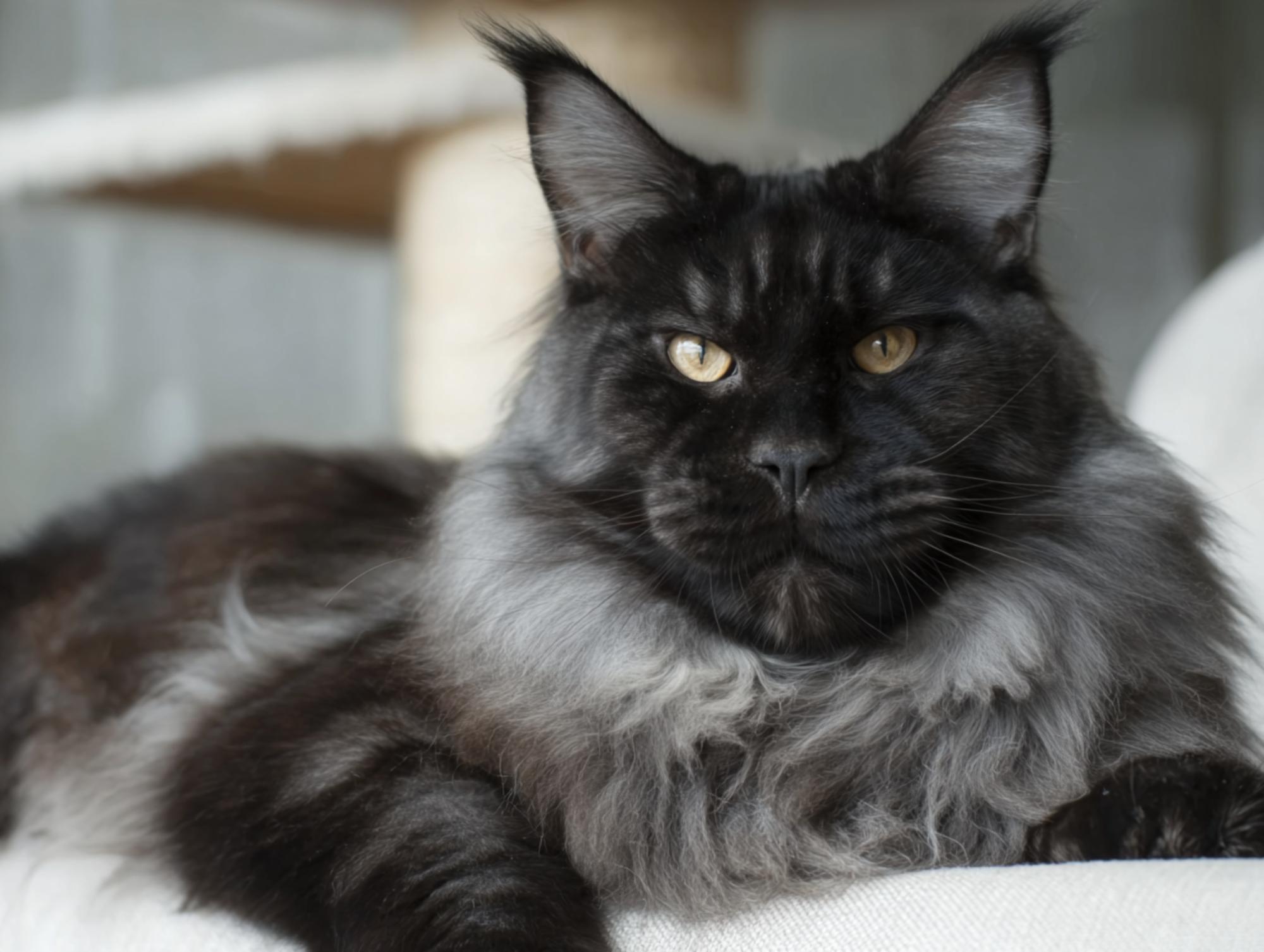
Maine Coons are known for steady, social, people-focused temperaments. They tolerate new sights, sounds, and animals more easily than many breeds. Because they rely less on territorial defense and more on social engagement, they generally handle structured introductions with dogs very well.
They prefer predictable routines, respond positively to gentle handling, and rarely escalate to defensive behaviors unless provoked.
This emotional stability is a major reason families often describe Maine Coons as one of the easiest breeds to integrate into homes with dogs.
Are Maine Coons Good With Dogs?
Yes—most Maine Coons adapt smoothly to living with dogs, especially when the dog is well-mannered, trained to respect boundaries, and does not have a history of chasing cats. Maine Coons are confident, observant, and slow-moving, which reduces the likelihood of triggering chase instincts in dogs.
They also tend to use neutral or friendly body language, which helps dogs read them correctly.
Breeds commonly compatible with Maine Coons include:
- Golden Retrievers
- Labrador Retrievers
- Poodles (Standard and Mini)
- Bernese Mountain Dogs
- Cavaliers and other gentle spaniels
- Calm mixed-breed dogs with low prey drive
While every individual varies, the breed as a whole ranks among the most dog-compatible cats due to their stable behavior and tendency to enjoy household companionship.
Why Maine Coons Tolerate Dogs Better Than Many Cat Breeds
Maine Coons have several behavioral traits that support dog-cat harmony:
Low Startle Response
They do not react dramatically to sudden movements or noise, which keeps dogs calm.
Confident Body Language
Their large size and composed posture communicate stability rather than fear, reducing chase behavior.
High Social Drive
Maine Coons seek interaction and often show curiosity toward dogs rather than avoidance.
Play Style That Matches Well With Calm Dogs
Their moderate, predictable play behaviors are easier for dogs to interpret.
Slow, Steady Movements
Unlike skittish breeds, their movement pattern does not trigger predatory instincts.
Strong Family Bond
They follow their people from room to room. If the dog is part of the family routine, the Maine Coon typically includes them too.
Together, these traits make Maine Coons one of the most successful cat breeds for multi-species homes—and a top recommendation for families wanting both a dog and a cat.
Maine Coons and Dogs Living Together: What a Healthy Relationship Looks Like
A well-balanced cat–dog household depends on predictable routines, safe zones, and calm, respectful interactions — and Maine Coons tend to thrive in this environment. Their confident, sociable nature makes them one of the easiest cat breeds to integrate with dogs, especially when the dog has manners, impulse control, and a low prey drive. A healthy Maine Coon–dog relationship typically includes shared resting spaces, gentle sniffing, parallel play, and comfortable coexistence in high-traffic areas of the home.
Maine Coons often take the lead in establishing boundaries. They use clear signals such as a slow tail wave, stepping away instead of escalating, or pausing to assess a dog before approaching. A well-matched dog responds appropriately — backing off, lowering its energy, or offering soft body language. Over time, many dogs naturally adjust their pace to match the Maine Coon’s calm, steady rhythm. It’s common for families to report that their Maine Coon chooses to nap near the dog, groom the dog’s head or ears, or follow the dog from room to room. These shared routines develop when both pets feel safe, respected, and supported by consistent daily structure.
Do Maine Coons Need a Companion?
Maine Coons are social cats who enjoy having company, but they do not require a dog specifically. They bond deeply with their families and often prefer not to spend long stretches of time alone. For households with full-time work schedules, a compatible canine companion can provide comfort, reduce boredom, and support emotional stability.
A respectful dog can meet many of the Maine Coon’s social needs — consistent presence, gentle interactions, and predictable companionship. Homes that add a well-matched dog often notice improvements in confidence, reduced loneliness, and calmer behavior overall. While a second cat can also fill this role, many Maine Coons genuinely enjoy living with a polite, easygoing dog who becomes part of their daily routine.
What Dogs Are Good With Maine Coons? Ideal Breeds and Temperament Traits
Maine Coons do best with dogs that are calm, well-trained, and have low prey drive. Their large size, confident body language, and slow, deliberate movements help prevent triggering chase behavior in most dogs, but temperament matching still matters.
Dog breeds commonly compatible with Maine Coons include:
- Golden Retrievers
- Labradors
- Poodles (Standard or Miniature)
- Cavalier King Charles Spaniels
- Great Pyrenees
- Bernese Mountain Dogs
- Bichon Frise
- Maltese
- Calm mixed-breed dogs with strong training foundations
Ideal canine traits include:
- tolerance for a cat’s independence
- gentle curiosity instead of intense chasing
- soft play style and predictable movements
- the ability to read feline boundaries
- low reactivity to sudden cat behavior
- willingness to share territory and resources
High-energy dogs can also live peacefully with Maine Coons if they are well trained and understand the difference between prey and play. The Maine Coon’s confident, steady personality usually helps them set boundaries early, reducing misunderstandings and stress.
How to Introduce a Maine Coon to a Dog Safely
Successful introductions are slow, structured, and scent-first. Maine Coons are confident, but even outgoing cats need time to understand the dog’s personality before sharing space.
1. Begin With Scent Exchange
Swap bedding, blankets, or soft toys between the two animals. Scent builds familiarity and reduces fear long before they see each other.
2. Add Controlled Visual Contact
Use baby gates, cracked doors, or secure carriers to let them observe one another calmly. The Maine Coon should control the pace — they approach when ready.
Signs your Maine Coon is comfortable:
- tail upright
- slow blinking
- grooming while the dog is present
- relaxed ears and steady posture
3. Move to Supervised Interaction
Keep the dog on a leash or in a calm sit-stay position during the first face-to-face meetings. Reward quiet behavior and gentle curiosity. The cat should have access to escape routes and vertical perches.
4. Increase Freedom Gradually
Short sessions become longer as both animals show relaxed, predictable body language. Most Maine Coons begin showing interest quickly, but some may take several weeks — especially adults adopted from quieter homes.
When introductions stay slow and positive, Maine Coons and dogs often transition from curiosity to companionship naturally.
Essential Body Language to Watch During Cat–Dog Introductions
Effective integration depends on reading both animals correctly.
Maine Coon Stress Signals
- tail flicking
- slight crouching
- ears rotating backward
- avoiding eye contact
- quick grooming (stress displacement)
Maine Coon Comfort Signals
- upright, fluffy tail
- slow blinking
- confident walking
- choosing to sit near the dog
- playful tapping or soft sniffing
Dog Signals to Watch
Safe & friendly signs:
- soft eyes
- relaxed mouth
- slow wagging tail
- sniffing without pressure
Warning signs:
- stiff body
- intense staring
- whining, lunging, or crouching
- fast, high-tail wagging indicating arousal
When both animals consistently display calm, curious body language across several sessions, they are ready for more freedom together.
Creating Safe Zones for Maine Coons in Dog-Friendly Homes
Maine Coons adjust extremely well to homes with dogs when they have protected territory, controlled access, and places to retreat. Their size and confidence give them an advantage compared to many breeds, but they still need areas where they can eat, rest, and observe the dog without pressure.
Vertical territory is especially important. Maine Coons appreciate wide perches, stable cat trees, and cat shelves that allow them to move above the dog’s line of vision. Elevated spaces reduce tension, prevent cornering, and give the cat the confidence to approach the dog voluntarily.
Private feeding stations—countertops, raised shelves, or gated rooms—ensure that:
• the dog cannot reach the cat’s food
• mealtimes stay calm
• resource guarding is prevented
Litter boxes must be kept behind gates, inside closets with cat doors, or in dog-proof rooms. Dogs investigating litter areas is one of the fastest ways to create conflict and stress.
Safe zones also include:
• covered beds
• tunnels and cubes
• quiet rooms for decompression
These controlled spaces allow the Maine Coon to regulate its own exposure to the dog, which reduces fear and keeps early introductions positive. Confidence grows when the cat knows it can always retreat without being followed.
Training Dogs to Respect Maine Coon Cats
Successful mixed-species homes depend heavily on the dog’s training, not just the cat’s temperament. Maine Coons are tolerant and even playful with dogs, but they need a canine partner who understands boundaries.
Core training for the dog should include:
• reliable “leave it”
• calm behavior around movement
• no chasing
• loose-leash walking inside the home
• the ability to settle on cue
Reward-based training works best. Dogs learn to stay relaxed around the cat when they receive praise, treats, or access to play only when they behave appropriately.
Short, structured practice sessions help the dog learn:
• slow approaches
• softened body language
• backing away when the cat signals discomfort
Because Maine Coons are large, confident, and expressive, most dogs learn their boundaries quickly. However, consistency is key—dogs thrive when expectations do not change day to day.
Over time, many dogs begin:
• checking in gently with the cat
• offering slow, respectful greetings
• adjusting their energy when the cat enters the room
This creates a stable, predictable environment where the Maine Coon feels secure and remains open to bonding.
Common Challenges Between Maine Coons and Dogs
Even compatible pets can run into issues during the first few weeks. The most common challenges include:
High-energy puppies or dogs. Quick movements, rough play, or persistent sniffing can overwhelm a Maine Coon, even though they are confident cats.
Chasing behavior. Some dogs have strong visual or motion-based prey drive. A running or jumping cat can trigger instinctive chasing unless the dog is well-trained.
Resource guarding. Either pet may become protective of food bowls, preferred sleeping spots, or toys. Keeping early routines structured prevents escalation.
Noise sensitivity. Maine Coons are generally tolerant, but sudden barking may cause temporary stress or avoidance.
Limited escape routes in small homes. Tight spaces increase the chance of cornering, which leads to defensive swats or hissing.
These challenges can be handled effectively with:
• calm, supervised introductions
• protected resources
• elevated spaces
• consistent routines
• slow exposure to one another’s presence
Once initial uncertainties pass, most Maine Coons adapt and coexist comfortably with well-mannered dogs.
How Age Affects Compatibility Between Maine Coons and Dogs
Age influences how quickly trust forms between a Maine Coon and a dog.
Kittens (8–16 weeks):
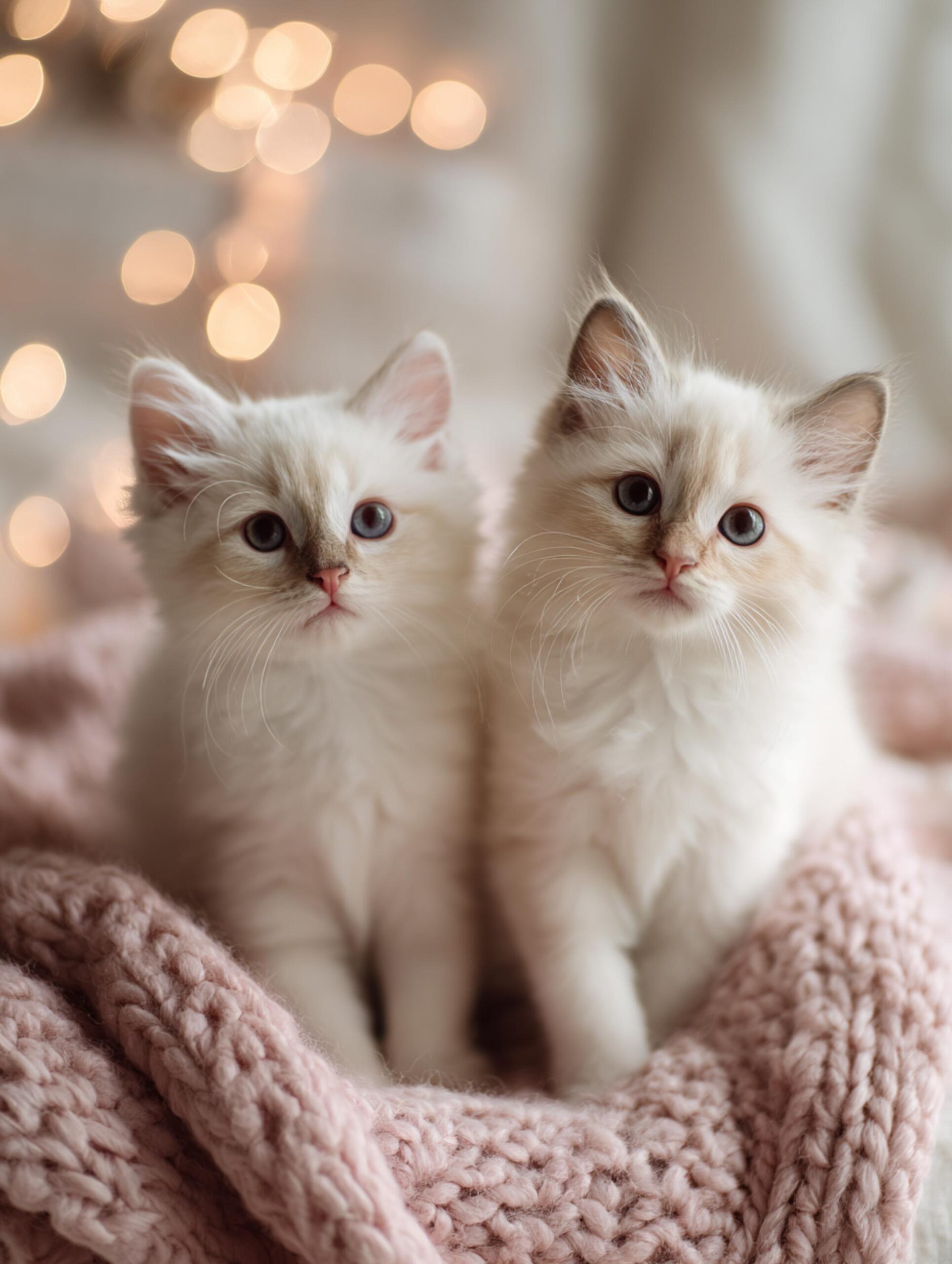
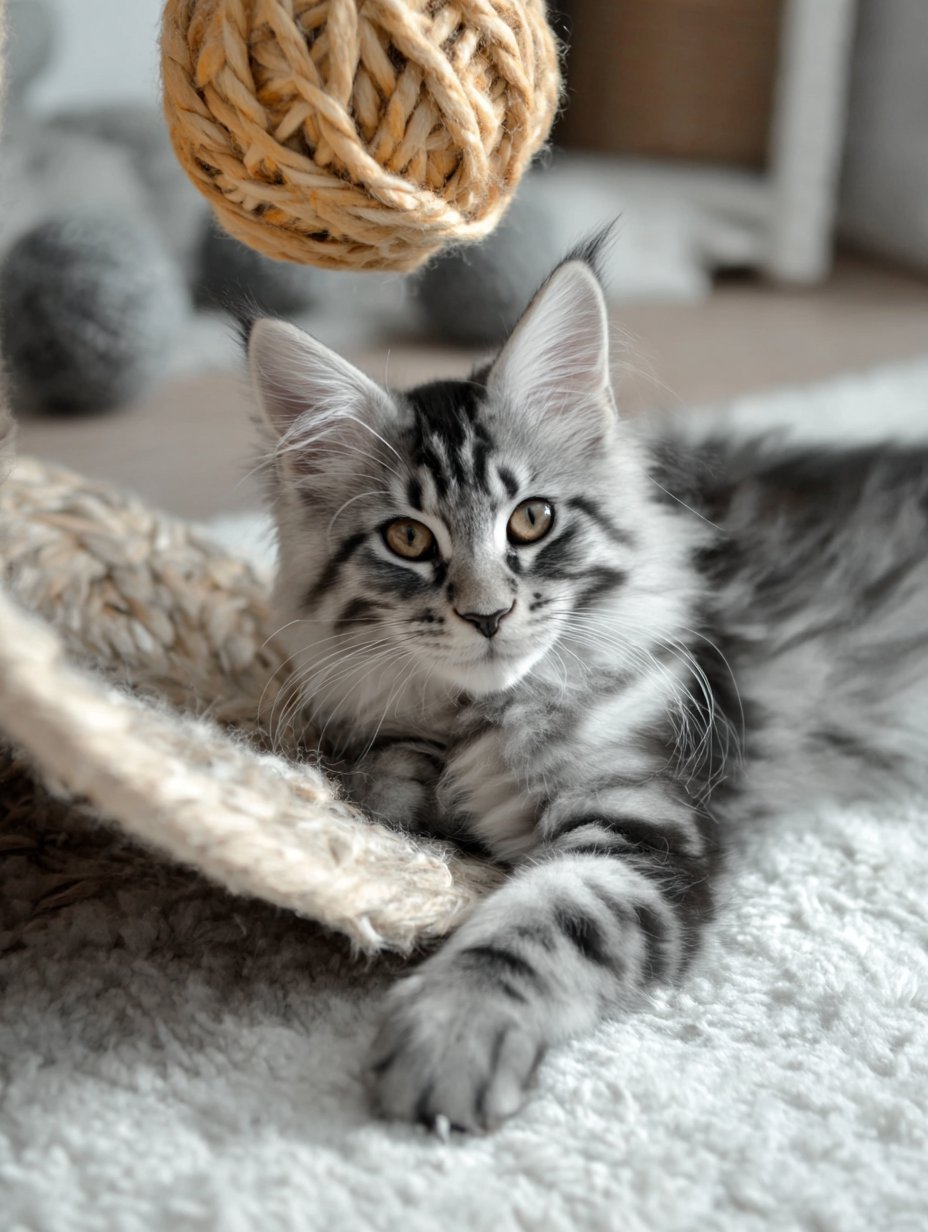
Maine Coon kittens tend to bond easily with respectful, steady dogs. Their natural curiosity makes them open to forming cross-species friendships early.
Adolescent Maine Coons:
They are confident but may be more assertive. Slow introductions help them avoid feeling pressured by an overly playful dog.
Adults:
Most adults adapt well, but they may require a more gradual introduction pattern to adjust to changes in their environment.
Seniors:
Older Maine Coons prefer calm, predictable dogs with consistent behavior. They may avoid energetic puppies or breeds that move quickly.
Dog age matters too:
• Puppies may overwhelm the cat without strong supervision.
• Calm adult dogs tend to create the smoothest transitions.
• Senior dogs with mobility issues often coexist peacefully due to lower energy levels.
Matching activity levels and respecting each animal’s comfort zone leads to the most stable long-term relationships.
How to Build Positive Associations Between a Maine Coon and a Dog
Early interactions should be structured to help both animals associate the other with comfort, routine, and good experiences.
Strong strategies include:
Using feeding time to build goodwill.
Placing meals on opposite sides of a gate allows both pets to enjoy something positive while seeing and smelling each other.
Rewarding calm moments.
Whenever the dog sits quietly or the cat approaches with interest, offering treats reinforces relaxed behavior.
Short, predictable sessions.
Long sessions can cause overstimulation. Frequent, brief interactions help build steady confidence.
Controlled distance.
Allow the Maine Coon to choose how close to get. Voluntary approach is far more effective than forced proximity.
Shared routines.
Coexisting during morning coffee, evening relaxation time, or play windows helps normalize each other’s presence.
Through repetition, Maine Coons begin to associate the dog with:
• predictability
• safety
• shared household patterns
This foundation leads to peaceful daily life and, in many cases, genuine affection.
Play Styles: Understanding the Differences Between Maine Coons and Dogs
Maine Coons are confident, athletic cats, but their play style is not the same as a dog’s. Understanding these differences helps prevent misunderstandings and protects both animals during early relationship building.
Maine Coon play style tends to be:
- Controlled, intentional, and coordinated
- Based on stalking, pouncing, and chasing feather toys
- Focused on objects rather than rough physical contact
- Interactive but not chaotic
Many dogs play using:
- Mouth-based interactions
- Fast chasing bursts
- Paw batting
- Full-body movements that can overwhelm a cat
Because these instincts differ, supervised play sessions are essential, especially during the first several months. Structure teaches the dog to moderate enthusiasm and helps the Maine Coon learn how to read canine signals. When both pets understand each other’s rhythm, shared play becomes safer and more enjoyable.
Establishing a Routine That Supports Maine Coons and Dogs Living Together
Maine Coons thrive on predictable structure. A daily routine helps decrease uncertainty and supports harmony in mixed cat–dog homes.
A balanced multi-species routine includes:
Feeding schedules that reduce resource stress
Cats feel safest when meals are predictable and when feeding zones are protected from the dog. Maine Coons appreciate calm, private feeding spaces.
Exercise routines that regulate a dog’s energy
Well-exercised dogs behave more calmly indoors, which directly benefits the Maine Coon’s comfort level.
Consistent quiet periods
Even though Maine Coons are outgoing, they still need downtime. Quiet evening routines support bonding opportunities—many Maine Coons choose to rest in the same room as the dog once trust forms.
Predictable introduction and supervision patterns
Knowing what to expect each day reduces stress for both animals. When the dog understands boundaries and the Maine Coon knows escape routes and safe spaces are always available, integration happens more smoothly.
Routine is one of the strongest contributors to long-term success.
What to Avoid During Early Introductions
Certain habits can create setbacks and slow down the introduction process. Avoiding these mistakes gives the Maine Coon the confidence needed to form positive associations with the dog.
Avoid:
- Unsupervised early interactions — these can lead to accidental chasing or fear responses.
- Forced proximity — placing the dog and cat too close increases anxiety.
- Allowing the dog to rush the cat, even in excitement.
- Introducing the dog in a doorway — this removes the cat’s escape route and can feel threatening.
- Letting the dog access the cat’s food or litter areas, which can create long-term tension.
Protecting the Maine Coon’s sense of safety prevents defensive reactions and builds trust at a manageable pace.
Signs a Maine Coon Cat and Dog Are Starting to Bond
Maine Coons are one of the most dog-tolerant cat breeds, and they often show clear, steady signs when they begin accepting a dog as part of their social group.
Early bonding signs include:
- Sitting or resting in the same room voluntarily
- Approaching the dog with relaxed posture
- Slow blinking, normal grooming, or stretching near the dog
- Following the dog from room to room
- Allowing brief nose touches or mutual sniffing
- Choosing to rest on elevated surfaces while observing the dog calmly
As trust deepens, many Maine Coons initiate gentle interactions, nap near the dog, or join in parallel play. These signs show that coexistence is turning into a true relationship.
Managing High-Energy Dogs Around Maine Coons
Maine Coons are sturdy and confident, but they value predictability and dislike frantic movement directly toward them. High-energy dogs can succeed in a shared home as long as their energy is directed appropriately.
Key strategies include:
Daily exercise for the dog
Structured walks, play sessions, and training routines reduce spontaneous chasing indoors.
Mental enrichment
Puzzle toys, scent games, and training work help the dog stay calm when the cat is nearby.
Controlled greetings
Short, leashed, calm introductions prevent overwhelming the cat and help the dog learn impulse control.
Safe vertical space for the Maine Coon
Tall cat trees, shelves, or top-of-furniture perches allow the Maine Coon to observe safely and choose interaction on their terms.
When managed well, high-drive breeds often learn to modulate their behavior around a Maine Coon. Many dogs eventually mirror the cat’s calmer indoor energy, leading to long-term stability.
The Best Home Setups for Maine Coons and Dogs Living Together
A well-designed home layout supports peaceful interaction between a Maine Coon and a dog. Maine Coons rely on structure, predictable traffic flow, and access to elevated or protected spaces. The right environment removes pressure from both animals and encourages voluntary, confident interactions.
Effective home setups include:
• Vertical territory—cat trees, shelving, window perches, and tall furniture allow the Maine Coon to observe the dog from a secure height. Their size makes sturdy, wide platforms essential.
• Separated feeding stations—cats should eat in raised or gated areas to prevent resource guarding or food stealing.
• Protected litter areas—boxes must be placed in dog-free zones using baby gates or top-entry designs.
• Quiet retreat rooms—offices, bedrooms, or guest rooms give the Maine Coon a predictable escape point when they want space.
• Pathways around the dog—clear routes around furniture prevent the cat from feeling cornered.
A structured home layout gives the Maine Coon confidence to move freely and to approach the dog by choice rather than necessity. This creates the foundation for calm long-term coexistence.
How Maine Coon Temperament Influences Multi-Pet Households
Maine Coons are one of the most dog-tolerant cat breeds due to their stable disposition, steady movements, and confident presence. Their temperament naturally supports coexistence with well-mannered dogs.
Traits that help Maine Coons integrate with dogs:
• Low reactivity—they generally do not startle easily, which prevents triggering chase behavior.
• High social tolerance—many enjoy observing or quietly interacting with dogs.
• Curiosity without panic—Maine Coons often watch, follow, or investigate rather than hide.
• Boundary clarity—they communicate displeasure early with tail flicks or quiet disengagement, which helps dogs learn quickly.
Because they value predictable routines and steady interactions, Maine Coons often become a stable influence in a multi-species home. Their confident nature helps reduce tension and supports cooperative behavior.
Dogs That May Not Be Ideal for Maine Coon Cats
Most dogs can live with a Maine Coon, but certain temperaments require more caution. Maine Coons are large cats, but they still rely on safe, controlled introductions.
Dogs that may be more challenging include:
• High-prey-drive breeds—sighthounds, terriers, or hunting dogs may be triggered by fast feline movement.
• Strong herding breeds—Border Collies, Heelers, and similar dogs may attempt to herd, block, or nip.
• Reactive or anxious dogs—unpredictable barking or motion can cause stress and delay bonding.
These dogs can succeed with a Maine Coon, but require training, impulse control, and structured management. Matching temperament and energy level is more important than the breed itself.
Helping a Maine Coon Adjust to a Newly Adopted Dog
When a dog joins a household where the Maine Coon already feels established, introductions should be gradual and controlled.
Strategies that protect the cat’s confidence:
• Allow the Maine Coon to maintain territorial control over key rooms.
• Begin with scent exchanges using bedding or blankets.
• Provide short, supervised meetings behind gates or through cracked doors.
• Pair the dog’s presence with food rewards, treats, or enrichment toys for the cat.
• Keep the dog leashed during initial face-to-face interactions to prevent chasing.
This method supports the Maine Coon’s need for autonomy and gives them time to assess the dog’s behavior without pressure. With consistency, many cats begin investigating the dog voluntarily.
Helping a Dog Adjust to a Newly Adopted Maine Coon
In homes where a dog is already established, introductions must teach the dog to respect feline space from day one.
Effective steps include:
• Start with scent-only introductions to reduce novelty and excitement.
• Use leashed greetings to control movement and prevent rushing.
• Reward calm, quiet behavior in the dog whenever the cat enters the room.
• Provide daily exercise and enrichment to lower energy levels before interactions.
• Increase freedom only after the cat shows relaxed body posture and the dog demonstrates impulse control.
Dogs typically adjust quickly when their behavior around the Maine Coon is consistently reinforced.
How Maine Coons Communicate Boundaries with Dogs
Understanding feline body language prevents misunderstandings and reduces early tension. Maine Coons are expressive cats who communicate limits clearly when observed closely.
Common signals include:
• Tail movements—slow, deliberate swishes indicate growing discomfort.
• Ears rotating outward—signals uncertainty or mild irritation.
• Choosing height—jumping to a shelf or cat tree signals a need for space.
• Slow exit from the room—a sign of controlled avoidance rather than panic.
As the dog learns to respect these cues, interactions become smoother and more predictable. Predictability builds trust, and trust leads to long-term compatibility.
FAQ: Are Maine Coon Cats Good With Dogs?
Are Maine Coons good with dogs?
Yes. Maine Coons are one of the most naturally dog-friendly cat breeds. Their confident temperament, large size, and low fear response help them coexist easily with well-mannered dogs. They aren’t startled as quickly as smaller or more reactive breeds, and many Maine Coons actually enjoy the company of a calm canine companion. With slow introductions and a respectful dog, most Maine Coons adjust beautifully and form long-term bonds.
Why do Maine Coons get along with dogs better than many cats?
Maine Coons have several temperament traits that support dog compatibility:
• Low reactivity — they seldom panic or bolt, which prevents triggering prey drive.
• High social tolerance — they handle movement, sounds, and interruptions well.
• Playfulness — their interactive nature complements dogs who enjoy soft, shared play.
• Confidence — their bold, steady demeanor makes them less threatened by large animals.
These traits make them excellent candidates for multi-species households.
What dogs are best paired with a Maine Coon?
The best matches are gentle, trainable, low-prey-drive breeds such as:
• Golden Retrievers
• Labradors
• Standard & Miniature Poodles
• Bernese Mountain Dogs
• Cavaliers
• Great Pyrenees
• Bichons
• Calm mixed breeds
Ideal dogs demonstrate impulse control, soft play styles, and an ability to respect feline boundaries.
Can high-energy dogs live with Maine Coons?
Yes—with structure. High-energy dogs need sufficient exercise, mental stimulation, and reinforced boundaries. A tired, well-managed dog is far less likely to chase or overwhelm a Maine Coon. Many active dogs succeed when given daily outlets, puzzle toys, and training routines that promote calm indoor behavior.
Do Maine Coons chase dogs or act dominant?
Rarely. Maine Coons are assertive but not aggressive. They communicate with posture rather than claws and typically coexist peacefully. If a dog tries to chase, a Maine Coon often stands its ground, moves to a high perch, or calmly walks away—behaviors that reduce escalation.
Do Maine Coons need a companion, or are they fine living alone with a dog?
Maine Coons enjoy companionship but do not require another cat. Many thrive with just a dog if the dog is calm, kind, and enjoys quiet companionship. Maine Coons bond deeply with their families and often follow the household dog from room to room once trust forms.
How should I introduce a Maine Coon to a dog?
A proper introduction should include:
• Scent exchange between beds, blankets, and toys
• Visual meetings through a baby gate or cracked door
• Leashed first interactions to prevent chasing
• Calm reinforcement for both animals
• Short early sessions before allowing full access
Slow pacing protects the cat’s confidence and prevents the dog from becoming overstimulated.
How can I tell if a Maine Coon feels stressed around a dog?
Watch for subtle feline signals such as:
• Tail twitching
• Crouched posture
• Ears angled sideways
• Choosing higher ground
• Pausing play or freezing
Maine Coons rarely hiss or swat unless pushed too far. Early stress cues allow you to adjust environment or pacing before tension builds.
What are signs a Maine Coon and dog are bonding?
Bonding usually appears in stages:
• Resting in the same room
• Following each other casually
• Gentle nose touches
• Grooming behaviors
• Sleeping within close proximity
• Playful chases that remain controlled
When you see relaxed body language from both animals, trust is forming.
Can a Maine Coon kitten live safely with a dog?
Yes—kittens often adjust faster than adults. However, safety requires supervision. Maine Coon kittens are small, curious, and unaware of canine boundaries. A calm, well-trained dog is essential. Short, positive sessions build confidence and help kittens imprint on the dog as a safe companion.
Summary: Are Maine Coons Good With Dogs?
| Topic | Summary |
|---|---|
| Overall Compatibility | Maine Coons are one of the most dog-friendly cat breeds thanks to their confident, social, and adaptable temperament. |
| Best Dog Matches | Calm, well-trained, low-prey-drive breeds such as Golden Retrievers, Labs, Poodles, Bernese Mountain Dogs, Newfoundlands, and gentle mixed breeds. |
| Cats That Adjust Best | Maine Coons with early socialization, positive exposure to dogs, and stable routines adapt fastest. |
| Introduction Difficulty | Low to moderate. Slow, scent-first introductions dramatically increase success. |
| Essential Setup | Vertical spaces, dog-free feeding zones, safe hiding areas, and supervised early interactions. |
| Strengths of Maine Coons | Confident body language, low flight response, playful curiosity, social intelligence, and the ability to form strong cross-species bonds. |
| Potential Challenges | High-energy dogs, chasing or herding behaviors, resource guarding, and puppies lacking impulse control. |
| Signals of Compatibility | Relaxed body posture, shared resting spaces, gentle curiosity, nose touches, and parallel play. |
| When to Slow Down Introductions | If the Maine Coon hides persistently, shows ear flattening, tail lashing, or if the dog becomes overstimulated. |
| Long-Term Outlook | Most Maine Coons and well-mannered dogs learn to coexist peacefully and often develop affectionate, stable relationships that last for years. |
Searching for a Maine Coon Kitten?
If you’re researching Maine Coon nutrition because you’re preparing for a kitten, you can view our available babies here. Our kittens are raised in-home, come from fully health-tested parents, and receive structured socialization that supports confident temperaments and smooth transitions into their new families.
➡️ View our Maine Coon kittens for sale
➡️ Apply for upcoming litters
A well-fed Maine Coon grows into a strong, healthy, affectionate adult — and your kitten’s nutrition plan starts the moment they come home.
More Maine Coon Articles from Almonte Cats
- Maine Coon Diet and Feeding Guide
- Maine Coon Kitten Prices Explained
- Maine Coon Cat Care
- Maine Coon Tassel Ears
- Polydactyl Maine Coon Care
- Domestic Maine Coon Cat Info
- Maine Coon Kitten Growth Stages
- Maine Coon M on Forehead Genetics
- How to Prepare Your Home for a Maine Coon Kitten
SOURCES FOR THIS ARTICLE
- Cat Fanciers’ Association (CFA) – Maine Coon Breed Standard
https://cfa.org/maine-coon/ - The International Cat Association (TICA) – Maine Coon Breed Info
https://tica.org/breeds/browse-all-breeds/maine-coon - Cornell University College of Veterinary Medicine – Feline Behavior & Socialization
https://www.vet.cornell.edu/departments-centers-and-institutes/cornell-feline-health-center - American College of Veterinary Behaviorists – Canine & Feline Interaction Guidelines
https://www.dacvb.org/ - American Veterinary Medical Association (AVMA) – Multi-Pet Household Considerations
https://www.avma.org/resources/pet-owners/petcare/multi-pet-households - MSPCA-Angell – Introducing Cats and Dogs Safely
https://www.mspca.org/pet_resources/introducing-pets-to-each-other/ - ASPCA – Dog–Cat Introductions
https://www.aspca.org/pet-care/cat-care/common-cat-behavior-issues/introducing-your-cat-new-dog - PennVet Behavior Department – Reading Feline Body Language
https://www.vet.upenn.edu/veterinary-hospitals/ryan-veterinary-hospital/services/behavior-medicine - UC Davis Veterinary Medicine – Feline Stress & Environmental Needs
https://www.vetmed.ucdavis.edu/ - Fear Free Pets – Reducing Stress During Pet Introductions
https://fearfreepets.com/





Read the Comments +