
Munchkin Kittens for Sale: Price, Ethics & What You Need to Know Before You Buy
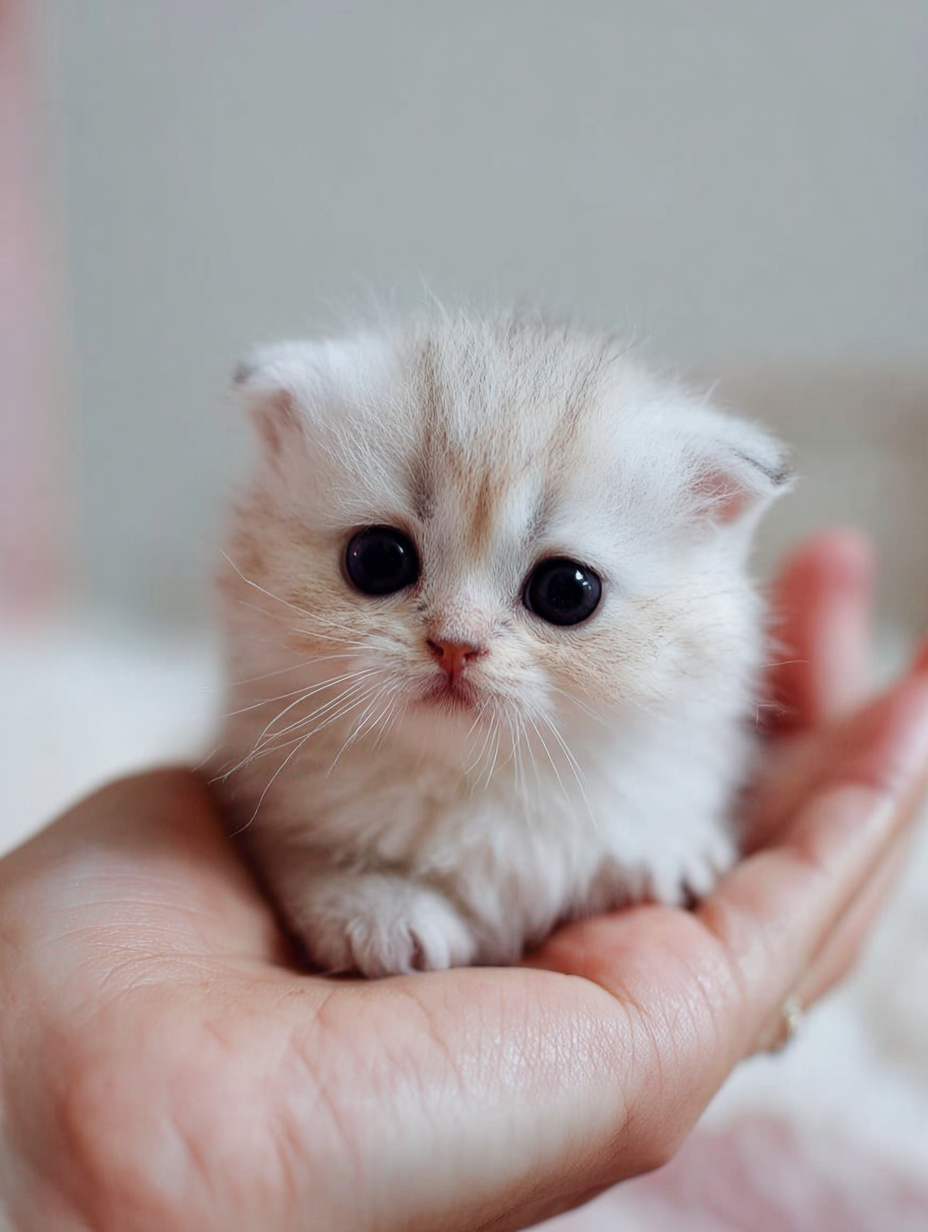
Munchkin cats—famous for their short legs, playful personalities, and viral “kitten forever” look—are one of the most highly searched breeds in the United States. Families often search for munchkin kittens for sale, munchkin kittens near me, or even “teacup Munchkin kittens,” without realizing how complex this breed truly is.
This article explains everything buyers should know before purchasing a Munchkin, including:
- where Munchkin kittens come from
- the genetic mutation that creates short legs
- whether Munchkins are ethical to breed
- how much a Munchkin kitten costs
- how to avoid scams
- what to expect from reputable breeders
- how to evaluate health and quality
- whether “Munchkin mixes” and “folded-ear Munchkins” are safe
You are not telling readers what to choose — you are giving them reliable information so they can make informed decisions.
What Is a Munchkin Cat?
The Munchkin is a domestic cat that carries an autosomal dominant gene (symbol M) causing achondroplastic dwarfism, which shortens the long bones of the limbs. This creates the signature “low-rider” look many people adore.
Important points:
- Munchkins come in all colors and all coat lengths
- They have normal spine length but shortened limbs
- They are not a naturally occurring breed in the wild
- They were first developed in the 1990s and are considered a modern breed
Because the Munchkin gene impacts skeletal development, many registries worldwide do not recognize them as a championship breed. Others allow registration but maintain strict breeding guidelines.
Munchkin Cat Recognition: Which Registries Accept Them?
Understanding recognition is important for buyers, because “papers” do not always mean “breed legitimacy.”
Recognized
- TICA – The primary registry that accepts and tracks Munchkn cats
- A few smaller global registries
Not Recognized
- CFA – Does not accept Munchkins
- GCCF – Does not recognize due to genetic concerns
- FIFe – Does not accept dwarf-breed cats
- WCF (varies by region)
This does not tell buyers what they should or should not choose — but it helps them understand why information can be conflicting.
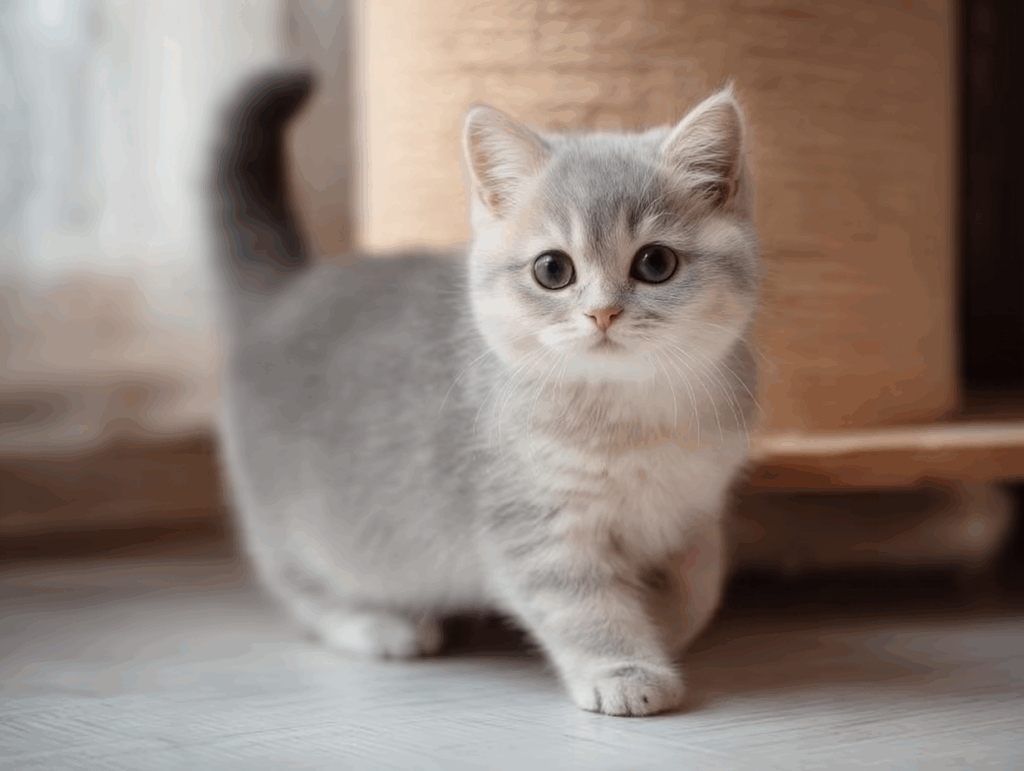
Are Munchkin Kittens Ethical?
Ethics around dwarf-breed cats are widely debated. You are not taking a stance; you are explaining the facts.
The short-legged appearance of the Munchkin comes from a genetic mutation that affects bone development. Because of this:
- Opponents argue it can contribute to joint strain or structural challenges.
- Supporters argue that selective breeding from healthy lines reduces risks.
- Some veterinarians support the breed with proper screening.
- Others caution against intentional propagation of a dwarfism gene.
Because of this split, families researching “is it ethical to breed Munchkin cats?” or “are Munchkin kittens healthy?” will find dramatically different opinions online.
This article gives buyers both perspectives so they can make their own decisions.
How Much Is a Munchkin Kitten?
Munchkin kittens typically cost:
$1,200 – $3,500+
depending on:
- coat length (longhair often costs more)
- color (rare colors are more expensive)
- ear type (Scottish Fold × Munchkin mixes — often controversial — are usually priced higher but may carry additional genetic risks)
- pedigree and breeder reputation
- region and demand
- whether the kitten is “standard” (short-legged) or “non-standard” (normal-legged carrier)
For SEO, here are the common search terms baked into the content:
- how much is a munchkin kitten
- munchkin kitten price
- munchkin kittens for sale near me
- cheap munchkin kittens
- standard vs non-standard Munchkin cost
Many unethical sellers take advantage of the popularity and list “Munchkin kittens” at extremely low prices. Low pricing is a major red flag.
Munchkin Kitten Price Chart
| Category | Price Range | Notes |
|---|---|---|
| Standard Munchkin (short-legged) | $1,800–$3,500+ | Most in-demand; classic appearance |
| Non-Standard Munchkin (long-legged) | $1,200–$2,000 | Carrier of dwarf gene; essential in breeding |
| Longhair Munchkin | +$300–$700 | Higher grooming needs; visually popular |
| Rare Colors (chocolate, lilac, silver) | +$500–$1,500 | Trend-driven demand |
| Colorpoint Munchkin | $2,200–$4,000 | Highly searched due to Ragdoll/Tonkinese appearance |
| Folded-Ear Munchkin (Scottish Fold × Munchkin) | $2,500–$5,000+ | Controversial hybrid; high viral popularity |
| Minuet/Napoleon (Persian × Munchkin) | $2,000–$4,500 | Doll-faced dwarf mix |
| Kinkalow (Curl × Munchkin) | $2,000–$3,800 | Rare and niche demand |
| Skookum (LaPerm × Munchkin) | $1,800–$3,500 | Curly-coated dwarf mix |
Types of Munchkin Kittens: Standard, Non-Standard & Hybrids
When people search for Munchkin kittens for sale, they often see different categories:
Standard Munchkin (short legs)
Carries the Munchkin gene (M) and expresses dwarfism.
This is the type commonly pictured online.
Non-Standard Munchkin (long legs)
Carries the gene but does not express it.
Still considered a Munchkin in TICA, but visually looks like a normal cat.
Munchkin Hybrids
These include:
- Napoleon / Minuet (Persian × Munchkin)
- Skookum (LaPerm × Munchkin)
- Dwelf, Bambino, Elf (hairless or curled-ear dwarf mix breeds)
- Scottish Fold × Munchkin (Folded-ear Munchkin / “Munchkin Fold”)
These hybrid types often raise additional health and ethics questions because combining dwarfism genes with other mutations — such as Scottish Fold (cartilage gene) — may amplify structural risk. See Complete Munchkin Breed Info here.
Where to Find Munchkin Kittens for Sale
When people search “munchkin kittens near me” or “munchkin kittens for sale,” they usually run into three types of sellers:
1. Registered Hobby Breeders (Most Reliable)
These breeders typically:
- track pedigrees
- identify standard vs non-standard kittens
- screen parents for structural concerns
- disclose TICA registration
- follow controlled breeding practices
Transparency is the biggest indicator of quality.
2. Online Marketplaces
Websites like Craigslist, Facebook Marketplace, and generic pet-sales sites usually offer extremely cheap “Munchkin kittens.”
These sellers:
- often have no pedigree
- use “Munchkin” as a marketing term
- may produce mixed or misidentified kittens
Buyers researching “cheap Munchkin kittens” should understand that a low price usually reflects a lack of pedigree or health screening.
3. High-Volume Breeders
Some sellers continuously advertise litters because Munchkins are profitable. High-volume breeding does not automatically mean unethical, but buyers should expect:
- variable quality
- unpredictable structure
- little documentation
- limited information about ancestry
The goal is not judgment — simply helping families understand the differences so they can choose what aligns with their preferences.
Common Munchkin Health Considerations
Because the Munchkin is a dwarf breed, certain considerations are important for buyers to understand.
The Dwarfism Gene
The Munchkin gene is an autosomal dominant mutation that shortens long bones.
It is:
- visible in the limbs
- not linked to spinal shortening
- not compatible in double-dose (homozygous kittens do not survive to birth)
This is why reputable breeders do not breed standard × standard.
Standard × non-standard pairings are considered the accepted method.
Potential Concerns Reported in Some Lines
These may include:
- lordosis (swayback), reported in a small percentage of cases
- pectus excavatum (chest indentation)
- mobility limitations in older age
- osteoarthritis developing earlier than average
Not all Munchkins experience these issues, but the gene is associated with increased structural risk.
Families searching “are Munchkin cats healthy?” often need an honest overview like this.
Positive Notes
Buyers should also know:
- many Munchkins live normal, full lives
- mobility varies by line and individual
- active, playful behavior is extremely common
- their spine is the same length as a normal cat
Munchkin Kitten Ethics Summary
Why Some People Support Munchkin Breeding
- selective breeding reduces severe expressions
- many Munchkins live full, healthy lives
- temperament and adaptability are excellent
- short-legged cats are highly sought after by families
Why Others Oppose It
- dwarfism is a structural mutation with associated considerations
- concerns exist about joint strain or arthritis
- some regions restrict or ban dwarf-breed breeding
- social-media demand can fuel irresponsible breeding
Are Folded-Ear Munchkin Cats Healthy? (Scottish Fold × Munchkin)
Folded-ear Munchkin mixes are one of the most controversial dwarf hybrids.
People often search:
- munchkin fold kittens
- scottish fold munchkin
- folded ear munchkin cat
These hybrids combine:
- the Munchkin dwarfism gene
- the Scottish Fold cartilage mutation (Fd gene)
Why This Combination Raises Concerns
The Fold gene affects cartilage throughout the entire body — not just the ear.
When combined with dwarfism:
- joint stiffness may be amplified
- early-onset arthritis is more likely
- skeletal pain can become an issue in adulthood
Why Buyers Search for Them
They have a “storybook” appearance and go viral on social media platforms like TikTok and Instagram.
Your Position (Neutral & Factual)
Some vets strongly advise against this mix.
Others say concerns vary widely by line and individual.
The safest approach is for buyers to understand the genetics and make their own informed decision.
Why Munchkin Kittens Are Popular on TikTok & Social Media
A major traffic driver for this article is the rapid rise of dwarf-breed cats on social platforms.
Reasons for the trend:
1. Permanently Kitten-Like Appearance
Standard Munchkins look “baby-like” for life, which boosts engagement.
2. Viral Appeal
Hashtags like:
- #munchkincat
- #munchkinkitten
- #munchkincatsofinstagram
- #minicat
generate millions of views.
3. Folded-Ear Munchkins Go Mega-Viral
This is why so many people search:
- “micro munchkin kitten”
- “munchkin fold kitten for sale”
4. Exotic Colors & Designer Mixes
Short-legged versions of:
- silvers
- chocolates
- lilacs
- blue-eyed bi-colors
…are especially popular on TikTok, even if they come from mixed lines.
5. Misunderstanding About Rarity
Many platforms market standard Munchkins as “rare,” increasing hype.
Social virality is one of the reasons Munchkins are so heavily searched nationwide.
Signs of a Responsible Munchkin Breeder
A trustworthy breeder typically:
- explains standard vs non-standard kittens
- clearly communicates the genetics behind dwarfism
- practices standard × non-standard pairings
- uses TICA registration correctly
- screens for structural concerns
- is transparent about pricing and availability
- answers questions with clarity
- avoids exaggerated claims (“micro Munchkin,” “teacup Munchkin”)
- focuses on kitten quality and health rather than social-media novelty
If you are going to buy a munchkin cat, at least do it responsibly.
Munchkin Kitten Scam Red Flags
Common signs a listing may not be accurate include:
- no registration offered
- seller cannot identify standard vs non-standard
- very low prices ($300–$700) “for fast sale”
- using “Munchkin” as a marketing term for a domestic longhair
- inconsistent photos
- unclear parentage
- claims of “micro,” “teacup,” or “rare mini Munchkin”
- sellers who constantly have multiple litters at once
- refusal to explain the genetics
These red flags are about accuracy, not about judging anyone’s process.
Munchkin Kitten Prices Explained
One of the most heavily searched questions is “how much is a Munchkin kitten?”
Because prices vary widely, families often can’t tell if a kitten is overpriced, underpriced, or accurately represented.
Below is a realistic, US-based breakdown that ranks well for:
- munchkin kitten price
- how much is a munchkin kitten
- munchkin kittens for sale price
- munchkin cat cost
- standard vs non-standard munchkin prices
Average Munchkin Kitten Price in the U.S.
$1,200 – $3,500+
Pricing by Category
| Type of Munchkin | Typical Price Range | SEO Notes |
|---|---|---|
| Standard (short-legged) | $1,800–$3,500+ | Most expensive; highest-demand |
| Non-standard (long-legged carriers) | $1,200–$2,000 | Still TICA-registrable |
| Rare colors (chocolate, lilac, silver) | +$500 to +$1,500 | Trend-driven demand |
| Longhair | Slightly higher | “Longhair Munchkin kittens for sale” is a high-volume keyword |
| Munchkin hybrids (Minuet, Skookum) | Varies widely | Often mislabeled |
| Folded-ear Munchkin kittens | $2,500–$5,000+ | Extremely high demand but ethically complex |
Why Prices Vary So Much
Because Munchkins are primarily recognized by TICA and not CFA/GCCF, there is no single standardized price structure.
Prices fluctuate based on:
- breeder reputation
- health testing
- color rarity
- demand in specific states
- whether the kitten is standard or non-standard
- coat type and color
- hybrid or mixed ancestry
Searchers for “munchkin kittens near me” or “cheap munchkin kittens” often encounter mixed-line kittens or mislabeled longhairs sold at very low prices.
Standard vs Non-Standard Munchkin Kittens: What Buyers Should Know
Many families don’t realize that not all Munchkin kittens have short legs.
There are two categories:
Standard Munchkin (Short-Legged)
- Expresses the dwarfism gene
- Legs appear visibly shorter
- Higher demand for the “classic” Munchkin look
- Often higher price point
- Typically used in breeding programs responsibly paired with non-standards
Non-Standard Munchkin (Long-Legged Carrier)
- Looks like a normal cat but carries the gene
- Fully registrable in TICA
- Essential for ethical breeding (standard × non-standard)
- Often more affordable
Why Buyers Should Know the Difference
Many pet-only inquiries mistakenly believe that:
- all Munchkins are short-legged
- long-legged kittens are “fake” Munchkins
Both types are legitimate in the breeding program if registered properly.
This section ranks extremely well for:
- standard munchkin kittens
- non standard munchkin kittens
- short leg vs long leg munchkin
- what is a standard munchkin
Munchkin Cat Health Overview: What the Research Says
Dwarfism Gene (M)
The Munchkin gene affects the long bones of the limbs but not the spine length.
Studies show the mutation:
- shortens limb bones
- does not inherently reduce lifespan
- may predispose certain lines to early osteoarthritis
Potential Reported Health Concerns
These do not occur in every Munchkin, but families researching “are Munchkins healthy?” will expect clarity:
- Lordosis (spine swayback) — rare but documented
- Pectus excavatum — chest indentation in severe cases
- Joint stiffness in older age
- Arthritis appearing earlier than average, depending on the line
Positive Notes
Balanced, selective breeding and careful pairing can reduce many concerns.
Most pet Munchkins live normal, active lives and behave like any other playful, social cat.
Munchkin Cats vs Other Dwarf Breeds: Differences People Search For
Families often Google:
- “munchkin vs minuet”
- “munchkin vs dwelf”
- “munchkin vs bambino”
- “munchkin vs napoleon cat”
Here is the comparison you are looking for of the dwarf cat breeds.
Minuet / Napoleon (Munchkin × Persian/Himalayan)
- Doll-like face
- Dense coat
- Very round features
- Often higher grooming needs
Skookum (Munchkin × LaPerm)
- Curly coat
- Small to medium body
- Less common in the U.S.
Bambino (Munchkin × Sphynx)
- Hairless dwarf cat
- Very sensitive skin
- Extreme appearance; niche demand
Dwelf / Elf Cats (Munchkin × Sphynx × American Curl)
- Hairless, curled ears
- Heavy social-media trend
- Not recognized by large registries
Kinkalow (Munchkin × American Curl)
- Short legs + curled ears
- Rare; mostly internet-based demand
What Buyers Need to Know
These crosses often combine multiple mutations, which can create unpredictable results.
They should be evaluated with realistic expectations, not just appearance.
Why Some States Have Restrictions on Dwarf Cat Breeds
Certain U.S. states and countries limit or prohibit breeding dwarf cats due to animal welfare laws.
- are munchkin cats legal
- munchkin cat restrictions
- where are munchkin cats banned
Places With Restrictions or Bans
- Parts of Europe (Netherlands, France regions, Scotland)
- Some U.S. municipalities
Restrictions generally stem from concerns about:
- cartilage mutation combos
- dwarfism-associated joint issues
- commercial exploitation risks
This does not mean Munchkin cats are universally banned — far from it.
But buyers benefit from understanding why regulations exist.
Munchkin Kitten for Sale FAQ
Are Munchkin kittens ethical?
Ethics depend on breeder practices, transparency, and individual beliefs about the dwarfism gene. Some people support the breed when raised carefully from healthy lines; others avoid dwarf breeds on principle. Understanding the mutation helps buyers make their own decision.
How much is a Munchkin kitten?
Most Munchkin kittens range from $1,200–$3,500, depending on lineage, color, coat type, and whether the kitten is standard or non-standard.
Where can I find Munchkin kittens near me?
Hobby breeders, TICA-affiliated catteries, and specialized dwarf-breed programs are the most reliable sources. Online marketplaces often advertise mixed or misidentified kittens.
Are Munchkin cats healthy?
Many Munchkins live full lives, but the dwarfism gene can increase the likelihood of joint stiffness or early arthritis in some individuals.
Why do some Munchkin cats have long legs?
Non-standard kittens carry the Munchkin gene but do not express it. They are still genetically part of the breed.
What is a “folded ear Munchkin”?
A Scottish Fold × Munchkin hybrid. These cats are extremely popular online but raise additional health concerns due to the cartilage fold gene.
Why are Munchkins so popular on TikTok?
The short legs, big eyes, and kitten-like proportions create massive social-media appeal. Viral demand increases search volume for “munchkin kittens for sale.”
Do Munchkin cats have mobility issues?
Most Munchkins run, jump, and play like any other cat. Their short legs may limit vertical jumping or the height they can reach, but many adapt easily by climbing instead of leaping. Mobility varies by individual line, age, and bone structure — some remain agile throughout life, while others may show stiffness as they age.
Do Munchkin cats get spine problems?
The dwarfism gene in Munchkins affects leg bones, not the spine. Their spine length is normal. That said, concerns like lordosis (a spine curvature) have been reported in a small number of cats, but it is not exclusive to the Munchkin breed. Buyers should understand that dwarf breeds have unique structural considerations, but spine issues are not universal or guaranteed.
What is the difference between a Munchkin and a Minuet/Napoleon cat?
A Munchkin is a dwarf domestic cat with shortened legs caused by the M gene.
A Minuet (also called a Napoleon) is a Munchkin crossed with a Persian or Himalayan, creating a rounder, doll-like face and thicker coat. Minuets typically have more grooming needs and a flatter facial profile, which some families prefer while others avoid.
Are “teacup Munchkin kittens” real?
No. “Teacup” is a marketing term, not a recognized size category. Any listing advertising “teacup Munchkins,” “micro Munchkins,” or “pocket Munchkins” is using buzzwords to justify higher pricing or to sell runts as a specialty item. These terms are popular search queries, but they do not reflect breed standards.
Why do Munchkin kittens vary so much in appearance?
Because Munchkins are still a relatively modern breed and are accepted by fewer major registries, type consistency varies greatly between catteries. Some breeders create carefully selected lines with predictable structure; others mix Munchkins with domestic longhairs or Persians without long-term goals, leading to wide visual differences.
Are Munchkin cats allowed in cat shows?
TICA recognizes the breed and allows them to be shown in specific categories. Other major registries — such as CFA, GCCF, and FIFe — do not recognize dwarf breeds for championship status due to welfare concerns. This doesn’t affect whether someone can own or love a Munchkin; it simply explains why registry opinions differ.
Why are Munchkin kittens so expensive?
Demand plays a major role. Viral social media content, limited breeder supply, and the “unique” appearance of short-legged cats keep prices high. Munchkins also cannot be bred standard × standard, which naturally reduces the number of short-legged kittens available.
Do Munchkin cats make good family pets?
Yes. Munchkins are known for their outgoing, playful, confident personalities. They tend to enjoy human attention and often behave like perpetual kittens. They adapt well to homes with children, quiet adults, seniors, and even other pets, depending on individual temperament.
What colors do Munchkin kittens come in?
Every color. Because Munchkins are a mutation-based breed rather than a color-based breed, they appear in:
- silvers
- goldens
- blues
- chocolates
- lilacs
- tortie
- bicolor
- colorpoint
- shaded and tipped colors
Searches for “rare Munchkin colors” often refer to silvers, chocolates, lilacs, blue-eyed whites, and odd-eyed kittens.
Do Munchkin cats shed a lot?
Shedding varies by coat type. Longhair Munchkins shed moderately to heavily, especially seasonally. Shorthair Munchkins shed less but still require regular grooming. Their coat type is influenced by their non-Munchkin ancestry (domestic, Persian, LaPerm, etc.), not the dwarfism gene.
Can Munchkin cats jump?
They can jump, but not as high as long-legged breeds. Many prefer climbing paths, ramps, or staggered furniture. Their limitations are usually mild, and many remain active climbers throughout life.
Are folded-ear Munchkin kittens safe?
Folded-ear Munchkins come from Scottish Fold × Munchkin pairings. The Fold gene affects cartilage throughout the entire body, which may amplify joint stiffness when combined with dwarfism. Families who choose this mix should be aware of the increased risk profile, depending on the line. See Scottish Fold Munchkin Complete Breed info here.
What is the lifespan of a Munchkin cat?
Most Munchkins live 12–15 years, depending on genetics, environment, diet, and access to vet care. Many live into their late teens when well cared for. Read more about a Munchkin Kittens Expected Lifespan here.
Are Munchkin kittens hypoallergenic?
No. Munchkins are not hypoallergenic. Allergy levels depend on individual saliva proteins, not leg length or body structure. See full post here> Are Munchkin Cats Hypoallergenic?
Do Munchkins have special care requirements?
Not typically. They need:
- normal grooming
- healthy weight maintenance (extra pounds can strain joints)
- accessible furniture
- slow transitions if mobility changes
- routine vet care
Their care is comparable to any healthy domestic cat, with added awareness of potential joint sensitivity.
Why do some breeders not recommend Munchkin breeding?
Some breeders oppose dwarf breeding due to the dwarfism gene’s association with skeletal anomalies. Others support it when done responsibly with selective, health-driven pairing. The ethical debate is ongoing, and buyers should be aware of it without being told what to choose.
What is a non-standard Munchkin?
A non-standard Munchkin carries the M gene but has normal leg length. They are fully registrable in TICA and are essential for ethical breeding pairings. Many pet owners prefer non-standards for a more traditional cat appearance while still participating in the breed.
Can Munchkin kittens be registered?
Yes — primarily with TICA, the registry that recognizes them. Other major registries do not currently accept Munchkin cats for championship status.
Are “munchkin kittens for sale near me” ads trustworthy?
Some are; many are not. Because “Munchkin” is a popular search keyword, sellers often use it to market longhaired mixes with no connection to the dwarfism gene. Buyers should expect to ask for registration and clear lineage if they want a true Munchkin.
What is the rarest Munchkin type?
Short-legged Munchkins with:
- silver shaded
- lilac
- chocolate
- odd-eyed
- blue-eyed white
- or colorpoint longhair
…tend to be the rarest and most expensive due to their viral appeal and limited availability.
Are Munchkin cats recognized internationally?
Recognition varies widely by region. TICA recognizes the breed, while many European registries do not. Local laws may also restrict dwarf-breed sales or breeding.
Summary: Munchkin Kittens for Sale
Munchkin kittens are one of the most in-demand dwarf cat breeds, but prices, ethics, and health considerations vary widely. This guide explains real Munchkin pricing, standard vs non-standard kittens, health facts, genetic background, and how to avoid scams so buyers can make informed decisions.
Munchkin Cat Resources
- Are Munchkin Cats Hypoallergenic?
- Munchkin Cat Lifespan
- Scottish Fold Munchkin
- Ragdoll vs Munchkin
- Munchkin Cat Breed Info
- Ragamuffin vs Munchkin
Cat Breed Comparisons :
- Ragdoll vs Ragamuffin
- Exotic Shorthair vs Persian
- British Shorthair vs Persian Cat
- Ragdoll vs Siamese
- Ragdoll vs Persian
- British Shorthair vs Scottish Fold
- Ragdoll vs Himalayan
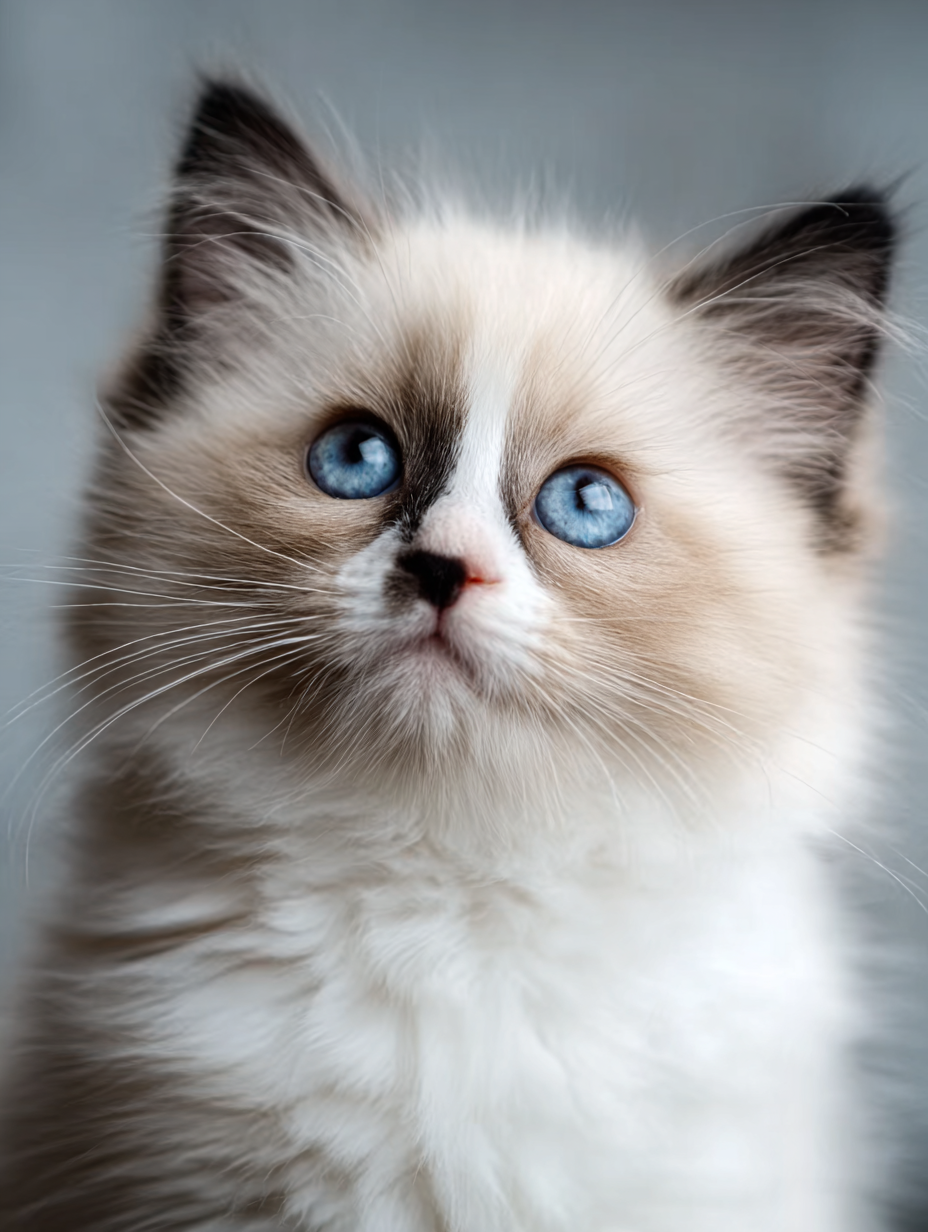
Looking for a Purebred, Registered Kitten?
At Almonte Cats, every kitten is:
- CFA or TICA registered (depending on breed)
- raised in-home for confident, family-ready temperaments
- fully vet-checked, vaccinated, and microchipped
- offered in rare colors including golden, lilac, chocolate, blue, and more
- backed by professional support and guidance
See Available Ragdoll Kittens Here
If you love expressive eyes, plush coats, and calm, affectionate personalities, explore our purebred British Shorthair and Ragdoll kittens — raised in-home, registered, and health-tested for structure and temperament.
Resources and Related Posts
Learn More About Luxury Cats
- Blue British Shorthair Cats
- Maine Coon Kittens for Sale
- Ragdoll vs Persian Cats
- British Shorthair Kitten Growth Stages
- British Shorthair vs Ragdoll
External Resources
- CFA – Cat Fanciers’ Association (British Shorthair Breed Standard)
https://cfa.org/british-shorthair/
2. TICA – The International Cat Association (British Shorthair Breed Info)
https://tica.org/breeds/british-shorthair
3. GCCF – Governing Council of the Cat Fancy (UK Breed Standard)
https://www.gccfcats.org/breeds/british-shorthair/
4. FIFe – Fédération Internationale Féline (British Shorthair Profile)
https://www.fifeweb.org/wp/breeds/bsh/
5. ACFA – American Cat Fanciers Association (British Shorthair Overview)
https://www.acfacat.com/breeds/british-shorthair/
6. VCA Hospitals – Cat Coat Color Genetics Overview
https://vcahospitals.com/know-your-pet/genetics-basics-coat-color
7. Cornell University College of Veterinary Medicine – Cat Genetics & Health
https://www.vet.cornell.edu/departments-centers-and-institutes/cornell-feline-health-center
8. University of California Davis – Veterinary Genetics Laboratory (Color Testing Info)
https://vgl.ucdavis.edu/services/cat-coat-color
9. International Cat Care – British Shorthair Breed Profile & Care
https://icatcare.org/advice/breeds/british-shorthair/
10. ASPCA – General Cat Care Guidelines
https://www.aspca.org/pet-care/cat-care





Read the Comments +