
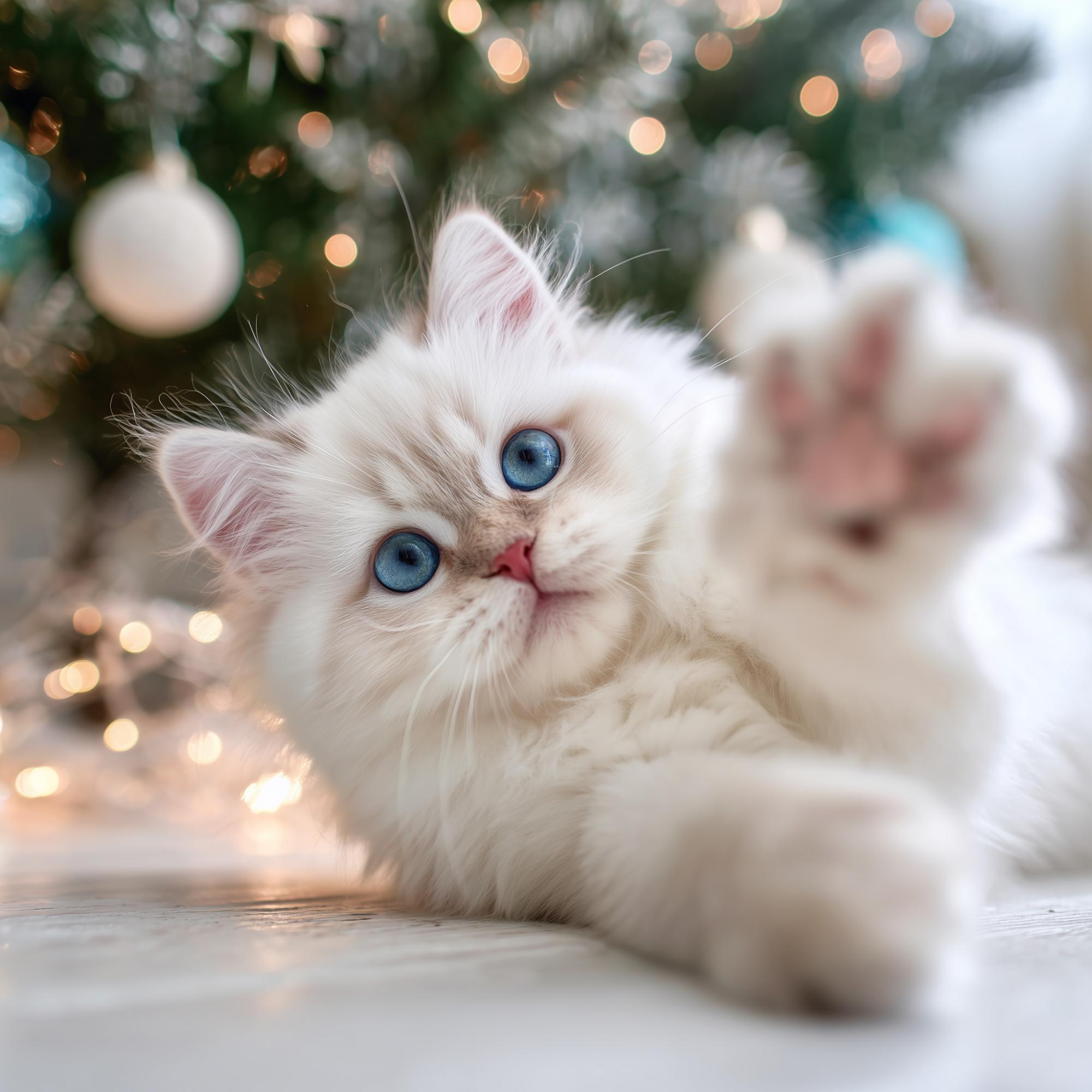
Neva Masquerade Personality: What Living With This Breed Is Really Like

Neva Masquerade cats are intelligent, confident, and deeply people-aware. They form strong bonds without being needy, show affection on their own terms, and have clear boundaries and preferences. While they share the same foundational temperament as the Siberian, buyer expectations around appearance and behavior often differ—sometimes leading to misunderstandings. Neva Masquerades are best suited for homes that value engagement, respect, and interaction over passivity or constant cuddling.
Because Neva Masquerades are a colorpoint variety of the Siberian, they share the same foundational temperament. This post focuses on how that temperament shows up specifically in Neva homes. See full Siberian Cat Personality Post
Neva Masquerade Personality at a Glance
| Trait | What It Means in Real Life |
|---|---|
| Intelligence | Highly observant, quick to learn routines, strong problem-solving skills |
| Affection Style | Loyal and present, but selective rather than clingy |
| Social Behavior | Enjoys people and interaction without needing constant attention |
| Independence | Comfortable alone for periods, values choice and autonomy |
| Boundaries | Clear signals when overstimulated; dislikes forced handling |
| Energy Level | Moderate physical energy with high mental engagement needs |
| Vocalization | Expressive but purposeful, not typically loud or nonstop |
| Kitten vs Adult | Kittens are often easy; confidence and boundaries increase with maturity |
| Family Fit | Best with respectful children and calm, structured homes |
| Best Match | Owners who value engagement, intelligence, and mutual respect |
Neva Masquerade Personality at a Glance
For readers who want a quick snapshot of what daily life feels like with this breed:
- Intelligent and observant — quick to learn routines and read situations
- Loyal to people, not clingy — prefers proximity over constant contact
- Confident rather than submissive — comfortable asserting preferences
- Playful well into adulthood — mental engagement stays important
- Independent but socially engaged — content alone, happiest with interaction
- Sensitive to tone, routine, and environment — thrives on calm, consistent homes
This is a personality built for connection through respect and interaction—not one that tolerates being ignored or handled without consideration.
How Neva Masquerade Personality Compares to Siberian Personality
Neva Masquerades are colorpoint Siberians, not a separate breed with a different temperament. Structurally, behaviorally, and developmentally, the personality foundation is the same.
Where differences arise is not in temperament, but in expectation. The Neva Masquerade’s striking colorpoint appearance leads many buyers to anticipate traits associated with other point breeds—such as heightened vocalization, constant affection, or submissive behavior. When those expectations aren’t met, normal Siberian traits can be misinterpreted as quirks or problems.
Appearance strongly shapes assumptions. The dramatic mask, blue eyes, and contrast coat create an emotional narrative that doesn’t always match reality. When a Neva displays independence, selective affection, or clear boundaries, some owners believe the cat is “different” from what they expected—when in fact, it is behaving exactly like a Siberian.
This is where confusion often begins. Traits such as confidence, environmental awareness, and emotional sensitivity are sometimes mislabeled as stubbornness or aloofness. In truth, these are hallmarks of the Siberian temperament showing up through a Neva lens.
👉 For a full breakdown of the foundational temperament, see our Siberian Cats For Families, Pets Etc post.
Affection Style — Present, Loyal, and Selective
Neva Masquerades are deeply connected to their people, but their affection is intentional rather than demanding.
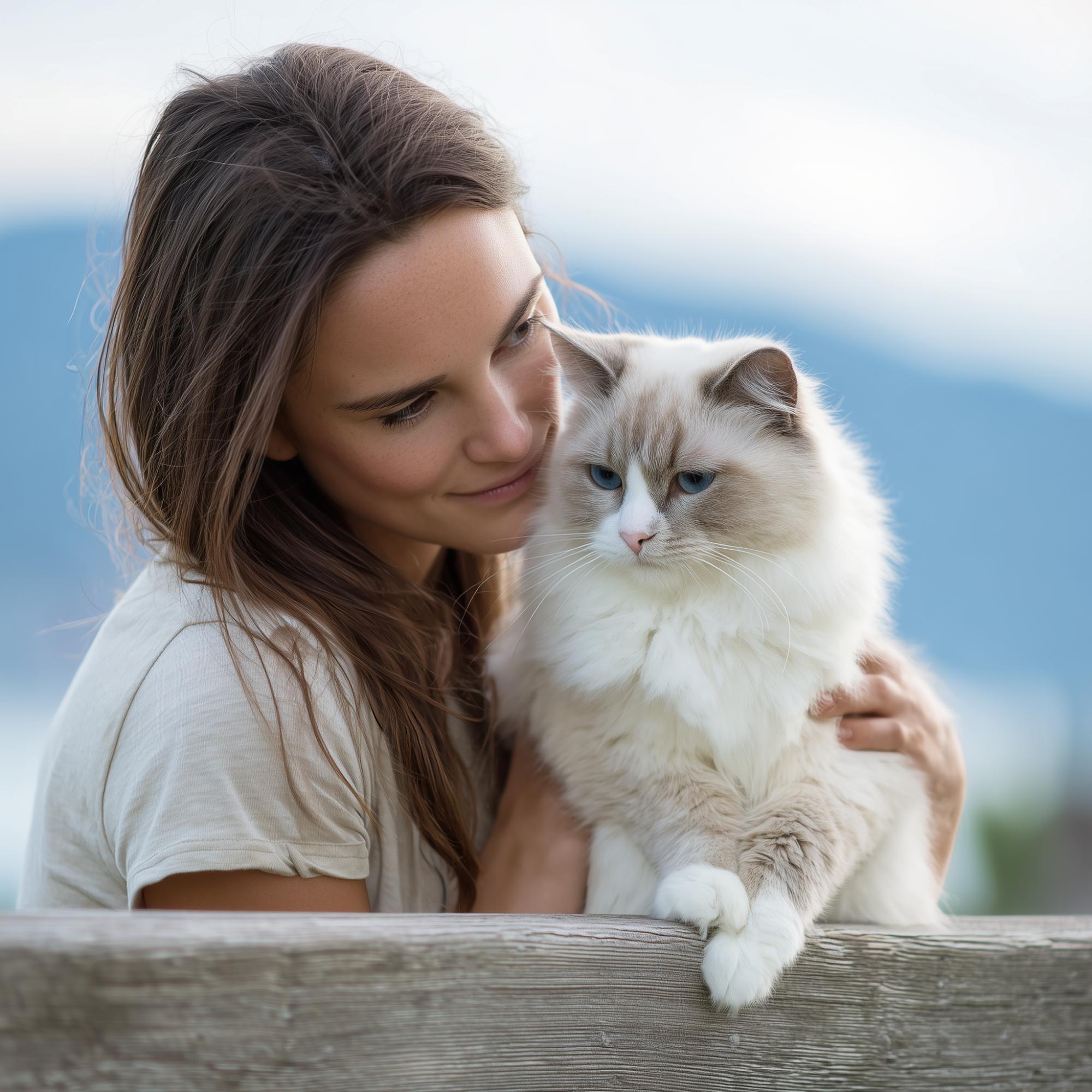
They often enjoy being in the same space as their humans—watching, following from room to room, or settling nearby rather than insisting on constant contact. Many Nevas prefer shared presence over being held or restrained.
Interaction is usually chosen, not demanded. Rather than vocalizing endlessly or clinging, Neva Masquerades initiate engagement through eye contact, gentle proximity, or short bursts of play and affection.
For owners used to lap-oriented breeds, this can feel different. Affection may be quieter and more subtle, but it is no less meaningful. A Neva that chooses to sit nearby, follow routines, or check in regularly is expressing attachment in a way that aligns with its confident, self-aware nature.
Intelligence and Awareness
Neva Masquerades are highly intelligent cats with strong problem-solving abilities. They quickly learn household routines, recognize patterns, and understand cause-and-effect.
This awareness extends beyond simple training. Nevas observe their environment closely—who wakes up when, which doors lead where, and which behaviors get results. They are fast learners, both of desirable habits and of what works to get attention or access.
Because of this, mental stimulation matters more than constant physical activity. Interactive play, puzzle toys, structured routines, and meaningful engagement keep a Neva satisfied. Without it, boredom can lead to frustration or attention-seeking behavior.
This intelligence is one of the breed’s greatest strengths—but only in homes prepared to engage with it intentionally.
Independence and Boundaries
Neva Masquerades are comfortable entertaining themselves and do not require constant attention to feel secure. This independence is a defining part of their personality, not a sign of detachment.
They communicate clearly when they have had enough stimulation. Subtle body language, changes in posture, or disengaging from interaction are typical signals. When these cues are respected, Neva Masquerades remain calm and trusting. When they are ignored, frustration can build.
Forced handling is rarely well received. This breed values choice and autonomy, and attempts to override that often damage trust. Neva Masquerades respond best to interaction that is invited rather than imposed.
For this reason, respectful engagement matters far more than constant contact. Homes that allow space, observe signals, and interact intentionally tend to have the most balanced and content Nevas.
Playfulness and Energy Level
Neva Masquerades have moderate physical energy paired with high mental engagement. They are not hyperactive, but they do need regular stimulation to stay content.
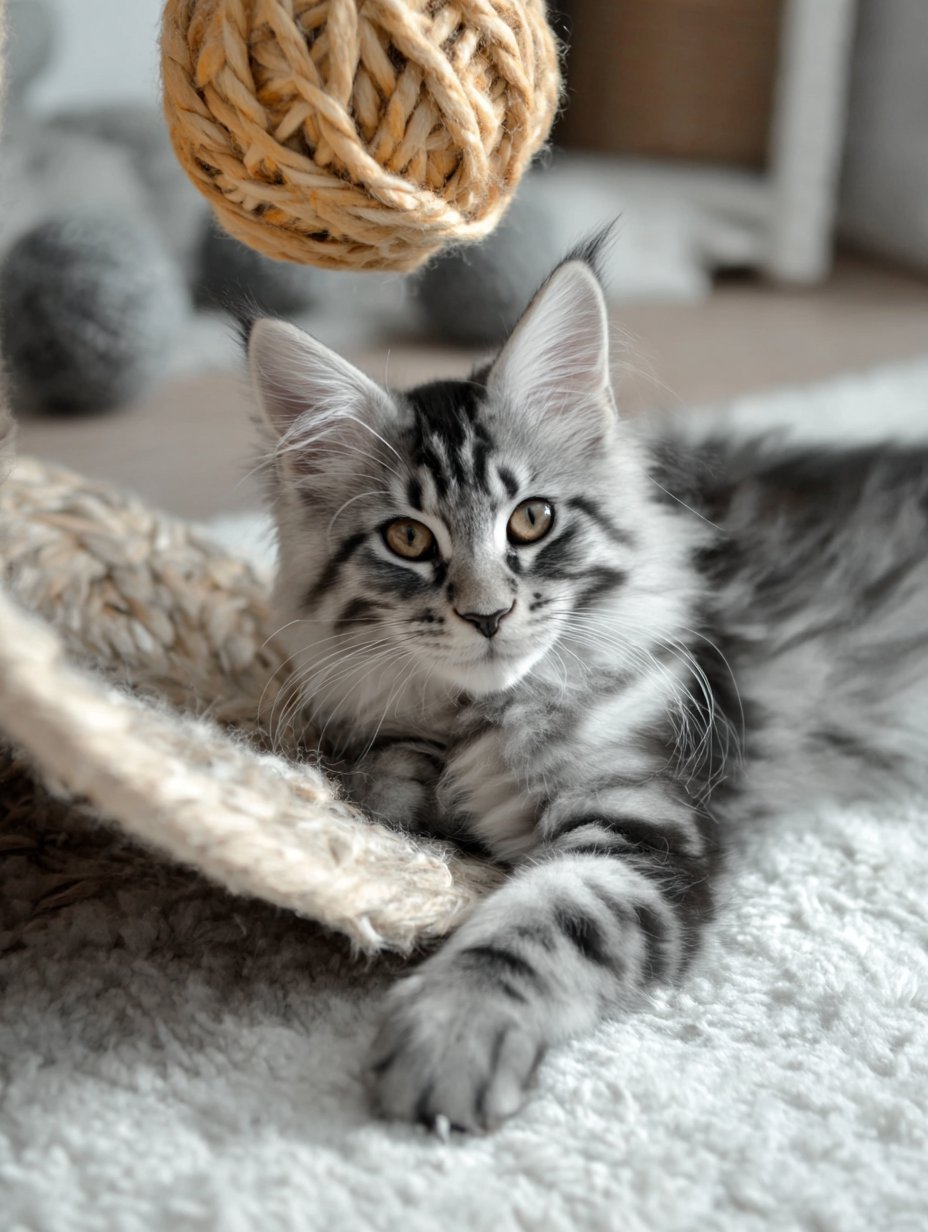
Interactive play is especially important. Wand toys, puzzle feeders, climbing structures, and games that involve problem-solving appeal to their intelligence. They enjoy activities that challenge the mind as much as the body.
Many Nevas are described as calm, but calm should not be mistaken for low-needs. Without adequate engagement, boredom-related behaviors such as vocalizing, attention-seeking, or mischief may appear.
A Neva Masquerade thrives when play and enrichment are treated as part of daily life rather than an occasional extra.
Neva Masquerade Personality as Kittens vs Adults
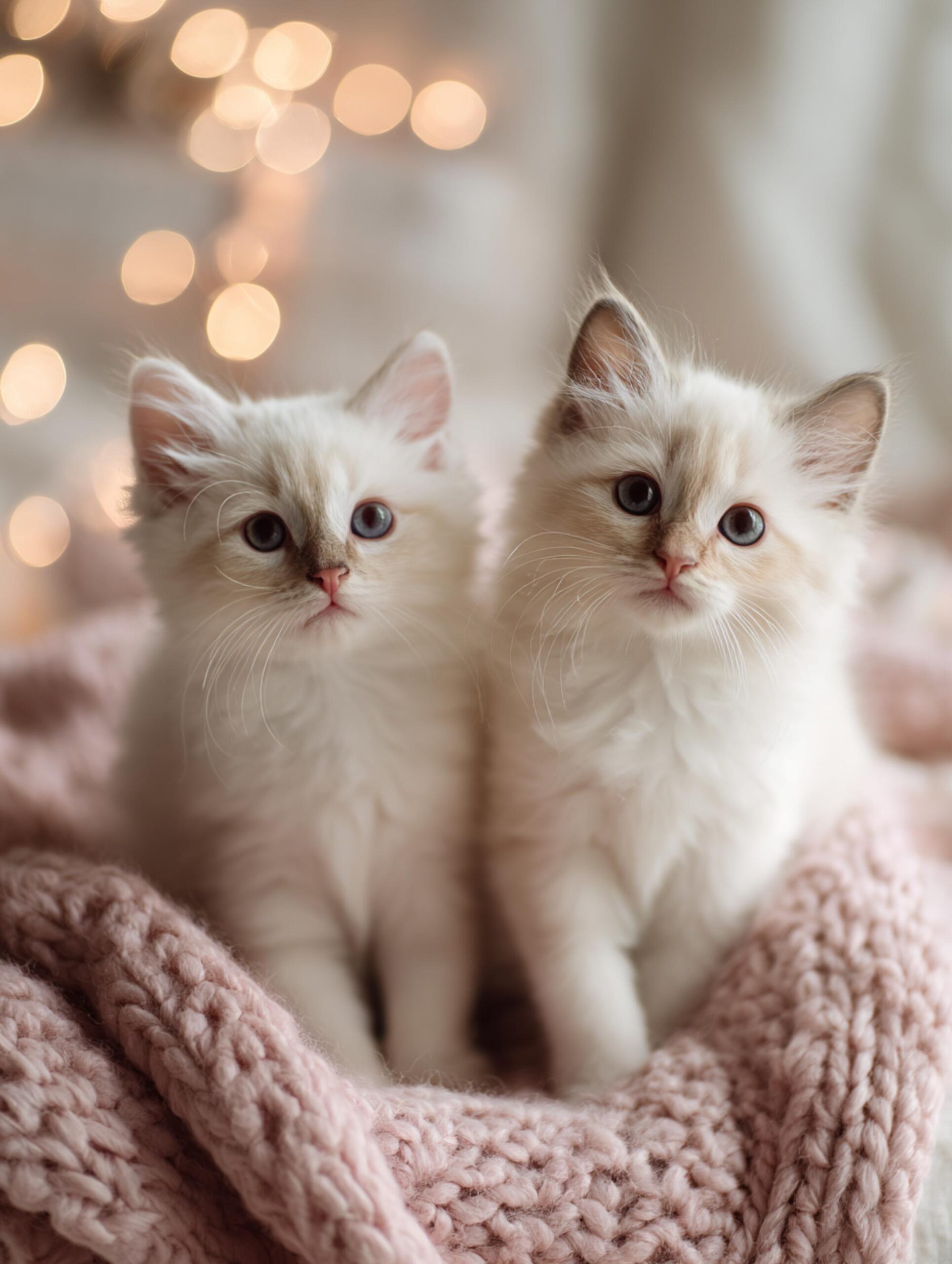
Neva Masquerade kittens often seem unusually easy. They are frequently tolerant, adaptable, and relaxed in early life, which can give buyers the impression that the breed will remain low-maintenance.
As Nevas mature, confidence increases and boundaries become clearer. Independence grows, preferences solidify, and the cat becomes more intentional about how and when it interacts. This shift is normal, but it can surprise owners who expected consistency from kittenhood.
Adolescence may bring temporary changes in energy, assertiveness, or attention-seeking behavior. These phases are part of normal development, especially in a slow-maturing breed.
Because Neva Masquerades mature gradually, behavior continues evolving over several years. Understanding this timeline helps owners set realistic expectations and appreciate the adult personality as it emerges rather than misinterpreting development as a problem.
How Neva Masquerades Do With Families, Children, and Other Pets
Neva Masquerades generally do well in family homes when interactions are respectful and predictable. They are best suited to households with children who understand gentle handling and are able to read basic animal boundaries.
They are often tolerant, but not passive. Neva Masquerades do not enjoy being grabbed, carried against their will, or treated like a toy. When allowed to approach on their own terms, they are typically patient and steady companions.
With other cats, Neva Masquerades are usually social when introductions are done properly and gradually. They tend to integrate well into multi-cat households where space, routine, and resources are managed thoughtfully.
Forced socialization is where problems arise. Rushing introductions, encouraging constant handling, or ignoring stress signals often leads to withdrawal or defensive behavior. Neva Masquerades thrive when relationships are allowed to develop at a natural pace.
Common Personality Myths About Neva Masquerades
Several personality myths persist around Neva Masquerades, largely driven by appearance and marketing rather than behavior.
“They’re calmer than Siberians”
Neva Masquerades share the same foundational temperament as Siberians. Any perceived difference is usually individual variation or age-related, not a breed-wide trait.
“They’re more affectionate because they’re colorpoint”
Colorpoint patterning does not influence affection level. Neva Masquerades are affectionate in the same selective, intentional way as Siberians.
“They’re easier cats”
Neva Masquerades are not easier or more demanding—they are the same temperament expressed through a different appearance. Expecting reduced needs often leads to frustration.
These myths stem from expectation, not reality. Understanding that prevents misinterpretation of normal behavior.
Who the Neva Masquerade Personality Is Best Suited For
Neva Masquerade personalities are best suited for owners who enjoy interaction and intelligence rather than constant physical affection.
They thrive in homes that value engagement, play, and companionship without requiring nonstop cuddling or compliance. Families comfortable with a confident, opinionated cat tend to appreciate the Neva’s awareness and presence.
People who respect boundaries and communicate calmly with their animals find Neva Masquerades especially rewarding. In the right environment, this personality becomes a strength rather than a challenge.
Who May Struggle With the Neva Masquerade Personality
Neva Masquerades are not an ideal match for every household, especially when expectations don’t align with how this breed actually interacts.
Buyers seeking a passive lap cat may feel disappointed. Neva Masquerades show affection selectively and prefer shared presence over constant physical contact.
Homes that expect tolerance without engagement often struggle. This breed responds best to interaction, routine, and mutual awareness. Ignoring those needs can lead to withdrawal or frustration.
People who dislike vocal or expressive cats may also find the Neva challenging. While not excessively loud, Neva Masquerades communicate through sound, movement, and clear body language.
Owners uncomfortable with independence may misinterpret normal self-sufficiency as aloofness. Neva Masquerades value autonomy, and respecting that independence is key to a healthy relationship.
Neva Masquerade Personality FAQ
1. Are Neva Masquerades more affectionate than Siberian cats?
No. Neva Masquerades share the same foundational temperament as Siberians. Affection style is individual, not determined by the colorpoint pattern.
2. Do Neva Masquerades like to be lap cats?
Some do, many don’t. Most Neva Masquerades prefer being near their people rather than constantly on them. Affection is usually selective and on their terms.
3. Are Neva Masquerades good with children?
They can be excellent with respectful children. They do best in homes where kids understand gentle handling and are taught to recognize boundaries.
4. Are Neva Masquerades vocal?
They can be expressive, but they are not typically loud or nonstop talkers. Vocalization is usually purposeful and tied to interaction or routine.
5. Do Neva Masquerades need a lot of attention?
They need engagement, not constant attention. Mental stimulation, play, and interaction matter more than being held or entertained all day.
6. Are Neva Masquerades independent or clingy?
They are independent but socially bonded. Neva Masquerades are comfortable alone for periods of time but strongly prefer being part of daily household life.
7. Do Neva Masquerade personalities change as they grow?
Yes. Kittens often seem easier and more flexible. As they mature, confidence increases, boundaries become clearer, and personality traits solidify.
8. Are Neva Masquerades easy cats for first-time owners?
They can be, but only for first-time owners who are prepared for an intelligent, opinionated cat and who value interaction over passivity.
9. Do Neva Masquerades get along with other pets?
Generally yes, especially with other cats, when introductions are done slowly and properly. Forced or rushed introductions often cause issues.
10. What type of owner is happiest with a Neva Masquerade?
Owners who enjoy intelligence, interaction, and a confident personality—and who respect independence and boundaries—tend to be the most satisfied.
Final Thoughts — Same Foundation, Different Expectations
Neva Masquerade personality is Siberian personality. The foundation temperament is the same, even though appearance often leads buyers to expect something different.
Most challenges arise from expectation mismatch rather than temperament issues. When buyers anticipate passivity, constant cuddling, or reduced needs, frustration follows.
Understanding the Neva Masquerade personality before bringing a kitten home prevents disappointment and reduces the risk of rehoming. When expectations are aligned, this breed is not difficult—it is deeply rewarding.
Considering a Neva Masquerade kitten?
Learn how personality, development, and household fit matter just as much as appearance when choosing the right cat.
Neva Masquerade Related Posts
- Are Neva Masquerade Kittens Hypoallergenic
- Neva Masquerade Kitten Information
- Neva Masquerade Cat Complete Overview
- Are Neva Masquerade Cats Cuddly?
- Neva Masquerade Cat History
- Neva Masquerade vs Siberian Cat
See More About Siberian Cats
If you’re continuing your research, these related posts cover Siberian cat care, development, and ownership considerations:
- Are Siberian Cats Hypoallergenic?
- Siberian Cat Grooming
- Siberian Cat Lifespan
- Male vs Female Siberian Cats and Allergies
- Siberian Cat Size, Growth, and Maturity Timeline
- Siberian Kitten Growth: What to Expect Month by Month
- Living With a Siberian Cat When You Have Allergies
- Siberian Cat Diet and Nutrition
- Siberian Cat Fel d 1 Explained
- Do Siberian Kittens Trigger Allergies More then Adults?
- Siberian Cat Complete Overview
- Siberian Cats vs Other Hypoallergenic Breeds
Sources
- TICA – The International Cat Association
Siberian Breed Standard
Confirms Neva Masquerade as a colorpoint variety of the Siberian and outlines core temperament traits (confidence, intelligence, people-orientation).
https://tica.org/breeds/browse-all-breeds?view=article&id=843 - FIFe – Fédération Internationale Féline
Siberian / Neva Masquerade Breed Description
Supports slow maturity, balanced temperament, social behavior, and development timeline.
https://fifeweb.org/wp/breeds/breeds-s/ - GCCF – Governing Council of the Cat Fancy
Siberian Cat Breed Standard
Reinforces personality expectations, maturity rate, and interaction style relevant to Neva Masquerades.
https://www.gccfcats.org/getting-a-cat/choosing/cat-breeds/siberian/ - International Cat Care (iCatCare)
Understanding Cat Behaviour
Supports independence, boundary-setting, selective affection, and why respectful interaction matters.
https://icatcare.org/advice/understanding-your-cats-behaviour/ - International Cat Care (iCatCare)
Cats and Children
Supports guidance on respectful child interaction, tolerance vs passivity, and family fit.
https://icatcare.org/advice/cats-and-children/ - Dr. Bonnie Beaver, DVM
Feline Behavior: A Guide for Veterinarians
Supports intelligence, communication style, adolescence behavior shifts, and boundary signaling. - ASPCA
Cat Behavior and Training
Supports play needs, enrichment, vocalization, and interaction patterns.
https://www.aspca.org/pet-care/cat-care/common-cat-behavior-issues - Overall KL, DVM, PhD
Manual of Clinical Behavioral Medicine for Dogs and Cats
Supports developmental stages, adolescent behavior changes, and personality consistency over time.





Read the Comments +